
"Our Earth is experiencing unprecedented environmental change during the current anthropogenic era, with profound impacts on natural ecosystems and human populations."
Biology and Paleo Environment (BPE) division researchers study how animals, plants, and microbes influence, respond to, and record the environment in which they live.
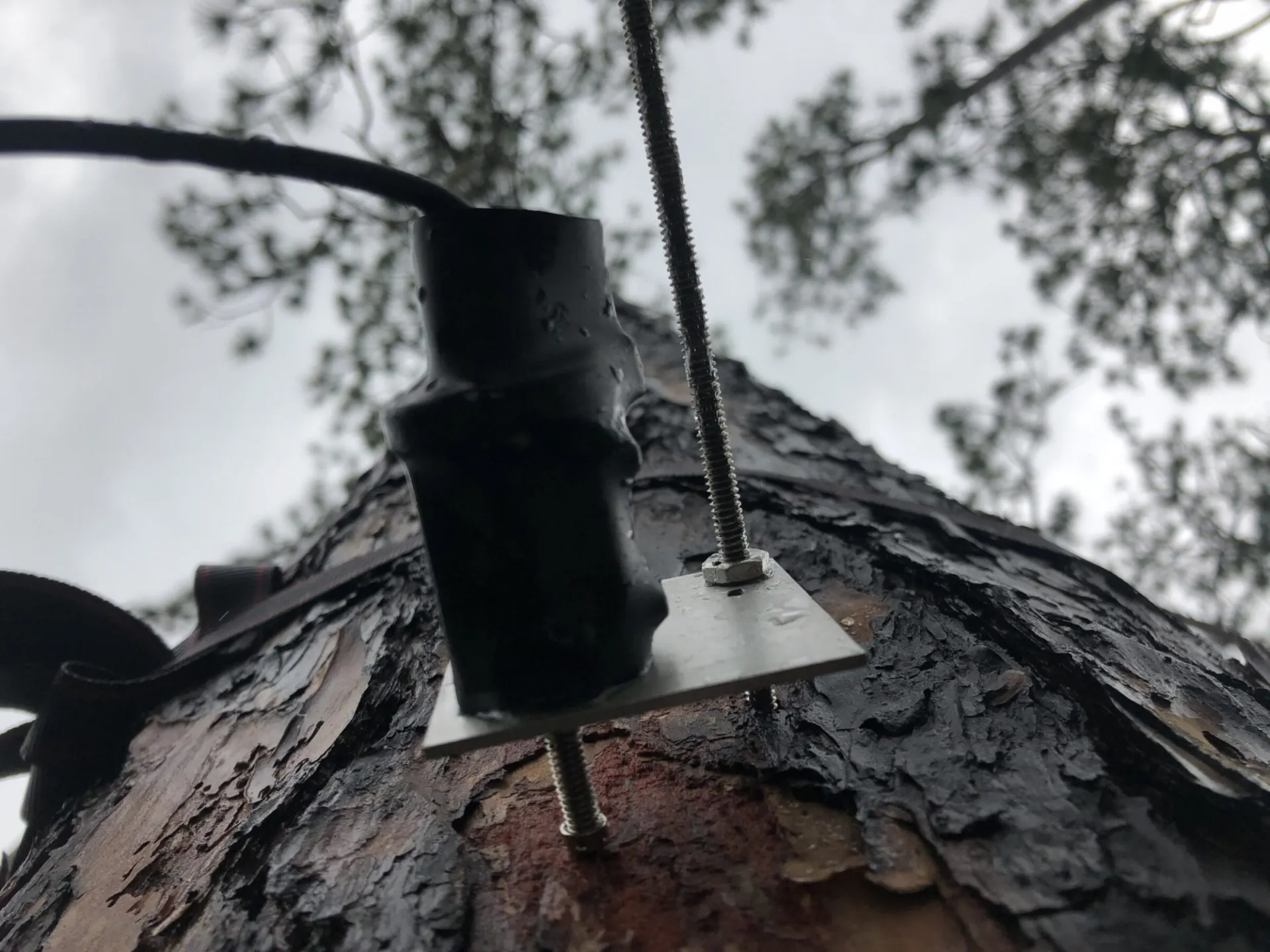
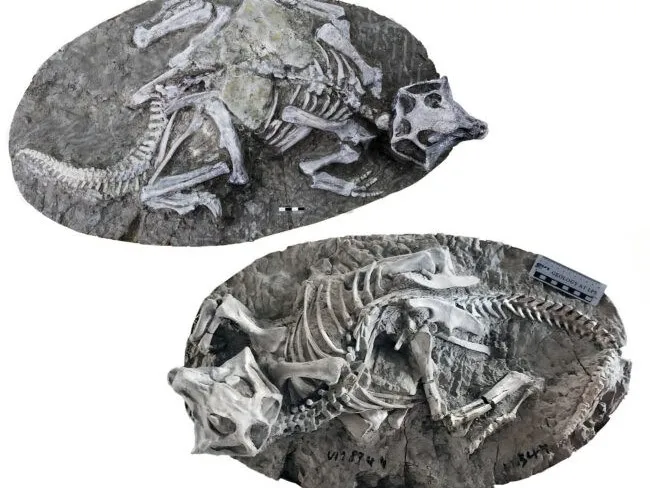
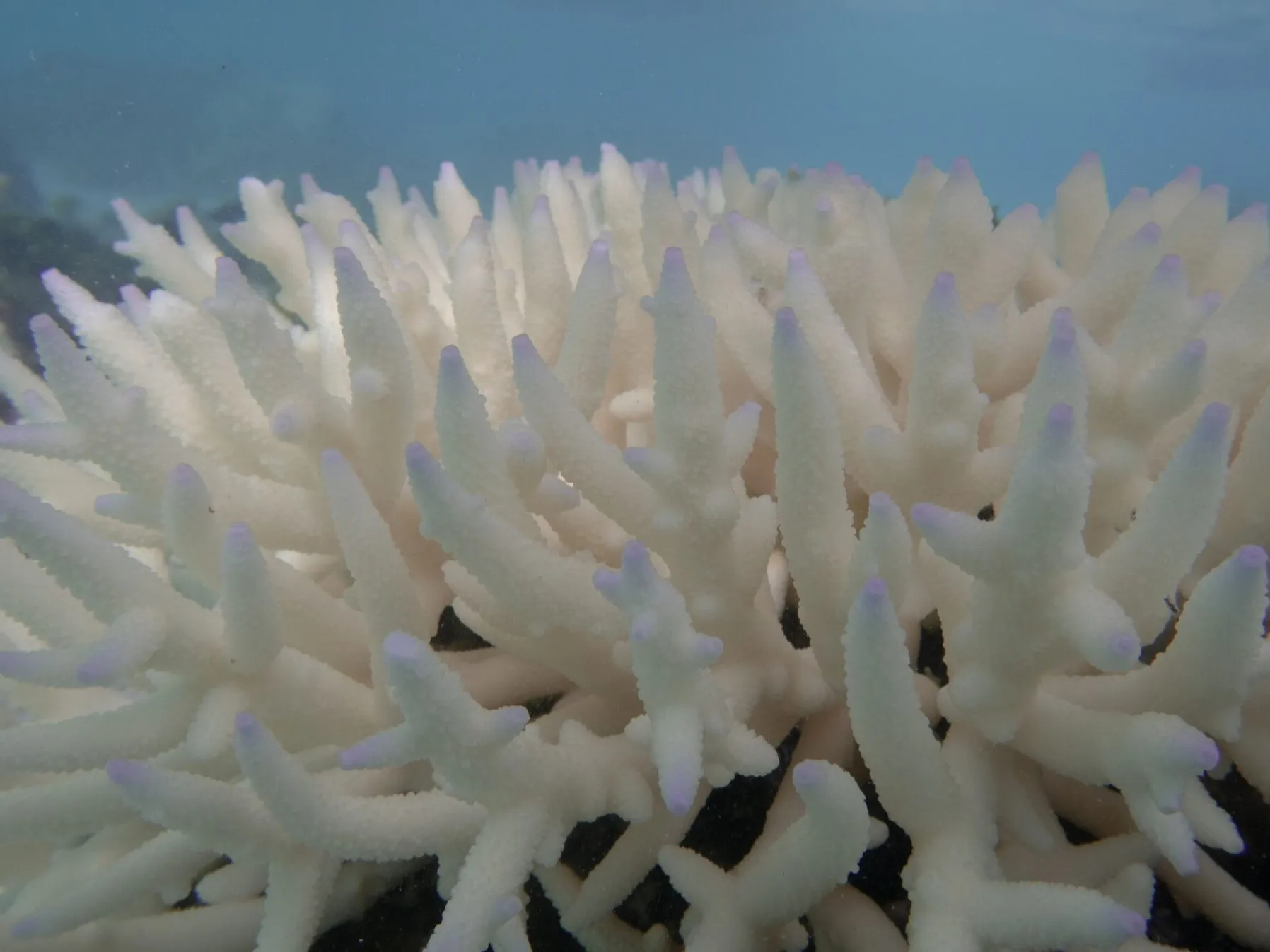
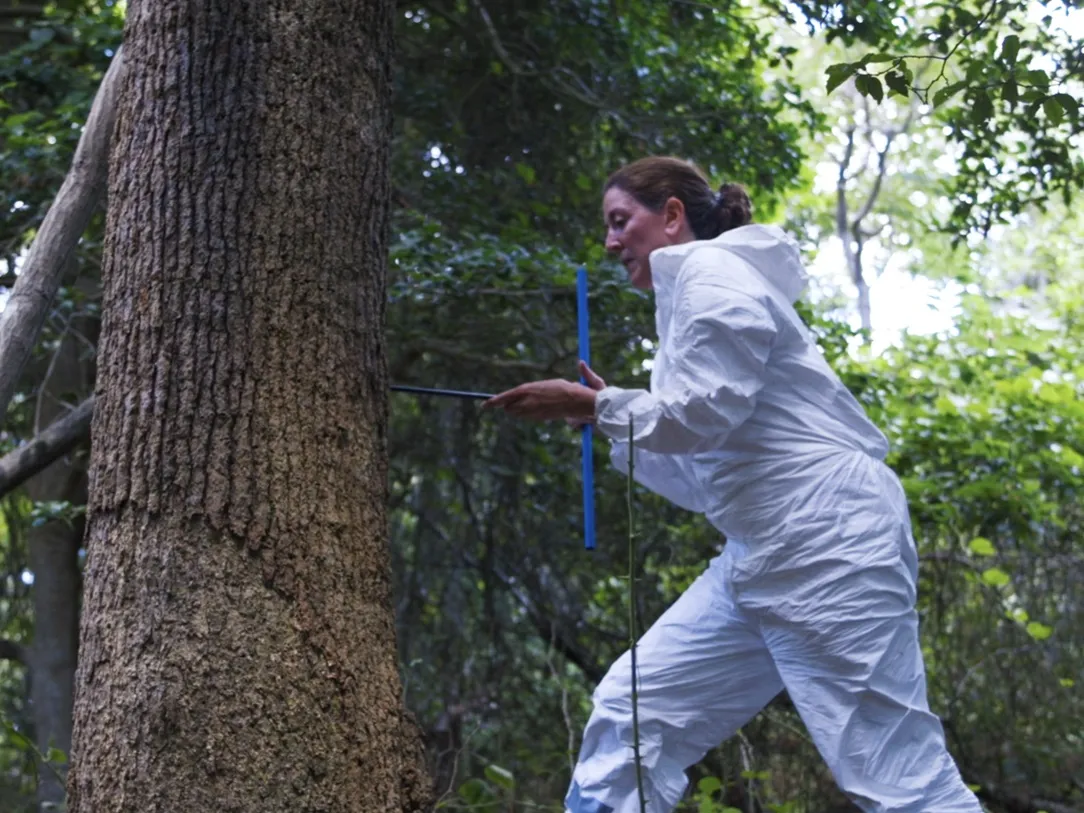
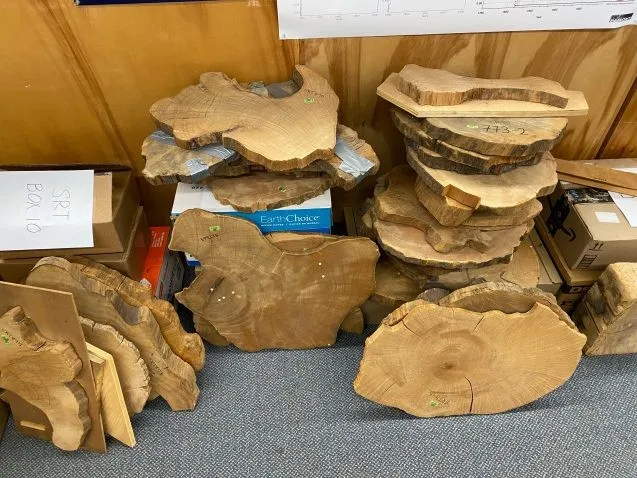
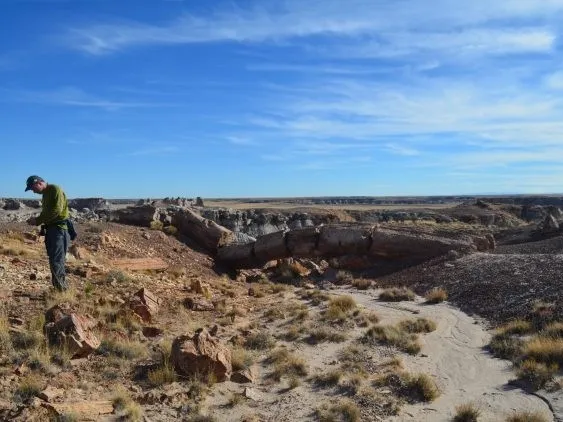
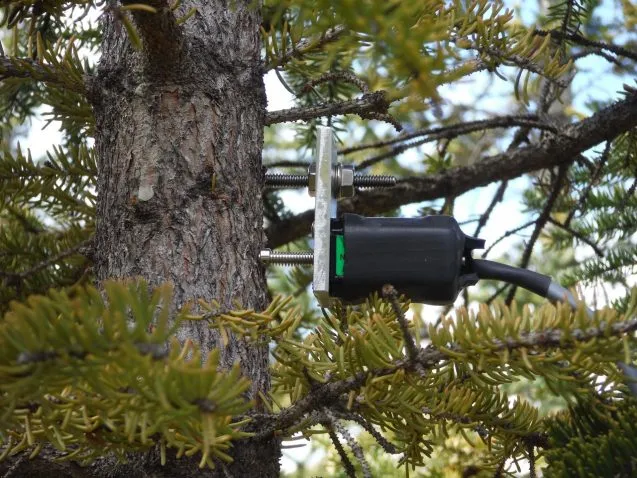
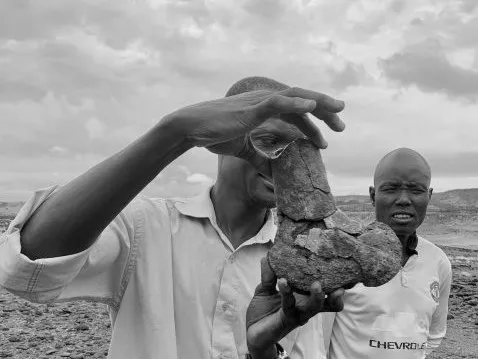
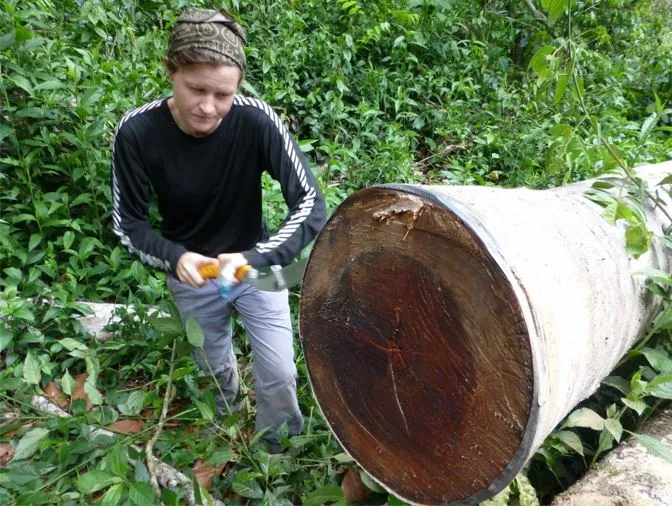
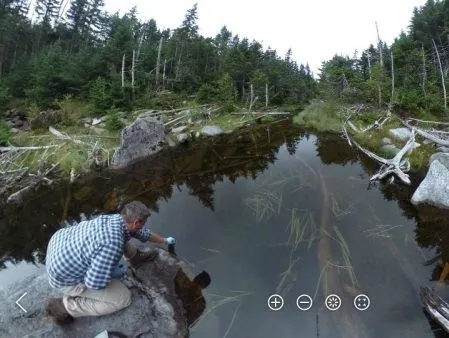
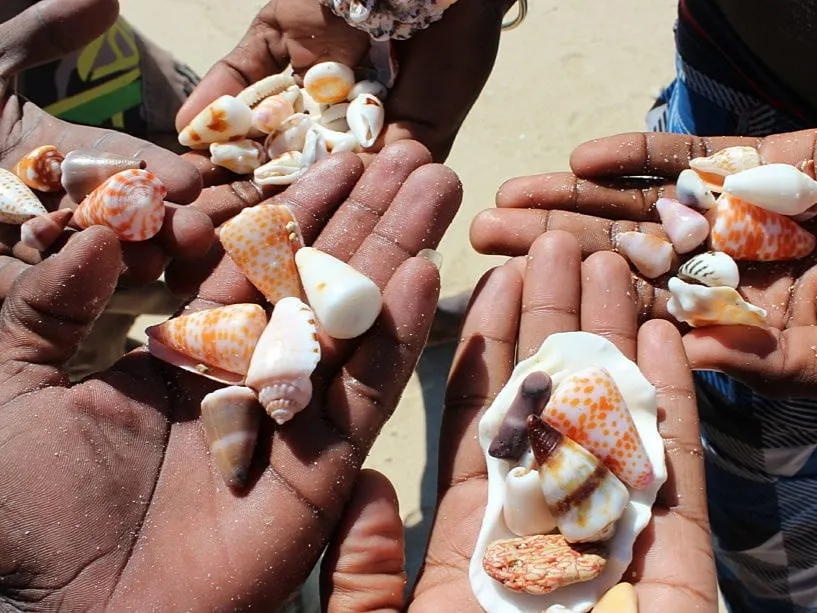
Earth’s ecosystems are shaped by temperature, water, light, nutrient availability, atmospheric gas concentrations, and other environmental factors. Living organisms and their remains often record these environmental conditions. By examining the identity and chemical composition of fossils, pollen, and chemical biomarkers left by organisms in sediments, researchers can understand past environments. Tree rings and coral structures also record information about the environment in which they formed over time, and are the primary source material for other researchers within the division.
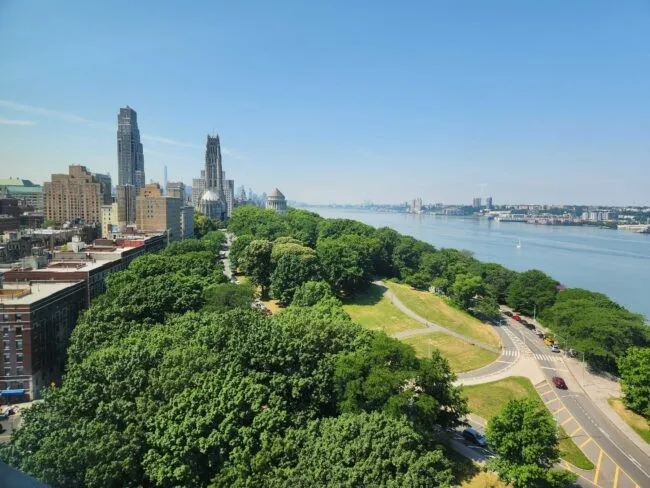
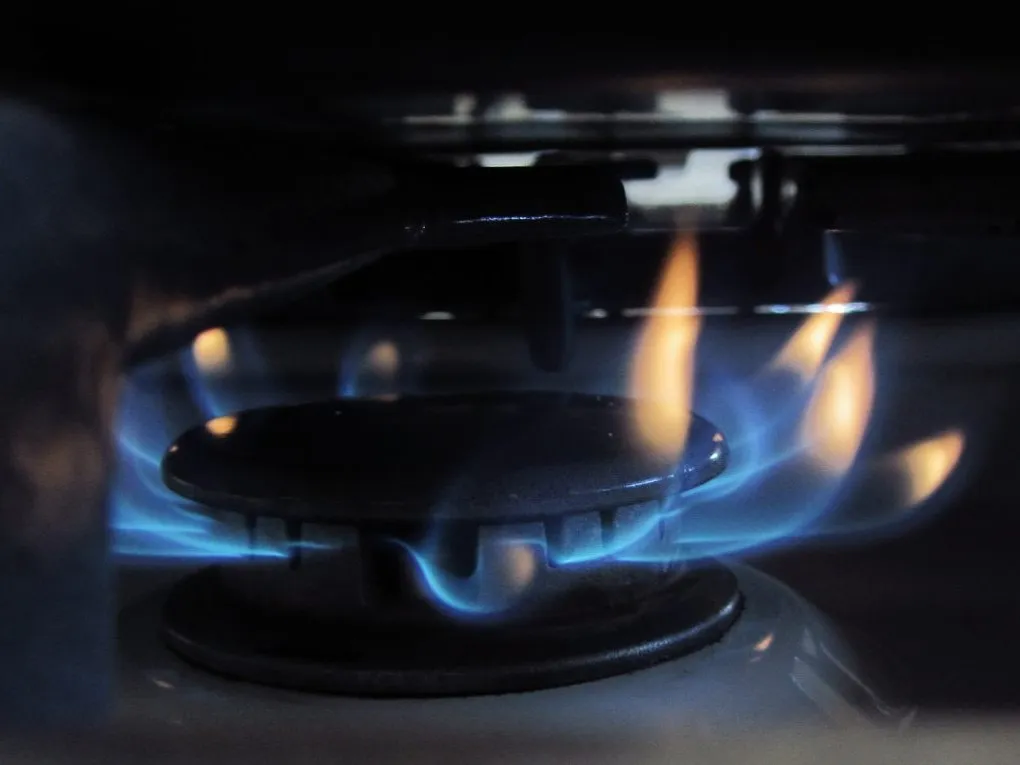
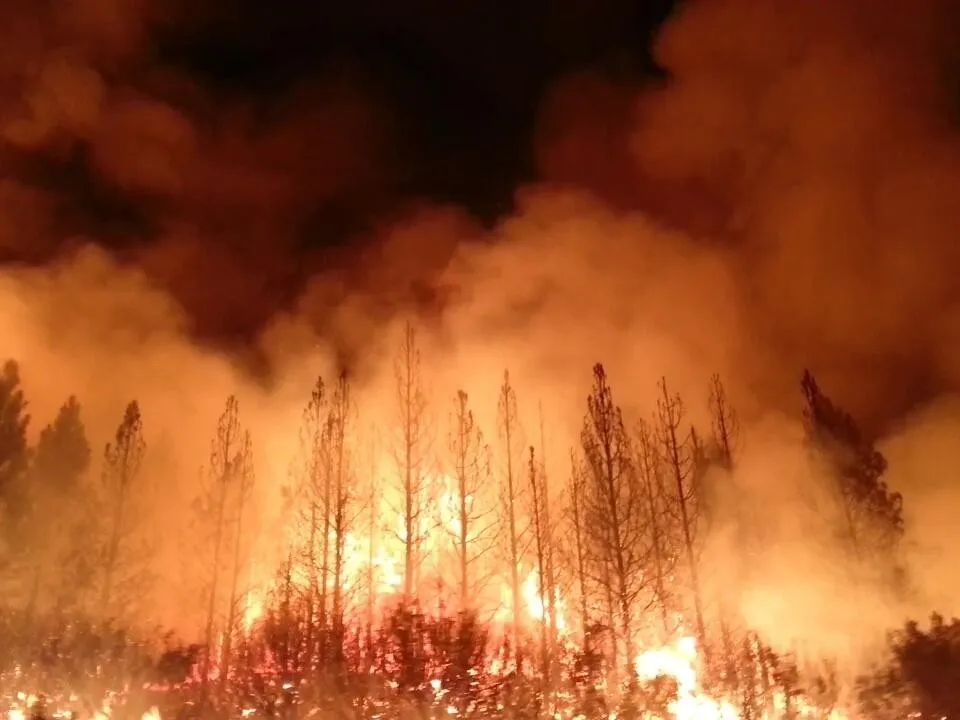
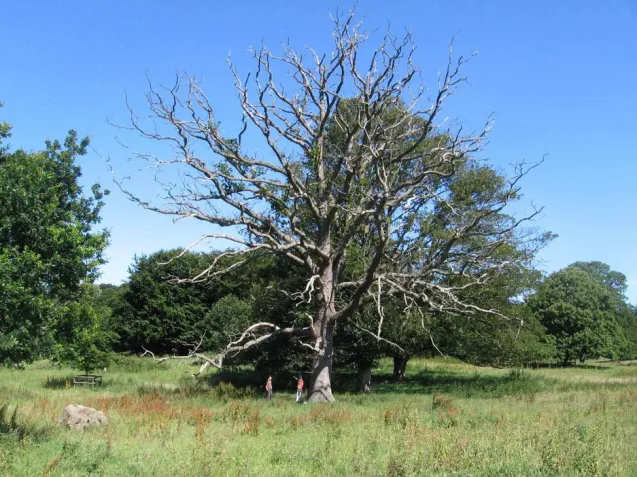
BPE places considerable emphasis on how terrestrial and aquatic ecosystems are being altered by recent human activities (e.g., changing climate, rising sea level, ocean acidification, increasing greenhouse gases, pollution) relative to the past. Research within BPE therefore spans a wide range of time scales, on an arc from the past to the present day and into the future. Across the division, there are both basic research activities that inform societal needs, and projects that exemplify solutions-based science.
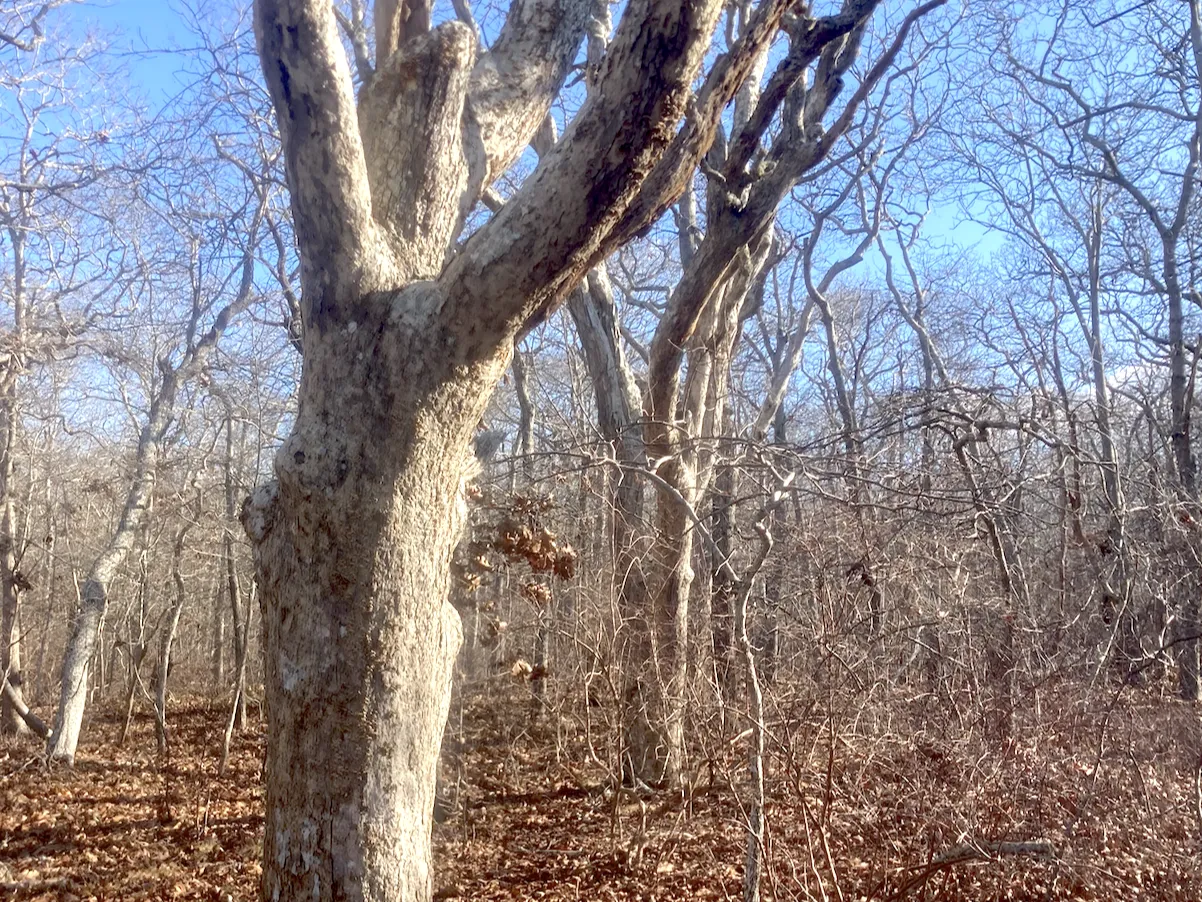
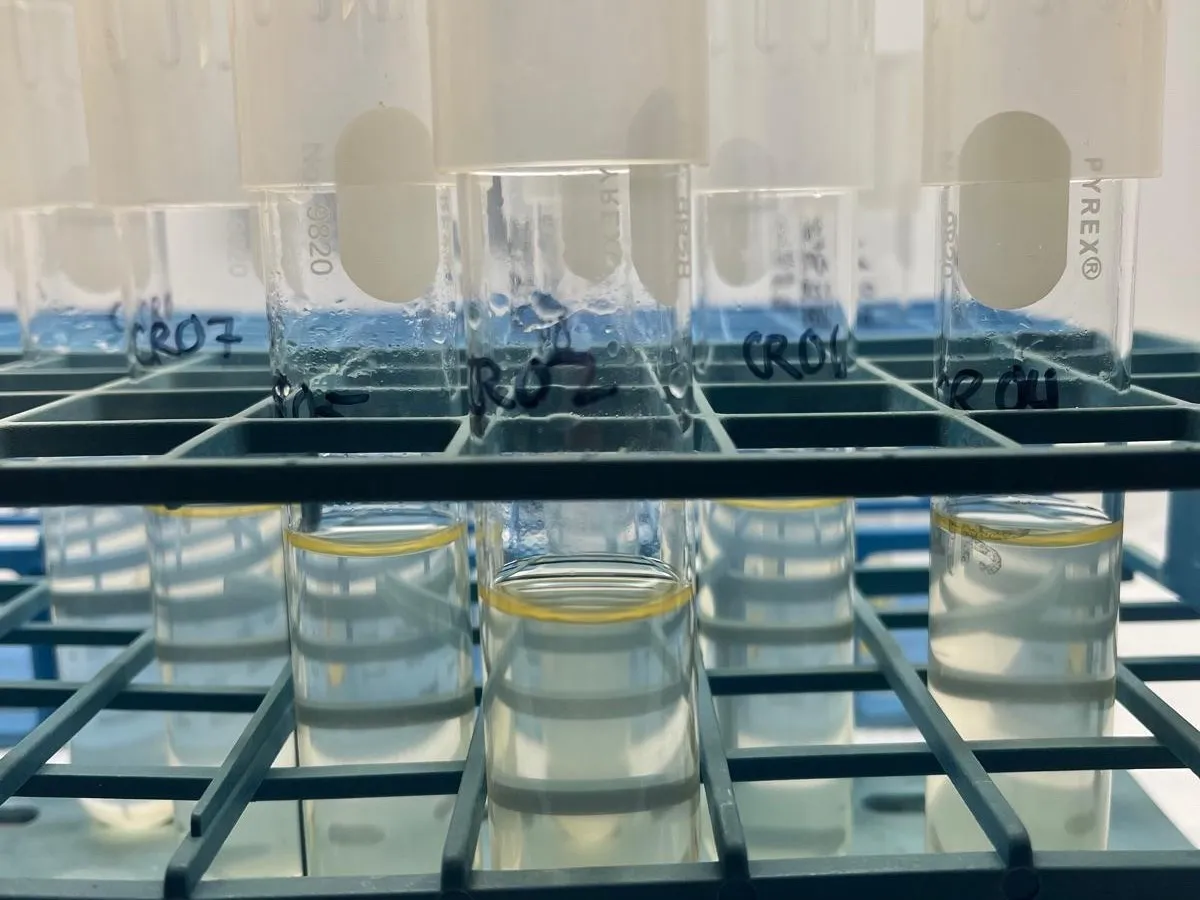
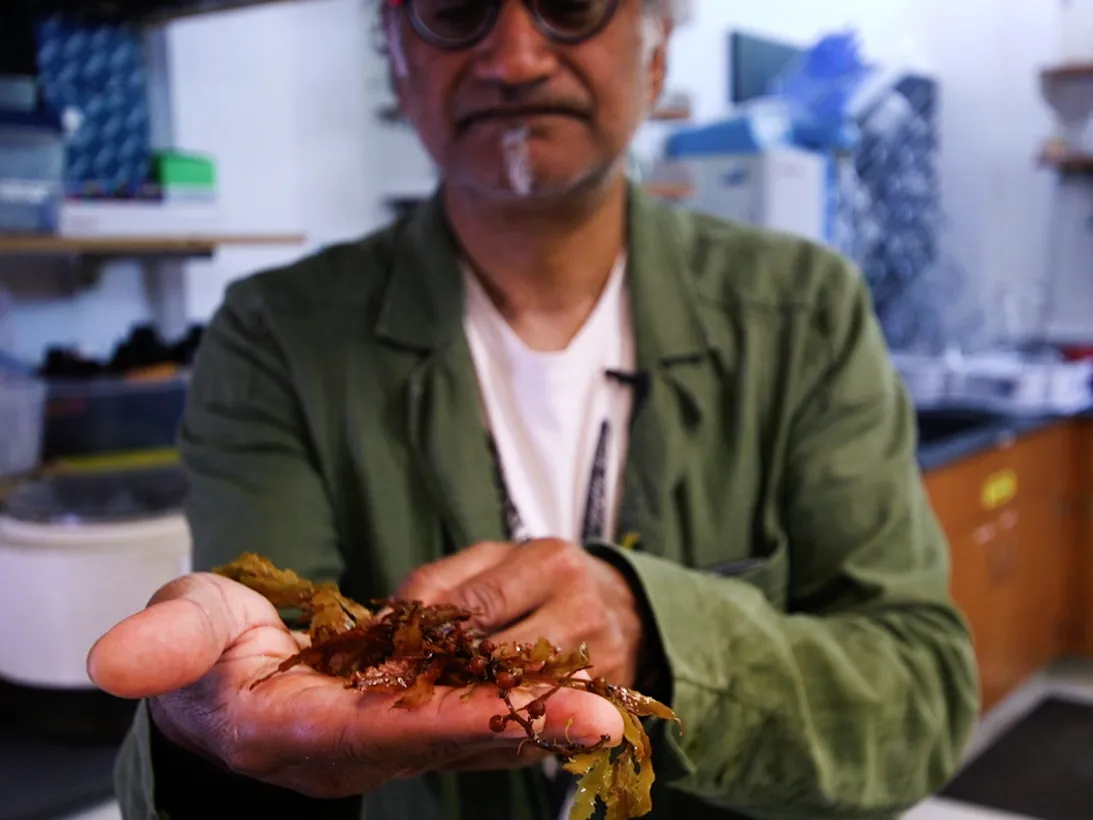
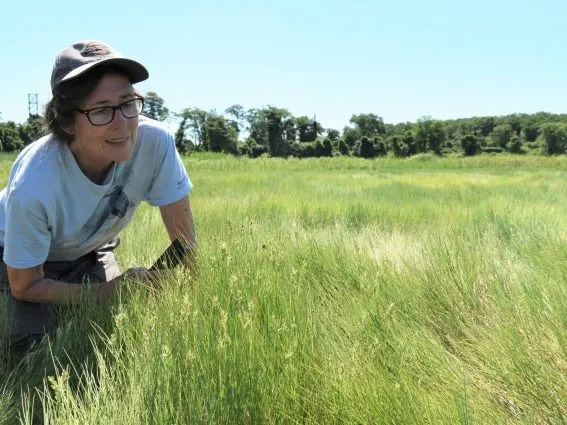
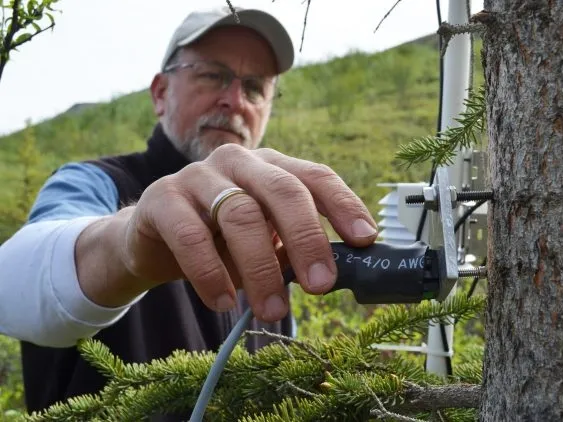
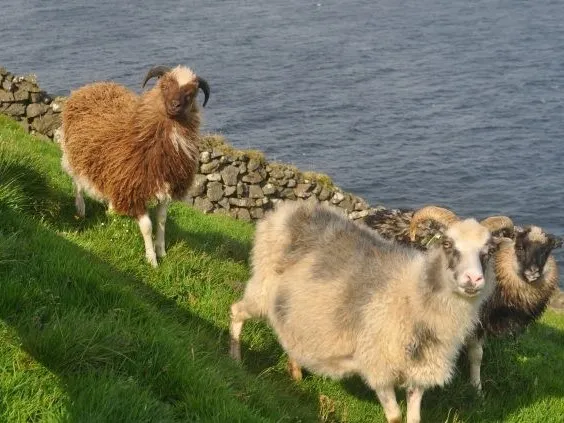
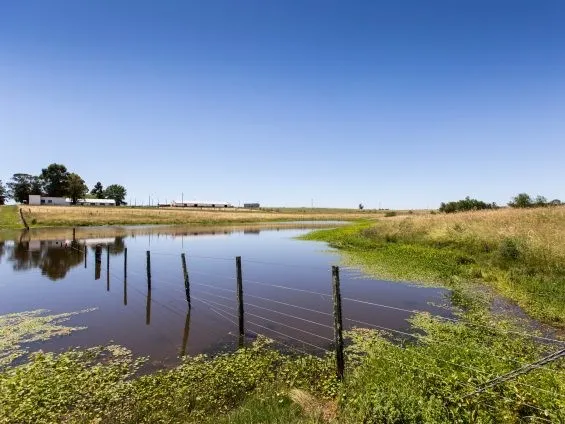
Research on living organisms and modern ecosystems within BPE includes lab-based and field experiments examining sub-cellular to organismal physiology, measuring organismal abundances and activities in different environments, and quantification and modeling of ecosystem processes and exchanges.
Featured Video
Biology and Paleo Environment Researchers & Staff
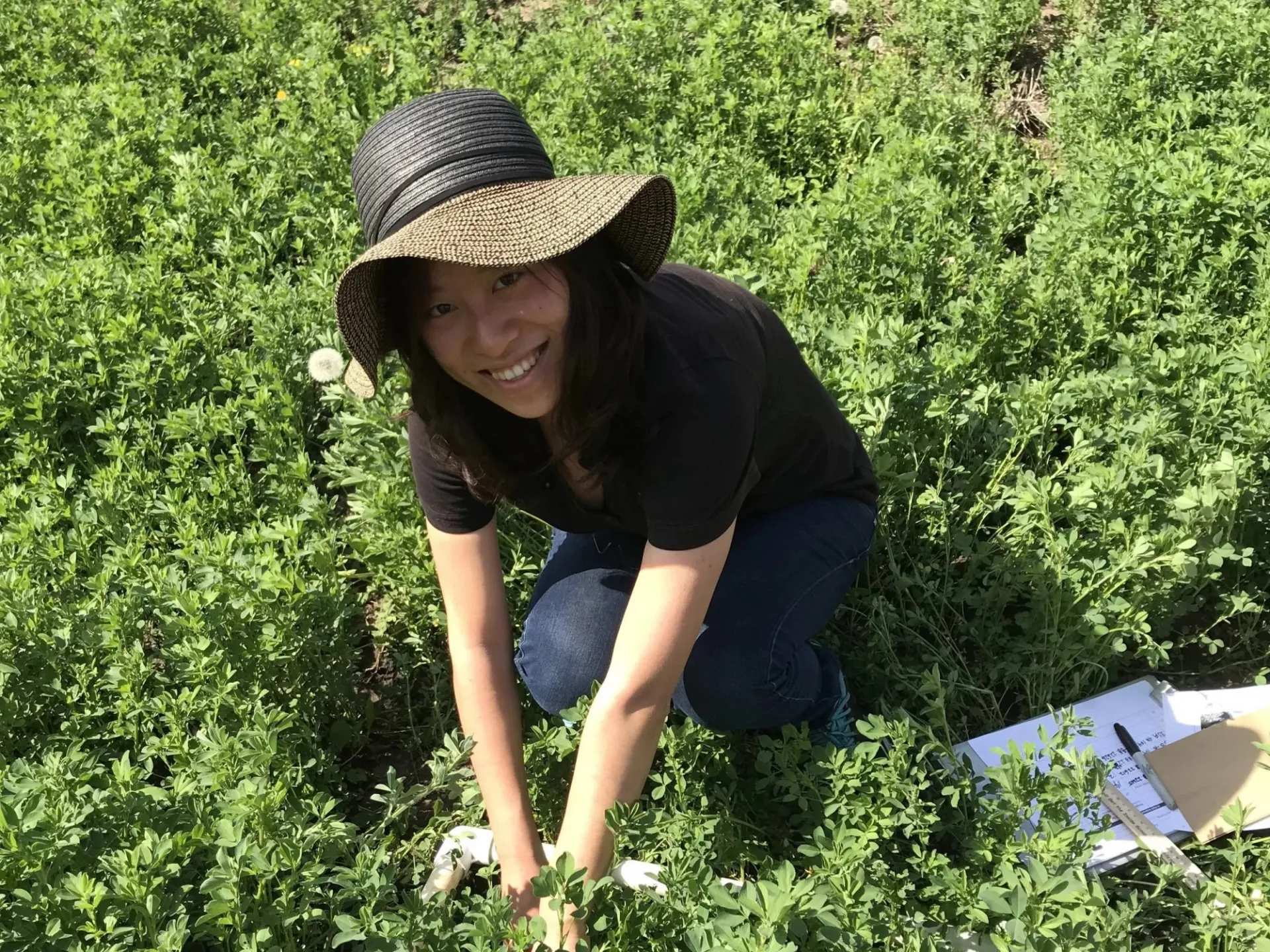
Dr. Yushu Xia’s research focuses on soil health assessment and the modeling of soil carbon, nitrogen, and water dynamics in agricultural and natural ecosystems. Her research goal is to improve agricultural and ecosystem productivity while supporting environmental sustainability and broader ecosystem benefits. She seeks to improve soil health and minimize negative environmental impacts through data- and model-driven evidence.
Her work integrates multi-scale datasets from field, laboratory, survey, literature, and remote sensing with empirical and process-based models to quantify ecosystem services and outcomes, such as carbon storage, nitrogen losses through leaching and gaseous pathways, water availability, and ecosystem productivity. She collaborates closely with farmers and ranchers to develop practical, science-based strategies that enhance soil health and improve resource use efficiency.
My research is geared toward understanding global climate change, including current anthropogenic driven changes and past changes to the Earth System. I investigate the natural modes and underlying forcing mechanisms of past climate variability, with the goal of developing a better understanding of how the Earth System responds to natural and human-induced perturbations.
I’m interested in the ways that environmental and climatic information becomes incorporated into the lipids of living organisms and preserved in the geological record, and I take advantage of these mechanisms to examine past environmental change. Lake sediments are comprehensive archives of changes that have taken place through time, and they allow valuable and quantitative reconstructions of past environmental parameters. I use organic compounds and the stable isotope ratios of hydrogen, carbon, and nitrogen found in them, to reconstruct past climates and environments.
Sonya Dyhrman is a professor of earth and environmental sciences at Columbia University and the Lamont-Doherty Earth Observatory. Dyhrman graduated with high honors in biology from Dartmouth College and received her Ph.D. in marine biology from the Scripps Institution of Oceanography. She did her postdoctoral training at the Woods Hole Oceanographic Institution (WHOI), where she was a tenured member of the scientific staff until she moved to Columbia. She has participated in over 30 research expeditions, including two expeditions to Antarctica for which she was awarded the Antarctic Service Medal. She teaches classes in microbiology, science communication, and climate and is the co-Director of an international training workshop in genomics. Dyhrman is an investigator with the Simons Foundation, a two-time Kavli Fellow in the National Academy Frontiers of Science Program, and a Fellow of the American Academy of Microbiology. Her research leverages molecular tools to study the physiological ecology of cyanobacteria and eukaryotic microalgae and their role in shaping marine ecosystem structure, function and biogeochemistry. In addition to her research efforts, Dyhrman developed ocean science literacy activities for classrooms and the virtual world Whyville, giving more than one million children exposure to ocean literacy standards and the process of scientific discovery.
Dr. Siyu (Nemo) Zhu has conducted research at the University of Oklahoma and the National Weather Center. He received his Ph.D. in School of Earth and Space Sciences from Peking University, and both his Bachelor’s and Master’s degrees in Hydraulic Engineering from Tsinghua University. His research focuses on precipitation estimation, flood processes, and the lifecycle analysis of hydrological extremes using satellite observations and hydrological modeling. He currently serves as an Associate Editor for the Journal of Hydrology.
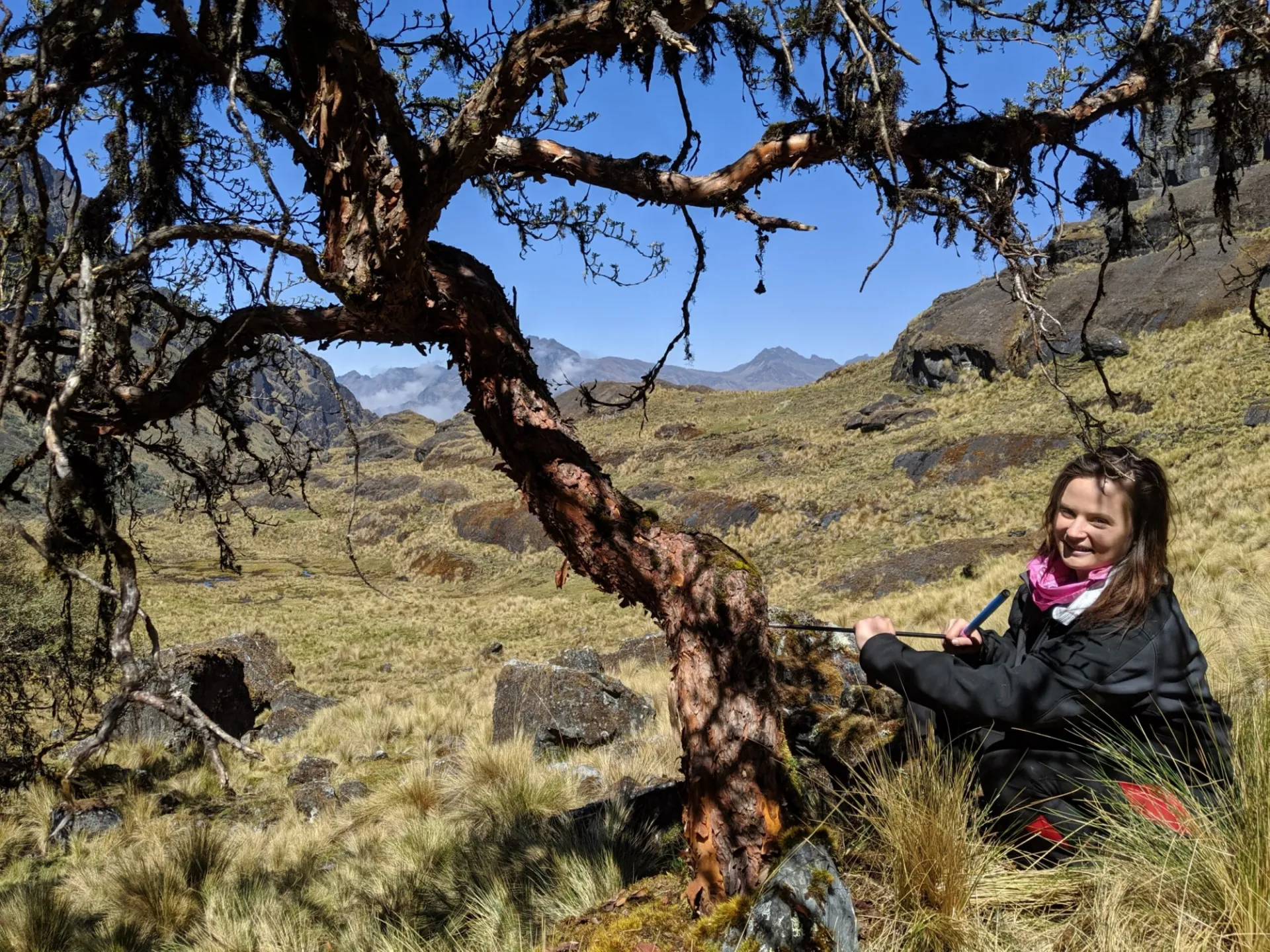
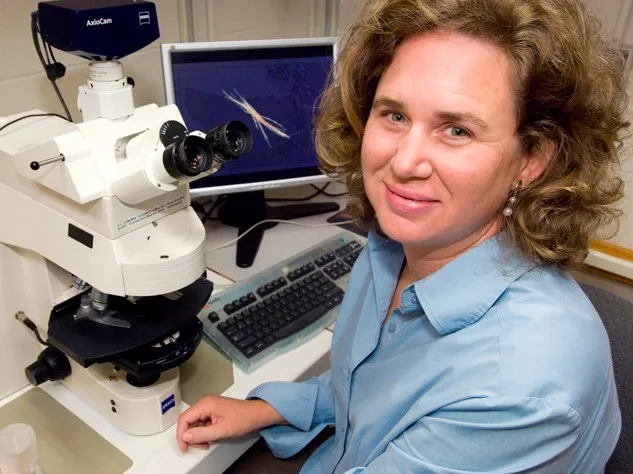
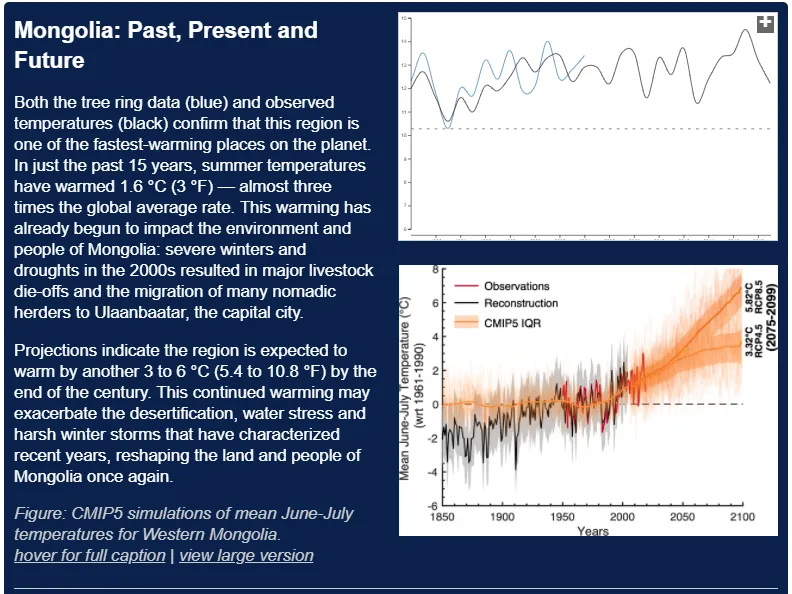
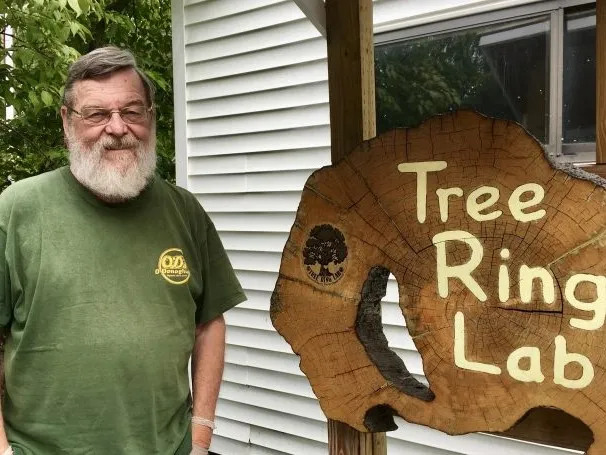
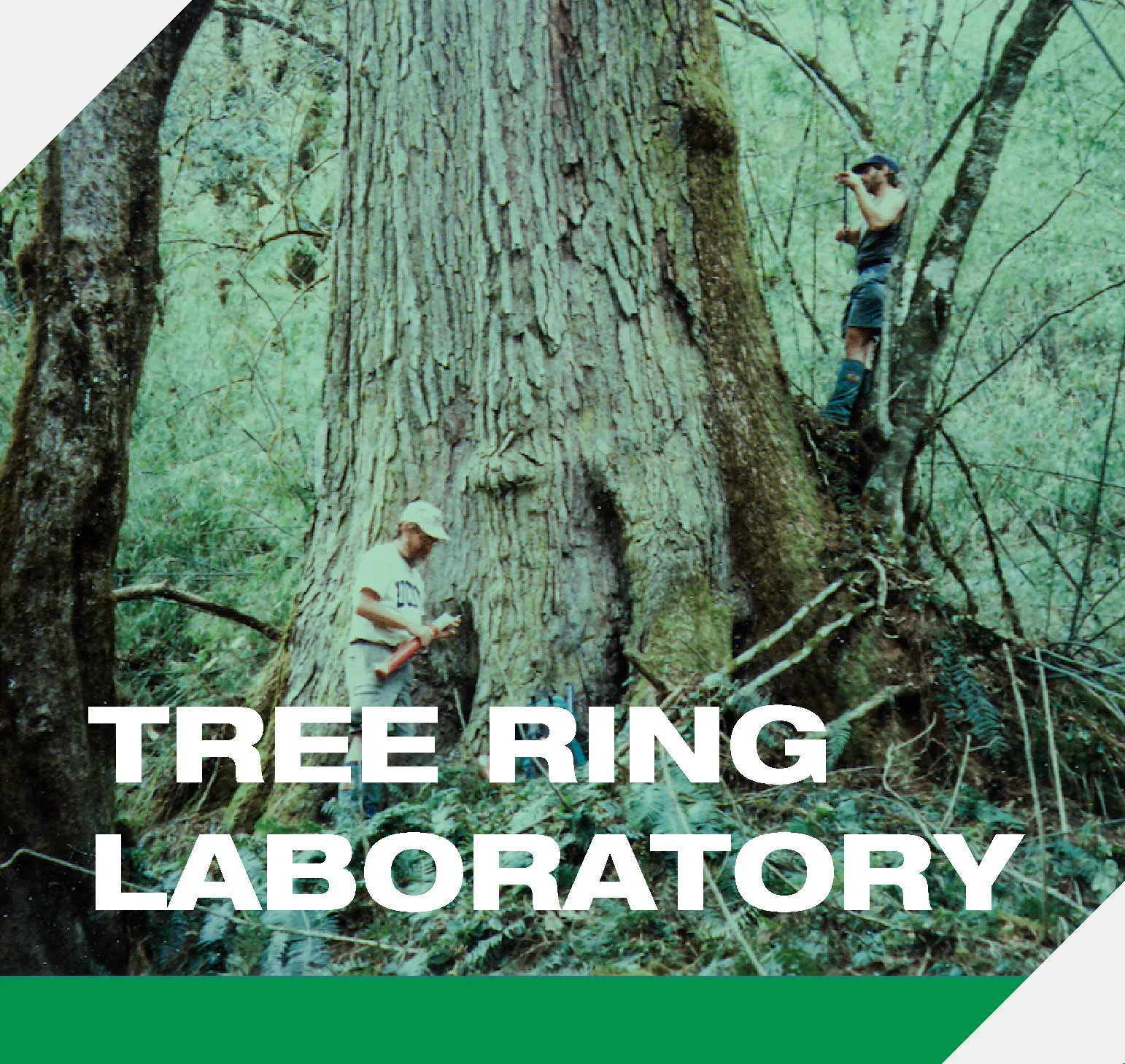
Rosanne D'Arrigo is a Doherty Senior Scholar at the Lamont-Doherty Earth Observatory. Her research is in the Tree-Ring Research Laboratory, where scientists are dedicated to expanding the use and application of tree-ring research around the world to improve understanding of past climate and environmental history. Dr. D'Arrigo has been involved with educational outreach for many years via annual open houses, exhibits, and seminars.
The evolution of continental ecosystems (including their external and internal controls and their biological and physical components) is my overall area of research. I am especially interested in the pattern, causes and effects of climate change on geological time scales, mass extinctions, and the effects of evolutionary innovations on global biogeochemical cycles.
In recent years my students and I have engaged in multidisciplinary projects including: drilling and recovering more than 20,000 feet of core from Triassic lake deposits in New Jersey to understand the influence of variations of the earth's orbit on tropical climate, detailed analysis of the great mass extinction 200 million years ago that set the stage for the dominance of the dinosaurs, excavations at major fossil vertebrate sites throughout eastern North America and Morocco, and the evolutionary processes mediating global carbon cycling.
My approach is to use whatever techniques are available to understand ancient earth's biological and physical systems, and consequently, students involved in these areas have used a broad range of disciplines including structural geology, palynology, geochemistry, geophysics and paleontology.
Paolo Cherubini's research interests lie within tree physiology, forest ecology, and evolution, with relevance to the knowledge and sustainable management of natural resources, and nature conservation. He strives to understand the key processes behind tree growth, to gain a thorough understanding of the influence of environmental stress on tree physiological processes, with particular focus on the impact of environmental stress on wood formation. Linking dendrochronology, dendroecology with ecophysiology is the main aim of his research.
Dr. Cherubini is Senior Scientist in the Dendrosciences group at the WSL Swiss Federal Institute for Forest, Snow and Landscape Research (Birmensdorf, Switzerland), a research institute of the ETH Domain. He is Adjunct Professor in the Department of Forest and Nature Conservation at the Faculty of Forestry of the University of British Columbia, Vancouver BC (Canada), Lecturer at the Department of Geography of the University of Zurich (Switzerland), Adjunct Senior Research Scientist at the Lamont-Doherty Earth Observatory of the Columbia University in New York City (U.S.A.), Adjunct Faculty at the University of Nebraska-Lincoln (U.S.A.), Guest Professor at the Institute of Earth Environment of the Chinese Academy of Sciences (CAS) in Xian, China. He is editorially very active: he served for 20 years (2003-2022) as Editor in Chief - and is currently Honorary Editor - of the journal Dendrochronologia, 2002-2011 as Associate Editor of Tree-Ring Research, 2011-2021 as Associate Editor of the Canadian Journal of Forest Research, 2007-2018 as member of the Editorial Board of Geochronometria, and has been member of the editorial board of iForest, Journal of Vegetation Science, and Tree Physiology.
Birth Date:
August 4, 1937
Occupation:
Microbial Physiological Ecologist, Biologist, and Educator
Degrees:
- Bachelor of Arts (Botany), Washington University, St. Louis, 1959
- Master of Arts (Biological Education), Washington University, 1961
- Doctorate (Biology and Education), Washington University, 1964
Professional Rank:
- Professor of Natural Sciences, Columbia University T. C., 1964-2020
- Teachers College, Department Chairman, 1974-1980, 1993-1996, 2000-2017
- Senior Research Scientist (Adj.), Biology, 1967-present – Lamont-Doherty Earth Observatory of Columbia University
- Faculty Member at Large, Columbia University – Graduate School of Arts and Sciences, 1993-present
Nicole Davi is a an Adjunct Senior Research Scientist at the Tree-Ring Laboratory at Lamont-Doherty Earth Observatory and a professor and chair of the Department of Environmental Science at William Paterson University. Davi’s research focuses on developing and interpreting high-resolution paleoclimatic records in order to further our understanding of climate change over the past 2000 years. She has authored/co-authored dozens of peer-reviewed articles on paleoclimate and has received awards from National Science Foundation and other funding agencies for her research. Davi also has several projects that focus on improving science literacy for undergraduate and K-12 students, and also for public audiences. Davi often collaborates with artists to explore new and compelling ways to communicate the excitement of scientific explorations with diverse audiences.
I am an Ecoclimatologist and Carbon Cycle Scientist. I received my PhD from Columbia University in 2020. I was then an Adjunct Professor of Environmental Studies at New York University (NYU), a NOAA Climate & Global Change fellow at University of California Davis (2021-2022), and subsequently a Marie Skłodowska Curie Fellow at the Center for Ecological Research and Forestry Applications (CREAF), Barcelona, Spain (2022-2024). My research aims to illuminate the future of ecosystems and the forest carbon cycle in a changing climate by drawing on my expertise in climate science, plant ecophysiology, dendrochronology, earth system models, and remote sensing. My research spans a broad array of spatial and temporal scales from cells to satellites and seconds to centuries. I am currently working on projects related to the role of tree growth in the forest carbon cycle, the vulnerability of forests to increasing heat waves, and the use of dendrochronology to understand past environmental change and timber transport.
A complete list of my publications can be found on Google Scholar.
Meredith completed her undergraduate degree at Stonehill College in the spring of 2022, majoring in Environmental Science, and minoring in Spanish. She started as a Ph.D. student in the Department of Earth and Environemental Sciences at Columbia in 2022, working at Lamont-Doherty Earth Observatory with Drs. Ajit Subramaniam and Andy Juhl. Her research combines ocean color remote sensing and laboratory experiments to understand phytoplankton ecology in coastal systems. Her current projects focus on determining the optimal growth conditions of harmful cyanobacterial blooms in the coastal Arctic, and establishing remote sensing methods to quantify and monitor the presence of these blooms.
Dr. Tzortziou's research integrates multidisciplinary datasets, satellite observations, and ecosystem models to provide mechanistic insights into the impacts of human and environmental pressures on biogeochemical cycles and ecological processes along the continuum of terrestrial, wetland, estuarine, and open ocean ecosystems. A key objective of her research is applying results to link science to practice and enhance decision support systems. Dr. Tzortziou has led numerous field campaigns across a range of environments, from the tropics to the Arctic, and has received two NASA Group Achievement Awards (2016, 2019) as Science Team member of the DISCOVER-AQ and OWLETS missions.
Dr. Tzortziou is on the Science Steering Committee for the Ocean Carbon Biogeochemistry Program, the Science Leadership Board of the North American Carbon Program, and member of the Arctic Research Consortium of the United States (ARCUS). She is on the Editorial Board of Remote Sensing and Associate Editor for Biogeosciences. Dr. Tzortziou serves as the Deputy Program Applications Lead for PACE (Plankton, Aerosol, Cloud, ocean Ecosystem), a strategic NASA satellite mission that will extend key ocean color, aerosol, and cloud data records for Earth system and climate studies. She is the Applied Science Lead and Science Team member for NASA's recently selected Earth Venture Instrument-5 Investigation GLIMR (Geostationary Littoral Imaging and Monitoring Radiometer), a new instrument competitively selected by NASA to provide unique observations of ocean biology, chemistry, and ecology that are critically needed to improve coastal resource management, enhance decision making, and enable rapid response to natural and man-made coastal hazards.
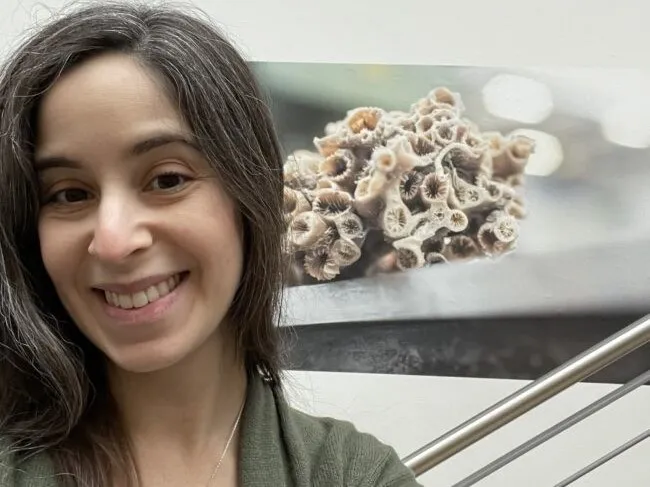
Logan Brenner (she/her) is an assistant professor at Barnard College in the Department of Environmental Science and an Adjunct Associate Research Scientist in the Biology and Paleo Environment Division at the Lamont-Doherty Earth Observatory. She is a paleoclimatologist with research interests that lie at the intersection of climate and environmental science. She mainly studies coral geochemistry to reconstruct climate in tropical regions. She also applies these same methodologies to answer questions about modern coastal conditions. Her current projects involve studying the geochemical composition of coral skeletons to develop histories of ocean temperature, precipitation, salinity, and coastal factors such as river discharge. Future projects include the study of estuarine foraminifera and bivalves.
Logan is also leading an NSF-funded research opportunity program through Barnard called the Environmental Pathways Scholar Program. This program is focused on providing undergraduate research opportunities in the Earth Sciences for people excluded from science base on enthnicity and race (Science PEERS; Asai, 2020) and first generation or low income students.
She graduated from Skidmore College in 2012 with a B.A. in Geosciences where she studied stalagmites (cave formations) to develop a history of precipitation in Yucatan, Mexico. She received her Ph.D. in Earth and Environmental Science from Columbia University and the Lamont-Doherty Earth Observatory, where she studied coral geochemistry as proxies for climate change.
I am a plant physiological ecologist interested in the biochemical, physiological and ecological mechanisms plants and ecosystems use to respond to environmental variation and climate change. I am the lead Pi of the Arctic - Long Term Ecological Research program. This project has been studying the ecosystem ecology Tundra in Northern Alaska for nearly 40 years. Other research projects include studies of tree growth in NY, The ecology of Northern treelines, The temperature response of symbiotic nitrogen fixation and the impact of light and temperature on leaf respiration. I have worldwide collaborations with scientists from Australia, Brazil, Chile, China, Denmark, New Zeeland and Vietnam where we have conducted research in a variety of forests and other ecosystems. Ultimately, I strive to increase our understanding of both the role of the Earth's vegetation in the global carbon cycle and the interactions between the carbon cycle and the Earth's climate system.
Kathelyn Paredes Villanueva holds a Bachelor of Science in Forestry and a Master of Science
degree in Sustainable Management of Natural Forests from Universidad Autónoma Gabriel
René Moreno (Santa Cruz, Bolivia), also in Water Resources Management from Universidad Mayor de San Simón (Cochabamba, Bolivia). She earned a PhD degree in Tropical Dendrochronology at Universidad de Córdoba (Spain). She has been applying state-of-the-art methods for tracing timber origin during her second PhD at the Forest Ecology and Forest Management group at Wageningen University (the Netherlands) and as part of her postdoctoral research at the Tree-Ring Lab of the Lamont Doherty Earth Observatory at Columbia University.Dr. Joaquim Goes was born in Nairobi, Kenya, to parents who formed part of a large diasporic community from a Portuguese colony in India named Goa. Political turmoil forced them to return to Goa where he and his siblings completed their education. After finishing his Master’s degree in 1992 at the University of Bombay in India, Joaquim was offered a Doctoral fellowship by the Japanese Ministry of Education and he moved to Nagoya University, Japan. Clueless in a pre-internet age, he dived headlong into a new culture and language, and oved every bit of it from the sashimi and onsen to kanji.
After Japan lost its ocean color satellite, Joaquim changed the course of his research. Molina and Rowland had just won the Nobel Prize for their work on the formation of the Ozone Hole. Little was then known on how ocean biology would respond to excess solar UV radiation. Working with the late and world renowned geochemist, Prof. Nobuhiko Handa, Joaquim showed how enhanced exposure to UV radiation could profoundly impact phytoplankton photosynthesis and the metabolic compounds they produce.
Later, he pursued his Postdoctoral studies under the late Prof. Toshiro Saino developing a novel algorithm to estimate seawater nitrate from remote sensing. Fortuitously, during his stint as a postdoctoral fellow in Japan, Joaquim met Dr. Barney Balch at a Japan-USA workshop on ocean color in Hawaii in 2000 who invited him to Bigelow Laboratory, Maine after his stint in Japan ended. Once again he embarked on a new journey, this time in a land of lobsters and vast expanses of untouched land often covered in a foot of snow. A year into his Postdoc, Joaquim was appointed as a Senior Research Scientist.
In 2010, he felt the need for another adventure so he moved to the big city of New York. Joaquim is currently a Lamont Research Professor at Lamont Doherty Earth Observatory at Columbia University in the Palisades and his research focuses on understanding how ocean ecosystems and plankton are responding to climate change. He uses his background in biochemistry to study organisms at the cellular level and combines this with his expertise in ocean color remote sensing and coupled physical biological modeling to address large-scale climatic questions.
The projects that Joaquim works with are very diverse covering the physiology and productivity of marine phytoplankton, carbon cycling in the sea, climate impacts on marine ecosystems and socio-economic implications, microplastics in aquatic ecosystem etc. Funding for his work comes from NASA, NOAA, NSF, Gordon Betty Moore Foundation, Sultan Qaboos Cultural Centre, Hudson River Foundation.
Joaquim mentors undergraduates, graduates and postdoctoral students both in his laboratory at Columbia University and at sea, but he especially enjoys working the High School students some of whom have won National and International recognition for their work in his laboratory.
Joaquim has published over 120 peer reviewed papers. Some of his work has been featured in highly acclaimed newspapers, magazines and on Public Broadcasting Service. Joaquim hold a Doctor of Science degree in Ocean Biogeochemistry from Nagoya University, Japan and a Master’s degree in Microbiology, Bombay University, India. He loves music and played the bass in a rock band as a teenager.
Joanna studies Greenland's glacial history and how the ice sheet has interacted with the ocean on geologic timescales. For her postdoctoral research, Joanna is studying the paleoenvironmental conditions before, during, and after the Last Glacial Maximum using proxies preserved in marine sediment cores.
Jamie is a Postdoctoral Research Scientist at the Lamont-Doherty Earth Observatory of Columbia University. She is advised by Dr. Yushu Xia and specializes in carbon modeling and agricultural ecosystem analysis. Her research focuses on advancing empirical models and integrating remote sensing, machine learning, and observational data to improve predictions of carbon, water, and nitrogen cycles.
She holds a Ph.D. in Biological Systems Engineering from the University of Nebraska-Lincoln. Her dissertation, “ Integrating Water and Nitrogen Management for Sustainable Agriculture: Optimizing Resource Use Efficiency and Maximizing Crop Productivity ”, was advised by Dr. Daran Rudnick and Dr. Derek Heeren.
Hunter P. Hughes is a Postdoctoral Research Scientist at the Lamont-Doherty Earth Observatory of Columbia University and a proud recipient of the Lamont-Doherty Postdoctoral Fellowship. His research focuses on using high-resolution paleoclimate archives like corals, tree-rings, and bivalves to understand how hydroclimate variability has changed over time. To answer this question, he conducts research at every stage of the paleoclimate pipeline: from field sampling and modern analog studies, to record generation and climate interpretation, statistical modeling, record synthesis, and forward-facing attribution. He is particularly interested in applying novel statistical frameworks to both individual proxy records and to synthesis products such as spatially-explicit climate field reconstructions.
In addition to his research, Hughes is dedicated to teaching and outreach. At the University of North Carolina at Chapel Hill, where he earned his Ph.D. in Earth, Marine, and Environmental Science, he co-developed a Marine Science 101 laboratory, led a seminar on climate change and epistemology, and was recognized with multiple awards for excellence in teaching and mentorship. His work has been presented at international scientific meetings and published in the paleoclimate and ocean sciences literature.
Hughes received his M.S. in Earth and Ocean Sciences from the University of Maryland Center for Environmental Science, his B.A. from Emerson College. He is also a proud graduate of the Geology Department at Northern Virginia Community College where he received the bulk of his initial training in geology and oceanography.
I am a water guy.
In my research, I try to understand the variability and changes in the water cycle at multiple spatial and temporal scales, and apply such understanding to water resources management.
I care about reproducible research. I believe in sharing knowledge and work to promote science to a broader audience. I love teaching and I do my best to instill research interests in students.
Before coming back to academia, I was an engineer, running water treatment plants in Qatar and Singapore. Having seen the bolts and nuts of water resources systems, and the problems they inherited from a larger scale, I appreciate the importance of systematic planning and operation. That triggered me to pursue a PhD in Engineering Systems and Design, with a focus on water resources management.
As I was working towards better water management for a better future, I realized that the key to the future lies in the past, and trees hold—in their rings—a treasure map that can lead us to that key. Since then, the weirdly wonderful world of tree rings has always fascinated me.
Helga do Rosario Gomes (Maria Fatima Helga do Rosario Gomes) is from the state of Goa in India, famous for its beautiful beaches so it’s inevitable that she was drawn to oceanography from a young age. She graduated with a Ph.D. in Biological Oceanography from Bombay University and after research positions in Japan and in Maine, she has been a Research Scientist at Lamont-Doherty Earth Observatory, Columbia Climate School from 2010 onwards.
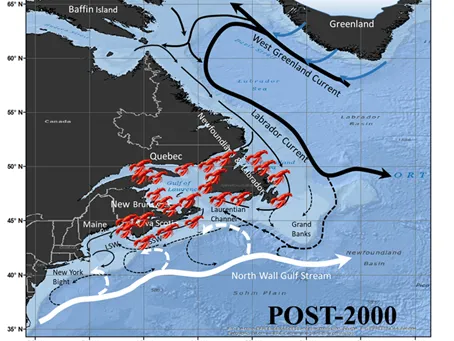
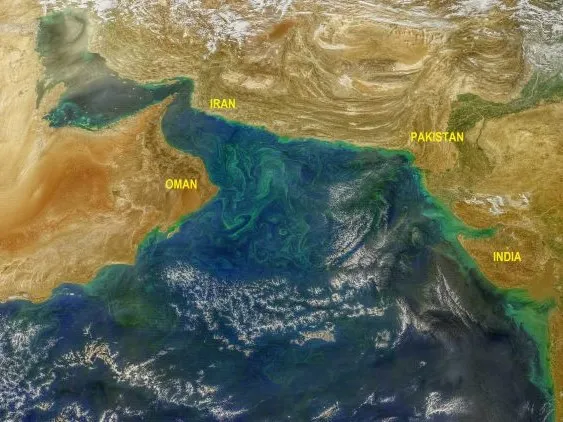
Her research interests in climate impacts on marine ecosystems and ocean biogeochemistry have led her to study the impact of UV radiation on phytoplankton photosynthesis in the Antarctic waters, the influence of the Amazon River continuum in biological sequestration of carbon dioxide and the rise of mixotrophy in the Arabian Sea. She uses her diverse expertise in biochemistry, microbiology and remote sensing to develop methods to assess primary productivity both at the cellular level and from space. Dr. Gomes is interested in large-scale climatic questions such as the impacts of the new and unusual planktonic blooms in the Arabian Sea, the effect of Arctic warming and ice melt on the American lobster, the impact of urbanization on wetland systems especially around the Long Island Sound and ocean acidification and deoxygenation of waters from harmful algal blooms.
With her colleagues she has been developing ocean monitoring and decision support systems tailored to meet needs for sustainable management of coastal resources in tropical countries experiencing climate change. Currently she is a co-PI of a recent Colombia University President Global Fund Award to develop a prototype Kenya Ocean Monitoring and Decision Support System for sustainable coastal resource management under climate change. She is a member of SCOR Working Group SCOR Working Group 165 “Mixotrophy in the Oceans – Novel Experimental designs and Tools for a new trophic paradigm (MixONET)”.
She mentors postdoctoral, graduate and undergraduate students but passion lies in providing guidance and support to high school students some of who have won national and international awards.
Dr. Gomes is a trustee and Science Advisor for Goa Chitra, Goa, India, an anthropological museum that preserves and showcases the culture and lifestyle of the people of the west coast of India. She advises them on research programs for overseas students and has held a series of classes on Climate change and rising sea level for coastal communities of Goa.
I'm a Ph.D. student in the Dyhrman lab with a background in ecology and biogeochemistry. I am currently interested in the physiological ecology of marine phytoplankton, including nutrient stresses and carbon metabolite formation. I use molecular 'omics and culturing approaches to answer questions about these topics.
Erin Maybach is a Ph.D. Candidate advised by Sonya Dyhrman. Her work focuses on uncovering how metabolic interactions structure microbial communities, with an emphasis on the transfer of organic carbon between organisms. Using metagenomics and computational approaches, she investigates how functional traits and environmental substrates shape community ecology and biogeochemical cycling. While her current research centers on marine microbial systems, her work is broadly motivated by understanding and predicting microbial interactions across diverse environments, including natural and engineered systems.
I’m a climate scientist interested in drought, hydroclimate, and interactions between the land surface and the climate system.
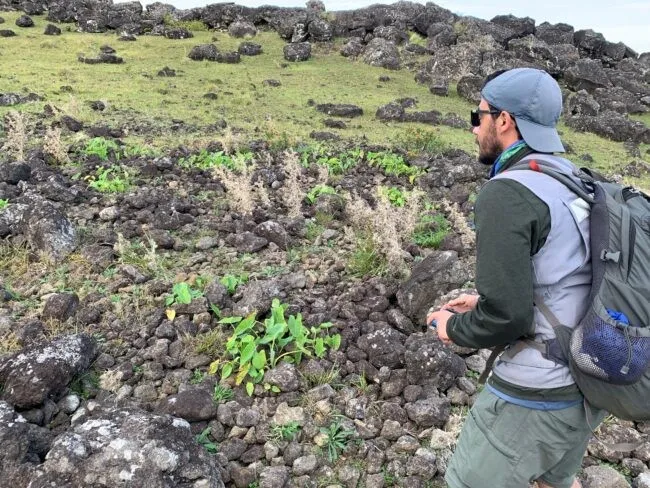
Dylan is an Adjunct Associate Research Scientist in the Climate School and Lamont-Doherty Earth Observatory at Columbia University. He is an archaeologist specializing in remote sensing applications and human-environmental interaction. Dylan's research interests primarily focus on human responses to hypervariable conditions. In particular, he's interested in how societal actions can influence environmental systems, and how people are impacted by unpredictable climatic conditions. Most of Dylan's work focuses on island and coastal regions and makes use of geospatial methods (e.g., remote sensing, GIS, network analysis) in conjunction with archaeological, ethnographic, and paleoecological data. Ultimately, his work seeks to further our understanding of how people interact with and are affected by their environment. Dylan's ongoing research seeks to understand the role that socioeconomic strategies play in long-term ecological change across landscapes. Specifically, his postdoctoral research focuses on how ecological systems are impacted by foraging, pastoralism, and agricultural activities. Dylan earned his Ph.D. in Anthropology in 2022 from Penn State. He also has an MA (2018) and BS (2017) in Anthropology and a BA (2017) in Geography from Binghamton University. Dylan currently serves as the Co-Editor in Chief of Archaeological Prospection.
Dr. Dorothy M. Peteet is a Senior Research Scientist at NASA/Goddard Institute for Space Studies and Adjunct Professor, Columbia University. She directs the Paleoecology Division of the New Core Lab at Lamont Doherty Earth Observatory of Columbia and in collaboration with GISS climate modelers and LDEO geochemists is studying the Late Pleistocene and Holocene archives of lakes and wetlands (peatlands, salt marshes, tidal freshwater marshes, bogs, fens). Documenting past vegetational change using pollen and spores, plant and animal macrofossils, loss-on-ignition, carbon, and charcoal in conjunction with accelerator mass spectrometry (AMS) radiocarbon dating, her research provides local and regional records of vegetational and climate history and carbon sequestration. Peteet has performed GCM experiments to test hypotheses concerning LGM and abrupt climate change. She is interested in climate sensitivity from past climate changes and ecological shifts with future climate change. Droughts are of recent interest.
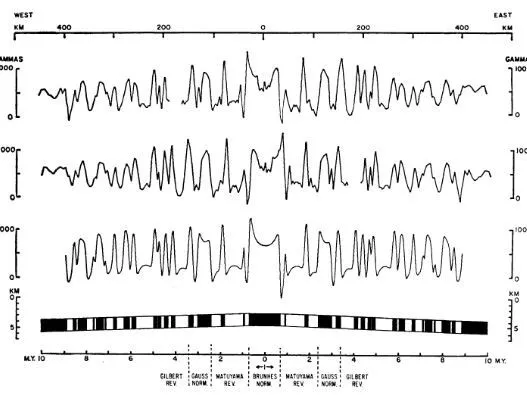
Dennis Kent is Doherty Senior Scholar at Lamont-Doherty Earth Observatory of Columbia University and Board of Governors Professor Emeritus at Rutgers University. He has (co)authored more than 300 peer-reviewed journal and book articles that have garnered 47,000 citations and an h-index of 100 on Google Scholar dealing with paleogeography, paleoclimate and the long-term carbon cycle, apparent and true polar wander, geomagnetic paleosecular variation and the tempo of polarity reversals in the Phanerozoic, and magnetic recording properties of rocks and sediments.
Kent has served as a member and a chair of the governing boards of the Joint Oceanographic Institutions and Integrated Ocean Drilling Program Management International; as elected president of the Geomagnetism and Paleomagnetism Section of AGU; as elected member-at-large of the section on Geology and Geography of AAAS; and on the editorial advisory board of the Earth and Planetary Science Letters.
Kent is married and they have a married daughter and live in Piermont, New York.
Positions:
- 2022-2024 University Professor at the Silesian University of Technology, Gliwice
- 2006-… Directeur de Recherche 1ere classe (Senior Research Scientist) CNRS (Centre National de la Recherche Scientifique)
- 1999-2006 Directeur de Recherche 2ème classe CNRS
- 1990-1999 Chargé de Recherche (Research Scientist) 1ère classe CNRS
- 1985-1990 Chargé de Recherche (Research Scientist) 2ème classe CNRS
~~~
- 2014 Visiting Professor at Columbia University through the Alliance program (1st semester)
- 2004-2005 Visiting Research Professor at University of Bayreuth through the von Humboldt Research Prize
- 1990-1992 Visiting Research Scientist: Lamont-Doherty Geological Observatory of Columbia University
~~~
- 2014-… Adjunct Senior Research Scientist @ Lamont-Doherty Earth Observatory of Columbia University
- 2010-2014 Director of the CERES-ERTI (Environmental Research and Teaching Institute at Ecole Normale Supérieure, Paris)
- 2002-2006 Deputy Director, and co-founder of the Research Institute (IFR 119) "Mediterranean and Tropical continental Biodiversity" in Montpellier, 2002-2006. 1992-2006 Chair of the Paleoenvironments Laboratory at Institut des Sciences de l'Evolution, UMR CNRS 5554, Montpellier II University (France)
- 1992-2014 Adjunct Research Scientist @ Lamont-Doherty Earth Observatory of Columbia University
~~~
- Visiting Lecturer: University Montpellier II, University Aix-Marseille II, Université Paris XII-Paris VII, University of Milan, Polish Academy of Sciences, Krakow, University of Massachusetts, Amherst, Max-Planck Institut für Kernphysik, Heidelberg, University of Cambridge, Quaternary Center, Academia Sinica, Institute of Geology, Beijing, University of Beijing, China University of Geosciences, Beijing, University of Bayreuth, Physical Research Laboratory, Ahmedabad, Ecole Normale Supérieure de Paris, University of Nebraska Lincoln, GISS NY, Lamont-Doherty Earth Observatory of Columbia University, University Forcari Venice, Batsheva de Rothschild foundation Jerusalem, University of Montpellier.
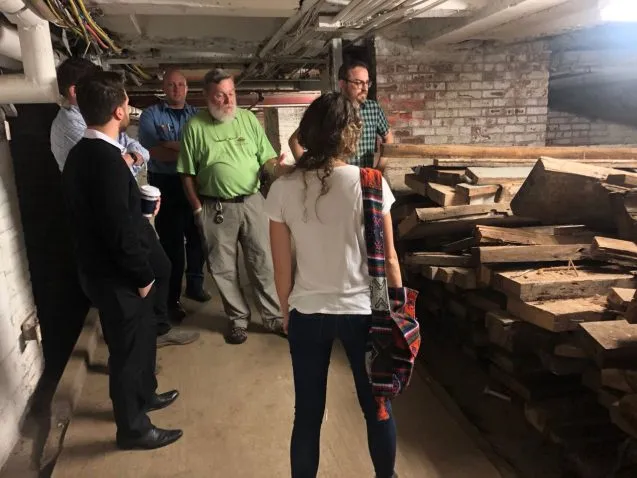
Caroline Leland is a postdoctoral researcher at William Paterson University and is affiliated with the Tree-ring Laboratory at Lamont-Doherty Earth Observatory of Columbia University. Caroline is a dendrochronologist (tree-ring scientist) currently focusing on climatic extremes in northwestern North America, but has also studied climatic and ecological conditions of the past in north Asia and the eastern United States. Caroline became interested in tree-ring science as an undergraduate at West Virginia University, where she studied ancient cliff-dwelling Eastern Red Cedar trees to understand past hydroclimatic variability. After college, she continued her tree-ring work as a technician and graduate student at Columbia University and she received her PhD from the Department of Earth and Environmental Sciences in 2019. For her PhD research, she studied the physiology, morphology, and growth histories of long-lived trees from North America and Asia, some of which were several thousands of years old. After completing her PhD, Caroline continued her research and was a lecturer for the Frontiers of Science core curriculum class at Columbia University (2019-2021). In addition to her paleoclimate research and teaching, she is also interested in using tree rings to date and provenance timbers from noteworthy historical buildings.
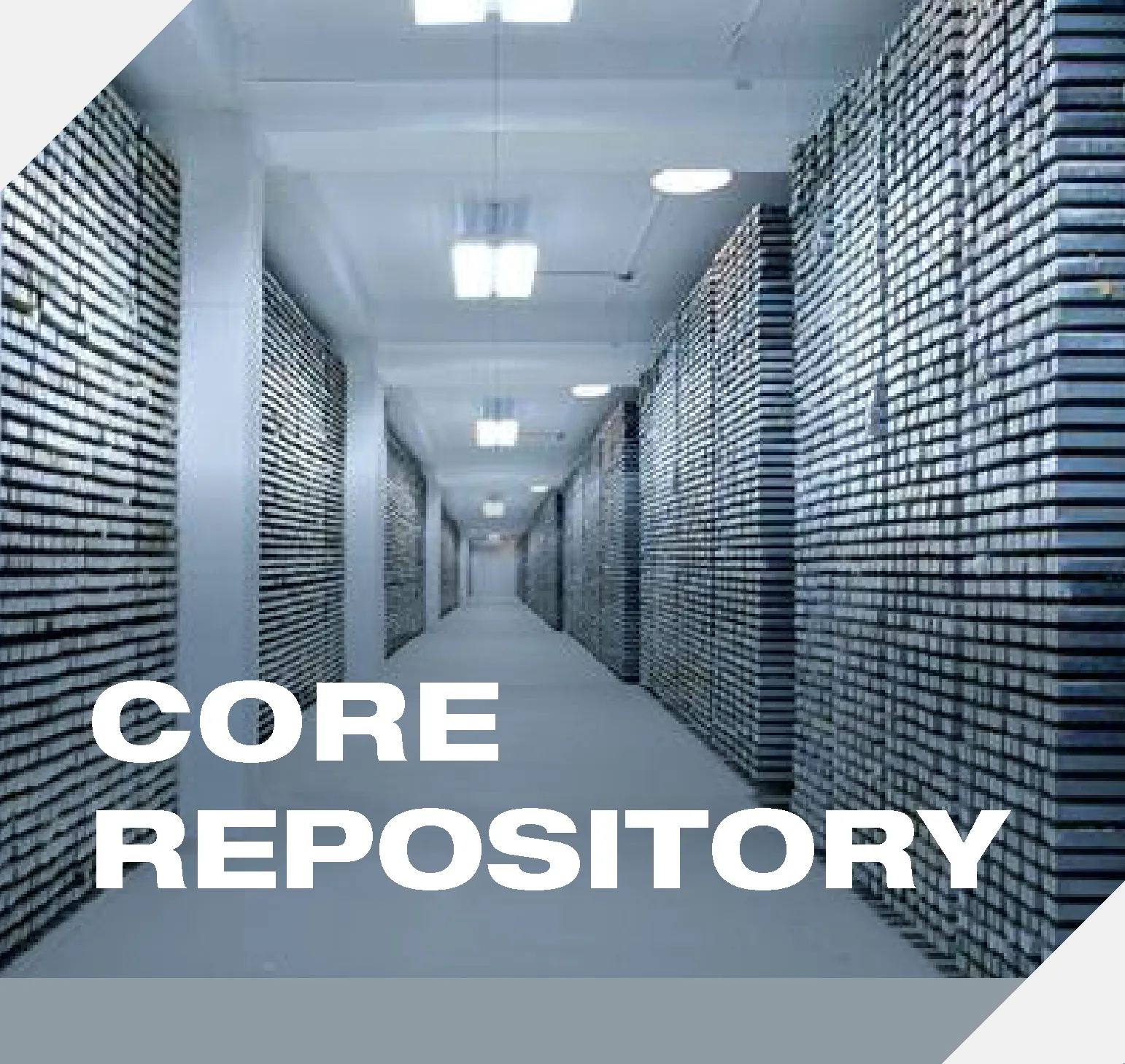
Brendan Reilly is a Lamont Associate Research Professor at Columbia University's Lamont-Doherty Earth Observatory (LDEO). He is Director of the Lamont-Doherty Core Repository (LDCR), one of the largest collections of seafloor samples in the world. In this role, he helps care for and make accessible a globally important archive of marine sediments used by researchers studying Earth’s climate and ocean history. He also leads LDEO's Paleomagnetics and Stratigraphy (PAST) Group and Paleomagnetics Laboratory.
As a seagoing geological oceanographer, he studies how seafloor landscapes and marine sediments record Earth's history. Much of his work focuses on reconstructing past changes in ice sheets in Greenland and Antarctica using marine sediment cores. He specializes in paleomagnetism, the study of Earth’s ancient magnetic field preserved in rocks and sediments, which provides a powerful framework for dating sediments and linking climate records from different parts of the world.
Brendan Buckley holds the position of Lamont Research Professor, and has been a long-time member of the Tree Ring Lab at the Lamont-Doherty Earth Observatory of Columbia University (LDEO). While he has worked in locations around the globe, Buckley has been one of the pioneers of tropical dendroclimatology, having produced the longest and best replicated records of absolutely dated tree ring sequences from Southeast Asia. Among his most important discoveries were the identification of two key periods of drought that coincided with the two most tumultuous periods of the past millennium over Southeast Asia – the Angkor droughts of the late 14th/early 15th century, and the Strange Parallels Drought of late 18th century, respectively. He continues this important work by using new methods to develop discrete seasonal reconstructions of regional hydroclimate, including measures of the strength of summer and winter monsoons, as well as the “shoulder” seasons that lead into and out of them, over the past millennium. Buckley is a proponent of interdisciplinary research, working with historians, archaeologists, geochemists and atmospheric scientists. Along with his research in the Asian tropics, he has a long history of research in the North American boreal forests, having conducted some of the first dendroclimatic forays in northern Labrador, Canada, and North America’s northernmost trees in the Firth River of Alaska. He was also instrumental in developing the longest temperature reconstructions from the Southern Hemisphere as part of his PhD research in Tasmania and New Zealand.
Buckley received his undergraduate degree in Physical Geography from Plymouth State College in New Hampshire, a Masters degree from Arizona State University in Tempe, and his PhD from the Institute of Antarctic and Southern Ocean Studies (IASOS) at the University of Tasmania, Australia. He held Post-doctoral positions at the University of Auckland, New Zealand and at the Lamont-Doherty Earth Observatory of Columbia University, before commencing his current LDEO position in 1999.
My research is focused on utilizing the geochemistry of corals, microfossils and marine sediments to document past oceanographic and climate conditions over a range of time-scales from sub-annual to glacial-interglacial. In addition to my role as a Lamont Research Professor, I also serve as Director of the Lamont-Doherty Stable Isotope and Trace Element Laboratory, New Core Lab, and Director and teacher in the M.S. in Sustainability Science Program. I came to Lamont in 2011 after 16 years as a Professor in the Department of Atmospheric and Environmental Sciences at the University at Albany-SUNY.
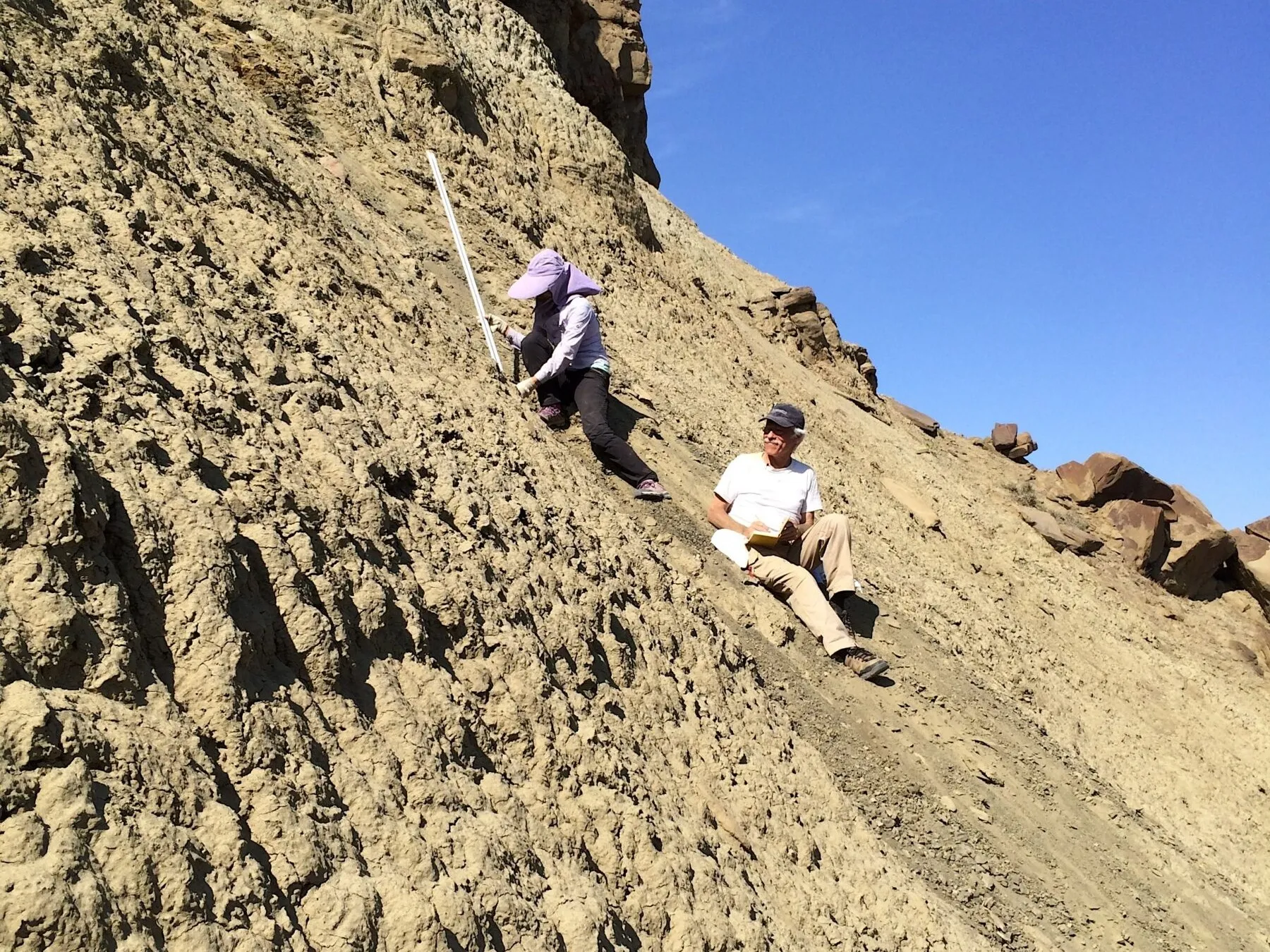
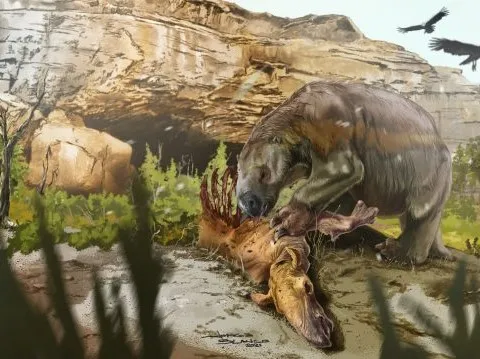
Bennett Slibeck is a PhD candidate at Columbia University’s Lamont-Doherty Earth Observatory (LDEO), where he studies dinosaur footprints, the End Triassic Extinction, and global environmental change through the Mesozoic. Bennett works with Dr. Paul Olsen and was awarded the NSF graduate research fellowship in 2023, to aid in the completion of his degree. In 2021, he designed and implemented the creation of the Quantitative Morphometrics Computing Facility at LDEO, enabling his research into high resolution digital modeling, with a special focus on ichnofssil photogrammetry. His master’s research focused on The End Triassic Extinction and The Rise of Dinosaur Dominated Ecosystems in the Newark Basin, with a special focus on the use of “ichnocladistics” as a conceptual framework for interpreting the trace fossil record.
As an indigenous scientist, Bennett is also keenly focused on environmental justice, and is a part of ongoing collaboration between Columbia University and the Navajo Nation to understand the distribution of geogenic groundwater contaminants in the nations water supply. CLEANN (the Collaboration to Lower Arsenic Exposure on the Navajo Nation) sits at the intersection of public health, hard rock geology, and environmental justice. He firmly believes that it is incumbent upon all of us to repair the damaged relationships between scientists and indigenous communities and hopes that his own continued efforts in this field will enrich the world around him.
Bennett considers himself a storyteller above all else, and notes that paleontology provides our best framework for navigating an increasingly volatile future. Through his career as a scientist and educator, Bennett hopes to inspire people to see the deeply intrinsic sense of wonder gained through careful observation of any natural system, such that they carry that wonder with them into a more beautiful world.
I am an aquatic ecologist and oceanographer with broad interests relevant to basic and applied issues in coastal marine systems, estuaries, rivers and lakes. Much of my research has focused on studying the growth and physiology of planktonic microorganisms (planktonic algae, protist microzooplankton, invertebrate zooplankton, and bacteria). I use a holistic perspective that encompasses how planktonic organisms interact with their physical/chemical environment, how they interact with their competitors and predators, and the implications for their population dynamics.
Planktonic organisms form the base of most aquatic food webs, and thus, the processes that regulate their populations also directly affect the abundance, diversity, and activities of higher trophic-level organisms. Plankton also play critical roles in aquatic biogeochemistry, such as fluxes of carbon and nitrogen. In addition, interactions within the community of planktonic organisms relate directly to applied, water-quality issues such as nutrient pollution and eutrophication, sewage pollution, harmful algal blooms, and hypoxia.
My research approach links hypothesis-driven, controlled laboratory experiments with small-scale field manipulations and field observations. Such research is inherently interdisciplinary, connecting cell biology and physiology with ecology, and physics and chemistry of the environment. I am always open to new and interesting ways to apply my expertise.
Alyson Churchill is a Research Staff Assistant at the Lamont-Doherty Core Repository She works alongside the curator, Nichole Anest, to fulfill sample requests, operate the Instrument Labs, and maintain and preserve one of the largest collections of seafloor samples in the world. Alyson also helps educate visitors about the wealth of information stored in the marine sample archives, and illustrates how scientists utilize the collection to study changes in Earth's climate, oceans, and geologic processes throughout deep time.
Ajit Subramaniam is a Lamont Research Professor at the Lamont Doherty Earth Observatory of Columbia University and is an oceanographer with expertise in biogeochemical cycles, remote sensing, bio-optics, and phytoplankton physiology. He is interested in advancing our ability to observe the ocean and expand our understanding how the marine ecosystem works and can be managed. He has served as the Program Director for the Marine Microbiology Initiative at the Gordon and Betty Moore Foundation and a Program Director in the Biological Oceanography Program at the U.S. National Science Foundation. He has worked for the National Oceanic and Atmospheric Administration Coastal Services Center in Charleston, SC, the University of Maryland in College Park, and the University of Southern California in Los Angeles. Ajit earned his Ph.D. in Coastal Oceanography and M.S. in Marine Environmental Science from SUNY, Stony Brook. He has a Bachelors degree in Physics from The American College in India.