
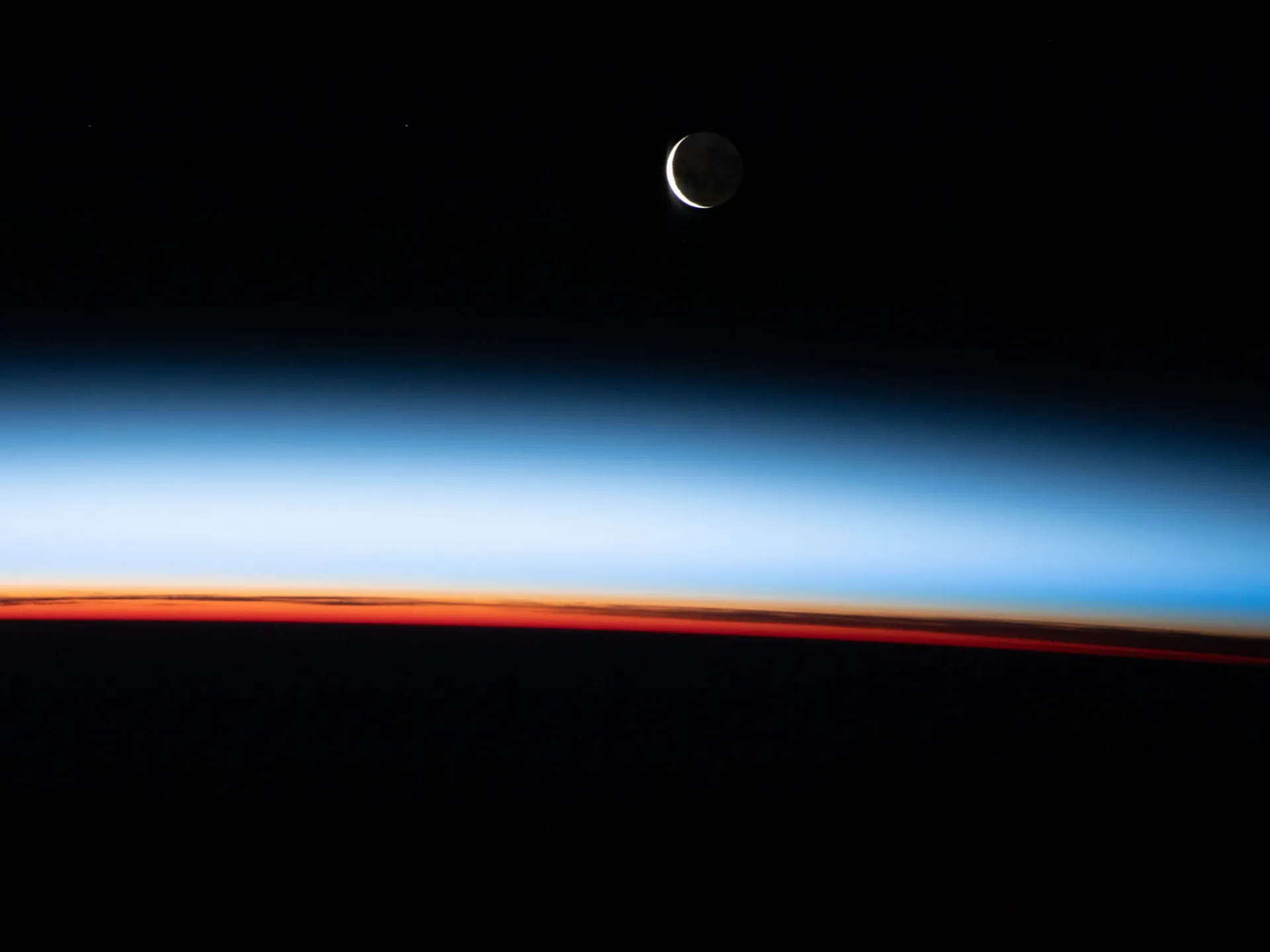
"Speeding through empty space this rocky sphere we call home is still a big mystery and only geochemistry can tell us how its inaccessible interior was shaped since Earth formation."
Using advanced chemical and isotope analyses of air, water, biological remains, rocks, and meteorites, Geochemistry researchers seek to understand Earth’s environments by studying its history and the past and present processes that have governed these environments.
Research topics range from the particulate and chemical pollutants emitted by the collapse of the World Trade Center towers on September 11, 2001, to the climate changes of the ice ages that began some 2.6 million years ago, to the fundamental chemical processes involved in the differentiation and formation of Earth’s mantle and core.
Observatory geochemists have also contributed greatly to our understanding of the socioeconomic issues associated with environmental changes, ranging from contaminated groundwater to the accumulation of industrial carbon dioxide (CO2) in the atmosphere, which may ultimately be seen as responsible for present-day global warming.
Some of our principal research themes include:
- Solid-earth dynamics, including the exchange of material between Earth’s core, mantle, and crust.
- Structure and composition of Earth’s lower crust and upper mantle, with a focus on melt transport in the upper mantle, accretion of igneous lower crust at spreading ridges and arcs, and the hydration and carbonation of mantle-derived material that has been tectonically exposed at Earth’s surface.
- The formation of Earth and its moon, and the transformations that occurred during the earliest phases of their histories.
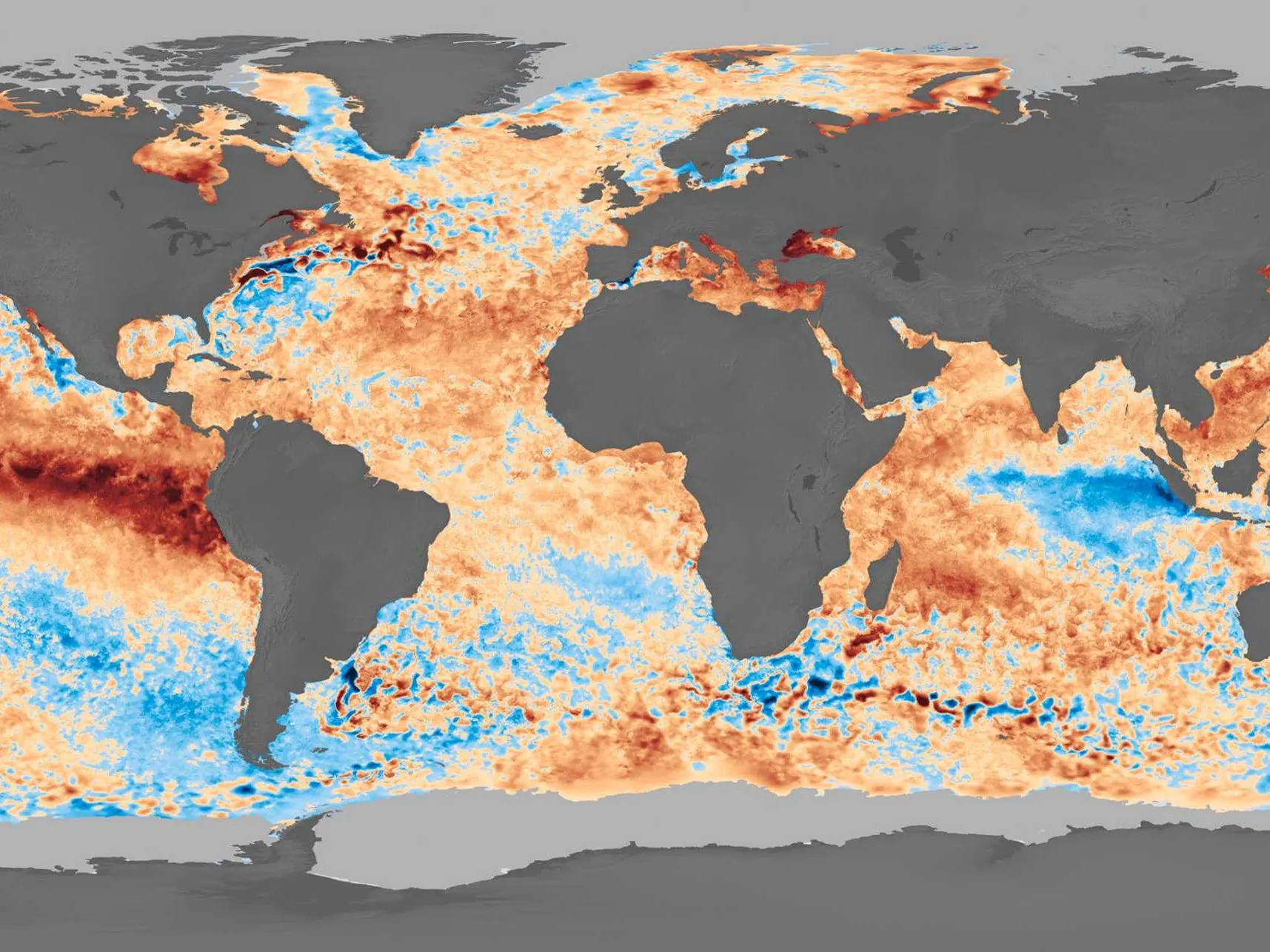
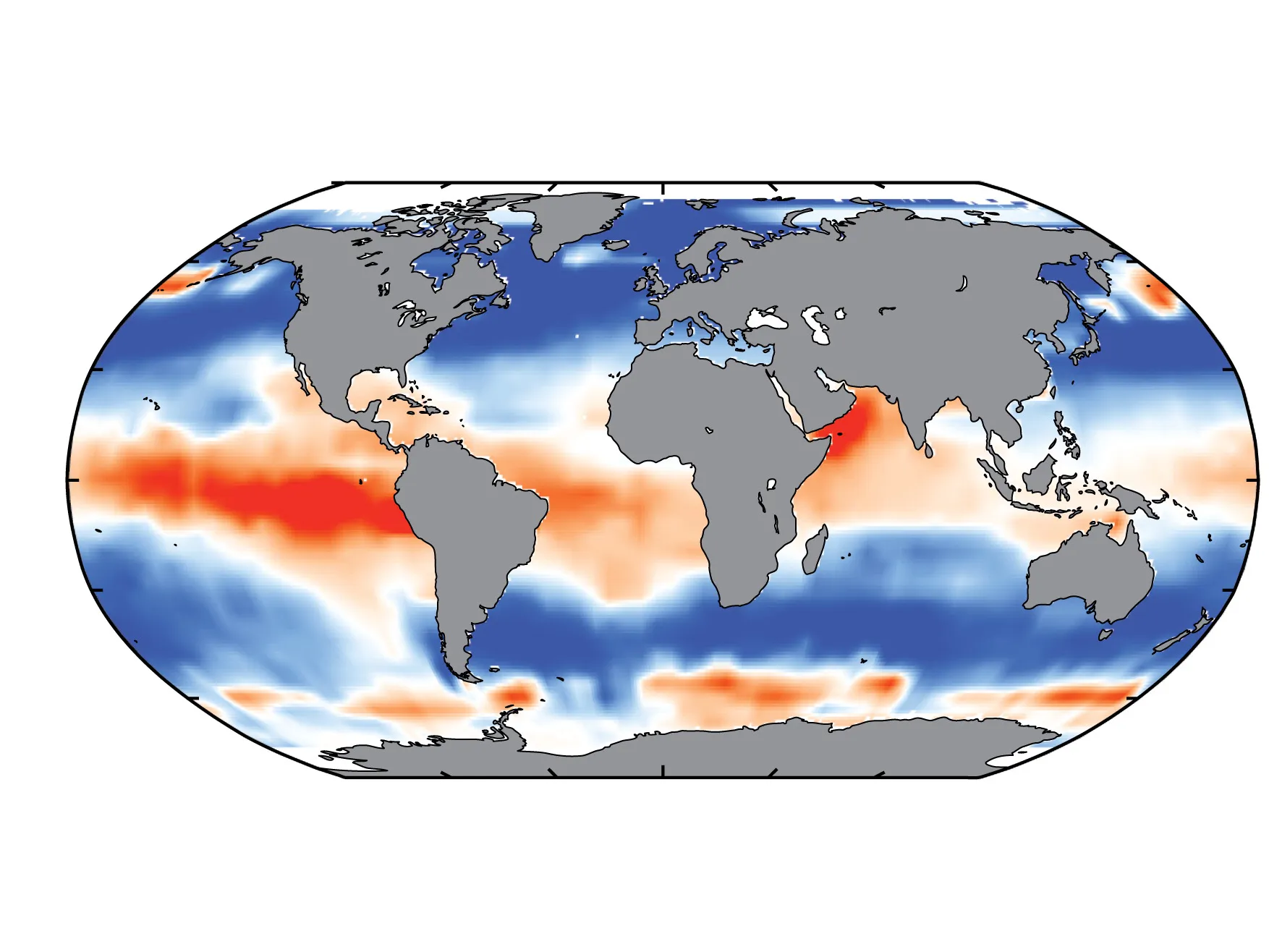
- The oceans’ role in climate, tracing ocean currents that transport heat around the globe and their variability through time, and investigating ocean processes that regulate the concentration of carbon dioxide in the atmosphere, from microscale physics at the air-sea interface to the global-scale meridional overturning ocean circulation.
- Causes and consequences of climate change over longer timescales, ranging from variability over many thousands of years paced by subtle changes in Earth’s orbit to abrupt changes, sometimes within the span of a human lifetime, forced by as-yet-unidentified mechanisms internal to Earth’s climate system.
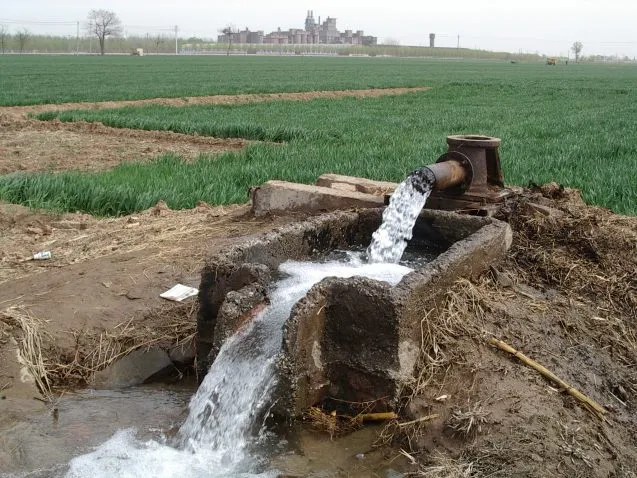
- Sources and fates of contaminants in the environment, transported both in air and water, with an emphasis on the New York metropolitan region and the Hudson River, but with projects extending worldwide.
Featured Initiatives
PI: Steven N. Chillrud
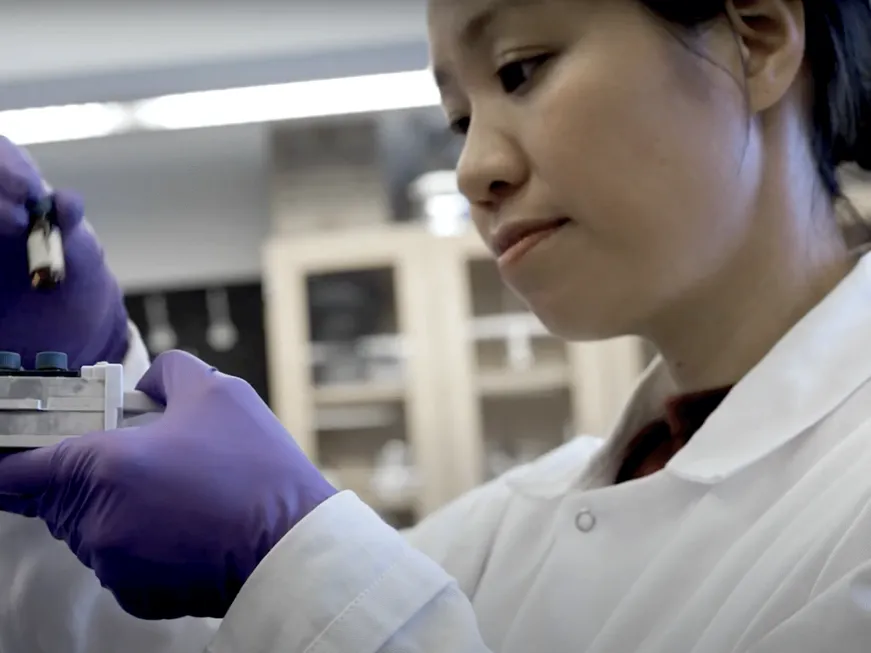
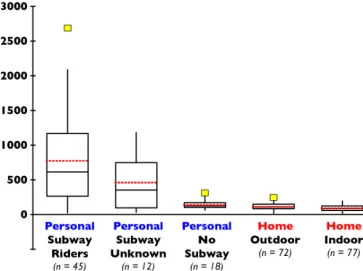
Exposure to airborne particulate matter consistently correlates with pulmonary and cardiovascular disease, but information on causative mechanisms is limited. This research effort provides miniaturized personal monitors to measure pollutants in near-real-time and bring back particulate matter samples for lab analyses.
PI: Sidney R. Hemming
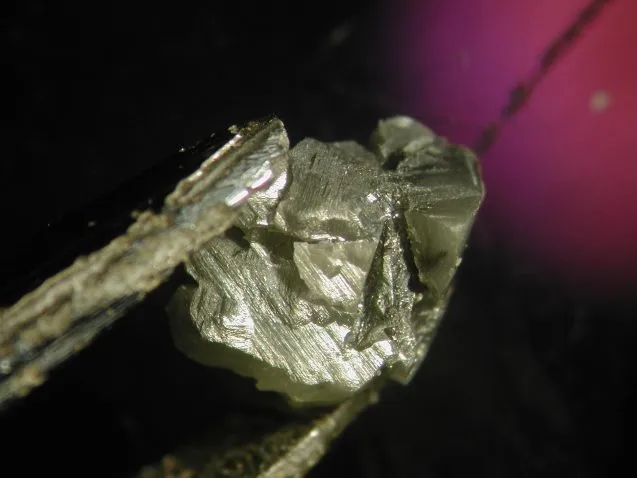
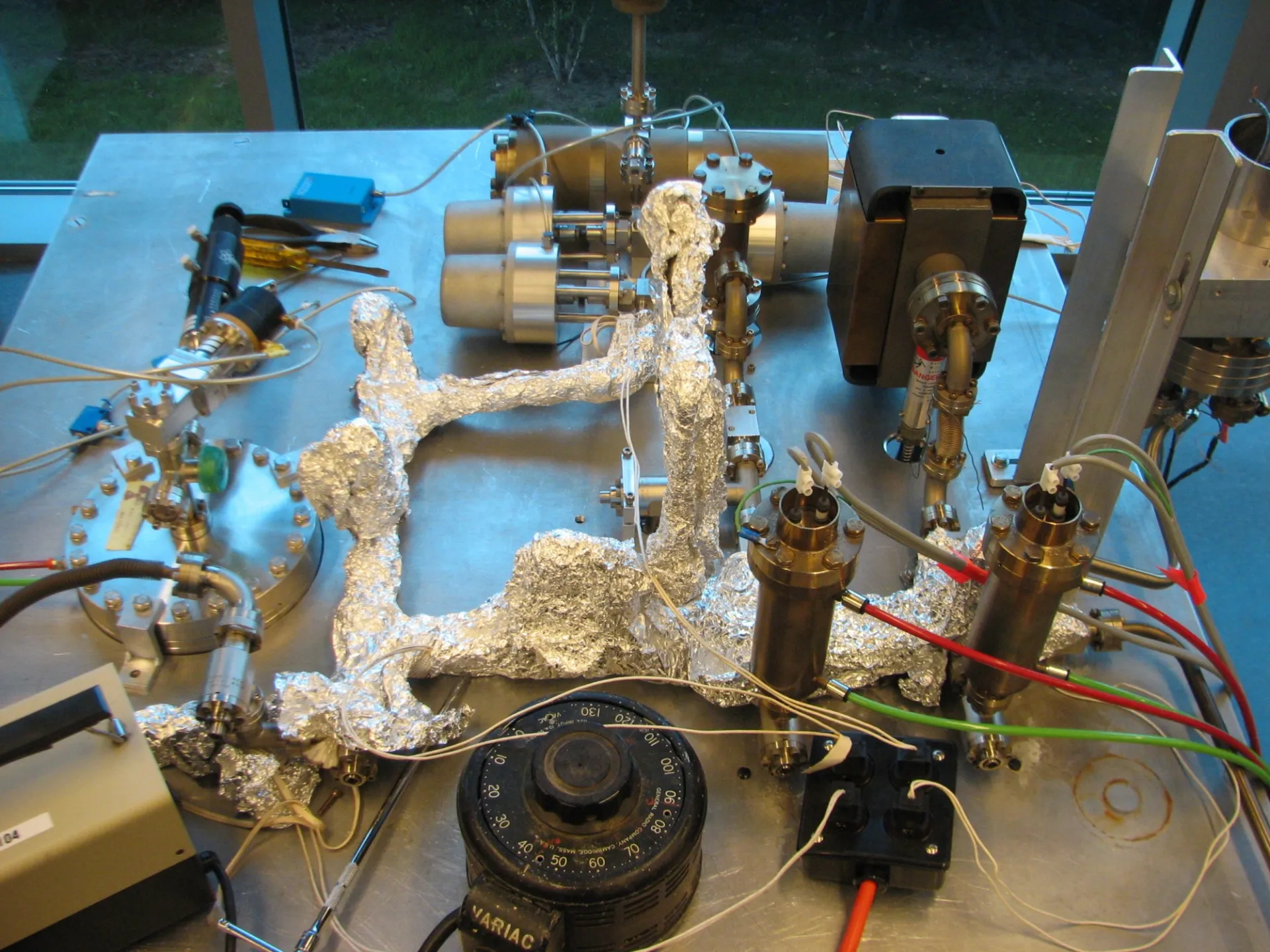
Argon Geochronology for the Earth Sciences (AGES) Lab measures Argon isotope compositions and concentrations, mainly of single mineral grains, on a VG5400 noble gas mass spectrometer to determine the age of mineral formation. Research subjects include paleoclimate provenance studies, volcanoes, and deep earth time.
PI: Peter B. Kelemen
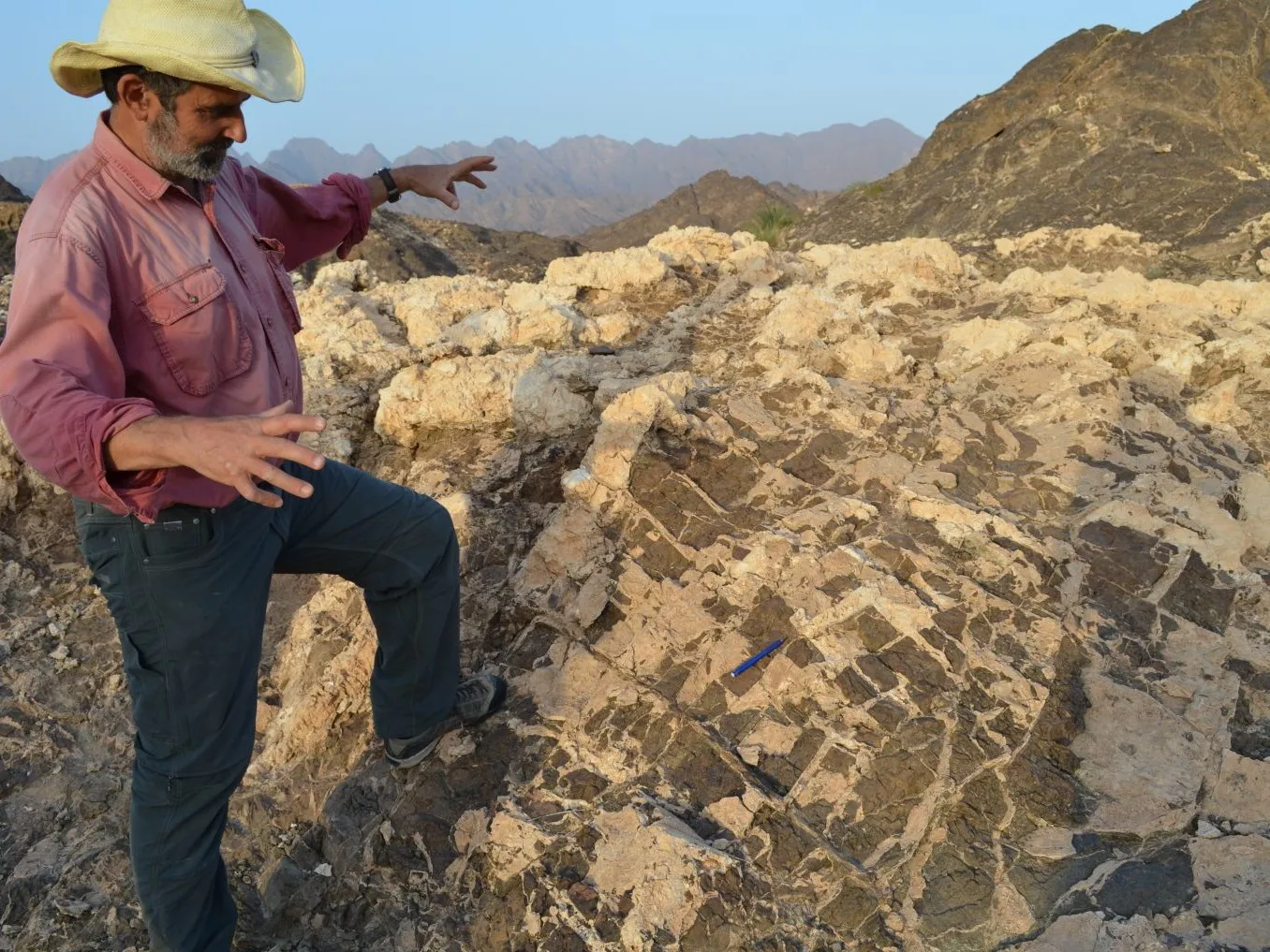
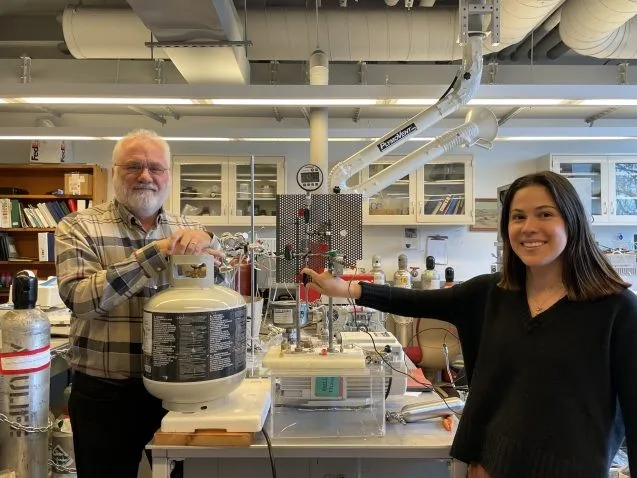
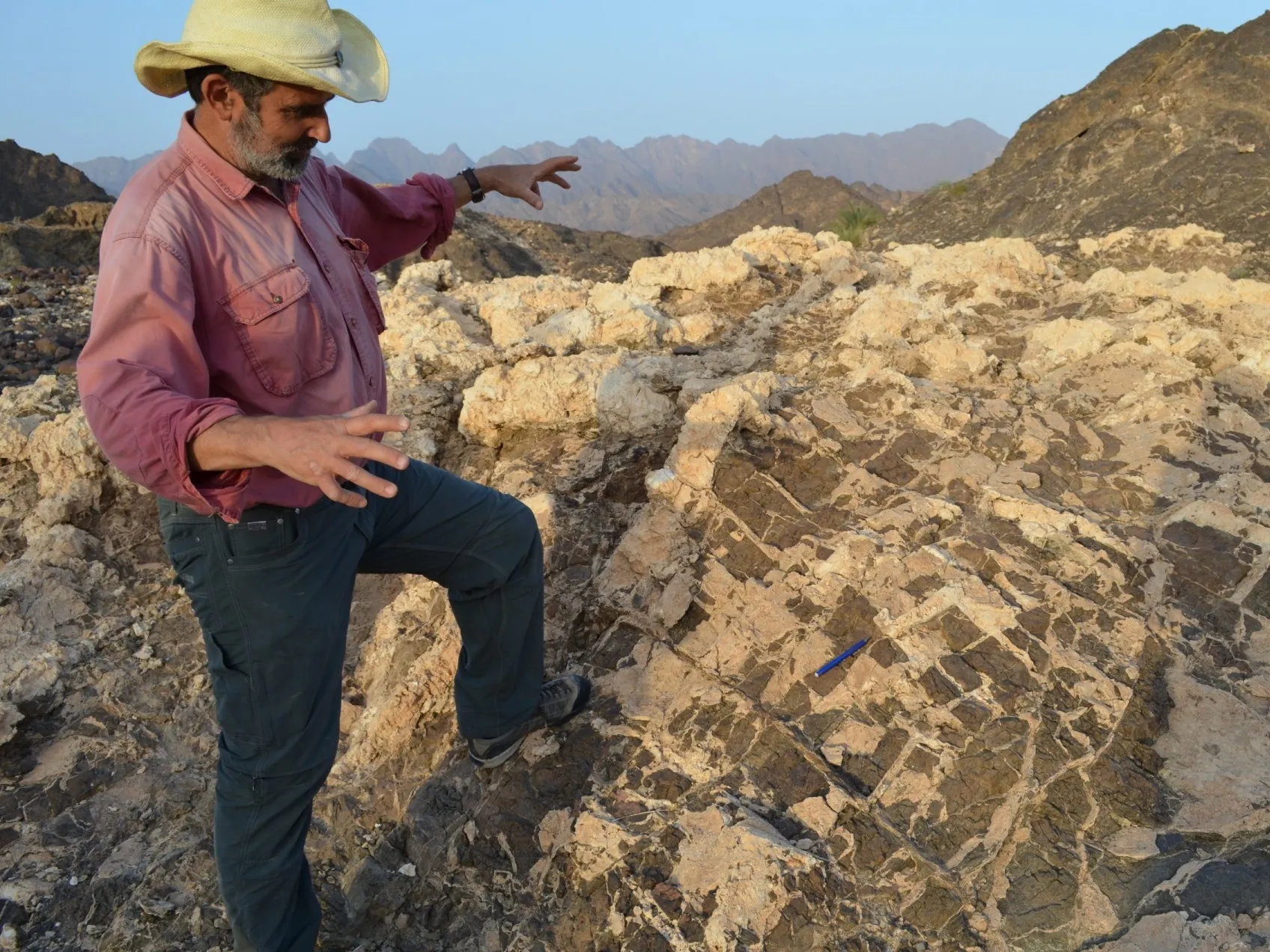
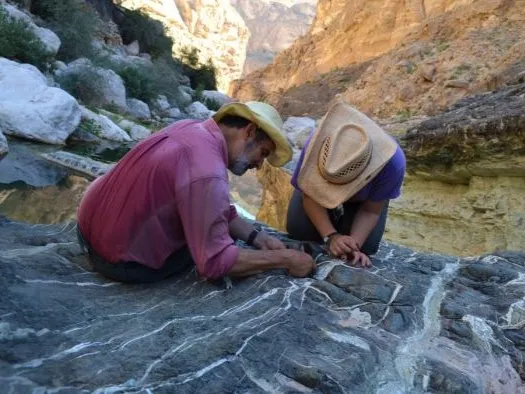
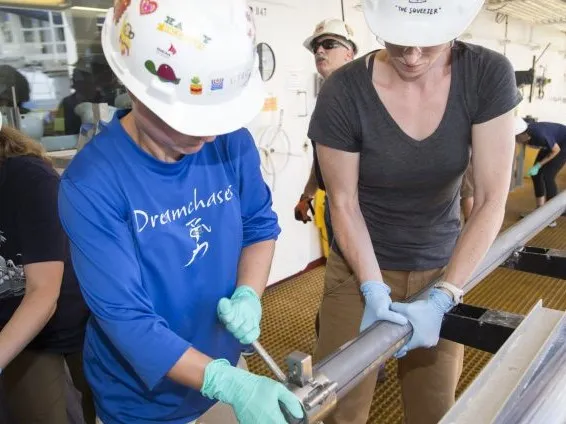
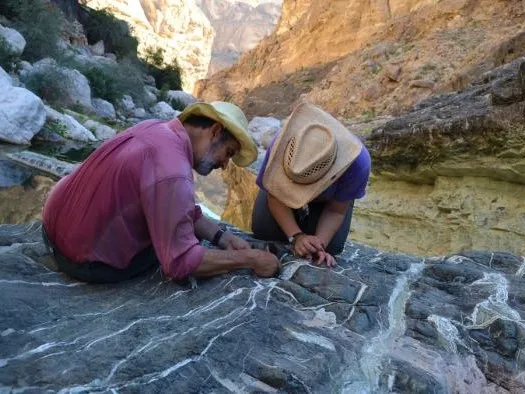
Carbon mineralization exploits a natural process wherein reactive rocks chemically bond with CO2 to form solid carbonate minerals such as limestone that can store CO2 for millions of years. Research goal is to emulate this process and speed it up through a man-made system that will remove vast quantities of CO2 from the air. The Oman Drilling Project is a multinational collaboration that is tackling this goal.
PI: Robert F. Anderson
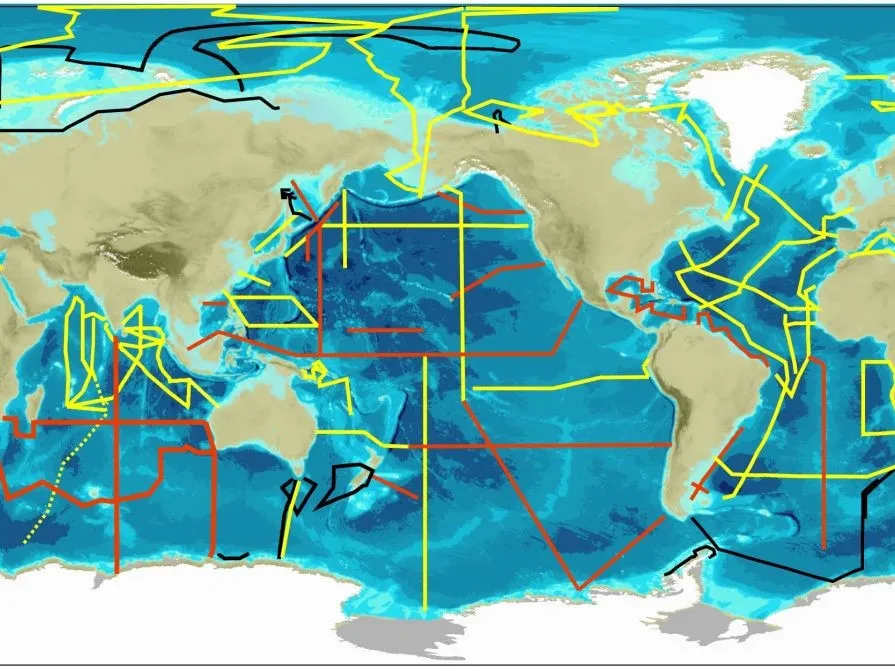
GEOTRACES is an international study of the global marine biogeochemical cycles of trace elements and their isotopes. Its mission is to identify processes and quantify fluxes that control the distributions of key trace elements and isotopes in the ocean, and to establish the sensitivity of these distributions to changing environmental conditions.
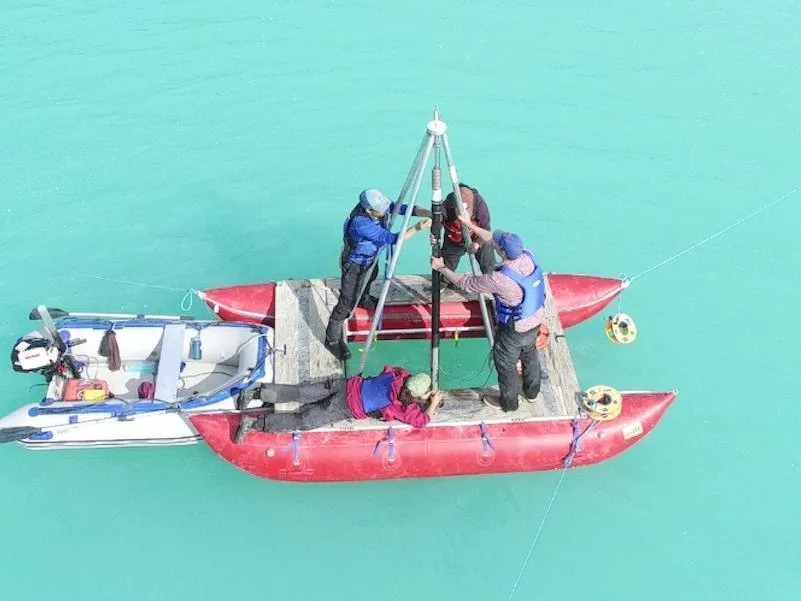
PIs: Nicolás Young, Joerg M. Schaefer, Margie Turrin
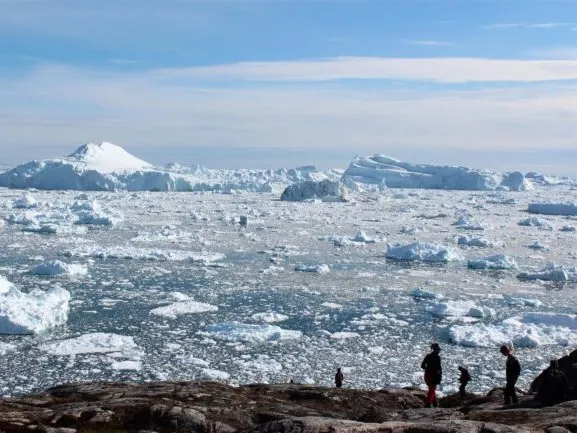
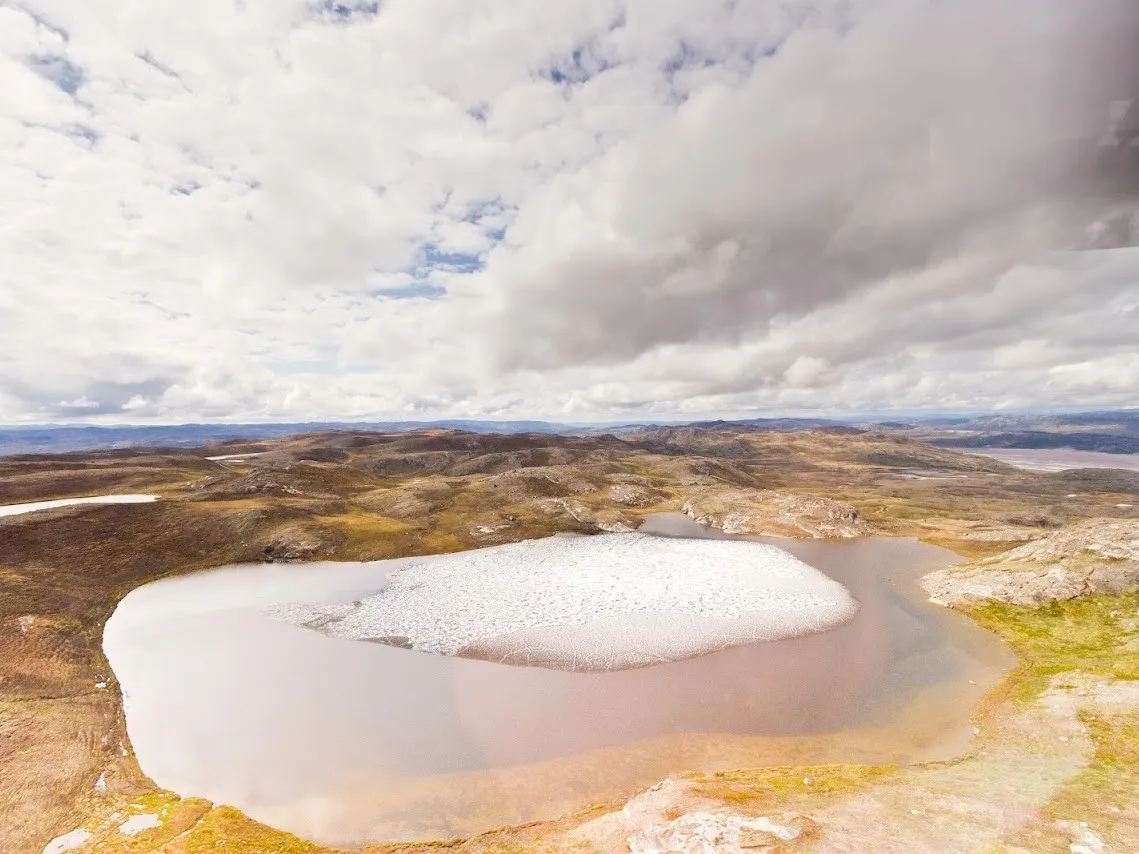
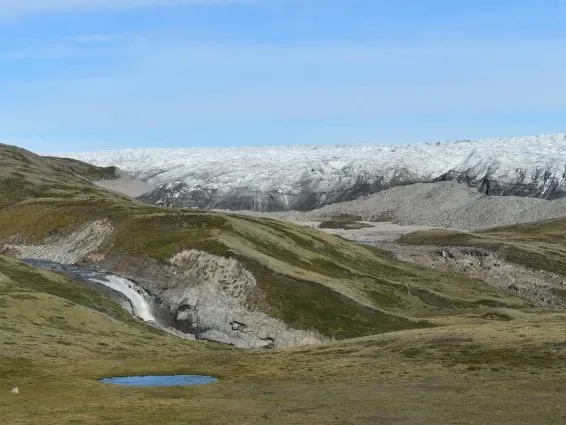
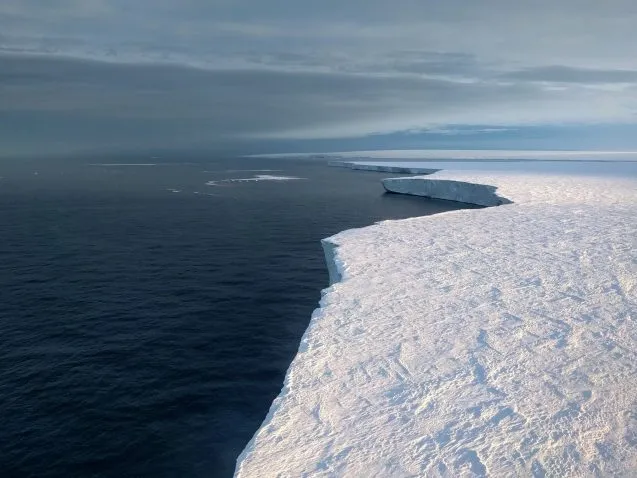
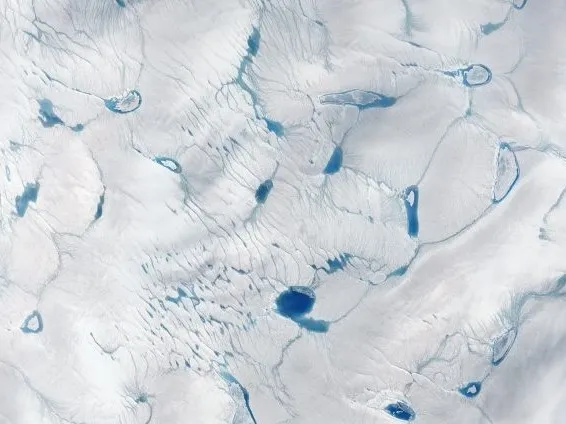
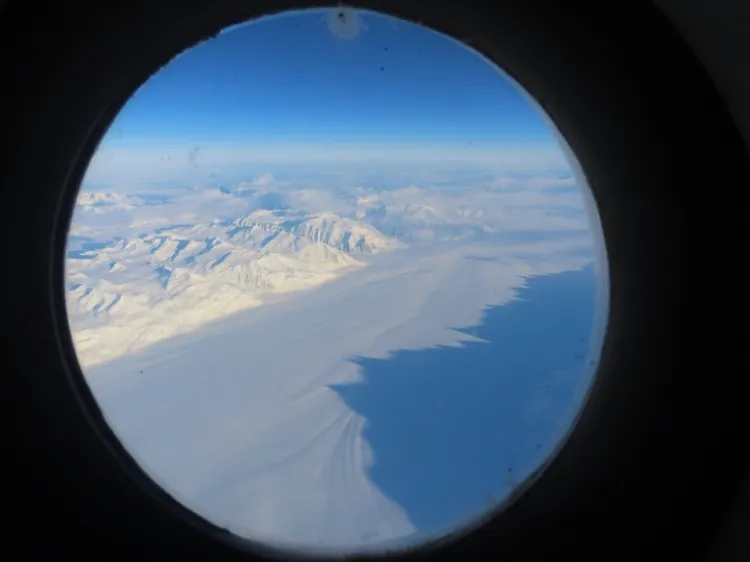
GRate is a second phase of the Snow on Ice project, focused on an integrated look at ice, ocean, and atmospheric processes to better understand Arctic climate during the Holocene.The projects integrate a range of paleo proxies into developing a Greenland wide model of the ice sheet. This will be used to better constrain the history of the Greenland Ice Sheet in order to improve our modeling of its future.
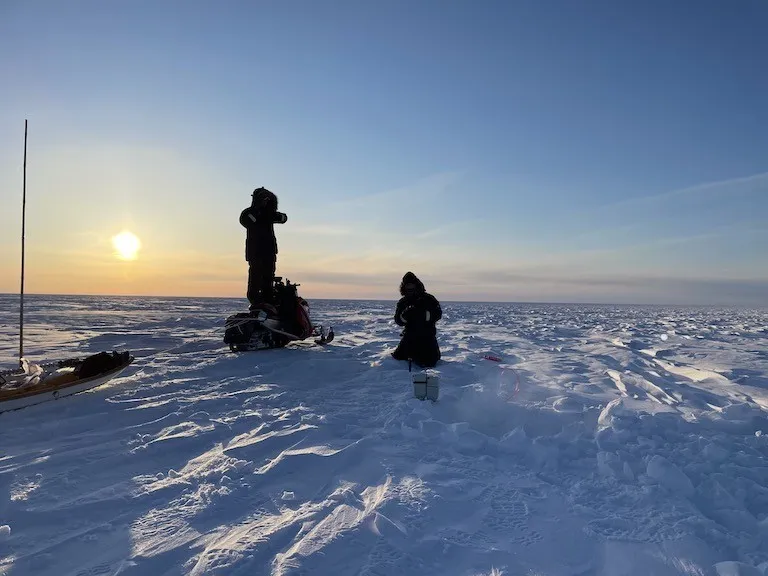
PIs: Joerg M. Schaefer, Nicolás Young, Gisela Winckler
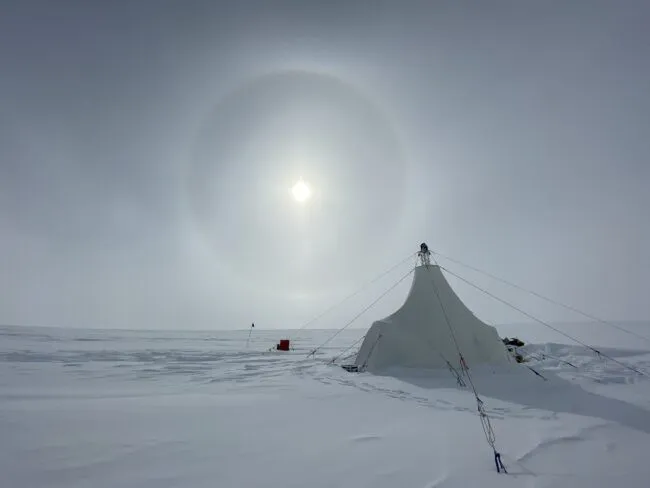
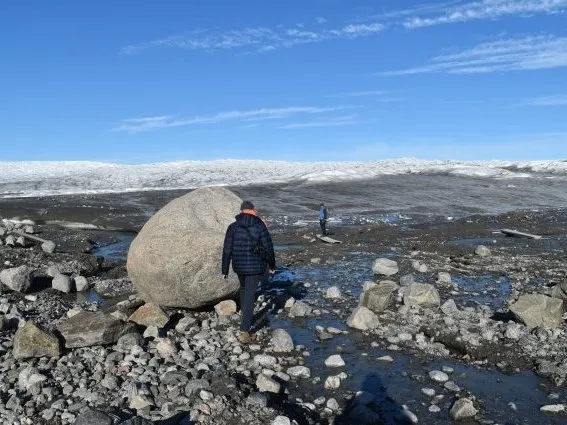
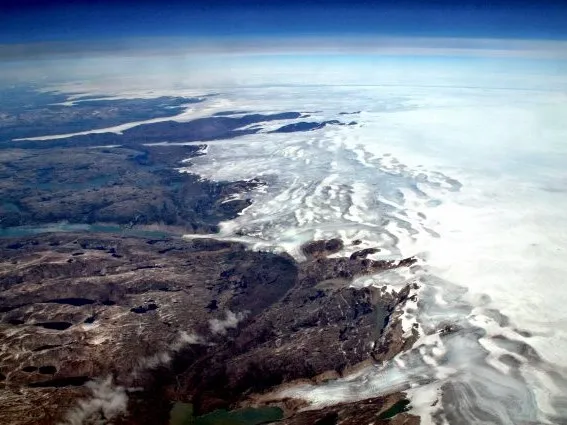
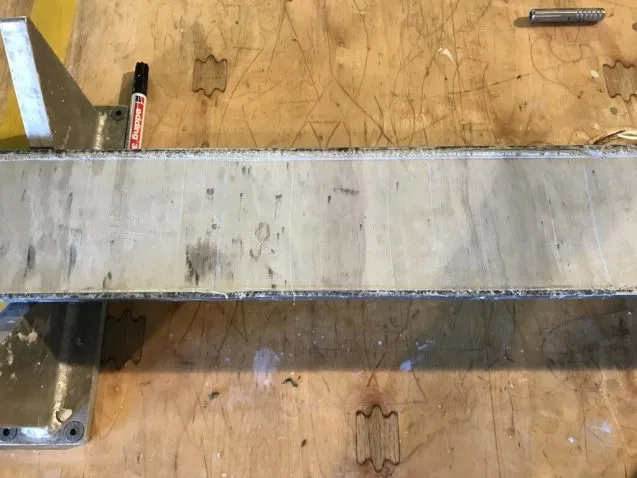
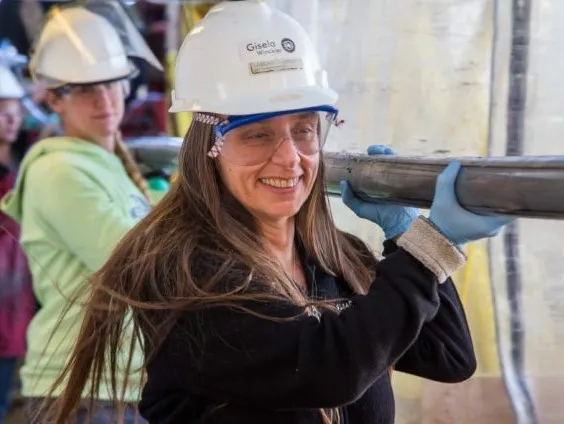
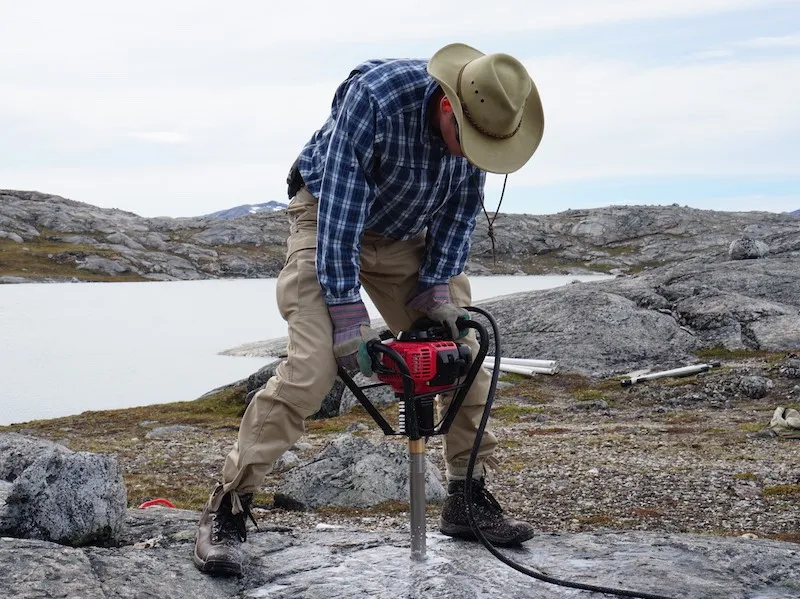
GreenDrill is an ambitions project focused on addressing the climate vulnerability of the northern regions of the Greenland Ice Sheet through the use of exposure dating on rocks buried under the ice. To do this a series of drill transects will be collected in four different northern locations to try and determine the origin of the first few cms of sea level rise.
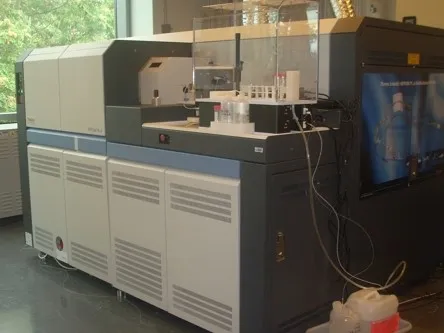
PIs: Louis Bolge, Terry Plank, Steven Goldstein
The Lamont-Doherty/American Museum of Natural History ICP-MS Lab supports several pieces of equipment for measuring both isotopic ratios and concentration, including Multi Collector ICPMS, Nu Attom Magnetic Sector ICPMS, VG Excell quadropole ICPMS, Agilent 720 Axial ICPOES, and ESI New Wave UP 193 FX excimer laser ablation system.
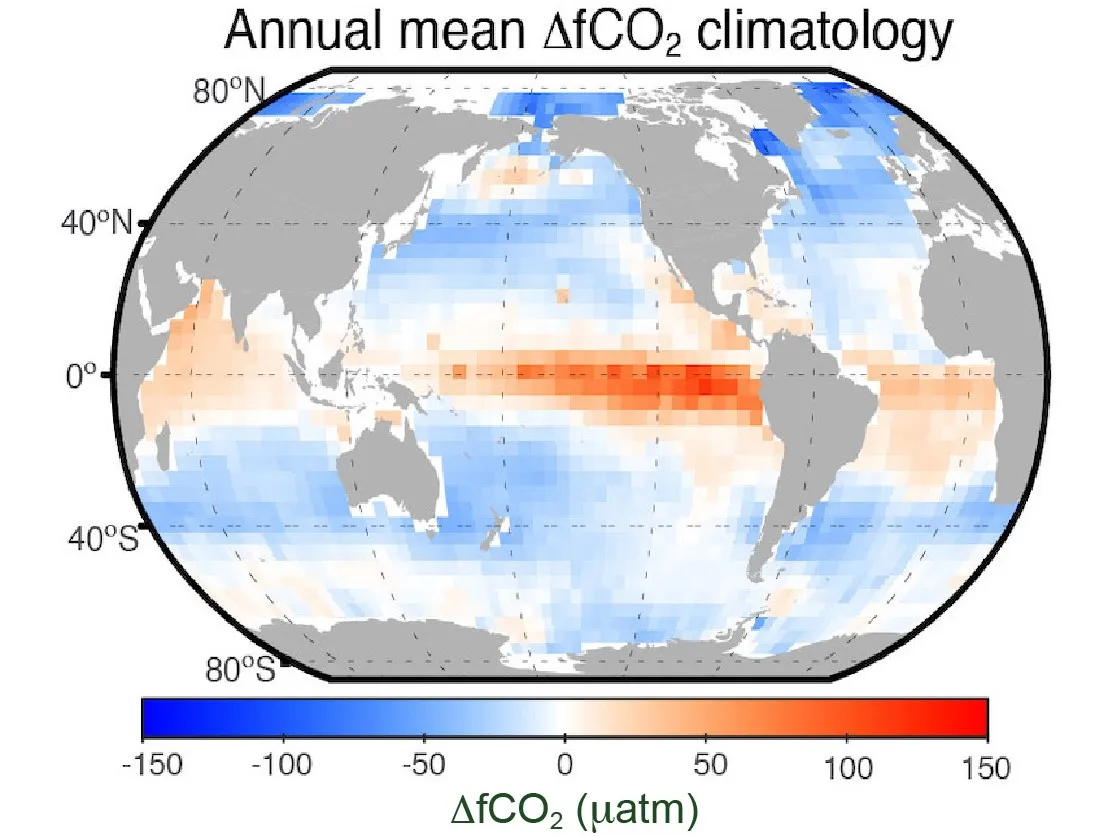
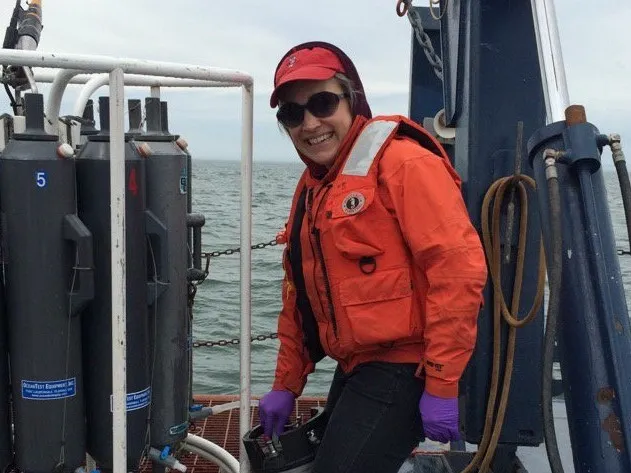
Ocean carbon researchers at LDEO have used various machine learning techniques to interpolate available sparse measurements of surface ocean fCO2 to estimate near global coverage of fCO2 fields. From these, monthly air-sea CO2 fluxes can be estimated, and then integrated to quantify the ocean carbon sink. These efforts build on the legacy of Taro Takahashi who developed the technology to make automated fCO2 measurements, compiled the first database of these measurements, and from them, created the first mapped climatological products.
PI: Galen McKinley
The McKinley Ocean Carbon Research Group studies how ocean physical and biogeochemical processes impact large-scale carbon cycling and primary productivity. These studies encompass fluid dynamics, climate processes, biogeochemistry, and ecology. Primary research tools are numerical models and large historical datasets.
PI: Alex Halliday
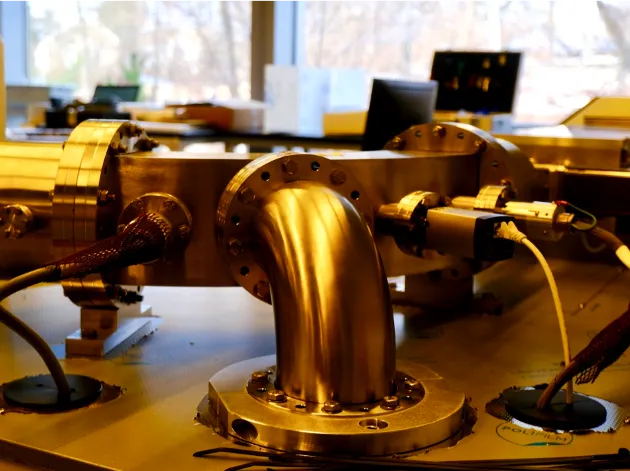
NICER Lab hosts three state-of-the-art mass spectrometers, including Nu Plasma3 MC-ICP-MS, Nu Sapphire MC-ICP-MS, and Nu TIMS for high-precision isotope measurements. Research focuses on how we can use non-traditional (metal) isotopes much more effectively to explore a vast array of processes about Earth’s formation, mechanisms of climate change, and the evolution of life.
PI: Terry Plank
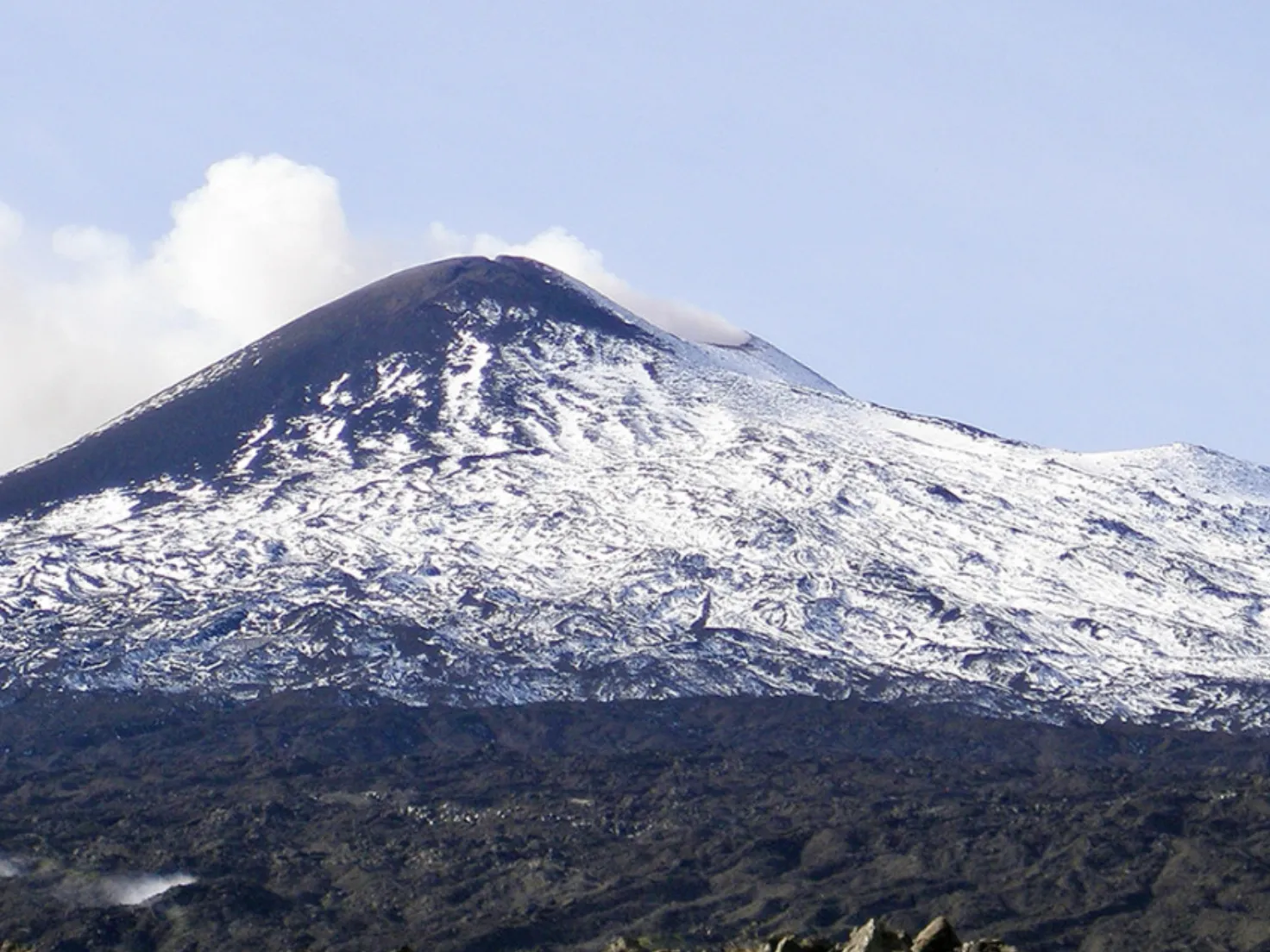
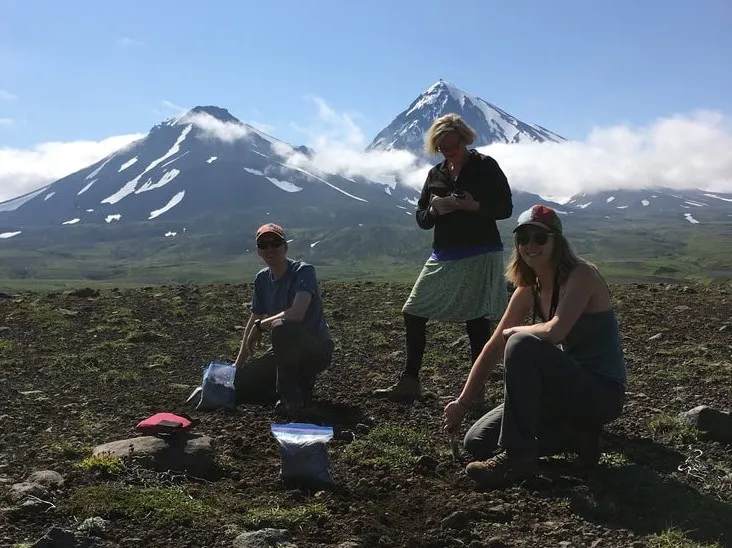
From the mantle to the surface, this group explores volcanoes and their magmatic roots. Research is currently focused on water, CO2, and sulfur in magmas just prior to eruption, in the mantle driving melting, and in sediments on the seafloor that are subducting. Other research is aimed at understanding why some eruptions are more explosive than others, using chemical diffusion to clock magma ascent and the run-up to eruption.
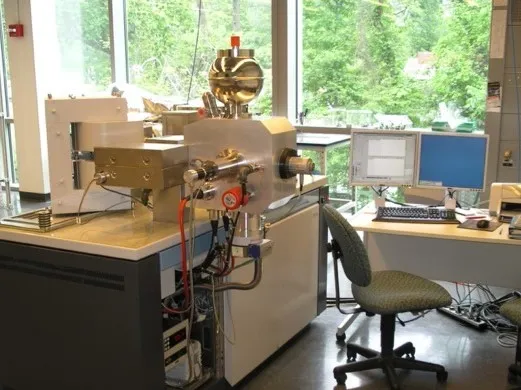
The Thermo Scientific Triton is one of Lamont’s two thermal ionization mass spectrometers with negative ion capabilities. While used primarily for boron isotope analyses, the 9 Faraday cups and a secondary electron multiplier allow a wide range of applications such as high-precision measurements of Nd, Os, and Sr. Contact Bärbel Hönisch for more information.
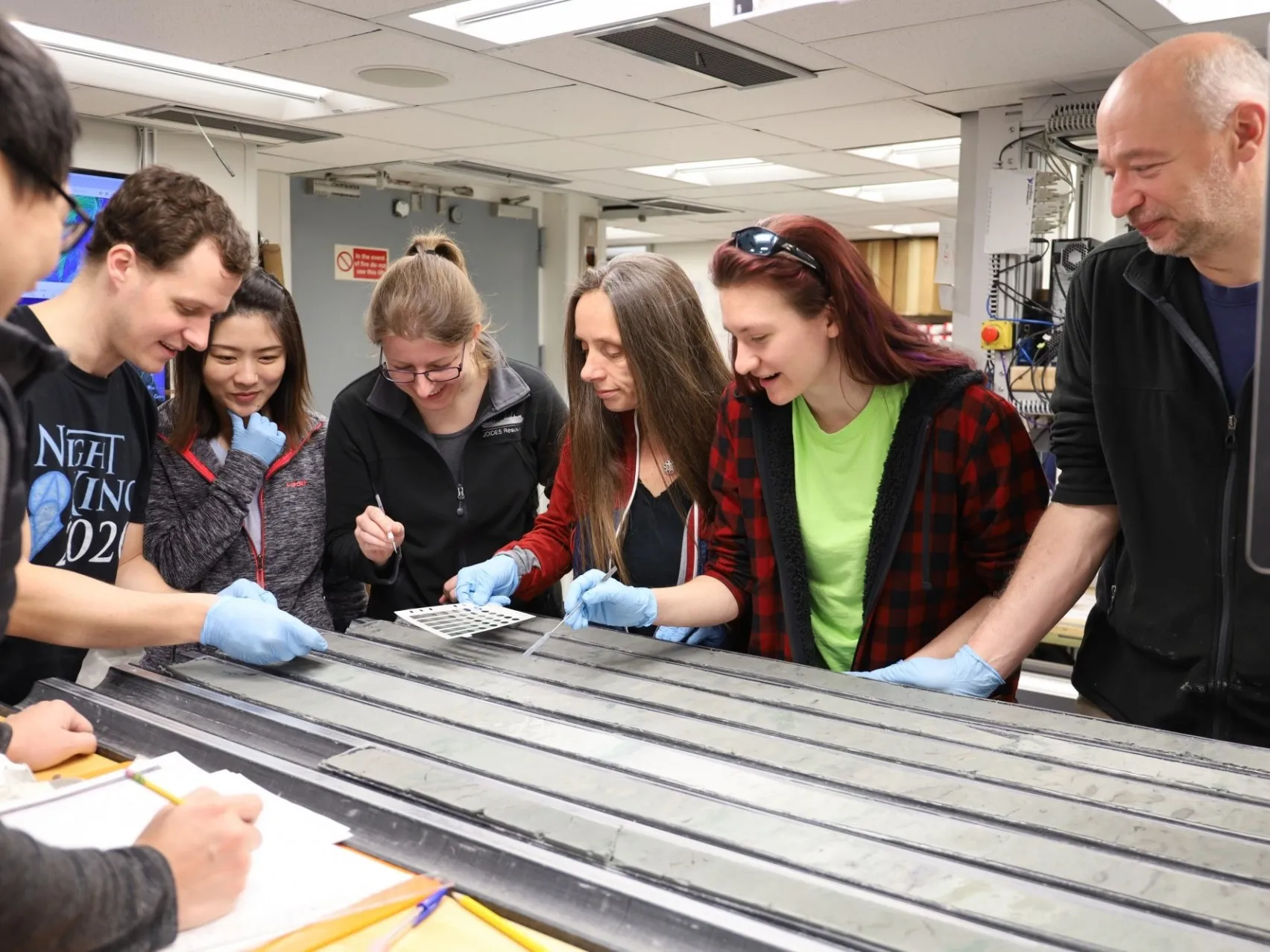
PI: Gisela Winckler
Trace Isotope and Noble Gas Lab (TINGL) uses elemental and isotopic analyses to unravel processes of climate and environmental change in the oceans and on continents, on timescales ranging from decades to tens of millions of years. Current research focuses on the Pliocene, Quaternary ice age cycles, abrupt climate and environmental changes, and climatic extremes in the deep Earth history.
Featured Video
Geochemistry Researchers & Staff
Dr. Yongming Han is currently a full professor of the Institute of Earth Environment, Chinese Academy of Sciences. His research interests are related to geochemistry, particulate matter pollution, environmental and climate change, the linkage between the very short atmospheric time series and longer sedimentary records of various pollutants, especially black carbon and combustion products. He is particularly interested in black carbon in different compartments (atmosphere, soils and sediments), including its methodology, origins, transport, deposition, and fate. He seeks to reconstruct past wildfire history and understands the inherent mechanisms regarding biomass burning emissions and climate change. Recently, his research focuses on the interaction between human activities and natural forcing during the Anthropocene period. Dr. Han's research has been funded by National Natural Science Foundation of China, Chinese Academy of Science, and Ministry of Science and Technology of the People´s Republic of China etc.
Thea H. Heimdal is an Associate Research Scientist at Columbia University and the Lamont Doherty Earth Observatory. Her research focuses on reducing uncertainties in the global ocean carbon sink. She uses a multidisciplinary approach, combining large-scale datasets, ocean observations, numerical modeling and machine learning. Dr. Heimdal earned a PhD in Earth Science from the University of Oslo in 2018. Her PhD and postdoctoral work focused on the impact of large-scale volcanism on the climate, environment and carbon cycle.
My research is focused on magmas associated with the plate tectonic cycle, at both divergent and convergent plate margins. My main contributions have been to the understanding of:
* Magma generation: quantifying the roles of decompression, temperature and water in driving mantle melting
* Crustal recycling at subduction zones: providing global flux estimates of marine sediment subducted into oceanic trenches, and tracing sediment geochemically from the seafloor to arc volcanoes
* Water content of magmas, and the effects on magma evolution, mantle and slab temperature, and eruptive vigor.
My tools are geochemical, field work has taken me to Nicaragua and the Aleutians, and to sea. I have served on the MARGINS steering committee, the editorial boards of Geology and Earth & Planetary Science Letters, the EarthScope Advisory Committee, as co-chief scientist on Leg 185 of the Ocean Drilling Program, co-lead-author of the SZ4D Vision Document, and one of the writing team for the NAS ERUPT Report.
Plank received the Houtermans Medal from the European Association for Geochemistry, the Donath Medal from the Geological Society of America, is a Fellow of the American Geophysical Union, the Geochemical Society, the Geological Society fo America, and the Mineralogical Society of America. In 2012 she was named a MacArthur Foundation Fellow, in 2013 elected into the National Academy of Sciences, and in 2016 the American Academy of Arts and Sciences. Some of my projects include:
* Magmatism and Mantle Lithosphere across the Basin and Range
* Volatiles In arc magmas and mantle xenoliths
* Diffusion clocks of volcanic processes
* Subduction fluxes of volatile and stable isotope tracers
Sydney Maguire is a PhD student within the AGES lab at Columbia, working with Dr. Sidney Hemming and Dr. Stephen Cox. She uses geochronology, structural geology, and geomorphology to measure the timing and deformation rate along fault zones within the Eastern California Shear Zone/Walker Lane.
Sydney is passionate about working with undergraduate students and conducting geoscience outreach. Please send her an email if you want to connect!
Steven Chillrud, Ph.D. is a Lamont Research Professor at Lamont-Doherty Earth Observatory of Columbia University. He describes himself as an environmental geochemist interested in public health research. Much of his research is focused on the role of particles in the transport, behavior, and fate of chemical contaminants. His expertise in exposure assessment includes the development and testing of air samplers and analytical methods for quantifying airborne contaminants.
Dr. Chillrud’s formal training was in geochemistry and focused on analytical chemistry and understanding transport and fate of particle-associated contaminants in the Hudson River Watershed through the use of dated sediment cores. During his post-doc at Columbia University, he began reconstructing the history of atmospheric deposition of a wide array of particle-bound contaminants into NYC throughout the late 19th and 20th centuries.
Dr. Chillrud’s research spans air, water and soil pollution in both urban and rural settings. He serves as Director of the Exposure Assessment Core Facility of the Center for Environmental Health in Northern Manhattan, which supports a wide array of air and water pollution projects, including supporting projects in low- and middle-income countries and overseeing the development and use of air sampling equipment.
Dr. Chillrud’s early work identified short commutes in the subway system as being the dominant exposure pathway for NYC adolescents to airborne iron, manganese, and chromium. Frustration with limitations of pumps and monitors led to efforts developing and testing miniaturized, personal air samplers for black carbon and multiple air pollutants.
Dr. Chillrud is also active in research on enhanced remediation methods of groundwater and research translation within Columbia’s Superfund Program on Health Effects and Geochemistry of Arsenic. He is an active member of Columbia’s CleanAir Toolbox, a collaboration of 20 research groups across the Columbia Climate School focused on solutions-oriented work to improve air quality in cities across the Global South, also referred to as low and middle income countries.
Dr. Chillrud teaches classes related to sustainability in SIPA’s Environmental Science and Policy Program and the the SPS Master’s Program in Science of Sustainability.
Professor Steven L. Goldstein is Higgins Professor of Earth and Environmental Sciences. In addition to his teaching, Professor Goldstein is also one of the leaders of the Isotope Geochemistry Lab at Lamont-Doherty Earth Observatory. His research utilizes the products of natural radioactive decay to determine the timing of events and as tracers of Earth processes. Routinely used isotopic approaches include Rb-Sr, Sm-Nd, Th-U-Pb, Lu-Hf, radiocarbon, and intermediate products of U-decay. These tools can be applied across the geosciences and across geological time, and Professor Goldstein’s research has addressed a wide range of topics ranging from the early history of the Earth to recent climate change. He has published more than 180 peer-reviewed papers. Professor Goldstein is a recipient of the American Geophysical Union’s Norman L. Bowen Award “in recognition of outstanding contributions to the fields of volcanology, geochemistry, and petrology,” and is a Fellow of the American Geophysical Union and the Geochemical Society/European Association of Geochemistry. He is also a recipient of Columbia’s Lenfest Distinguished Faculty Award. He especially appreciates two awards: the Excellence in Teaching Award from the Graduate Student Committee of the Department of Earth and Environmental Sciences, and the Great Teacher Award from the Society of Columbia Graduates. Prior to coming to Columbia in 1996, Professor Goldstein was Staff Scientist at the Max-Planck-Institut für Chemie in Mainz Germany, in the Geochemistry Division. He received his Ph.D. from Columbia in 1986, his M.A. from Harvard in 1978, and his B.A. from Columbia College in 1976.
I am a geochronologist working on a diverse suite of earth science problems including climate change, critical mineral resources, deep-time thermochronology, winemaking, and earthquakes hazards. My primary toolkit is noble gas geochemistry, but I also dabble in water isotopes, statistics, geospatial modeling, and geologic mapping. I have a hard time turning down interesting new projects, and I shy away from the type of rote measurements that would probably make for a more impressive publication record.
I am a geochemist and Arthur D. Storke Memorial Professor of Earth and Environmental Sciences at Lamont-Doherty Earth Observatory. I use the records in sediments and sedimentary rocks to document aspects of Earth’s history.
Sarah Aarons is an Assistant Professor at Columbia University and part of the Geochemistry Division of Lamont-Doherty Earth Observatory. Her research focuses on the relationship between climate and the Earth’s surface and applies radiogenic and non-traditional stable isotopes from rocks and materials found in the Critical Zone (water, sediment, dust) to provide information about what formed that material, where it came from, its nutrient content, and what it can tell us about dynamic processes such as past wind direction or ice sheet coverage. One of the main goals of her research group is to provide a more mechanistic understanding of these processes in the modern so we can more accurately interpret the paleoclimate record. She uses an array of geochemical and isotopic techniques along with physical measurements and modeling to inform on sources and transport processes of elements. Her research includes independent and collaborative field campaigns, and some requires large scale cooperative efforts such as the development of new Antarctic ice core records.
Ruolin Deng is a postdoctoral research scientist in the Geoinformatics Group at the Lamont-Doherty Earth Observatory (LDEO) supervised by the Doherty Senior Research Scientist Dr. Kerstin Lehnert. He works on the development of two large sample databases hosted at LDEO: EarthChem and Astromat. EarthChem is a trusted repository service for researchers to publish and archive geochemical sample data, while Astromat is the primary NASA-funded sample data archive for sample-return missions, such as OSIRIS-REx and Artemis.
Prior to joining LDEO in November, 2025, he finished his M.Sc. and Ph.D. degrees in Geology at California Institute of Technology. His Ph.D. thesis focuses on using noble gases in deep sea sediments as tracers for interplanetary dust particles. Utilizing interdisciplinary methods including isotope geochemistry, cosmochemistry, planetary science models, sedimentology, and paleomagnetism, he links interplanetary dust particles to their parent bodies (e.g., asteroids, comets) and evaluates their interactions with terrestrial systems.
He earned his B.Sc. in Geology at Peking University in 2019, with a thesis on the partition behaviors of platinum group elements between basaltic magma and plagioclase/olivine under different oxygen fugacity conditions.
Robert (Bob) Newton is an oceanographer specializing in atmosphere/ice/ocean interactions in the Arctic and its peripheral seas. He also works with noble gases, stable isotopes, nutrients and other ‘tracer’ signals to derive provenance and pathways of water masses in ocean. Bob founded and directed the Secondary School Field Research Program (SSFRP), Lamont-Doherty’s internship program for pre-University students. The SSFRP recruits mainly from communities underrepresented/underserved in earth and environmental science; it is the most diverse of Lamont-Doherty’s educational programs. The program centers field- and lab-based research related to the Hudson estuary, New York Harbor, and green spaces in the NYC metropolitan area. Bob teaches in the Sustainability Science masters program.
Anderson graduated summa cum laude from the University of Washington in 1975 with a double major in chemistry and in oceanography. In 1981 he was awarded his PhD in Chemical Oceanography from the Massachusetts Institute of Technology - Woods Hole Oceanographic Institution Joint Program in Oceanography. Since 1981 he has been at the Lamont Doherty Earth Observatory, rising through the ranks until reaching his current position of Ewing-Lamont Research Professor in 2010. Along the way he has taught chemistry of the ocean and of continental waters and served as Associate Director for the Observatory (2003 to 2008), when he oversaw the construction of the Comer building for the Geochemistry Division.
As a student, Anderson was convinced that naturally occurring radionuclides could be used to quantify the rates of key processes in marine biogeochemical cycles. Some of the essential principles were defined initially in the paper by Bacon and Anderson (1982). GEOSECS, the first program to systematically study the chemistry of the ocean at a global scale, was then demonstrating the value of synthesizing results from diverse sources. In 2000, following these principles, Anderson teamed with international scientists as architects of a program to study the marine biogeochemistry trace elements and their isotopes, GEOTRACES. The value of using radionuclides to establish rates is shown in Anderson et al. (2009), where rapid changes in the circulation of the ocean around Antarctica were first demonstrated to be responsible for the release of CO2 to the atmosphere as Earth emerged from the last ice age. Work on this project led to a partnership with George Denton to synthesize records from the ocean and from land, respectively, to define features that characterized Earth’s last transition from ice age to interglacial conditions (Denton & Anderson et al., 2010). By elucidating the important role of ocean circulation, it was possible to determine that the low atmospheric CO2 levels of the Pleistocene ice ages was due to increased storage of CO2 in the deep ocean (Anderson et al., 2019). Now, a growing number of synthesis papers from the GEOTRACES program (Anderson, 2020) are exploiting naturally occurring radionuclides to establish rates of processes that regulate the chemistry of the ocean, such as the delivery of dust from the continents, the sinking flux of biogenic material exported from the surface ocean, and the accumulation of sediments world wide, bringing to fruition Anderson’s dream in graduate school.
Philip C. LaPorta is an Adjunct Senior Research Scientist at Lamont Doherty Earth Observatory and Lifetime Director at The Center for the Investigation of Native and Ancient Quarries (CINAQ). His research has strived to forge a meld between the principles of the geological sciences, and the systematic investigation of prehistoric quarries and ancient mines. This realm of research represents the first logical subdivision of the broader field of Geo-Archaeology.
In 1989, LaPorta published the first manuscript, and associated field excursion guide, focused directly on the stratigraphic relations of prehistoric chert quarries in the northeastern United States (NYSGA, 1989). The Prehistoric Quarries and Early Mines Interest Group (PQEMIG) was founded by LaPorta in 2006 for the Society of American Archaeology. PQEMIG is an outgrowth of LaPorta’s research, and Philip served as its first director from 2005-2010. In 2006, LaPorta led the first Geological Society of America national meeting post-conference field trips to prehistoric quarries and mines in the New York metropolitan area. Dr. LaPorta’s dissertation (2009) includes the first complete stratigraphic section, approx. 3,300’ at a scale of 1:98, for the Cambrian and Ordovician chert–bearing carbonates of the Kittatinny Supergroup in the tristate metropolitan area. Additionally, Philip mapped greater than 2,000 prehistoric quarries and mines within the metropolitan region. The dissertation serves as a type section for Cambrian and Ordovician nodular cherts, as well as a provenance tool for archaeological investigations.
In 2012, Philip founded CINAQ, a 501.c3 non-profit education charter in New York State, with the mission of educating the public and Indigenous peoples on this significant and much maligned resource. Additionally, CINAQ houses the nation’s largest and most complete lithiotech; a taxonomically organized collection of geological materials, obtained from both prehistoric, as well as historic, mines, quarries, and outcrops.
Through the years, Dr. LaPorta’s research has grown to international levels. His expertise has brought him to investigate Lower to Middle Paleolithic quarries in India and Israel; as well as Neolithic, Chalcolithic and Bronze age quarries in Israel, Bulgaria and Poland. Most recently, since 2003, Philip has been researching the Neolithic, Proto-dynastic, as well as Old Kingdom Pharonic quarries of Egypt. Dr. LaPorta is unfolding new researches in geomicrobiology, neotectonics, cosmogenic isotope studies and paleotoxicology.
Philip received his bachelor’s degree from Rutgers University (1977), his masters’ degrees from Queen’s College (1990, 1996), and his doctorate from the CUNY Graduate Center (2009). Along the way, Philip founded LaPorta and Associates, Geological Consultants (1993-2013), now LaPorta Geological Consultants (2013 to present).
Through the years, Dr. LaPorta has designed geology courses for anthropology, archaeology and geography majors and graduated the first transdisciplinary majors from the CUNY system (1990 through 1995), employing his Cambrian-Ordovician geological and archaeological research as both a field and classroom laboratory. Philip’s students went on to earn master’s degrees from Indiana University, Lamont Doherty, University of Kentucky, University of Rhode Island, and Texas A&M University. Several of Dr. LaPorta’s former students earned Ph.D.’s from the University of Michigan, Lamont Doherty, and the University of Kentucky. Philip has taught economic geology and ore deposit studies, optical mineralogy, invertebrate paleontology, geological field methods and mapping, as well as geo-archaeology field school at Queens, Hunter and Lehman colleges in the CUNY System, as well as at Montclair State and Pace universities.
Peter Kelemen studies the chemical and physical processes of reaction between fluids and rocks. He has worked on the genesis and evolution of oceanic and continental crust, chemical cycles in subduction zones, and new mechanisms for earthquake initiation. His primary focus now is on geologic capture and storage of CO2 (CCS), and reaction-driven cracking processes in natural and engineered settings, with application to CCS, the global carbon cycle on Earth & Mars, geothermal power generation, hydrocarbon extraction, in situ mining. He teaches a popular course on “Earth Resources for Sustainable Development” and a new course on “Carbon Storage” at Columbia, as well as courses and seminars on petrology, geochemistry, and geodynamics.
Kelemen was a founding partner of Dihedral Exploration (1980-1992), consultants specializing in exploration for mineral deposits in steep terrain, with contracts in Canada, Alaska and Greenland. Research and climbing have taken him to Peru, India, Oman, the Aleutian Islands, 7,500 meters above sea level in Pakistan, and 5,500 meters below sea level via submersibles along the Mid-Atlantic Ridge.
Kelemen received his AB from Dartmouth College in 1980, and his PhD from the University of Washington in 1987. He spent 16 years at the Woods Hole Oceanographic Institution before moving to Columbia’s Lamont Doherty Earth Observatory in 2004.
Kelemen was recently awarded the American Geophysical Union Hess Medal. He is a member of the National Academy of Sciences, and is a Fellow of the American Geophysical Union, the Mineralogical Society of America, and the Geochemical Society.
Paolo Montagna is Research Director at the Institute of Polar Sciences of the National Research Council of Italy (ISP-CNR) in Bologna and Adjunct Senior Research Scientist at Lamont-Doherty Earth Observatory (LDEO), Columbia University. His research focuses on the geochemistry of biogenic carbonates for palaeoclimate reconstructions and the study of biomineralization processes.
He received his PhD in Earth Sciences from the University of Padova in 2005, with a European Doctorate Label, following doctoral research conducted in collaboration with the Australian National University and the Universitat de Barcelona. He previously obtained his Laurea degree in Earth Sciences (equivalent to BSc + MSc, summa cum laude) from the University of Padova in 1999.
He was awarded a three-year Marie Curie International Outgoing Fellowship, through which he spent two years at Lamont-Doherty Earth Observatory, Columbia University, and one year at the Laboratoire des Sciences du Climat et de l’Environnement (LSCE) in Gif-sur-Yvette, France.
His work is centered on the development and application of geochemical proxies to address key questions in paleoceanography and to improve our understanding of calcification mechanisms in marine biogenic carbonates. His research includes the analysis of minor and trace elements, as well as stable and radiogenic isotope systems (boron, neodymium, strontium, U-Th), in shallow-water, deep-water, and fossil coral skeletons. Through this work, he has contributed to the reconstruction of past ocean conditions and to the refinement of geochemical tools used in marine palaeoclimate studies.
Paolo Montagna has participated in more than 25 oceanographic expeditions, including two as Chief Scientist and one as Co-Chief Scientist, in the Mediterranean Sea, Atlantic, Indian, and Pacific Oceans, as well as in the Ross Sea off Antarctica. He has also taken part in numerous SCUBA diving expeditions worldwide for coral sampling.
Quaternary surficial geologist, paleoclimatologist, and geochemist whose main interests rest in understanding centennial- to millennial-scale changes in ice sheets and glaciers, assessing the climatic driving mechanisms behind these changes, and understanding how these ice masses shape the landscape. I specialize in using cosmogenic isotopes (in situ 10Be, 14C, and 26Al), combined with more traditional field-based approaches (stratigraphy, lake sediments, radiocarbon dating) to develop robust chronologies of glacier change.
Mollie Celnick has spent the bulk of her career supporting scientific data stewardship at LDEO. She is currently the project manager of the IEDA2 data facility (2022-present). Mollie supports the Astromaterials Data System (2022-present) and has worked as a data manager for the Marine Geoscience Data System (2013-2018). Her core focus is to support the research data community by providing critical data services and upholding FAIR data practices. Mollie holds a M.A. in Earth and Planetary Sciences from The Johns Hopkins University (2013) and a B.A. in Geophysics and Planetary Sciences from Boston University (2010).
After obtaining a B.A. summa cum laude from SUNY Buffalo (1992), I earned an M.Sc. at the University of Maine-Orono and a Ph.D. at the University of Colorado-Boulder. After a short stint as a Research Associate in Boulder, I was a Postdoc at the University of Wisconsin-Madison, University of Edinburgh (Royal Society of London Postdoctoral Fellow), and at LDEO. Since 2006, I have been at LDEO.
Martin Stute, Alena Wels Hirschorn'58 and Martin Hirschorn Professor in Environmental and Applied Sciences began teaching at Barnard in 1993 and became a full-time faculty member in 1995. He serves as Co-Chair (or Chair) of Barnard's Department of Environmental Science.
Professor Stute holds a concurrent position as Adjunct Senior Research Scientist at the Lamont-Doherty Earth Observatory and is a member of the faculty of Columbia's Department of Earth and Environmental Science. Professor Stute teaches such courses as Environmental Data Analysis, Hydrology, Workshop in Sustainable Development and leads the joint Columbia/Barnard Senior Research Seminar, the capstone experience for our majors.
His research interests include water resources, contaminant transport in groundwater, Carbon sequestration, unconventional gas production, paleoclimate, mathematical modeling of environmental phenomena, and the social and economic impact of global environmental change.
Regarding his development as an environmental scientist, Professor Stute says, "I knew early on that I wanted to dedicate my career to environmental issues and studied physics, because there was no such thing as environmental science to study at a university back then. My PhD thesis research topic at the University of Heidelberg focused on novel tracer techniques to study the dynamics of ground water flow, and the use of ground water as an archive of paleoclimate. I have been interested in water issues ever since and can still hardly resist to take a plunge into a thermal spring I encounter or take a sip from a well that might tap an interesting aquifer. I believe that water will play an increasingly important role in our attempts to achieve a sustainable global development."
Louise Bolge is the manager of the joint LDEO-AMNH ICP Lab at Columbia University. The lab houses an ICP-OES, HR-ICP-MS, MC-ICP-MS, two quadrupole ICP-MS and a laser ablation system. Louise maintains all the instrumentation in the lab and oversees both internal and external usage. She also supervises the wet chemistry labs used to prepare samples for these instruments.
Kerstin Lehnert is Doherty Senior Research Scientist at the Lamont-Doherty Earth Observatory of Columbia University and Director of the Geoinformatics Research Group. Her work centers on the development and operation of community-driven data infrastructure for the Earth and planetary sciences and, in particular, on using cyberinfrastructure to improve access and sharing of data generated by the study of physical samples. Kerstin leads the IEDA data facility that operates data services for sample-based data, specifically data systems for geochemistry and petrology including EarthChem and the Library for Experimental Phase Relations (NSF funded); the Astromaterials Data System (NASA funded); and the System for Earth Sample Registration (NSF funded). Kerstin is currently member of the NOAA Science Advisory Board's Data Archive & Access Requirements Working Group and of the Science Advisory Board of the Distributed Information System for Scientific Collections DISSCo. She has been a member of the NASEM Division Committee for the Gulf Research Program; chair of the EarthCube Council of Data Facilities; President of the IGSN e.V., member of the NSF Advisory Committee for Cyberinfrastructure; member of the Board of Directors of the American Geophysical Union AGU; and President of the AGU Earth and Space Science Informatics Focus Group.
Kelly Fenton-Samuels is a Ph.D. candidate in the Geochemistry Division at the Lamont-Doherty Earth Observatory, jointly advised by Dr. Sidney Hemming and Dr. Brendan Reilly. Funded by a National Science Foundation Graduate Research Fellowship, her research reconstructs ice-rafted debris flux and provenance to examine past Antarctic Ice Sheet behavior. Previously, Kelly earned an M.A. degree in Earth and Environmental Sciences from Wesleyan University, where she also earned dual B.A. degrees in Chemistry and Earth and Environmental Sciences. She aspires to use her geochemistry background to pursue a research career investigating high-latitude paleoclimate through laboratory techniques.
Outside the lab, Kelly enjoys figure skating, practicing yoga, spending time outdoors, and being with her pets. She is passionate about mentoring students and participating in science outreach; please feel free to email her to connect!
Advisors: Dr. Sidney Hemming (AGES Lab); Dr. Brendan Reilly (PAST Group)
Kathryn Cheng is a PhD Candidate co-advised by Professor Benjamin Bostick (Aqueous Geochemistry Lab) and Professor Daniel Westervelt (Aerosol Group). Kathryn is funded by the Natural Science and Engineering Research Council of Canada Postgraduate Fellowship and assesses the effects of aerosol composition on human health in the Global South. Kathryn uses a suite of methods, including field work, analytical chemistry, and computational methods to assess the chemical composition of aerosols and conduct air pollution source apportionment to assess in-situ toxicity of aerosols. She earned a B.S. in Earth Science from the University of Toronto in 2023. Kathryn's undergraduate research focussed on assessing the fate and transformation of atmospheric mercury using mercury stable isotopes.
As part of her pedagogical training, Kathryn has taught Environmental Chemistry courses through Columbia's Science Honours Program and has been involved with Columbia’s Center for Teaching and Learning as a Teaching Observation Fellow and Teaching Development Program Advanced Track student. Kathryn is passionate about diversity, equity, and inclusion in STEM and science mentorship. Beyond her academic pursuits, Kathryn plays tennis and the violin.
Joerg M. Schaefer
Joerg Schaefer is a Lamont Research Professor, Director of Lamont-Doherty Earth Observatory’s Cosmogenic Nuclide Group, a faculty member of the Department of Earth and Environmental Sciences (adjunct professor at DEES), and a senior fellow of the Center of Climate and Life at Columbia University. His key interests include how glaciers and ice-sheets respond to past and modern warming, how changing ice and related hazards, such as tsunamis and glacial lake outburst floods, impact environment and society and how science can assist in developing solution strategies for these climate-related challenges.
Schaefer founded the Lamont Cosmogenic Nuclide Laboratory in 2004, and his research group has become a world-leader in ‘Climate and Glacier Change’ science. Scientists in Schaefer’s Group apply cosmogenic isotope techniques to evaluate the response of ice on the Earth’s continents to past, modern and future warming. Schaefer, who is a climate geochemist, has advanced the cosmogenic dating method to the point where they can now determine whether a rock has been exposed by changing ice for thousands of years, hundreds of years, or just a few years. Schaefer and his team complement the isotope techniques with remote sensing approaches and cutting-edge ice-sheet modeling, to understand, and better predict, the accelerating changes of polar ice-sheets and mountain glaciers in past, present and future. Most recently, the NSF funded a large multi-million $, 5 year - 4 institution research program that Schaefer designed and leads, the GreenDrill project, to drill through the Greenland Ice Sheet (GrIS) at strategic locations and apply cutting-edge cosmogenic nuclide techniques to bedrock under the ice, to map the response of the GrIS to past warm periods.
Studying the impacts of these cryosphere processes on society, and creating multi-disciplinary networks to develop cross-cutting ideas how to respond to, how to find solutions to these paramount climate-related challenges, has become a recent focus area of Schaefer’s work. Schaefer loves to teach science, and is leading the development of the new ‘Climate Science Major’ program at Columbia together with Prof. Suzana Camargo and the DEES curriculum committee. This program consists of three coordinated Climate Science Majors, one within DEES (‘Climate System Major’), one shared with the ‘Sustainable Development’ program (‘Climate and Civilization’) and one (‘Climate Physics and Chemistry’) shared with the department of ‘Applied Physics and Math (APAM)’. Schaefer is actively engaged in Justice, Equity, Diversity and Inclusion efforts in US Geosciences, as well as in anti-harrassment and anti-bullying campaigns within the US science community.
Schaefer earned his Ph.D. in 2000 from the Swiss Federal Institute of Technology (ETH) Zurich, his thesis awarded with the ETH medal prize. He was a postdoctoral researcher at ETH before joining Lamont as a postdoctoral research fellow in 2001.
Jennifer Mays is the Project Manager for the Astromaterials Data System hosted by the Geoinformatics Research Group at Lamont-Doherty Earth Observatory of Columbia University.
Mays has 10+ years of experience with non-profit science programs. Prior to joining the GRG at Lamont, she was Program Associate for the Deep Carbon Observatory based at Carnegie Science in Washington, DC.
She has a MS in Geology. Her research focused on the paleoclimate of the Neotropics using stable organic carbon isotope geochemisty of lake cores.Her undergraduate degree is in Anthropology and Archaeology. She worked for several years as a project archaeologist and lab manager in New Mexico.
I am an isotope geochemist who uses noble gas analyses and complementary geochemical tracers in the geologic record to evaluate interactions between the oceans, atmsophere, ice sheets, and solid Earth over a range of past climatic conditions.
Jennifer Angel-Amaya is a Colombian geologist, Fulbright Scholar, and National Geographic Explorer with more than 15 years of experience in environmental assessment, geoconservation, and sustainable development across Latin America. She is a PhD candidate at Columbia University's Lamont-Doherty Earth Observatory, where her research examines mercury contamination from artisanal and small-scale gold mining (ASGM) in the Peruvian Amazon. Her dissertation integrates hydrology, sediment transport, and mercury geochemistry to quantify the environmental impacts of mining on Amazonian watersheds, aiming to inform science-based policy and supply chain accountability.
Jenna studies global fault zones, applying noble gas geochemistry techniques to refine seismic histories and larger scale geologic evolutions. Using mineralogy and radiometric dating techniques, her research interests include the timing of slip along the central creeping section of the San Andreas Fault and the extension and collapse of the Rio Grande Rift with associated economic mineralization. Currently, she is focusing her fault dating efforts on the Japan Trench, having sailed aboard IODP Expedition 405 last fall as a sedimentologist.
Irina is a curator for the Astromat (NASA funded) and EarthChem (NSF funded) of the Geoinformatics Research Group at the Lamont-Doherty Earth Observatory, Columbia University.
Originally from Borneo island and formally trained as a geologist, her current work involves research curation in the Earth and planetary sciences, with a focus on laboratory analytical data from sample-return missions, meteorites, and other extraterrestrial materials.
Before joining the GRG, Irina previously held roles at the Core lab and Cosmogenic lab at LDEO. She is the contributing author of the Brunei National Climate Change Policy. Her interest lies in data sovereignty and critically examining colonial legacies embedded within scientific knowledge production.
My current work is based on natural and experimental studies with a twist of numerical modeling on top. My research involves a mix of melt inclusions, embayments and crystals composition, and pyroclasts texture. The main goals are :
(1) to investigate how the surfacic physical processes (eruption size) are affected by the deep chemical parameters, (2) to reconcile the range of magma ascent rate estimated from the various geophysical or geochemical methods and (3) to better constrain volatile diffusion processes and their rates.
Gisela Winckler is a climate scientist and isotope geochemist. Her research focuses on the history and causes of climate variability in the past, present and future. She uses elemental and isotopic analyses to unravel processes of climate and environmental change in the oceans and on continents, on time scales ranging from decades to tens of millions of years. Her research on the interplay of climate change, the carbon cycle and aerosols uses climate archives such as deep-sea sediments, lake sediments and polar ice cores from Antarctica and Greenland. She is interested in fostering innovative ways of connecting science, art, journalism, design, climate activism and outreach. Gisela received her PhD in Physics from the University of Heidelberg, Germany. She was elected a Fellow of the American Association for the Advancement of Sciences (AAAS) in 2024
Galen McKinley is Professor of Earth and Environmental Sciences Columbia University and the Lamont Doherty Earth Observatory. She is an ocean, carbon cycle and climate scientist. Her research focuses on the physical, chemical and ecological drivers of the global ocean’s uptake of anthropogenic carbon. Regional and global ocean and climate models, and data science techniques applied to large community-compiled datasets are her primary tools. Professor McKinley earned a BS in Civil Engineering from Rice University (1995) and a PhD in Climate Physics and Chemistry from MIT (2002). Her postdoctoral work was at Instituto Nacional de Ecologia in Mexico and Princeton University. From 2004-2017, she served on the faculty in Atmospheric and Oceanic Sciences at University of Wisconsin – Madison. Selected honors include the 2020 Ocean Science Voyager award from the American Geophysical Union, 2012-2013 Defense Science Study Group, and the Class of 1955 Teaching Award at UW-Madison in 2011.
I am a first-year PhD student advised by Dr. Gisela Winckler and Dr. Jennifer Middleton. I am interested in understanding the mechanisms which drive past and present global climate change through harnessing geochemistry to construct paleoclimatic records. Presently I am reconstructing dust flux records in the Southern Ocean during the Mid-Pleistocene Transition. Prior to studying at Columbia I received a Sc.B. from Brown University, where I studied Quaternary tropical terrestrial paleoclimate.
Dr. Ebel is a geologist specializing in meteorites: pieces of planets and "left-overs" from the formation of the solar system. The distant, metal resource-rich asteroid belt is his field area. He develops thermodynamic models describing the outcomes of condensation, evaporation, and crystallization processes. Dr. Ebel is a leader in combining electron beam image analysis of surface chemistry (2D) with x-ray CAT-scan 3-dimensional imaging of extraterrestrial samples that yield clues to the origin of the solar system. His group has analyzed data from the MESSENGER mission to Mercury, comet samples from the Stardust mission, and the geochemistry of samples from the Cretaceous/Paleogene boundary. Dr. Ebel is PI of the AMNH/CUNY Physical Sciences REU program, faculty of the AMNH Master of Arts in Teaching Earth Sci. Residency Program, and a science Co-PI on the OpenSpace(project.com) project.
Examination of the chemical and physical evolution of the terrestrial planets by the methods of experimental petrology. Parallel interest in the development of new experimental techniques and new materials.
Cuizhu (Chloe) Ma is a postdoctoral researcher at the Lamont-Doherty Earth Observatory of Columbia University. She earned her PhD in Environmental Science in June 2024 from East China Normal University in Shanghai, China, and spent one year as a visiting PhD student at the University of Geneva, Switzerland.
Her doctoral research focused on the distribution and translocation pathways of environmentally relevant micro- and nanoplastics in aquatic organisms, such as zebrafish and Daphnia magna. She has published four peer-reviewed papers in prestigious journals, including Environmental Science & Technology (ES&T), ES&T Letters, and the Journal of Hazardous Materials. Her most recent work, published in ES&T Letters, was selected as an Editor's Choice article.
In addition to her research, Chloe has extensive experience in reviewing scientific literature and writing proposals. She is adept at working in dynamic teams and quickly adapts to new environments. She frequently presents her work at seminars and international conferences, both through posters and oral presentations. Chloe is passionate about integrating fieldwork with laboratory experiments and is particularly interested in developing methods for measuring micro- and nanoplastics in environmental and biological samples, including snow, water, and fish.
- Colette is a chemical oceanographer working on the marine nitrogen cycle, with a focus on nitrous oxide. They earned their Ph.D. in Earth System Science at Stanford University, where they trained in isotope geochemistry and numerical modeling. Their current work uses machine learning and AI to quantify how chemical, physical, and biological processes shape the ocean's role as a mediator of global change. They are also a chief scientist and executive committee member for GO-SHIP, which runs research expeditions that are the observational backbone of ocean science. They are a member of the LEAP Center and the Data Science Institute. In their spare time, they "enjoy" running marathons and are a proud member of NYC's Central Park Track Club. CV
Ce Bian is an early-career researcher at Columbia University, specializing in extreme climate events and anthropogenic carbon. Her research focuses on the dynamics of these events and their compounding impacts across various environmental and climate-related fields.
Bruno Tremblay is an Adjunct Senior Research Scientist at the Lamont-Doherty Earth Observatory and Professor in McGill University's Department of Atmospheric and Oceanic Sciences.
Tremblay’s research focuses on high latitude climate change, with special emphasis on the future of the sea ice cover in a warming world. His work focuses on modeling, analysis of global climate models and satellite data, and fieldwork. He has published more than 80 scientific publications with more than 100 different co-authors.
Dr. Tremblay developed the Canadian Arctic Buoy Program – with financial support from Ferring Pharmaceutical and the Canadian Foundation for Innovation. His research is funded by the Office of Naval Research, the National Science Foundation, the Natural Science and Engineering Research Council of Canada and MEOPAR, among others.
His recent collaborations on Rapid Decline in Summer Arctic Sea Ice and The Last Ice Area, garnered national and international media coverage from The New York Times, Le Monde, National Geographic, Radio-Canada, Al Jazeera, and others.
He has received several scientific awards and honours including the Stroke Doherty Lectureship from Columbia University, the National Oceanic and Atmospheric Administration Postdoctoral Fellowship in Climate and Global Change and the Landolt Chair "Innovations for a Sustainable Future."
Tremblay was an editor at the Journal of Geophysical Research – Oceans.
Professor Brian Mailloux joined the faculty of Barnard College in January 2006. While at Columbia Professor Mailloux has taught courses in Ecotoxicology, Environmental Measurements, and Water, Sanitation and Health. He is the campus representative for the Geological Society of America, 2008 to present. Other professional affiliations include American Geophysical Union, American Chemical Society, and the American Society for Microbiology.
Dr. Beizhan Yan is a Lamont Research Professor at Lamont-Doherty Earth Observatory (LDEO). His Ph.D. study at RPI (2000-2004) focused on the source apportionment of polycyclic aromatic hydrocarbons (PAHs) in the Hudson River. After two years of postdoc in Idaho National Laboratory, he joined Washington University in St. Louis to study nanoscale size effects on biogeochemical processes for environmental bioremediation. At LDEO, he has established an Environmental Organic Geochemistry Lab with ability to extract, isolate, and identify organic contaminants and biomarkers from environmental and biological samples.
He has successfully traced metals and aromatic hydrocarbons in NYC's waters and air and linked exposures to these air pollutants to pediatric asthma outcomes. He is also leading a collaborative study to examine the association between pediatric respiratory outcomes and air pollutants (including PM2.5 and black carbon, VOCs) in Beijing, China. He is also leading collaborative studies measuring microplastics and nanoplastics in NYC waterways and air, linking these exposures to various adverse health outcomes, including neurodegenerative diseases, and developing engineering solutions for mitigating plastic pollution.
Bärbel Hönisch is a Professor of Earth and Environmental Sciences, and specializes in Paleoceanography. Her primary research interests are the linkages between atmospheric carbon dioxide, oceans, and climate in the past, including the validation and application of paleoproxies in marine archives.
My research focuses on understanding active volcanoes, with the aim of advancing knowledge of both volcanic hazards and potential resources. I adopt an integrated approach that combines gas geochemistry, tephrostratigraphy, petrology, and structural analysis, with a particular emphasis on the magma evolution of poorly studied volcanoes. My work is grounded in detailed field investigations and complemented by geochronological, geochemical, textural, and sedimentological data.
By investigating the timescales of volcanic activity, I seek to unravel the processes that govern magma evolution and ultimately lead to eruptions. Through the analysis of volcanic deposits and emitted gases, I examine their physical, petrological, and geochemical characteristics, providing key insights into eruptive dynamics and the storage conditions of magmatic reservoirs before, during, and after eruption.
Ally is a 5th year PhD candidate at Columbia University, Lamont-Doherty Earth Observatory in New York City. Her research focuses on global volatile cycling and volcano-climate interactions. She is particularly interested in using interdisciplinary approaches to reconstruct volcanic histories. Previously, she has used petrology, paleoclimate proxies, and physical and climate modeling to investigate the impact of the caldera-forming eruption of Okmok Volcano in 43 BCE. She is now analyzing IODP/ODP/DSDP sediment cores from the Pacific to estimate the sulfur flux and isotopic composition of subducting materials to determine how they influence the S budget of arc magmas.
Ally is also passionate about connecting science and art, both in furthering her own conception of science and as pedagogical tool. She has worked with scientists at the Metropolitan Museum of Art to develop a “Field Guide” to the Met that highlights volcano-related works. She also has her own ceramics practice, and her works often incorporate volcanic materials and themes.
Allison Franzese is an Associate Professor at CUNY Hostos Community College, where she teaches courses in Chemistry and Earth and Environmental Sciences. Her research activities take place at both Hostos and Lamont and involve the application of isotope geochemistry to paleoceanography. An overarching theme of her research is how the “Global Conveyor Belt” or thermohaline circulation (THC) was different in the past, with a particular focus on how the surface return flow of the THC has changed over millenial-scale, glacial-interglacial, and longer timescales.
Alex Halliday is Professor of Earth and Environmental Sciences and of Climate at Columbia University, and Founding Dean Emeritus of the Columbia Climate School. He was Director of Columbia’s Earth Institute (2018-23), and before that, Oxford University’s dean of science and engineering (2007-15) and Vice President (Physical Secretary) of the Royal Society (2014-18). Currently, he also is a Visiting Fellow at the Oxford Martin School. Halliday is an isotope geochemist known for novel mass spectrometry techniques and their applications to Earth and planetary processes. He is particularly recognized for his work on the development of multiple-collector inductively-coupled plasma mass spectrometry and its application to the timing and processes of accretion, core formation and volatile loss in the terrestrial planets. However, he has also worked on mantle geochemistry, silicic volcanism, mineral deposits, ocean tracers, climate change, pollution, and human health. Halliday comes from Cornwall, in the UK. He graduated in geology followed by a doctorate in physics, both from the University of Newcastle-upon-Tyne. He spent ten years at the Scottish Universities Research and Reactor Centre, then was a professor at the University of Michigan (1986-98), ETH Zürich (1998-2004), and Oxford University (2004-2018). He has been President of the Geochemical Society, the European Association of Geochemistry, and the Volcanology, Geochemistry and Petrology Section of the American Geophysical Union. He has been a member of a range of advisory and funding boards, including the National Science Foundation, the Max Planck Society, the UK’s Natural Environment Research Council, the UK’s Natural History Museum, Oxford University, Cambridge University, the Royal Society, and Carnegie Science.
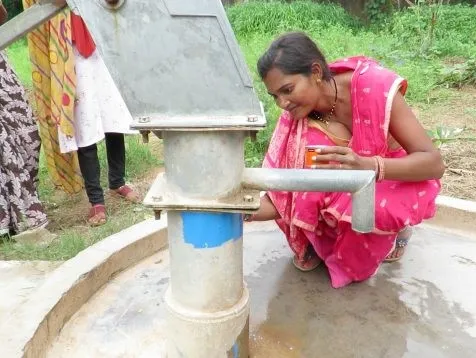
My current research focuses on ways to reduce the impact of the environment on human health. For two decades, I coordinated earth-science and mitigation efforts under Columbia’s Superfund Research Program on the origin and health effects of elevated levels of arsenic in groundwater. A theme that runs through this and other ongoing projects, e.g., concerning fluoride in groundwater in India, bauxite dust in Guinea, or soil contaminated with lead from mine-tailings in Peru, is that patterns of contamination are spatially very heterogeneous. This complicates prediction but often also points the way to mitigation when the hazard can be mapped. For this reason, I am a firm believer in the more widespread use of field kits by non-specialists to reduce exposure to environmental toxicants, particularly in developing countries. I collaborate with public health and social scientists to evaluate how such kits can be deployed at scale and have published over 180 peer-reviewed papers on this and other environmental topics. I hold a research professor appointment at Lamont-Doherty Earth Observatory and am a member of the Earth Institute faculty at Columbia University.