

Lamont in the Media

Earth & Climate Science News
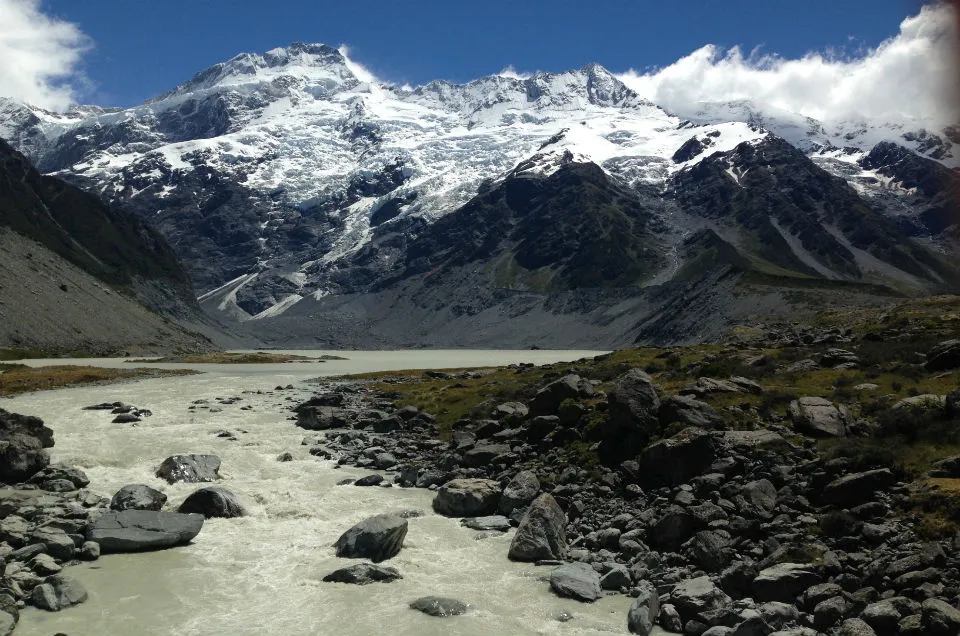
Bess Koffman, a postdoctoral researcher at Lamont-Doherty Earth Observatory, recently traveled to New Zealand to collect dust ground-up by glaciers during the last ice age. In this photo essay, she explains how she collected the dust, what analysis looks like in the lab and what she hopes to learn.
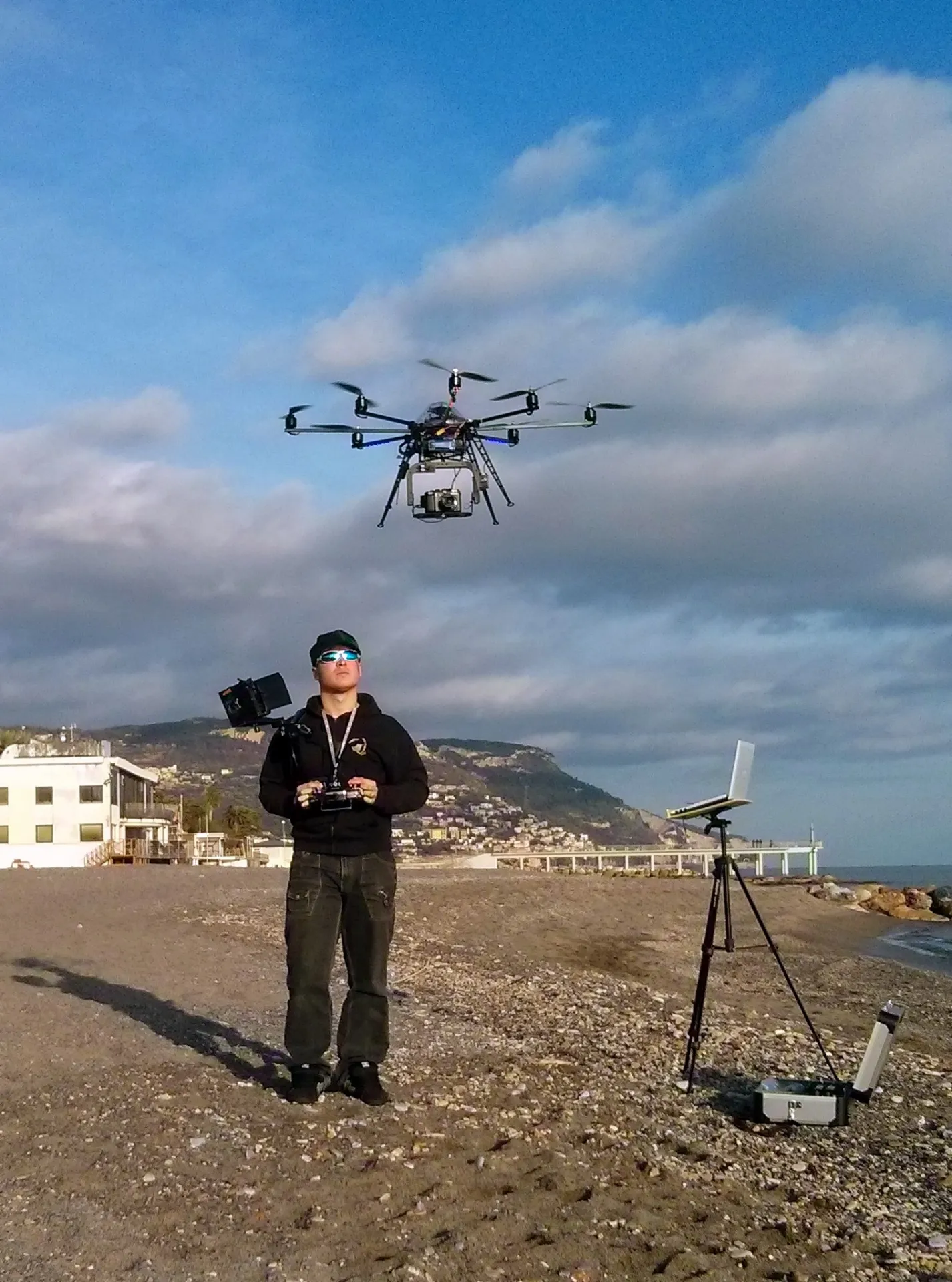
Searching for a fast, simple and low-cost way to monitor Earth’s changing coastlines, a team of scientists, including Lamont-Doherty Observatory postdoctoral researcher and marine scientist Alessio Rovere, has found an innovative use for drones.
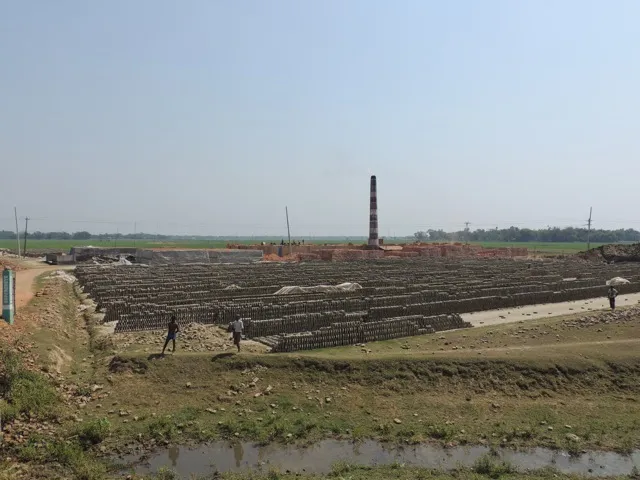
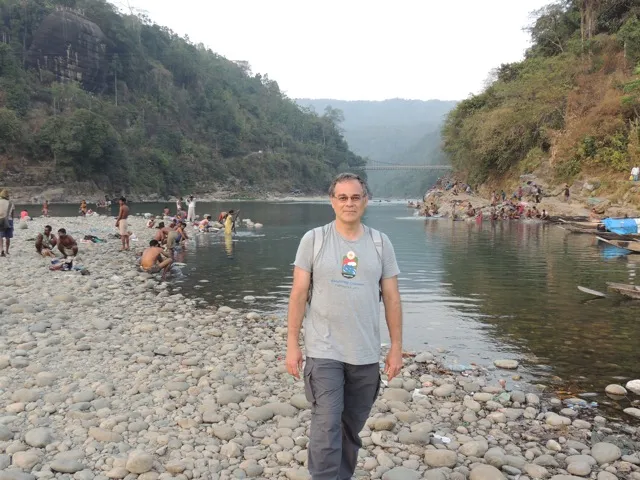
It was time to pack up and leave. Shofiq, who is from Sylhet, was dropped off near his home and the fellowship of the rocks was broken. We settled in for another long drive. We made an impromptu stop at one of the numerous brick factories scattered across Bangladesh. Here, the workers immediately started snapping pictures of us with their phones.
Most field trips have a “death march” hiking a long way through forest, swamps, hills or deserts to get to a remote outcrop. We have a “death bus ride” instead.
The first day was very light for the jet-lagged students, just a short introduction to the field school and some background, and then introductions all around as we started to get to know each other. The final group of nine students finally arrived around 9 p.m. They were the most worn-out, bedraggled bunch of travelers I have ever seen.

New research about West Antarctica’s Pine Island Glacier suggests the glacier’s recent and rapid thinning and melting may continue for decades or centuries to come. British Antarctic Survey’s Joanne Johnson’s research, done in collaboration with scientists at Lamont-Doherty, might not have been possible without Lamont’s effort to promote women scientists.
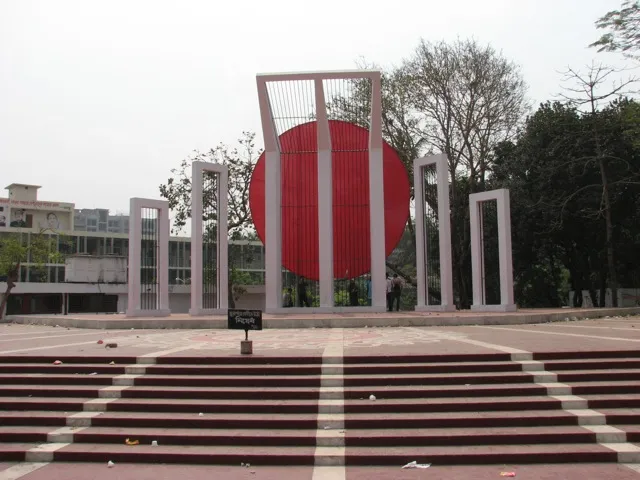
Feb. 21 is Language Day in Bangladesh. It is a holiday, now adopted by the UN as International Mother Language Day. It commemorates a day in 1952 when a crowd of Bengali students protesting Pakistan’s adoption of “Urdu and only Urdu as the official language of Pakistan” were fired upon by the police. It marks the beginning of the move towards the independence of East Pakistan.
Earth Institute field researchers study the planet on every continent and ocean. Projects are aimed at understanding the fundamental dynamics of climate, geology, ecology, human history and more. Here is a partial list of upcoming expeditions.
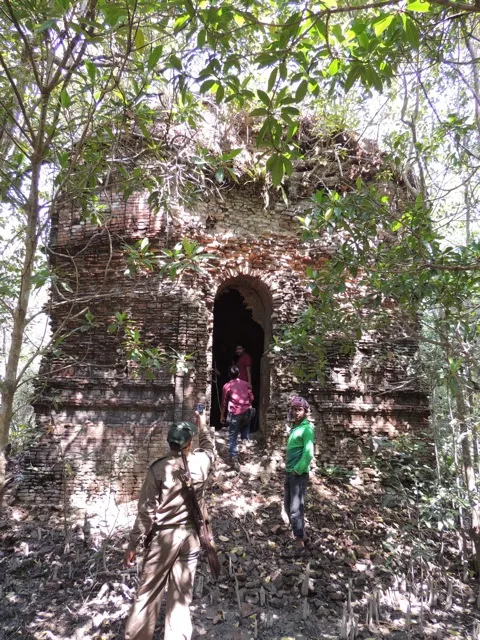
Rushing around SW Bangladesh by boat and car, we managed to install or repair four GPS sites in record time. We caught up our lost day and managed to get to the ruins of the Shakher Temple in the Sundarban mangrove forest.
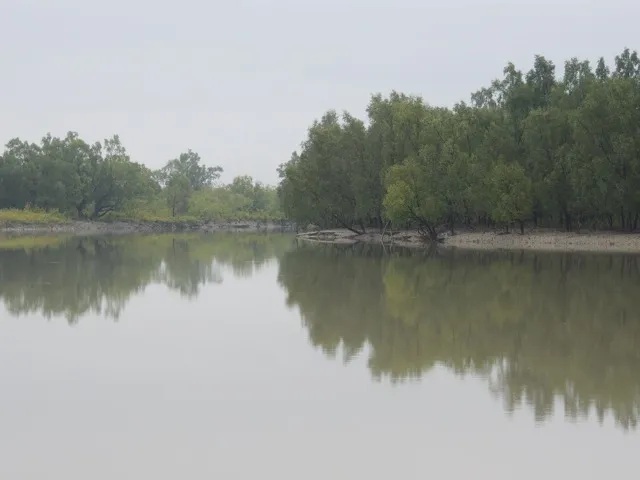
Back to Bangladesh for some fieldwork and then a two-week Field School. However, this time we had problems starting before we even left NY. Working in Bangladesh you have to be flexible. Nothing goes as planned, but usually everything works out in the end.
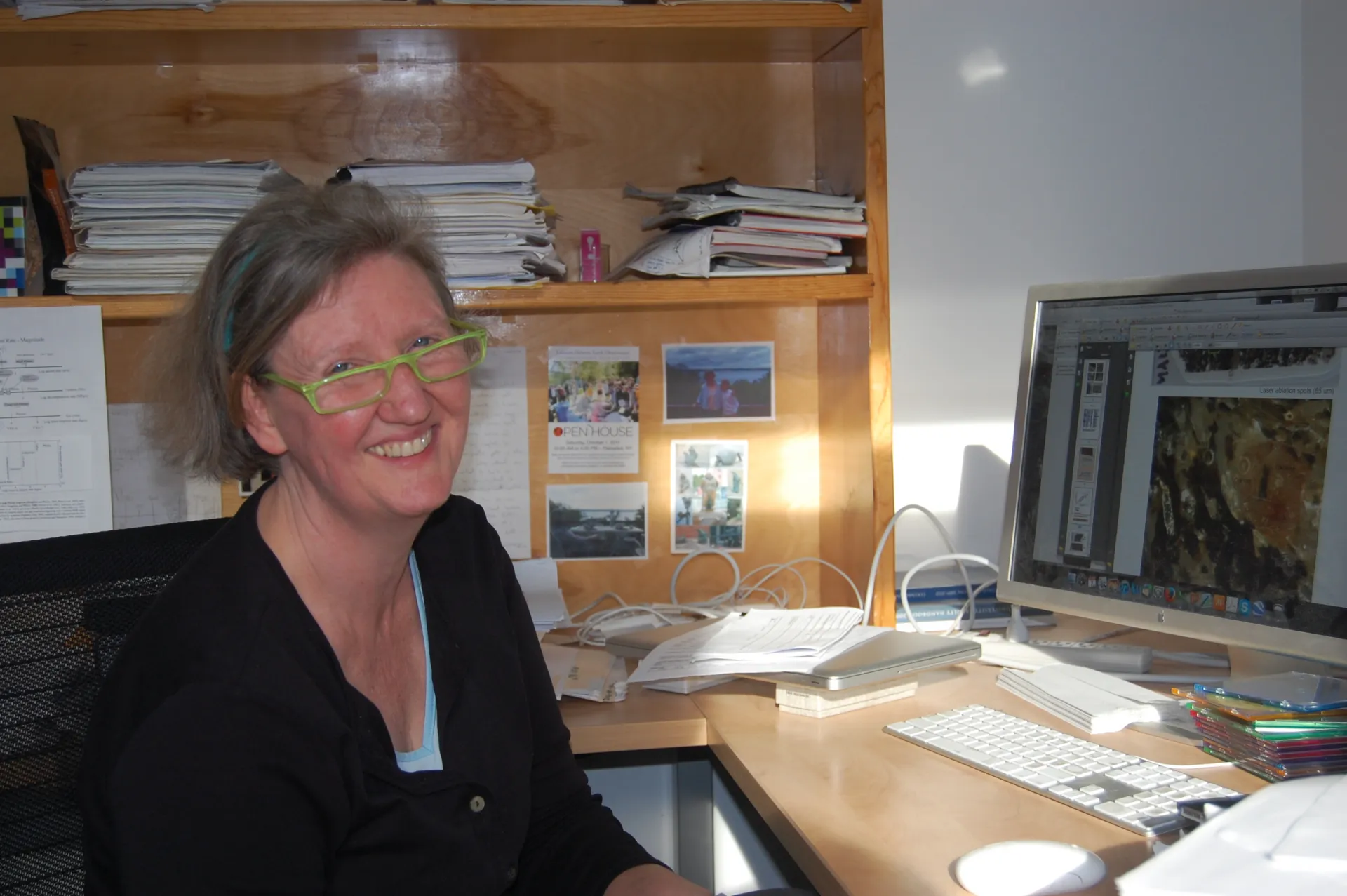
“It just looked like black rock, but every once in awhile a boulder at the end would fall off and you’d see it was completely red inside. And it made all these cool sounds and you’d feel these little earthquakes… It was totally cool. How could you not like that?”
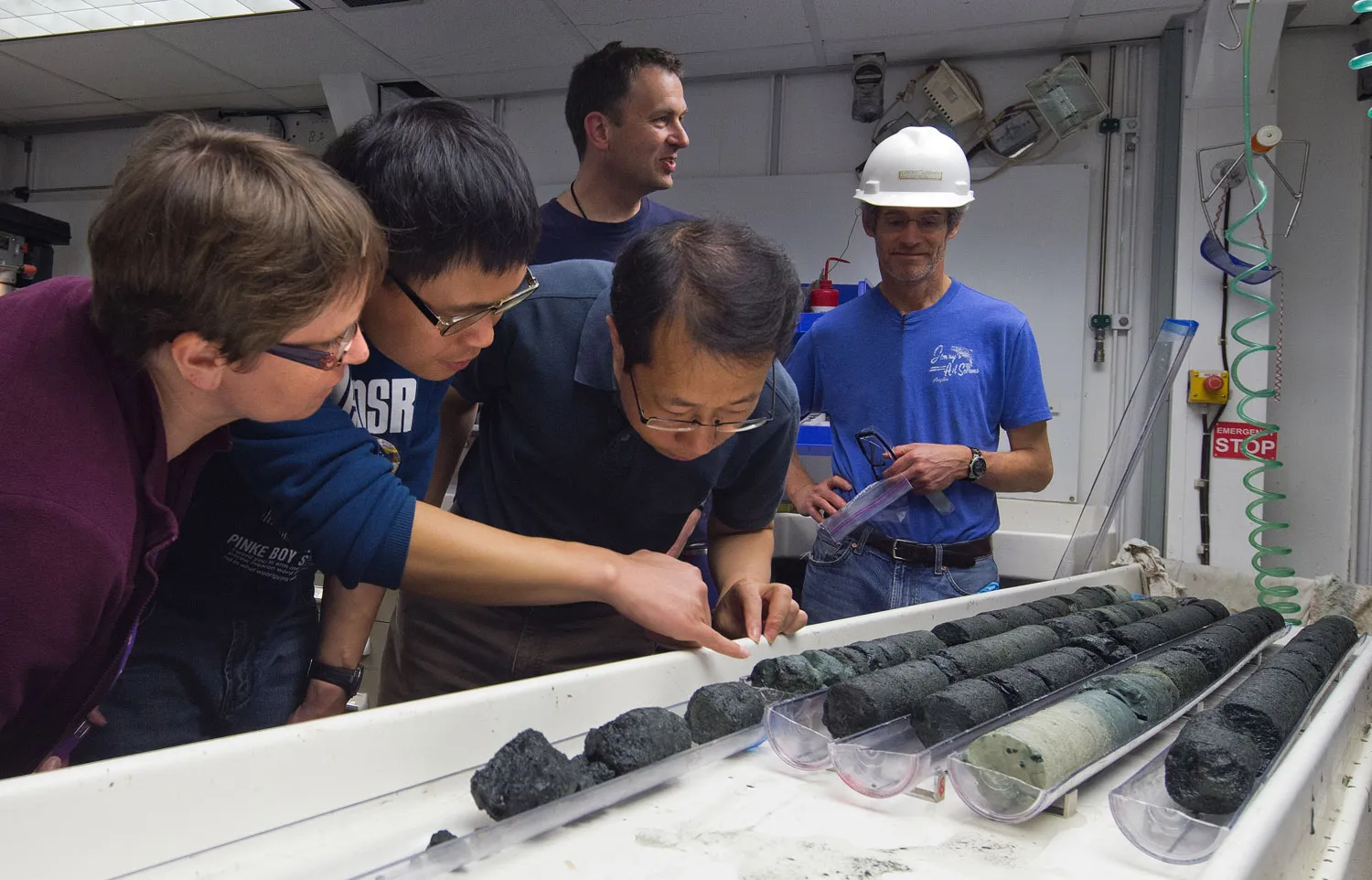
We have drilled 2,600 feet below the sea floor and in another 500 feet, will reach the crystalline igneous basalt of the ocean crust. Though finding the age of the basalt is our main aim, the thick sediments that overly the crust also have a story to tell.