Lamont in the Media
Earth & Climate Science News
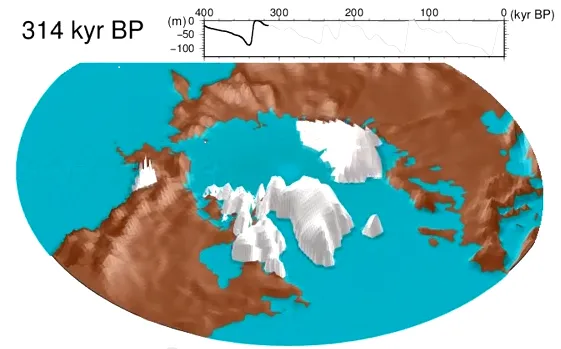
In a new study in Nature, climate scientist Maureen Raymo and her colleagues show that variations in sunlight interact with Earth’s topography and the size of ice sheets to control Earth’s ice ages on 100,000 year cycles. One important finding: as ice sheets grow bigger, they also become more vulnerable to melting.
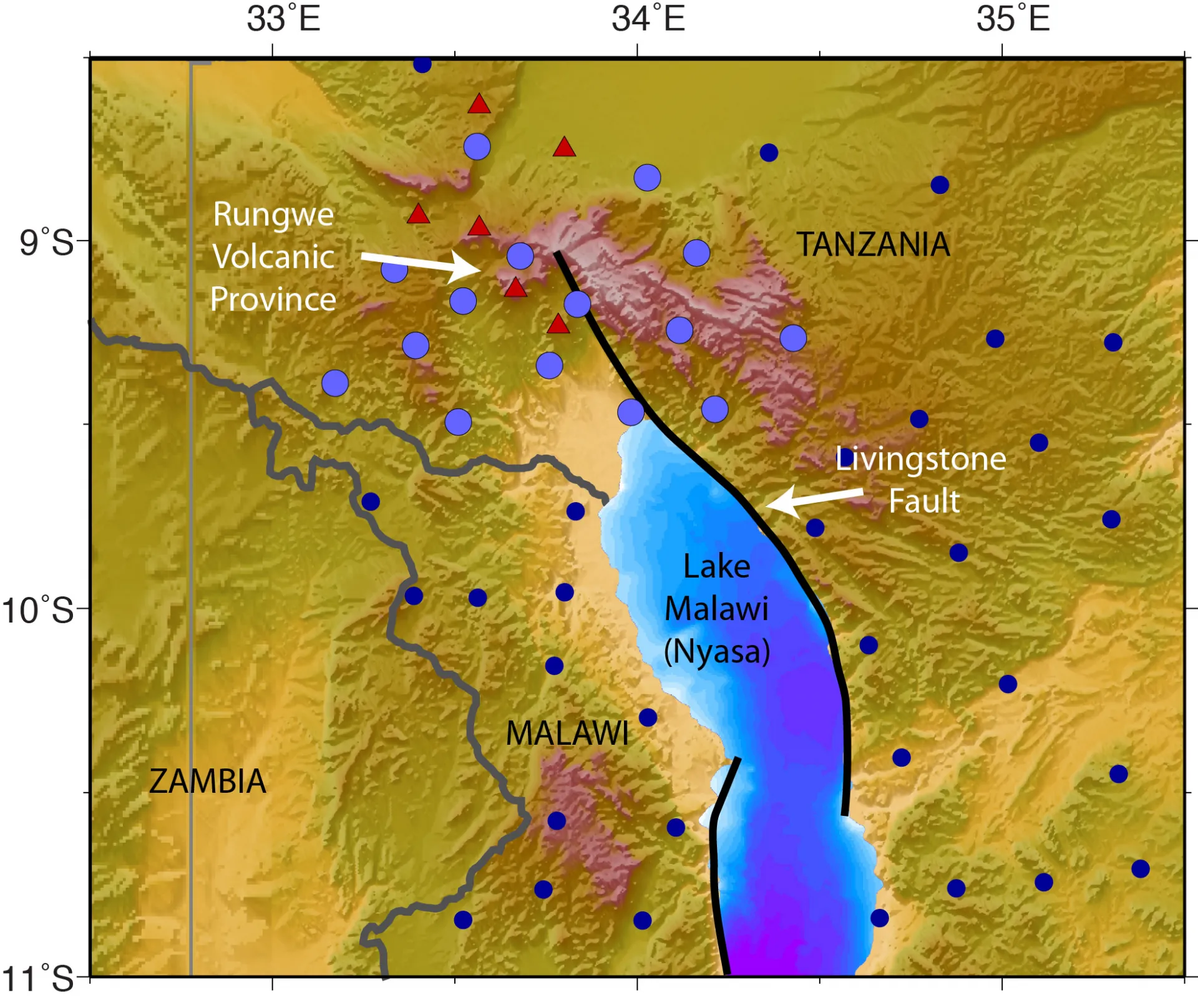
The last time we visited the southern part of the East Africa Rift, we were responding to an unusual series of earthquakes in December 2009 that shook northern Malawi. This time, we return to this part of the rift system as a part of a more comprehensive effort to understand the underpinnings of this continental rift.
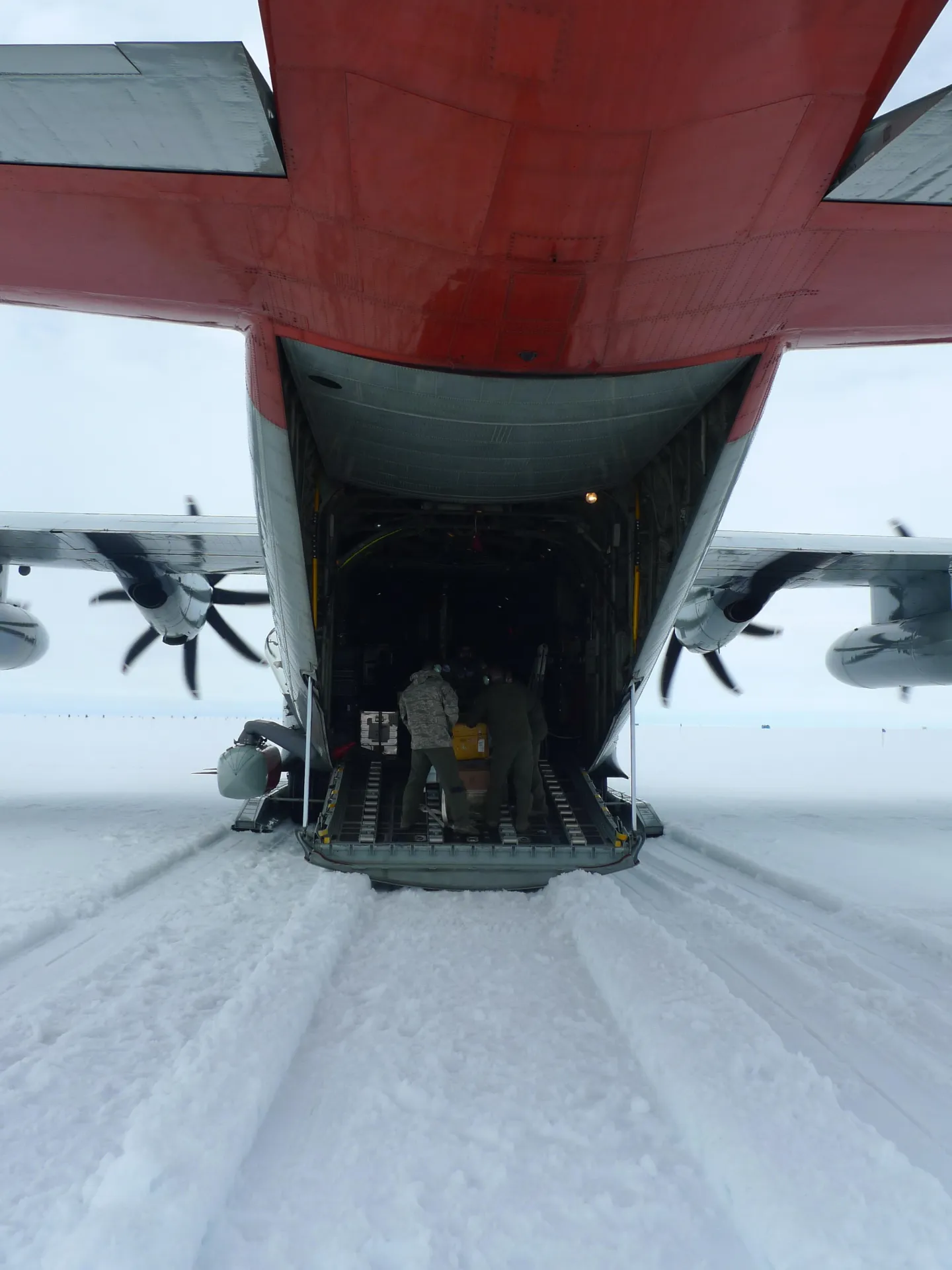
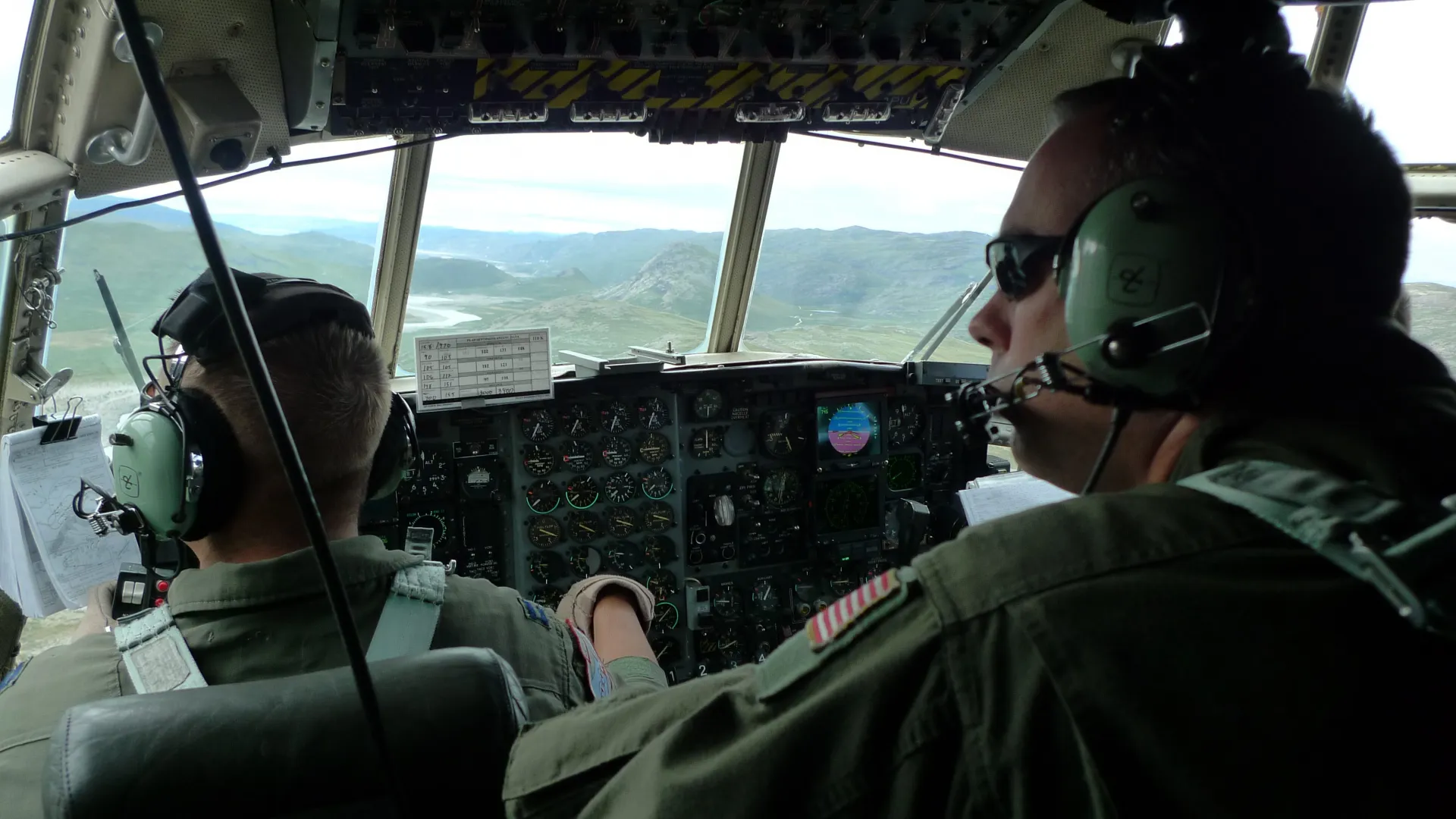
144 miles separates Kangerlussuaq from Raven Camp. Not far really, just 144 miles – like traveling from the southern tip of New York City up to Albany. Flying at 270 knots we can be there in about half an hour, no time at all, and yet to the casual observer they seem worlds apart.
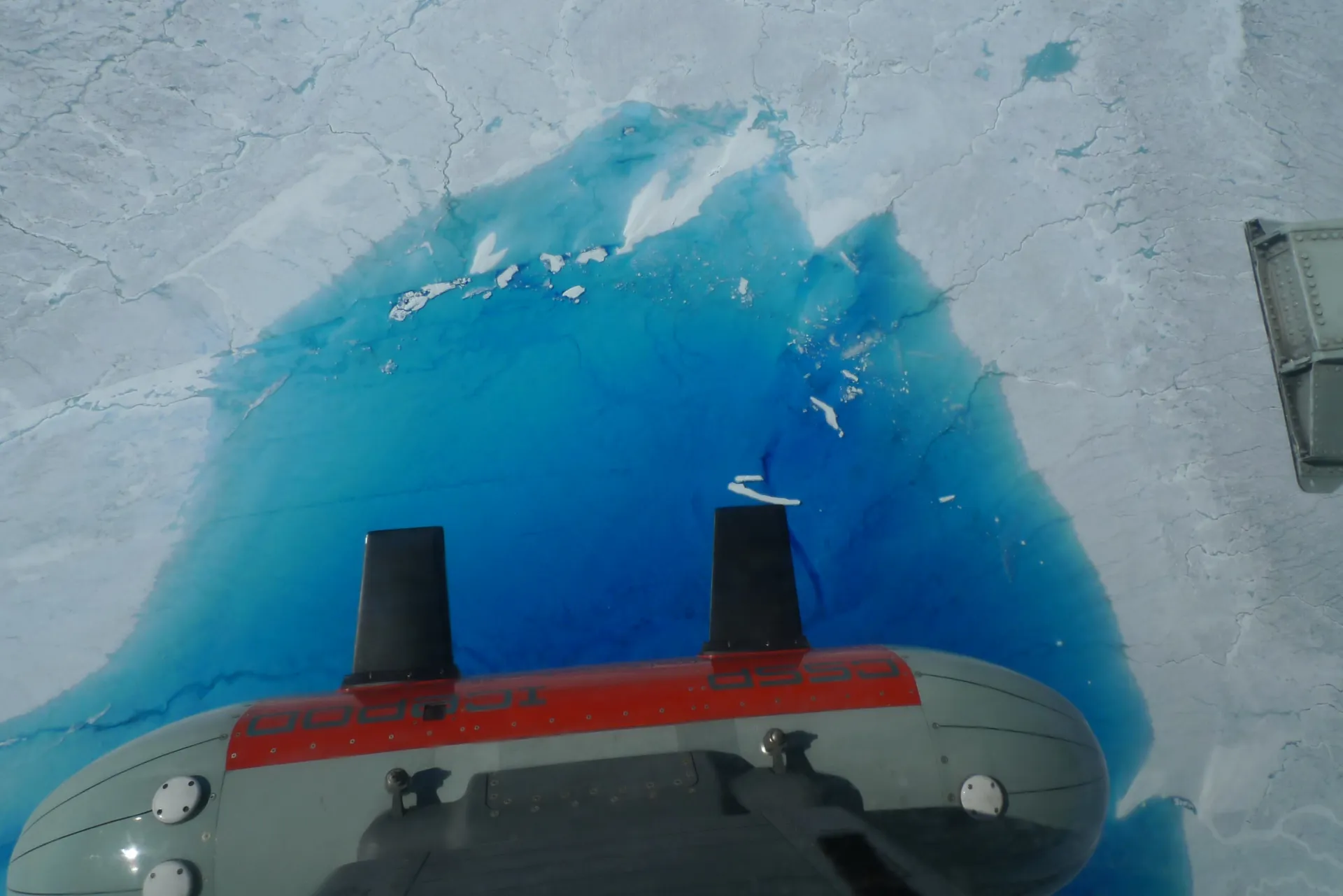
When we sat down to map out the flight plan, our request to the crew for locating lakes met with an easy nod: No problem at all. It took only seconds to register that our definition of lakes might differ from theirs.
Even the most skilled of English language lipreaders are only able to tease apart about 30 percent of the information being shared, I read in a recent article. The author, herself deaf, noted that in some transmissions, the information capture is higher, while in others, nothing is collected. An average of 30 percent information transfer…most of us seek more information, we are curious beings. I don’t know anyone who is happy to sit comfortably saying “yes we know 30 percent, that is good enough.”
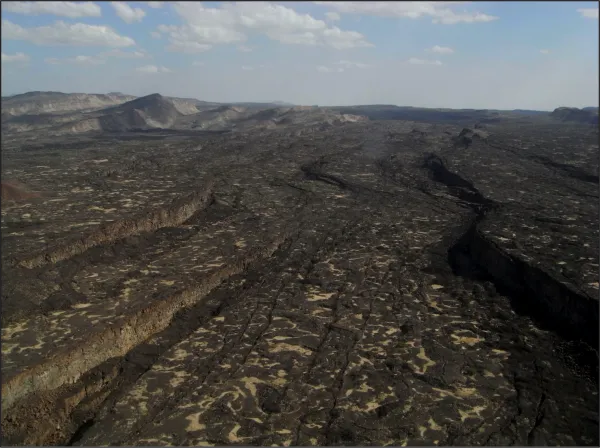
A new study in the journal Nature provides fresh insight into deep-earth processes driving apart huge sections of the earth’s crust. This rifting mostly takes place on seabeds, but can be seen in a few places on land—nowhere more visibly than in the Afar region of northern Ethiopia.
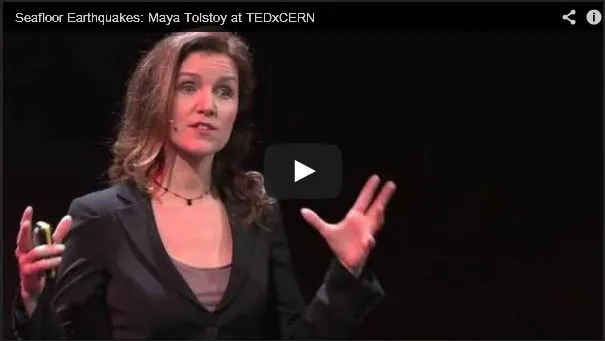
Can shifting tides trigger earthquakes? Research done by Maya Tolstoy, a geophysicist at Lamont-Doherty Earth Observatory, suggests they do.
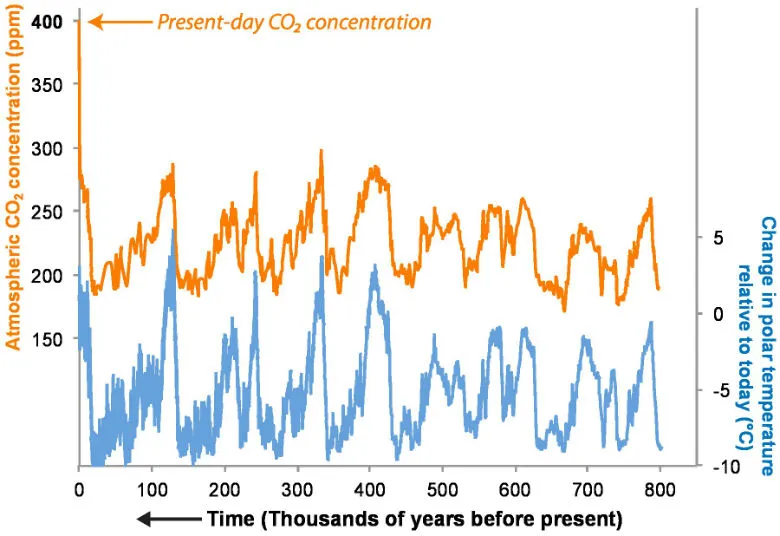
Why should society care that CO2 is now as high as 400 ppm? The reasons are multiple, but all trace back to the relationship between CO2 and temperature.
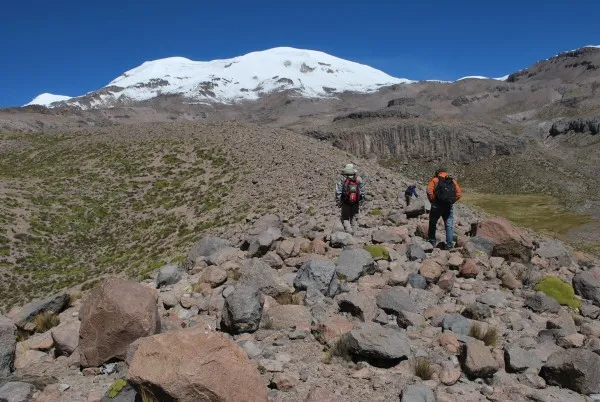
Twice humans have witnessed the wasting of snow and ice from Peru’s tallest volcano, Nevado Coropuna—In the waning of the last ice age, some 12,000 years ago, and today, as industrial carbon dioxide in the air raises temperatures again. As in the past, Coropuna’s retreating glaciers figure prominently in the lives of people below. In an ongoing project, scientists at Columba University’s Lamont-Doherty Earth Observatory and partner institutions are reconstructing the ebb and flow of ice on Coropuna since the last ice age to understand how the tropics influence the global climate system,…
Lamont-Doherty scientist Hugh Ducklow is featured in a documentary due out next summer on climate change and the West Antarctic Peninsula. Catch a preview in this newly-released trailer.