
Lamont in the Media
Earth & Climate Science News
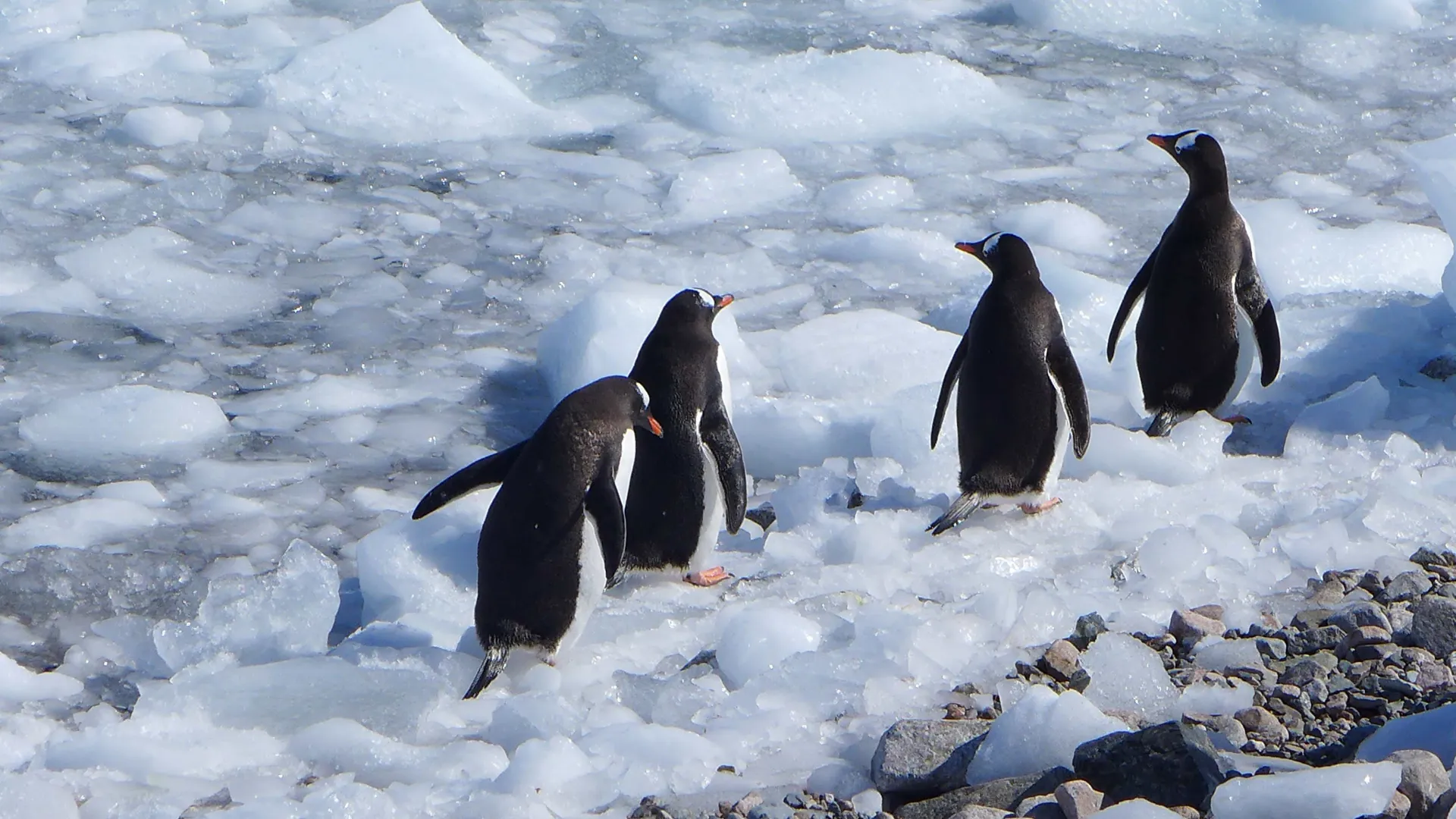
Remove outside distractions. Place participants in close proximity. Provide opportunities for intellectual stimulation and open dialogue. Promote group activities that are unique and extreme in nature to build common references between the participants. These are the ingredients for structuring an environment for creative group dynamics and problem solving. This is the structure of the Antarctic Forum.
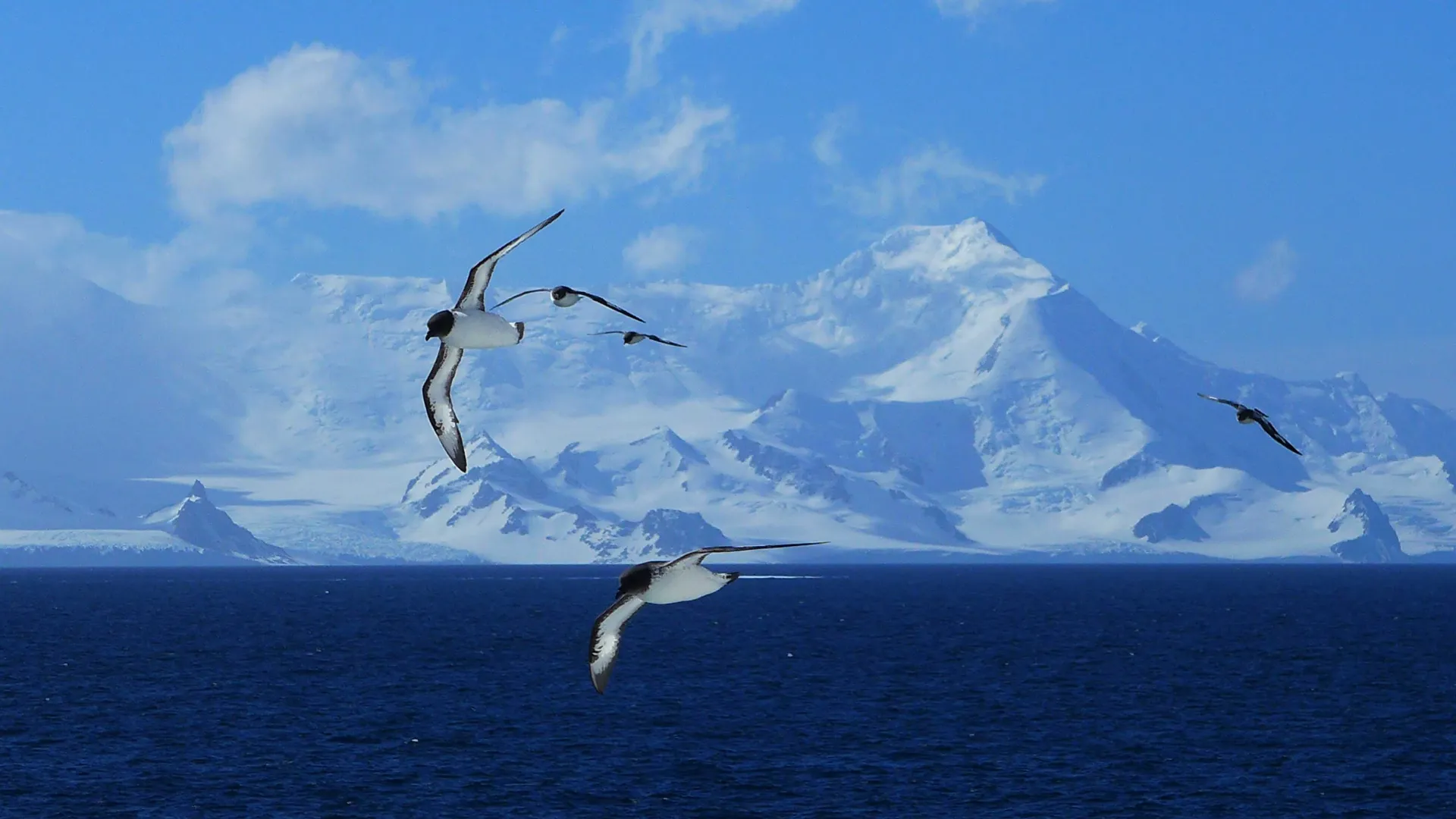
If you want to excite and inspire people about committing to environmental conservation and harmonious social development, why not load them onto a ship and take them to the ends of the Earth?
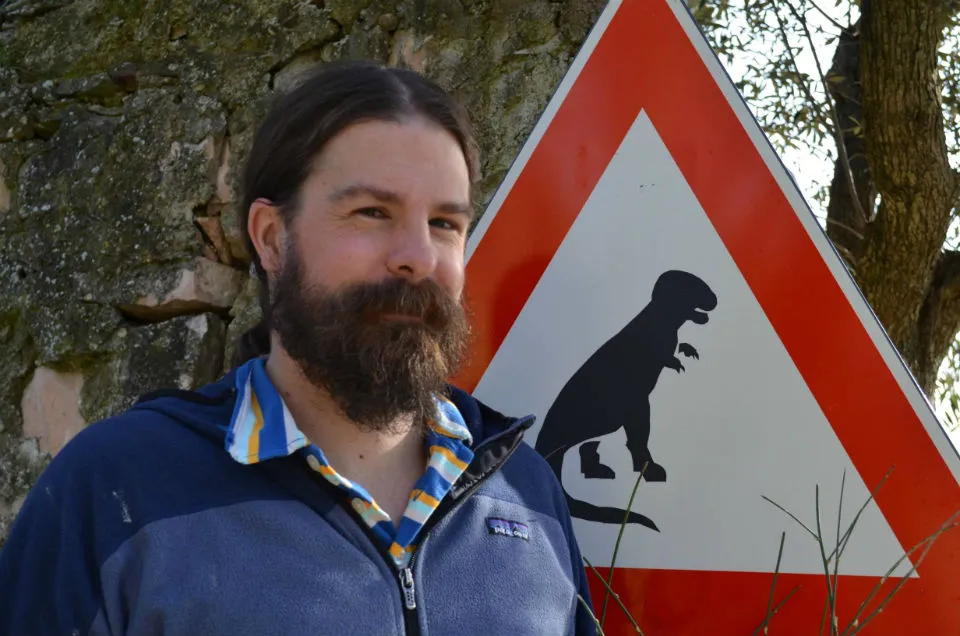
Tourists flock to Italy to see Michelangelo’s David and other iconic hunks of Renaissance stone, but in a trip over spring break, a group of Columbia students got to visit rocks that have shaped the world in even more profound ways.
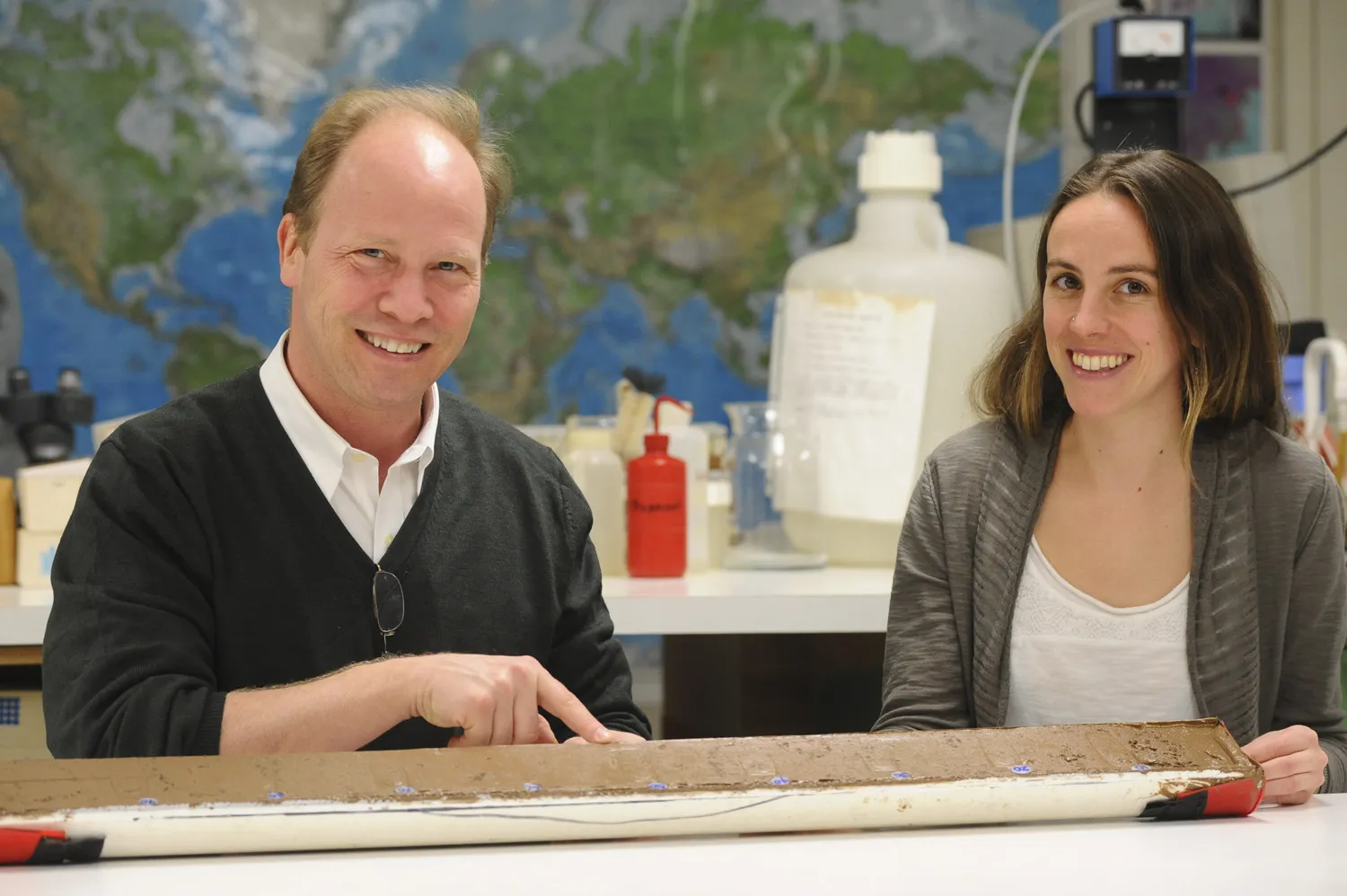
The Sahara wasn’t always a desert. Trees and grasslands dominated the landscape from roughly 10,000 to 5,000 years ago. Then, abruptly, the climate changed. A study by Lamont-Doherty’s Peter deMenocal says it took just a few hundred years to happen.

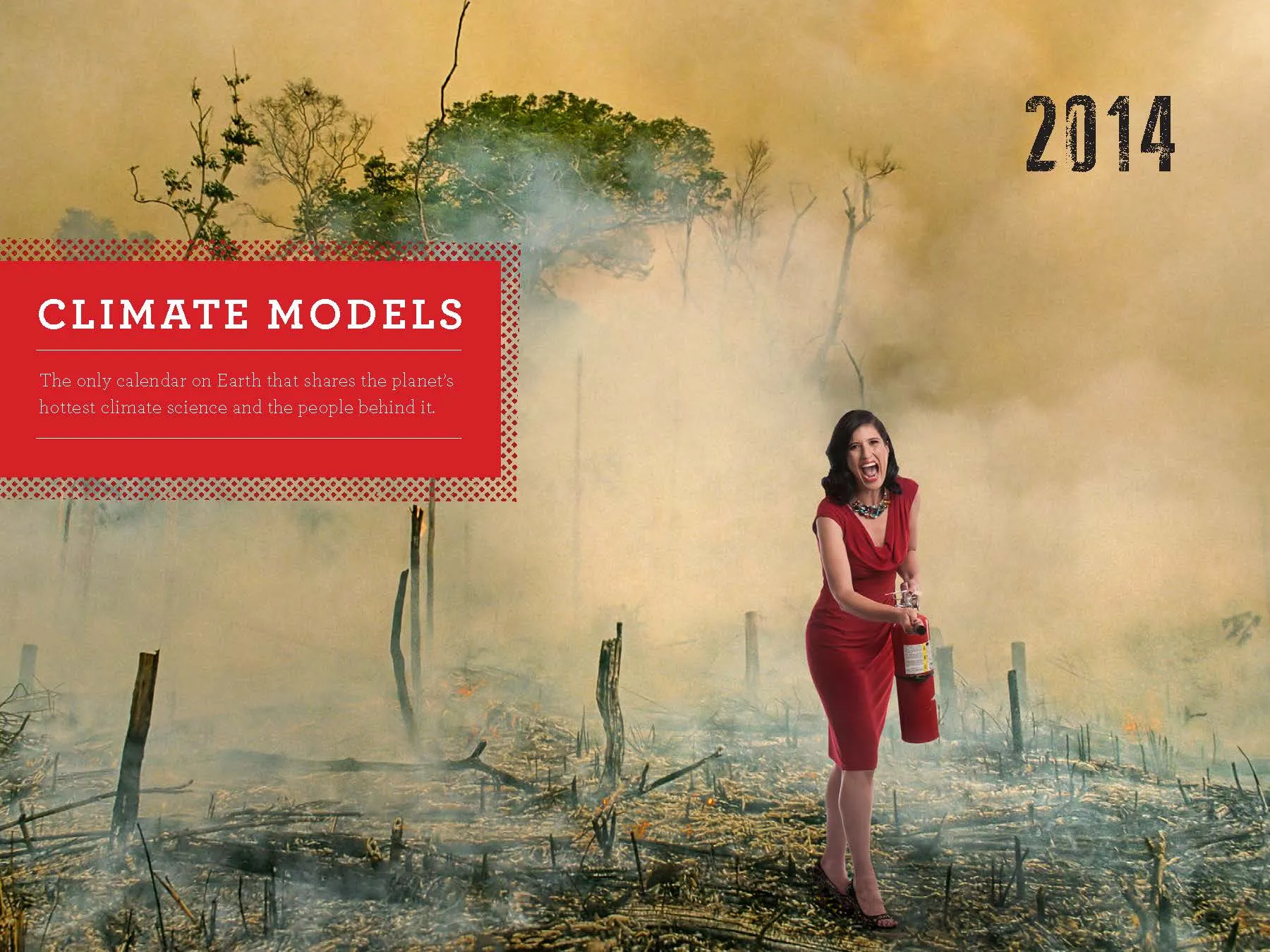
Who’s studying Earth’s climate? Why? Where? How? And what are they learning? Panelists will explore these questions and discuss creative methods that can be used to better communicate climate science to the public.
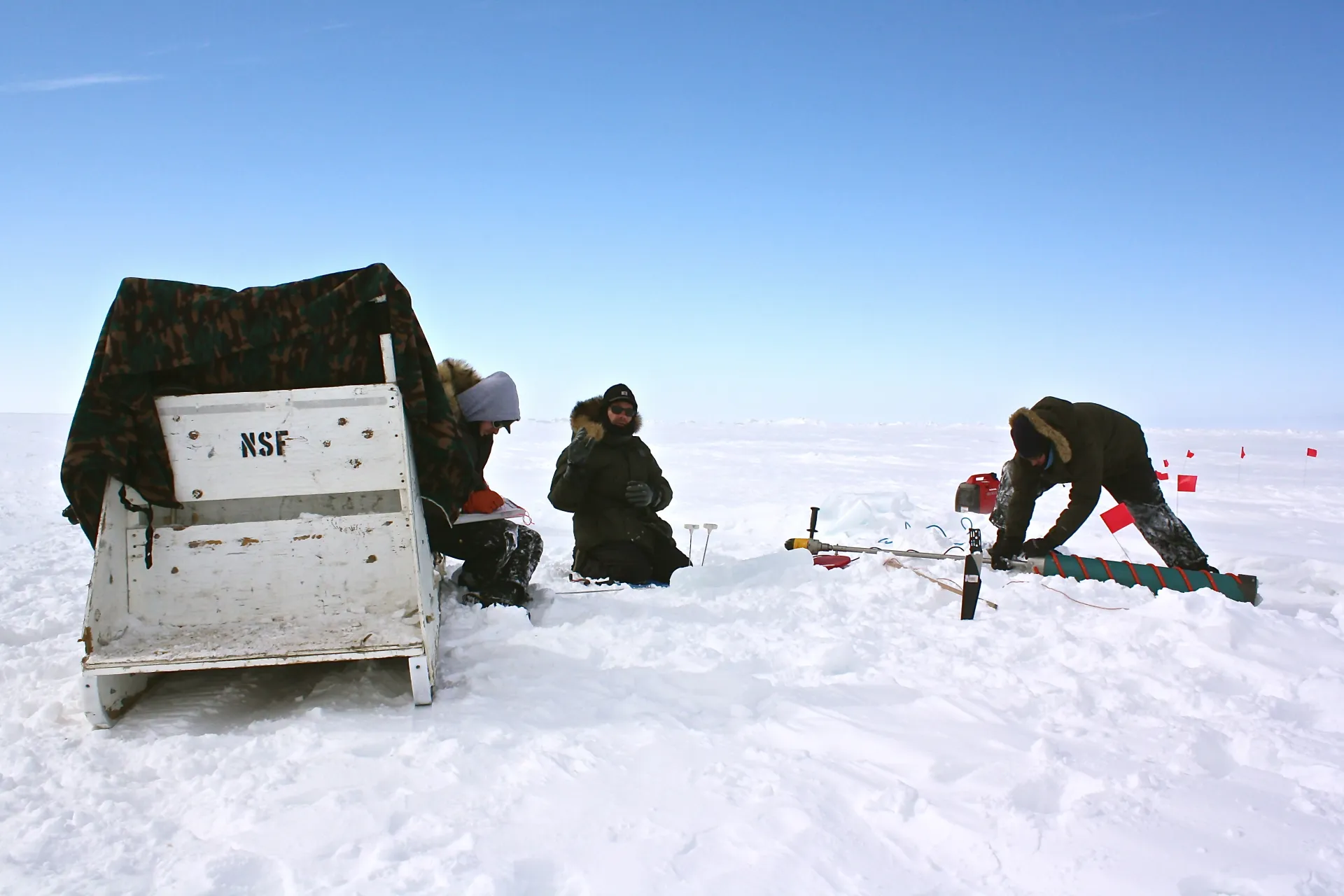
Lamont-Doherty Earth Observatory marine biologists Craig Aumack and Andy Juhl spend a month each spring in Barrow studying the algae dwelling in and under the sea ice. Their goal is to learn more about the different species of algae that compose these communities and their role in the Arctic marine food web.
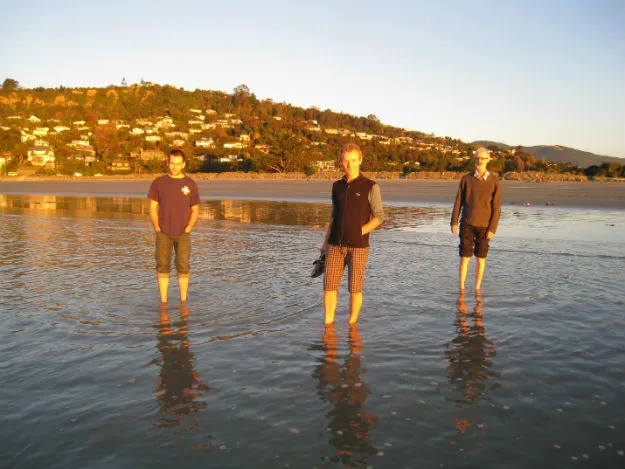
Alan Seltzer, a senior at Columbia University, traveled to New Zealand this past summer to work on field experiments aimed at reconstructing temperatures in the region over the last 20,000 years. His adviser, geochemist Martin Stute, is working closely with colleagues at Lamont-Doherty to understand how the southern hemisphere came out of the last ice age.
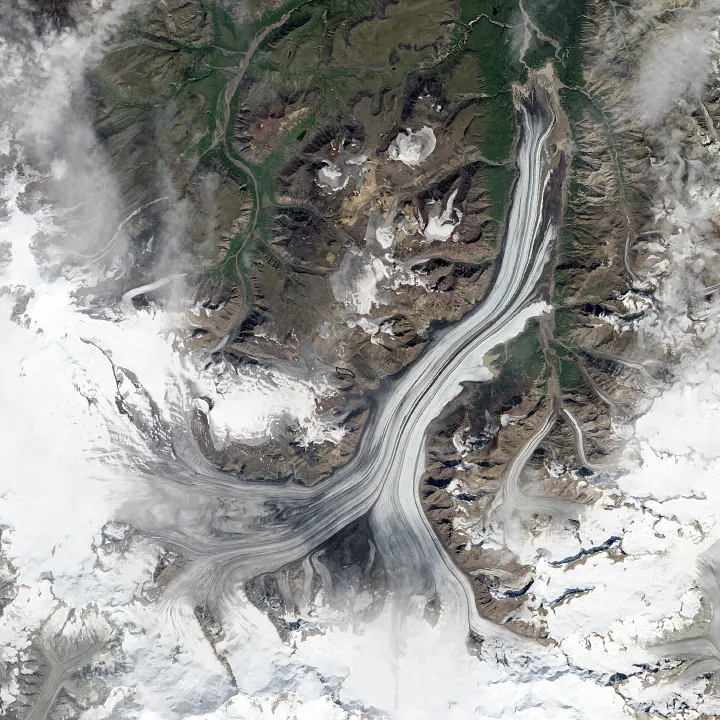
A massive landslide in Alaska’s snowy Wrangell-St. Elias mountain range in July may have been caused by a summer heat wave making some slopes more vulnerable to collapse, says the Lamont-Doherty scientist who first discovered the avalanche.
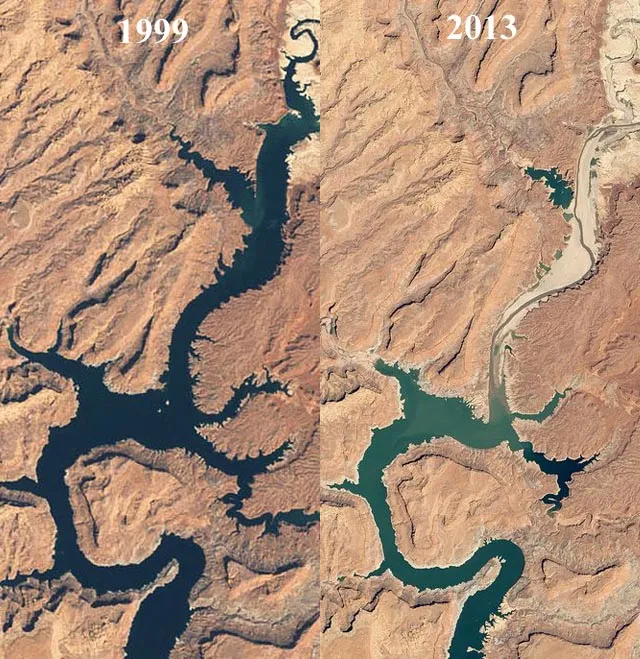
“One of the ways that climate change is going to manifest is through warmer temperatures. … What we are seeing, in line with our projections, is that even if you assume constant precipitation, the temperature effects are so large that it is going to dry things out. This is going to have really big impacts on soil moisture, reservoirs and stream flow for irrigation and drinking water. The availability of water is going to decline into the future, and the challenge is adjusting for that, and what that means for agriculture and development.”
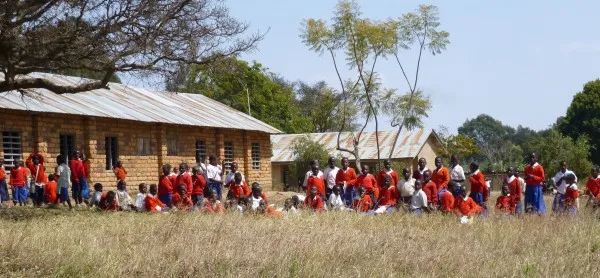
Ideally, seismic stations are sited in remote, quiet locations. But other considerations are important for a good station, particularly security. As a result, we placed most of our stations in towns near schools, hospitals or town halls, where people could keep an eye on them.
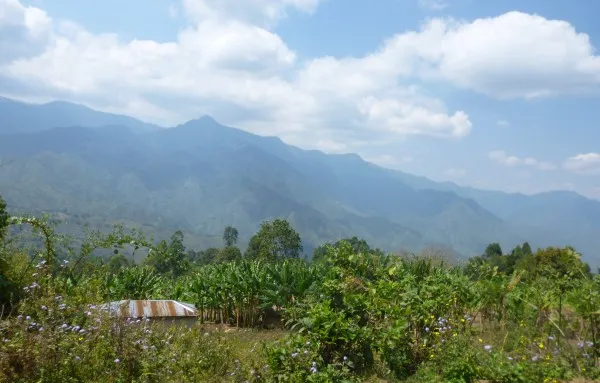
Driving around the Rungwe volcanic province in the southern East Africa Rift installing seismometers, we have the chance to observe first hand how geological processes in action create the most dramatic forms at Earth’s surface.