
Overview
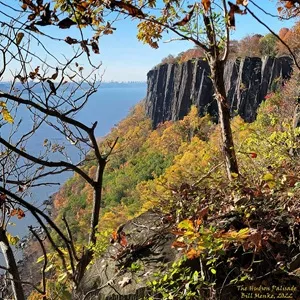
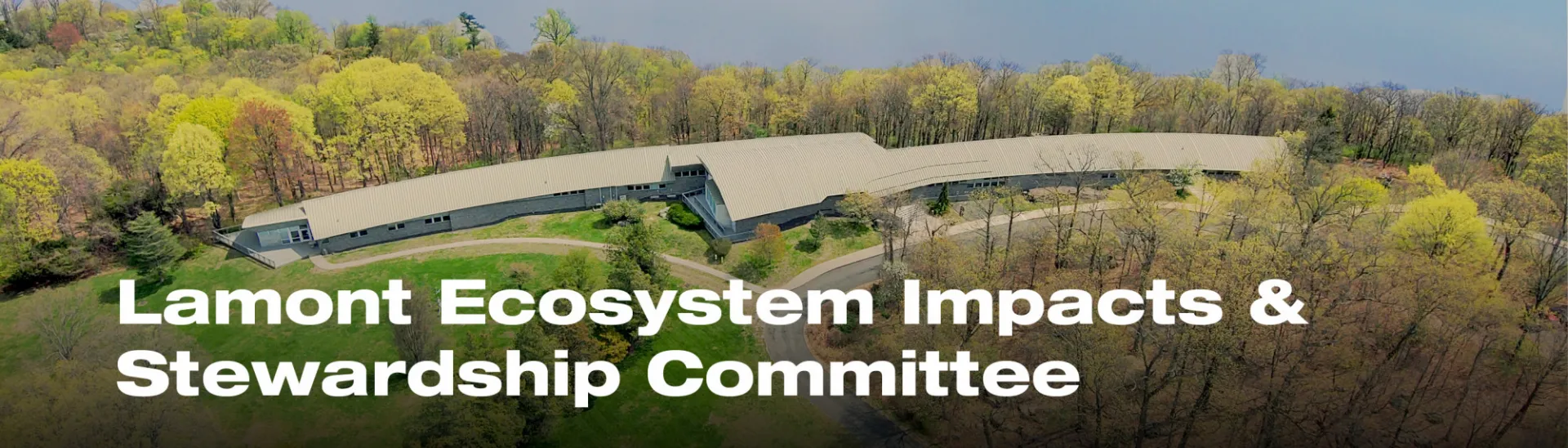
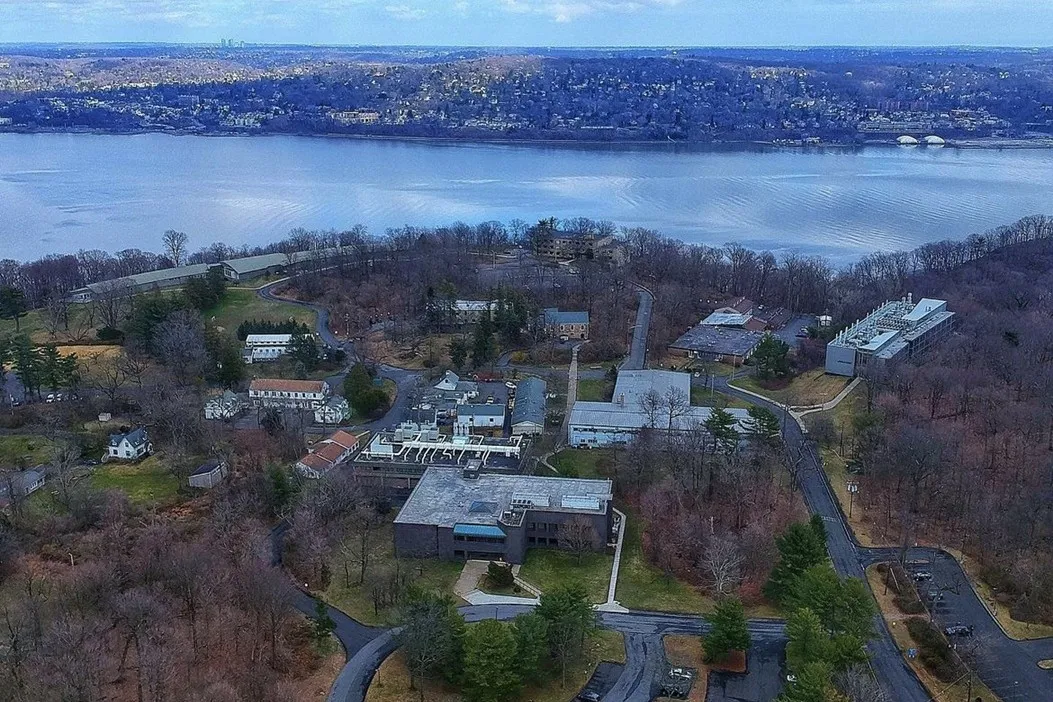
The Lamont campus occupies a unique space on the Palisades sill above the Hudson River. Nestled between two state parks, its nearly 200 acres provide an important wildlife corridor between these undeveloped spaces. In addition, the Lamont property itself is ecologically diverse, with a patchwork of habitats - upland and lowland forest, wetlands, riparian zones, open fields, and an orchard - that support a variety of native fauna and flora. This unique location and diversity of habitats make Lamont a haven for breeding, migrating, and wintering wildlife every year.
Wildlife and the spaces that support them face increasing threats - climate change, habitat loss, habitat fragmentation, pollution, among others - and the impacts on ecosystems are impacts on us, whether we experience them directly or indirectly. Knowing this, we as individuals and as a community should engage in thoughtful stewardship of our unique surroundings. To enable this, we need a paradigm shift in the way we interact with our world. As a science-driven organization, LDEO is particularly well-positioned to model best practices.
JUMP TO:
Mission
The Lamont Ecosystem Impacts and Stewardship Committee (LEISC) seeks to build a stronger, more connected community by:
- Promoting a set of shared institutional core values that reflect an awareness of ecological and environmental connections and why they are important;
- Advocating for viable alternatives on campus to ecologically- or environmentally-detrimental activities;
- Encouraging the preservation and restoration of the land we occupy to enhance its ecological value and improve livable space for wildlife.
Below are some of the ways LEISC is working toward these goals on the Lamont campus. If you have ideas or want to join a working group, email us.
Working Groups
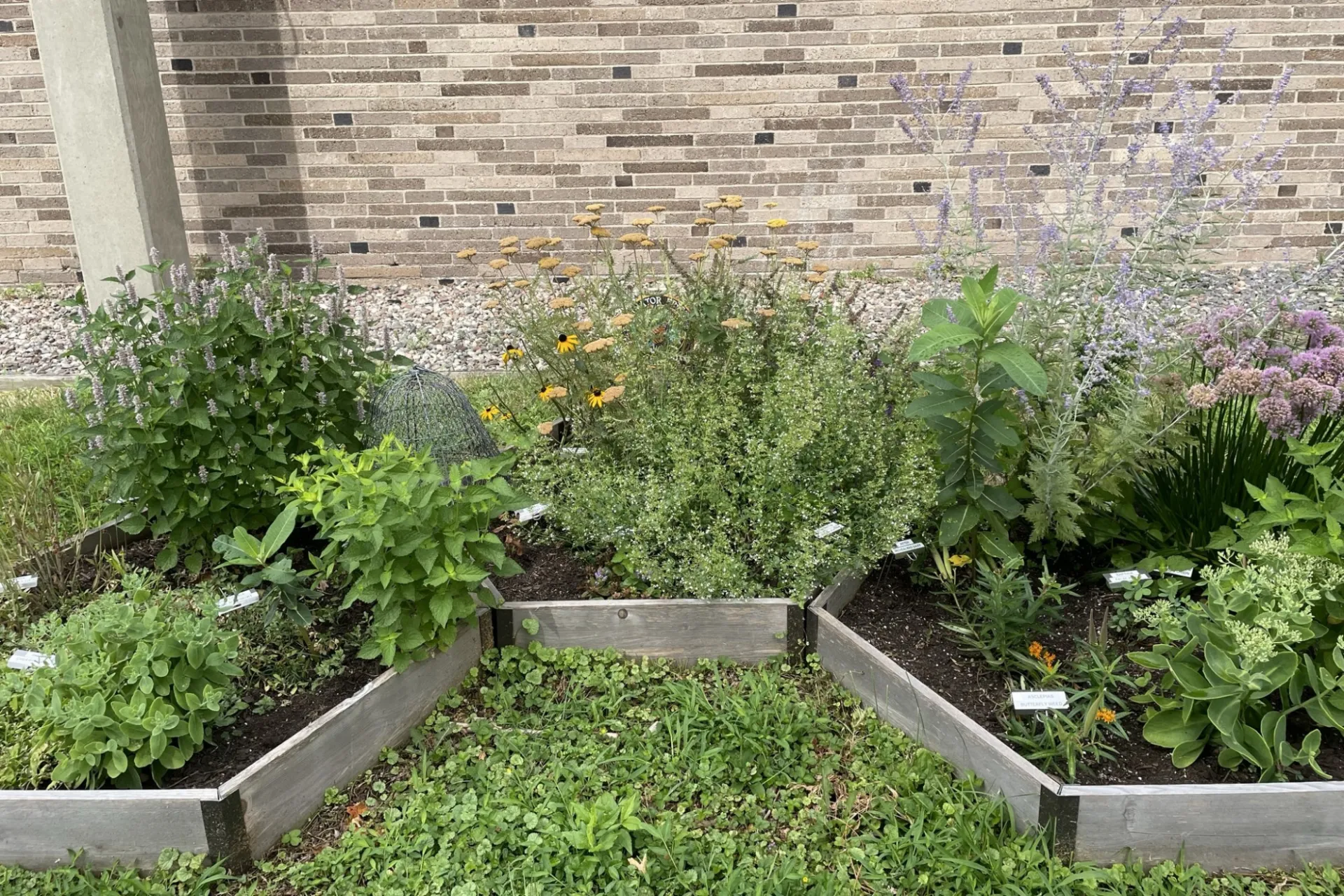
Increase plantings with wildlife value and remove invasives. | Working Group Coordinator: Sheean Haley
Bird strike deterrents, bird strike monitoring study, and bird boxes. | Working Group Coordinator: Linda Pistolesi
Curbing light trespass, glare, and skyglow. | Working Group Coordinator: Andrew Goodwillie
RECENT ACCOMPLISHMENTS
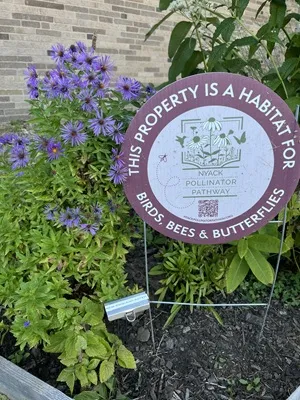
Nyack Pollinator Pathway & Certified Bird Sanctuary Status
As of Spring 2025, LDEO is part of the Nyack Pollinator Pathway and achieved Certified Bird Sanctuary status by the Rockland Audubon Society! This reflects that we offer food sources from native plants, including keystone species (e.g., White Oak, American Beech, Serviceberry, Common Milkweed), providing cover and nesting spaces (e.g., shrubs, wood piles, brush), providing water sources (e.g., ponds, streams, vernal pools), and abstaining from pesticide use. These programs encourage green corridors and safe havens for all pollinators in and through fragmented regions.
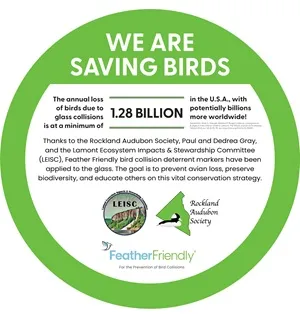
FeatherFriendly Window Decals for Bird Strike Prevention
LDEO received a $1,000 grant from Rockland Audubon Society and an additional $3,500 in private donations for the application of FeatherFriendly window film to prevent bird strikes. The window film works by making glass visible to birds. Patterns must be spaced closely together to disrupt reflections of sky and trees, and create the illusion of a solid object. The U.S. Fish and Wildlife Service recommends dots with a maximum 2-inch spacing. The window film was applied to the lobby and atrium of Monell in Fall 2025.
Acopian Birdsavers for Bird Strike Prevention
Acopian birdsavers, a paracord hanging “curtain” works by making glass visible to birds. Patterns must be spaced closely together to disrupt reflections of sky and trees, and create the illusion of a solid object. The U.S. Fish and Wildlife Service recommends vertical stripes with a maximum 4-inch spacing spacing. Installation of Acopian Birdsavers on the east-facing, north wing of Monell began in September 2025 and is ongoing.
Both FeatherFriendly decals and Acopian Birdsavers are tested and recommended as effective by the American Bird Conservancy.
Awareness
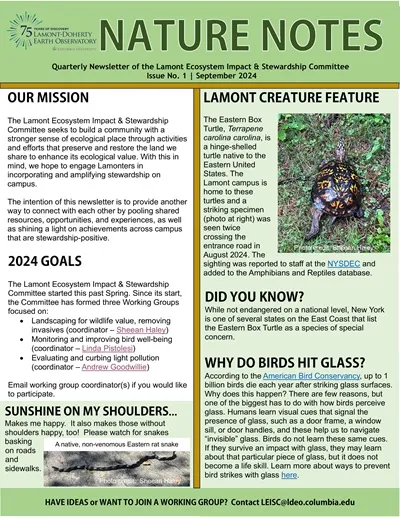
All Lamonters receive Nature Notes every quarter via email.
2026 Newsletters
- Issue No. 9 | August 2026
- Issue No. 8 | May 2026
- Special Edition: Spring Bird Migration | March 2026
- Issue No. 7 | February 2026
2025 Newsletters
- Issue No. 6 | November 2025
- Issue No. 5 | September 2025
- Issue No. 4 | June 2025
- Issue No. 3 | March 2025
2024 Newsletters
Resources
➡️ Wildlife on Campus
Do’s & Don’ts
- Observe wildlife from a distance. Do not follow, approach, or harass them.
- Never feed wild animals. Feeding wild animals damages their health, alters natural behaviors, and exposes them to predators and other dangers. Feeding wild animals also puts humans at risk.
- Avoid wildlife during sensitive times (e.g., mating, nesting, raising young).
- Throw food waste/containers in indoor trash bins to prevent animals from coming close to buildings to scavenge.
- Do not prop open exterior doors. Report animals you see inside a building to the Safety Office (dial 2900 from an LDEO phone or call 845-365-8555).
- Review Wildlife and Natural Hazards on Campus on Lamont Safety’s webpage for more details.
➡️ Additional Guidance
- What to do if you encounter a bear?
- What to do if you find a baby or injured animal?
- What to do if a bird strikes your window?
If you hear a thud on your window, or see a bird fly away after hitting your window, report the bird as injured. Do not assume the bird is ok if you see it fly away and skip reporting.- Option 1: Report the incident on dbird.org. This is extremely fast and easy. You do not need to know what kind of bird it is. Take a picture if you can. Reporting day and location are key.
- Option 2: Report the incident to LEISC via email and we will add it to dbird.org for you! You do not need to know what kind of bird it is. Take a picture if you can. Reporting day and location are key.
➡️ New York State Wildlife Brochures and Checklists
Lamont Wildlife
Image Carousel with 11 slides
A carousel is a rotating set of images. Use the previous and next buttons to change the displayed slide
-
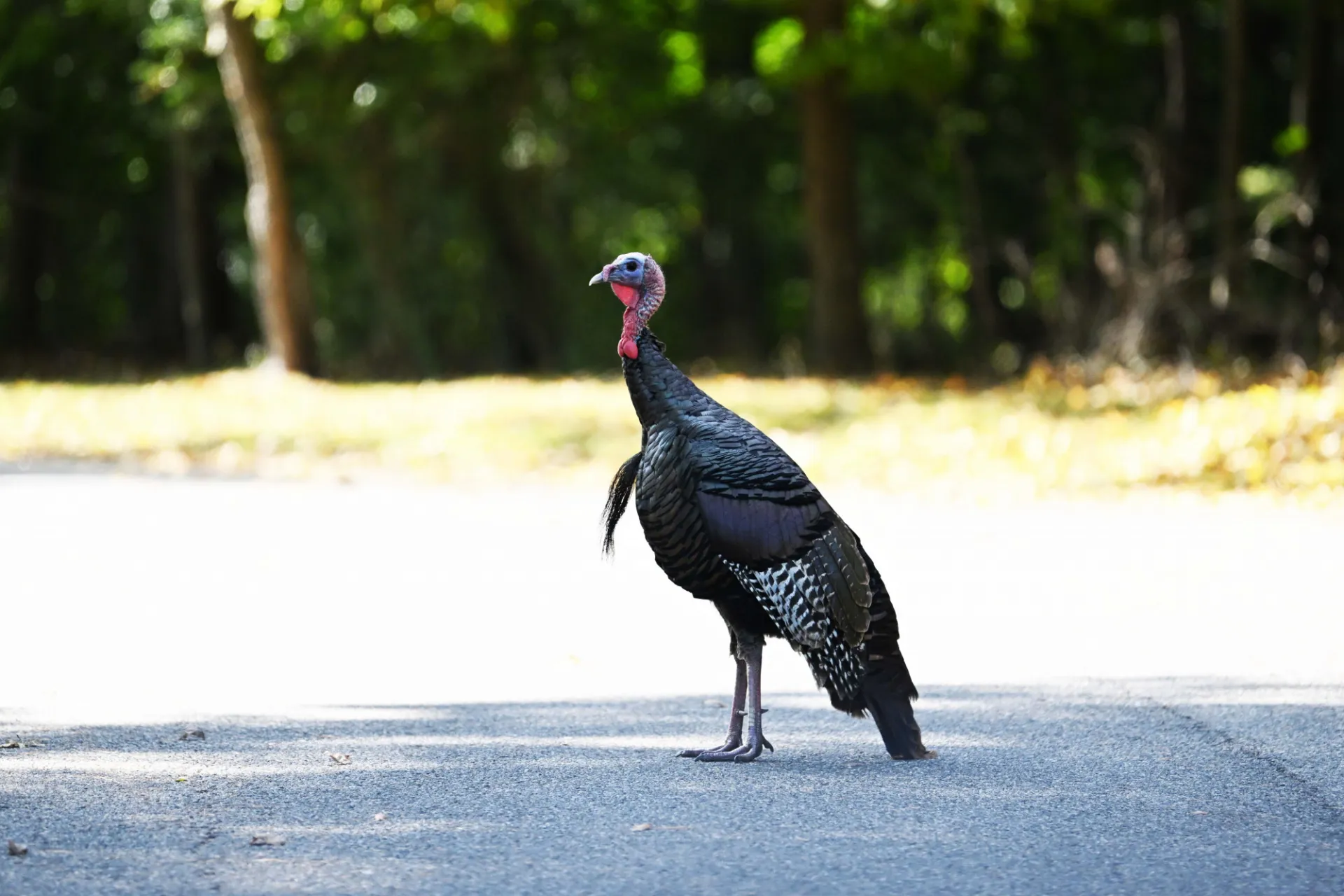
Slide 1: Wild Turkey. Credit: Eileen Barroso
-
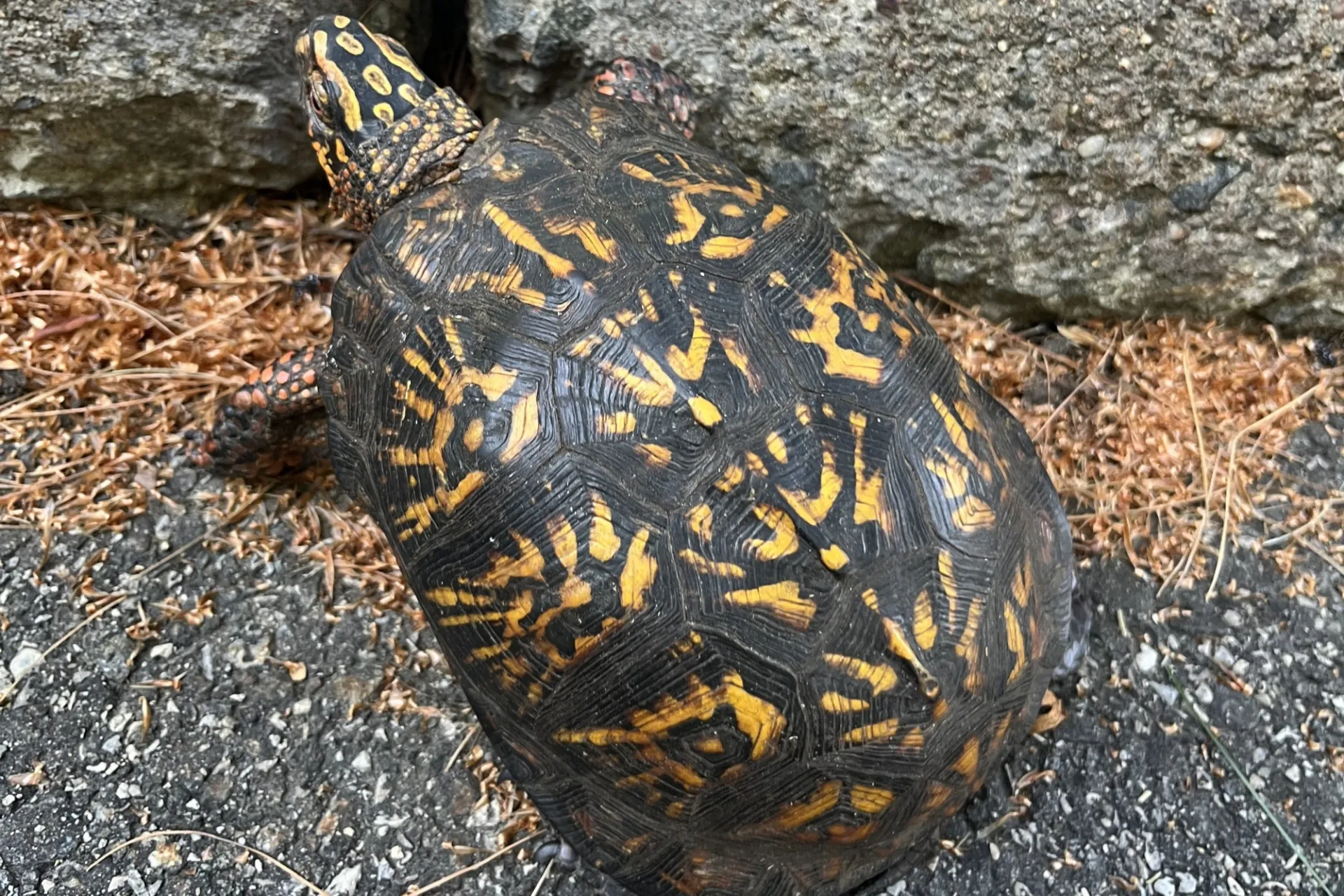
Slide 2: Eastern Box Turtle. Credit: Sheean Haley
-
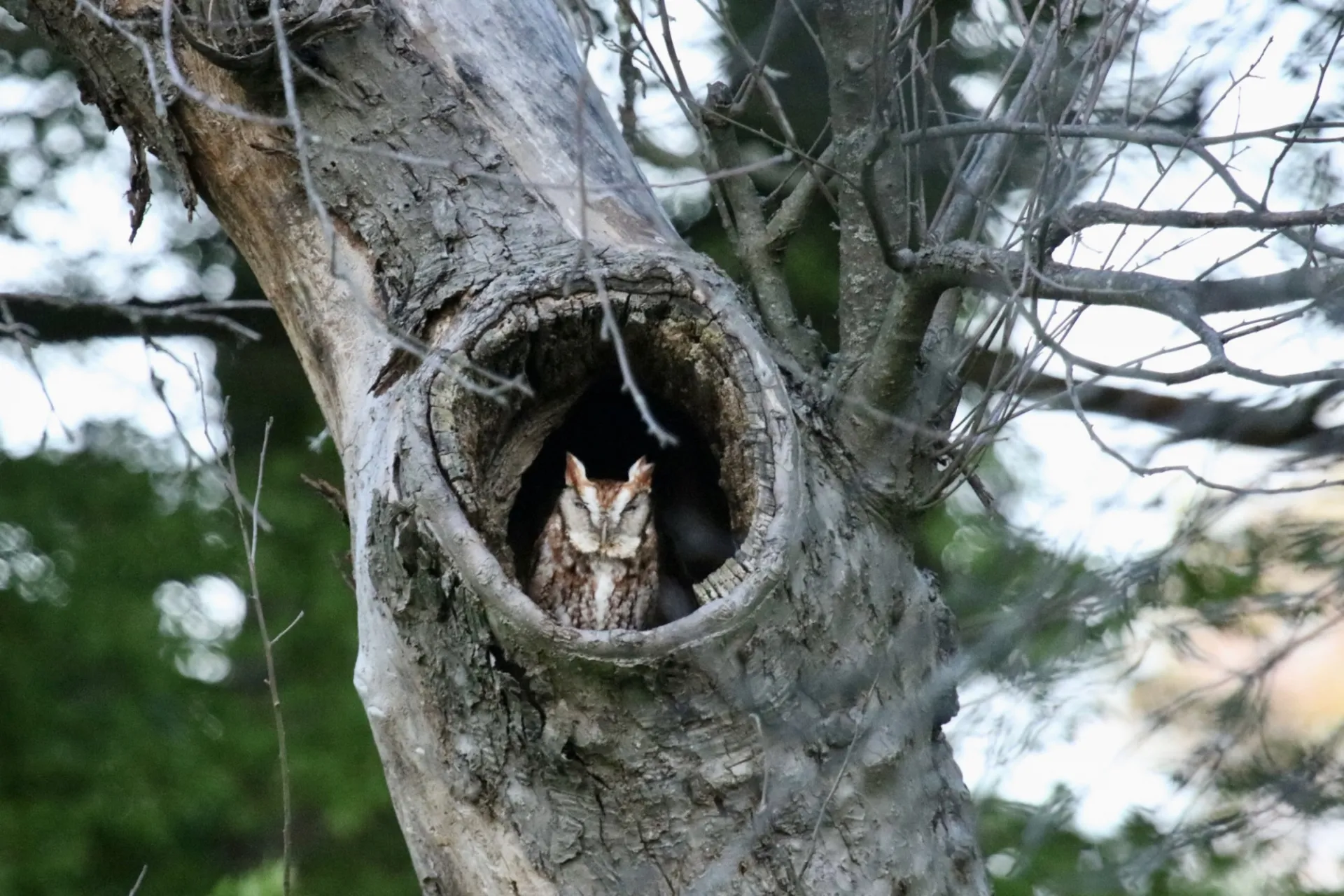
Slide 3: Eastern Screech Owl in Apple Tree. Credit: Timothy Trimble
-
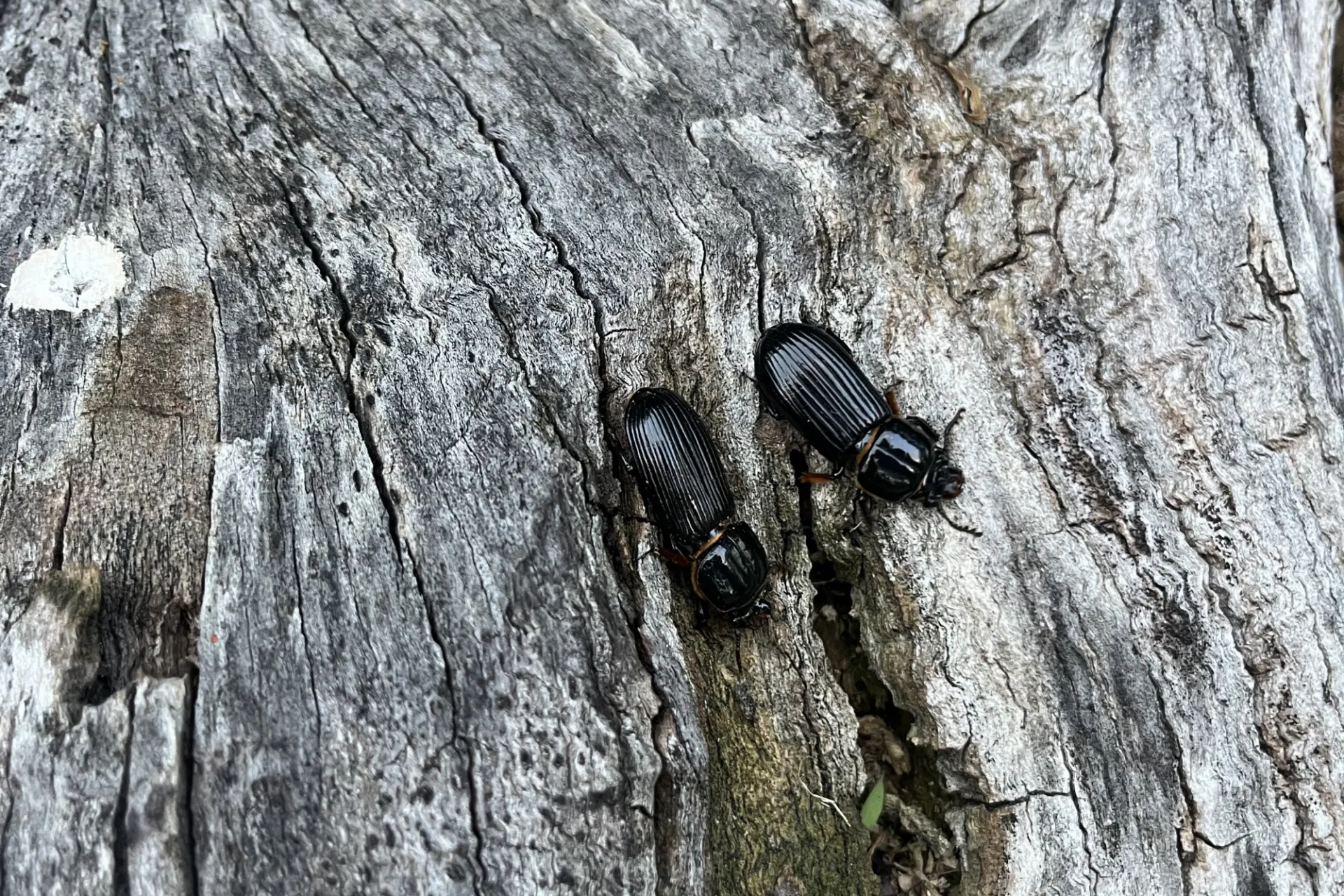
Slide 4: Patent Leather Beetles. Credit: Sheean Haley
-
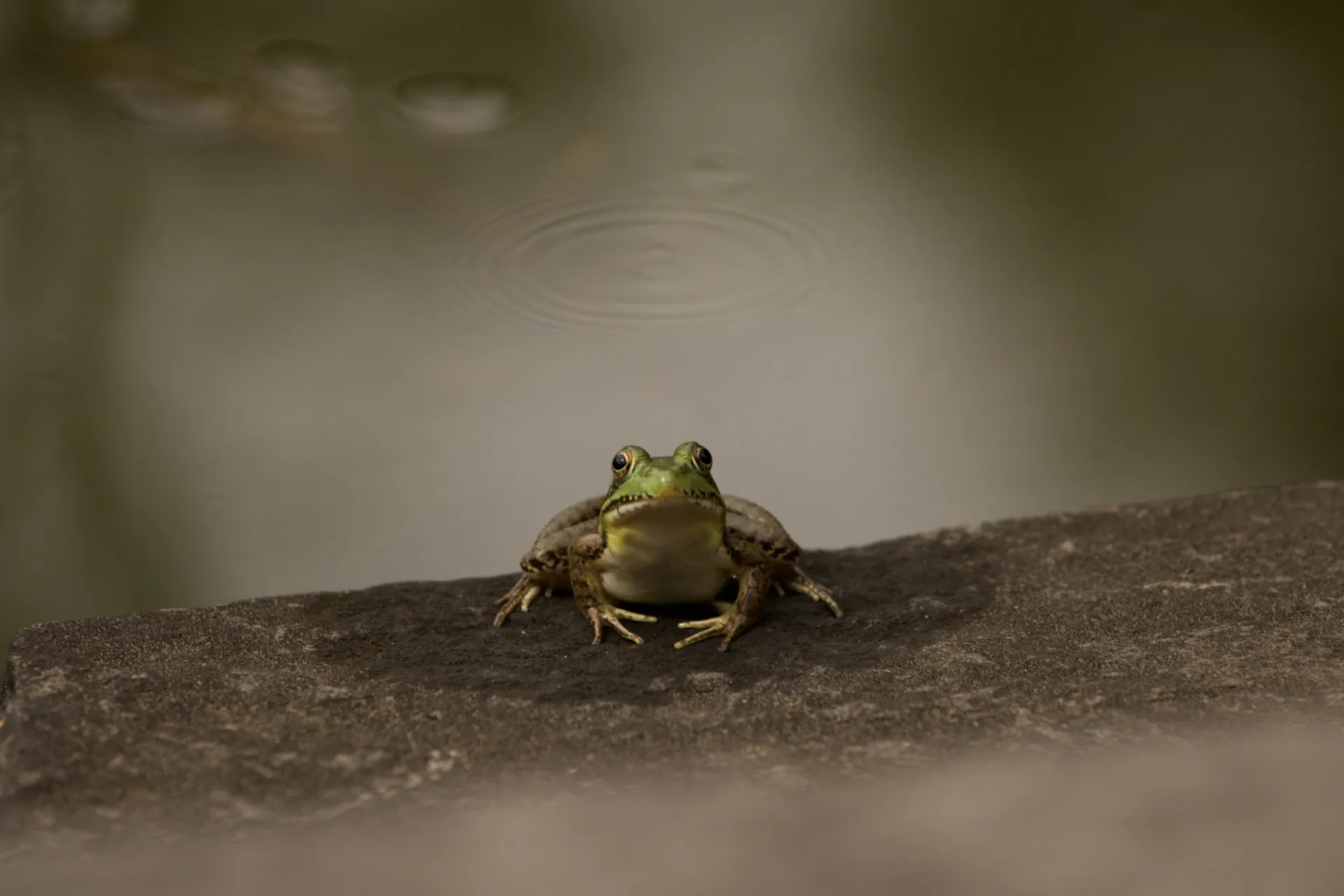
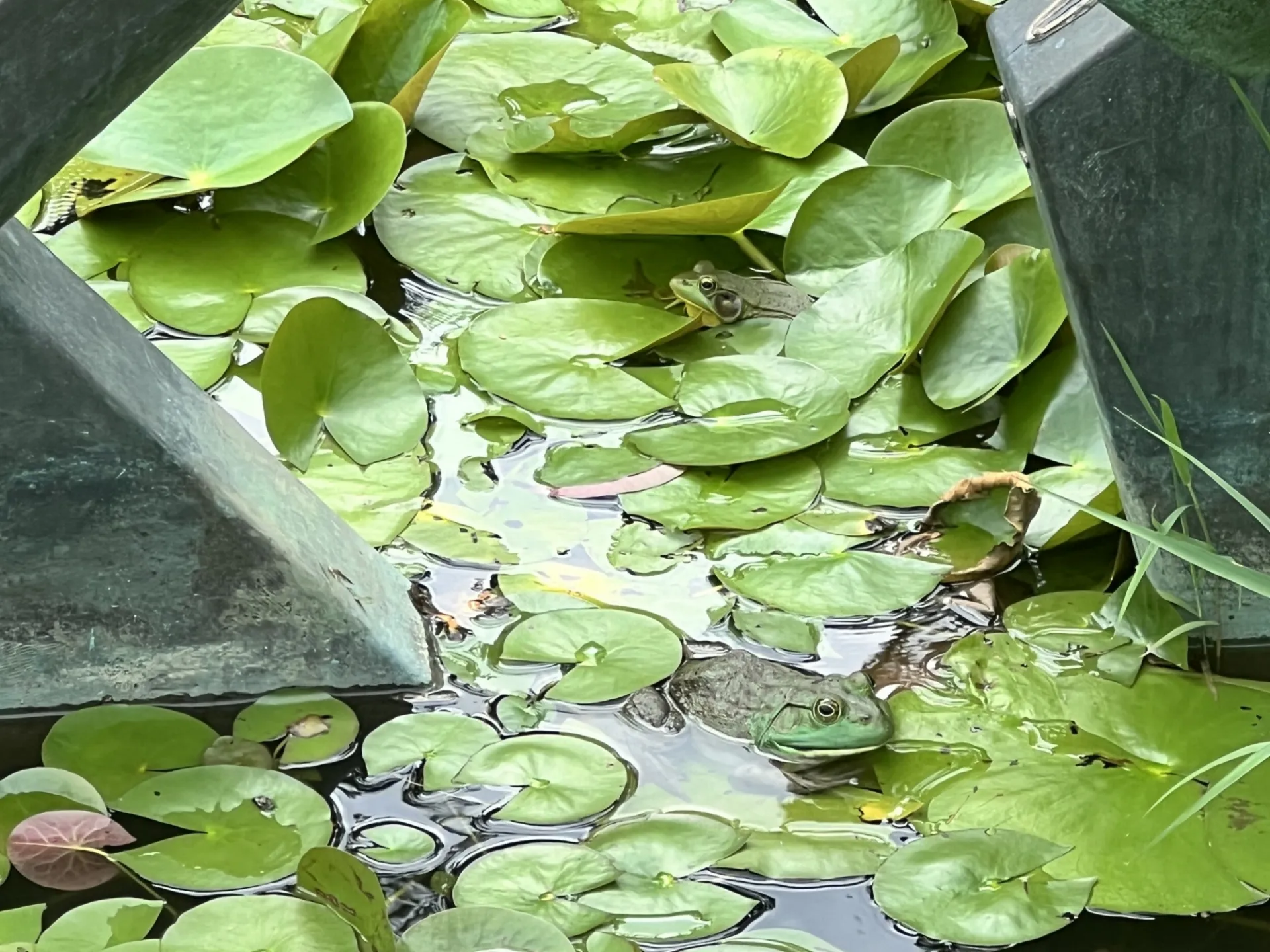
Slide 5: Green Frog. Credit: Kayla Tozier
-
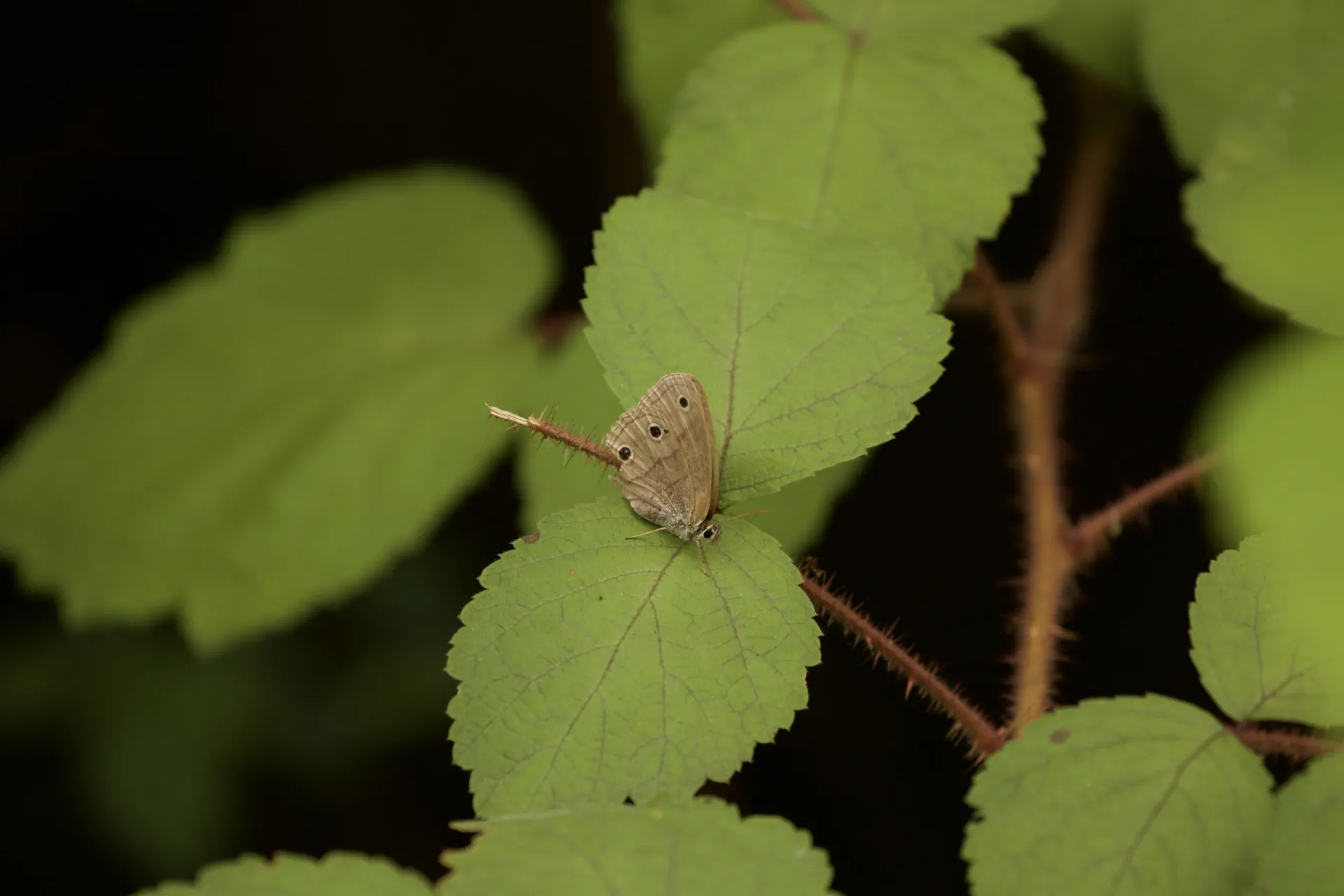
Slide 6: Little Wood Satyr Butterfly. Credit: Kayla Tozier
-
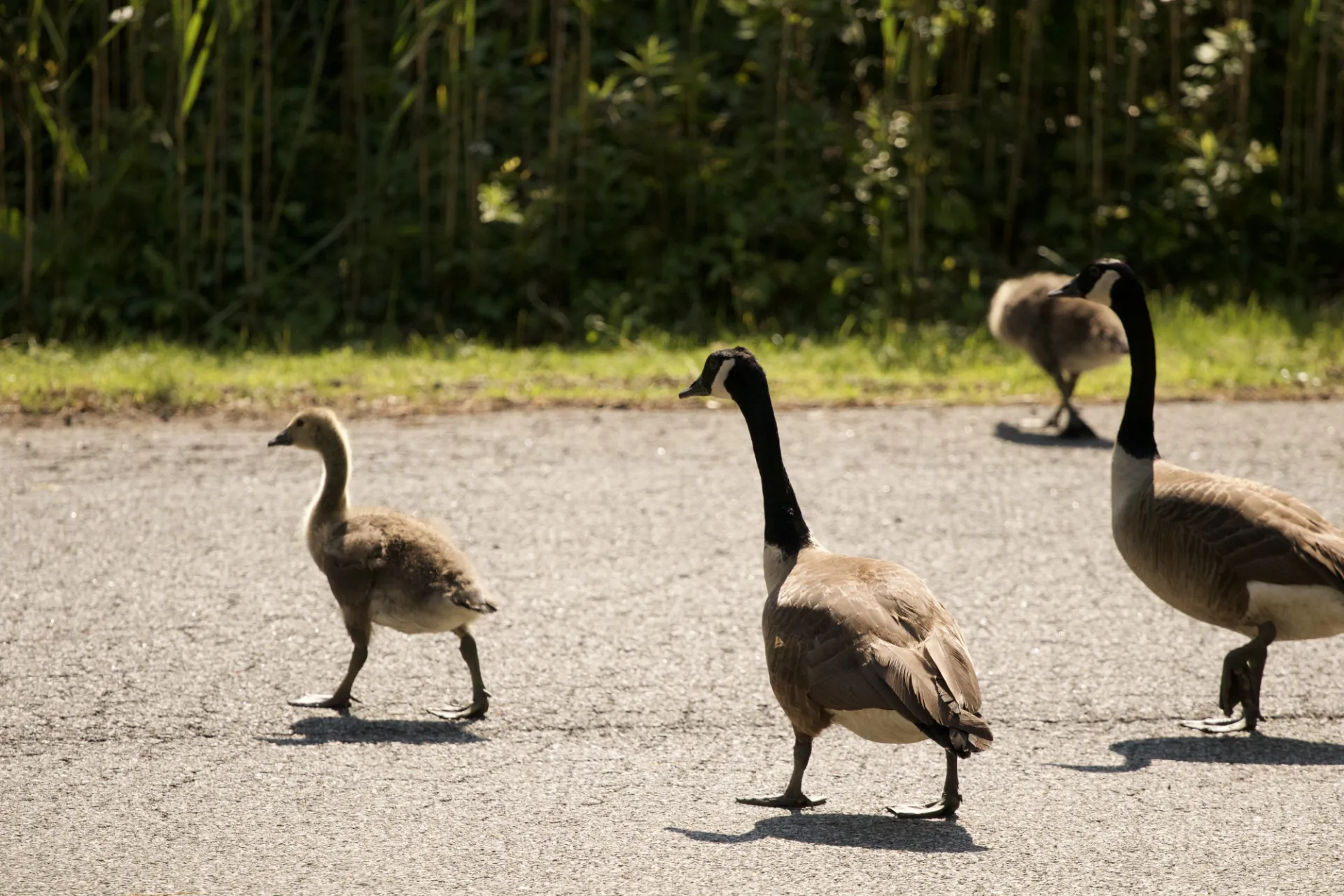
Slide 7: Canada Goose and Goslings. Credit: Kayla Tozier
-
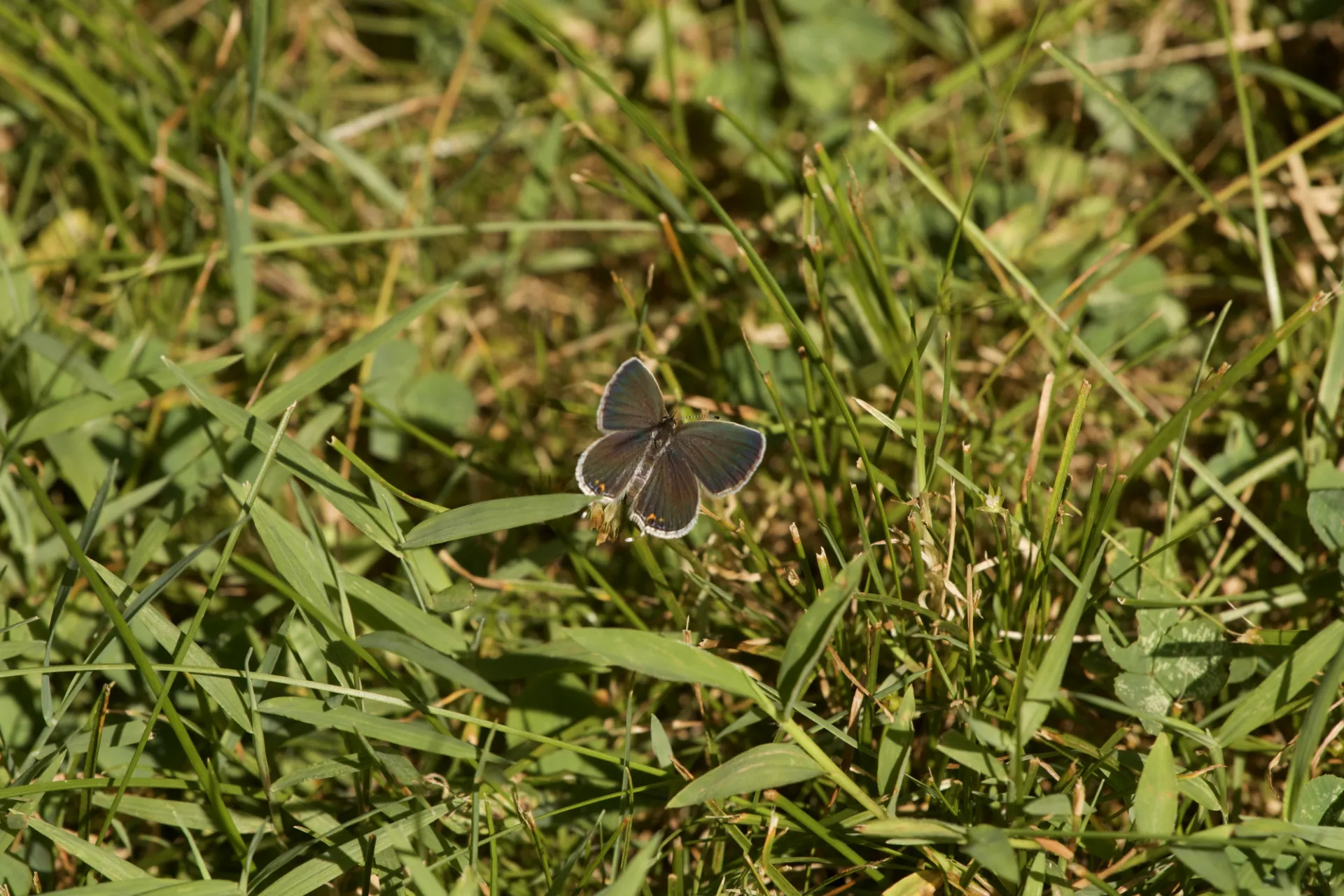
Slide 8: Eastern-Tailed Blue Butterfly. Credit: Kayla Tozier
-
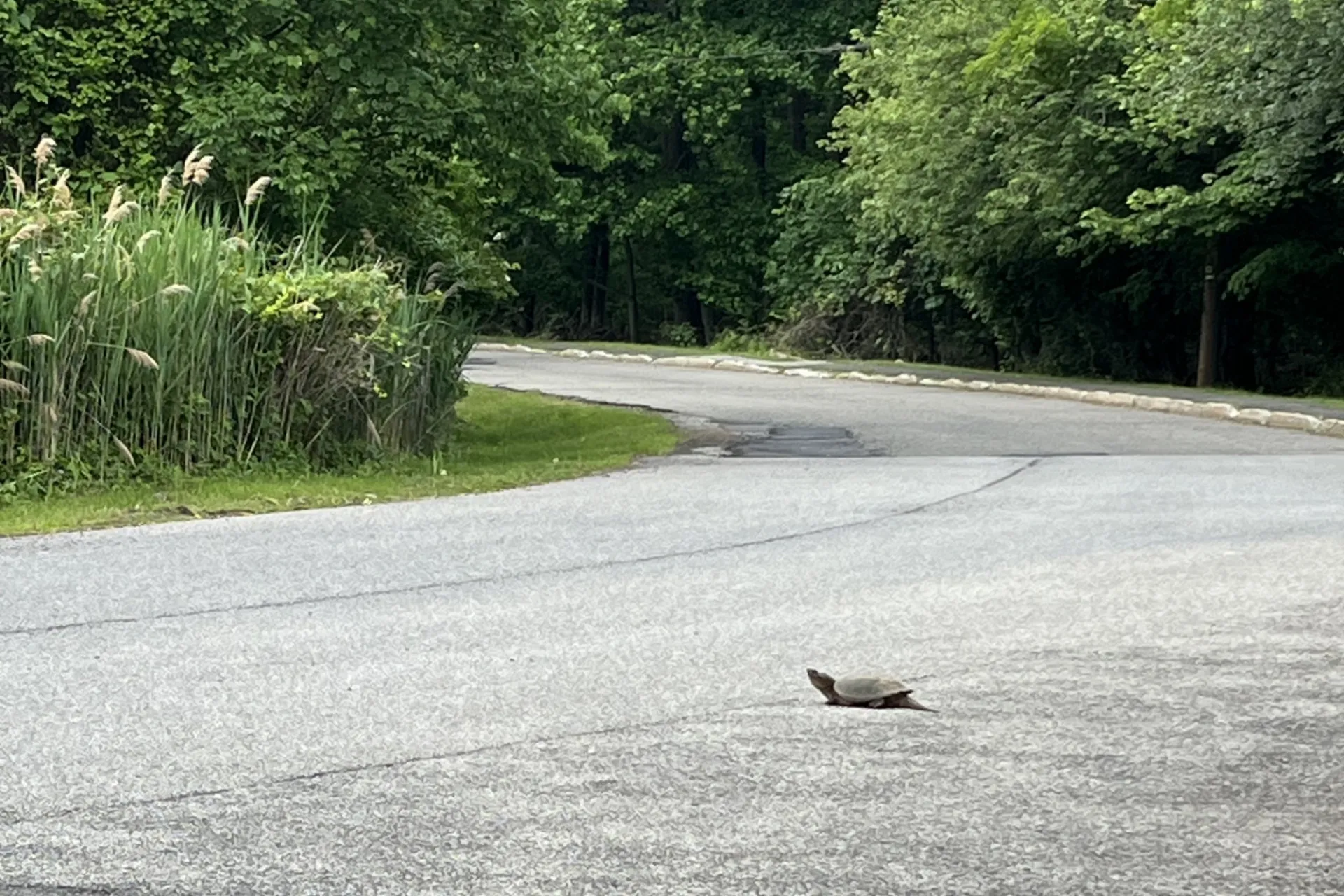
Slide 9: Female Snapping Turtle. Credit: Sheean Haley
-
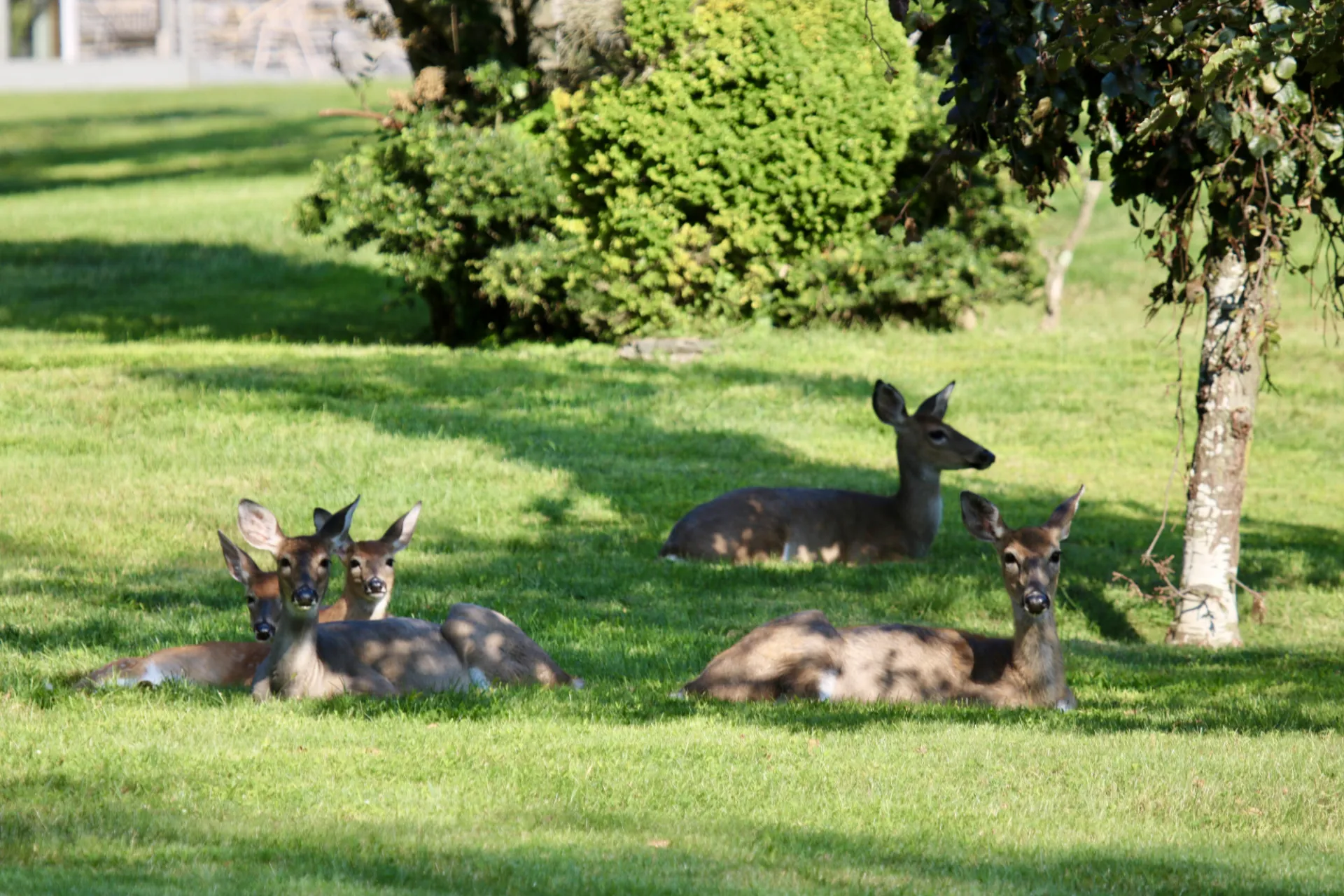
Slide 10: Deer Lounging. Credit: Timothy Trimble
-
Slide 11: Frogs Hiding in Plain Site. Credit: Timothy Trimble
Lamont Campus
Image Carousel with 15 slides
A carousel is a rotating set of images. Use the previous and next buttons to change the displayed slide
-
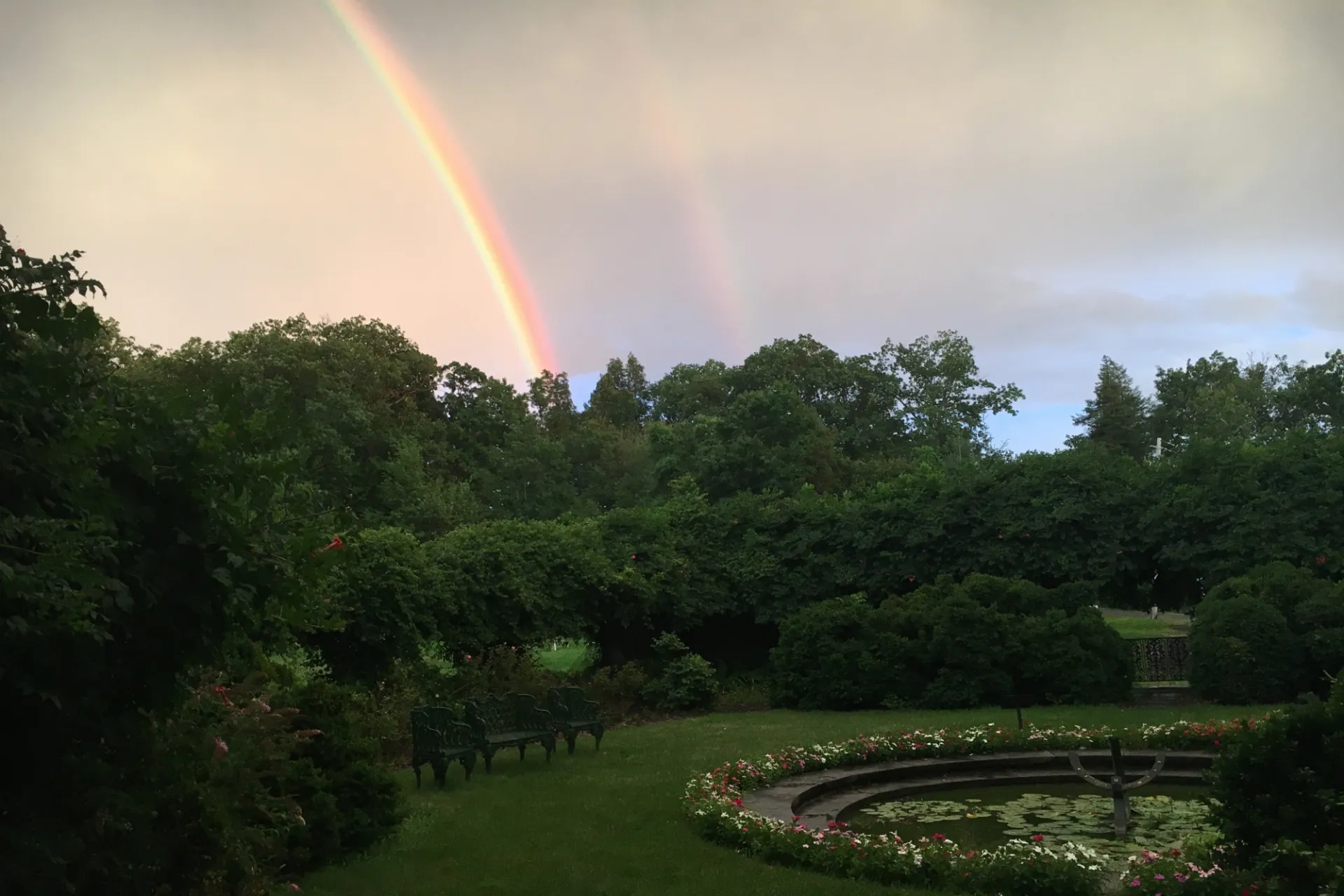
Slide 1: Rainbow Over the Garden. Credit: Caroline Leland
-
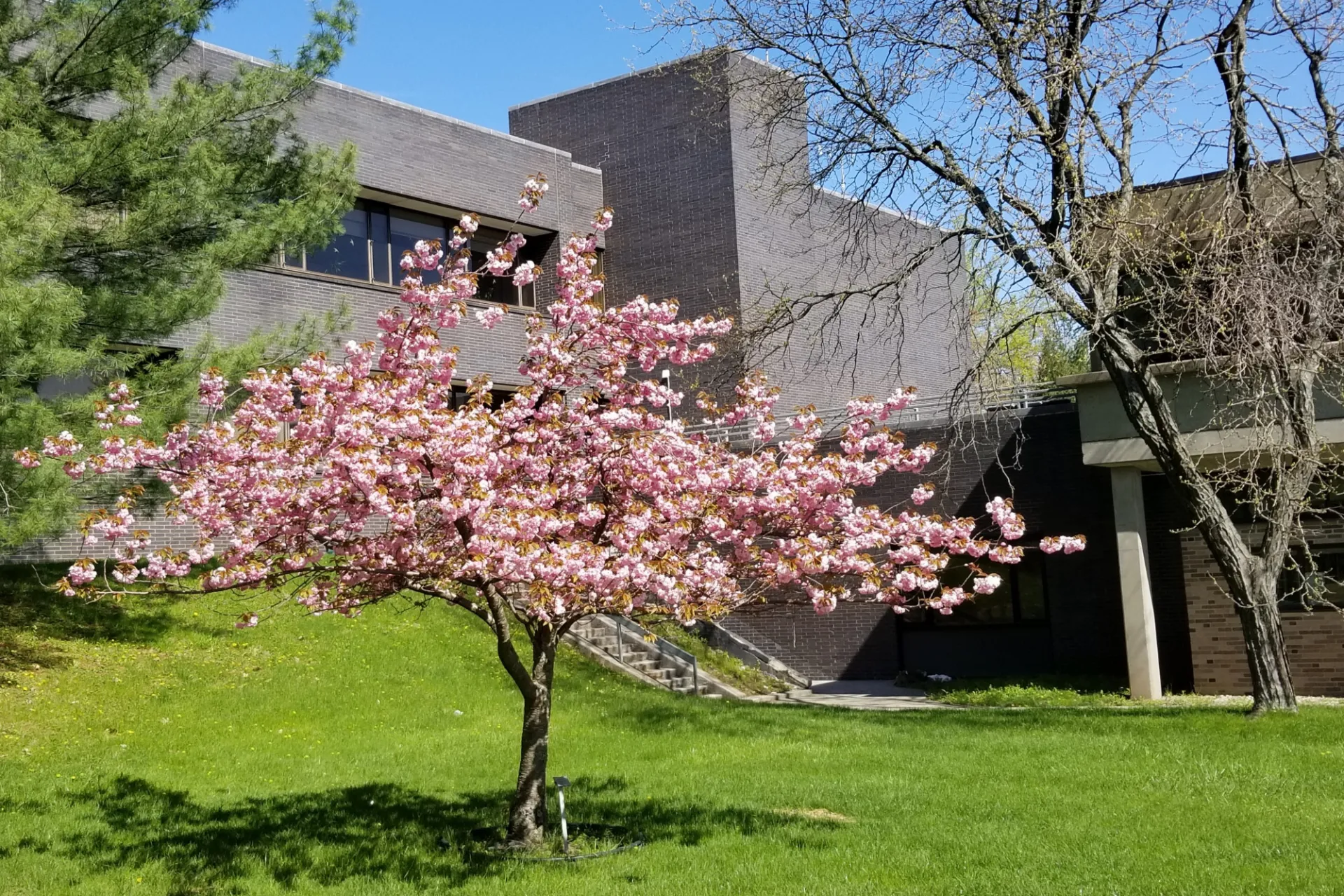
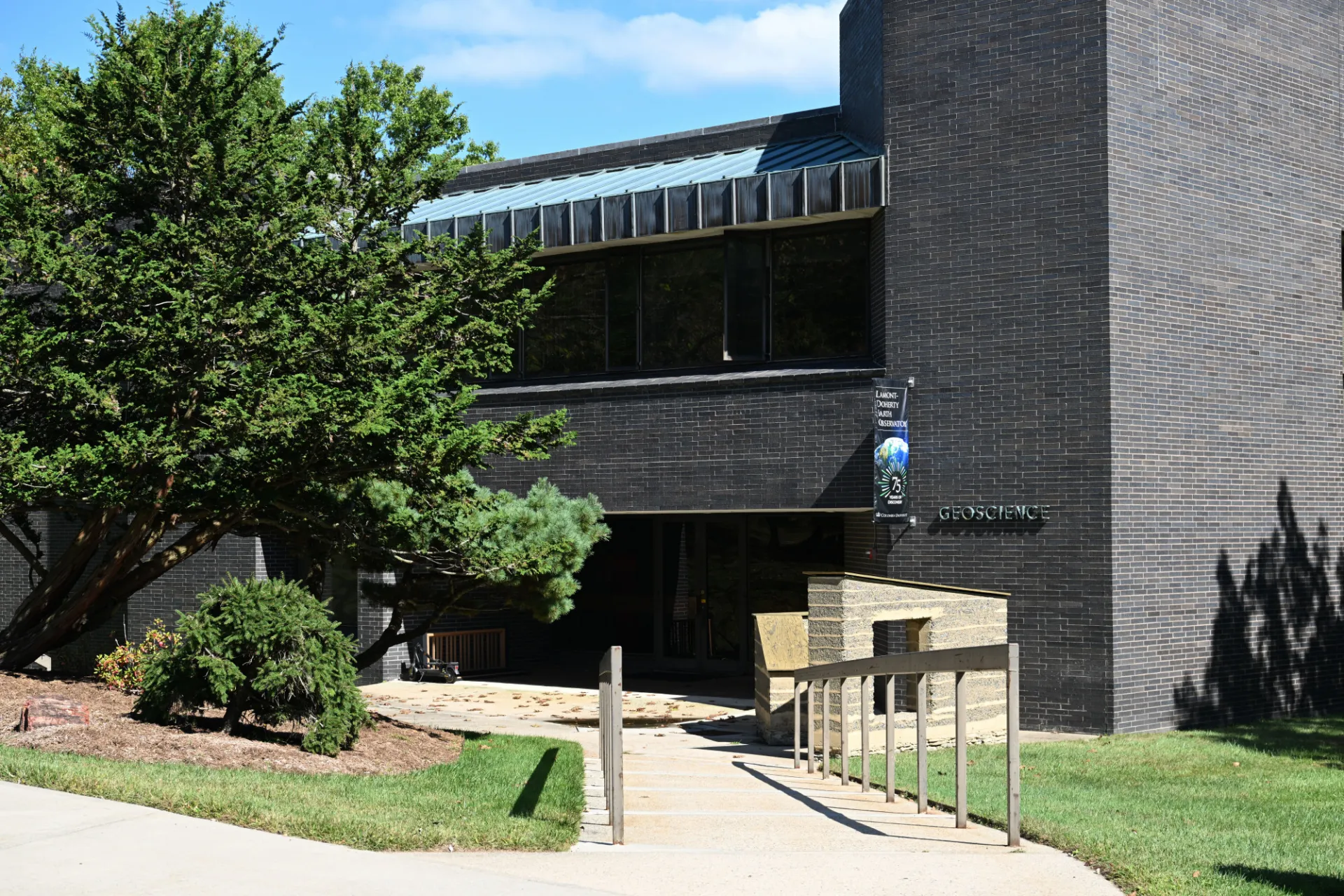
Slide 2: Geoscience Building. Credit: William Menke
-
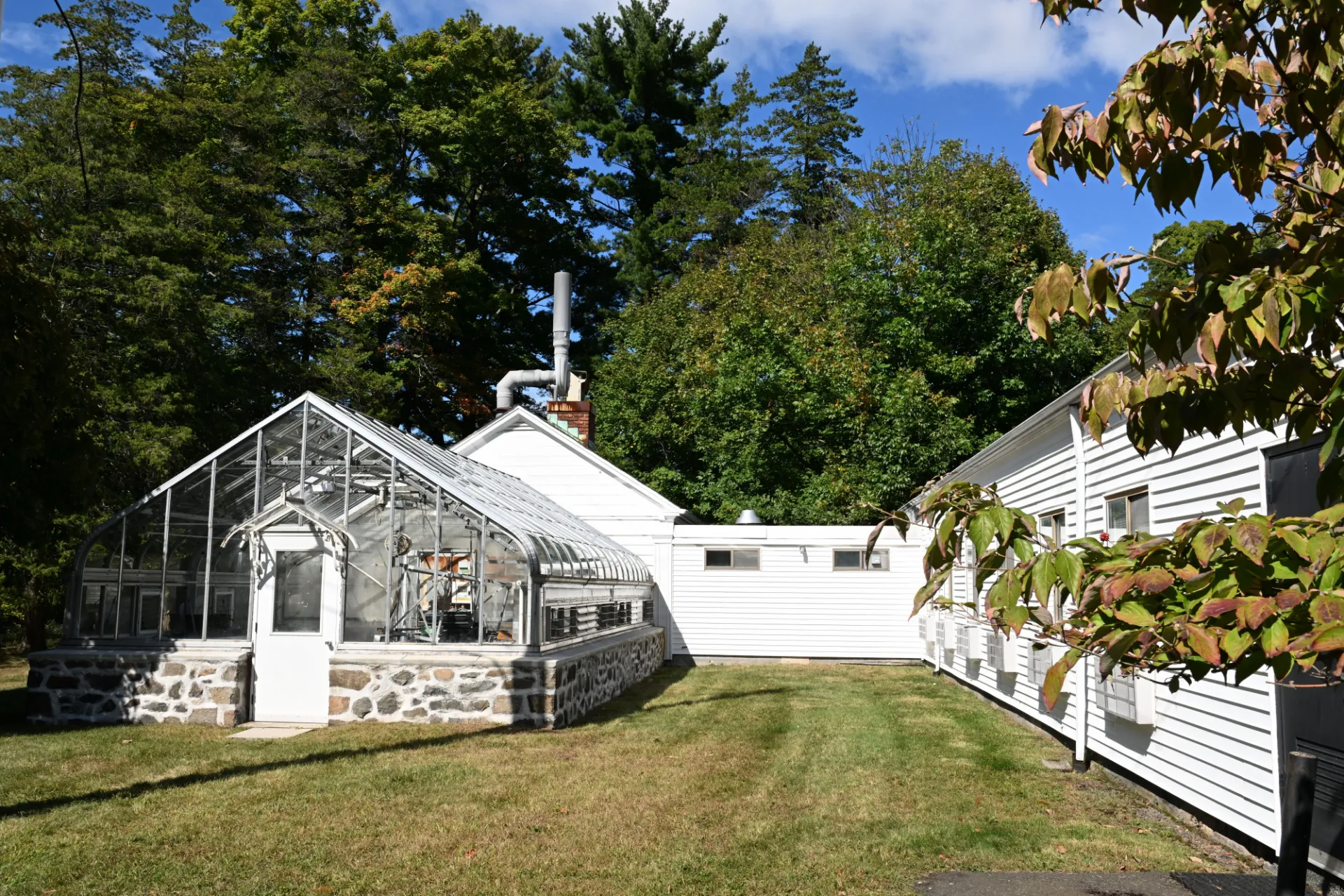
Slide 3: Tree Ring Lab. Credit: Miriam Cinquegrana
-
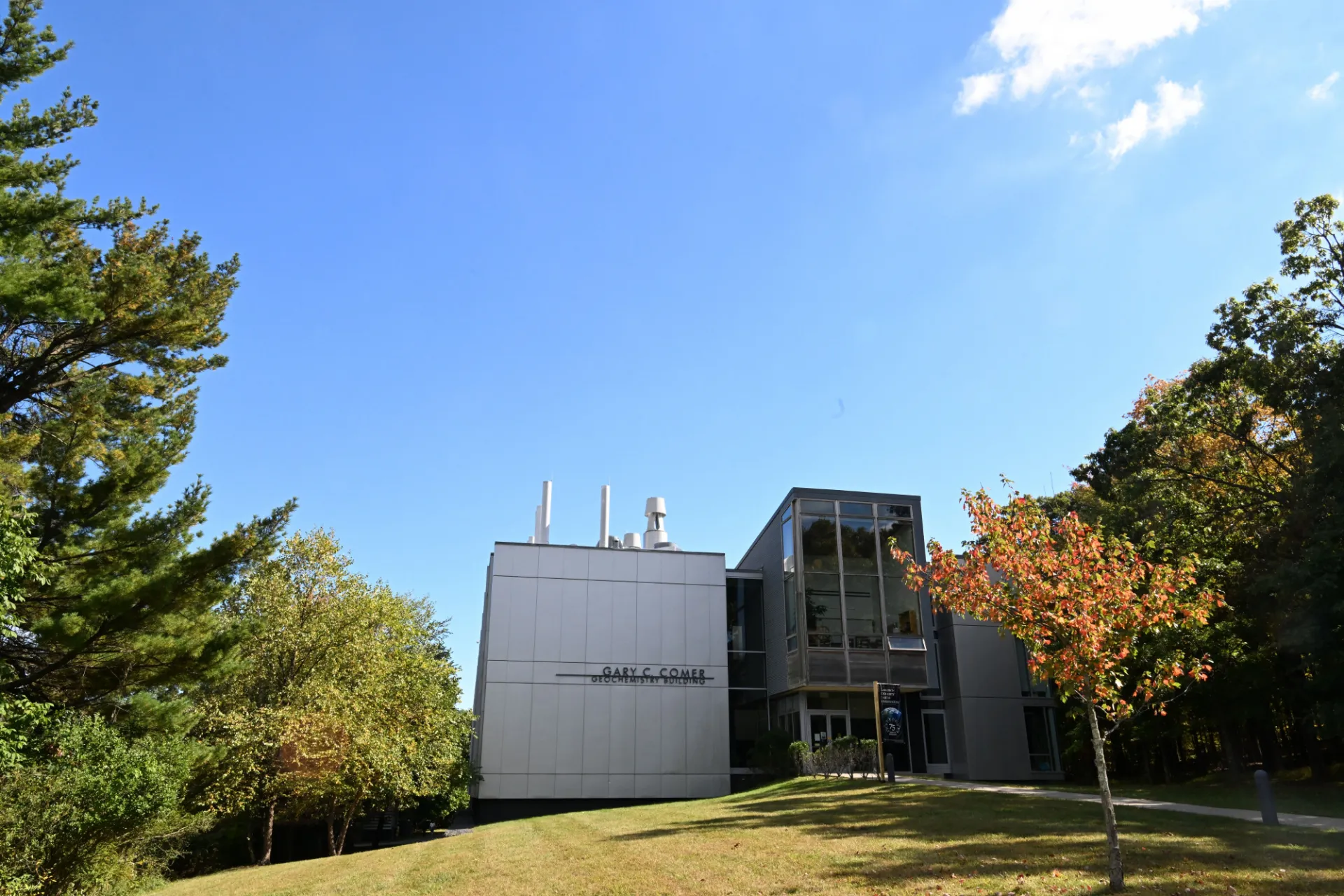
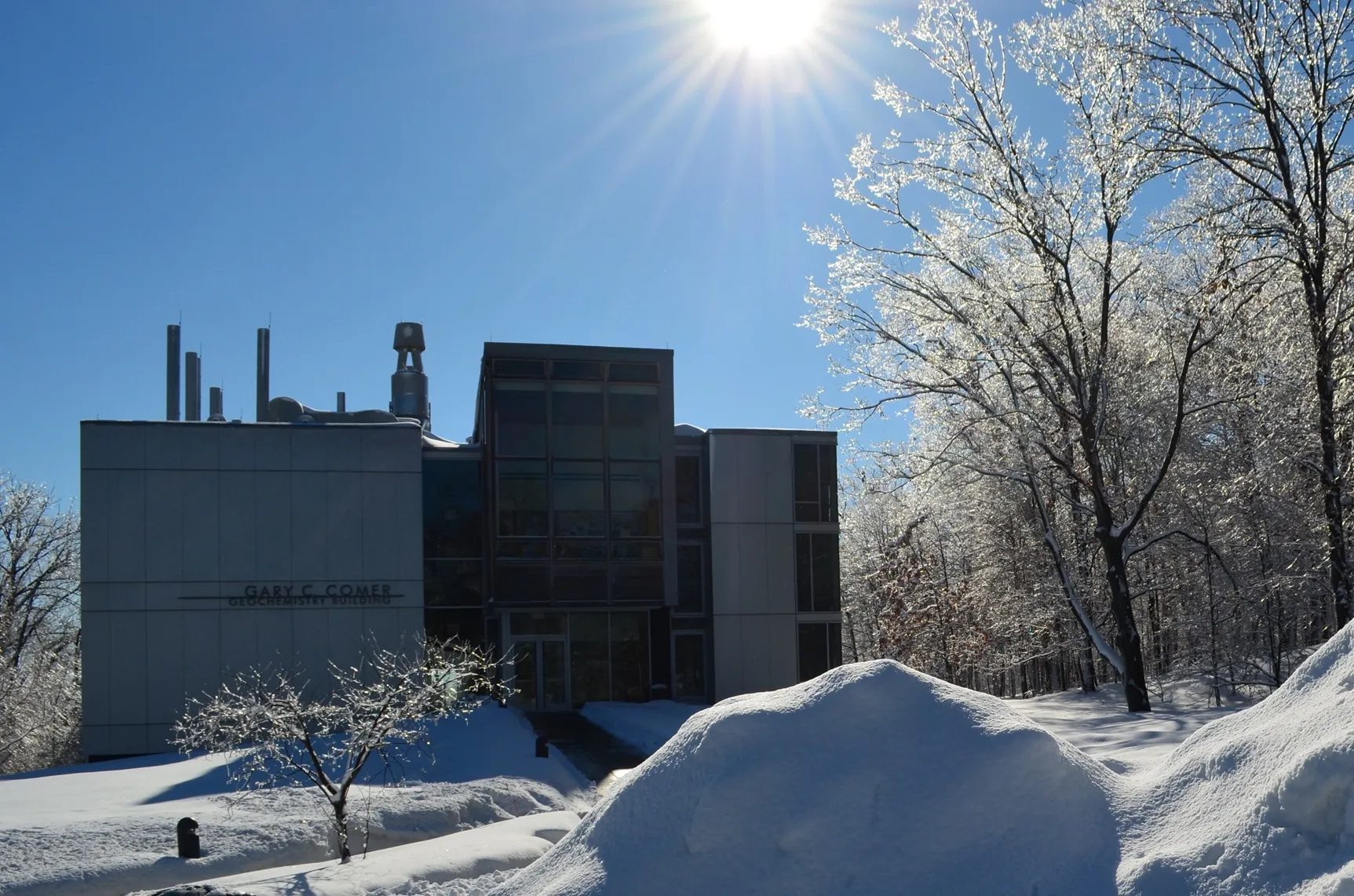
Slide 4: Comer Building. Credit: Eileen Barroso
-
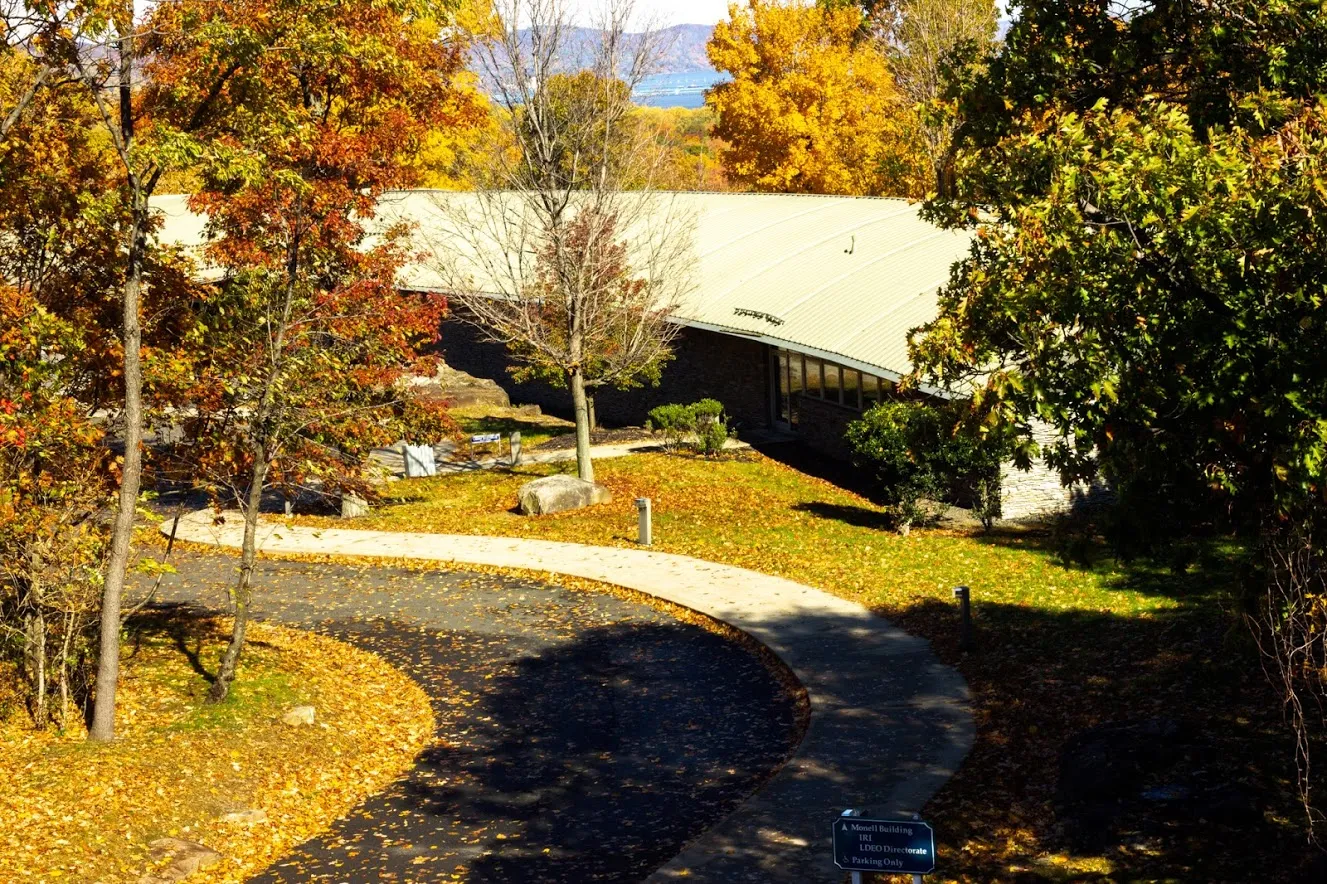
Slide 5: Monell Building. Credit: Miriam Cinquegrana
-
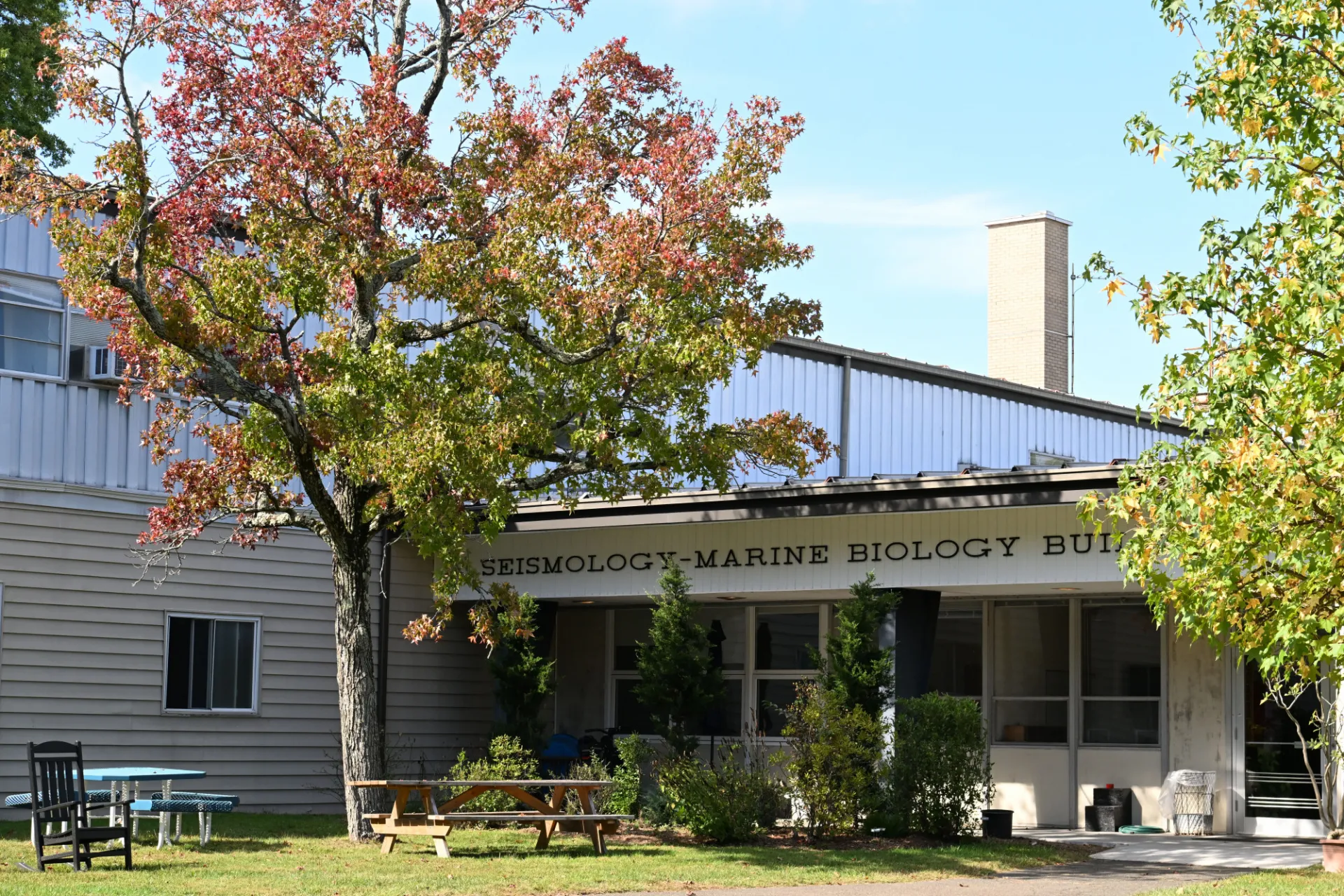
Slide 6: Seismology-Marine Biology Building. Credit: Eileen Barroso
-
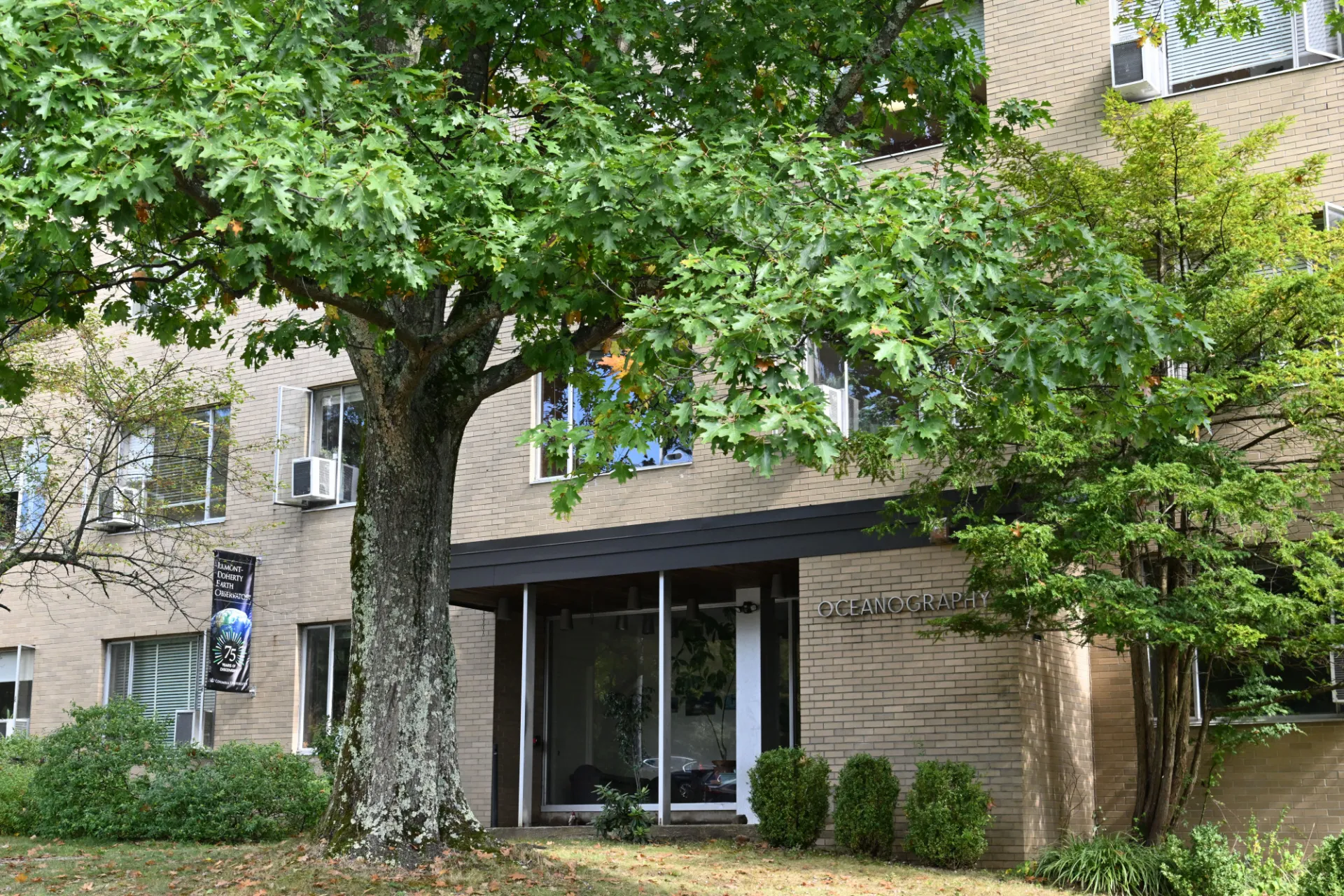
Slide 7: Oceanography Building. Credit: Eileen Barroso
-
Slide 8: Monell Building. Credit: Eileen Barroso
-
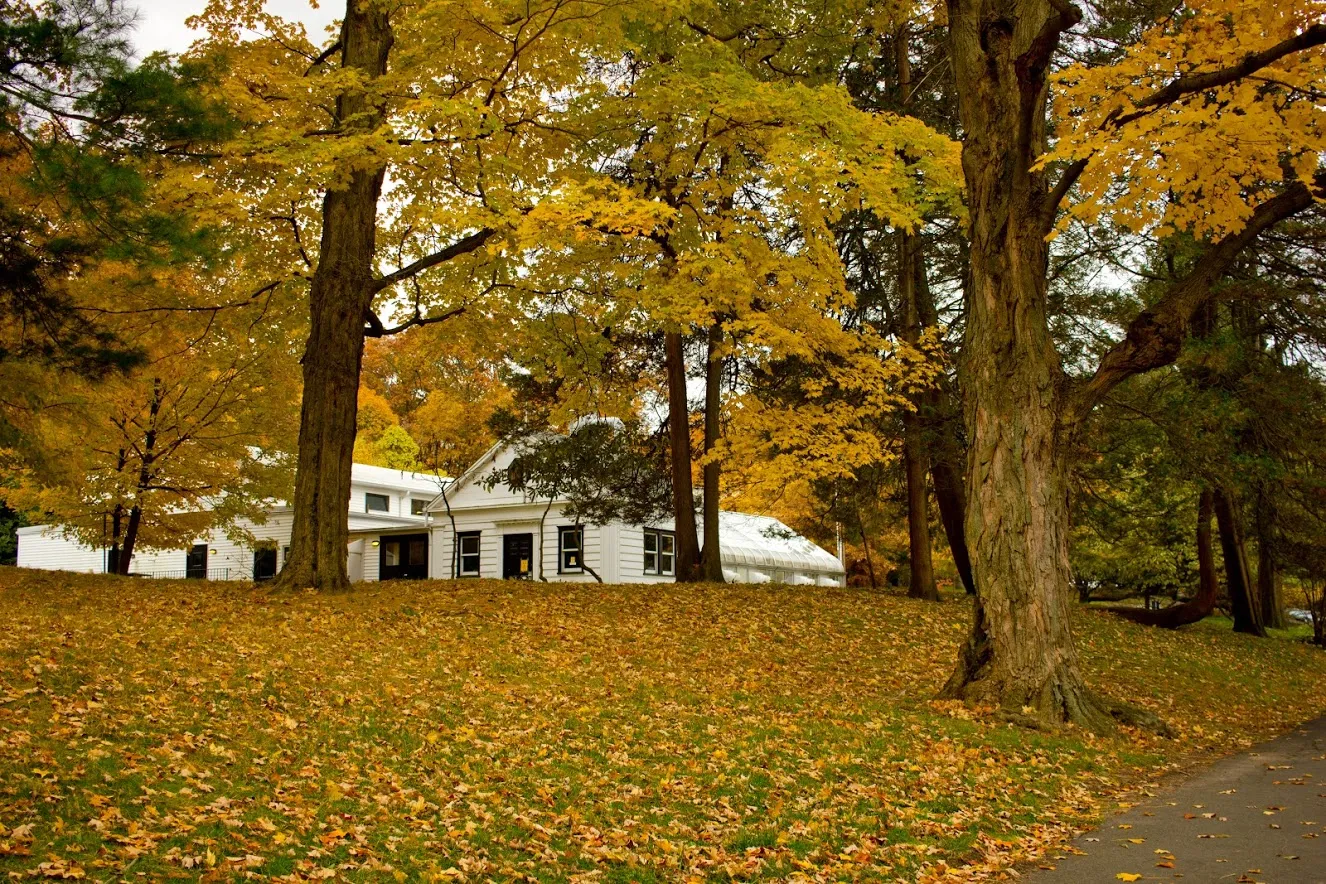
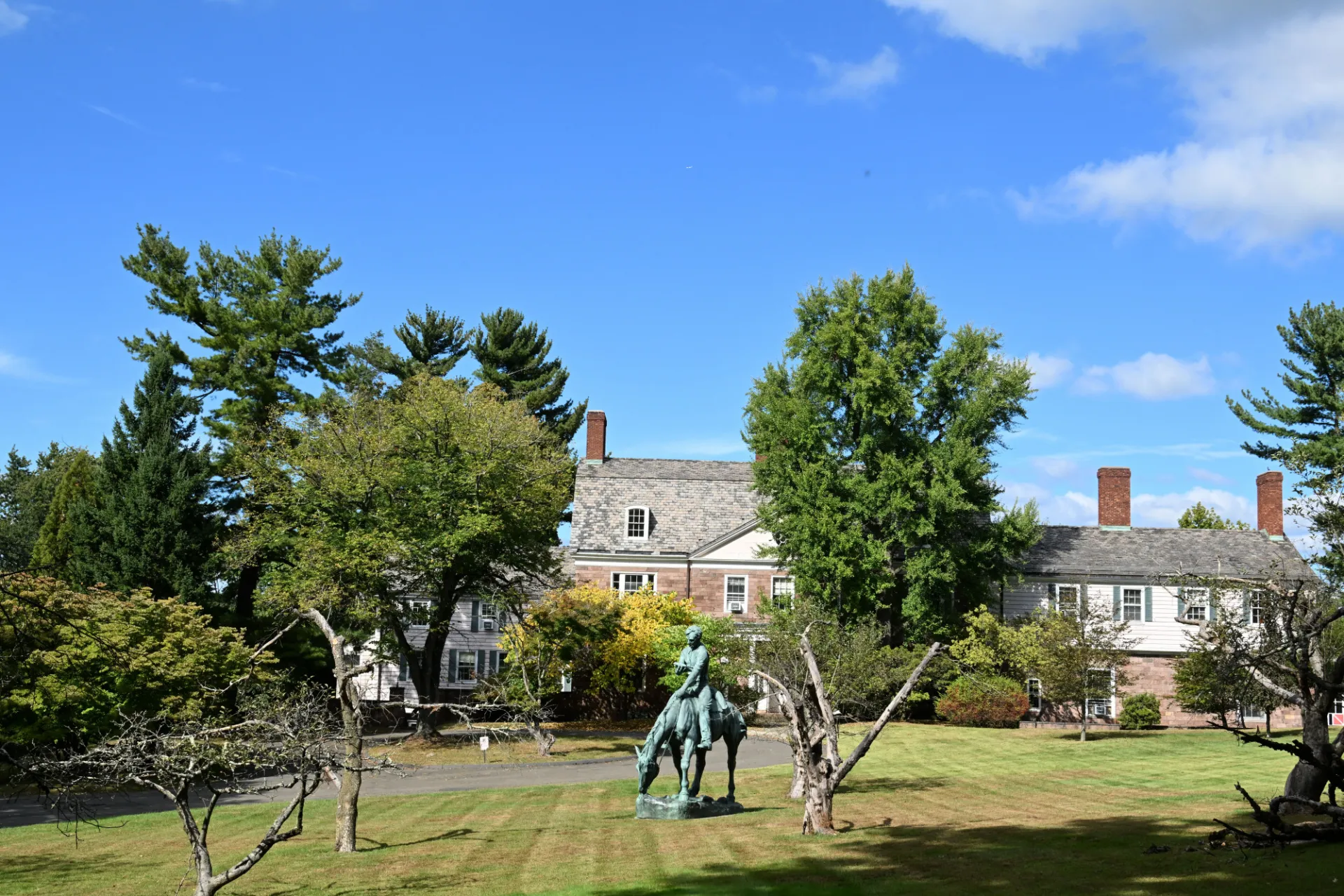
Slide 9: Equestrian Lincoln at Lamont Hall. Credit: Eileen Barroso
-
Slide 10: Tree Ring Lab. Credit: Eileen Barroso
-
Slide 11: Geoscience Building. Credit: Eileen Barroso
-
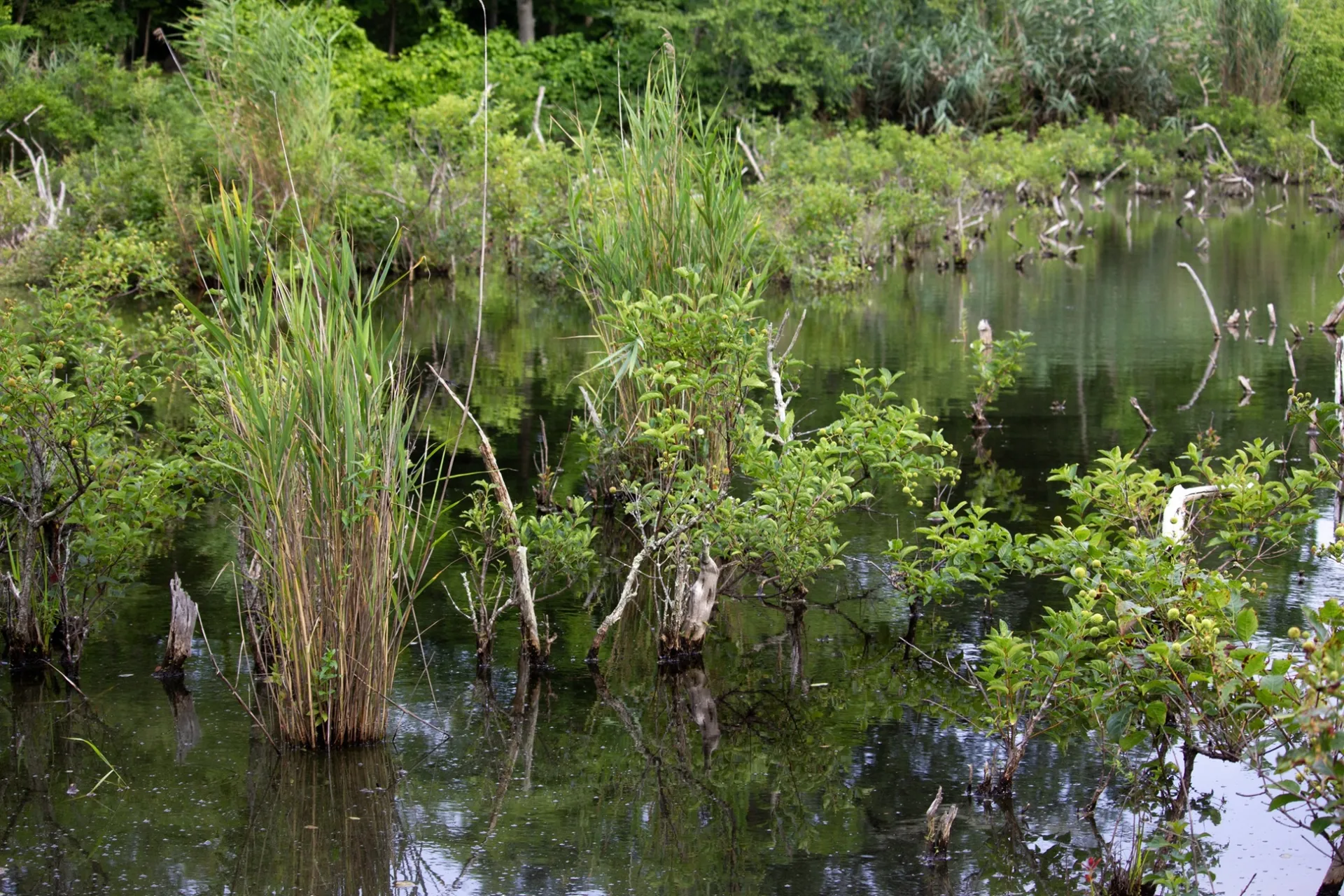
Slide 12: Marsh. Credit: Miriam Cinquegrana
-
Slide 13: Comer Building. Credit: Cornelia Class
-
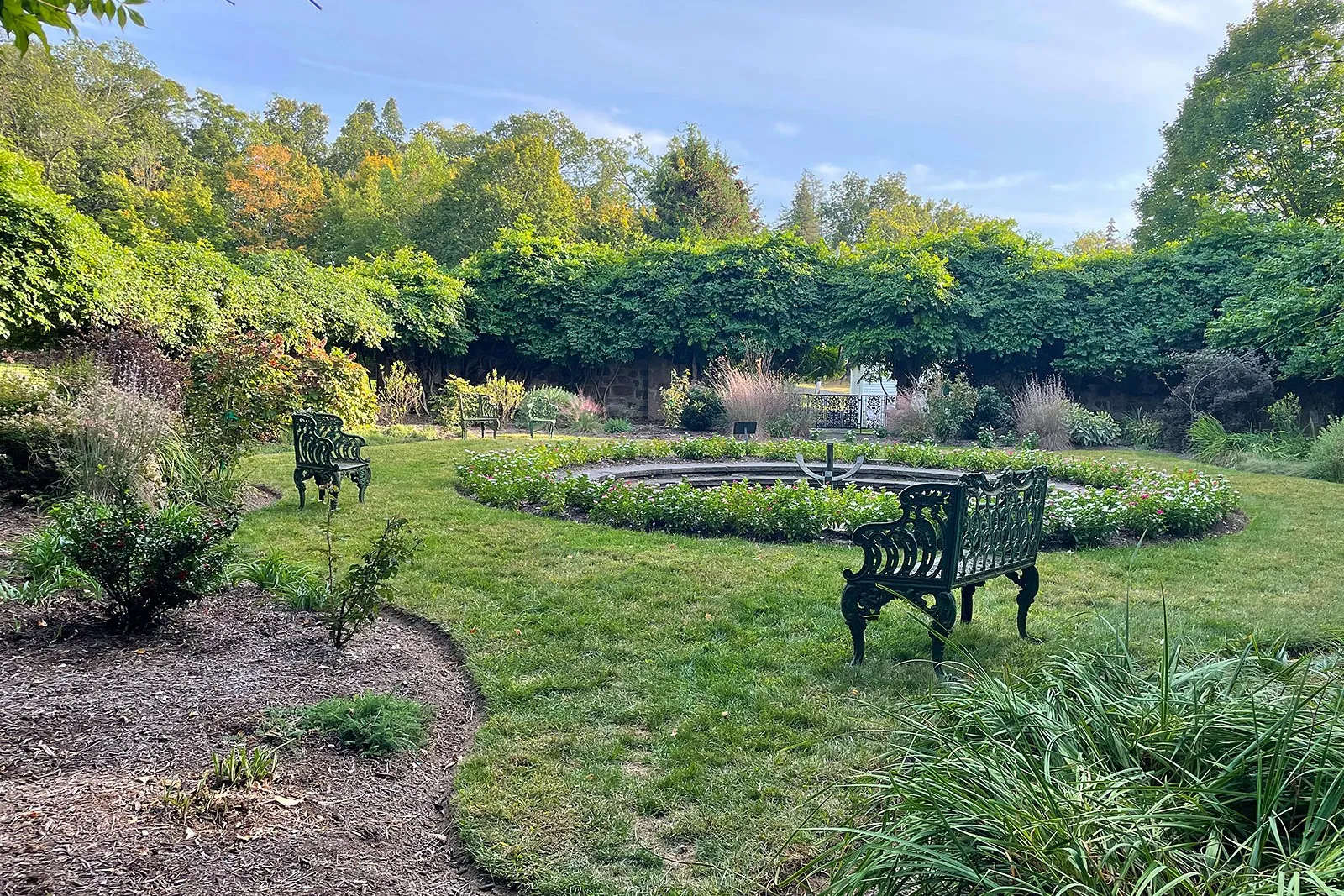
Slide 14: Perennial Garden: Carl Brenner
-
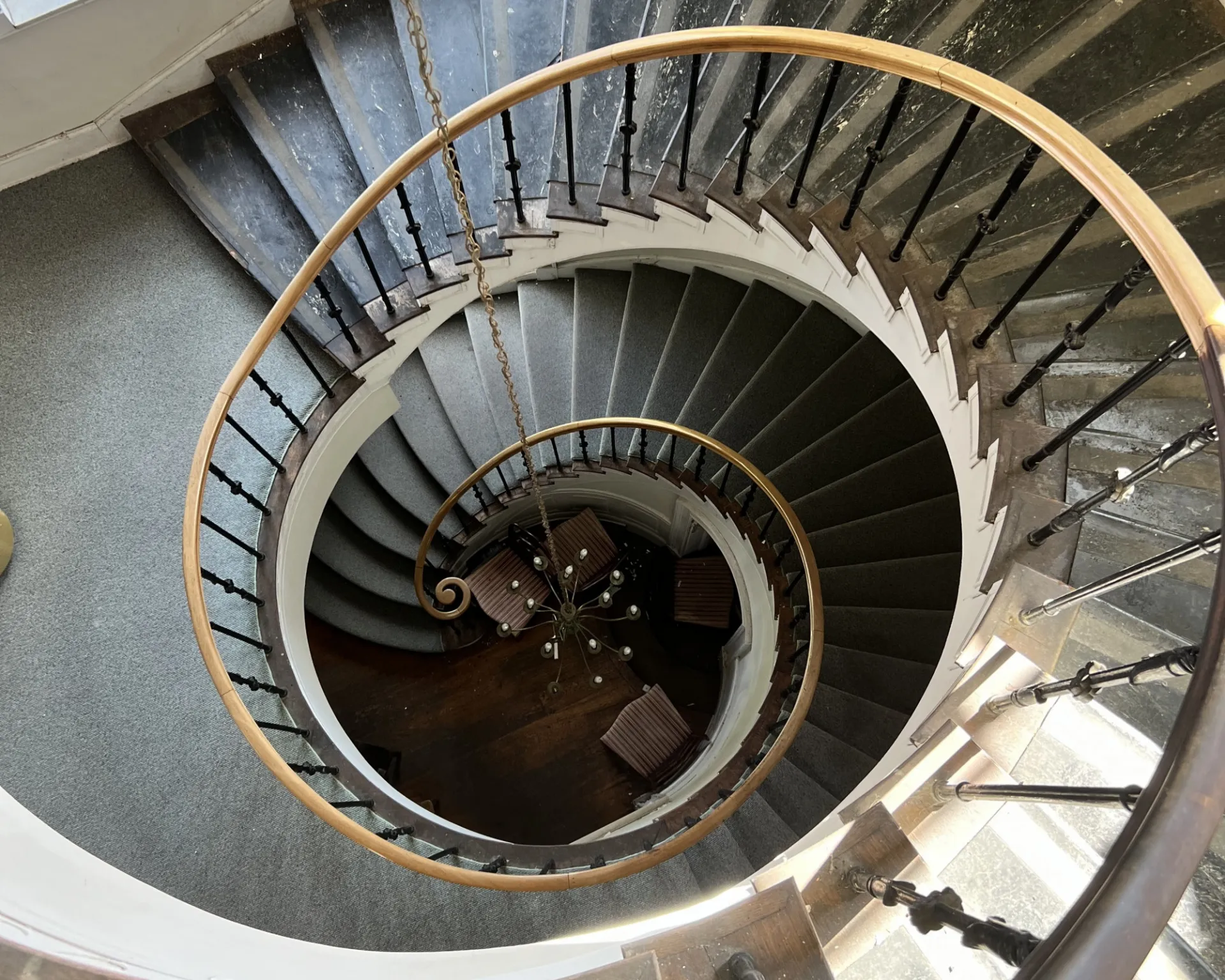
Slide 15: Lamont Hall Stairwell. Credit: Timothy Trimble
📷 Have wildlife or campus photos to share? Email us.