
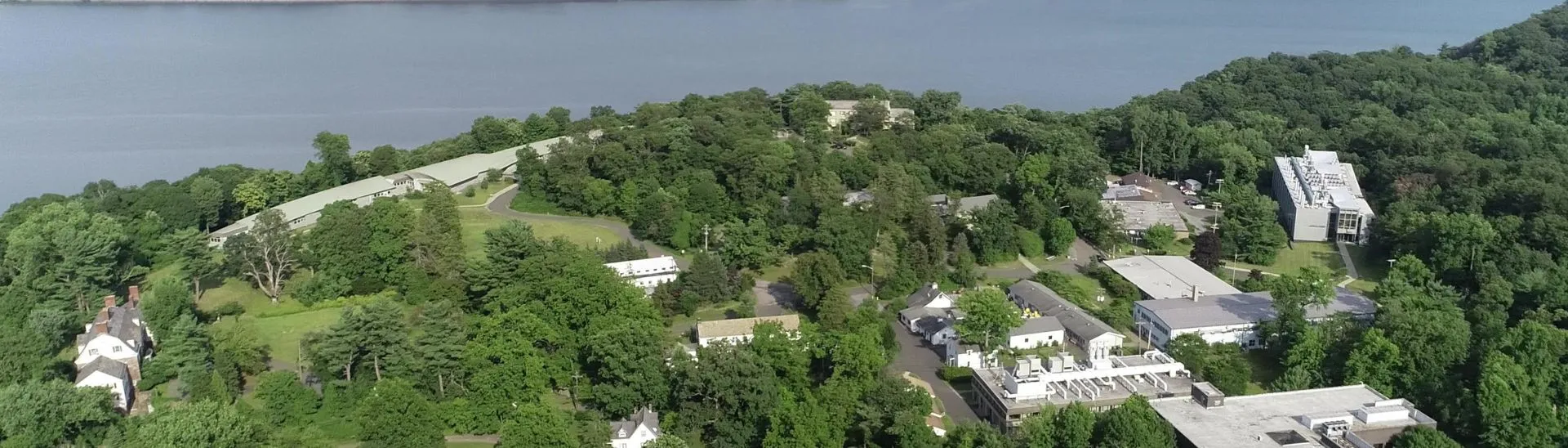
Tour Lamont-Doherty Earth Observatory
Register for an Upcoming Tour
Lamont's scientists are dedicated to advancing our understanding of Earth systems through groundbreaking research.
Lamont-Doherty Earth Observatory (LDEO) currently offers limited in-person tours on a bi-monthly schedule. The next tours in 2026 are occurring in September and November.
Consistent with Lamont's commitment to public education, community engagement, and inspiring the next generation of scientific leaders, the program is subsidized by the institution to ensure these unique learning opportunities remain accessible while supporting our broader mission of scientific discovery.
A tour fee of $250 helps support their participation in educational outreach and public engagement activities, providing visitors with direct access to leading researchers and their work. The fee helps offset a portion of the actual cost of delivering this experience.
For specialized experiences, tailored to various age groups and educational objectives (i.e., school trips or hands-on workshops), consider visiting the Lamont-Doherty Hudson River Field Station.
Additionally, consider visiting us at the annual Open House, every October.
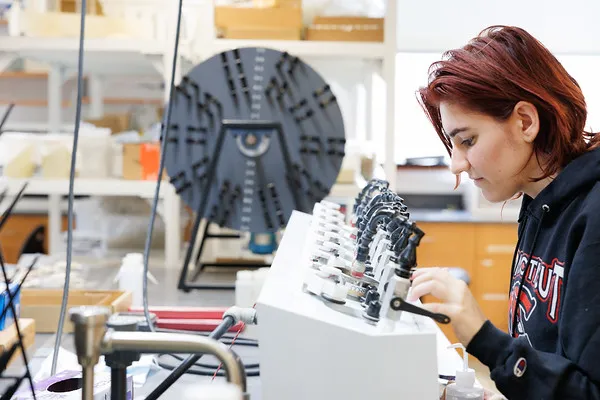
To learn more about some of our featured labs, visit
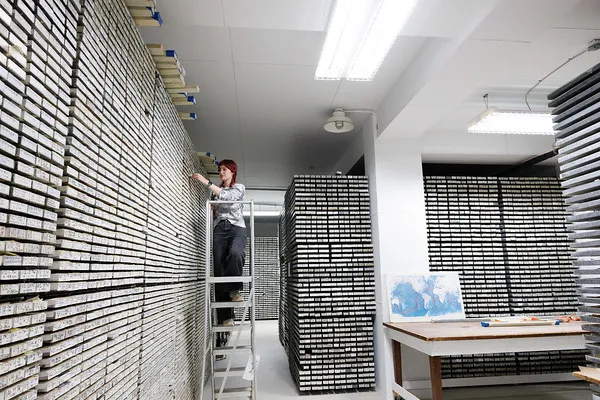
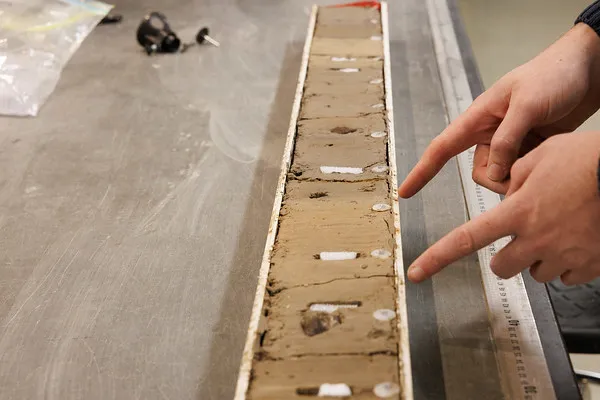
- Deep Sea Core Repository
- Seismic Sound Lab
- Rock and Ice Mechanics Lab
- Trace Isotope and Noble Gas Laboratory (TINGL Lab)
- Tree Ring Lab
Please be aware that we are not an astronomical observatory and do not offer stargazing activities.
Questions? Contact us.
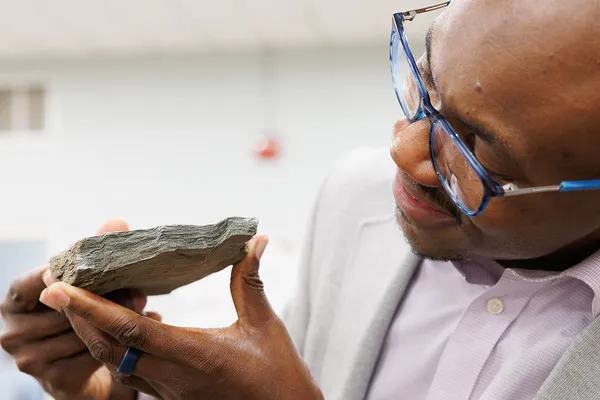
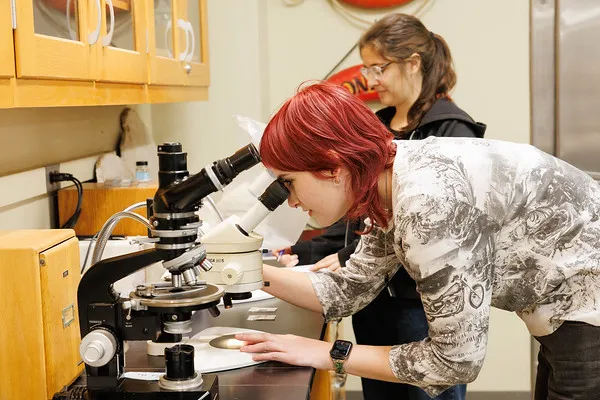
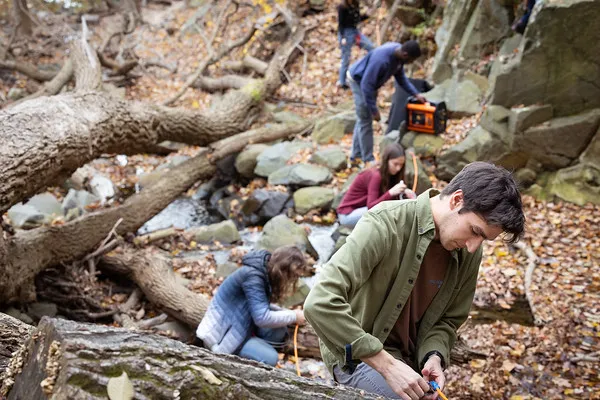
Image Carousel with 6 slides
A carousel is a rotating set of images. Use the previous and next buttons to change the displayed slide
-
Slide 1: Credit: Sirin Samman Photography
-
Slide 2: Credit: Sirin Samman Photography
-
Slide 3: Credit: Sirin Samman Photography
-
Slide 4: Credit: Sirin Samman Photography
-
Slide 5: Credit: Sirin Samman Photography
-
Slide 6: Credit: Sirin Samman Photography
About Us
Established in 1949, Lamont-Doherty Earth Observatory is home to the greatest breadth of Earth science research and forms the core of Columbia University's world-leadership in climate change research and adaptation.
Located on 189 acres with sanctuary forests on New York's Hudson River, our campus is home to a dynamic community of 500 scientists, students, and staff, with nearly 300 PhD-level researchers, and 80-90 graduate students involved in research.
Lamont is known for many firsts:
- First to map the ocean floor and its mineral wealth
- First to predict El Nino events
- Built the first lunar seismometer deployed by Apollo astronauts
- Provided key evidence of plate tectonics
- Proved orbital theory of climate
- First demonstration air carbon capture and storage