
Lamont in the Media
Earth & Climate Science News
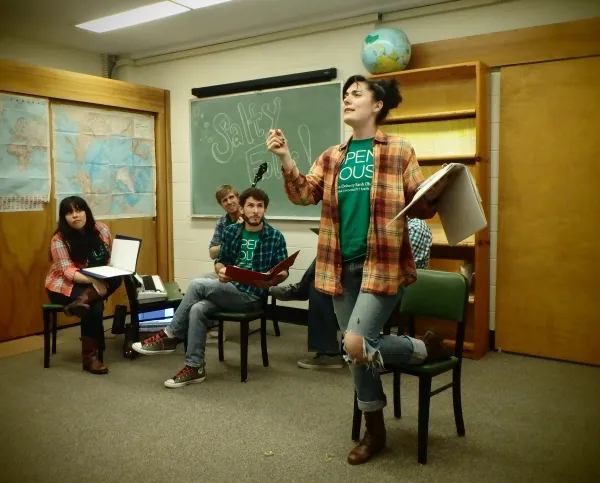
Visitors to Lamont-Doherty Earth Observatory’s open house on Oct. 11 could tune in to a performance of “Salty Folk” by Superhero Clubhouse, a collective of artists and environmental advocates. Created by Jeremy Pickard and Nate Weida, the play uses music and humor to illustrate the history and importance of New York Harbor through the “eyes” of five oysters: Brook, Manny, Bronxy, Queeny and Stats.
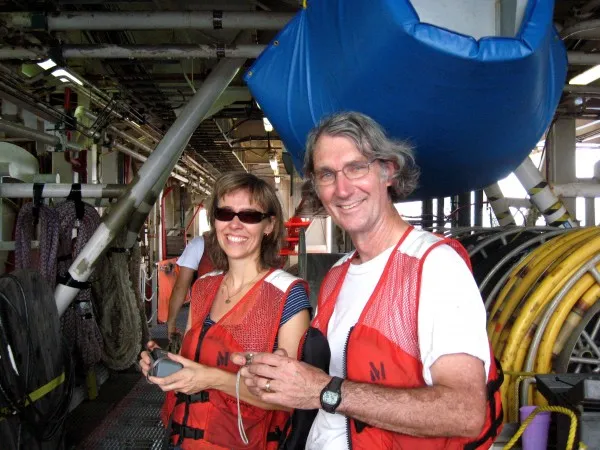
New pictures in the journal Nature Geoscience may help resolve a debate about how new crust forms at mid-ocean ridges where earth’s tectonic plates are slowly pulling apart.
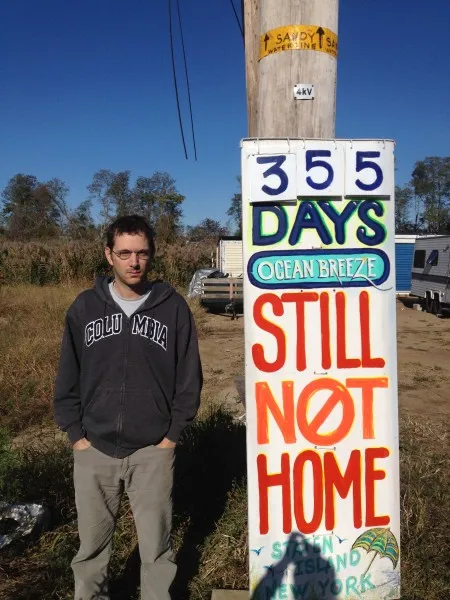
Atmospheric scientist Adam Sobel is author of the new book “Storm Surge: Hurricane Sandy, Our Changing Climate and Extreme Weather of the Past and Future.” Sobel was one of the first researchers to explain to media and the public what might be brewing, before the storm hit. In the aftermath, he looked closely at the factors driving the storm’s unusual ferocity, and how these played against human weaknesses. The book offers a primer on what drives storm systems, and what we know (and don’t) about their relation to warming climate. Sobel also looks into future weather, urban infrastructure…
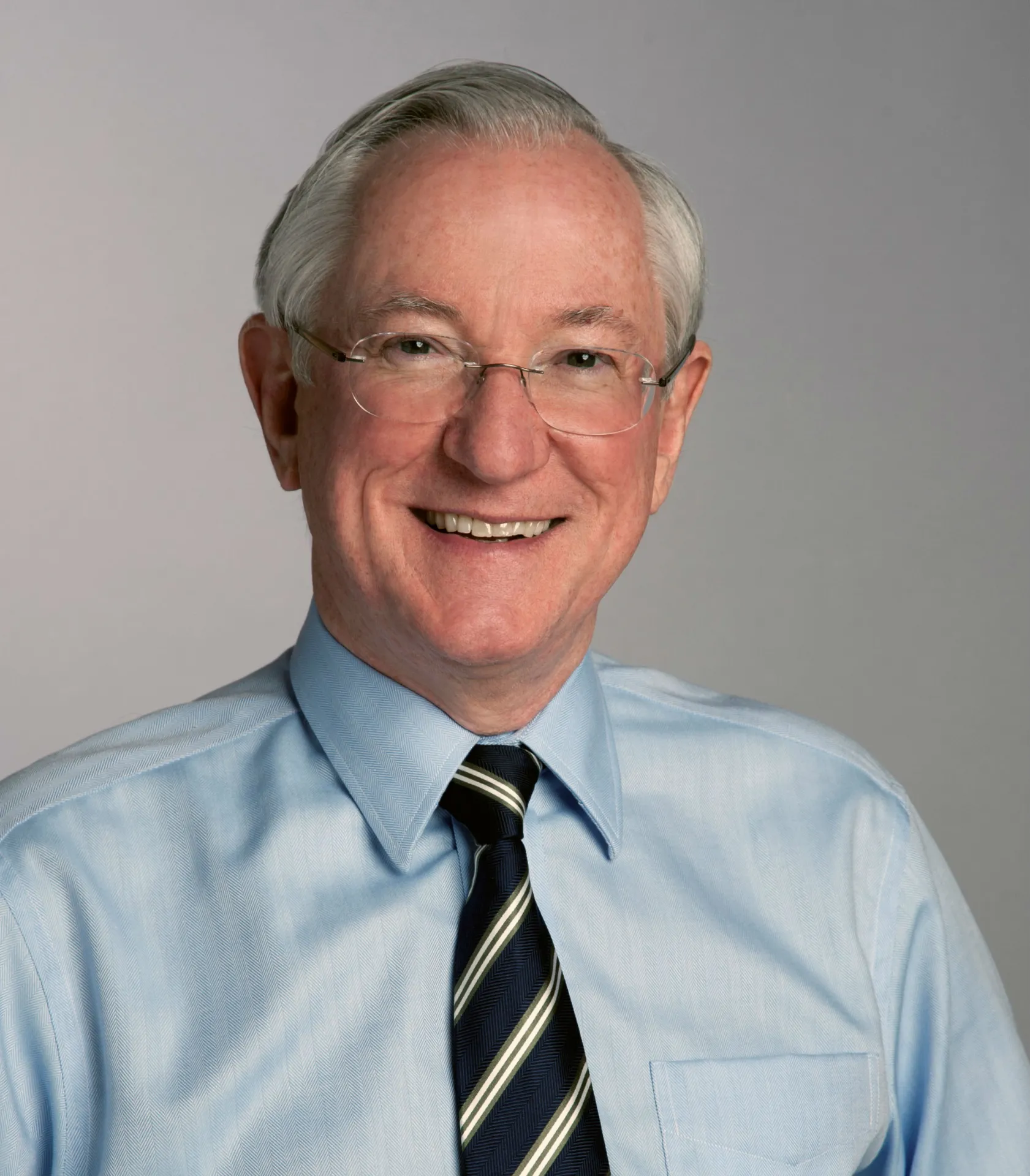
Sean Solomon, director of the Lamont-Doherty Earth Observatory and a geophysicist who has spent much of his career studying Earth’s neighboring planets as well as the Earth itself, will receive the National Medal of Science.
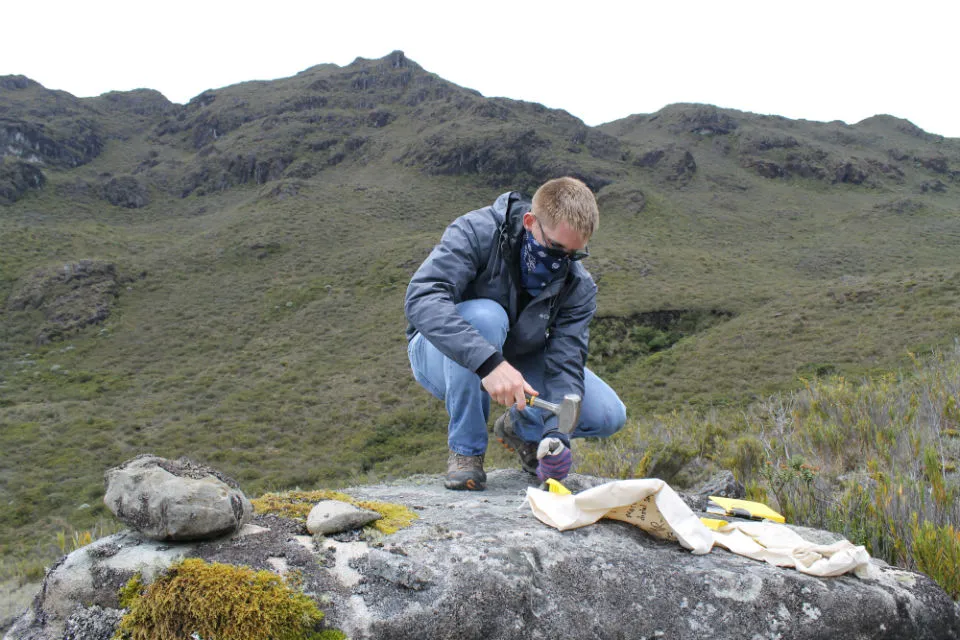
Max Cunningham, a graduate student at Lamont-Doherty, traveled to Costa Rica’s Mount Chirripó this past summer to test the idea that mountain glaciers carved the summit we see today. He and his colleagues hope to eventually pin down when Chirripó’s high-elevation valleys eroded into their current form. Check out a recap of their 2014 field season.
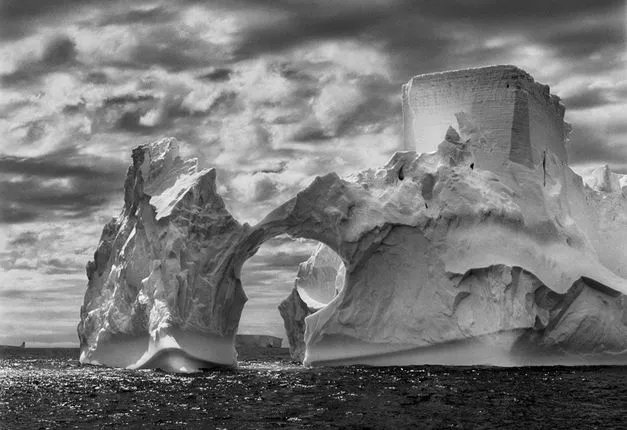
This fall, the photographs of Sebastião Salgado provide the springboard for an ambitious program of panel discussions, lectures and film screenings addressing the urgent issue of climate change, at the International Center of Photography in New York City.
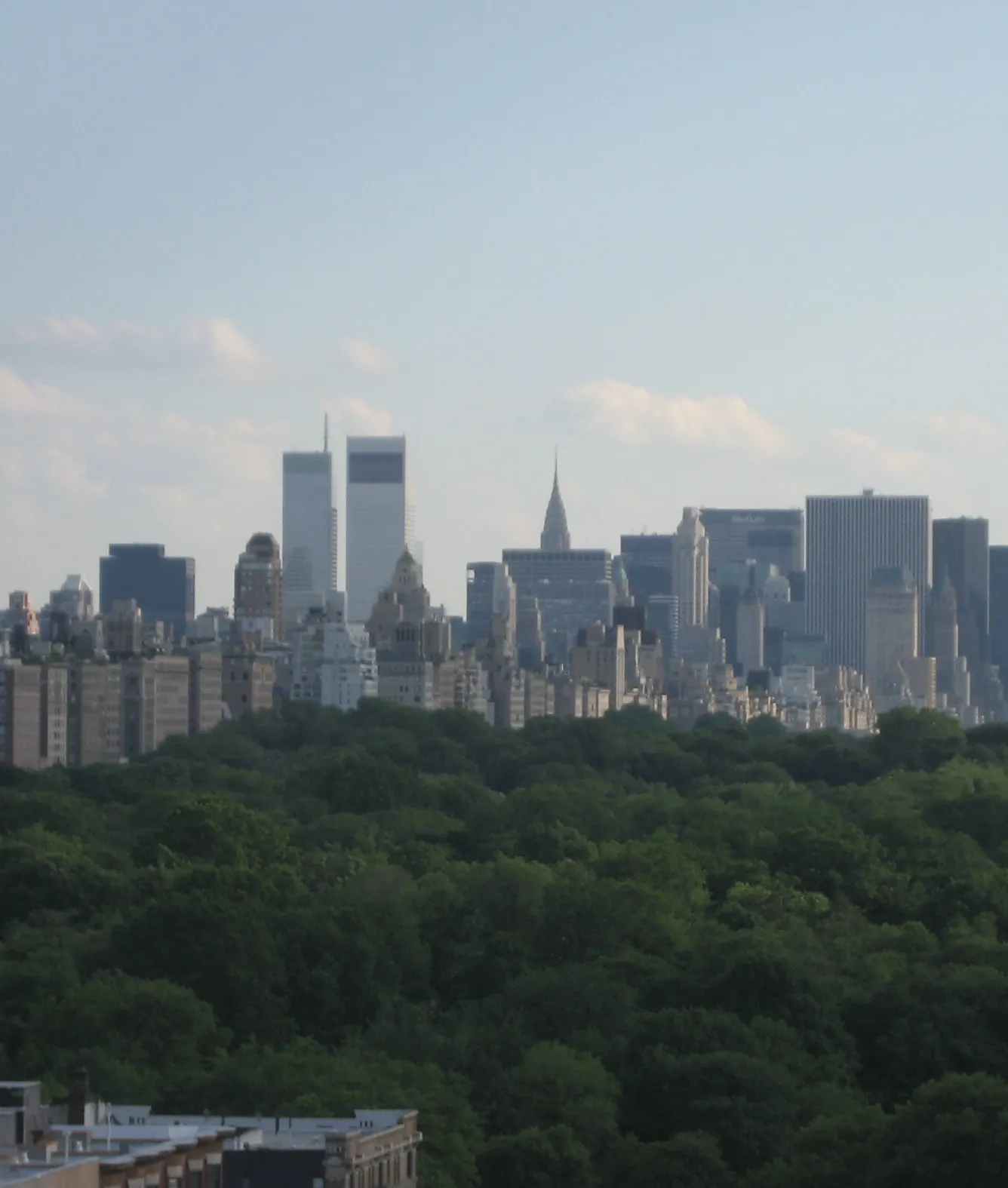
In my early years I didn’t talk about the politics of global warming much. I didn’t bring it up with friends or family, let alone engage in any public way. It seemed to me unseemly for a scientist to be vocal on a political issue related, even indirectly, to his own research. Wouldn’t that be an indication of bias, of a lack of scientific impartiality? But I have changed my mind.
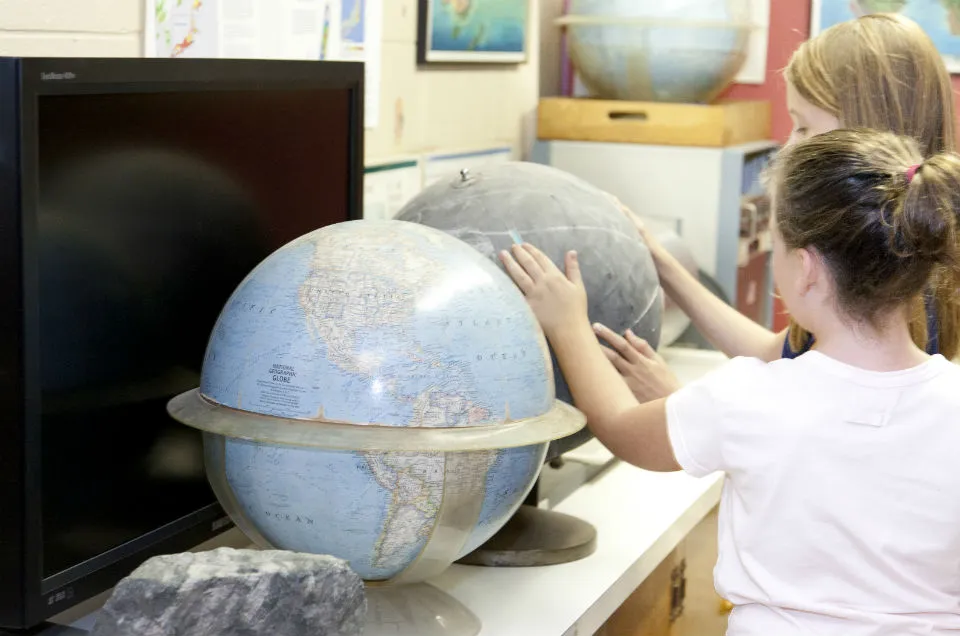
Bend a rock. Channel your historic ‘birthquake.’ Check out rocks, fossils, sediment cores and more at Lamont’s Open House on Saturday, October 11.
Climate scientist William D’Andrea of the Lamont-Doherty Earth Observatory asked young scientists attending a symposium last October, “What do you wish everyone knew about climate change?” He turned the responses into this video, which covers the topic pretty well.
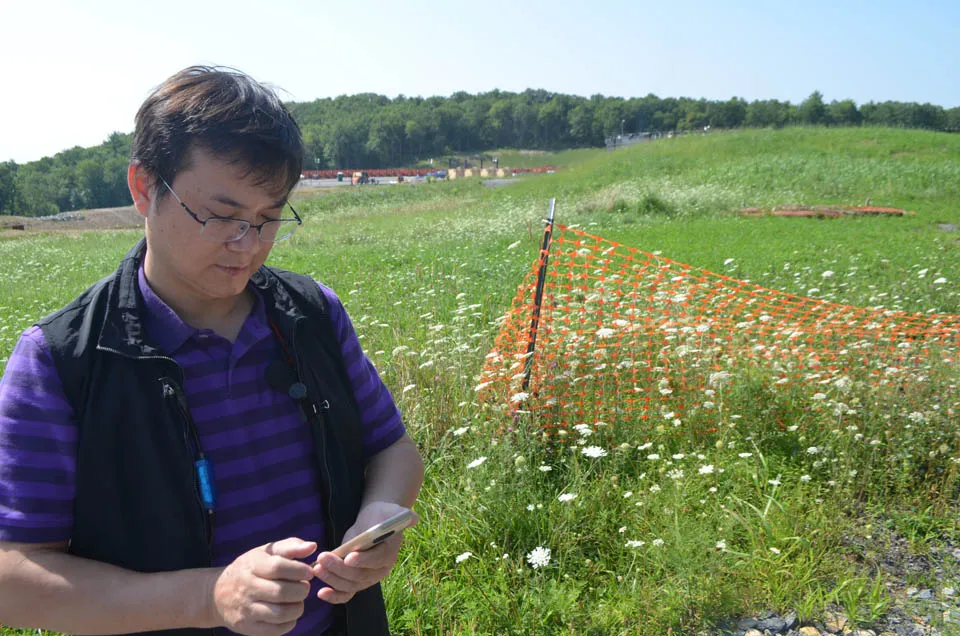
Ten years ago, hydraulic fracturing barely existed. Today 45,000 fracked wells produce natural gas, providing energy for millions of homes and businesses, and nearly a quarter of the nation's electricity. But scientists are far behind in understanding how this boom affects people near wells. Geochemists Beizhan Yan and James Ross of Columbia University's Lamont-Doherty Earth Observatory are trying to fill in this gap.
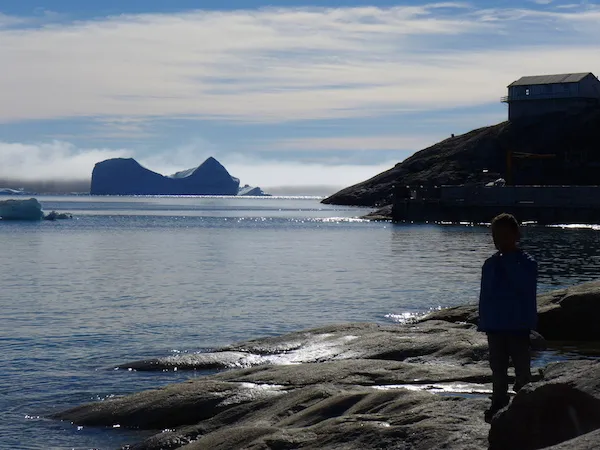
No one ever leaves the field the same way they entered it. Yes there is a new layer of mud on equipment, the expected wear and tear on your gear and your physical being. But also, an intangible shift in perspective.
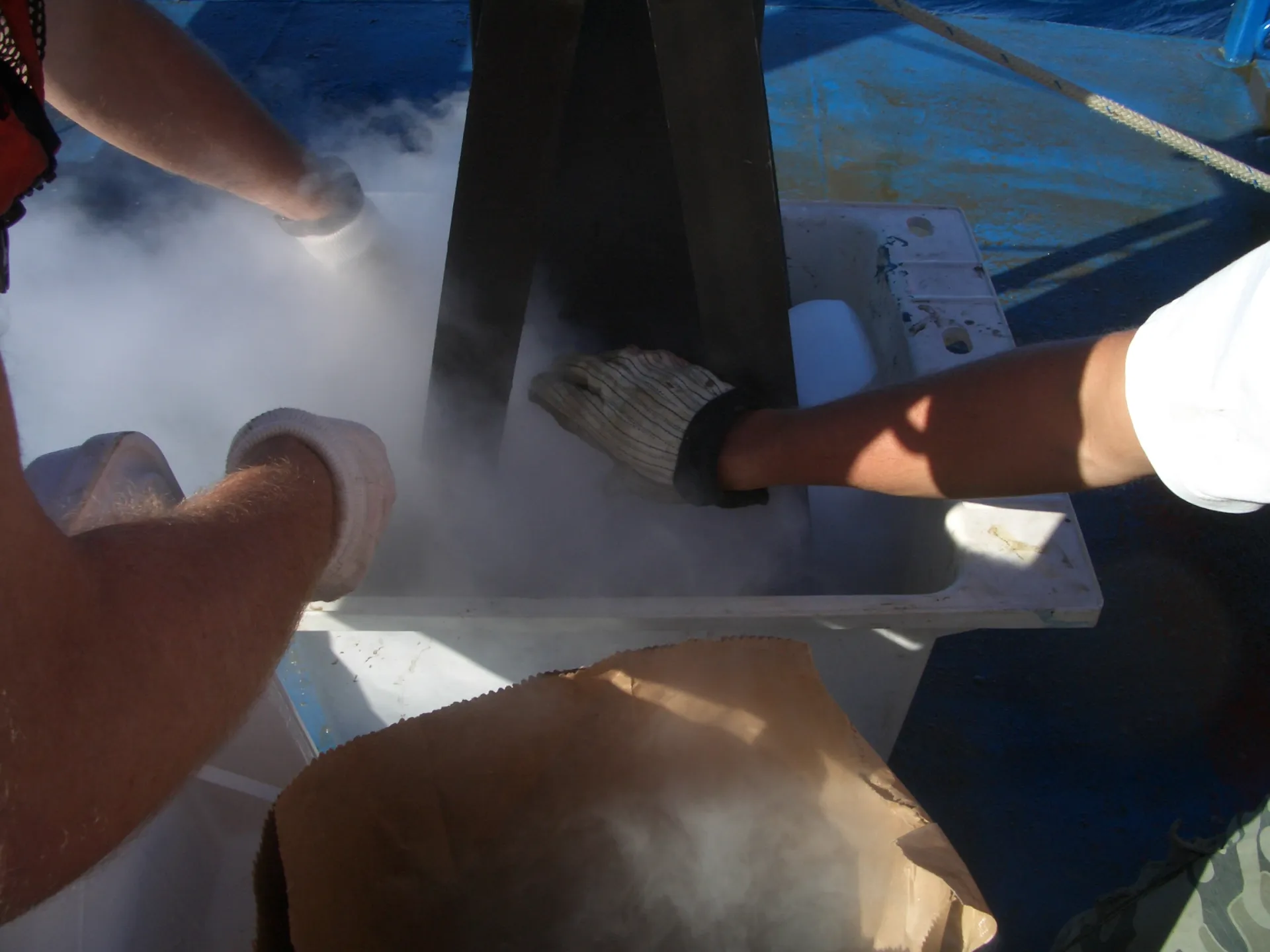
Geochemists Alexander van Geen and Jacob Mey helped coauthor a recent paper in the leading journal Science showing that warming climate in the future may not degrade oxygen supplies in some parts of the oceans as previously thought.