
Lamont in the Media
Earth & Climate Science News
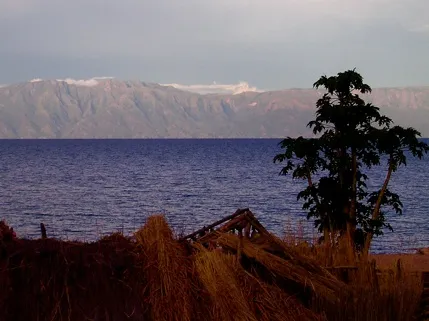
Lamont-Doherty Earth Observatory graduate student Natalie Accardo recently returned from Tanzania and Malawi, where she installed seismic instruments in both countries alongside Lamont seismologists Donna Shillington and Jim Gaherty. Natalie produced this video, which shows the scientists and their Tanzanian colleagues conducting a “stomp test” at one of their sites in the Tanzanian village of Manda.

Geologist Nicholas Christie-Blick has studied the Death Valley region for more than four decades. Each spring, he leads a group of Columbia University undergraduates there on a fieldtrip. Check out highlights from this year’s trip.
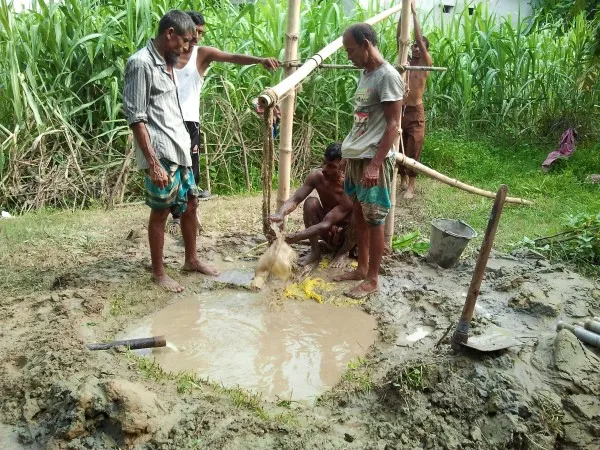
Postcard from the Field: Lamont-Doherty Earth Observatory graduate student Rajib Mozumder, who works with Lamont scientists Lex van Geen and Ben Bostick, has spent part of his summer drilling water wells and collecting samples in Bangladesh.
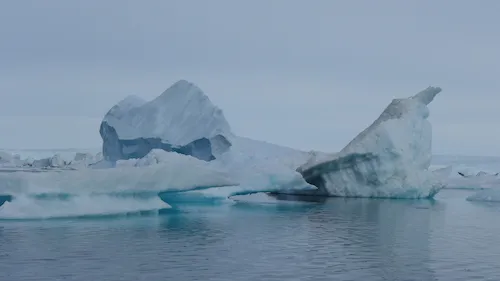
Today’s plan is to extend the sampling to include a wider region of the water exchange between Alison (Nanatakavsaup), the surrounding ocean and the connection to Hayes glacier. At the Village Meeting we had queried the local fisherman about the iceberg exit pathways for both Alison and Hayes to confirm or correct information we have gleaned from satellite imagery.
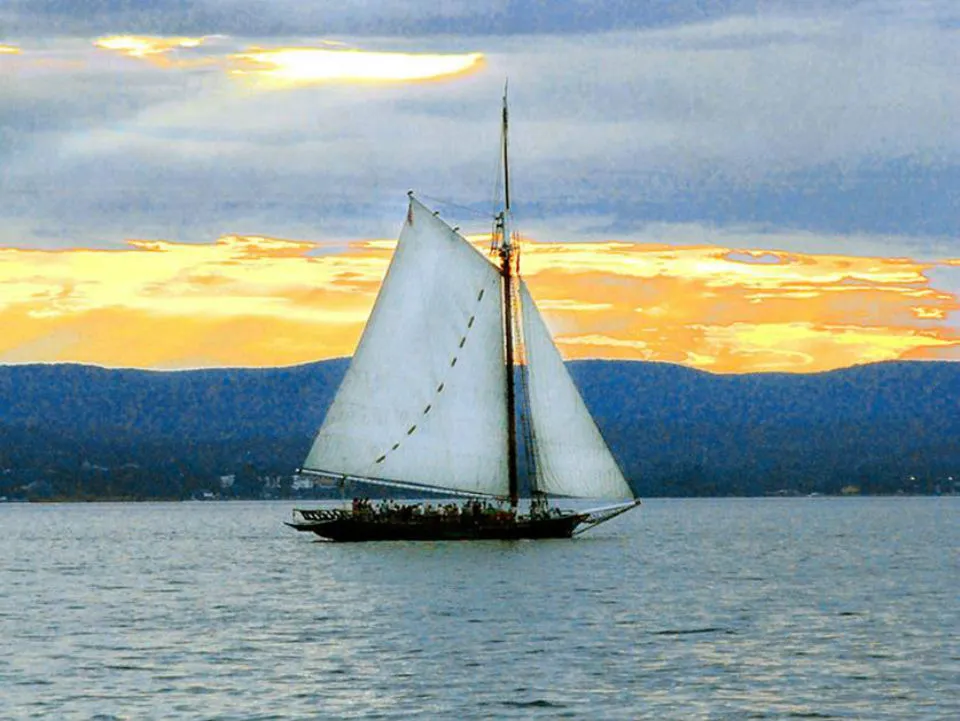
Four years ago this month, archeologists monitoring the excavation of the former World Trade Center site uncovered a ghostly surprise: the bones of an ancient sailing ship. In a new study, scientists at Lamont-Doherty Earth Observatory say that an old growth forest in the Philadelphia area supplied the white oak used in the ship’s frame, and that the trees were probably cut in 1773 or so—a few years before the bloody war that established America’s independence from Britain.
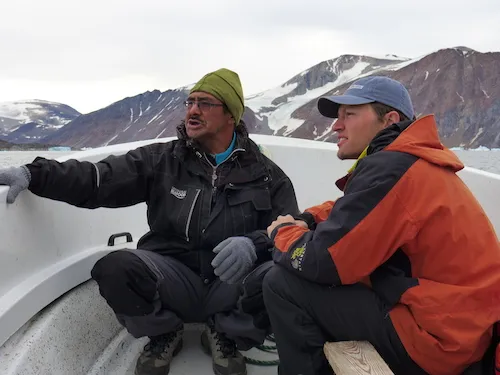
The science goal for today is to complete 8 CTD casts. We load into our vessel, a Poca 500GR. We have discussed a 6 to 8 hour window of boat time with Gabriel the captain and Magnus our navigator and stocked up on 40 liters of benzene.
It seems that many of the local fishermen have gone to hunt Narwal further north but there are several good prospects for boats that Søren will scout further as several of the fishermen are sleeping as the fishing is better right now at night. With 24 hours of daylight day or night fishing doesn’t really seem to matter.
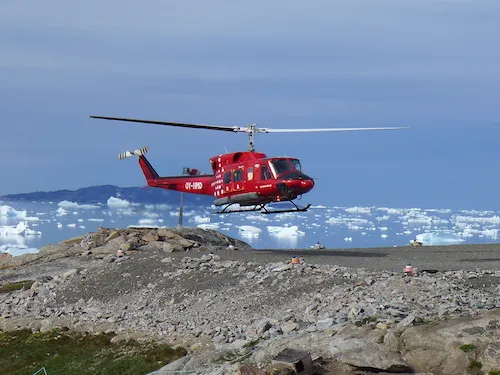
At the small airport a smiling woman approaches us asking our plans in one word “Kullorsuaq?” We smile and nod and she grins broadly motioning that she and her daughter are going there too – it is their home she manages to convey.
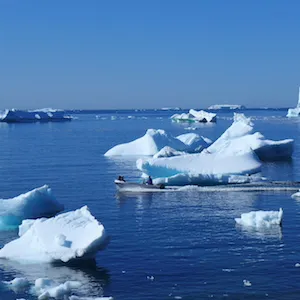
Project Background: Changing conditions in Greenland’s northwest glaciers over the last decade have led to a range of questions about water temperature and circulation patterns in the fjords where ocean water meets the glacial fronts.
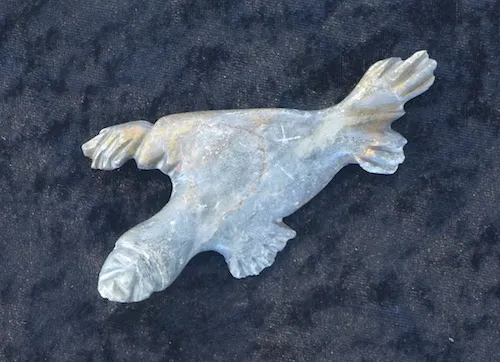
A visit to the Upernavik museum brought us to ‘Edvard’ a young Greenlandic and the local museum curator. Embracing the opportunity to practice his English he enthusiastically spent time sharing the historic art and past of the community and his experiences as a young adult growing up in a Greenland that is shifting from one set of cultural norms to another.
The most important lessons drawn from geology are that the earth’s climate can change radically, and rapidly. We can’t say precisely at what CO2 level we’re in danger of melting Antarctica, but that threshold could be reached in 150-300 years, if CO2 levels keep rising at the current rate.
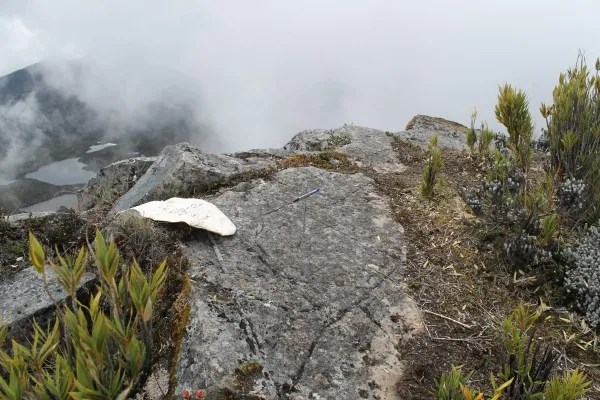
On his sixth day on Mount Chirripo, Lamont’s Max Cunningham finds clues of the mountain’s origins and evolution.