

Lamont in the Media
Earth & Climate Science News
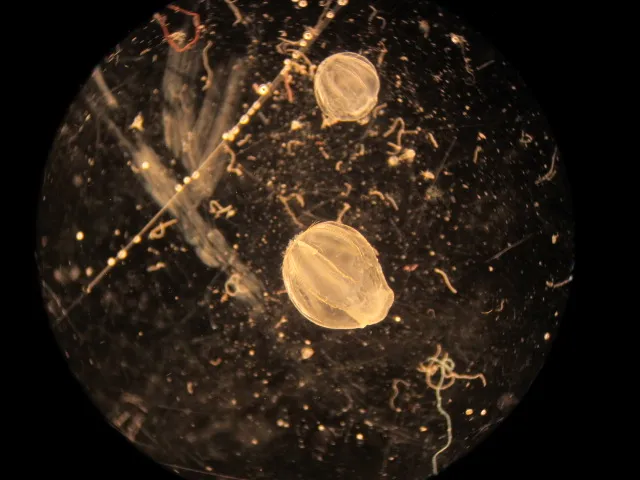
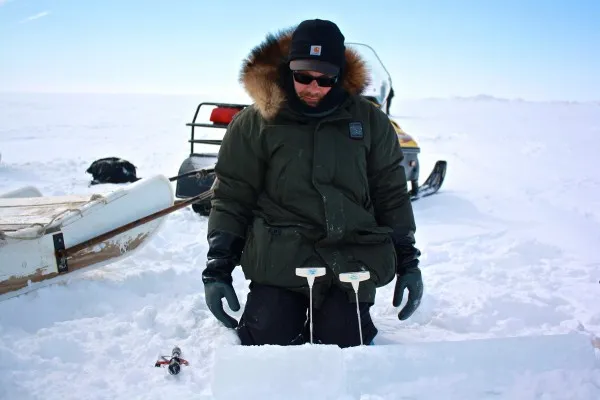
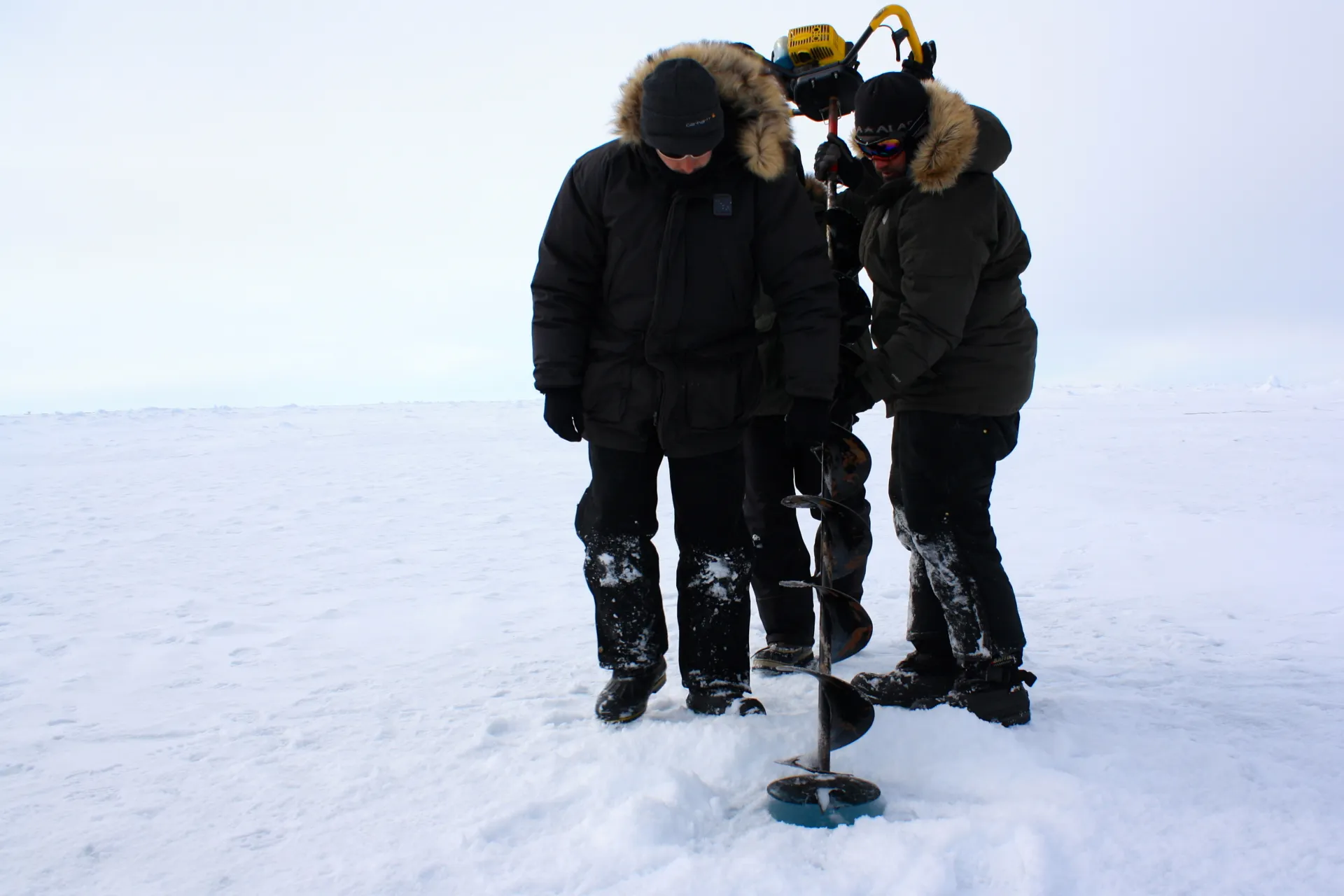
Our team spent most of Friday on the Arctic sea ice, drilling and sampling ice cores at our main field site. For each core collected, Lamont-Doherty Earth Observatory scientists Andy Juhl and Craig Aumack take a number of different physical, chemical and biological measurements
Fieldwork is exciting and inspiring, leading scientists to new ideas, places and observations about how the world works. Spring on Alaska’s North Slope provides an especially productive environment for fieldwork. When the sun never sets, it’s easy to linger in the field and the lab long into the well-lit night.
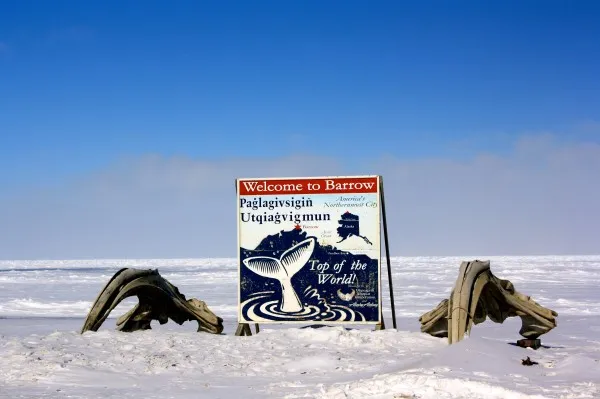
While I arrived in Barrow, Alaska on Tuesday, Lamont-Doherty Earth Observatory scientists Andy Juhl and Craig Aumack, and graduate student Kyle Kinzler from Arizona State University, got here one week ago.
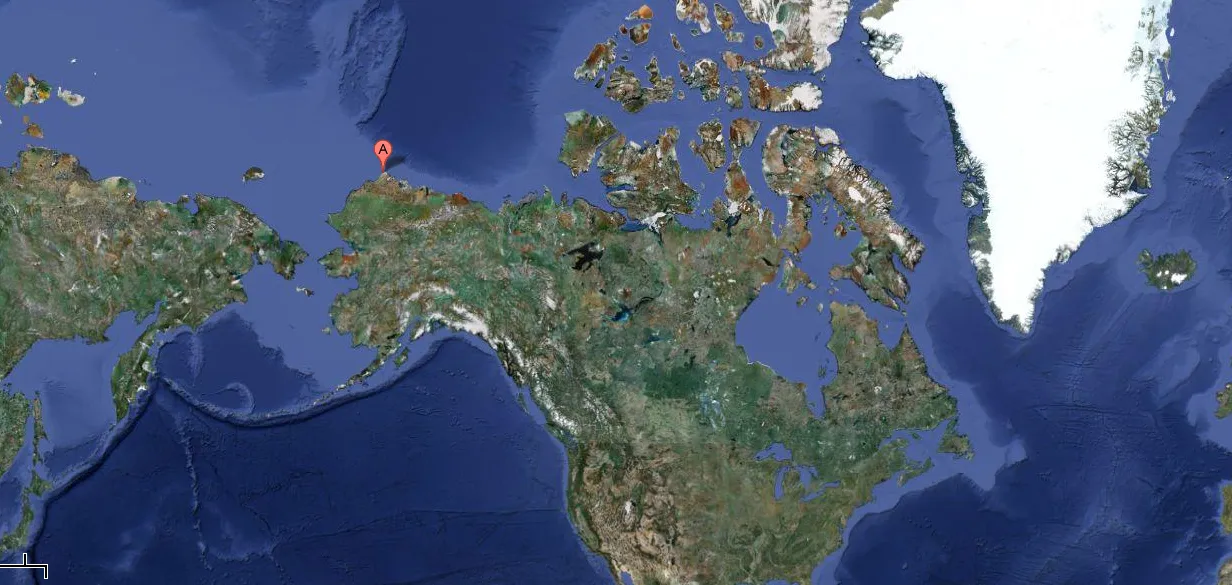
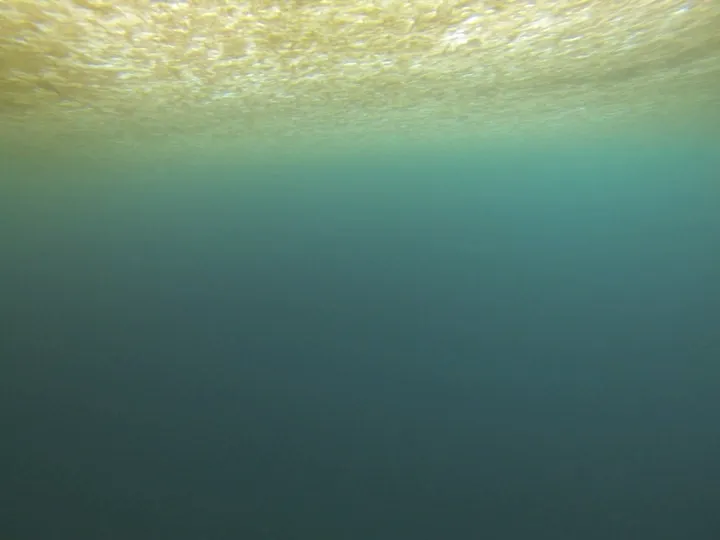
Andy Juhl and Craig Aumack, microbiologists from Columbia University’s Lamont-Doherty Earth Observatory, are spending a month in Barrow, Alaska studying algae in and below sea ice, and how our warming climate may impact these important organisms.

Otis Redding sang “you don’t miss your water ’til your well runs dry” in 1965 about pining for a lost love. Last week, Climate and Society founder and Lamont-Doherty Earth Observatory scientist Mark Cane reprised it with a much different, more literal focus: water scarcity in the 21st century.

Social media plus scientists plus Chemistry Cat puns is a great formula for a talk, right?

Nicole Davi, a postdoctoral scientist at the International Research Institute for Climate and Society and the Lamont Doherty Earth Observatory, thinks tree rings are an ideal way to motivate students to collect and analyze data as well as to learn about climate change.

In a live webcast this afternoon from Hunter College, Earth Institute scientists Cynthia Rosenzweig and Klaus Jacob will join a panel on “Hurricane Sandy and Challenges to the NY Metropolitan Region.”
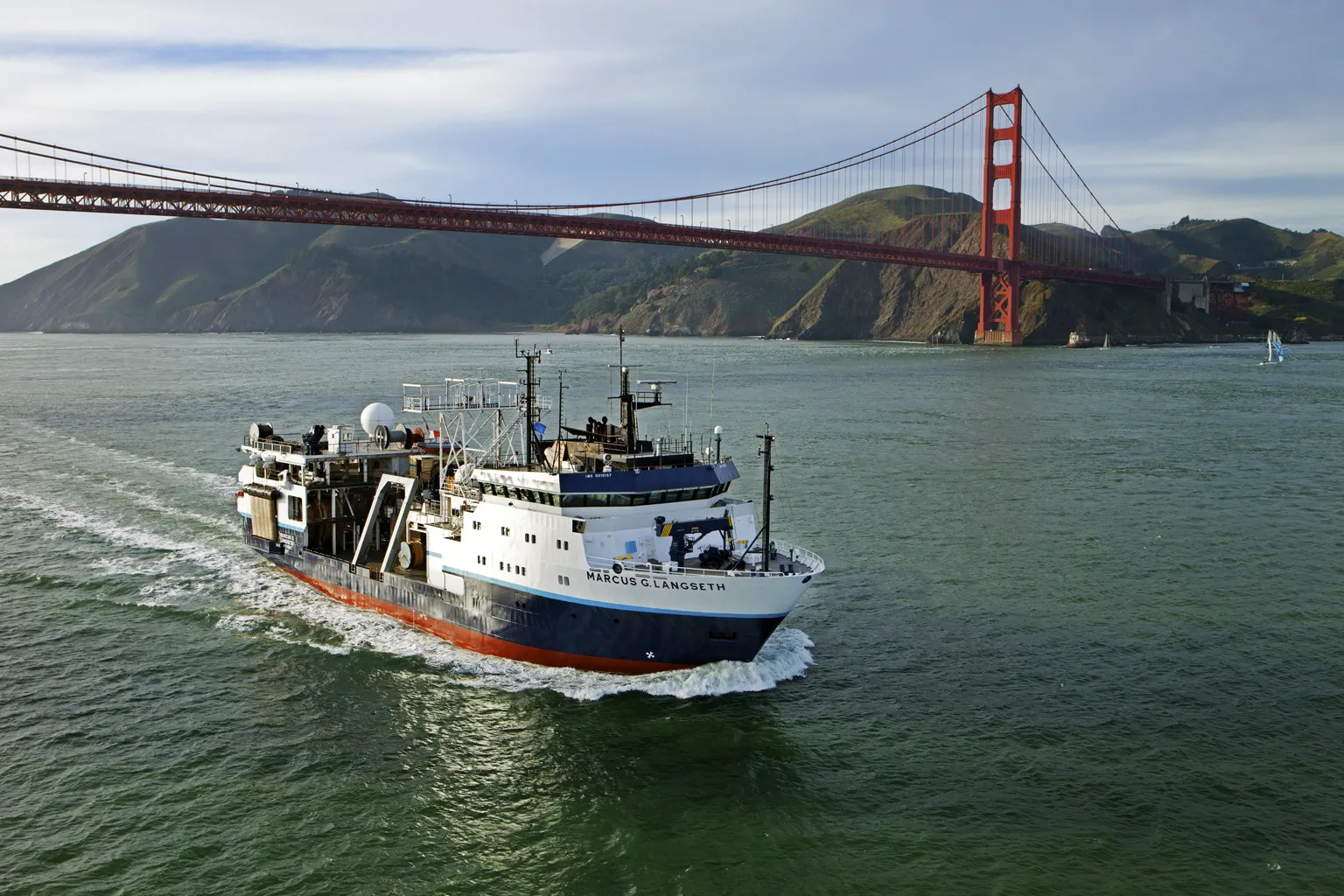
Keep an eye on State of the Planet over the next week for updates on the fall meeting of the American Geophysical Union.
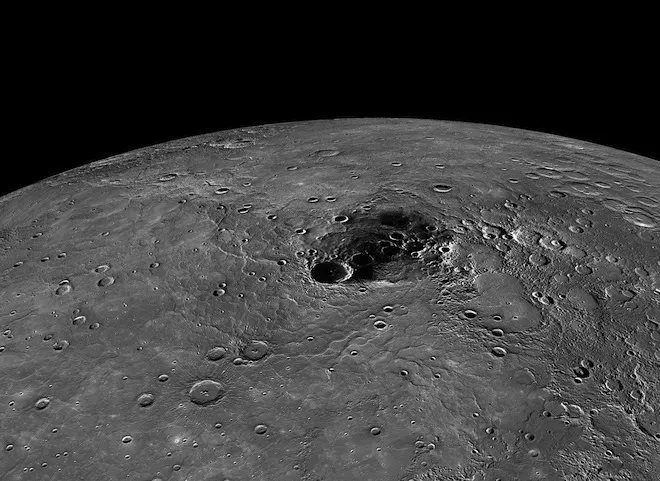
Mercury, the planet closest to the Sun, may hold at least 100 billion tons of ice in permanently shaded craters near its north pole, NASA scientists announced Thursday. The findings come as NASA’s MESSENGER spacecraft nears its second year of orbit around Mercury. MESSENGER’s lead investigator, Sean Solomon, is director of Columbia University’s Lamont-Doherty Earth Observatory.