
Lamont in the Media
Los Angeles Times
People
Daily Kos
Phys.org
Earth & Climate Science News
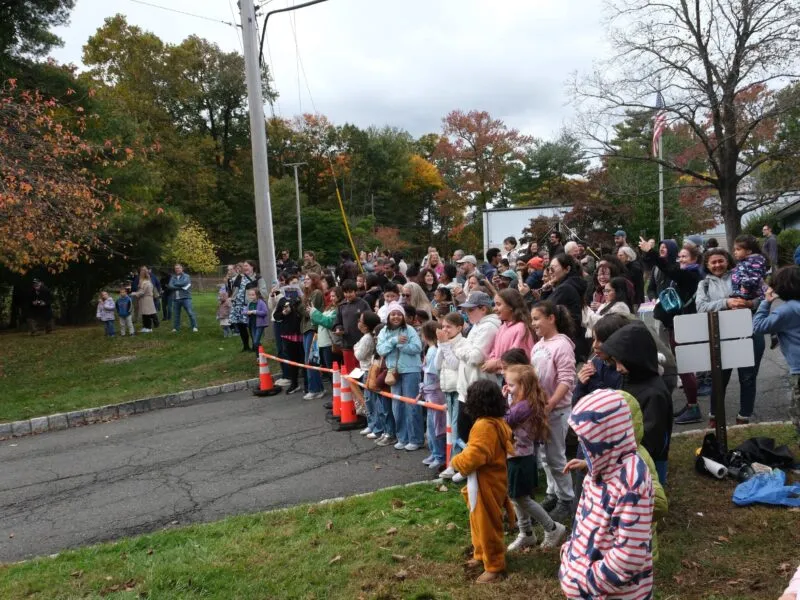
More than 2,500 visitors explored hands-on activities, lectures and installations at Lamont's campus on Saturday, October 17.
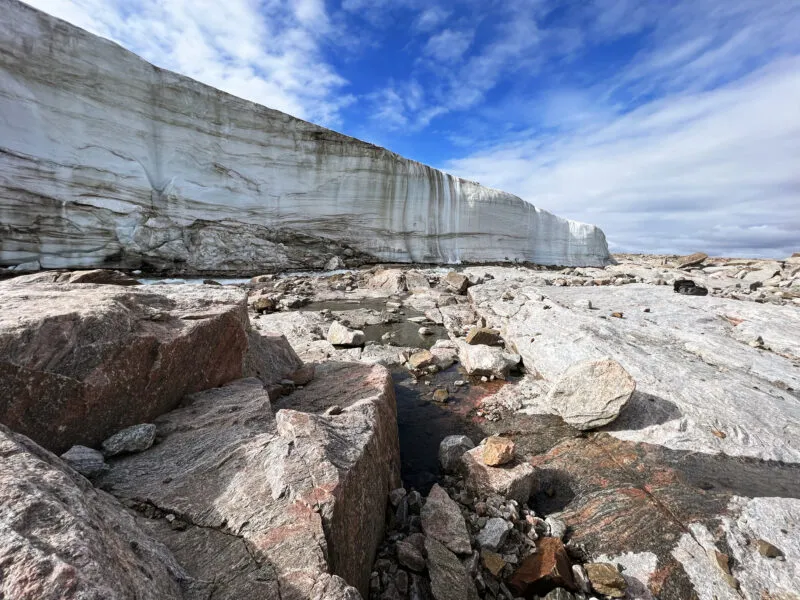
New research shows that 2,000 years ago, remnants of an Arctic ice sheet began growing again, marking the start of a new glacial period—what we commonly call an ice age. But by the 1960s, global warming had raised summer temperatures enough to reverse that growth.
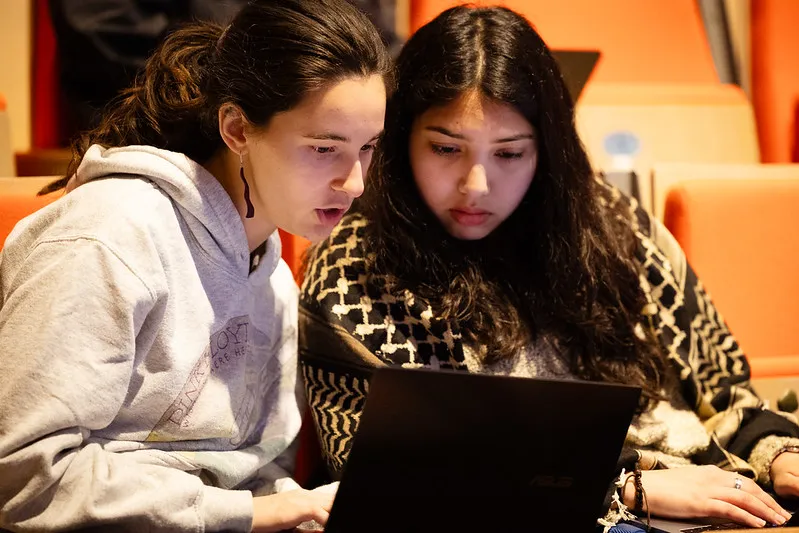
From October through June, Columbia Climate School researchers and students will host sessions exploring climate and sustainability topics including biodiversity, climate finance, climate action in professional sports and wildfire management.
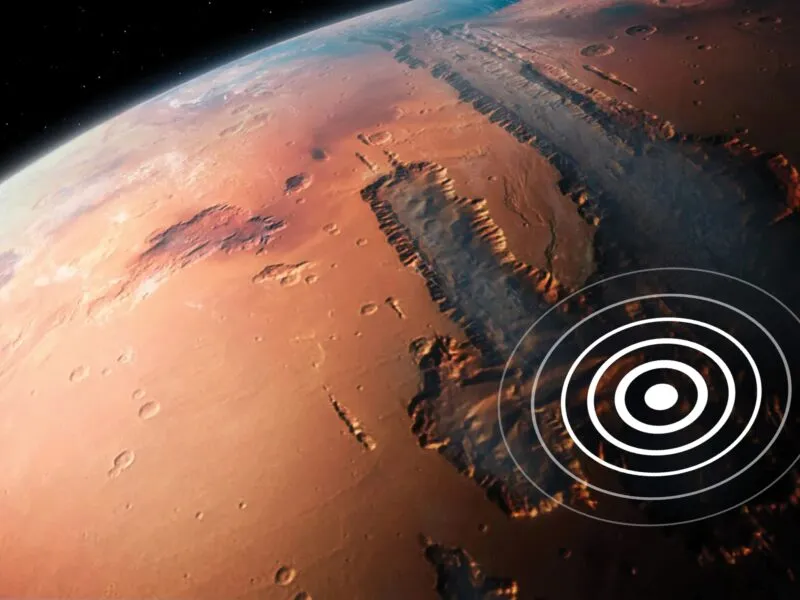
Scientists at Columbia University and Imperial College London have found that the largest canyon system in the solar system is still active and shaping Mars today, billions of years after it first formed.
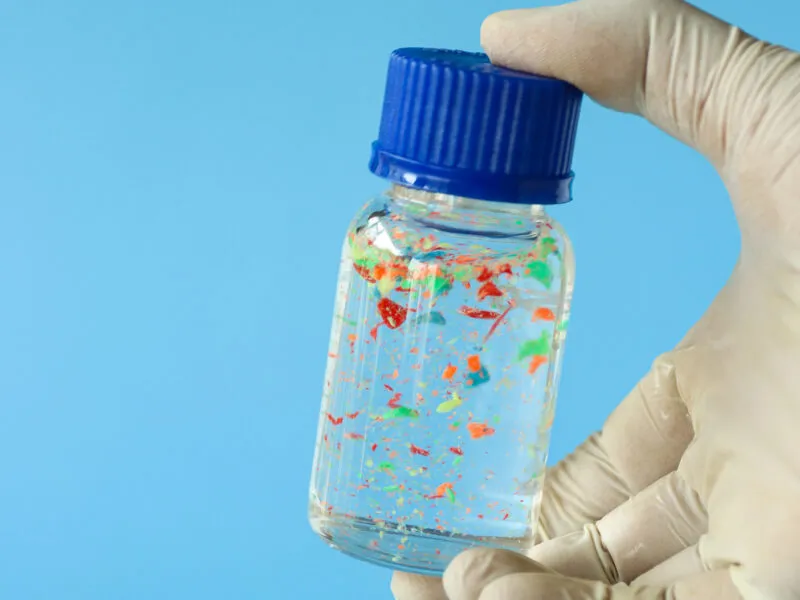
A new study found that when microplastics contact water, their surfaces can become chemically reactive. This could be how they get us sick.
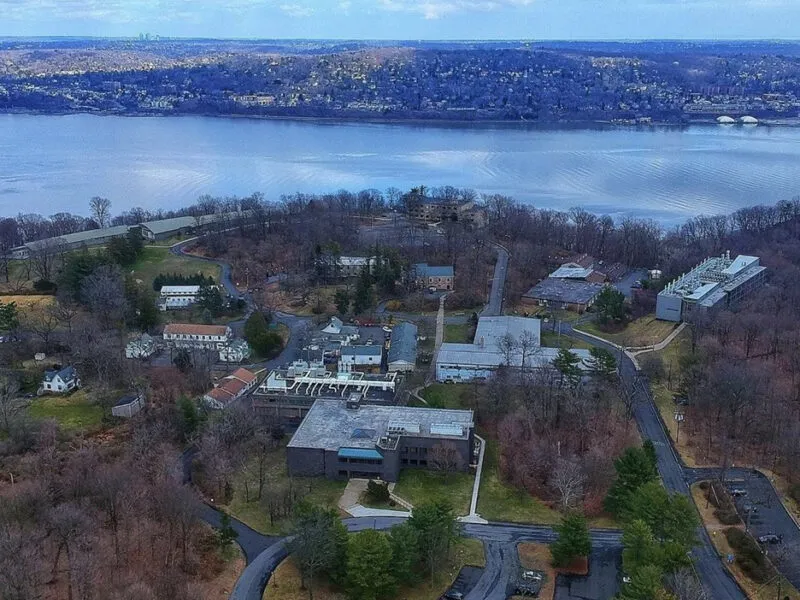
Five Lamont scientists received major 2026 honors recognizing research on sea-level change, ocean carbon uptake, seafloor mapping and Earth’s deep interior. William B. F. Ryan receives the Maurice Ewing Medal; Jacqueline Austermann, Gisela Winckler and Galen McKinley receive AGU distinctions, while Renata Wentzcovitch is named a Distinguished Lecturer.
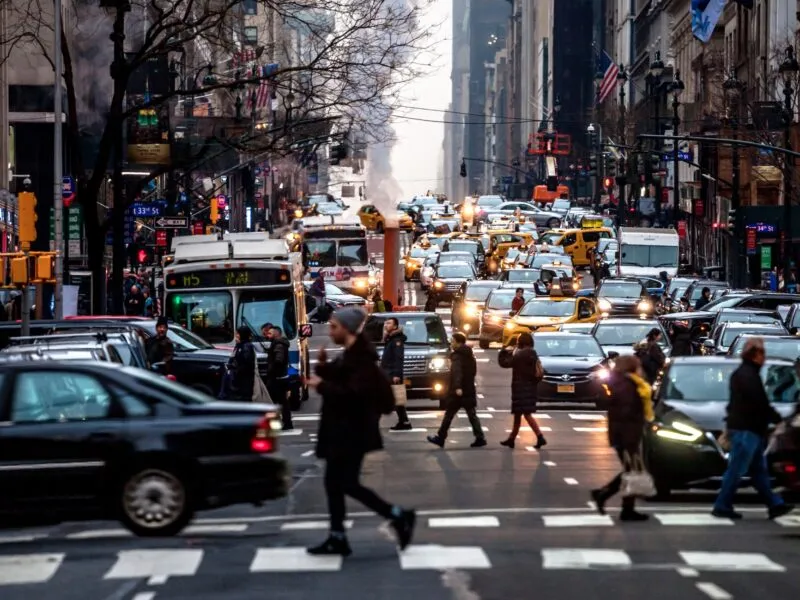
One year after NYC launched its congestion pricing policy, fine particulate pollution inside Manhattan’s congestion relief zone was 13 percent lower, according to a new analysis.
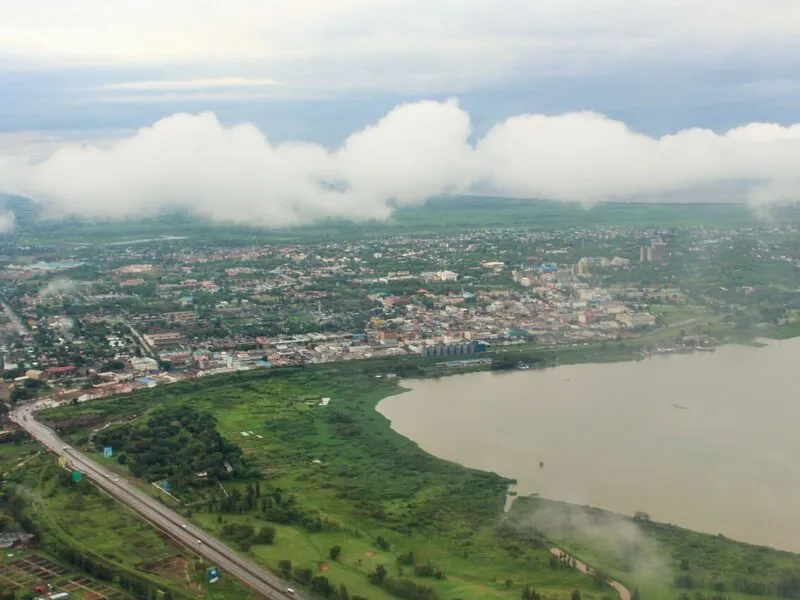
In this month's edition of our research roundup, we look at the impact of suspending U.S. embassy reporting on air quality; why two extreme heatwaves had different impacts; and how to make vulnerable populations in smaller cities more visible.
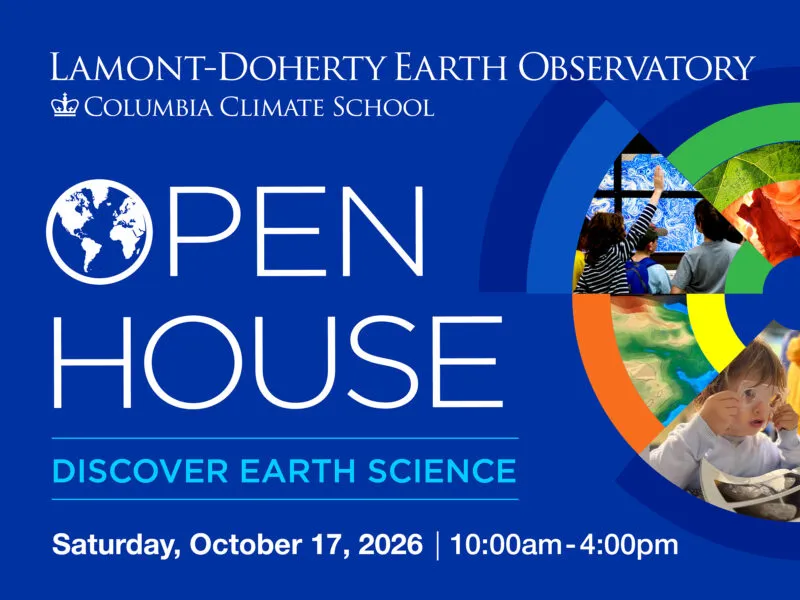
Join Lamont-Doherty Earth Observatory in Palisades, NY, on Saturday, Oct. 17, for a free, family-friendly event. Explore research facilities through lab tours, exhibits, hands-on activities and talks.
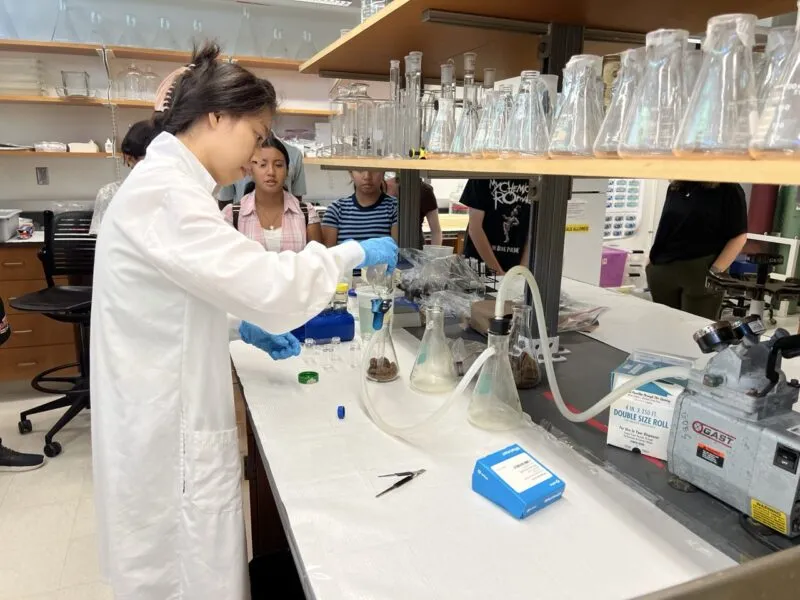
Through Columbia Climate School and Lamont-Doherty Earth Observatory programs, students conducted hands-on climate research to build scientific, analytical and communication skills.
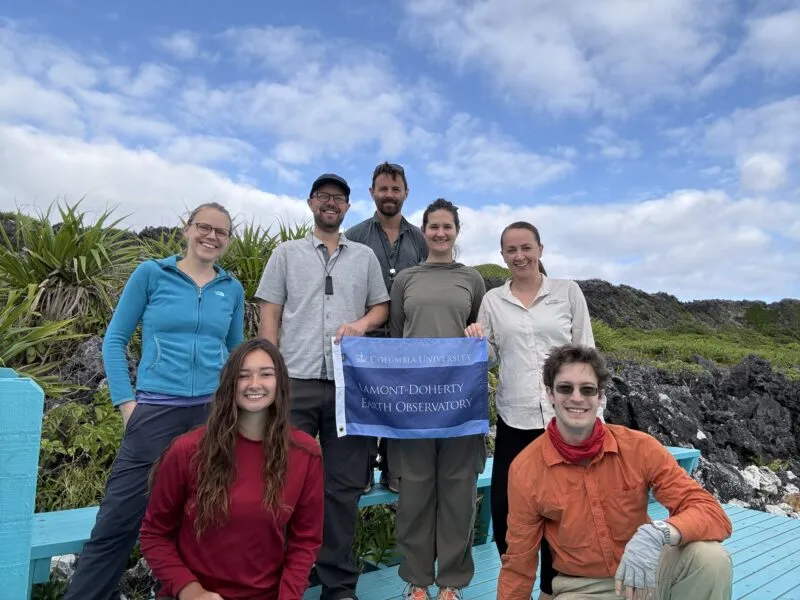
Scientists are studying fossil coral reefs in the Cook Islands to reconstruct sea levels during the Last Interglacial, and hoping to improve projections of future change.
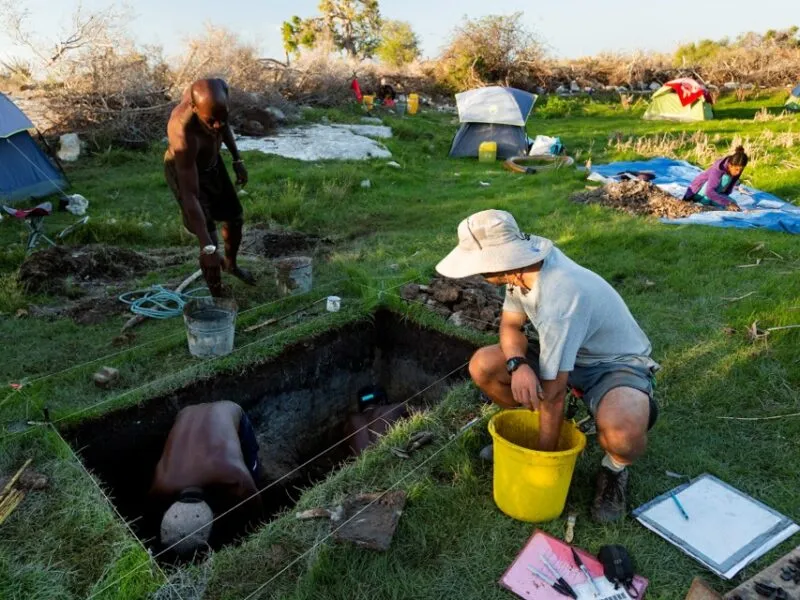
New analyses of ancient cattle, sheep and goat bones suggest that the rapid spread of introduced livestock 1,200 years ago coincided with forest loss and population declines among large native herbivores.