
Lamont in the Media
Earth & Climate Science News
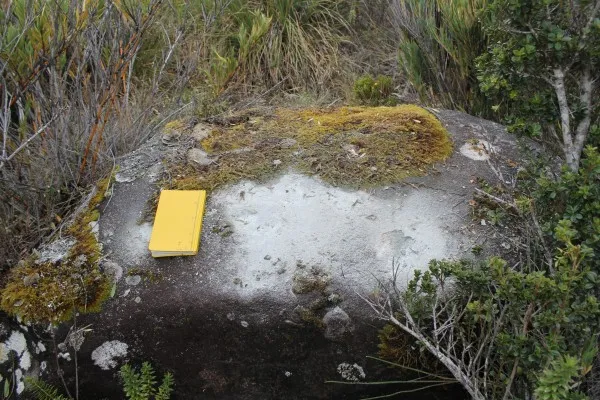
On their fifth day of fieldwork on Mount Chirripo, Lamont’s Max Cunningham and Mike Kaplan encounter some deeply weathered boulders.
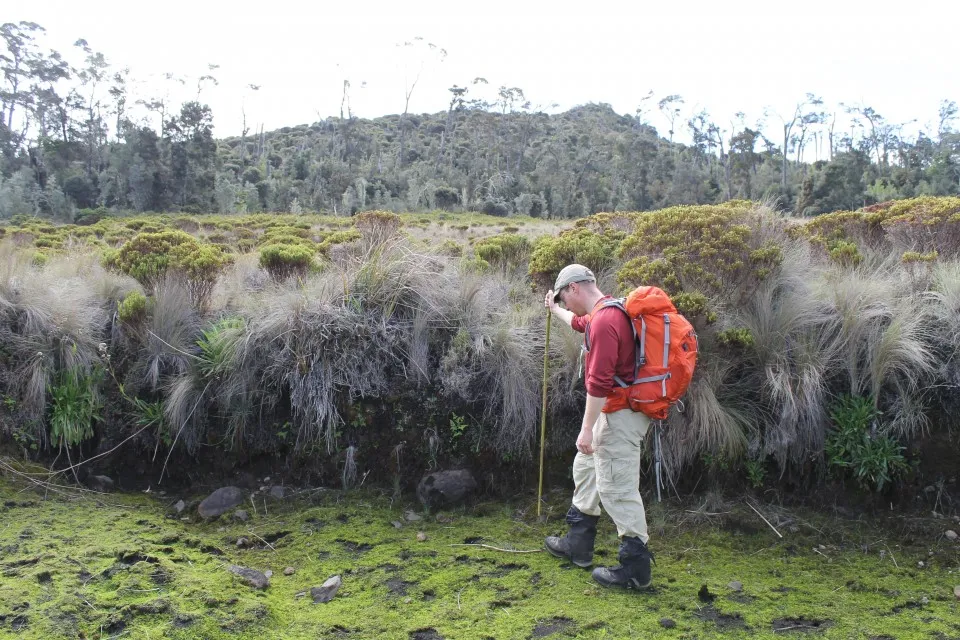
On their fourth day on Mount Chirripo, Lamont’s Max Cunningham and Mike Kaplan explore an unusual valley and find the spot where a lion apparently killed someone.
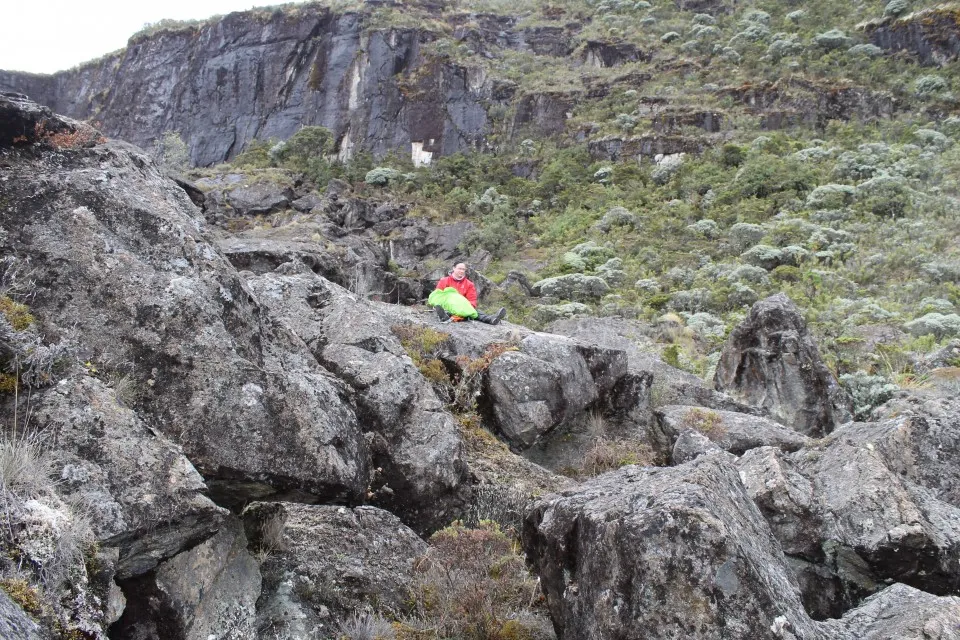
On their third day on Mount Chirripo, Lamont geologists Max Cunningham and Mike Kaplan discover remnants of a mysterious landslide.
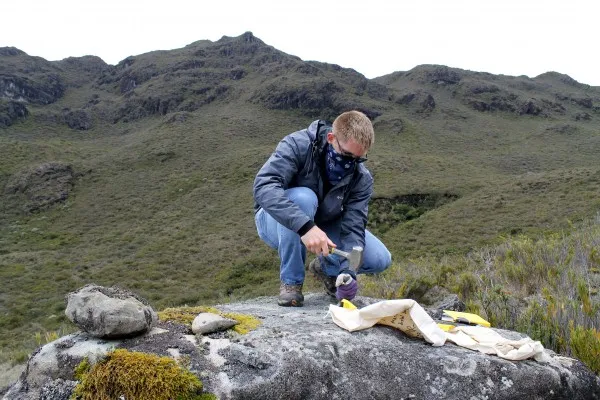
Lamont-Doherty geologists Max Cunningham and Mike Kaplan chisel away at glacial moraines on Costa Rica’s Mount Chirripo to understand when ice withdrew during the last ice age.
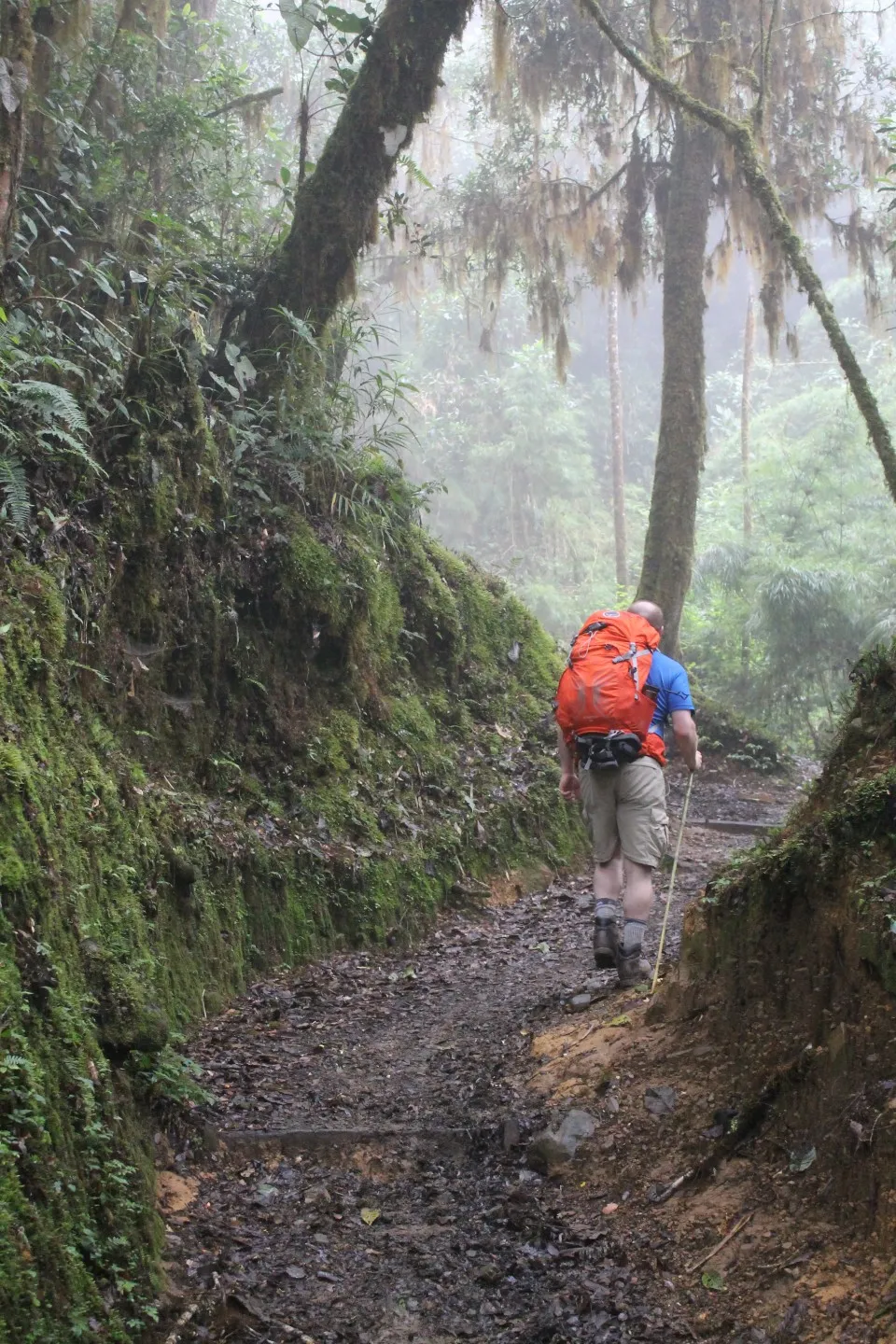
On the hike up Costa Rica’s Mount Chirripó, Lamont geologists Max Cunningham and Mike Kaplan encounter varied climates and vegetation.
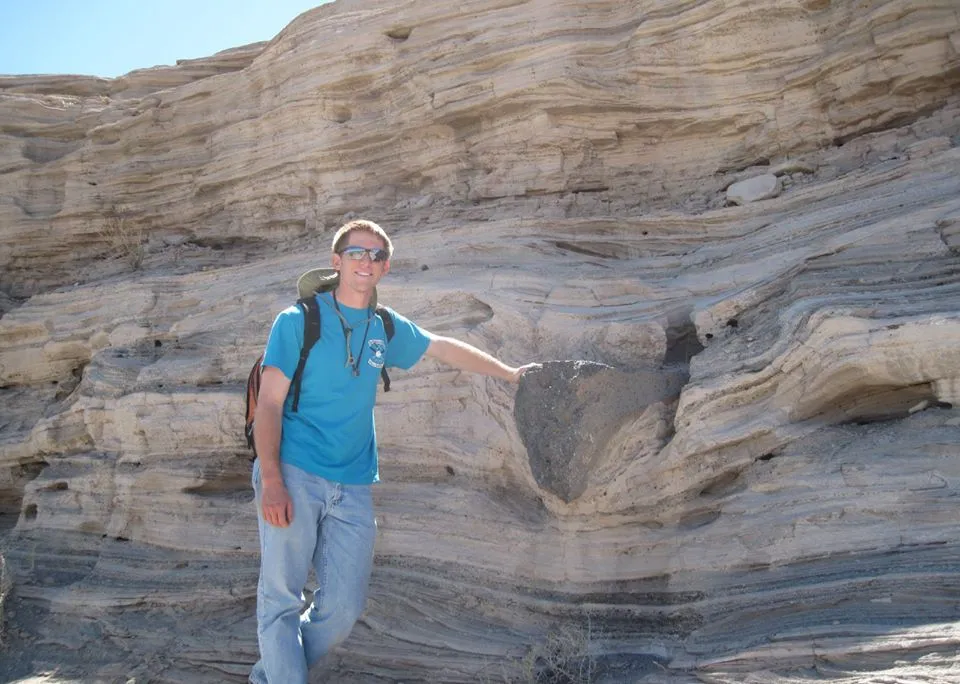
Lamont-Doherty graduate student Max Cunningham describes his upcoming research objectives on Costa Rica’s Mount Chirripó.
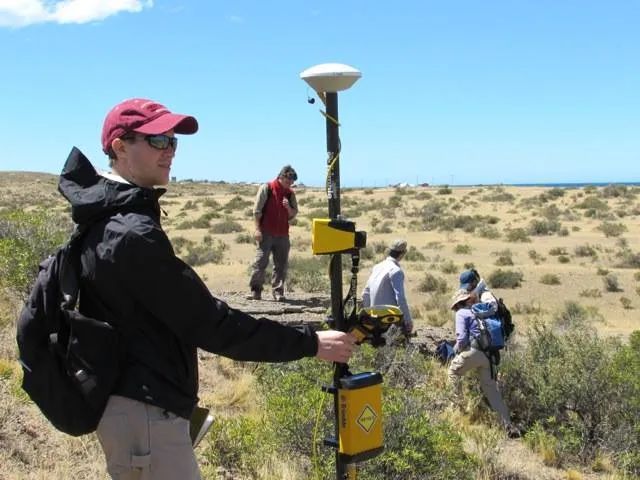
Scientists from Lamont-Doherty Earth Observatory are trying to determine how high sea levels may rise in the future by studying the shorelines of the past. Led by a team of researchers including Lamont climate scientist and marine geologist Maureen Raymo, the goal of Pliomax is to increase the accuracy of global sea level estimates for the Pliocene era, which occurred about 3 million years ago.
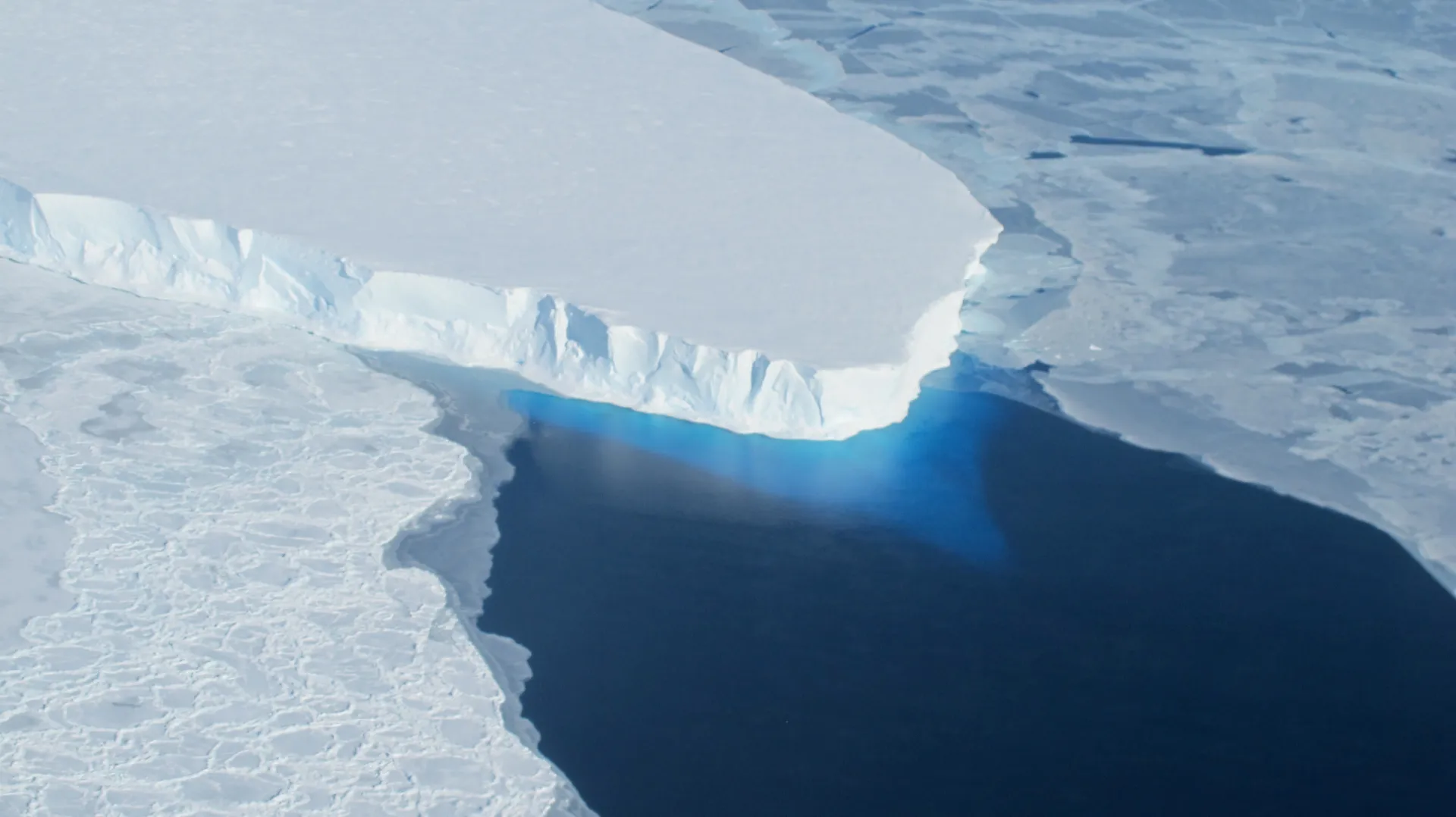
“The high-resolution records that we’re getting and the high-resolution models we’re able to make now are sort of moving the questions a little bit closer into human, understandable time frames.”

Tiny one-celled organisms called radiolaria are ubiquitous in the oceans, but various species prefer distinct habitats. Thus it aroused considerable intrigue in 2012 when protozoa specialist O. Roger Anderson and colleagues published a study showing that radiolaria normally found near the equator were suddenly floating around in arctic waters above Norway. Was this a sign that global climate change was bringing an invasion of warm-weather plankton?
Three scientific reports echo the message that climate change and its impacts are here and now, with more to come. So how to change the conversation to reach beyond the already informed and connect to a much larger population?
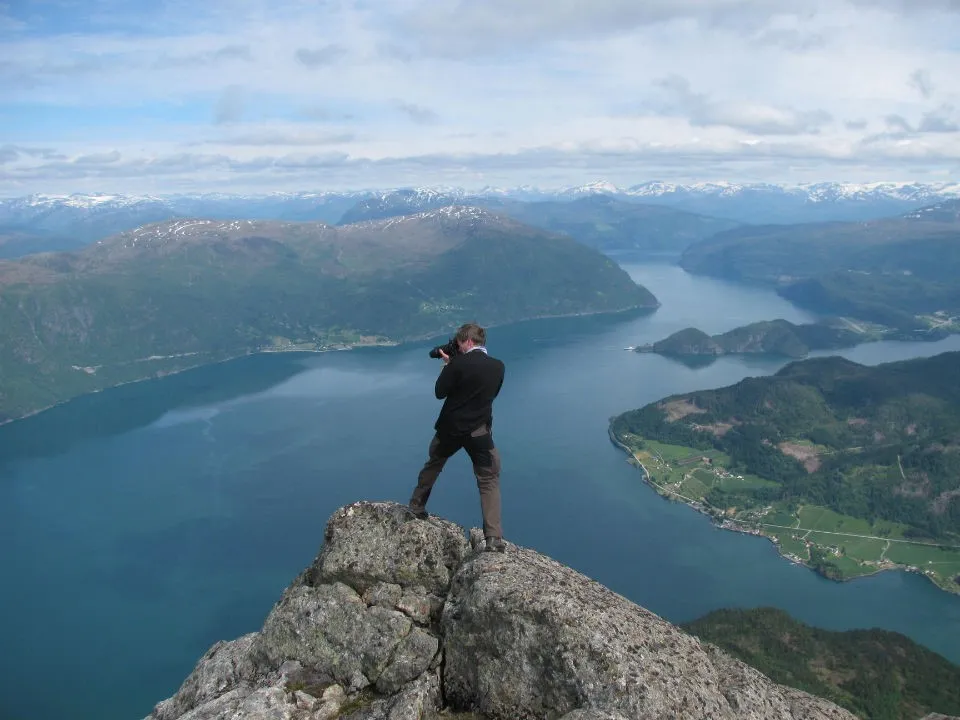
Geologist John Templeton recently spent a year on Norway’s west coast trying to understand how rocks now at the surface made an epic journey deep into Earth’s interior and back during the growth and subsequent collapse of the ancient Caledonian mountains. Check out a photo essay describing his work.
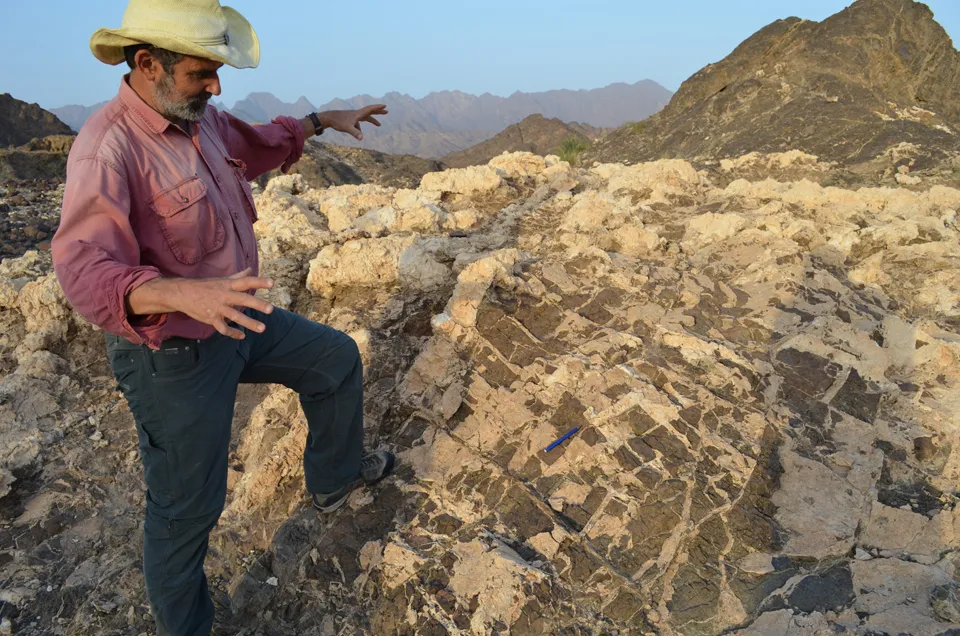
Peter Kelemen, a geologist at Lamont-Doherty Earth Observatory who studies rocks from the deep earth and, recently, their possible uses in battling climate change, has been elected to the National Academy of Sciences.