
Lamont in the Media
Earth & Climate Science News
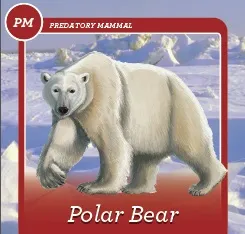
EcoChains: Arctic Crisis is a card game for ages 10 and up that challenges players to strategically manage the Arctic marine ecosystem as climate changes, while they learn about the potential impacts of future changes.
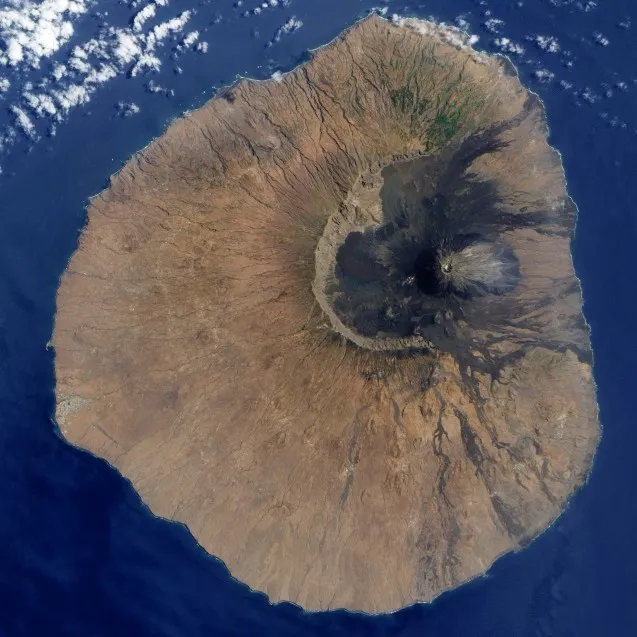
Researchers at Lamont-Doherty Earth Observatory have published a new study showing that a tsunami of unimaginable size swept over the Cape Verde Islands some 73,000 years ago. The discovery may have implications for the potential for modern hazards. READ THE FULL SCIENTIFIC STORY
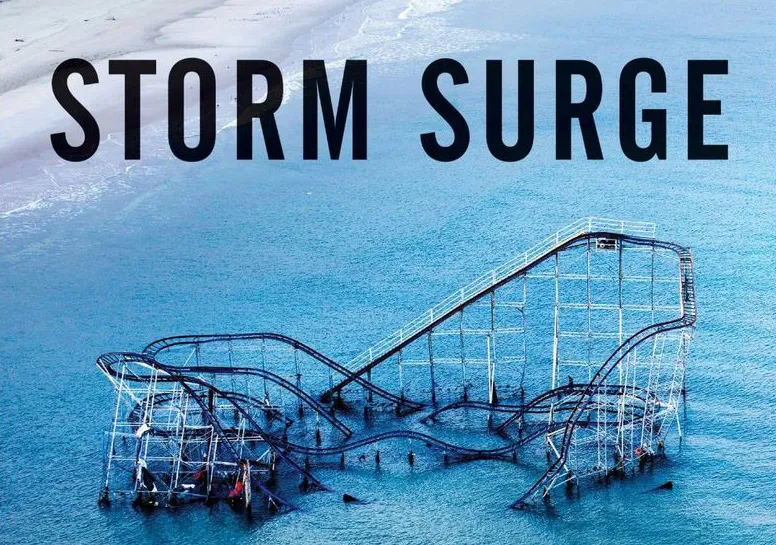
“A lot of the challenge is understanding what we as a species should do, because the disasters are getting more prevalent. In the last hundred years, both in human and financial costs, damages are skyrocketing. Most of that is just more people living in dangerous places, but climate change will be more of a factor as time goes on.”
Most of Earth's rainfall occurs in a tropical zonal band that circles the Earth. Understanding how this band will responds to climate change requires us to combine time scales from hours to millennia.
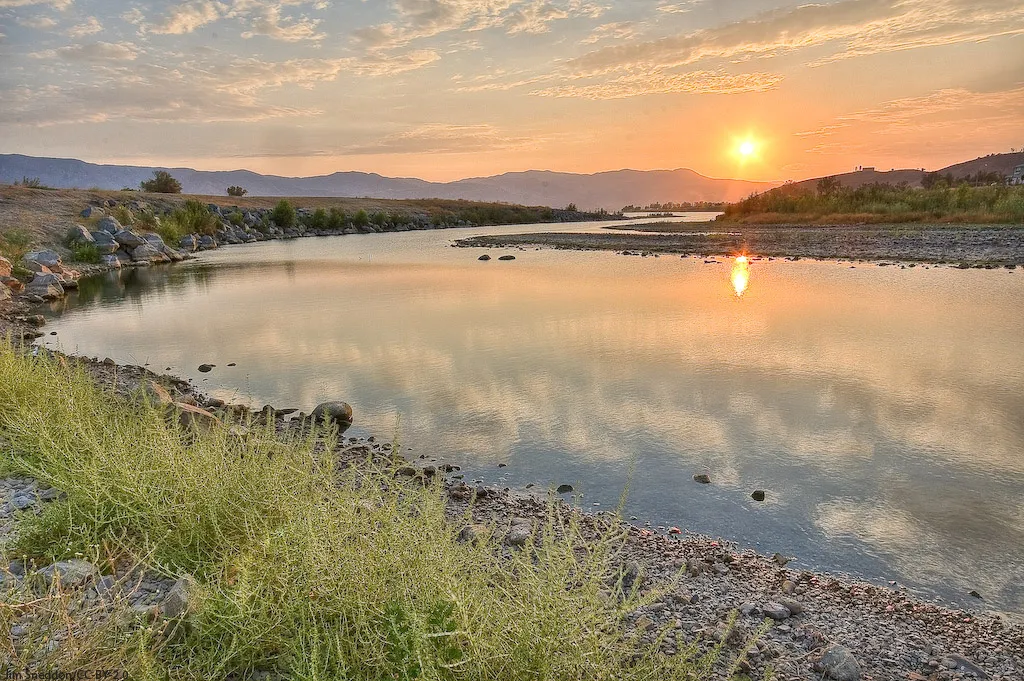
Ancient pollen spores that were in the air when mammoths roamed Southern California are providing new insights into historic droughts in the region, including how a series of mega droughts 25,500 to 27,500 years ago changed the ecological landscape.

The Arctic is magical, that we know, but when one ship multiplies to hundreds of small boats we really see the effect that Arctic magic can bring.
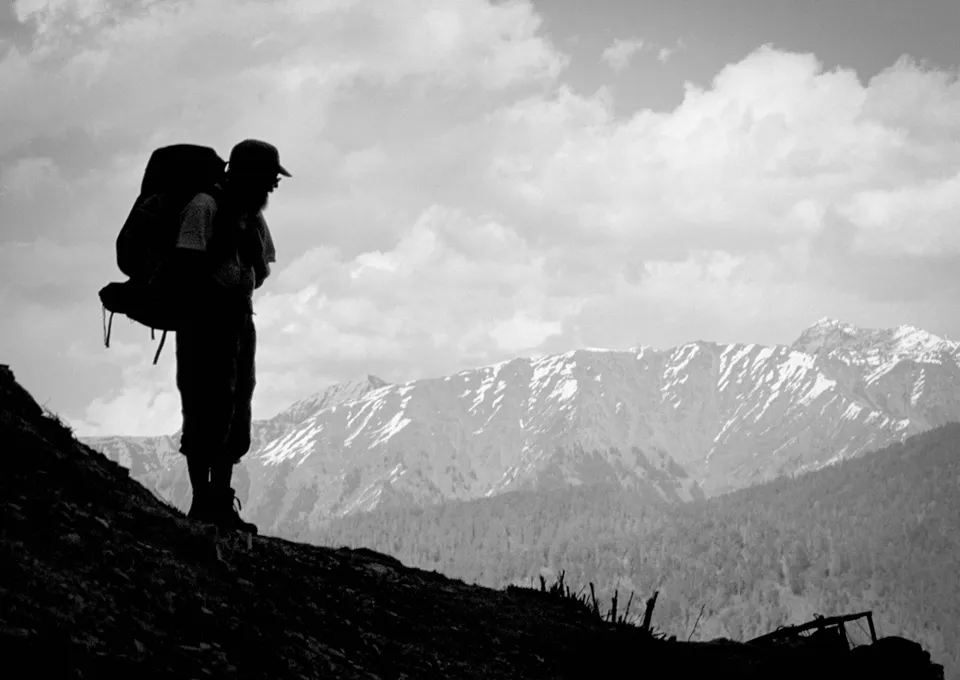
In its first 40 years, the Lamont Tree Ring Lab tracked changing climates around the world, building an international reputation as a global leader in research, training and technology.
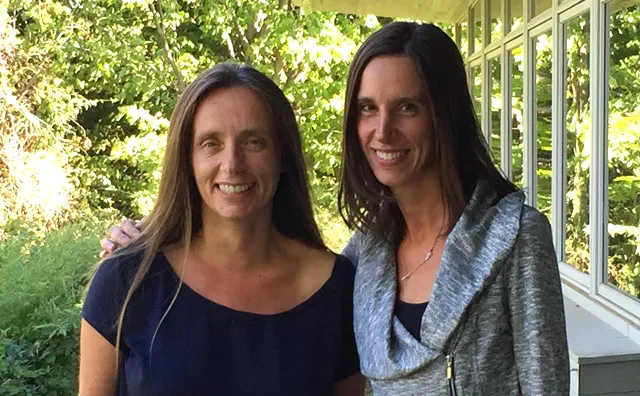
What are the qualities that make someone an outstanding mentor? We asked two award-winning mentors and the students whose lives they have changed. This is what they said.
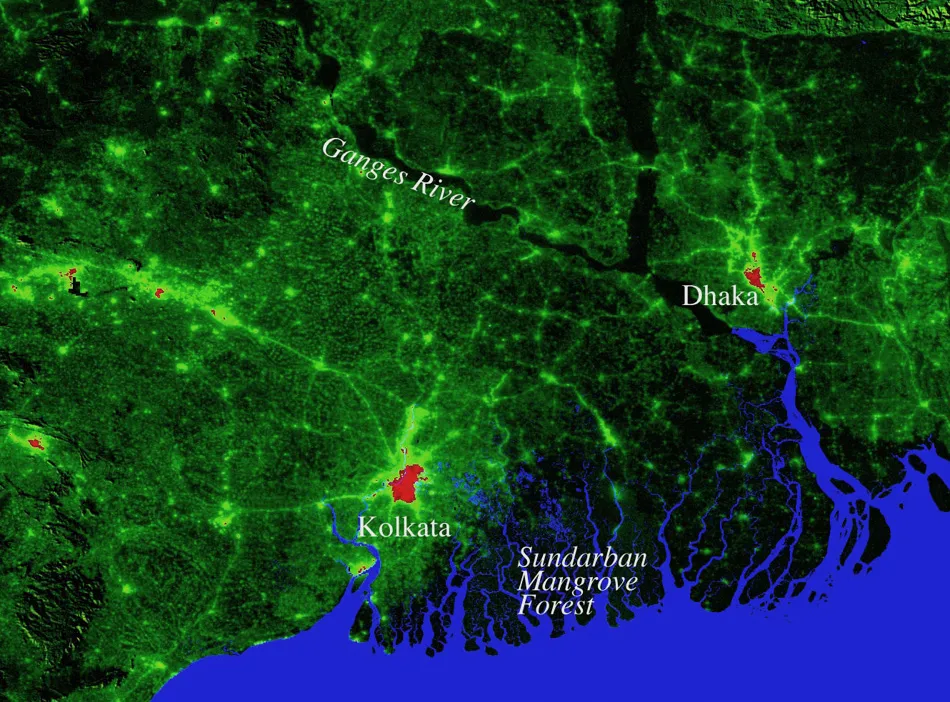
Even the simplest research questions can lead to far-reaching public benefits. Consider Chris Small and Joel Cohen’s study of global population by altitude, being honored this week at the Library of Congress.
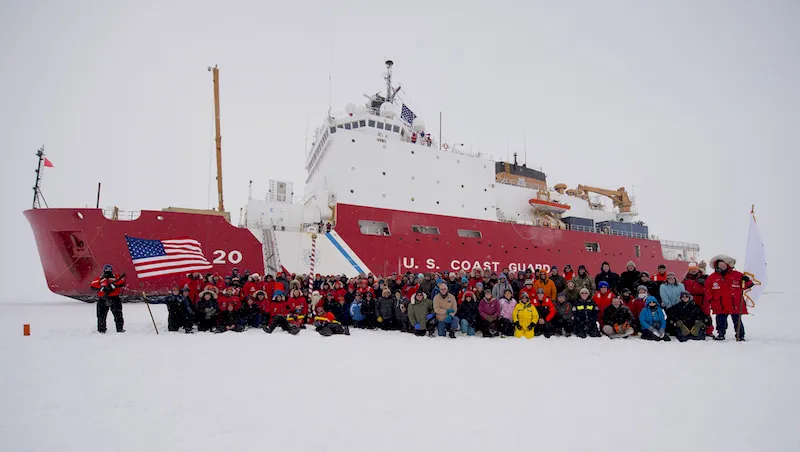
We are closing in on a week of intense focus and excitement for GEOTRACES and for the United States around the Arctic. President Obama became the first sitting president to visit Alaska, the US Coast Guard Cutter Healy with US GEOTRACES scientists completed the first unaccompanied US surface vessel transit to the North Pole, and the first group ever to collect trace metals at the North Pole! You might assume these three items are unrelated, but they are in fact tightly linked.
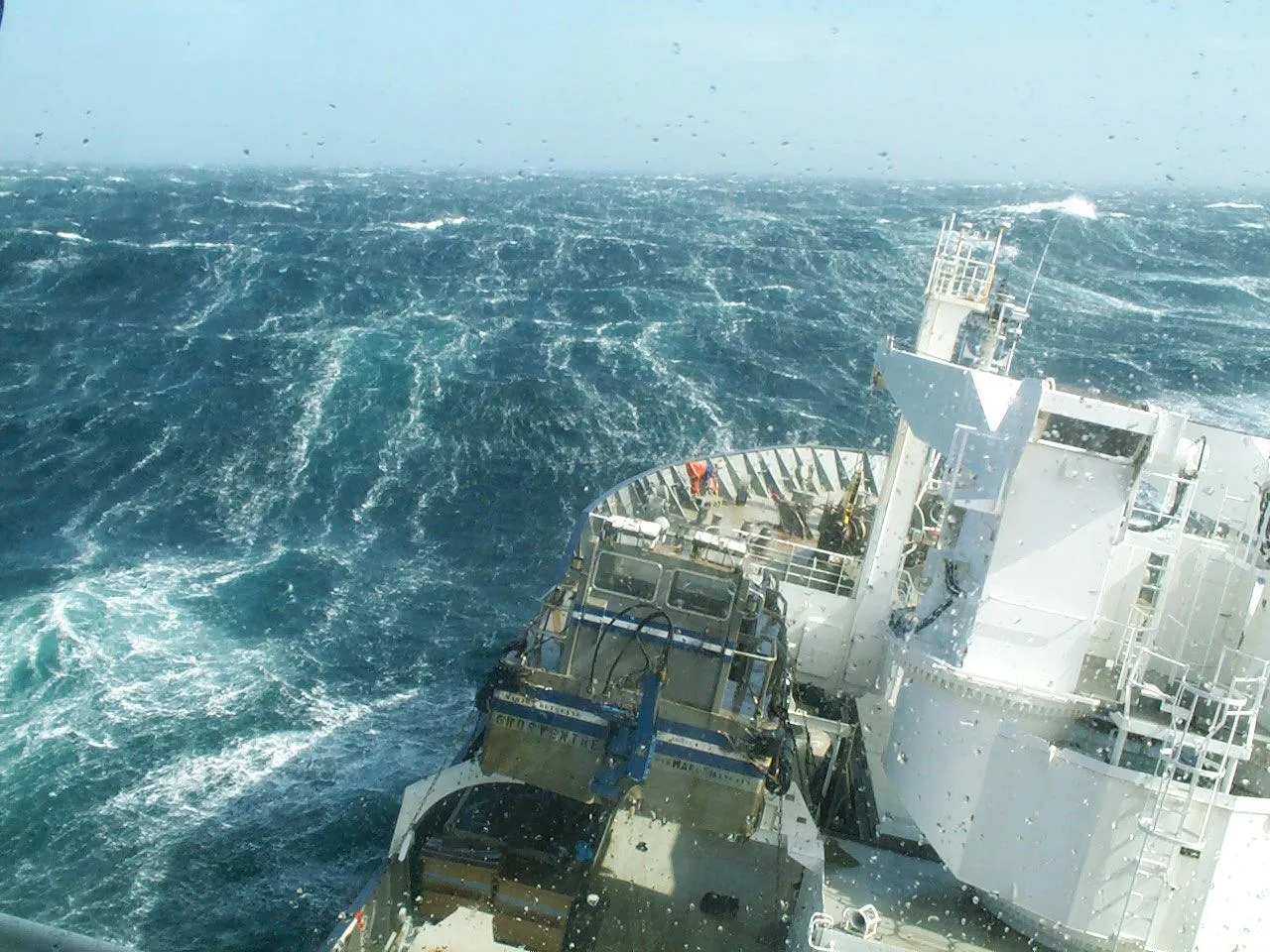
“In the last 10 years, we were afraid that the Southern Ocean was going to quit giving us a break from climate change. This study shows that it’s recovered its ability to take up carbon dioxide, and that’s good news.”
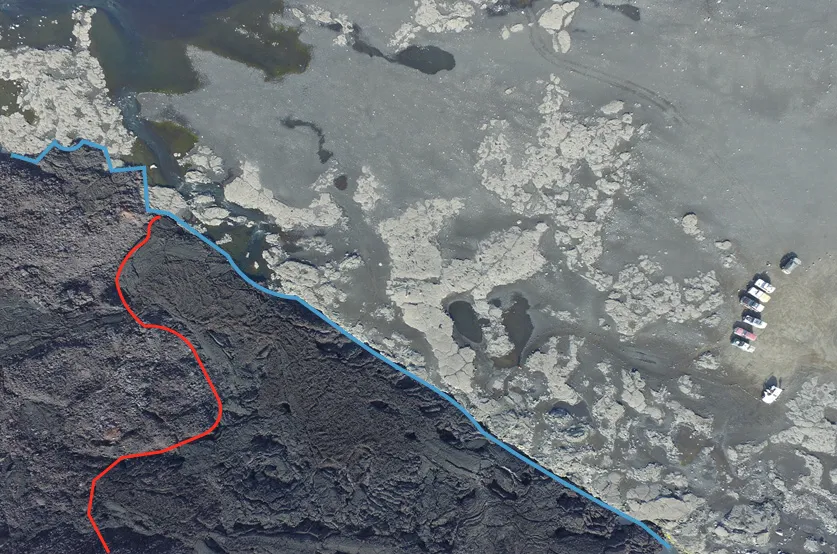
Lamont’s Einat Lev and Elise Rumpf write about their expedition to the lava fields of Iceland, where the two volcanologists and a drone named Buzz studied how lava flows and what happens to rivers, rocks and old lava in its path.