
Lamont in the Media
Earth & Climate Science News
For the sampling GEOTRACES is doing in the Arctic there is a specific goal of collecting just the top few dozen centimeters of sediment and the water just above it. Although the plan was good, things don’t always go perfectly.
“Future extremes are going to occur more and more frequently. In planning, we don’t need to plan for the 2 degree warming that we are aiming for as a globe, we need to plan for the 10 degree increase in a day, or the year when there’s no water. We need to plan for worst-case scenarios.”
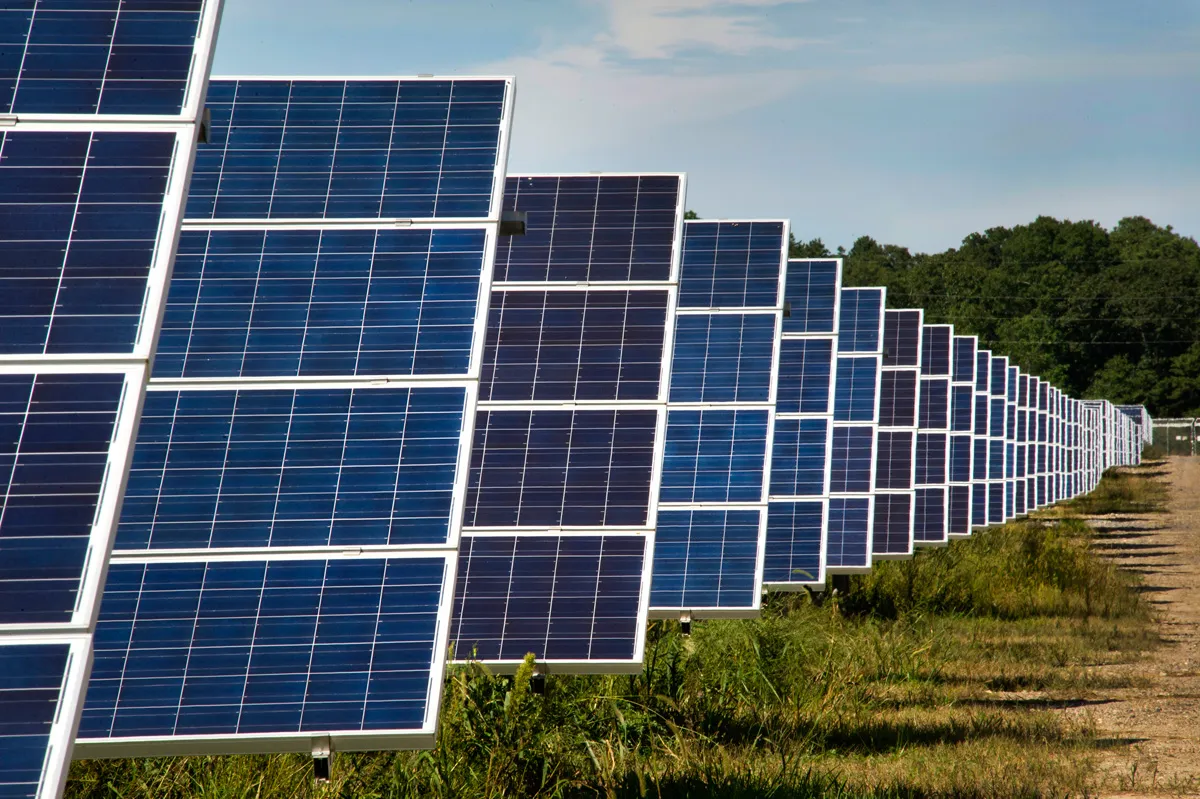
Two solar farms will soon power 75 percent of Lamont-Doherty Earth Observatory, whose high-tech labs are home to some of the world’s leading Earth scientists. The new power sources are expected to cut the campus’s carbon dioxide emissions by half.
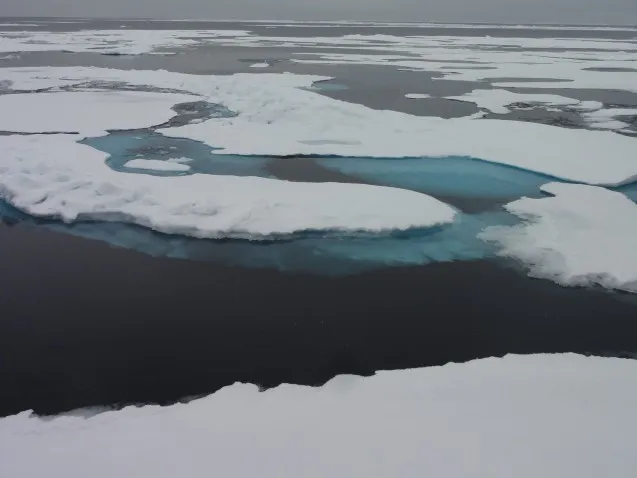
Sounds like the basis for a great scifi thriller…”scientists scour Arctic, hunting for traces of nuclear fallout and ejections from cosmic ray impacts”. In reality this thriller theme is the actual core of the GEOTRACES mission.
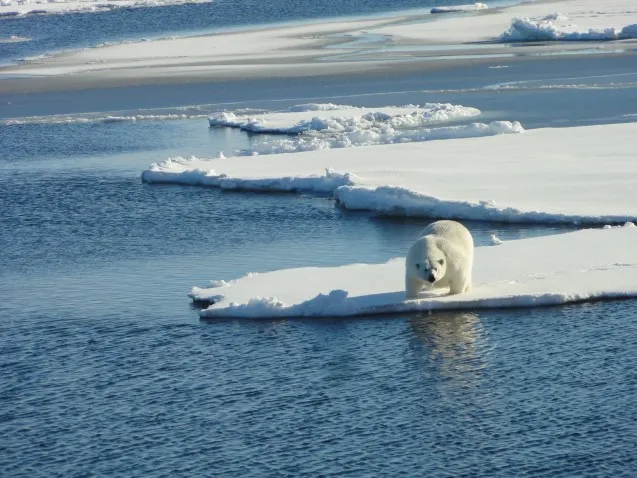
When we venture into the Arctic for research for most of us there is the lingering hope that a polar bear will appear on our watch; at least as long as we are safely outside of its reach.
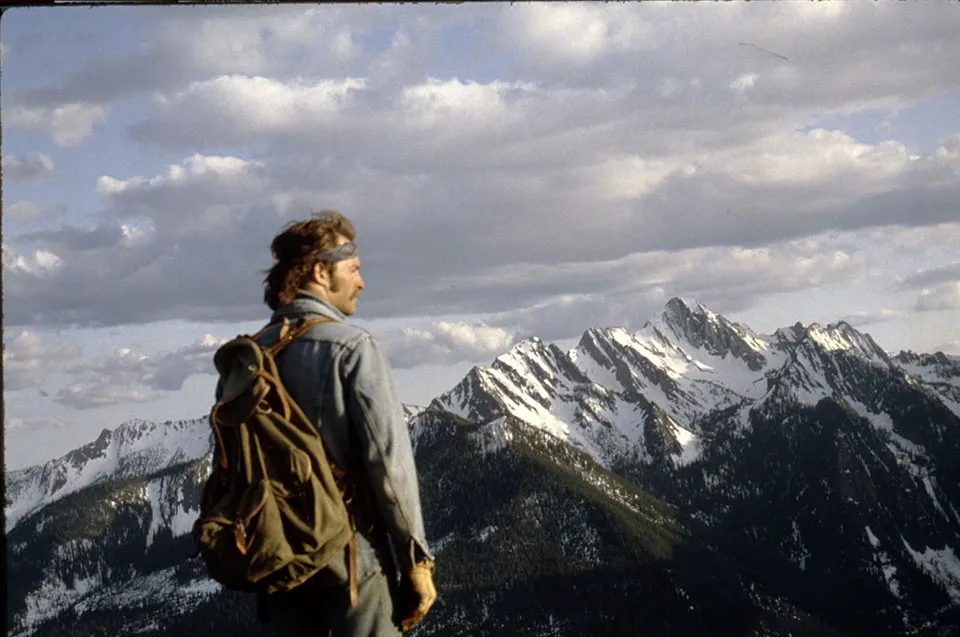
People have been finding loose diamonds across the United States and Canada since the early 1800s, but for the most part, no one knows where they came from. It was not until the 1990s that geologists tracked down the first commercial deposits, on the remote tundra of Canada’s Northwest Territories. Yaakov Weiss, a geochemist at Columbia University’s Lamont-Doherty Earth Observatory, is investigating the origins of these rich diamond mines.
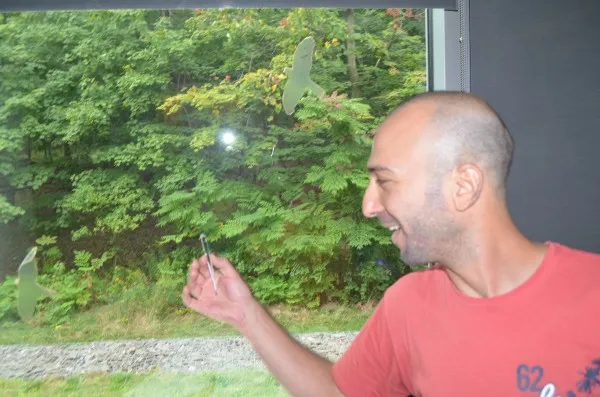
“After a diamond captures something, from that moment until millions of years later in my lab, that material stays the same. We can look at diamonds as time capsules, as messengers from a place we have no other way of seeing.”
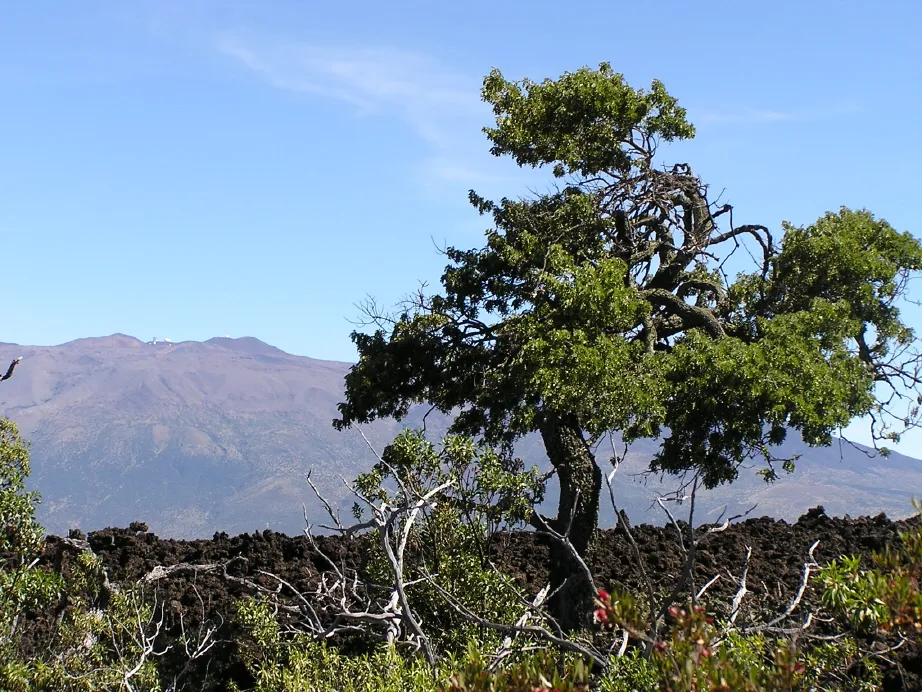
Annual tree rings are a rare find in the tropical islands of the eastern Pacific. The new discovery of trees with annual rings on a Hawaiian volcano could provide new climate data from a part of the world where much of the variability of the El Niño-Southern Oscillation originates.
Understanding how coastal areas changed as the ocean rose in the past could help communities protect themselves from storm surge flooding in the future as the oceans warm and sea levels rise.
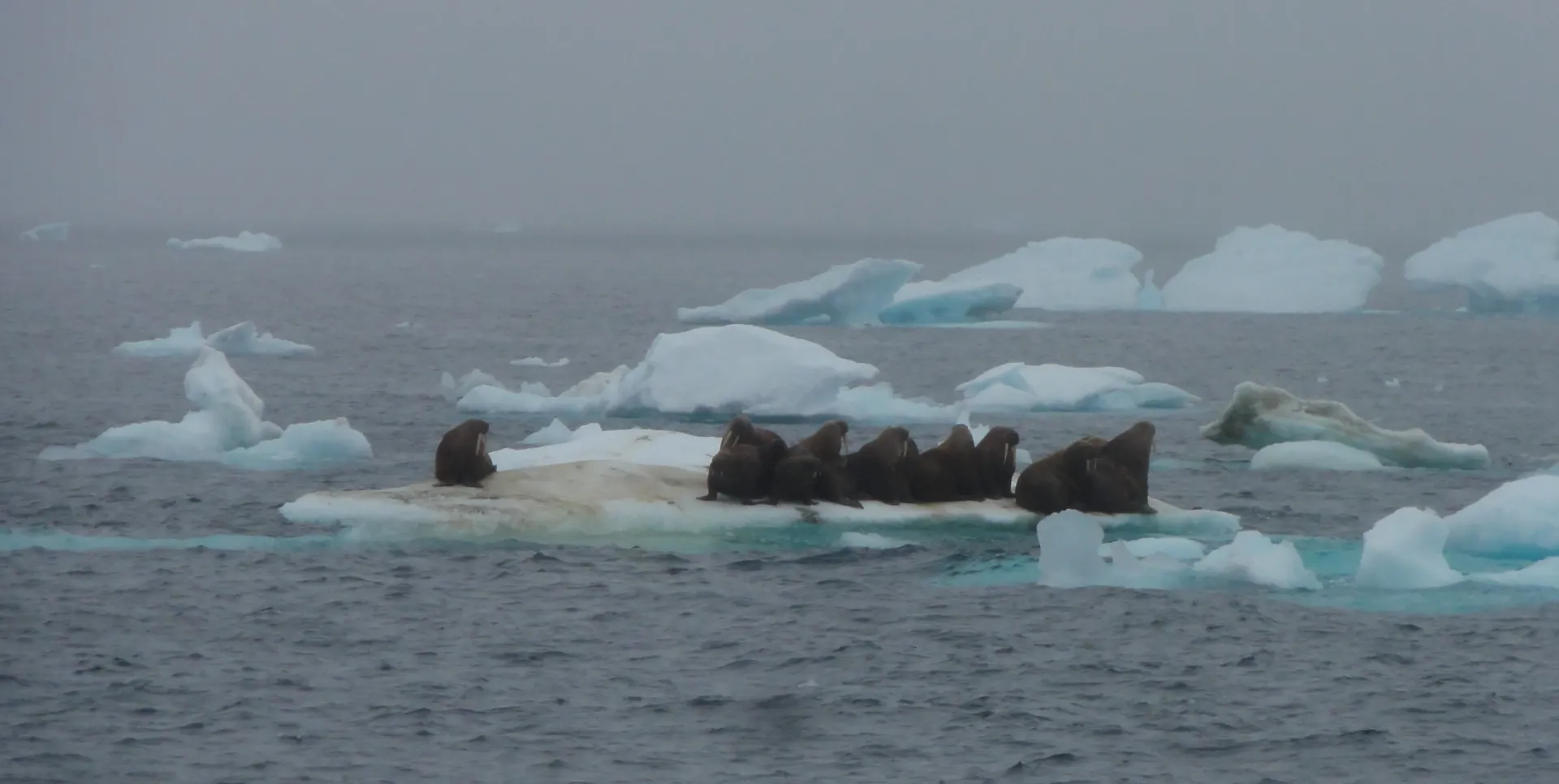
The land surrounding the Arctic Ocean is like a set of cradling arms, holding the ocean and the sea ice in a circular grasp. Within that cradle is a unique mix of waters, including freshwater from melting glacial ice and large rivers, and a salty mix of relatively warm Atlantic water and the cooler Pacific water.
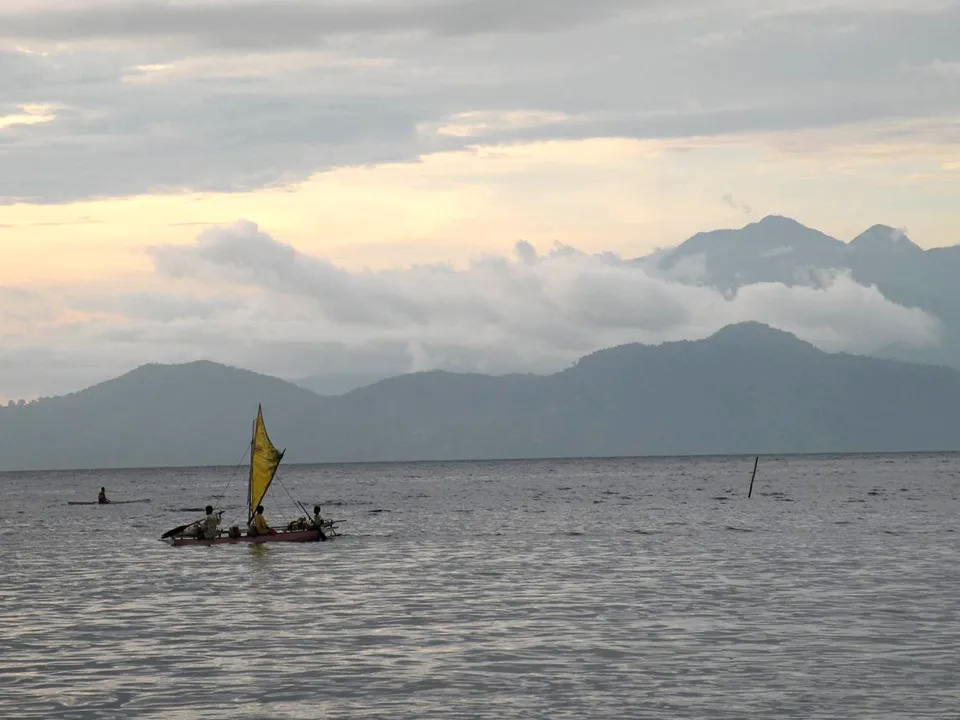
In the islands off Papua New Guinea, the rocks are giving rise to new ideas about the ways mountain chains form. A new scientific model shows how two seemingly opposite processes can take place in the same region.
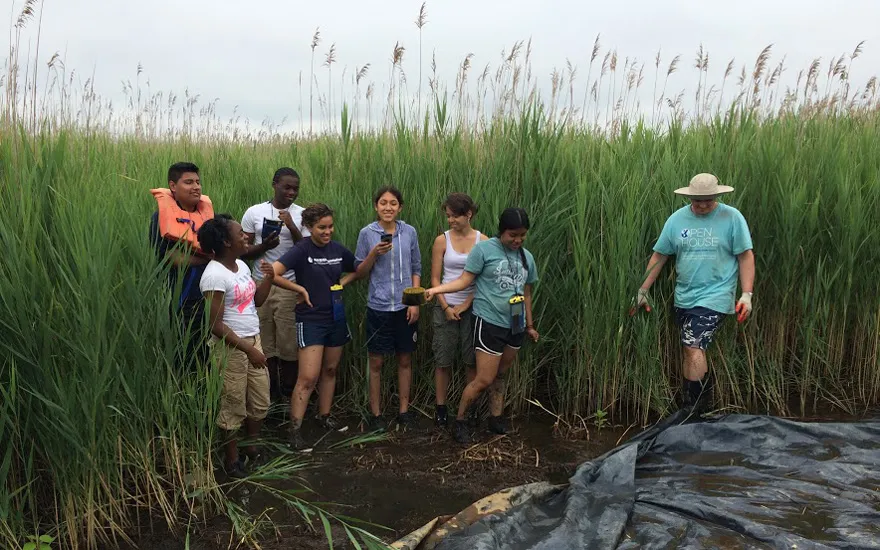
“My experience at Lamont has been great and it’s something like no other. Here I was basically being trained to be like a scientist with exposure to lab work, fieldwork and presentation skills.”