
Lamont in the Media
Earth & Climate Science News

Dennis E. Hayes, a marine geophysicist who advanced mapping of the world’s ocean floors, died at his home in New York City on Aug. 6. He was 76.
In his new book “The Disaster Profiteers,” Earth Institute professor John Mutter argues that natural disasters are bad for the poor–and can be great for the rich, who often seize resources meant for recovery, when no one is looking.
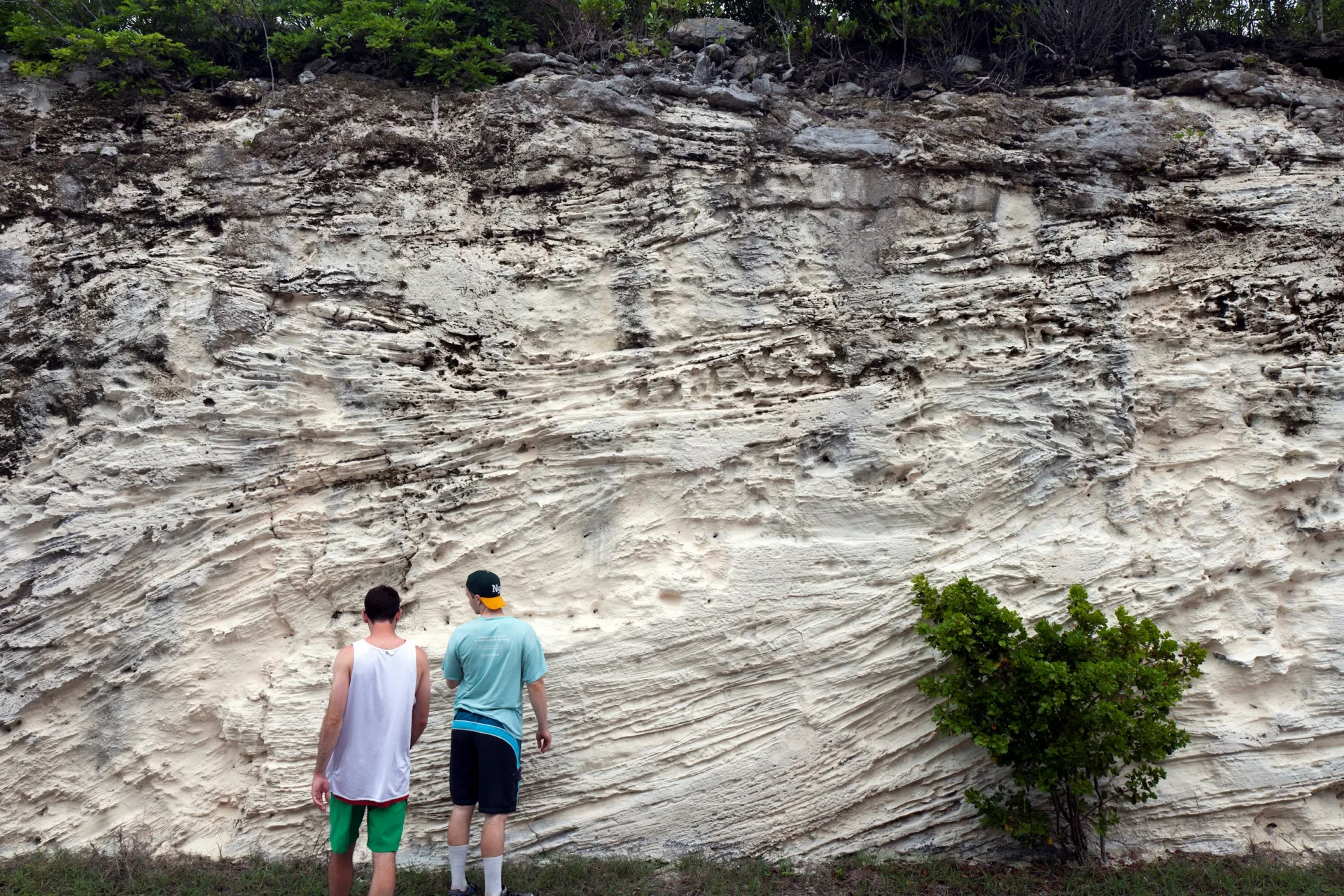
While we spent much of our time examining corals and swamps, studying sea level and storms, we became fascinated by a simple question: How did the hills of Exuma form?
People living in areas of Pennsylvania where hydraulic fracturing is booming are suffering increasing rates of hospitalization, a new study says. The study is one of a small but growing number suggesting that the practice could be affecting human health.
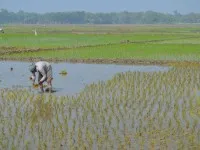
As many as one in five deaths in Bangladesh may be tied to naturally occurring arsenic in the drinking water; it is the epicenter of a worldwide problem that is affecting tens of millions of people. For two decades, health specialists and earth scientists from Columbia University have been trying to understand the problem, and how to solve it.
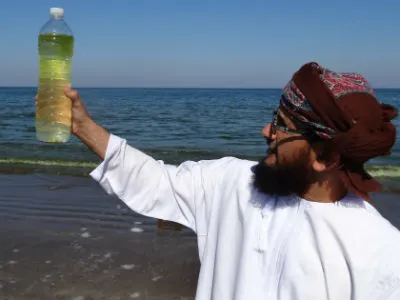
Computer scientists at Columbia University will work with oceanographers to understand what has caused an unusual plankton-like species to rapidly invade the Arabian Sea food chain, threatening fisheries that sustain more than 100 million people.

Stephen Sparks, one of the world’s foremost experts on volcanoes, received the Vetlesen Prize for his groundbreaking scientific work at a ceremony held June 24 at Columbia University. Two-hundred-fifty people attended the formal gathering in the Low Library Rotunda.
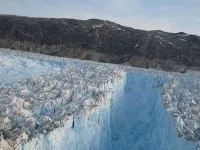
Glacial earthquakes are produced as massive ice chunks fall off the fronts of advancing glaciers into the ocean. A new study of the quakes' mechanics may give scientists a way to measure ice loss remotely and refine predictions of sea-level rise.
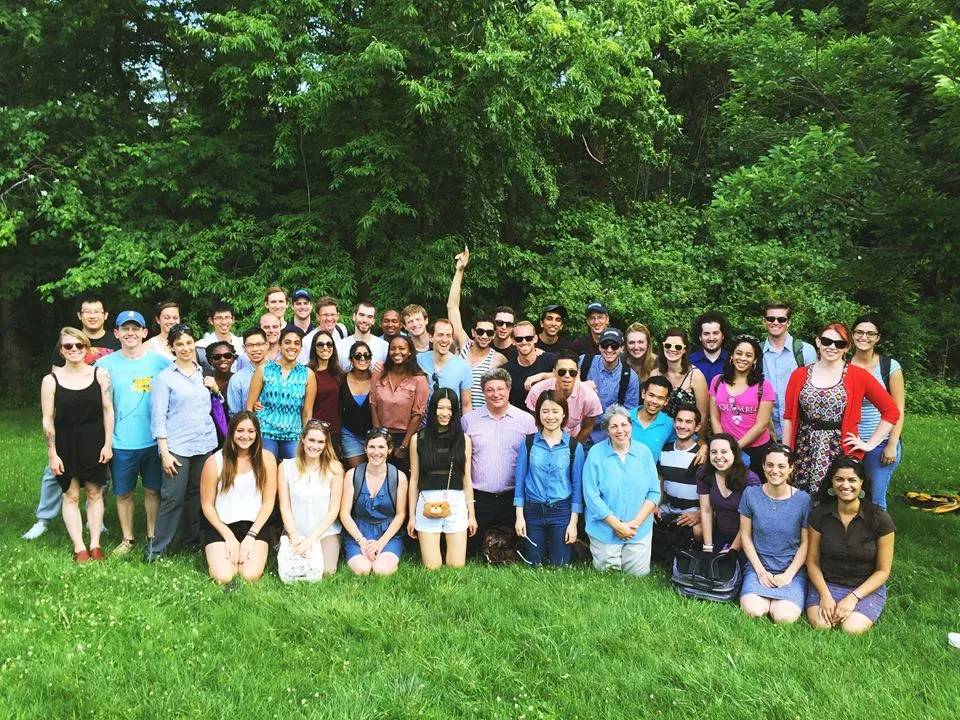
On Monday, June 22, the newest Master of Public Administration in Environmental Science & Policy (MPA-ESP) candidates spent a beautiful, sunny day touring Columbia’s Lamont-Doherty Earth Observatory, just a short bus ride away in Palisades, NY. Led by Environmental Chemistry professor Benjamin Bostick and Climatology professor Jason Smerdon, the students were exposed to many different areas of groundbreaking research that the world-class facility has to offer.
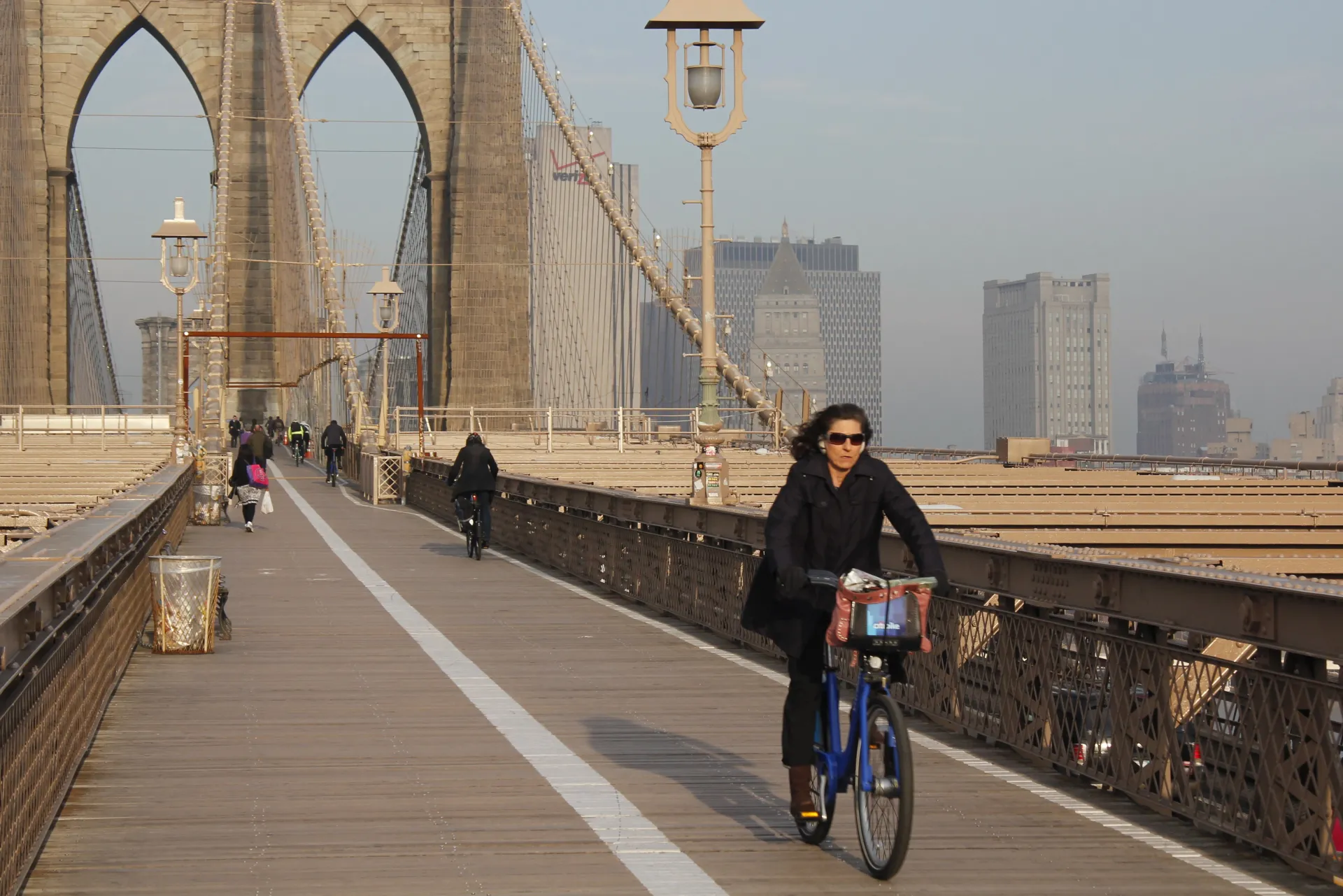
As more and more people take to biking in the city, a new study will look at how much pollution bikers are exposed to, and what effects it might be having on their health.
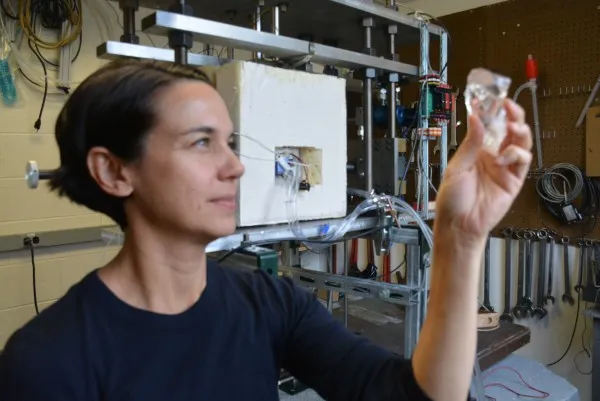
Two women investigating climate change from different perspectives—Christine McCarthy, a geophysicist at Lamont-Doherty Earth Observatory, and Denise Iris, a multimedia artist from Brooklyn—had a chance to spend several days together recently. In the Rock Mechanics Lab at Lamont, where McCarthy works, and a nearby “cold room” chilled to the climate of an industrial freezer, they exchanged notes on two ways of looking at ice.
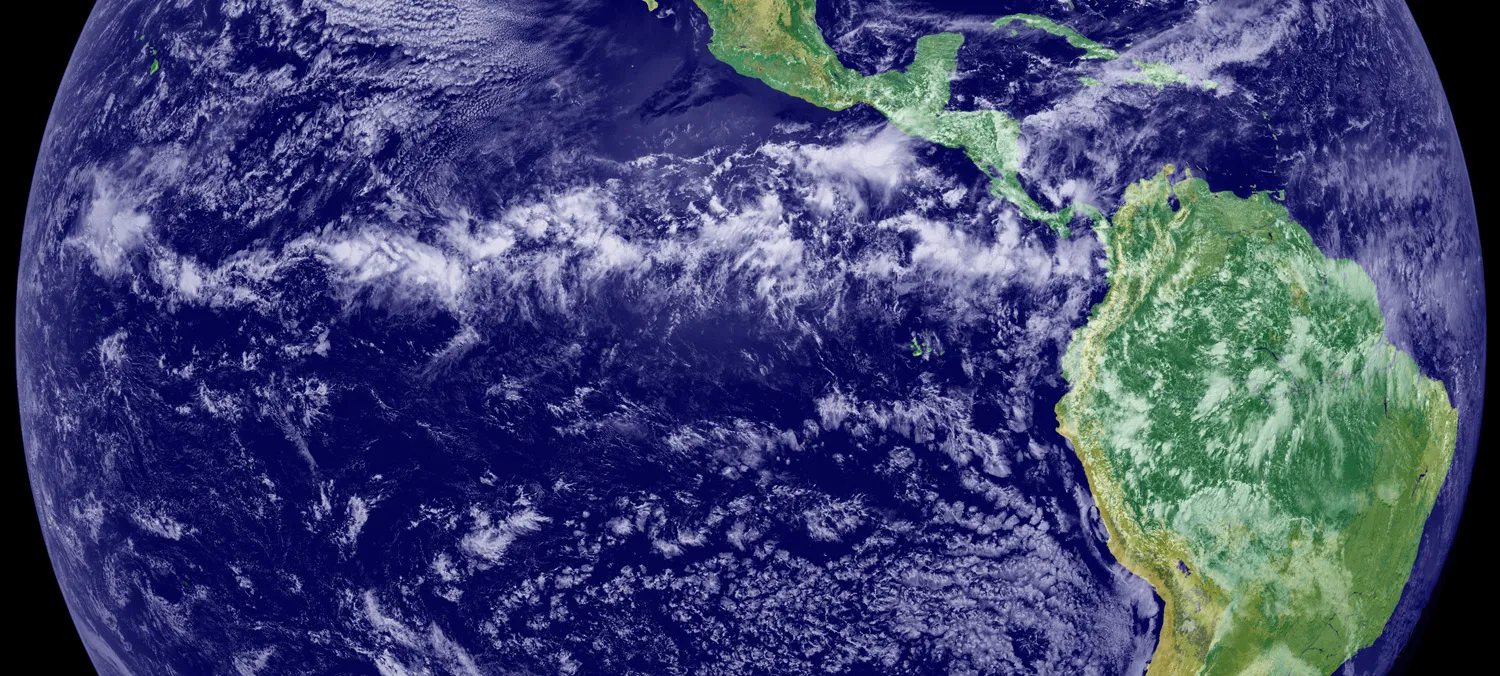
In a study published last week, Lamont post-doctoral scholar Heather Ford and coauthors used 4 million-year-old fossils from the Pliocene to reconstruct the physical features of the Pacific Ocean that would have shaped the environment during a critical juncture in Earth history.