
Lamont in the Media
Earth & Climate Science News
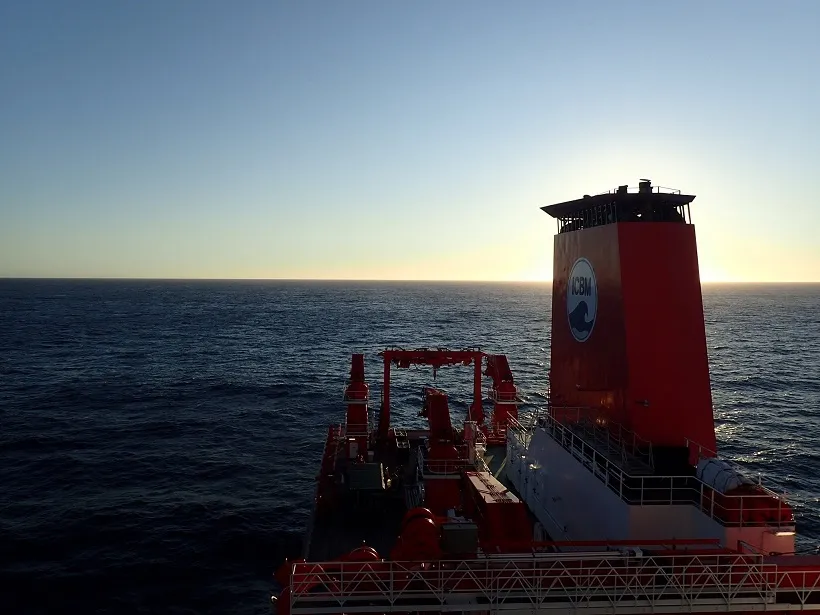
My German colleague and I could conceptualize five kilometers horizontally—the same as her bike ride to work, the same as the first ever race I ran. Neither of us could quite grasp what flipping 5 kilometers 90 degrees might mean, as our pump continued on its 3-hour vertical journey to that depth.

Last Thursday, thousands of people on the Eastern Seaboard felt the earth tremble. Seismologists at Columbia University’s Lamont-Doherty Earth Observatory quickly concluded it was not an earthquake, but a military exercise.
Sidney Hemming and the scientists aboard the JOIDES Resolution conduct the final preparations for their research cruise off southern Africa and introduce a girls' school group from Mauritius to science at sea.
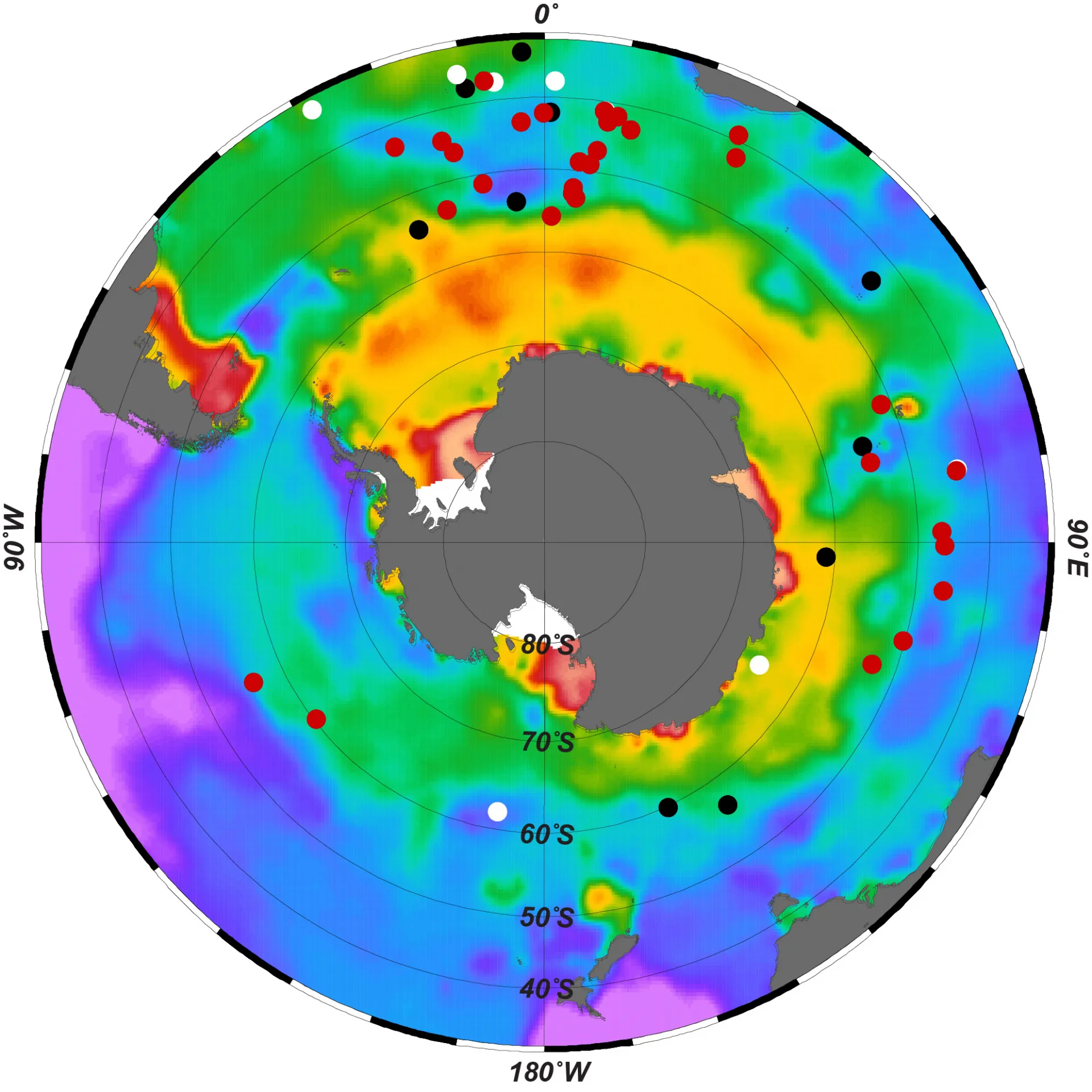
Twenty thousand years ago, low concentrations of carbon dioxide in the atmosphere allowed the earth to fall into the grip of an ice age. But despite decades of research, the reasons why levels of the greenhouse gas were so low then have been difficult to piece together. New research, published today in the leading journal Nature, shows that a big part of the answer lies at the bottom of the world.
Using one of the most advanced atmospheric computer models available, scientists compared our expected future with a scenario in which ozone-depleting substances had never been regulated.
A new international consortium of scientists is bringing the history of temperature fluctuations across the entire Northern Hemisphere to life.
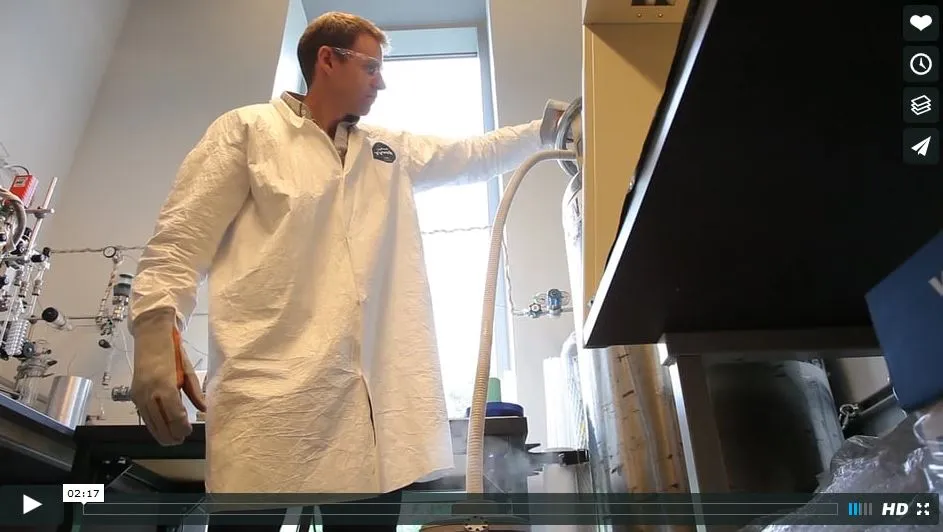
Nicolás Young studies glaciers and ice sheets, and how they’ve changed in the past. His work earned him the Blavatnik Award for Young Scientists last fall, which came with a $30,000 prize. You can hear him talk about his research in this new video, produced by the Blavatnik Family Foundation.
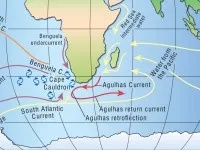
Sidney Hemming is preparing to spend two months at sea studying global ocean circulation and southern Africa's climate variability over the past 5 million years.
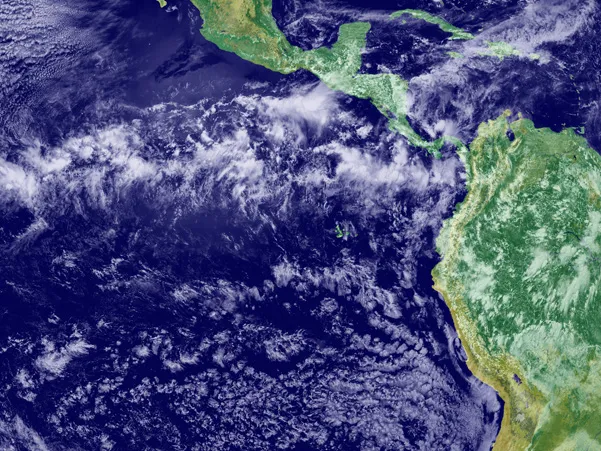
That change would have affected the monsoons, today relied on to feed over half the world’s population, and could have helped tip the climate system over the threshold for deglaciation.
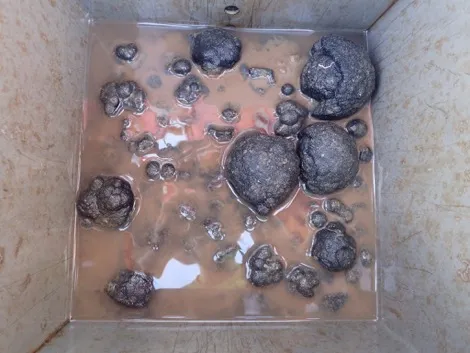
Being aboard a ship is isolating—but for a scientist, it’s not lonely.
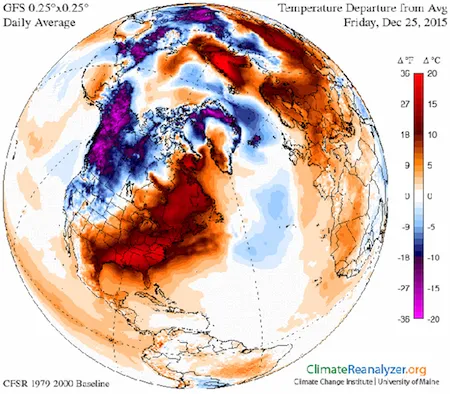
Much of the eastern two-thirds of the United States was balmy on Christmas Day, with high temperatures more than 20°F above average from Texas to Maine. According to NOAA, 789 daily high temperature records were tied or broken on Christmas Eve and Christmas Day in the continental United States. What’s behind this unusual weather?
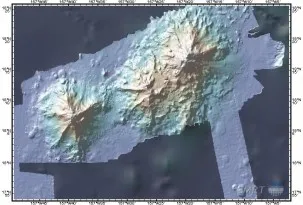
The bottom of the ocean just keeps getting better. Or at least more interesting to look at.