
Lamont in the Media

Earth & Climate Science News
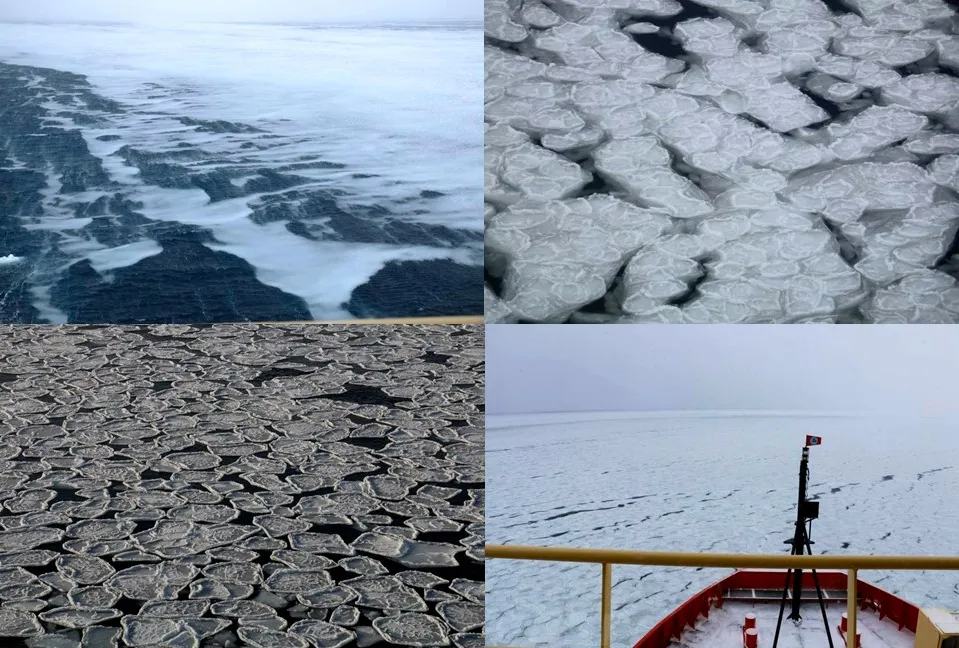
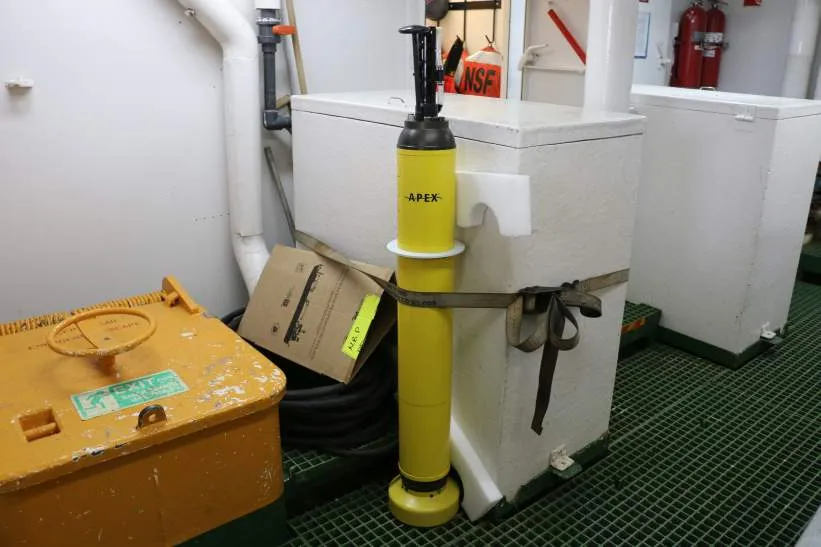
We are less than a day away from our first study area on the continental shelf in front of the Dibble Glacier. As we approach Antarctica we are starting our science program with a 4500 meter deep CTD and multibeam acquisition.
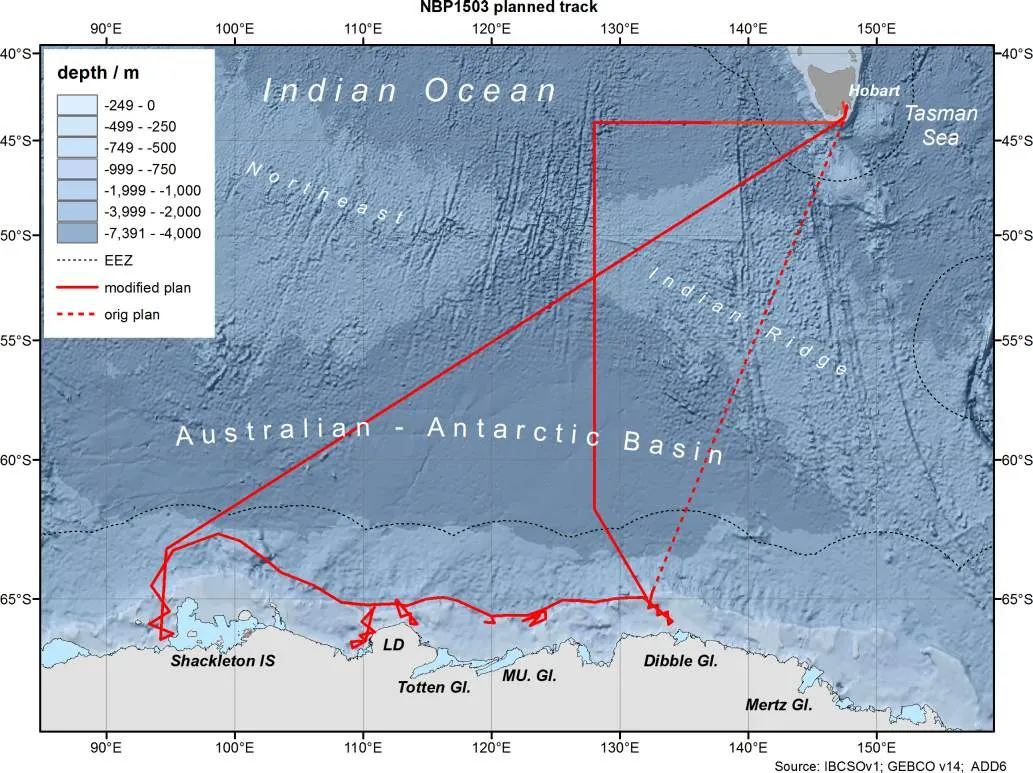
We are now aboard the R/V Palmer and on our way to East Antarctica. Due to two storms in our direct way we are heading west first to go around the storms and we’ll then head south on their backside.
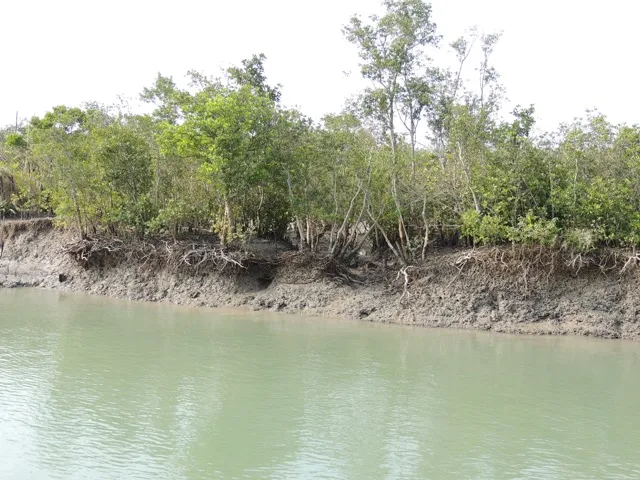
We arrived in Kolkata, and filmed by the Hooghly River. While it is no longer the main channel of the Ganges, it is still the Holy Ganges and we saw a funeral procession spreading ashes of a loved one while filming there. Then a 5 hour trip by car, ferry, rickshaw and boat to the Indian Sundarbans. The mangrove forest here is undergoing more erosion and land loss than in Bangladesh, where more river sediments can replenish it. The water here is more saline and the trees are small. A tiger was spotted by another boat, but was gone when we got there.
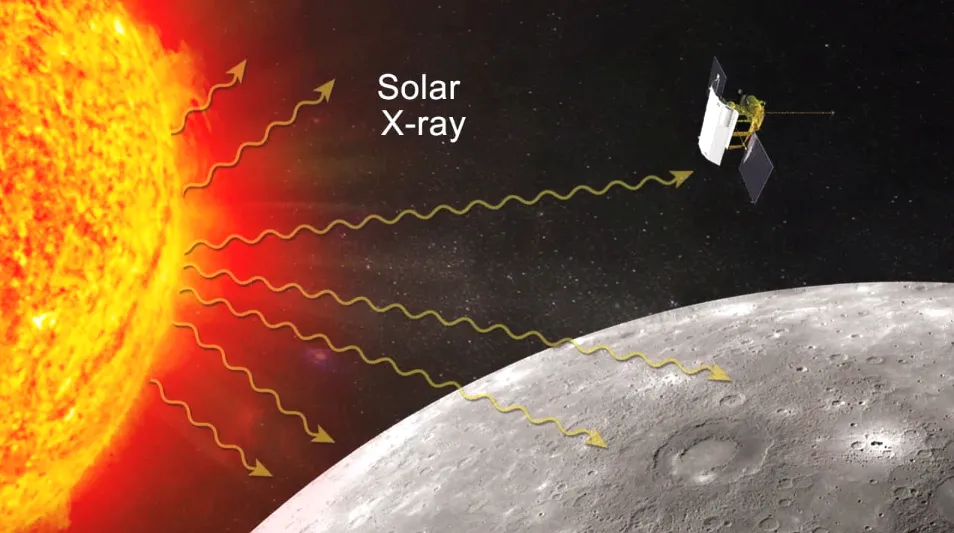
NASA's MESSENGER spacecraft has been orbiting Mercury for the last four years, giving scientists an unprecedented look at our solar system's innermost planet. But now the craft's fuel supply is exhausted; inexorably drawn in by Mercury's gravity, it is scheduled to crash in April. Sean Solomon, director of Columbia University's Lamont-Doherty Earth Observatory, has been leading the mission, and in this video, he talks about its implications.
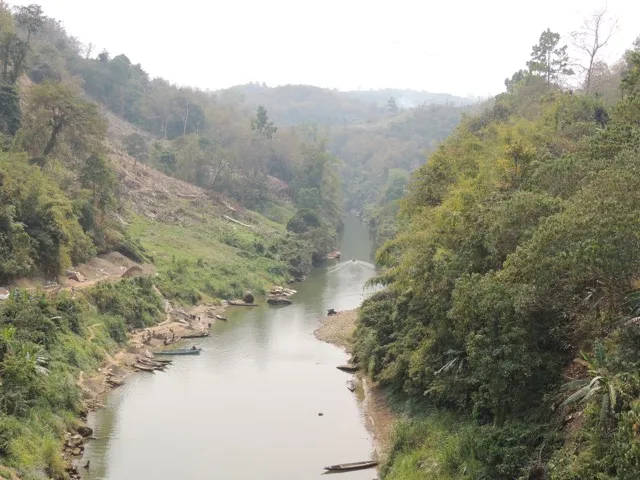
In the small town of Kolasib, we stayed in Hotel Cloud 9. I had been told since I was a child that I was always off on Cloud 9 and now I was actually here. However, the electricity wasn’t for the first few hours, so showers were cold, but the dinner was hot.
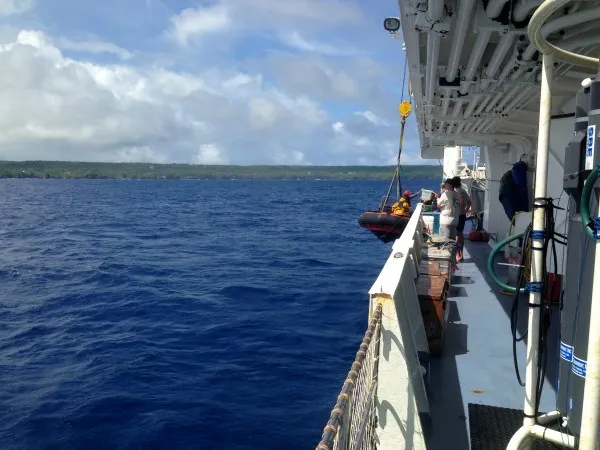
I grew up outside of Chicago and I wasn’t a Boy Scout, so sometimes I feel like I missed out on learning the type of practical—albeit rarely used—skills that would have garnered merit badges. Now that I’m nearing the conclusion of my fourth research expedition at sea, I think I have amassed a few badge-worthy tricks.
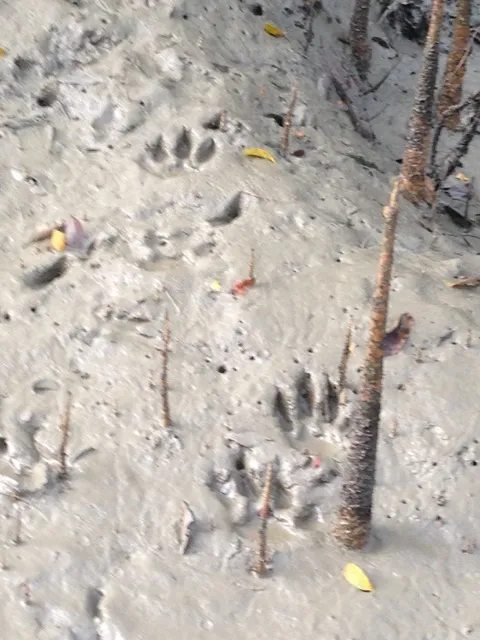
We finished our time in the Sundarbans with a silent boat ride in a tidal creek. The highlight was sets of fresh tiger footprints. We then had a long sail back to Dhaka with only one stop at a village. We then had a whirlwind tour of Old Dhaka with enough shopping to send the students back happy.
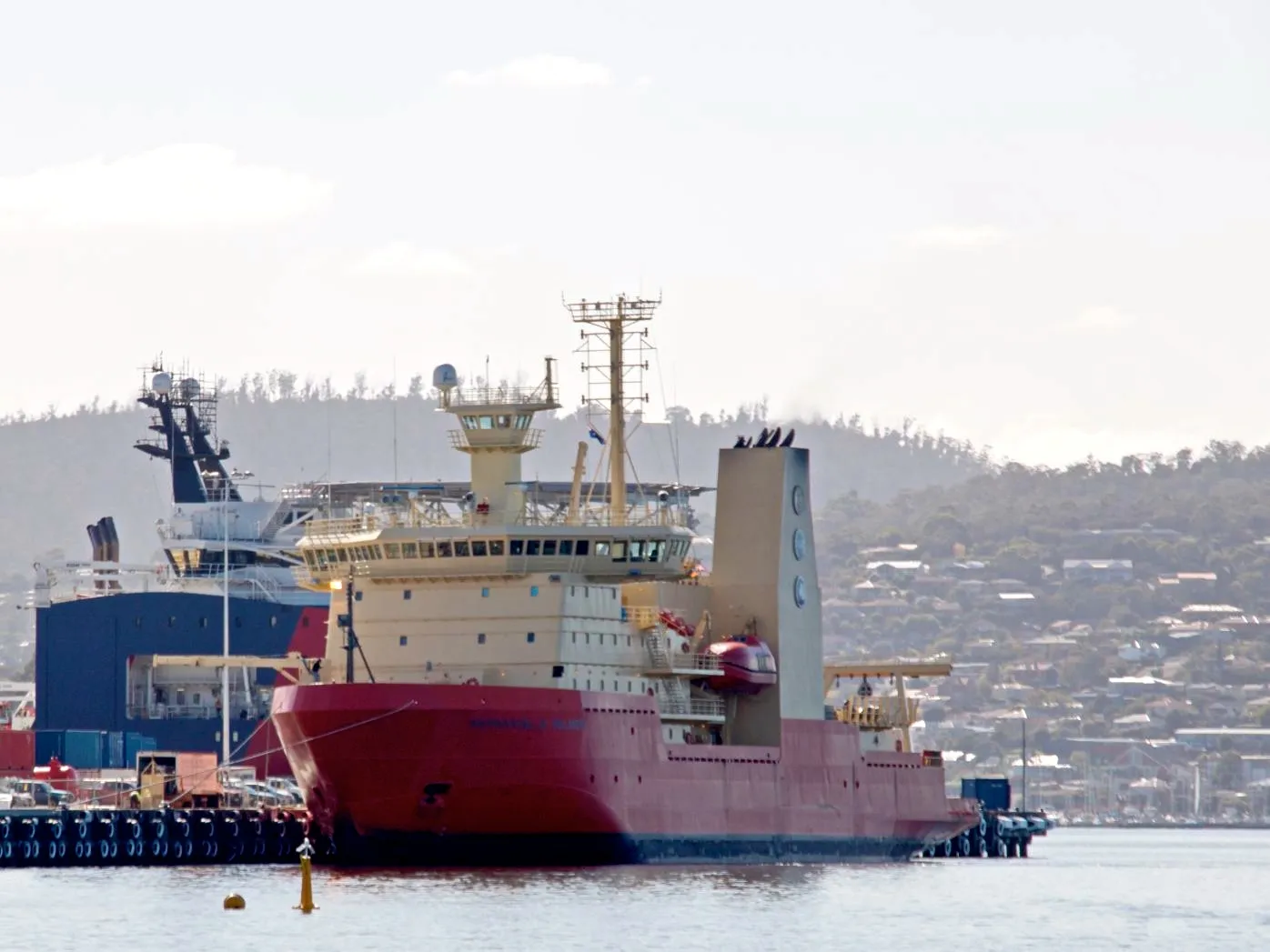
For our spring expedition, NBP1503, to the margin of East Antarctica we will live and work on board the United States icebreaker Nathaniel B. Palmer. Together we are eight scientists, 10 science support staff and 19 crew members of the ship’s crew.
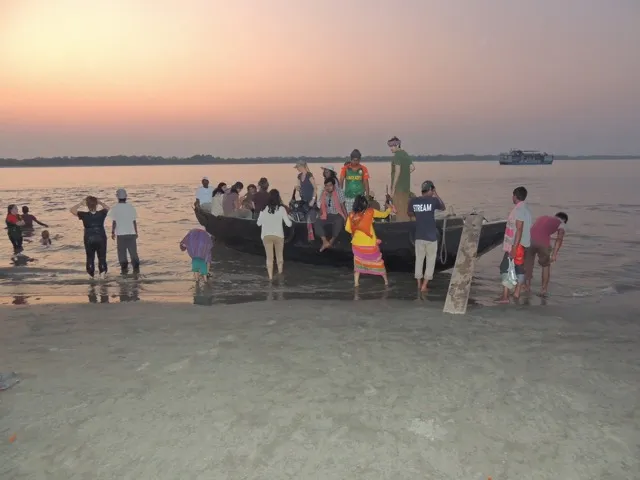
Leaving Hiron Point, we headed east through the Sundarbans to Kotka. At Kotka the students had walks through the forest seeing deer, wild boar and monkeys, while a smaller group also sampled near a set of 300 year old salt making kilns for OSL dating. We managed to finish while the tide inundated the site. We ended our day with a visit to an island that has recently emerged from the slain which the succession from bare sand to mangrove is visible.
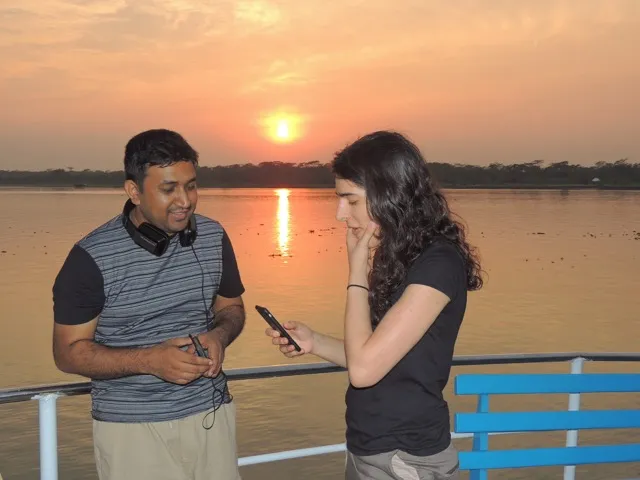
After traveling by boat for two days, including crossing the Sundarban Mangrove Forest, we finally arrived in Khulna. We drove to the site of our compaction meter and separated into teams servicing the instruments, investigating agricultural practices, measuring arsenic in the well water and taking sediment samples for dating. We had finally started our work in rural Bangladesh.
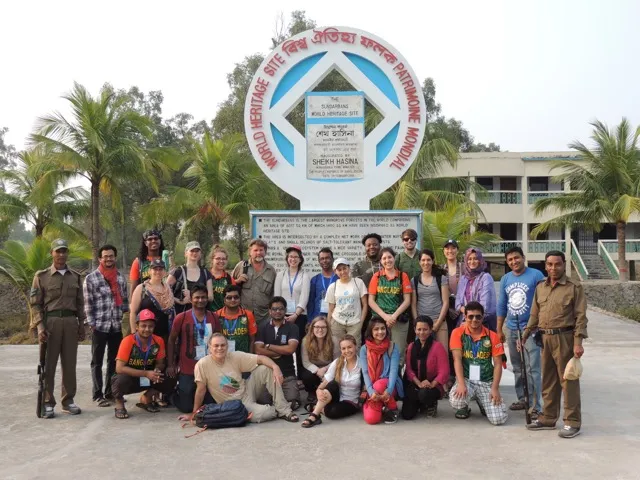
We visited Polder 32, an embanked island in the delta that was flooded for almost two years when the embankment failed in several places during Cyclone Aila. In addition to the problem of increased subsidence due to the embankment, the area struggles for fresh water. Then we sailed to Hiron Point, a forest station in the Sundarbans, the world’s largest mangrove forest. We serviced equipment we have here while our armed guards watch for tigers.