
Lamont in the Media
Earth & Climate Science News
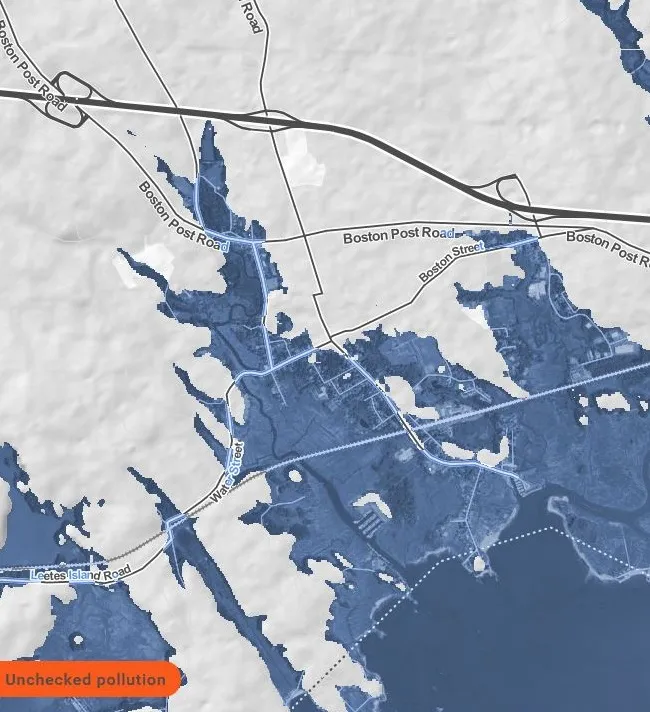
This year is shaping up to be the warmest year on record since 1880, according to new data from the National Oceanic and Atmospheric Administration. And, perhaps not so coincidentally, a new poll says more people in the United States are coming around to the view that climate change is happening.
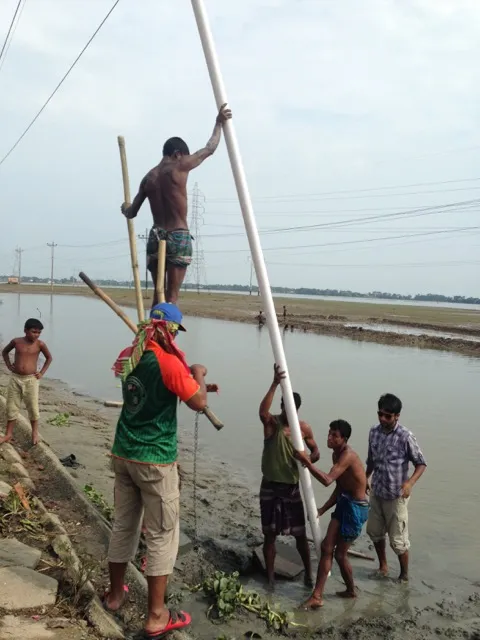
We finished our work at the river transect. Now we had one more sample to collect. Alamgir had arranged for drillers at this new site, but they were delayed because of a knife fight between two villages over some property.
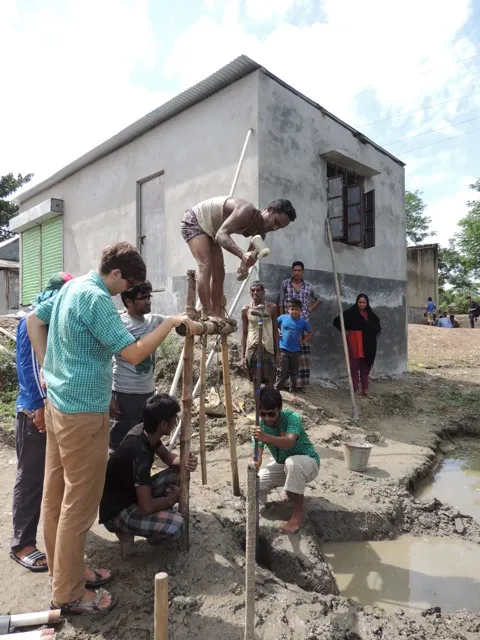
The success of the tube wells for drilling and obtaining samples was a great boon to our field program. We drilled three additional tube wells to complete a five-well transect across the abandoned river valley. When we date the samples, we will find out if the river switched position suddenly, possibly from an earthquake.
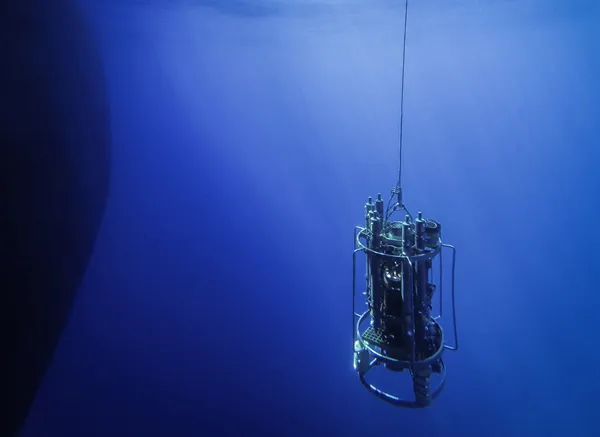
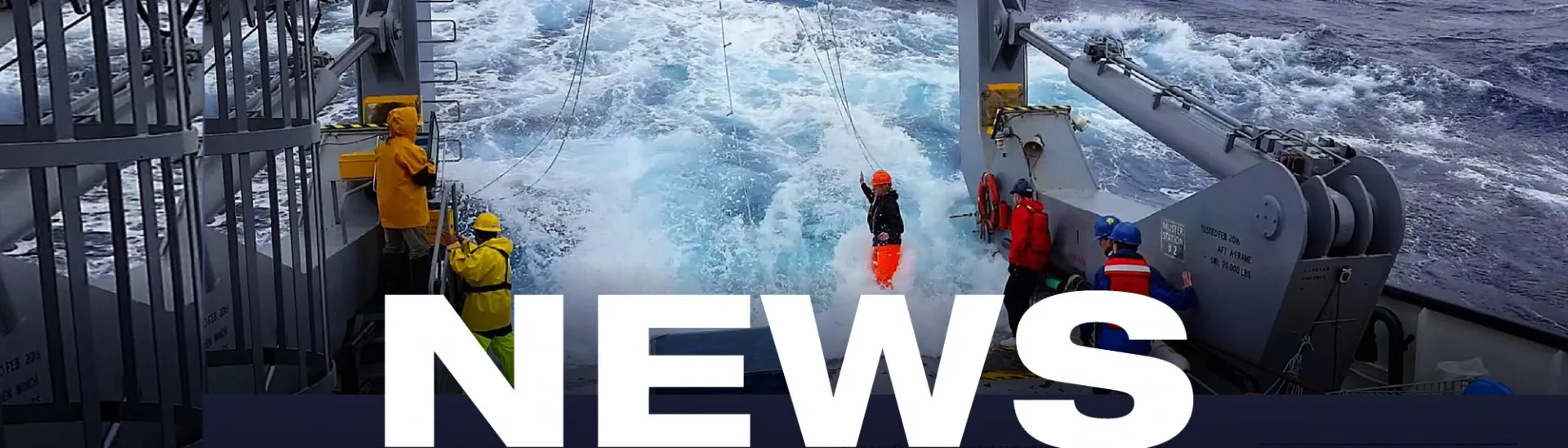
Aboard a ship at the Mid-Atlantic Ridge, scientists are studying how the deepest and coldest waters mix with shallower waters, gaining heat in the process.
El Niño is earth’s most powerful climate cycle, influencing weather and affecting crops, water supplies and public health globally. What may be the strongest El Niño ever measured is now getting underway, and is already affecting parts of the world.
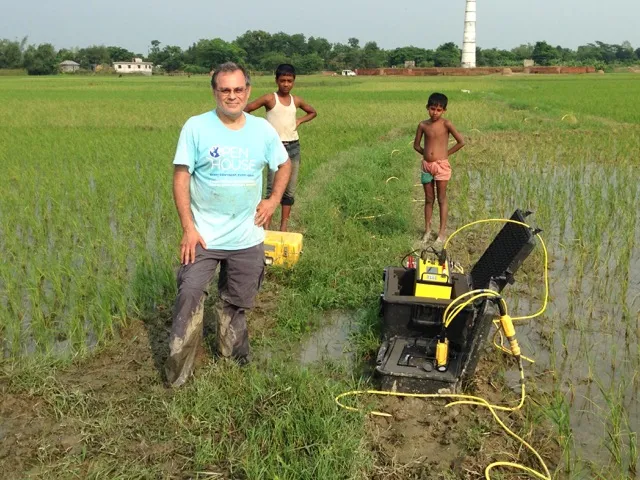
The resistivity testing was hampered by bad roads and flooded fields. The augering was proving similarly difficult in the thick muds of the abandoned channel. It was time to change to our alternative plan: drilling with tube wells. That worked better and we had turned a corner.
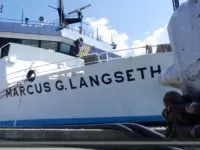
A new video produced by Columbia University tells the story of what the research vessel Marcus G. Langseth is all about.
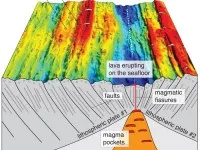
A new study in Science questions the provocative idea that climate change may shape the texture of the sea floor. A Snickers bar helps explain what's really going on.
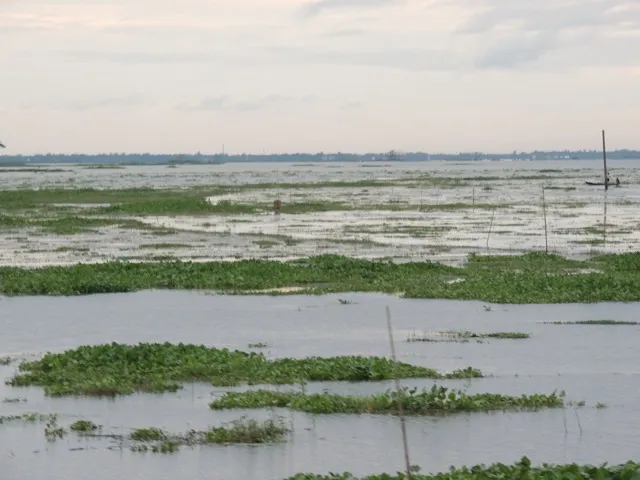
Heading out to our field area, we discovered that the abandoned river valley we planned to study was completely flooded. There was pani—the Bangla word for water—everywhere.
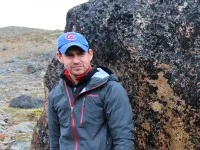
Nicolás Young was just named a winner of a 2015 Blavatnik Award for his work measuring ice sheets in changing climates of the past. His new projects are taking glacier tracking to the next level.
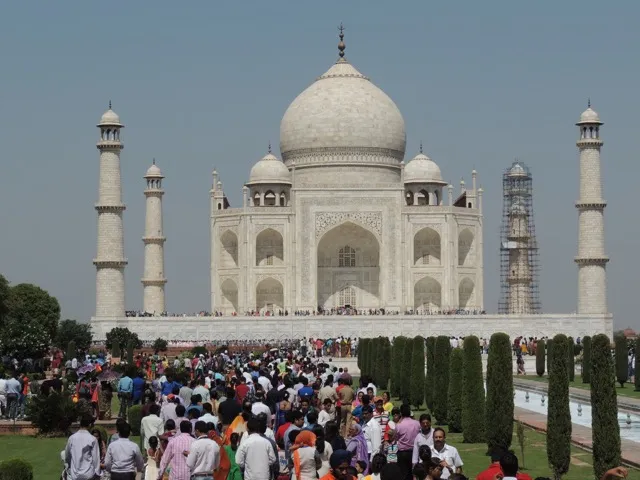
Returning to Bangladesh for additional fieldwork, I stopped off in India for several meetings, but we found time for some sightseeing, too. We were able to see the Qutub Minar complex in Delhi as well as the Taj Mahal and Agra Fort in Agra. Plus all the meetings in Delhi, Kolkata and Dhaka were very successful.
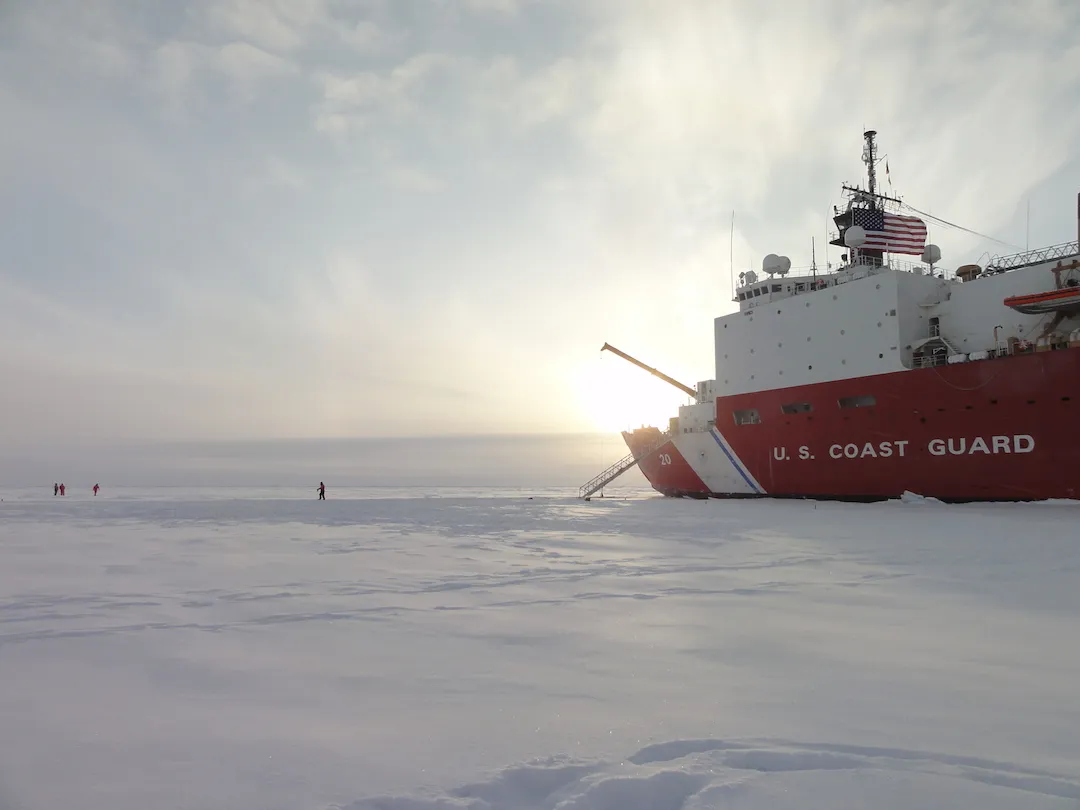
Completing an “Ice Station” means collecting samples over a wide range of Arctic water and ice conditions. Each station means a major orchestration of people and resources.