
Lamont in the Media
Earth & Climate Science News
We’ve just completed our first full station and are remarkably pleased with the results. We collected 8 seawater samples to measure helium isotopes; 20 to measure thorium and protactinium isotopes; 7 in-situ pump filters; 1 box core of the ocean floor; and more.
With an abundance of time and a dearth of work, we have begun to devise ways of doing science before we can actually do science at sea. Among other things, we set up an imaging system to take pictures of particle filters we bring back from the deep sea.
In the weeks before departing for my first scientific cruise, everyone I knew who had ever been to sea gave me some form of the same advice: Nothing ever works the way you expect it to work at sea.
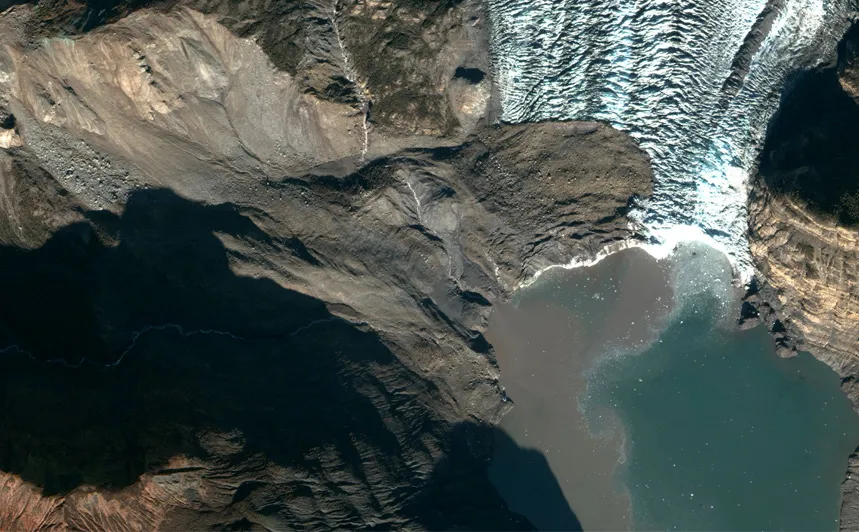
Over the last six years, seismologists Göran Ekström and Colin Stark have been perfecting a technique for picking out the seismic signature of large landslides. They just discovered North America’s largest known landslide in many years – 200 million tons of sliding rock in Alaska.
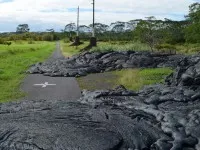
Elise Rumpf's lava flow simulations are yielding new details about the velocity of lava over different surfaces. They may also hold clues about the surfaces of other planets.
The American Geophysical Union’s Fall Meeting opens in San Francisco this week. Catch up on your interests through AGU's On-Demand live stream.
Excess carbon dioxide absorbed into the oceans is starting to have profound effects on marine life, from oysters to tiny snails at the base of the food chain. Our scientists explain the changes and what they are learning about ocean acidification in the past.
For Justin Mankin, the MPA in Environmental Science and Policy program helped expose his passion for environmental science. Mankin is currently serving as an Earth Institute postdoctoral fellow and research scientist, where he is focusing on climate variability.
While national governments can set goals for combating climate change, many of the decisions that lead to action will come from business leaders. The new Columbia Center for Climate and Life helps them build from a foundation of science.
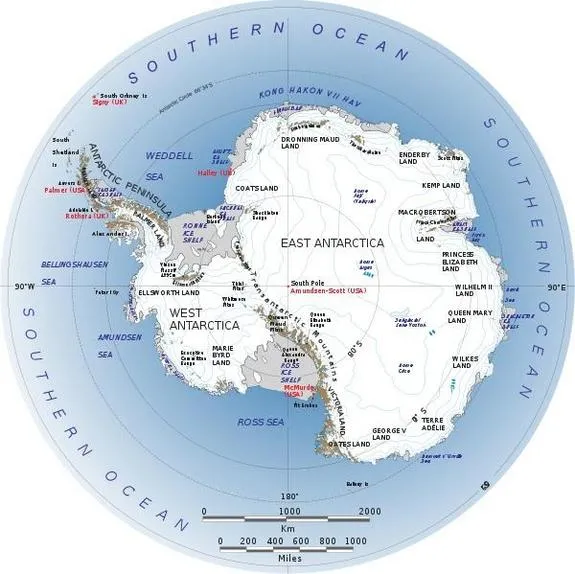
The impacts of climate change are being felt around the world, but the changes in the polar regions have been more pronounced. The world began to take notice to these changes when an ice shelf roughly the size of Rhode Island collapsed into the ocean in 2002.
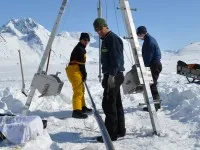
A new study uses sediment cores to track the expansion and retreat of glaciers through time, and finds that they are retreating quickly and are more sensitive to temperature change than previously realized.
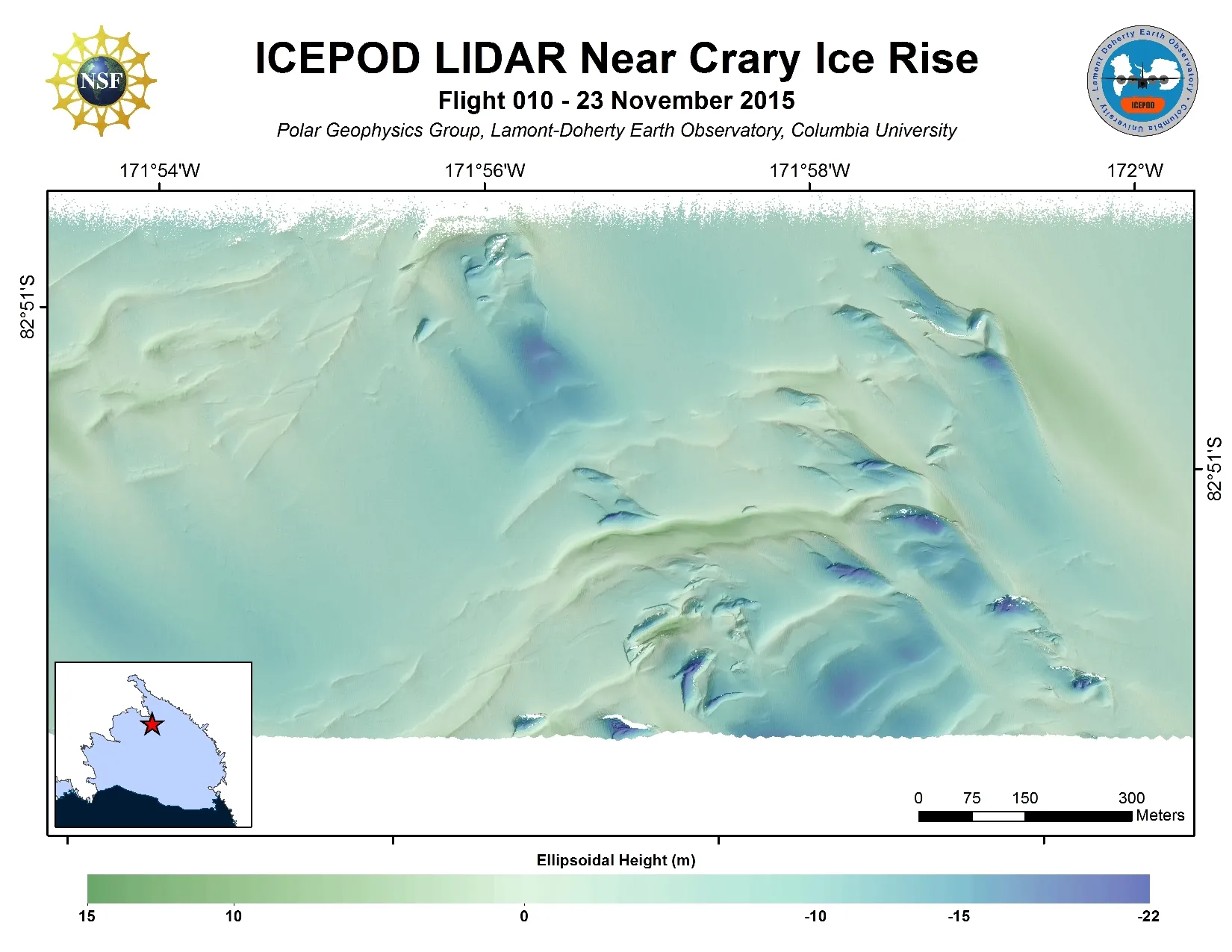
LiDar (Light Detection and Ranging) is a remote sensing technique that uses light to develop an elevation image of the surface of the Earth. It is sensitive enough to image small items such as seals lying on the ice surface.