
Lamont in the Media
Earth & Climate Science News
Scientists at Columbia University’s Earth Institute will present important findings at the American Geophysical Union fall 2015 meeting, Dec. 14-18–the world’s largest gathering of earth and space scientists.
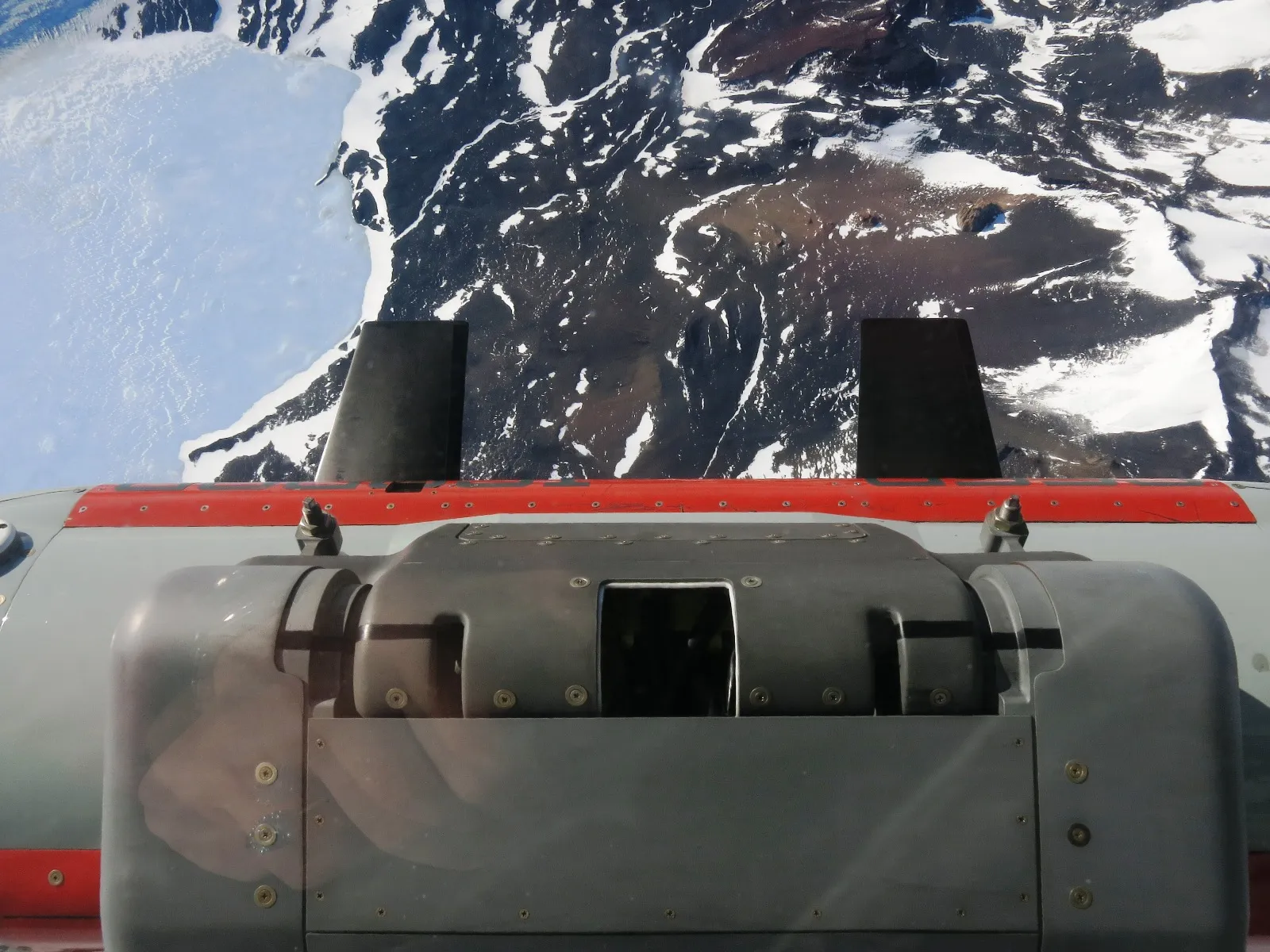
The latest team celebration is around the magnetometer data. Magnetics has evolved quite a bit over the years of geophysical sampling. Lamont scientist Robin Bell recalls when in the 1990s working on a project in West Antarctica that the magnetometer was towed on a winch ~100 meters behind the aircraft – now it is nearly cheek to cheek with other instruments!
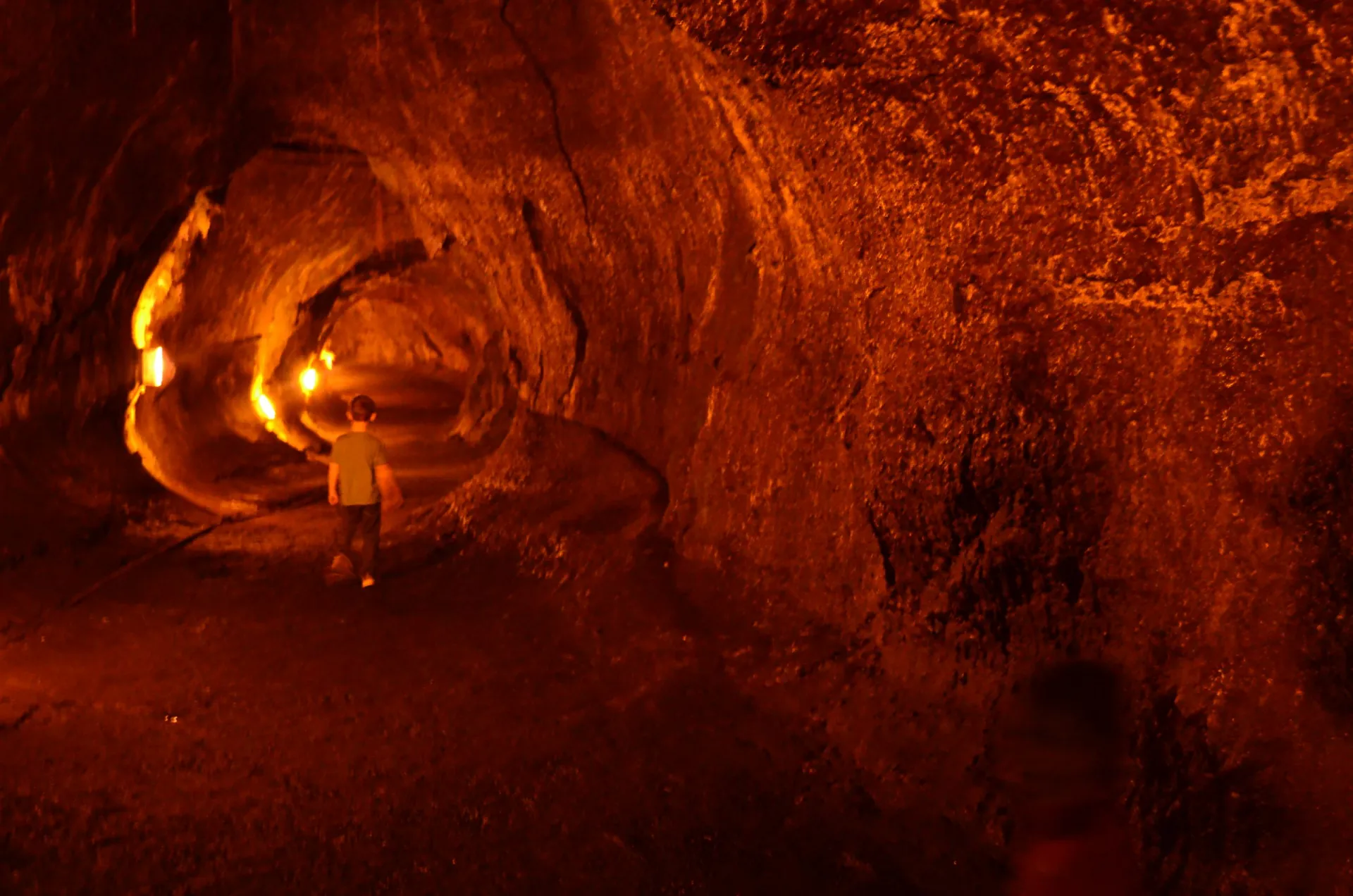
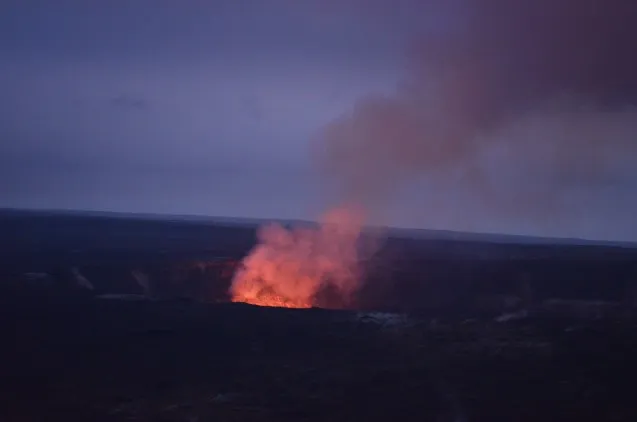
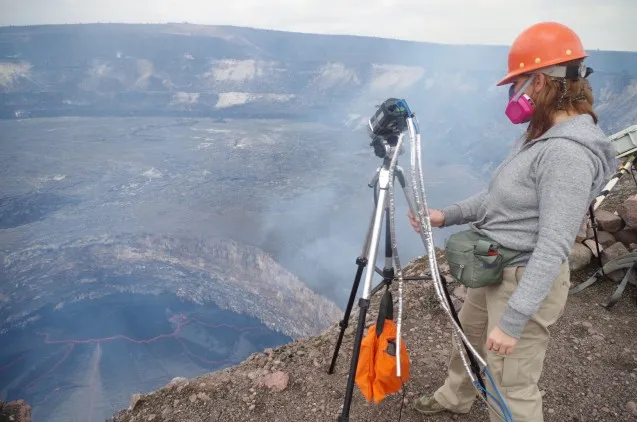
When the most recent eruption of Hawaii’s Kilauea volcano started last June, Melvin Sugimoto at first did not think much of it. Hawaii, where he has lived all his life, is made entirely of hardened lava, and Kilauea, perhaps the world’s most active volcano, has been adding more off and on for the last 300,000 years. “Lava is… read more
If just the West Antarctic Ice Sheet were to melt, it would raise global sea level by 6 meters. That’s more than a theoretical problem. West Antarctica is losing ice mass, and scientists are worried.
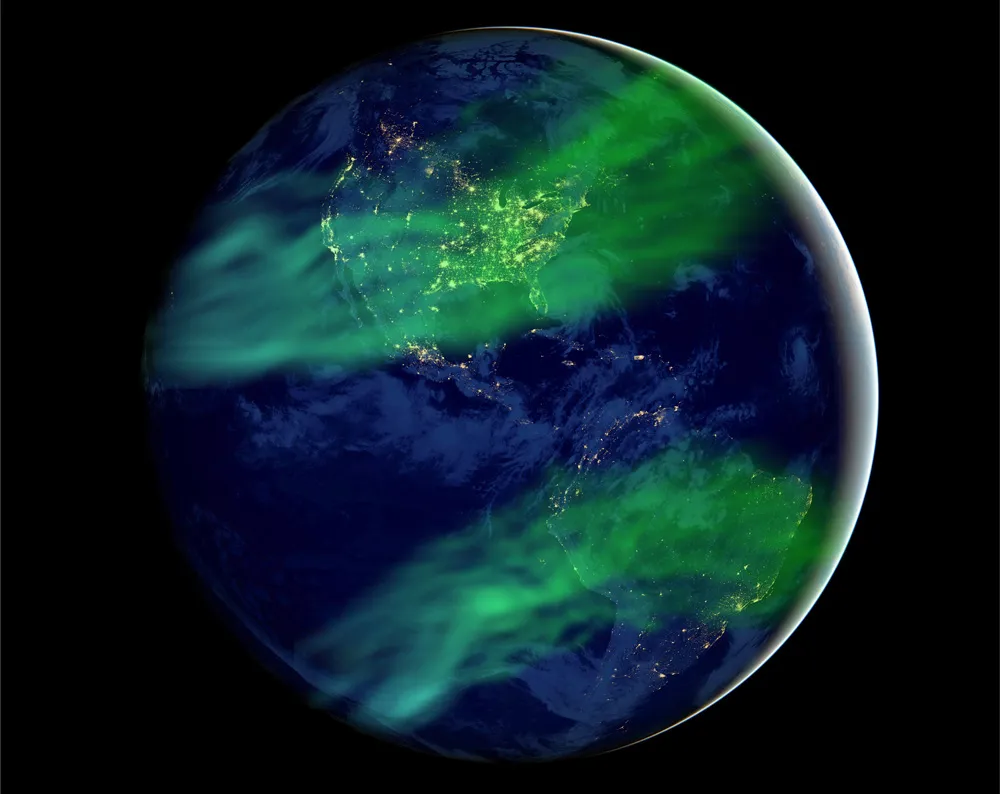
Earth’s magnetic field is getting weaker, but it may simply be coming down from an abnormally high intensity rather than being a sign of an impending geomagnetic reversal.
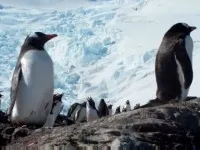
Fast-rising temperatures on the Antarctic Peninsula are having an impact on the ice and marine life, and providing clues about future ecosystem changes elsewhere.
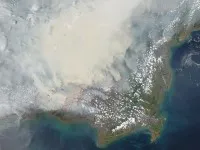
The Indonesian peat fires that have been choking cities across Southeast Asia with a yellow haze are creating more than a local menace—burning peat releases immense stores of CO2, contributing to global warming.
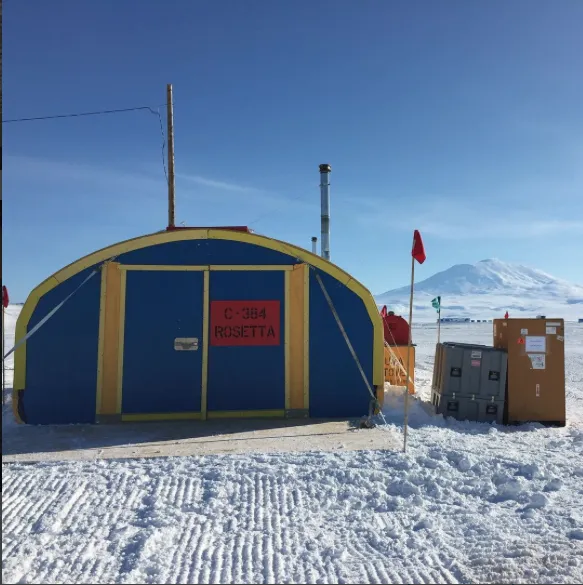
The lines of data are slowly creeping across our Ross Ice Shelf GIS map and with each new line comes an improved understanding of Ross Ice Shelf. What can you learn from a ‘snapshot’ of data? A radar contains a nice story.
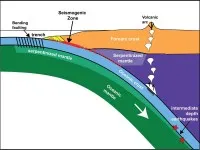
Ancient faults that formed in the ocean floor millions of years ago are feeding earthquakes today along stretches of the Alaska Peninsula, and likely elsewhere, a new study suggests.
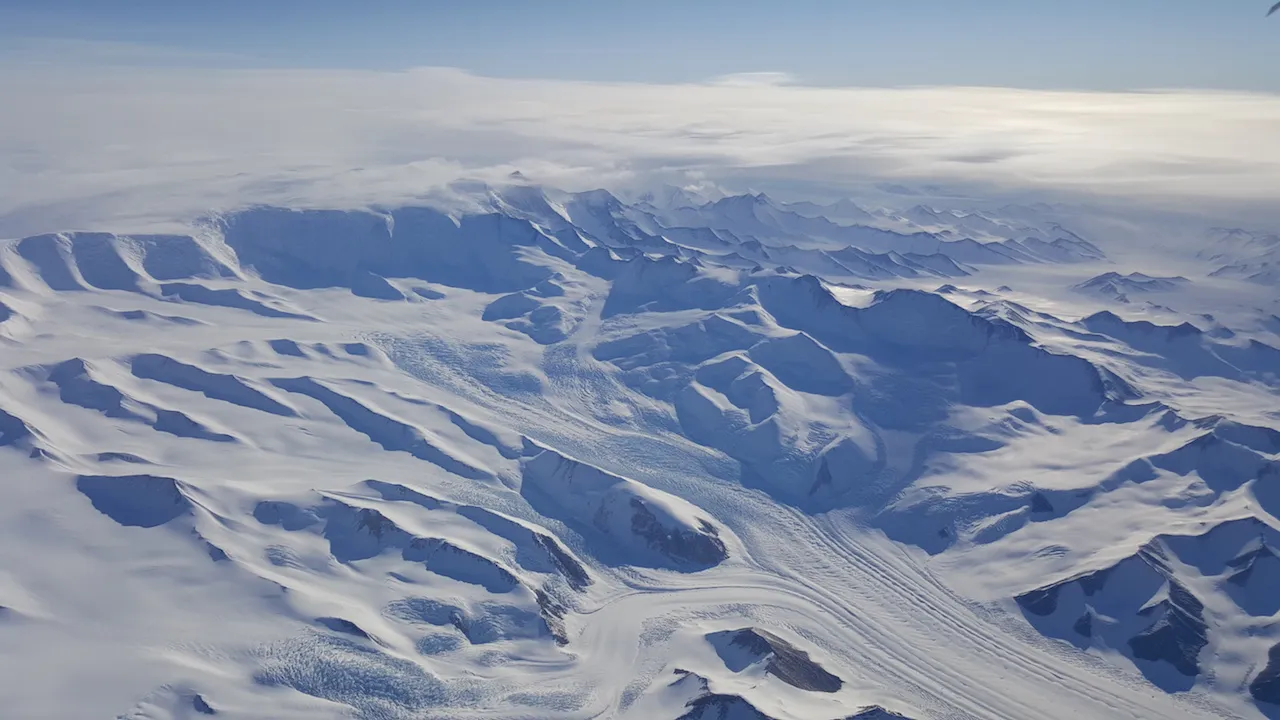
The Ross Ice Shelf is much like the Rosetta Stone. The historic stone inscribed in three scripts told the same story but in different tongues, so when matched together scholars could decode an ancient language. The Antarctic Rosetta Project also brings together three different “scripts,” each written by an Earth system; the ice, the ocean and the underlying bed each have a story to tell.
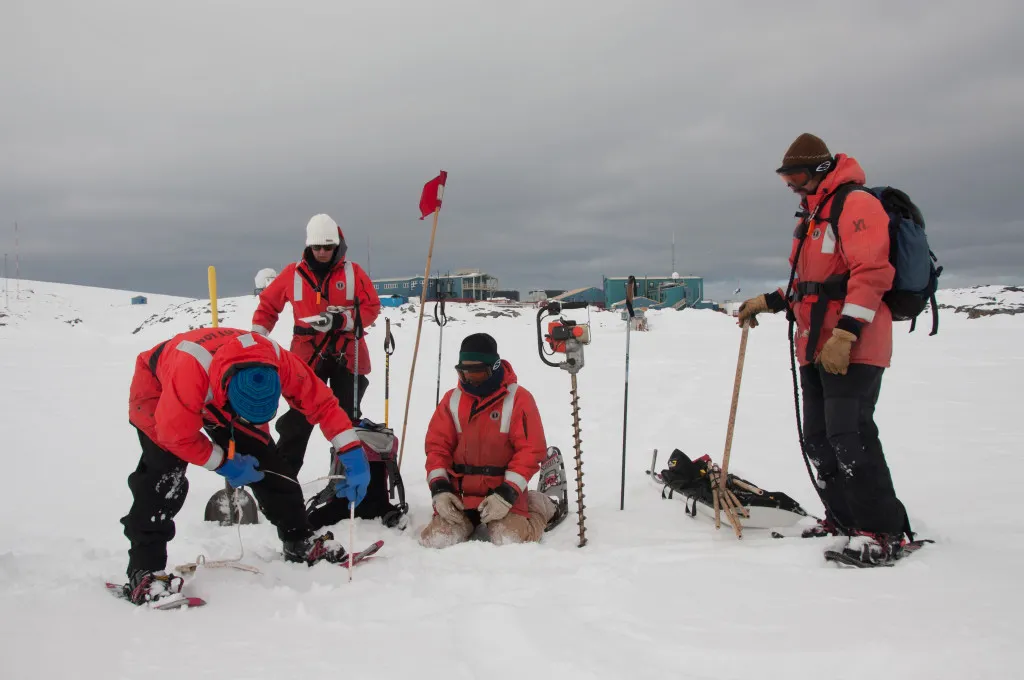
Jeff Bowman, a postdoctoral research scientist at the Lamont-Doherty Earth Observatory, is in Antarctica for the field season studying how phytoplankton and bacteria interact. Follow his reports from Palmer Station.