

Lamont in the Media
Earth & Climate Science News

H. James Simpson, a geochemist who pioneered important studies of water pollutants in the Hudson River and abroad, died May 10. He had been affiliated with Columbia University’s Lamont-Doherty Earth Observatory for 50 years. The cause was Parkinson’s disease, said his family; he was 72.
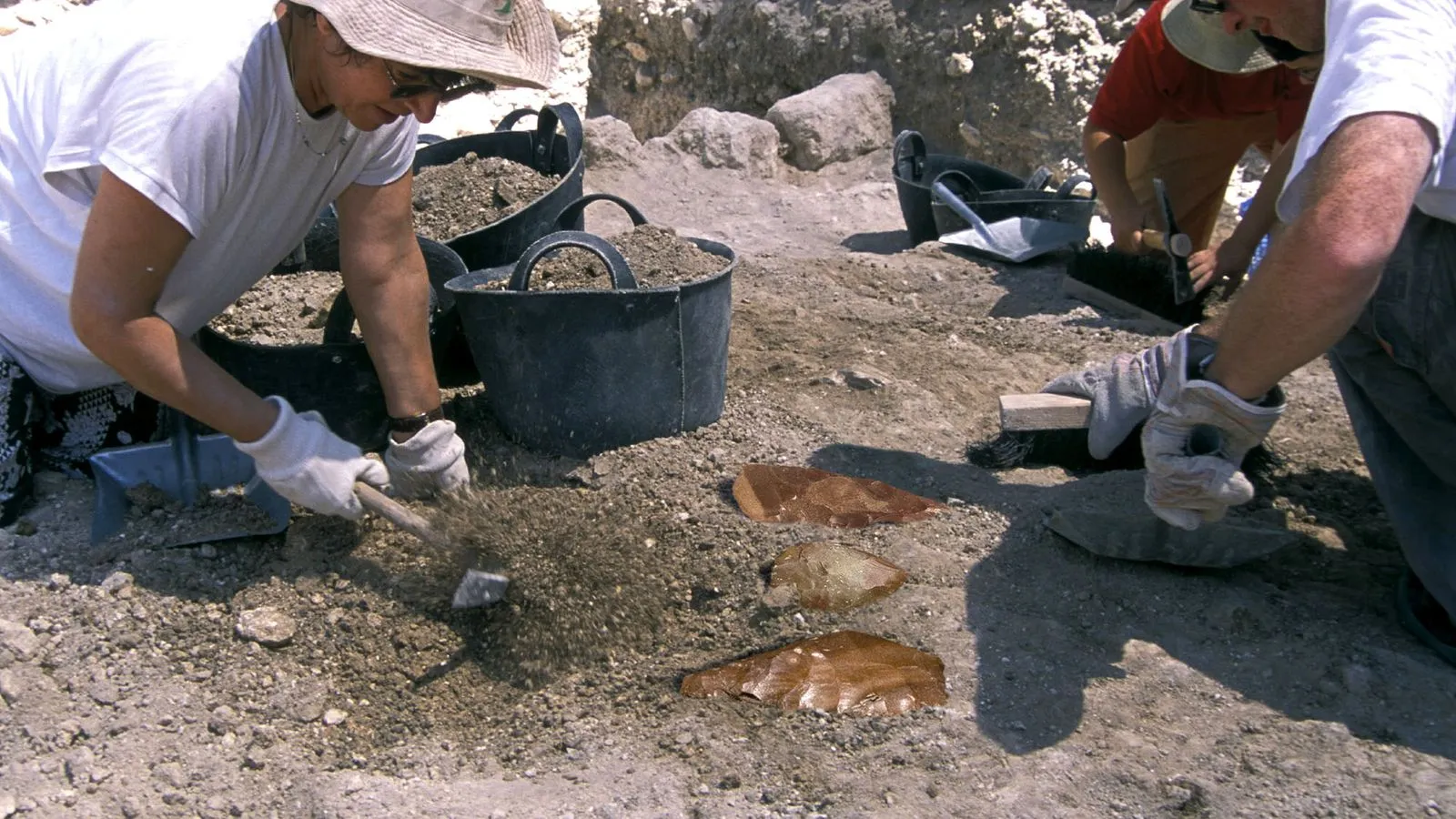
Last week, it was announced that scientists had found the world’s oldest stone tools, in Kenya, dated at 3.3 million years. The precise dating of the tools was made possible by Chris Lepre and Dennis Kent of Lamont-Doherty Earth Observatory, who used periodic reversals in earth’s magnetic field to nail the timing. Now, in a related study, a separate team says they have discovered the world’s oldest stone tools that were never used–an apparent revelation about early human leisure time.
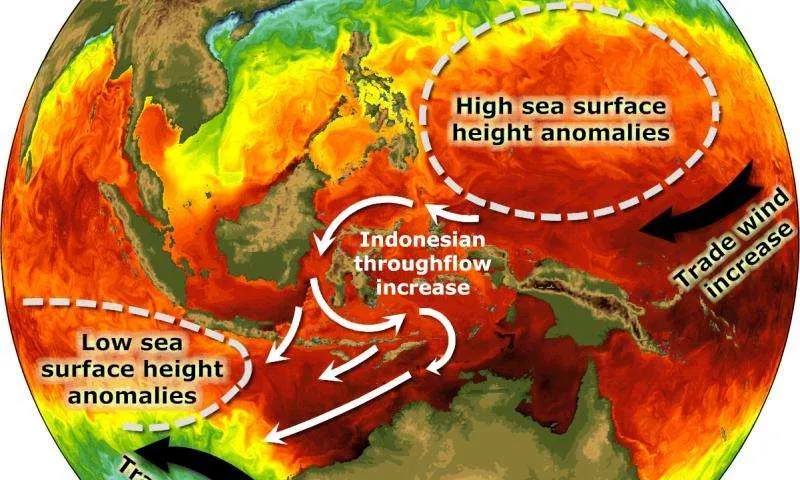
Since the late 1990s, global warming has stabilized, even as greenhouse gases have risen. That defies simple models that say the temperature should keep going up. A team of oceanographers now says they know where the missing heat has gone.

Any researcher can attest to the fact that a scientific figure is worth more than a thousand words. Rarely do we take a step back to consider the inherent artistry in the figures created to convey the science.

Surprisingly little has been known about how phosphorous, an essential nutrient, cycles through the oceans. A new study has broken through some of this mystery, by showing the hidden role that the oceans’ tiniest creatures play.
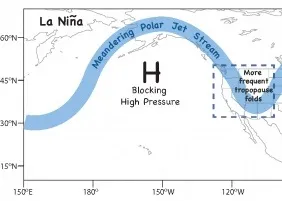
A new study shows that ozone pollution in the western United States can be increased by La Niña, a natural weather cycle at the surface of the Pacific Ocean. The finding is the first to show that the La Nina-El Nino cycles directly affects pollution.
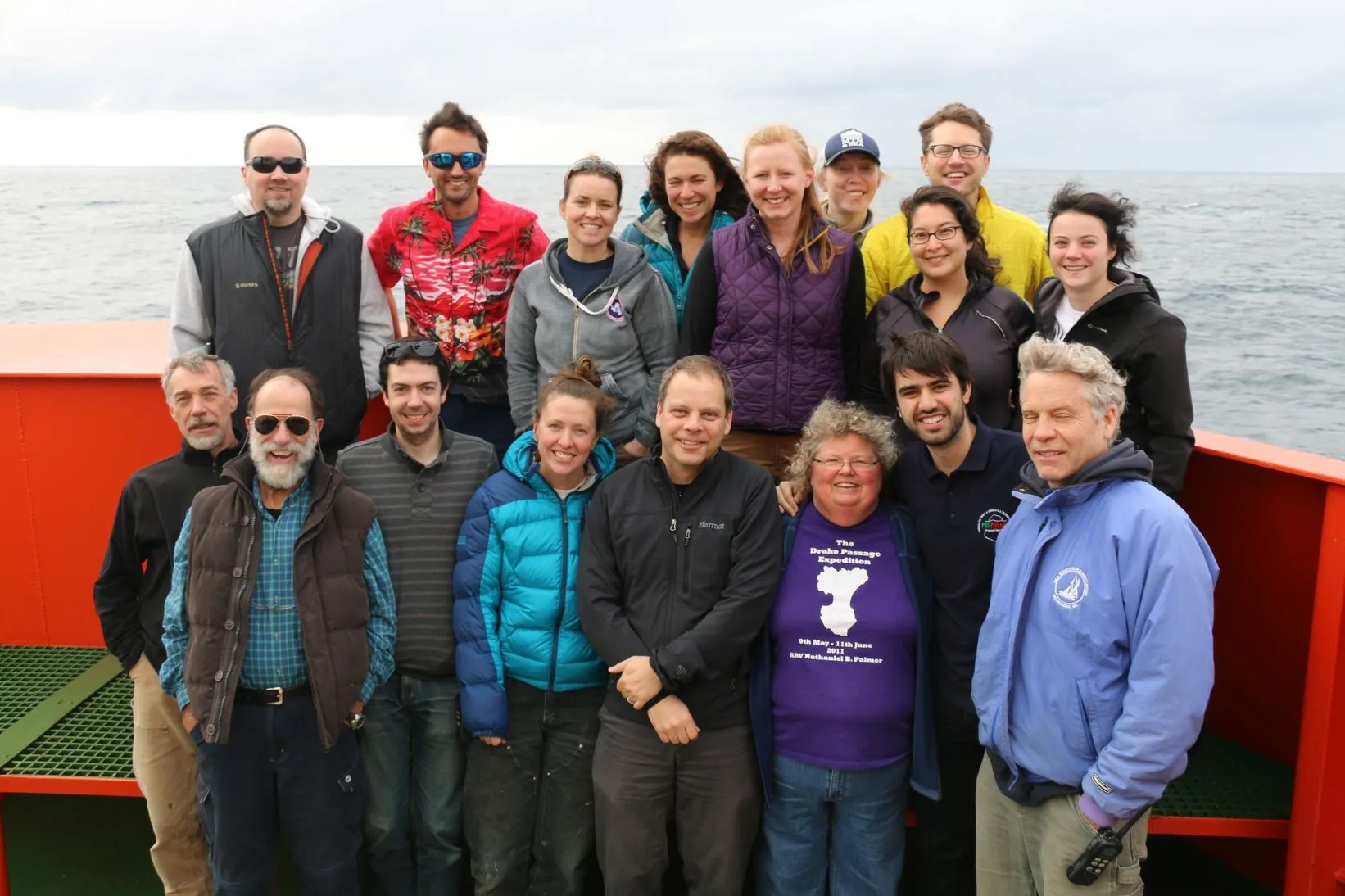
After a surprisingly smooth crossing of the Southern Ocean, with favorable winds we arrived back in Hobart, Tasmania. The weather maps show that we just got ahead of another big storm system.
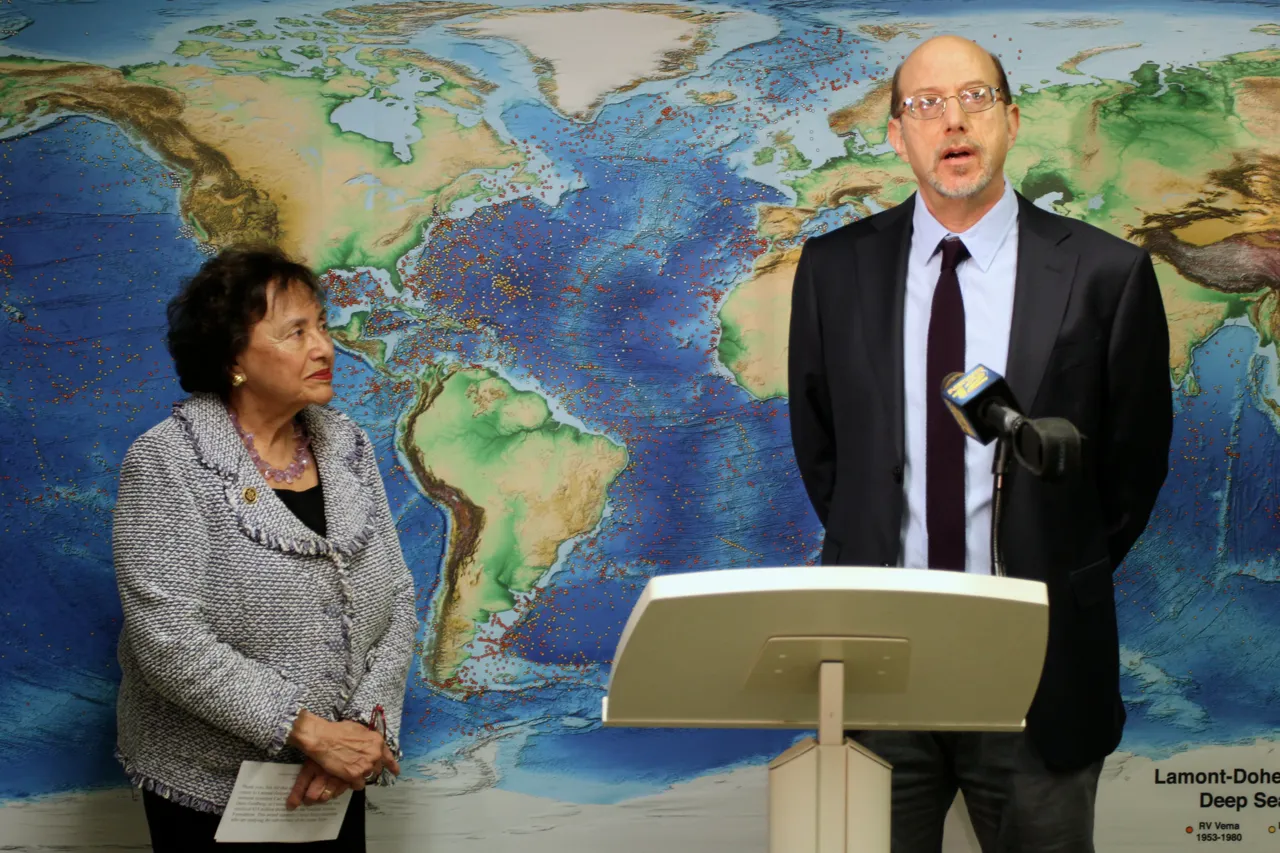
Columbia University’s Lamont-Doherty Earth Observatory has signed a $35 million, five-year cooperative agreement with the U.S. National Science Foundation to manage scientific support services for U.S. scientists studying the world’s ocean floors.
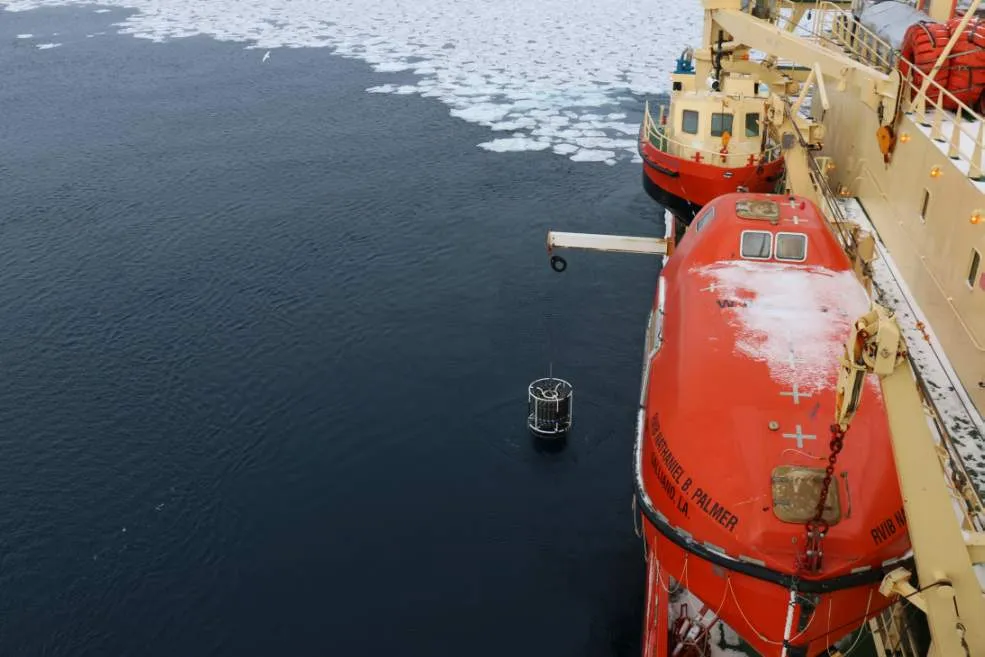
In addition to understanding potential pathways for “warmer” circumpolar deep water to reach the ice shelf, we are also measuring what the structure and properties of the water column are and determining if there is already warmer water on or near the continental shelf that could already interact with the glaciers of East Antarctica today.

One of the goals of this expedition is to investigate if water from the Southern Ocean with temperatures above the melting point of glaciers could reach the glaciers in East Antarctica, and if there are any obstacles on the seafloor of the shelf that impact the ability of such water to reach the glaciers and ice streams.
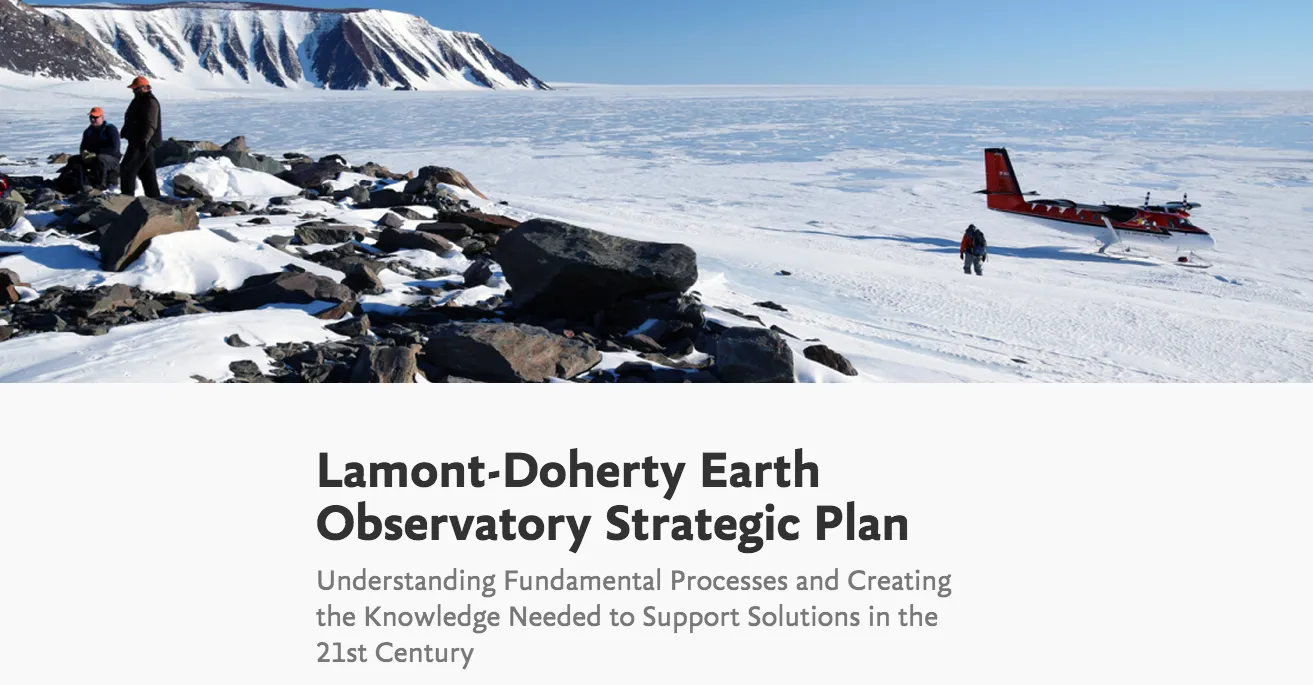
Lamont-Doherty Earth Observatory has been a leader in the study of our planet since its founding 65 years ago. Today, Observatory scientists continue the institution’s long tradition of addressing important questions in the Earth and planetary sciences.
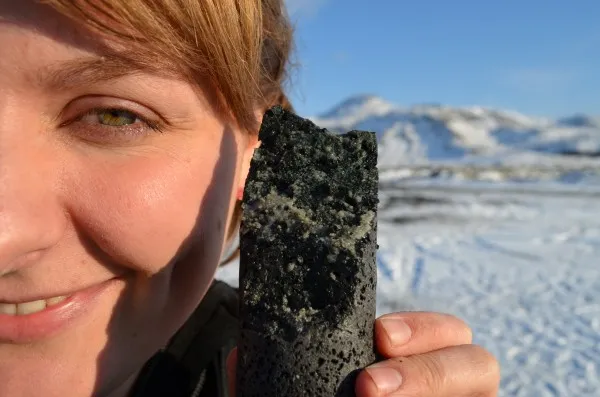
Iceland is pioneering a new technology to deal with climate change. Its Hellisheidi geothermal power plant, the world’s largest, hosts arguably the world’s most advanced program to capture and lock away globe-warming carbon dioxide.