
Lamont in the Media
Earth & Climate Science News
Over the past half-million years, the equatorial Pacific Ocean has seen five spikes in the amount of iron-laden dust blown in from the continents. In theory, those bursts should have turbo-charged the growth of carbon-capturing algae, but a new study shows that the excess iron had little to no effect.
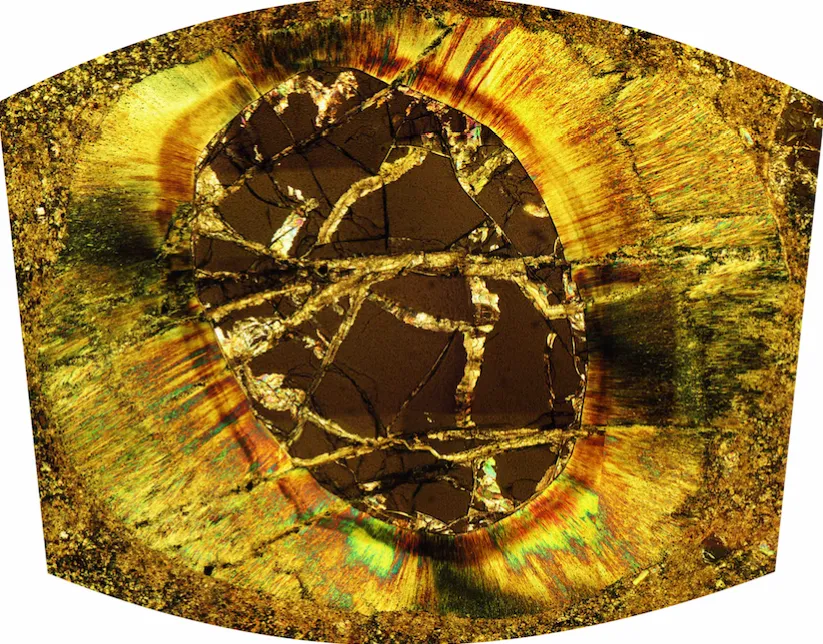
Is it an album cover for a 1980s hair band, or a thin section micrograph of precious minerals? A model of ice streams in glacial lakes, or a 3D laser light show from a dance club? This past week at the third annual Research as Art exhibit at the Lamont-Doherty Earth Observatory, scientists traded in lab coats and goggles for artist smocks and easels as they demonstrated that when the line between science and art is allowed to get tenuous, the results are anything but.
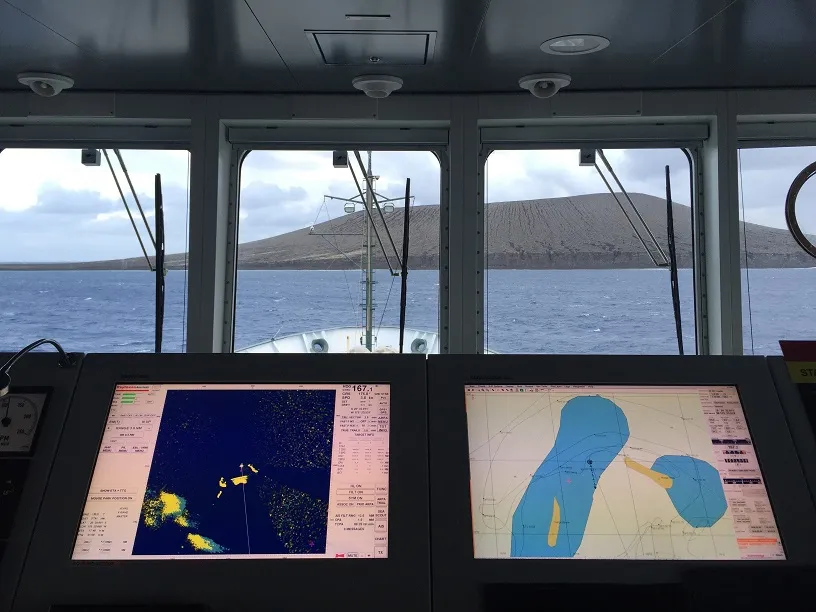
One of the earth’s newest islands exploded into view from the bottom of the southwest Pacific Ocean in January 2015, and scientists sailing around the volcano this spring have created a detailed map of its topography.
Maureen Raymo, a marine geologist at Lamont-Doherty Earth Observatory whose name is connected with key theories about how ice ages wax and wane and how sea levels change, has been elected to the National Academy of Sciences, one of the highest honors awarded to scientists in the United States.
In southern Greenland in summer, rivers have been streaming off the ice sheet, pouring cold fresh water into the fjords. A new study tracks where that meltwater goes—with surprising results.
Elke Weber, who studies how people make decisions and how they think about climate change, and Terry Plank, who probes deep into the Earth’s interior to study magma and how volcanoes erupt, are among the members elected to the American Academy of Arts and Science this year.
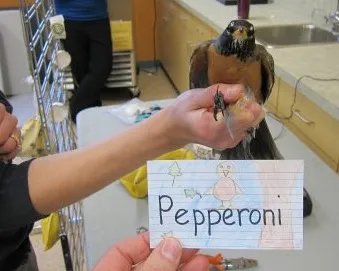
Natalie Boelman and colleagues are tagging American robins near Slave Lake, Alberta, Canada, as the birds migrate north to nesting grounds. In a recent blog post for NASA, she put up videos about their work. You can watch some of them below, or go to the blog page at NASA’s Earth Observatory to see and read more.
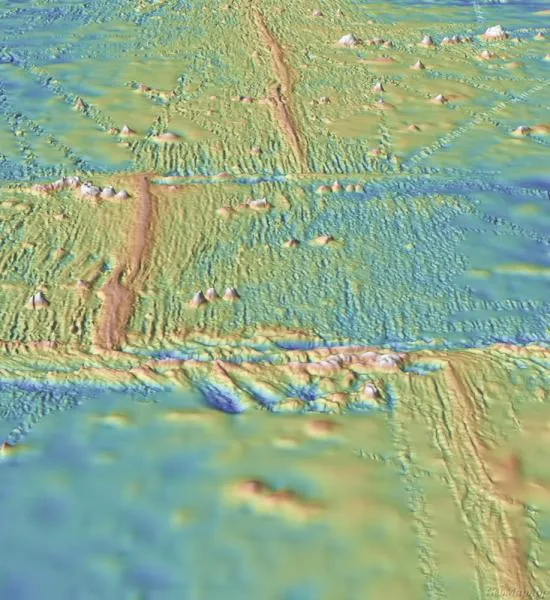
“We had this magic key, this magic magnetic profile,” Pitman said. “We were able to date it and eventually use it not only as a tool that proved continental drift but a tool by which we could actually reconstruct the pattern of drift, that is the relative position of the continents, and the actual timing of the separation of the continents.”
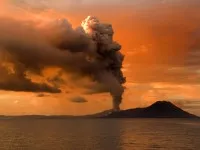
Climate scientists teamed up with an econometrics expert to develop an innovative new method for picking out past volcanic eruptions in temperature reconstructions going back millennia and gauging their impact on the climate.
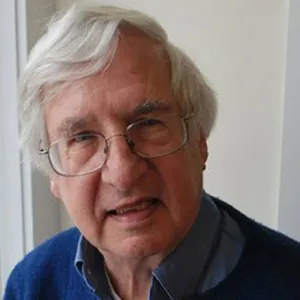
For his pioneering work in rock mechanics and his skill at communicating earthquake science, Scholz is being honored on April 20 by the Seismological Society of America with its top award, the Harry Fielding Reid Medal.
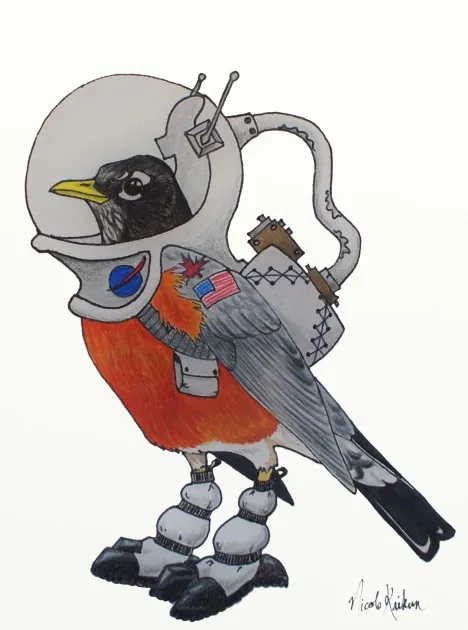
Ecologist Natalie Boelman is headed back to the far north to study birds—this time to the town of Slave Lake, in northern Alberta, Canada, to track the migration of American robins. She will have some schoolchildren in New York remotely helping her as she and her colleagues get to work.
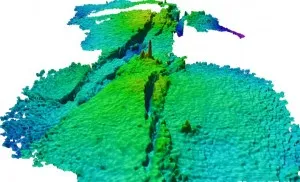
Vicki Ferrini has spent a lot of time working on mapping the ocean floor, and now she’s sailing in the South Pacific to get a closer look.