

Lamont in the Media
Earth & Climate Science News
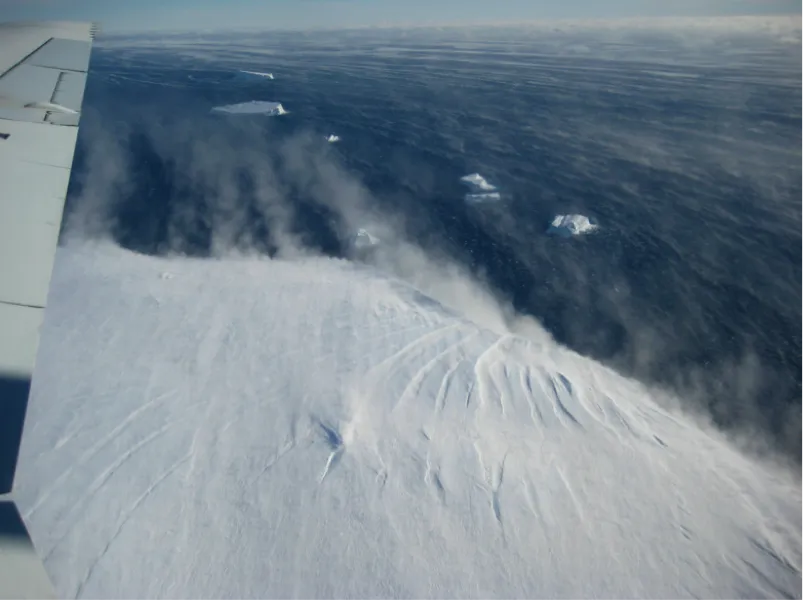
This month, IceBridge Antarctica resumes. The crews have spent the last few weeks in Palmdale, where the DC8 is based, for instrument installation and test flights prior to our move down to Punta Arenas, our home base for IceBridge Antarctica.

"The Observatory has remained a powerhouse in Earth science research and a very special place. The scientists here are true explorers—creative and fiercely independent."
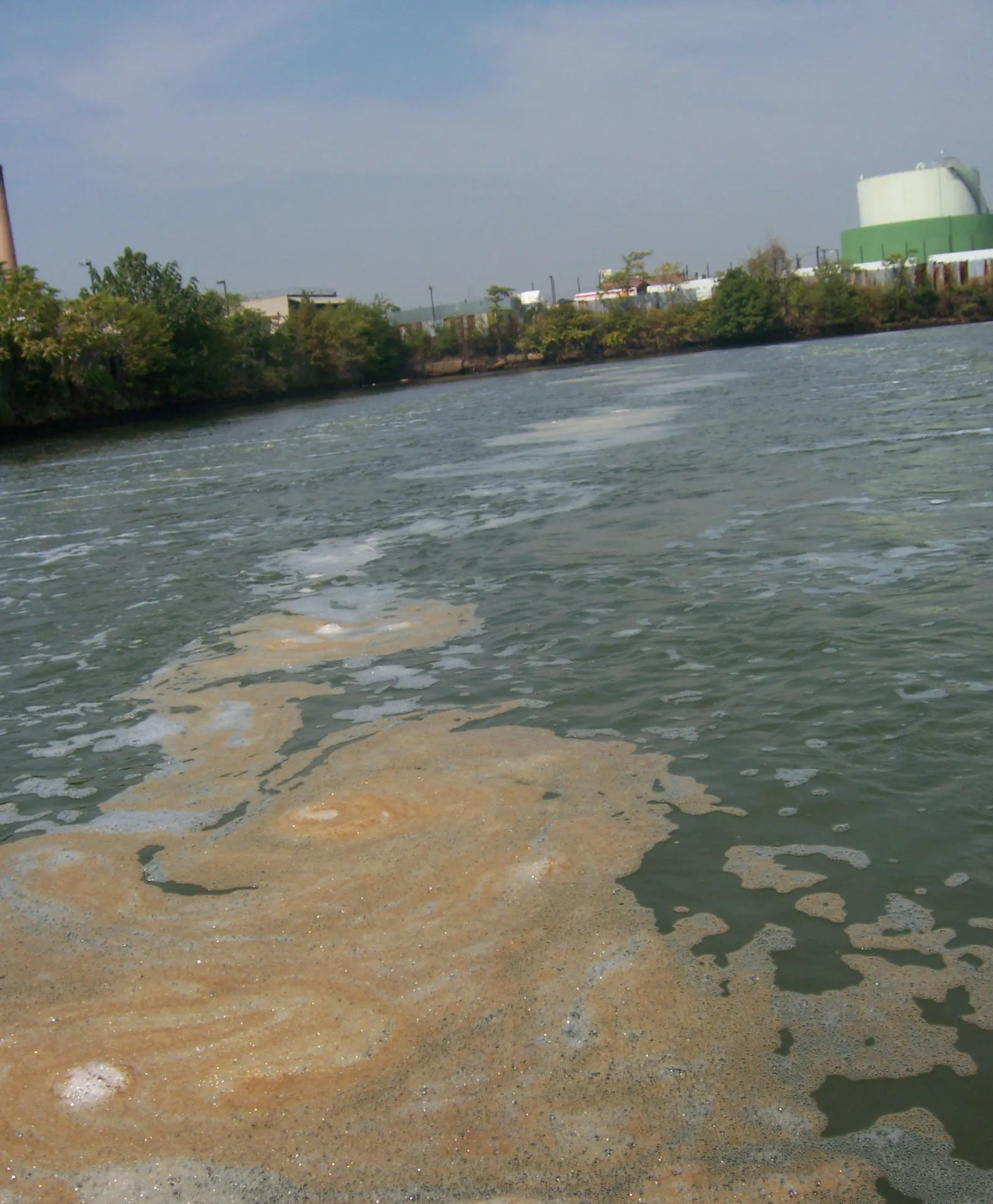
A city effort to clean-up polluted Newtown Creek by aerating the water to boost oxygen levels is having an unintended effect: it is releasing sewage bacteria and other particles into the air above the site, researchers say in a new study in the journal Environmental Science and Technology. The researchers found bacteria types in the air consistent with the sewage and oil pollution in the creek. The study is one of the first to establish a link between water pollution and air-quality, raising new questions about the health risks posed by dirty water.
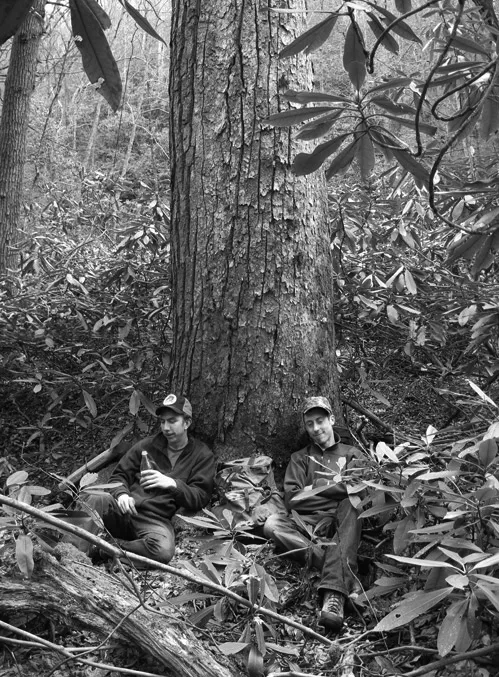
2012 is turning out to be an exceptional year in the eastern US. Starting out with what was essentially a #YearWithoutaWinter, followed by a heat wave in March, a hot summer, Macoun and Cortland apples coming in 2-3 weeks early, and the continuation of a severe drought in the Southern US that expanded into the Midwest… read more
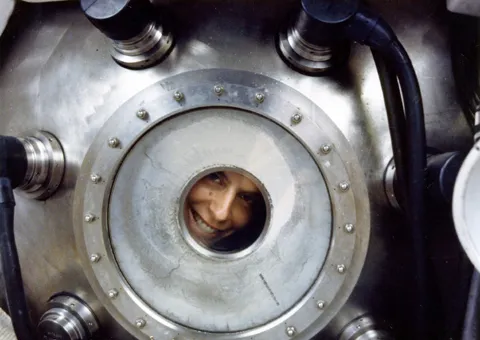
Lamont-Doherty geophysicist Robin Bell pays tribute to colleague Kim Kastens who is retiring from Lamont after 31 years. Kastens was the first woman co-chief scientist on the JOIDES Resolution, first woman faculty member to join Columbia’s geology department, founder of Columbia’s joint journalism and environmental science master’s program and a pioneer in the field of geoscience education research.
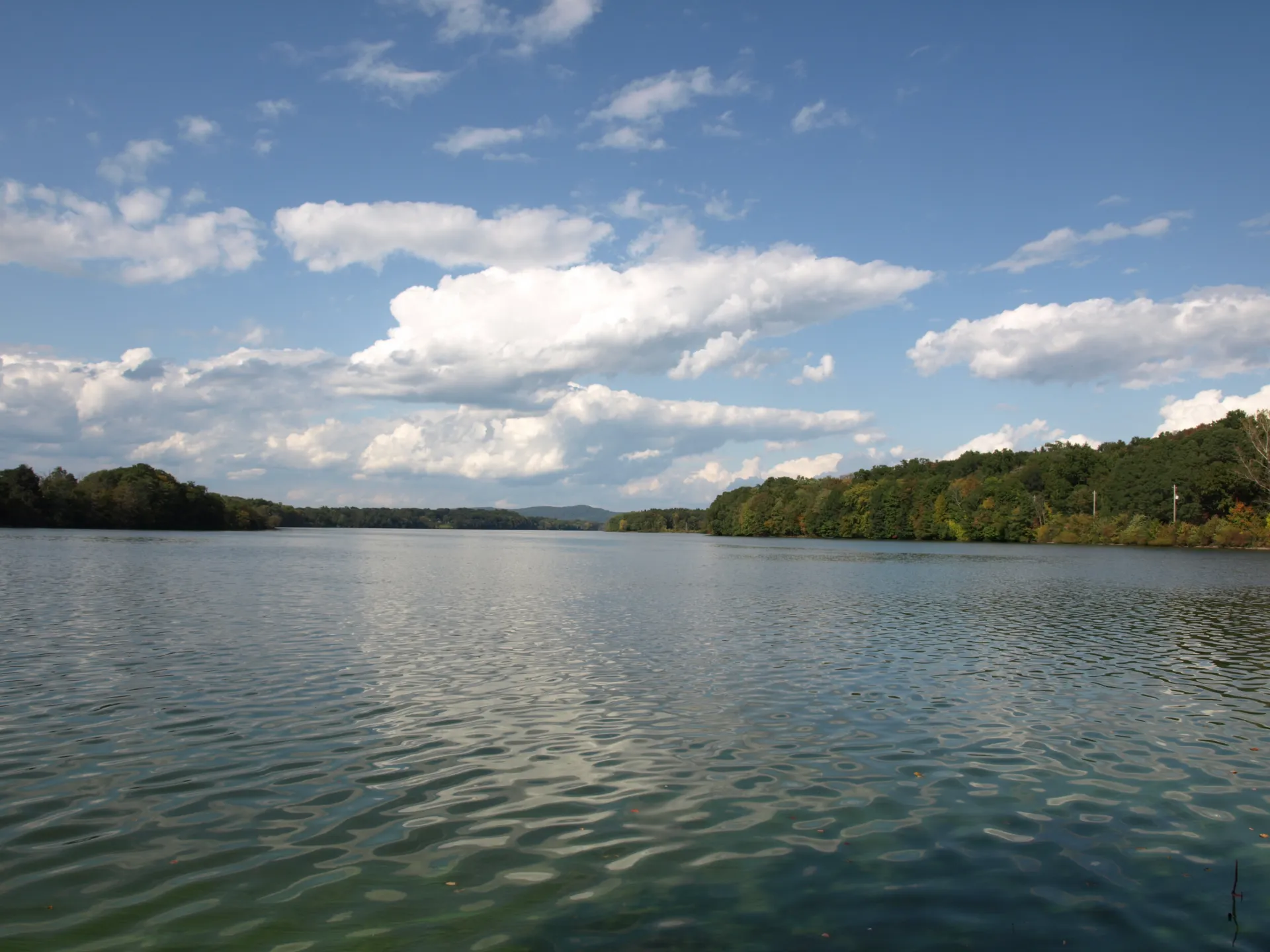
Rockland County’s main water provider, United Water NY, wants to build a treatment plant on the Hudson River that would deliver more freshwater to Rockland taps. As the project awaits state approval, a new debate on water consumption has emerged. Should people be encouraged, or even required, to use less? And if so, how?
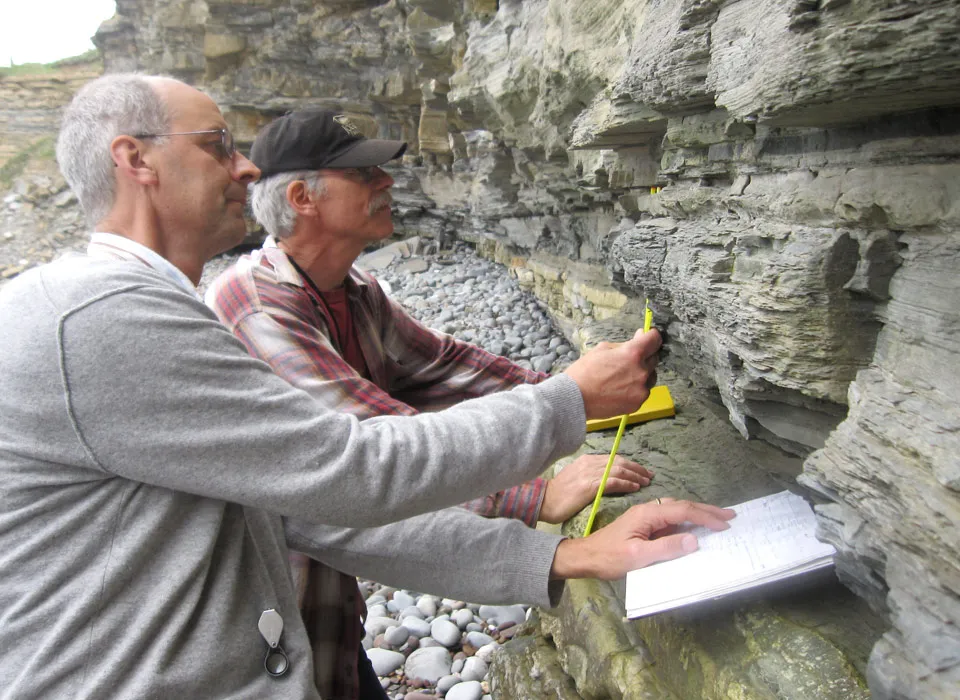
Paleontologist Paul Olsen has been investigating the causes of Triassic-Jurassic extinction–a turning point in earth’s history that wiped out many life forms and started the reign of dinosaurs. More than 200 million years separate us from this catastrophe (also called the End-Triassic Extinction), but it could contain some lessons for us today, says Olsen. For […]
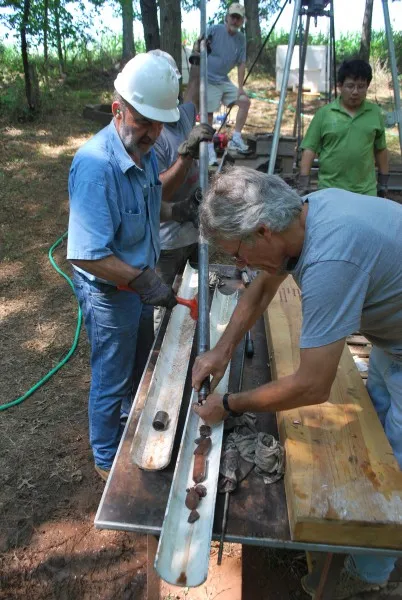
One hour from New York City, where the suburbs of New Jersey give way to farms, a team of scientists are drilling for ancient rocks on the edge of a cornfield. The rocks hold clues about what the earth was like about 201 million years ago,during the great extinction that allowed dinosaurs to dominate. Listen… read more
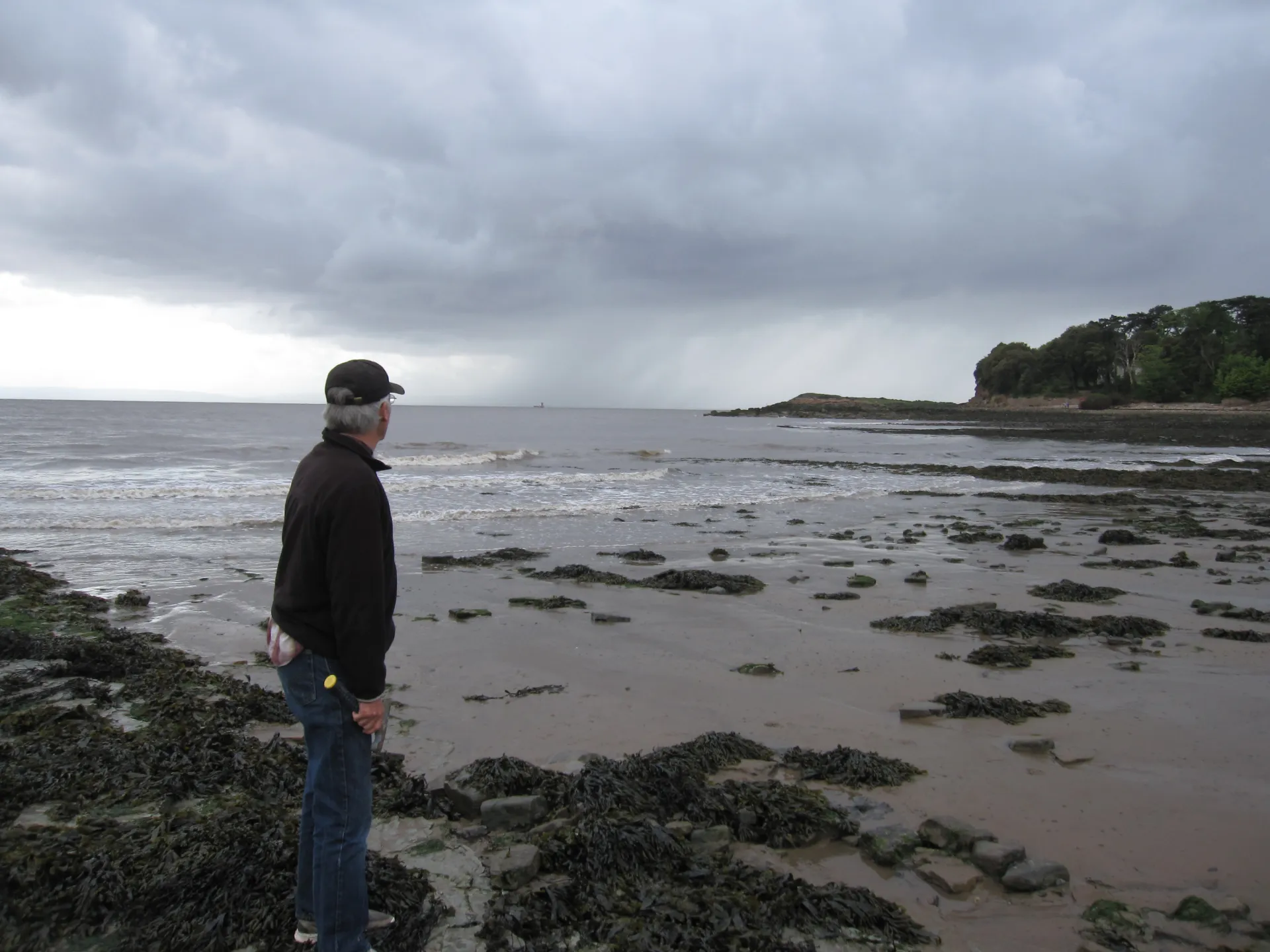
Over the past 450 million years, life on earth has undergone at least five great extinctions, when biological activity nosedived and dominant groups of creatures disappeared. The final one (so far) was 65 million years ago, when it appears that a giant meteorite brought fires, shock waves and tsunamis, then drastically altered the climate. That killed off… read more
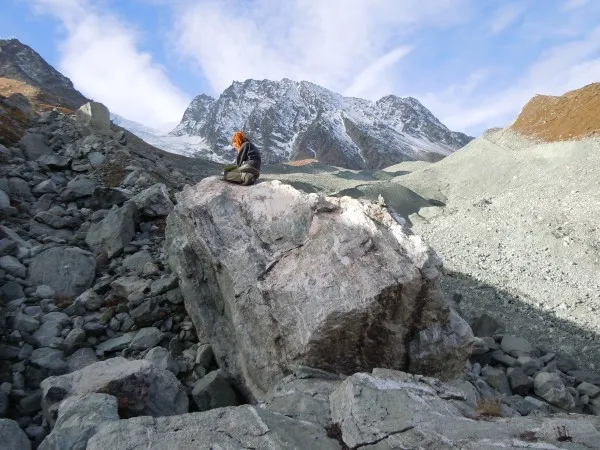
Human civilization arose during the relatively balmy climate of the last 10,000 years. Even so, evidence is accumulating that at least two cold spells gripped the northern hemisphere during this time, and that the cooling may have coincided with drought in the tropics. Emerging research on climate during this Holocene period suggests that temperature swings were more common than previously thought, and that climate changes happened on a broad, hemispheric scale.
During the last ice age, glaciers dominated New Zealand’s Southern Alps until warming temperatures some 20,000 years ago sent them into retreat. Scientists at Lamont-Doherty Earth Observatory, with their colleagues, are investigating the rocky remnants these glaciers left behind to learn precisely when the ice withdrew, and what glacier retreats globally can tell us about… read more