
Lamont in the Media
Earth & Climate Science News
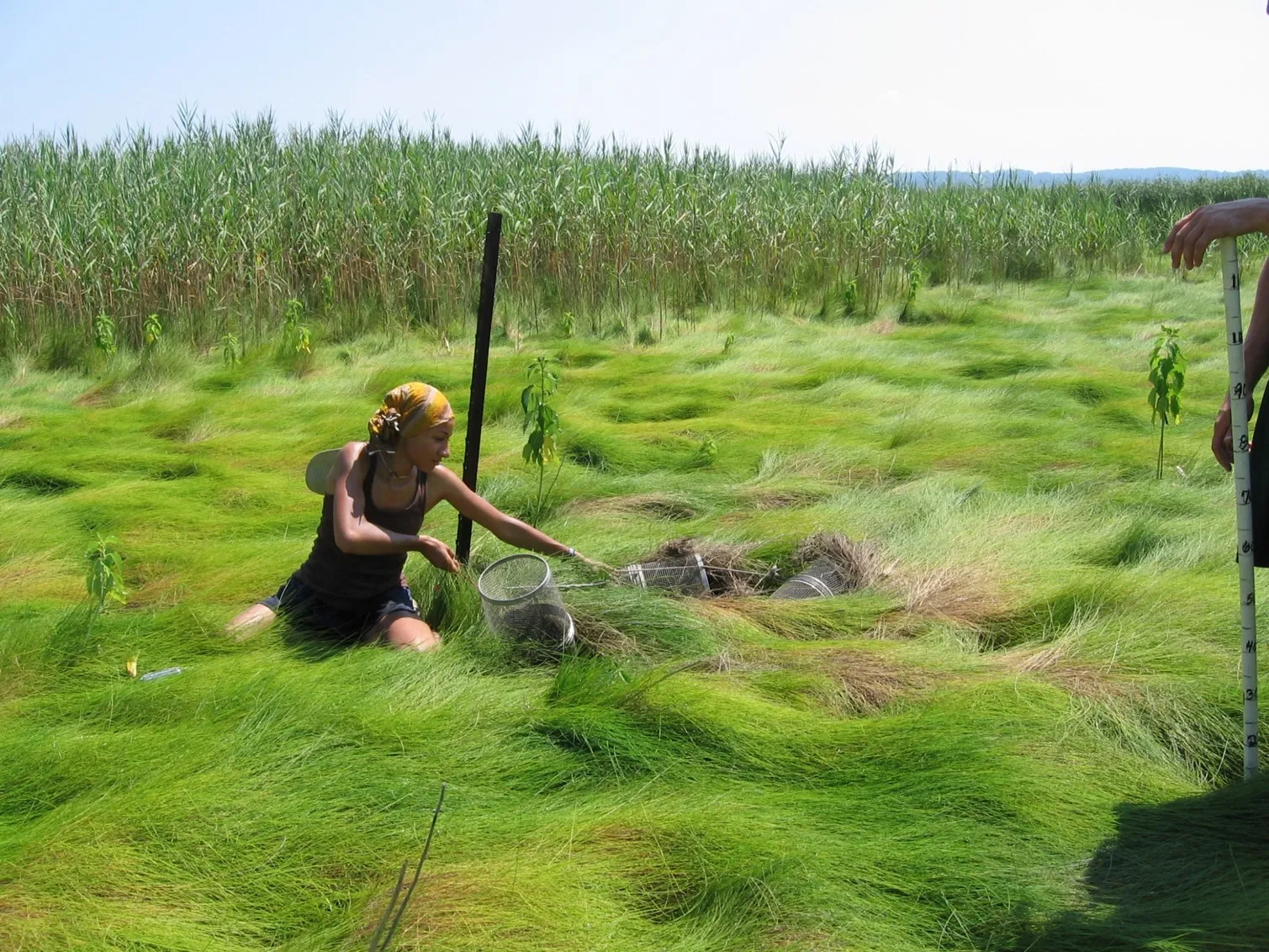
For Destiny Torres, a biology major at Brown University and a Gates Millennium Scholar, the Lamont-Doherty Earth Observatory’s Secondary School Field Research Program in 2010 offered her the perfect combination of research, mentorship, lab work, and a glimpse into the daily life of a scientist.
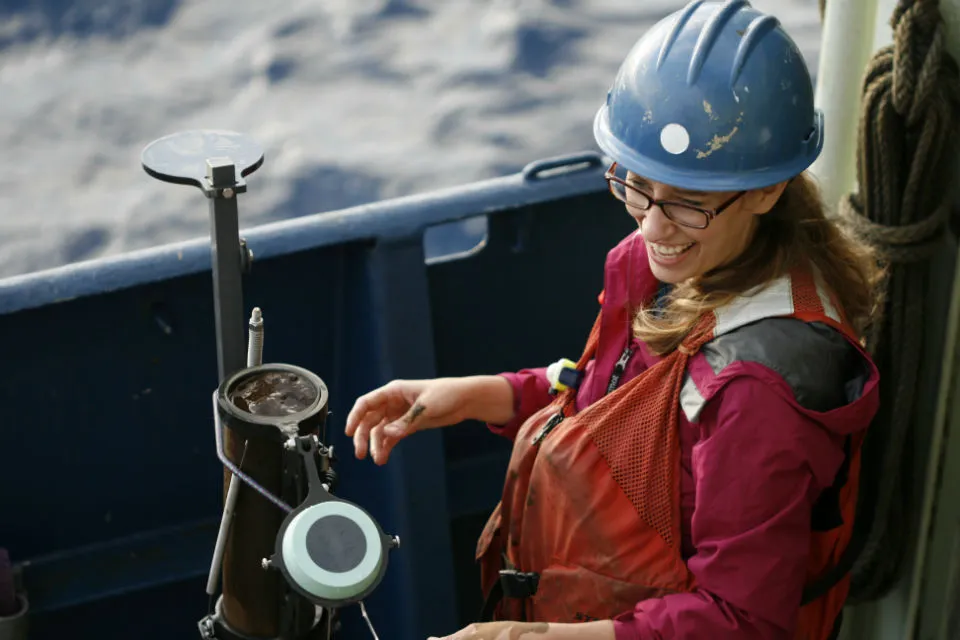
A team of scientists traveled to the Pacific Northwest aboard the R/V Atlantis last fall to investigate whether the waxing and waning of ice ages and volcanic eruptions are somehow related.
From October 2013 to December 2014, a total of 49 professors, scientists and students who are part of the Lamont-Doherty Earth Observatory community were recognized for outstanding achievements in their field. The acknowledgements in education and research included fellowships, medals and awards from many of the top science institutions in the world.
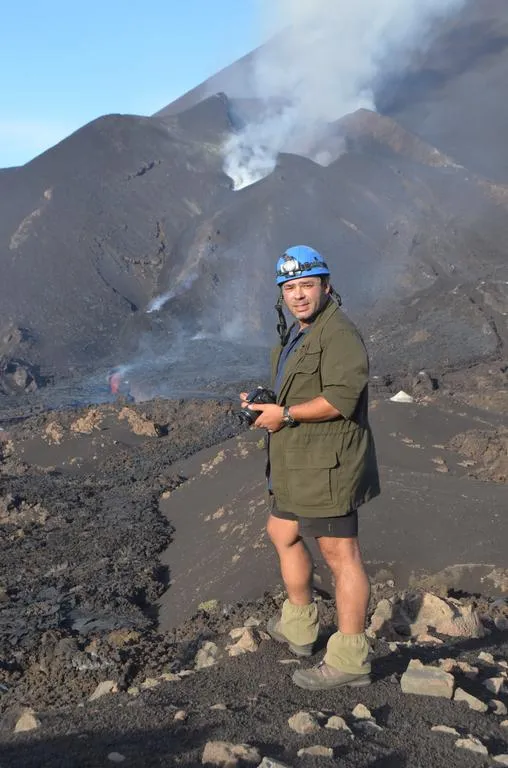
Nearly 20 years after its last eruption, in 1995, Fogo volcano off West Africa awoke on Nov. 26. Within a week, it had buried two villages under scorching lava, leaving 1,200 people homeless. Lamont-Doherty geologist Ricardo Ramalho was there to document the action and help advise local government.
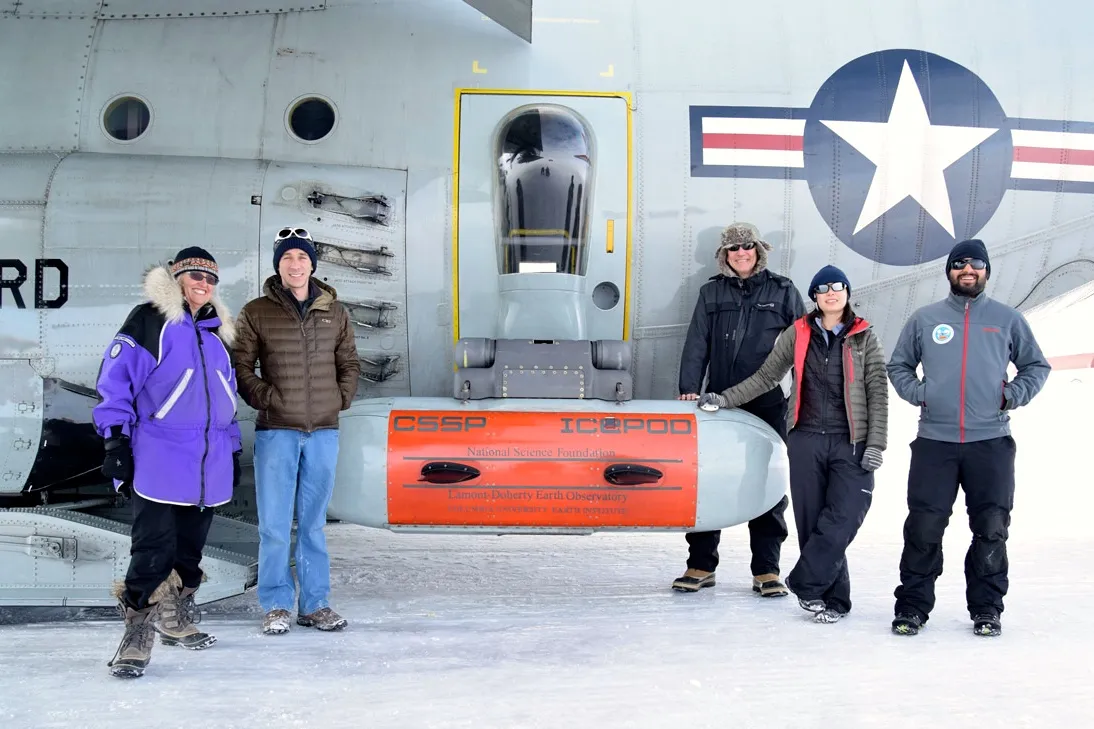
Lamont Doherty Earth Observatory scientists are among the many researchers currently doing fieldwork in Antarctica. They’re participating in expeditions near, above and on the continent, doing critical studies that will advance understanding of Antarctica’s land and sea processes.
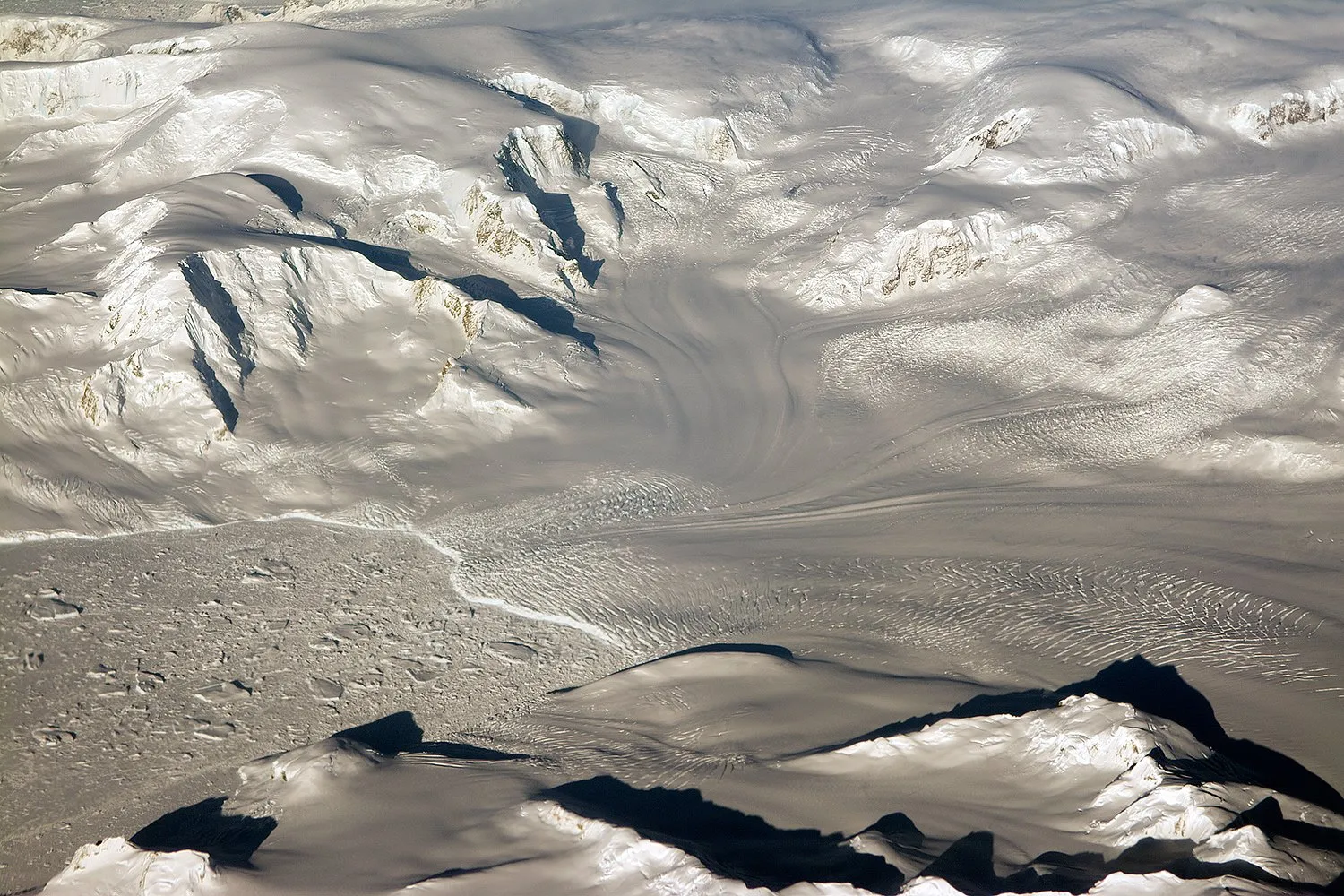
Glaciers in one part of West Antarctica are melting at triple the rate of a decade ago and have become the most significant contributor to sea level rise in that region, a new study says. The study found that the glaciers in the Amundsen Sea Embayment of West Antarctica have shrunk by an average of 83 gigatons a year for two decades—the equivalent of the weight of Mount Everest every two years.
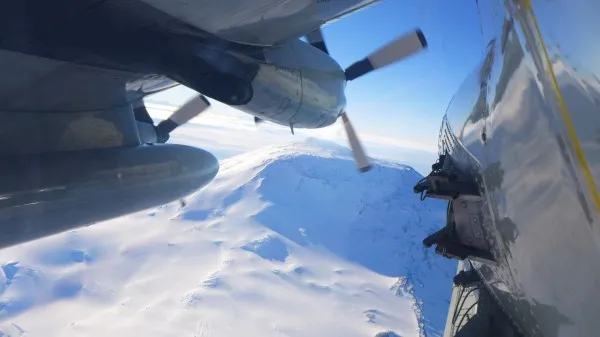
The Ross Ice Shelf is the largest of the Antarctic ice shelves, measuring just under the size of the state of Texas. It is several hundred meters thick, although most of this is below the water surface. Along the ~ 600 kilometer front edge of the shelf, the ice towers up to 50 meters in height; a sheer vertical wall of white and the iridescent blue of compressed ice.
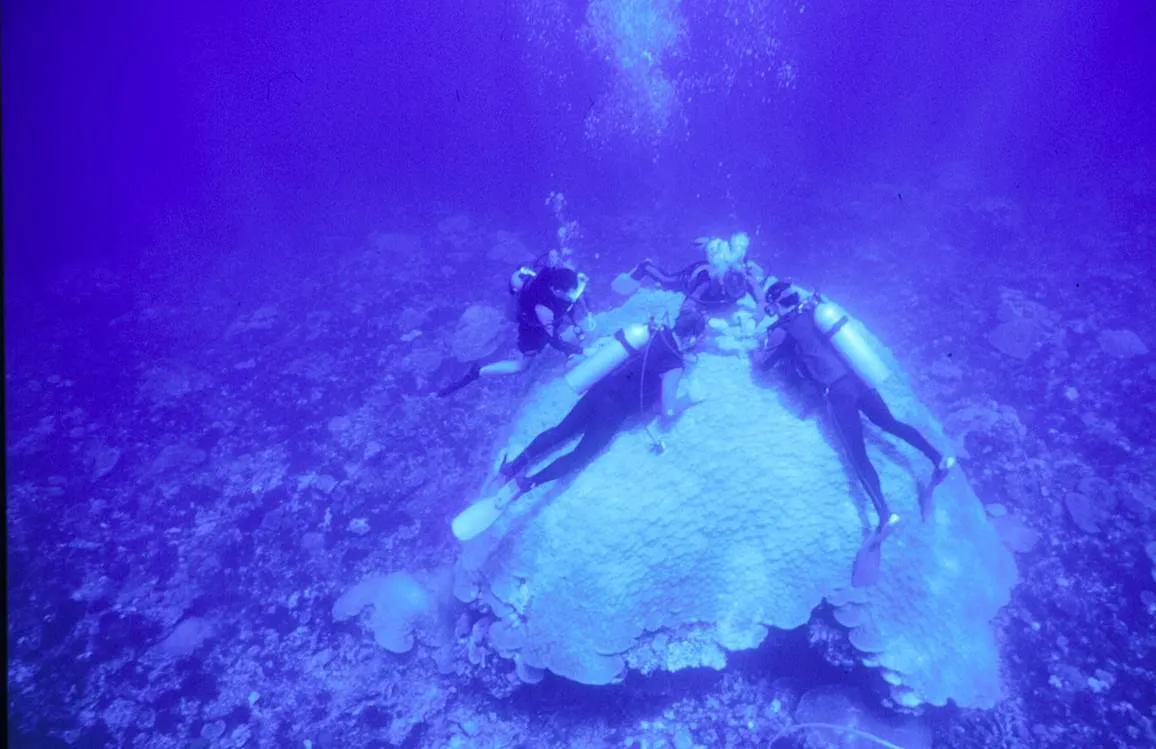
Scientists at Columbia University’s Earth Institute will present important talks at the Dec. 15-19 meeting of the American Geophysical Union, the world’s largest gathering of earth and space scientists. Here is a journalists’ guide in rough chronological order.
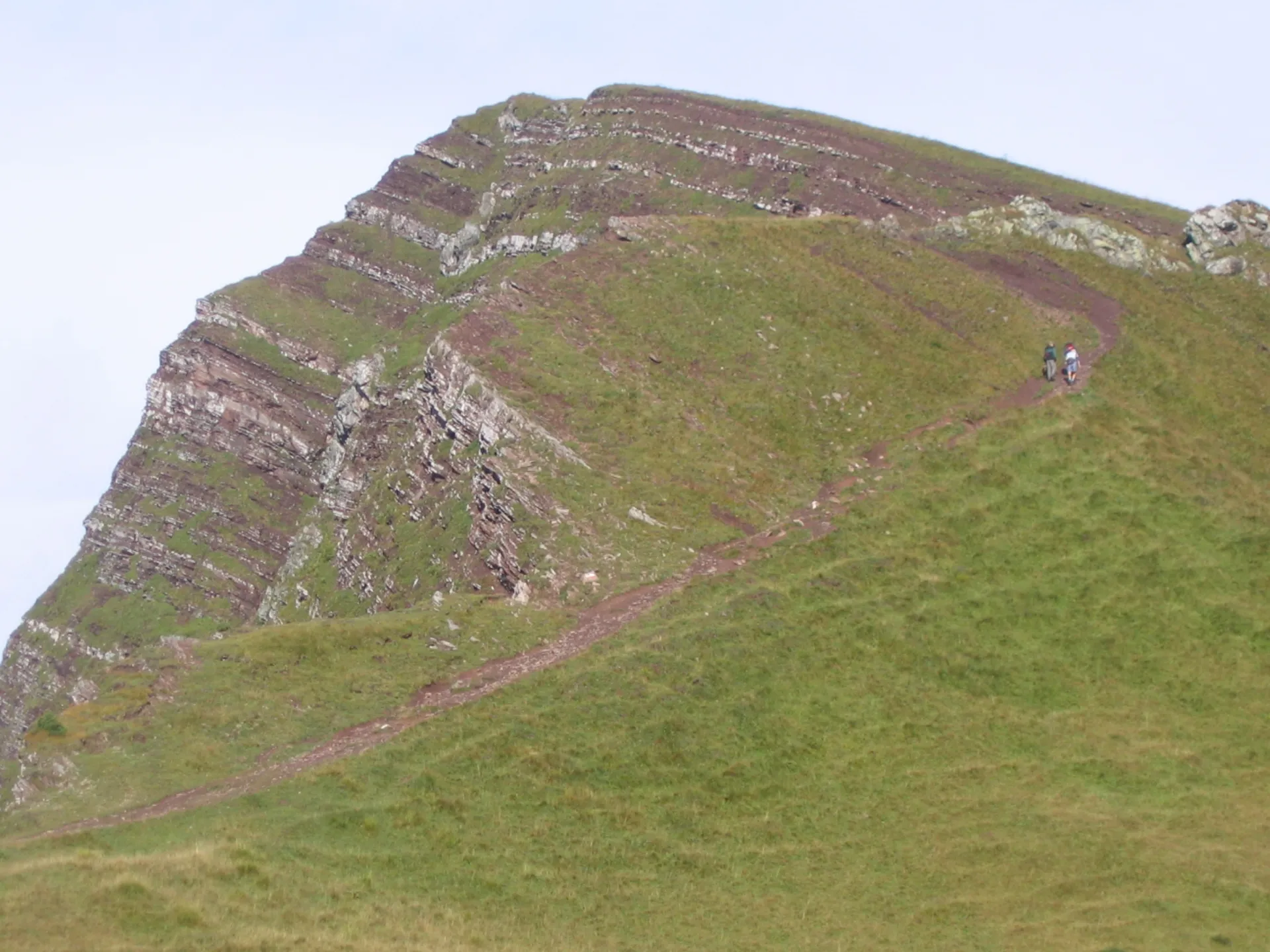
By burning fossil fuels for heating, electricity, transportation and other purposes, humans add CO2 to the atmosphere. Yet, by comparing ways in which the Earth’s temperature, CO2 concentration, sea level and ice sheets have changed in the past, we are able to learn valuable lessons about the climate system of today and tomorrow.
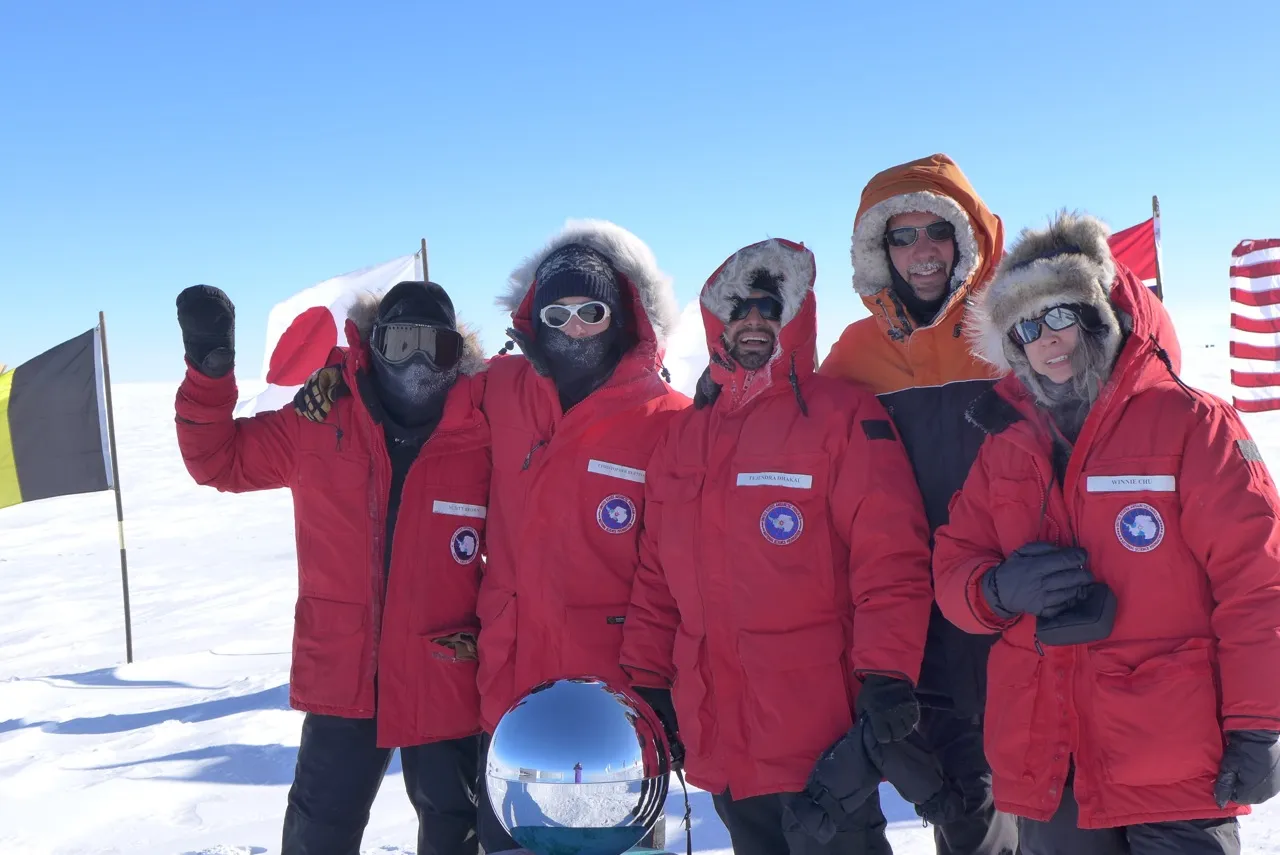
Migrating south in the winter is a behavior that Antarctic scientists share with many species of birds, although the scientists fly just a bit further south. For the IcePod team it was time to join the migration so they could test their equipment in the most challenging environment the Earth has to offer.
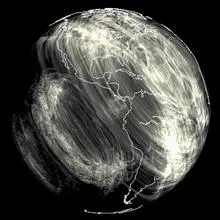
Lamont-Doherty Earth Observatory scientist Ben Holtzman grew up discovering science through interactive exhibits in San Francisco’s Exploratorium and now provides a similar experience for others. Holtzman designs immersive shows that allow people to experience what earthquakes and seismic waves look and sound like as they move through and around the Earth. On Monday, November 17th at the American Museum of Natural History Hayden Planetarium, Holtzman and his collaborators will present one of these shows, the second installment of SeismoDome: Sights and Sounds of Global Seismology.

Once a year, Piermont Pier becomes a field station, and local students, a team of environmental investigators. On Tuesday, scientists at Lamont-Doherty Earth Observatory led students through a series of field experiments designed to teach them more about the Hudson River.