
Lamont in the Media
Earth & Climate Science News
In honor of this year’s theme, “Synergizing AI, Social Science, STEM and Finance: Building Inclusive Futures for Women and Girls,” we're highlighting just some of the exceptional women researchers from the Columbia Climate School.
New study reveals surprising link between West Antarctic Ice Sheet (WAIS) retreat and algae growth over the past 500,000 years.
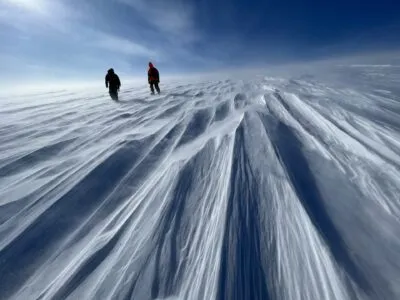
The first study from GreenDrill finds that Greenland’s Prudhoe Dome ice cap had fully melted much more recently than previously thought.
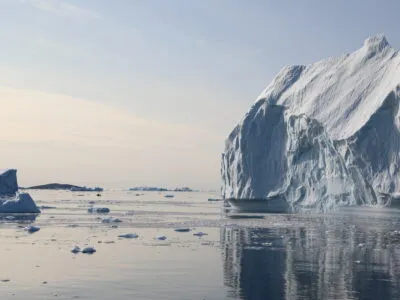
Even as global warming causes sea levels to rise worldwide, sea levels around Greenland will likely drop, according to a new paper.
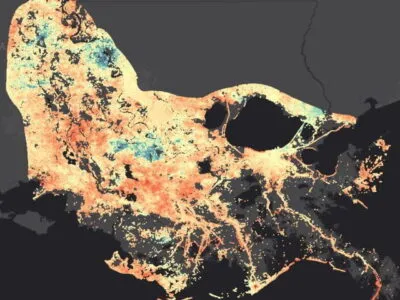
New research, published in Nature, documents the rate of elevation loss in the world’s deltas, and finds that people are the primary reason for it.
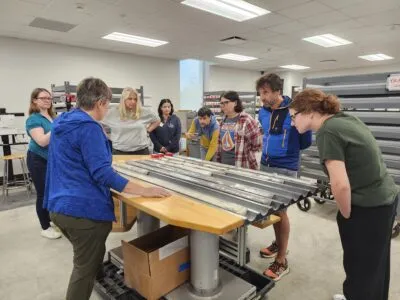
Last summer, teachers from around the globe got a hands-on opportunity to engage in research alongside scientists at the Gulf Coast Repository at Texas A&M University.
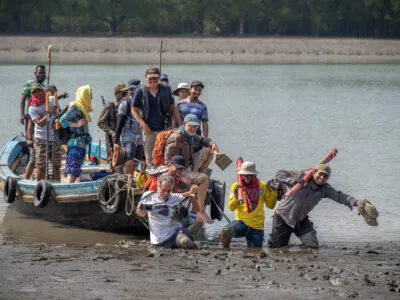
Drinking water is often scarce in Bangladesh. These researchers have tapped into a potential solution.
A look back at the stories and videos that shaped our year at State of the Planet.
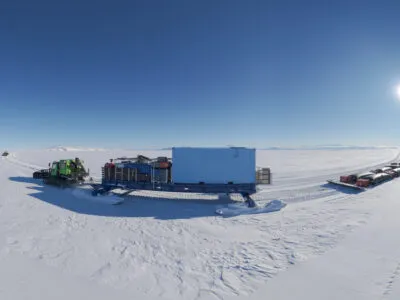
An international team, including researchers from Columbia’s Lamont-Doherty Earth Observatory, is attempting to drill for mud and rocks holding critical insights about the fate of the West Antarctic Ice Sheet in our warming world.
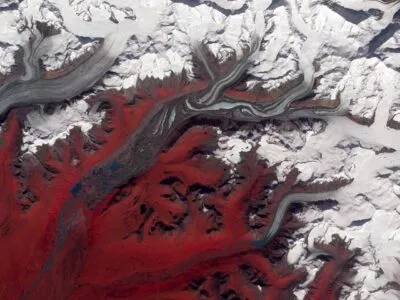
The results of a recent community effort highlight the rapid decline of glaciers worldwide, as well as the importance and challenges of glacier monitoring.
Check out a guide to some of our notable research at this year's AGU conference.
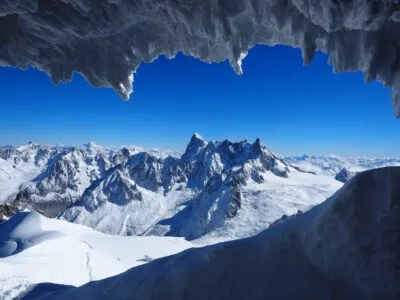
In a recent study, scientists determined that climate change-induced glacial melt may cause more earthquakes.