
Lamont in the Media
Earth & Climate Science News
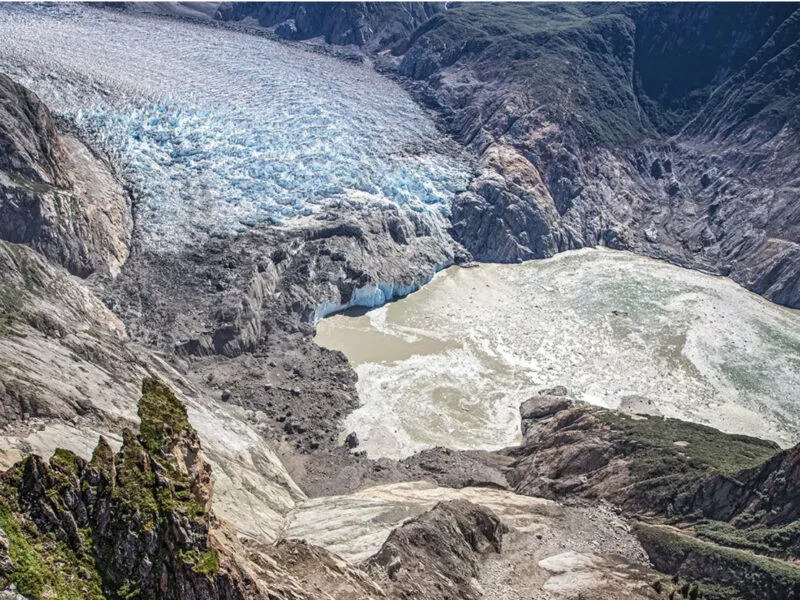
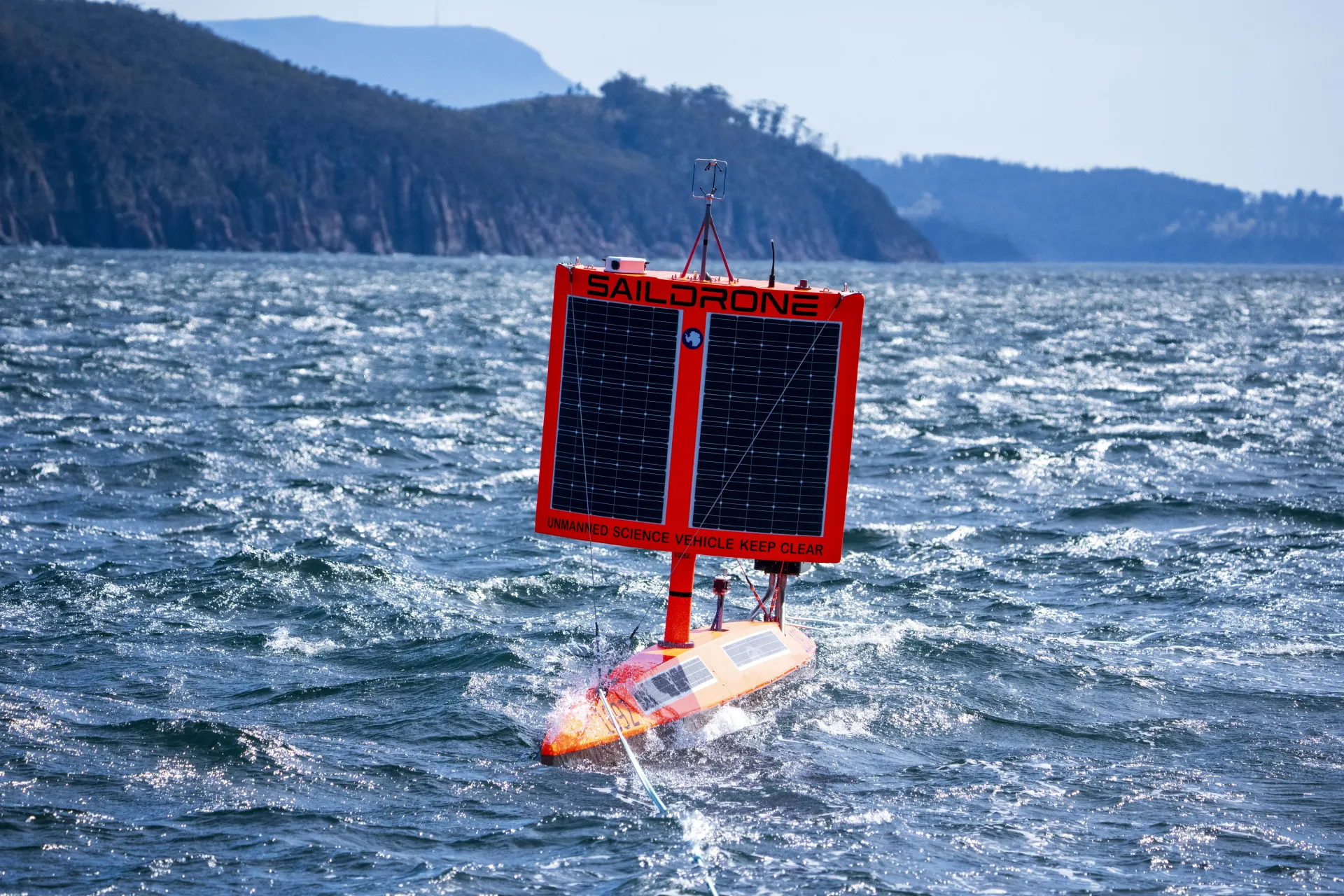
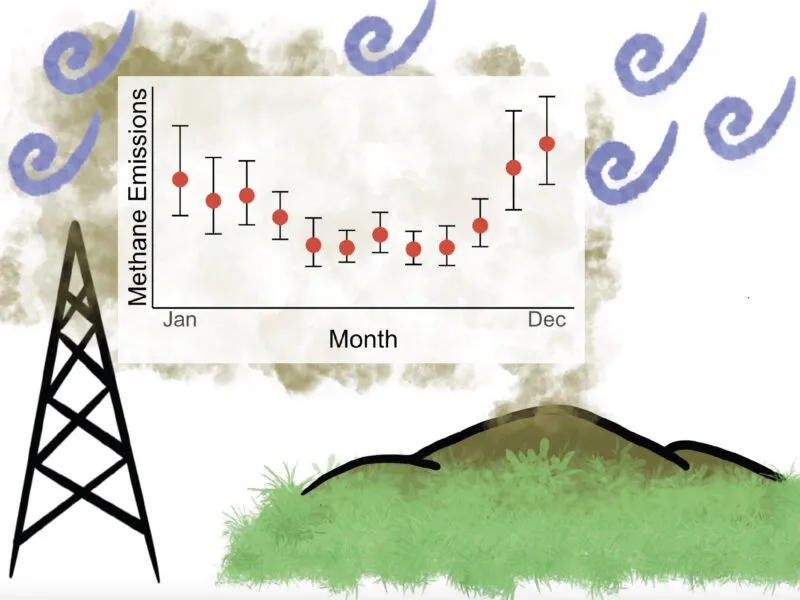
This month, we covered a long-term analysis suggesting that landfill methane emissions may be far higher than estimated, as well as new research on unexpected trends in U.S. extreme rainfall. Here are additional studies worth noting.
Josie Brooks reflects on an exhibit at Maine’s Peary-MacMillan Arctic Museum, which explores Inuit food traditions, hunting, art and community.
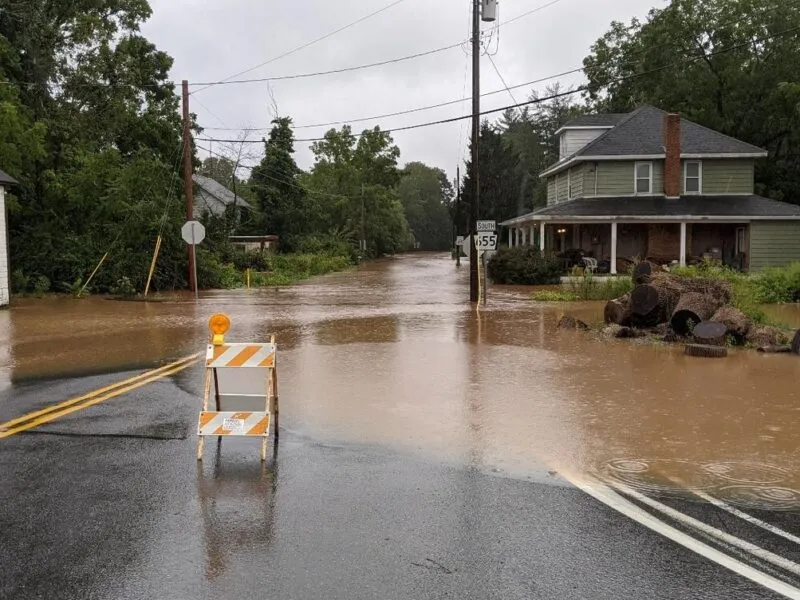
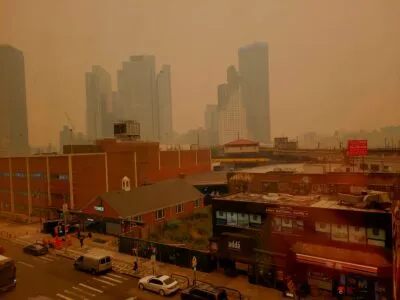
Climate researchers Marco Tedesco and David Sathuluri reflect on how a single week of heat, smoke and flooding exposed the vulnerability of NYC.
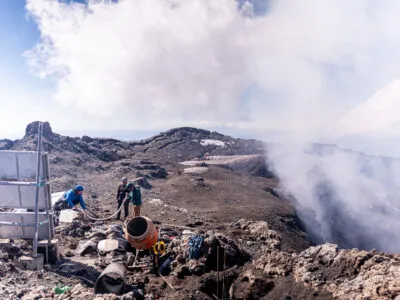
Lamont scientists Terry Plank and Einat Lev worked with partners in Chile to install a new suite of sensors on the summit of Villarrica, bringing real-time monitoring to one of Chile’s most active volcanoes.
This month, we covered the 2026 Environmental Performance Index; how gas bubbles shaped Kīlauea’s lava flow; and the Pacific’s contrasting effects on wildfires. Here are some additional studies worth noting.
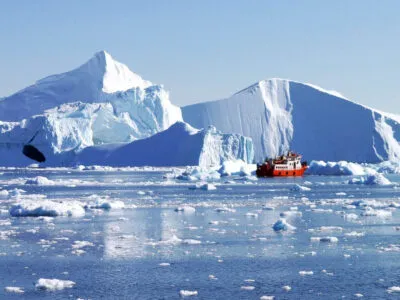
Recent studies show that the deposition of nutrients on glaciers and ice sheets is causing rapid algal growth, reducing glacier albedo and warming the planet.