

Lamont in the Media
Earth & Climate Science News
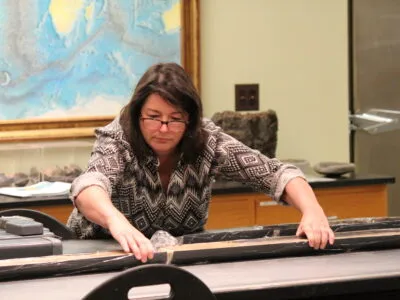
Raymo received the award for her pioneering development of hypotheses that explain climate change across Earth’s history, and her educational leadership in the Earth system sciences.
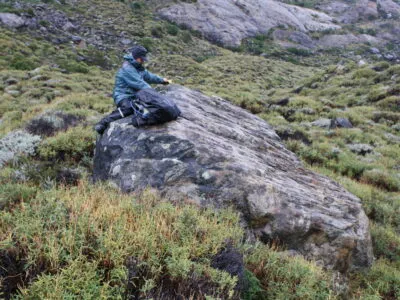
Kaplan studies the ways ice sheets, mountain glaciers, climates and landscapes changed in the past.
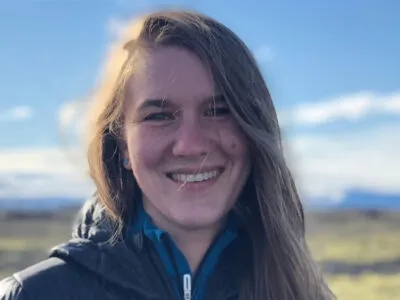
Laramie Jensen’s interest in inorganic and analytical chemistry led her to the ocean. And then to the North Pole.
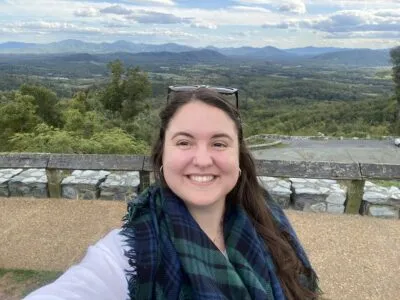
Aynsley Kretschmar, a soon-to-be graduate of the M.A. in Climate and Society program, reflects on the skills she’s gained from her time at Columbia, as well as what she’s most excited about for her future.
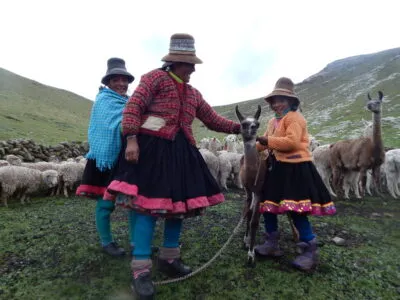
Caine’s new book depicts a small community in the glacier-fed Peruvian Highlands as it navigates climate change and social pressures.
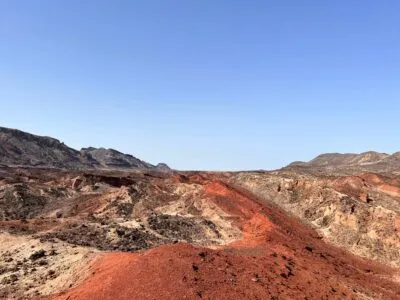
Researchers have found that Earth’s underlying crust in the Turkana Rift region has been significantly thinned, presaging Africa’s eventual breakup—and with that finding, the researchers offer a new perspective on Turkana’s fossil record of human evolution.
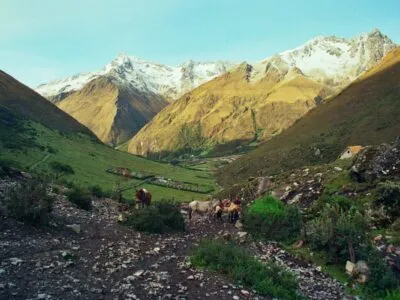
Once again, we honor Earth Day by sharing some amazing photos celebrating the beauty and magic of our planet, as captured by the Columbia community.
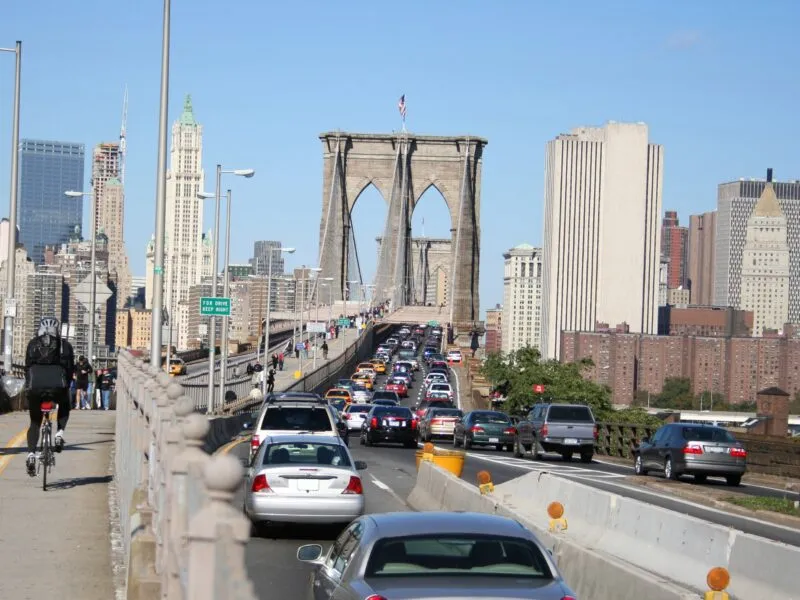
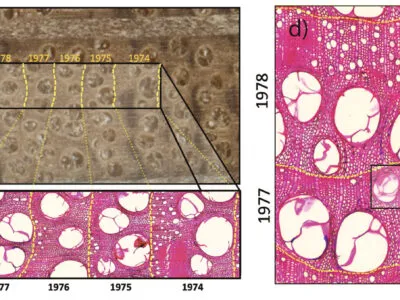
New research suggests that trees largely recover from storms within two years, and that coastal trees may be stressed from sea-level rise.
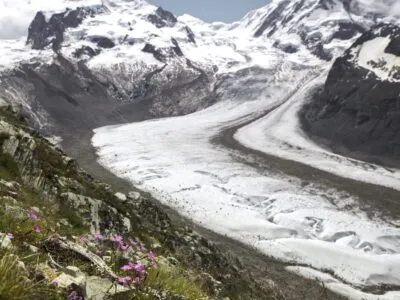
Researchers found that two alleles in the wood pink plant species may allow the perennials to adapt to warming temperatures.
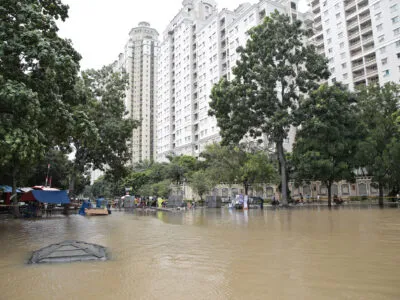
A new study finds that land subsidence is outpacing ocean-driven sea-level rise along the northern coastline of Java Island, Indonesia.
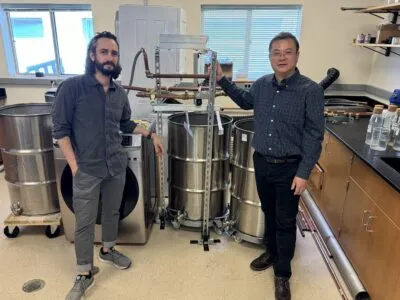
Students and faculty at Columbia’s M.S. in Sustainability Management and Sustainability Science programs turned cutting-edge research on microplastics into Moby Filter, a sustainability startup tackling laundry-induced pollution at its source.