
Lamont in the Media
Earth & Climate Science News
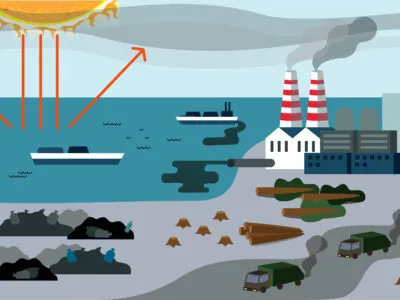
A new model shows how levels of the “atmosphere’s detergent” may rise and fall in response to climate change.
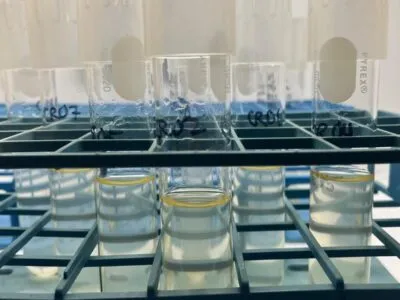
This research identifies a diverse set of molecules released by marine phytoplankton that fuel microbial life and help drive Earth’s carbon cycle.
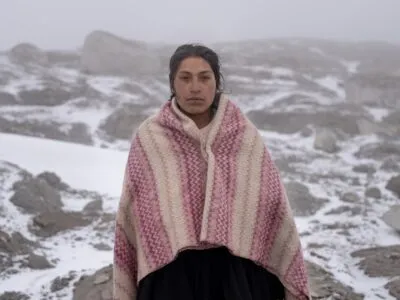
From a photography exhibit of a high-mountain community in the Peruvian Andes to leading research by Columbia scientists, a recent panel celebrated the knowledge and work of women in and around glaciers.
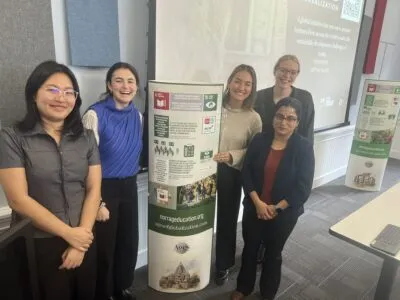
The NYC Mid-Winter Climate Institute brought together K-12 educators to identify meaningful entry points for climate education lessons in their classrooms and beyond.
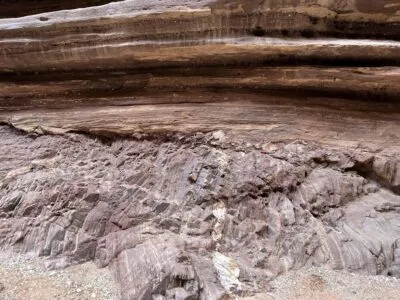
New findings shed light on a widespread gap in the geologic record, where more than a billion years of Earth’s history appear to have been erased.
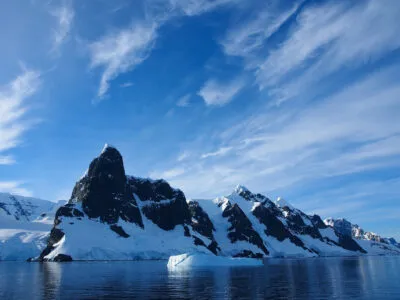
Scientists have found that Antarctica’s ice loss is increasing rapidly, mirroring the melting of its northern counterpart, Greenland.
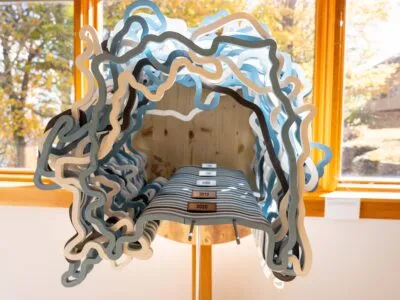
Lamont’s 2025 Research as Art exhibit provides a platform for scientists to share their research in a creative way.

Unless women’s lived realities are embedded in AI's foundations, it risks reinforcing the very inequities it claims to solve.
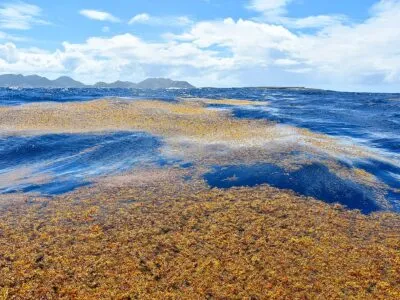
A recent study demonstrates the power of artificial intelligence as a tool for processing large amounts of ocean data.
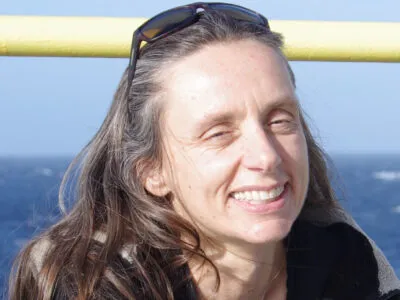
Winckler focuses on the history and causes of past, present and future climate variability, as well as the ocean’s role in the climate system and the carbon cycle.
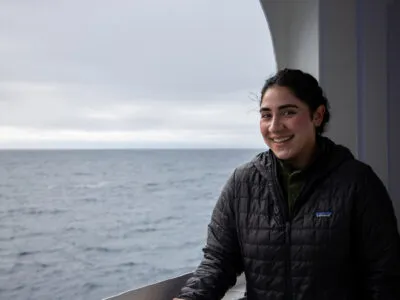
Arellano uses geochemical analyses to reconstruct deep ocean circulation in the North Atlantic Ocean.
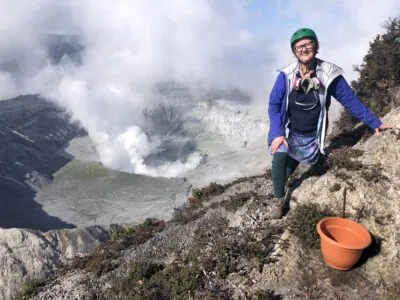
Award-winning geochemist and volcanologist Terry Plank studies the phenomena shaping the Earth’s crust and how they affect the world’s volcanoes.