

Lamont in the Media

Earth & Climate Science News
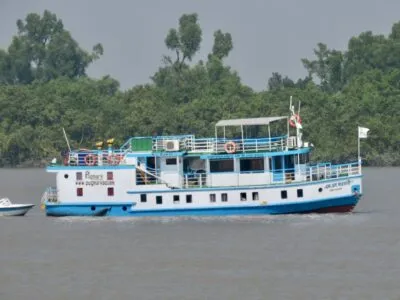
The future sustainability of the delta depends on the balance of sea level rise, the subsidence of the land, and the deposition of sediments that can help maintain the land.
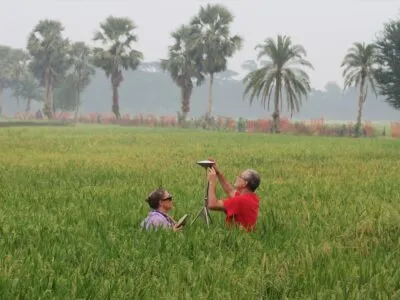
Mike Steckler travels around the coastal zone of the world’s largest delta in Bangladesh to repair GNSS (GPS) instruments.

Published today in JAMA, a 20-year study of nearly 11,000 adults in Bangladesh found that lowering arsenic levels in drinking water reduced the risk of death from chronic illnesses, compared with continued exposure.
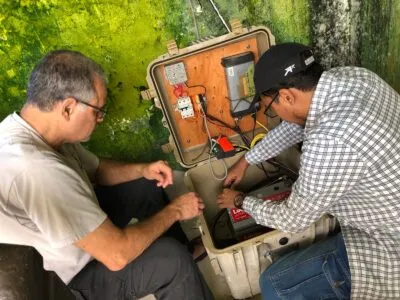
After finishing fixing their global navigation satellite system equipment in Sylhet, Mike Steckler and his team traveled south to repair more stations in Comilla, then to Dhaka and the coast.
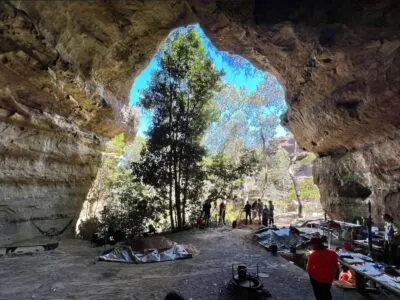
Archaeologists and local First Nations groups have uncovered early evidence that reshapes our historical understanding of high-altitude human occupation and mobility.
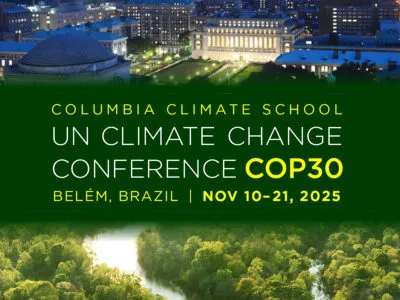
Columbia and Climate School representatives share their goals for this year's global climate summit in Brazil.
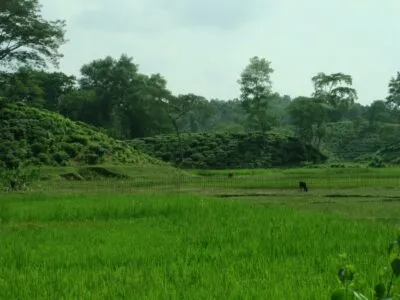
Mike Steckler is back in Sylhet, Bangladesh, to repair GNSS stations that are monitoring tectonics and earthquake hazards, and measuring the sinking of the land in the world's biggest delta.
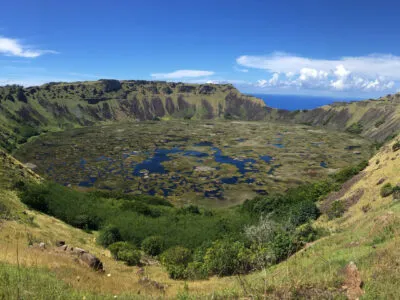
A new study challenges long-held narratives of societal “collapse,” instead showing that Rapanui communities adapted to profound climate stress with resilience and innovation.
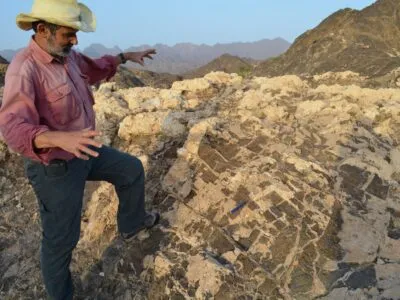
The new discovery has implications beyond geologic history, such as the search for critical minerals and habitable planets beyond Earth.
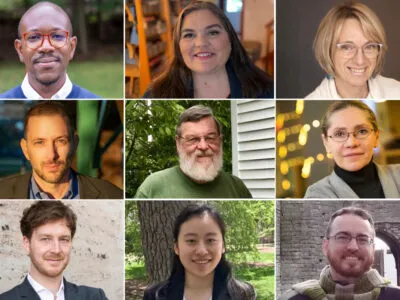
Scientists connected with the Lamont-Doherty Earth Observatory, which is part of the Columbia Climate School, received notable accolades from renowned national and international research societies this fall.
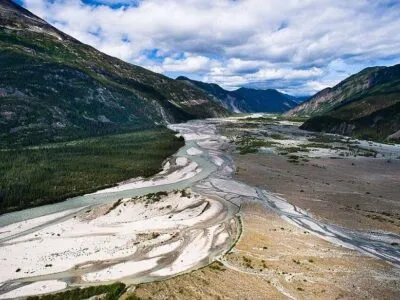
A Canadian mining company is seeking approval to renew gold mining operations in northwestern British Columbia, but they face opposition from First Nations, environmental nonprofits and downstream Alaskan communities.

Xia discusses her research projects, mentorship goals, and the importance of staying ahead in a changing scientific landscape.