

Lamont in the Media
Earth & Climate Science News
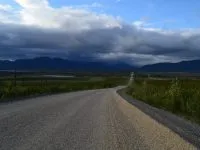
Due to warming climate and increasing human exploitation, far northern forests and the tundra beyond are undergoing rapid changes. In northern Alaska, scientists from Columbia University’s Lamont-Doherty Earth Observatory and other institutions are studying the responses of trees at the very edge of their range.
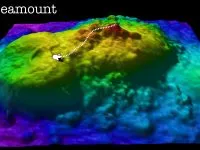
Ocean scientists are, in their hearts, explorers. Our group aboard the R/V Atlantis may be more infected with the exploration bug than most. The first goal of our expedition makes that clear: We aim to map regions of the seafloor never before seen by human eyes.
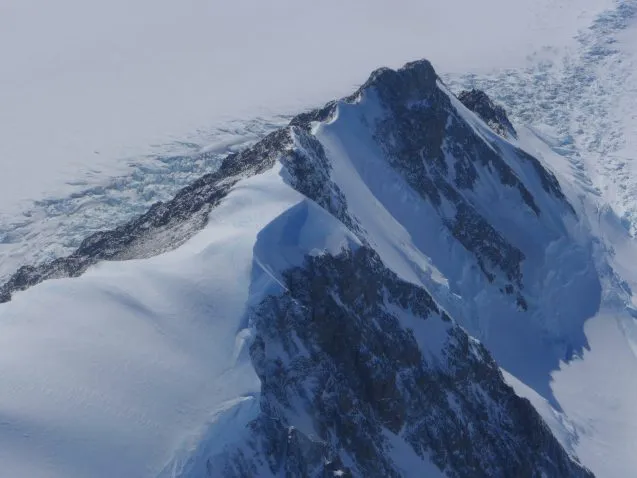
Ice shelves can behave like dominos. When they are lined up and the first one collapses it can cause a rippling effect like dominos. We have seen this with the Larsen Ice Shelves. Named in series, the Larsen A, B and C shelves extended along the northeastern edge of the West Antarctic Peninsula, and covered a large swath of coastline as recently as twenty years ago.
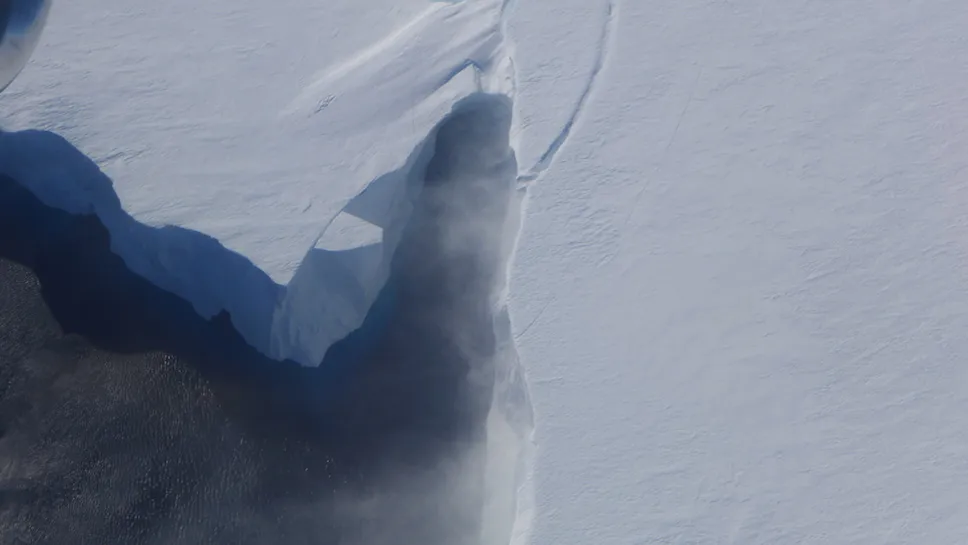
If you have studied the impacts of climate on Antarctica you have encountered Pine Island Glacier. Tucked in at an angle under the West Antarctic Peninsula handle, this seemingly innocuous glacier has been making headlines for years as one of the fastest flowing ice stream glaciers on Earth.
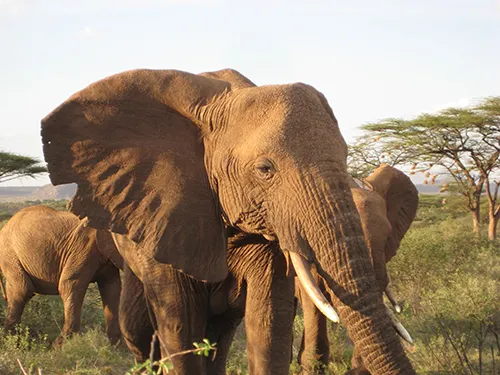
Researchers analyzing African elephant tusks seized by global law enforcement have confirmed what many suspect: the illegal ivory trade, now running in high gear, is being fueled almost exclusively by recently killed animals.
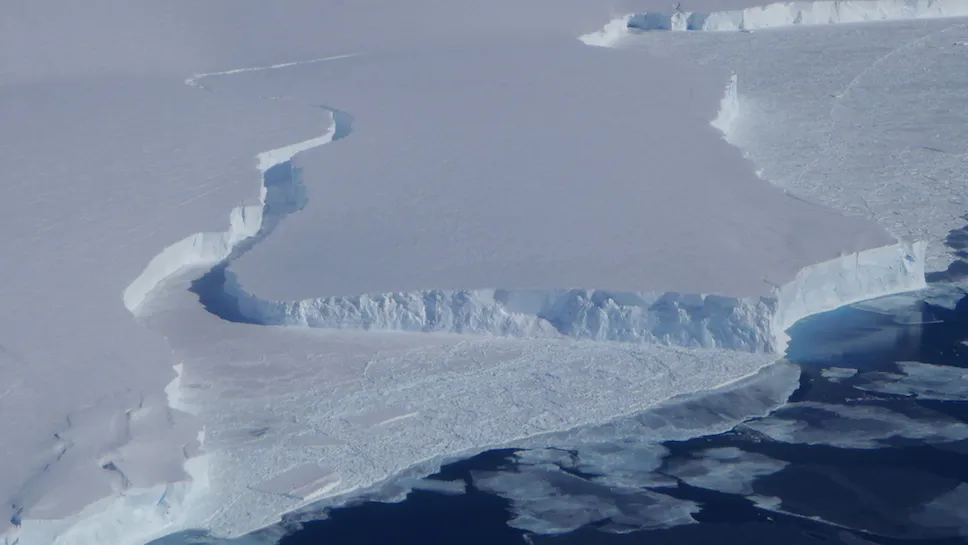
Changes in Antarctic ice have been dominated by the interaction of the ice and the ocean, and because ice shelves extend out into the water they are vulnerable to melt from the warmer ocean water. Melt can affect them in two ways, through thinning along their length and through causing a retreat of the “grounding line.”

Nearly 3,000 people showed up to explore the Lamont-Doherty Earth Observatory’s campus and laboratories at the open house on Oct. 8. Watch the video and find out what it was all about.

A new film takes viewers from the eastern highlands of India to the booming lowland metropolis of Dhaka, the capital of Bangladesh–and explores an ever-more detailed picture of catastrophic earthquake threat that scientists are discovering under the region.
Thousands of visitors toured the labs and crowded around demonstrations at Lamont-Doherty Earth Observatory's Open House on Saturday, often jumping in to help.

The American Geophysical Union election results are in, and three Lamont-Doherty Earth Observatory scientists will be taking key leadership roles in the internationally influential Earth and space sciences organization.
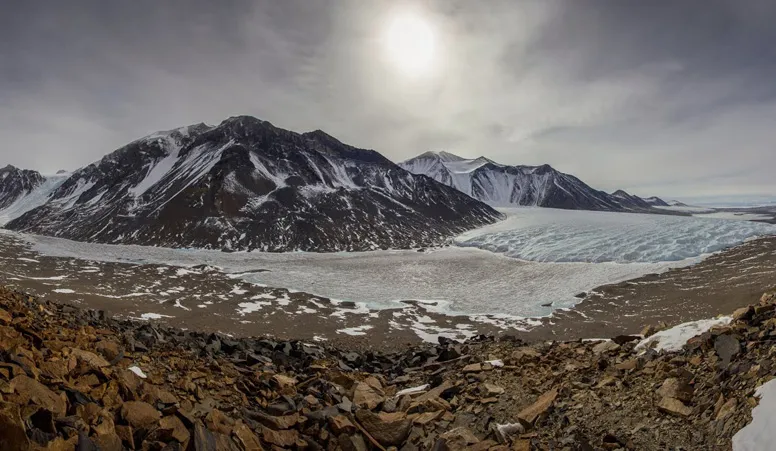
A special section in the October issue of BioScience featuring research by Lamont-Doherty Earth Observatory scientists examines the effects of intense melting on two Antarctic ecosystems, tracking impacts all the way from microbial food webs to shifting penguin populations.
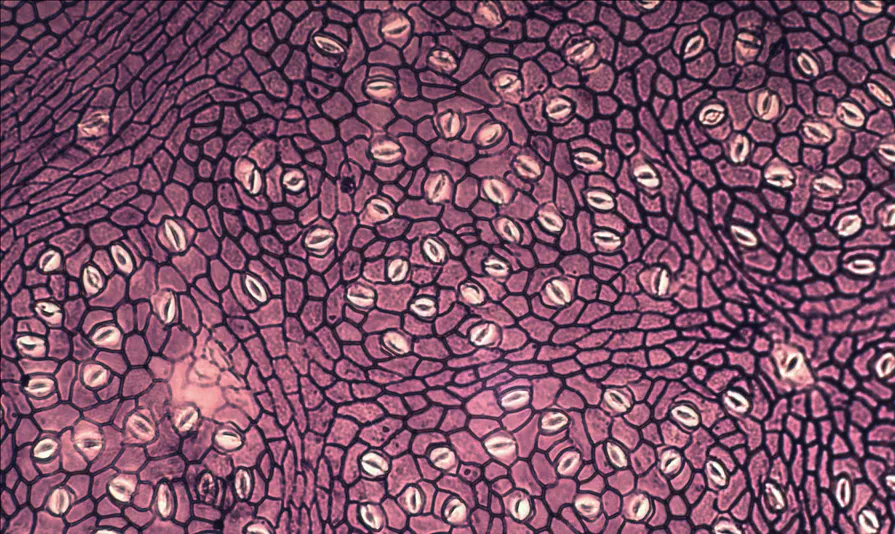
Twenty-three million years ago, the Antarctic Ice Sheet began to shrink, going from an expanse larger than today’s to one about half its modern size. Ancient fossilized leaves retrieved from a lake bed in New Zealand now show for the first time that carbon dioxide levels increased dramatically over a relatively short period of time as the ice sheet began to deteriorate.