
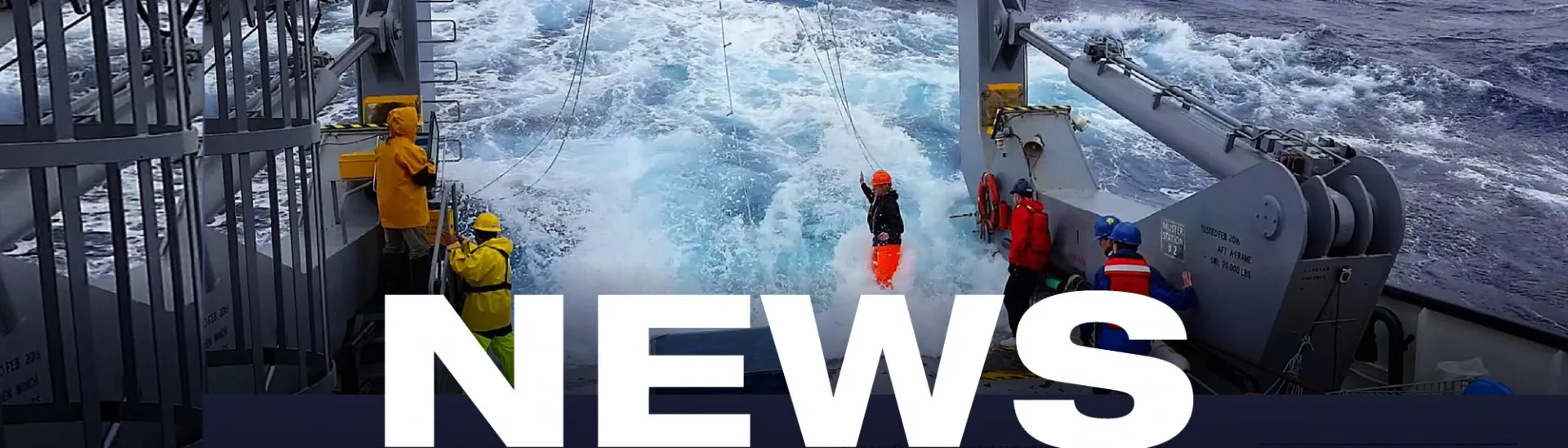
Lamont in the Media
Earth & Climate Science News
As the American Southwest grows hotter, the risk of severe, long-lasting megadroughts rises, passing 90 percent this century if greenhouse gas emissions continue at their current pace, a new study from scientists at Lamont-Doherty Earth Observatory says. Aggressively reducing emissions can cut that risk.
Bob Newton, an oceanographer who leads the SSFRP, an intensive summer fieldwork program for high school students at Lamont-Doherty Earth Observatory, just won Lamont's 2016 Excellence in Mentoring Award. His students explain how he has changed their lives.
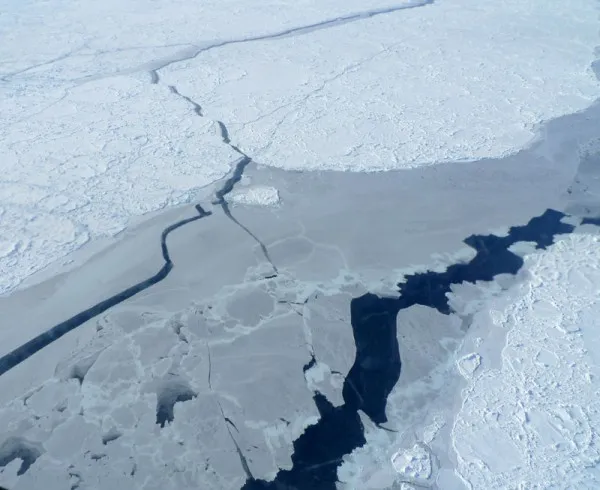
A new white paper reviews climate impacts already underway in the Arctic, and examines further changes expected to take place even if the world meets the goals of the Paris Agreement. It will be presented today at a meeting at the White House of national-level science ministers and advisors from around the world.
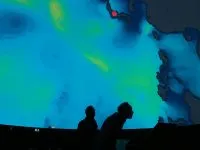
Lamont scientist Ben Holtzman and the Seismic Sound Lab take viewers on an entirely new sensory experience to see, hear and feel earthquakes from inside the planet.
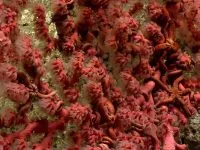
Only a few people have ever explored deep inside the seafloor canyons that President Obama just designated a national marine monument. Bill Ryan is one of them. In this podcast he describes what his team saw and learned.
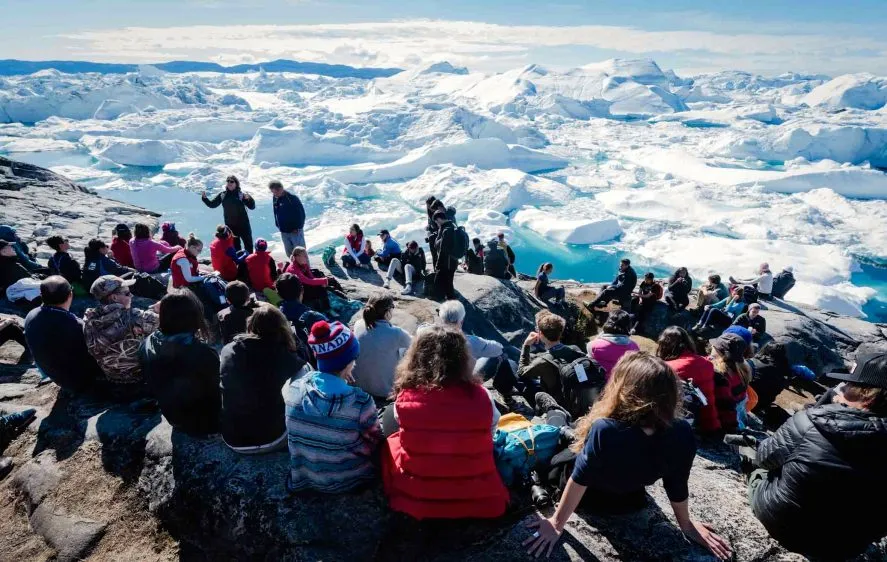
An expedition to the Canadian Arctic and west coast of Greenland is a moving and motivating experience for Lamont-Doherty Earth Observatory climate scientist Maureen Raymo.
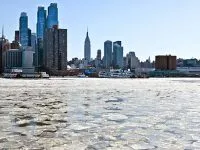
This past July was Earth’s hottest month since record keeping began, but warming isn’t the only danger climate change holds in store. Recent years have seen a dramatic increase in the simultaneous occurrence of extremely cold winter days in the Eastern United States and extremely warm winter days in the Western U.S., according to a new study.
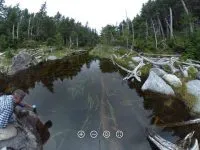
A team of scientists conducted an unprecedented health check of the entire Hudson River system, from its source to New York Harbor. This is what they found.
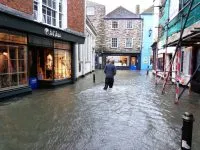
Lamont-Doherty Earth Observatory scientists Ryan Abernathey and Richard Seager are investigating how processes in the ocean create extreme weather and climate conditions over land.
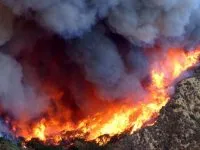
Lamont-Doherty Earth Observatory scientist Park Williams, recipient of a Center for Climate and Life Fellowship, is investigating the influence of climate change on droughts and wildfires.
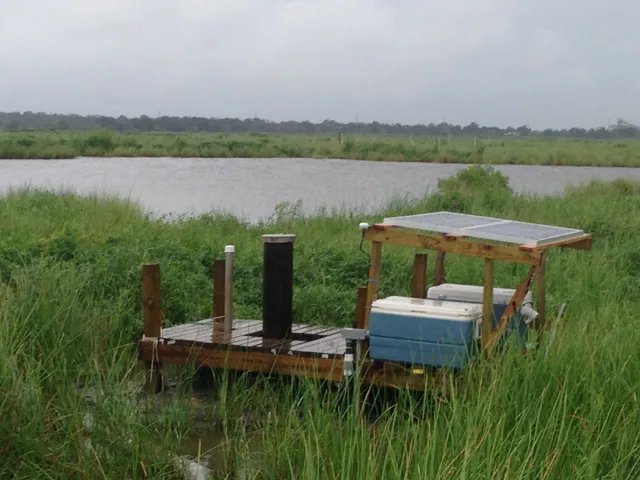
This summer I am in the Mississippi Delta in southern Louisiana helping to install an updated version of the compaction meters that we have in Bangladesh. The environment is quite different and we have arrived in the midst of an historic storm. Luckily for us the brunt of the storm is NW of us. So far, we are still able to work between the rain above and the mud below.
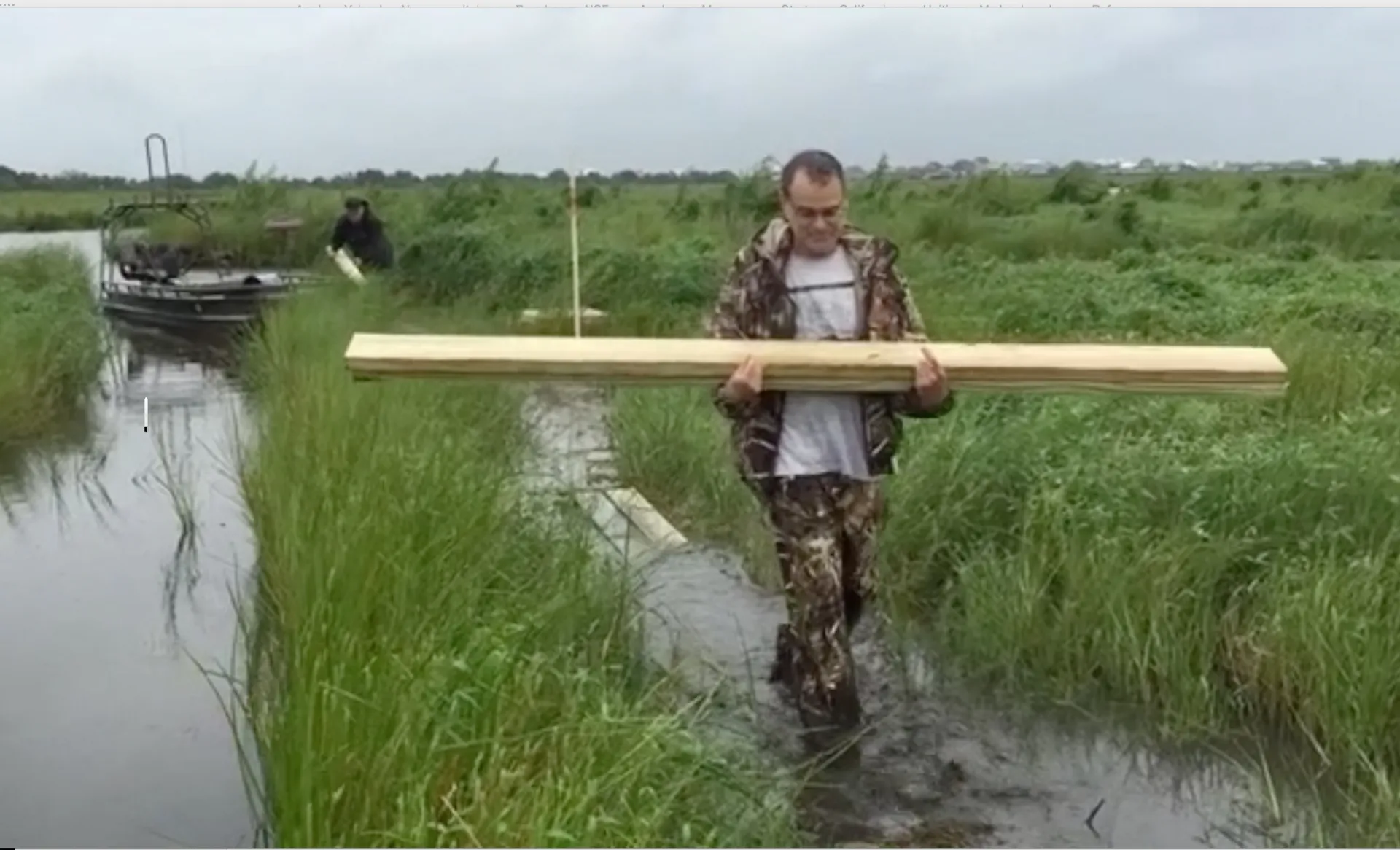
Despite the miserable weather and ongoing rain, we constructed a wooden structure to hold the GPS receivers, solar panels and other electronic equipment between the three wells. We worked out how and where to mount the antennas and had parts made to accomplish it. Although I had to leave before it was completed, the team persevered through the storm and now we will be monitoring ground subsidence and sediment compaction in the Mississippi Delta.