
Lamont in the Media
Earth & Climate Science News

A video reveals mature jellyfish under the Arctic sea ice, where they aren’t supposed to be.
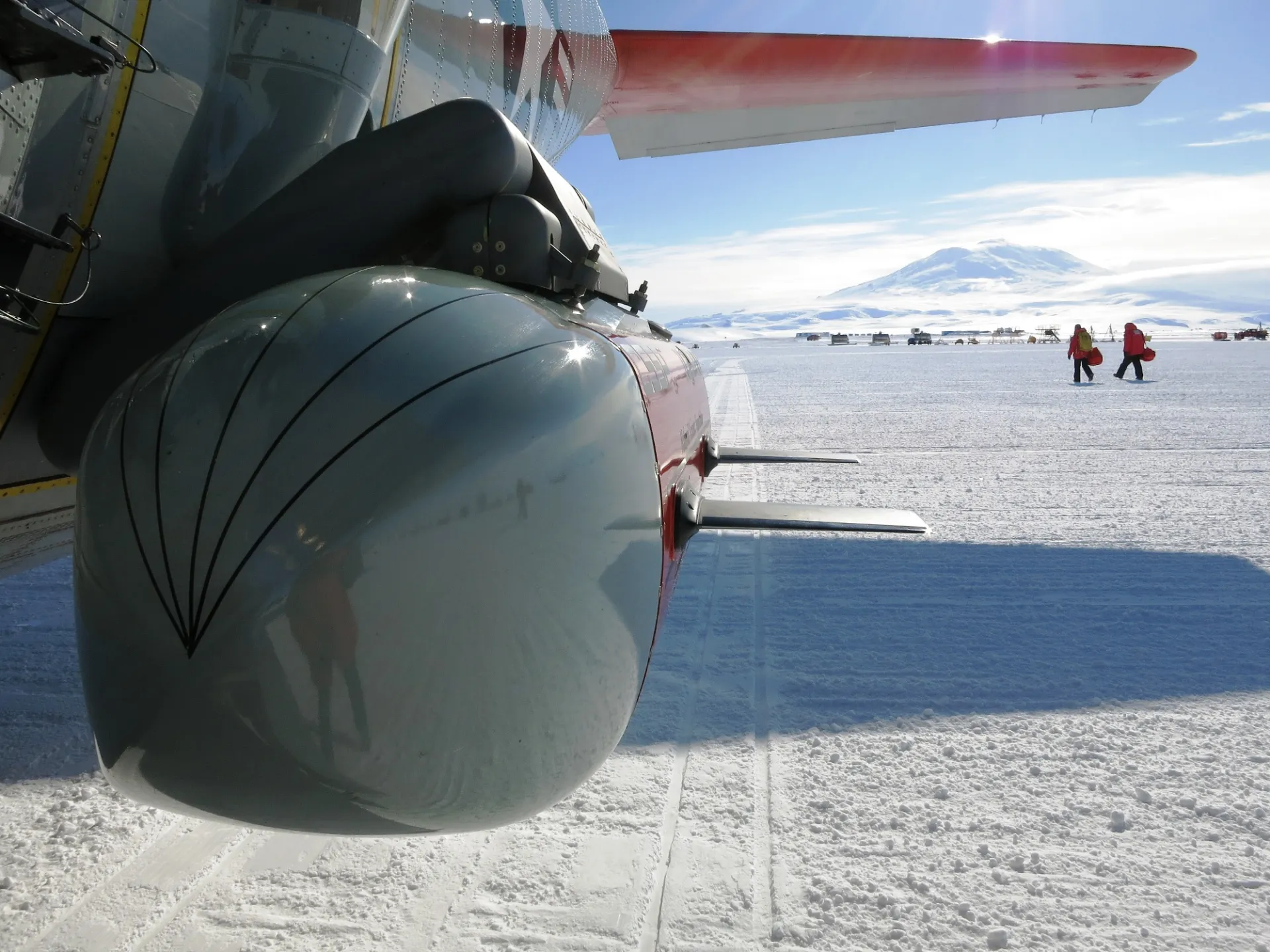
We have embarked! Our third Antarctic field season is underway, putting us only 18 flights away from completing our mission to map the Ross Ice Shelf, the largest ice shelf in Antarctica.
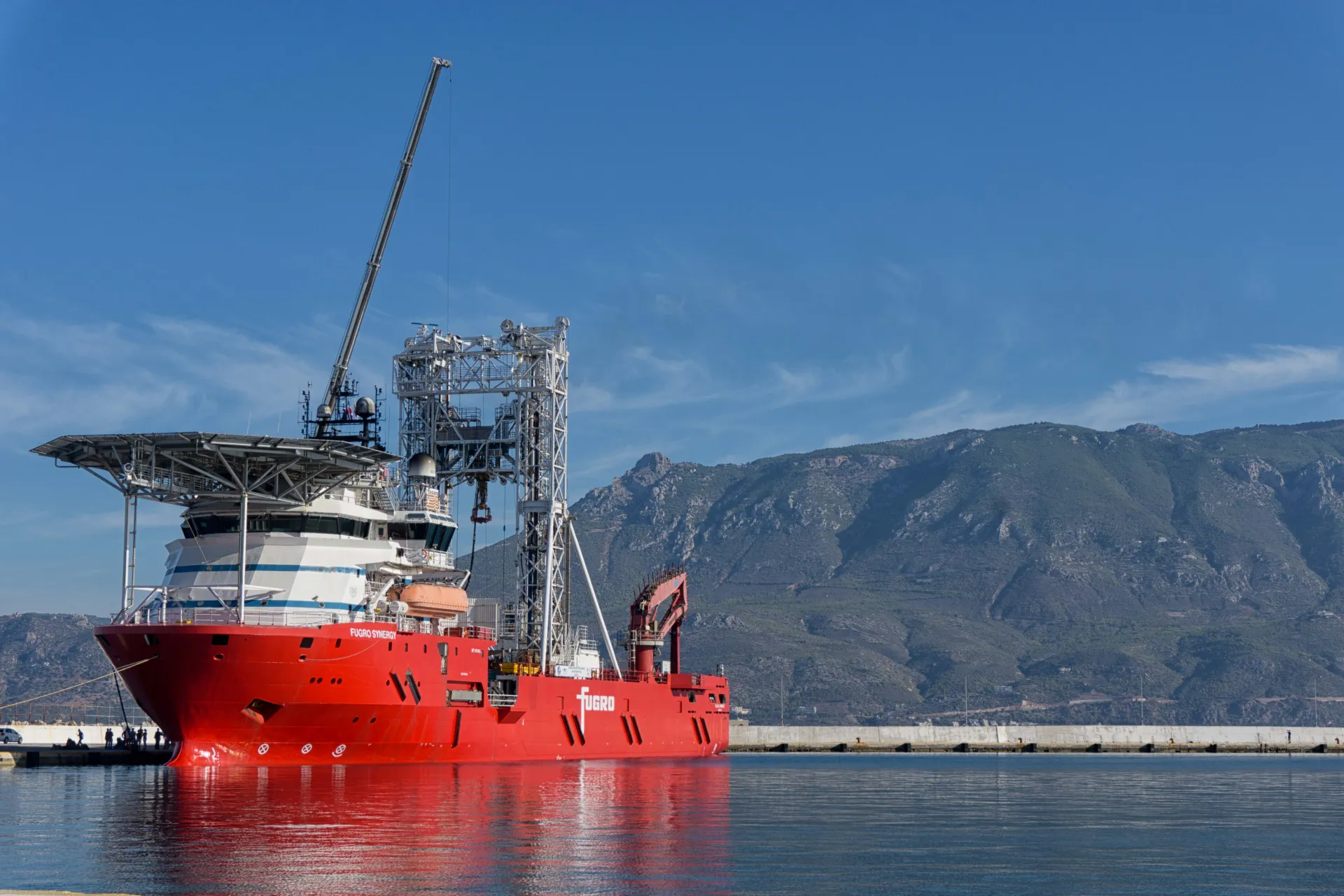
The Corinth rift is one of the most seismically active areas in Europe. Starting this month, researchers will drill into the rift to discover its past and future.
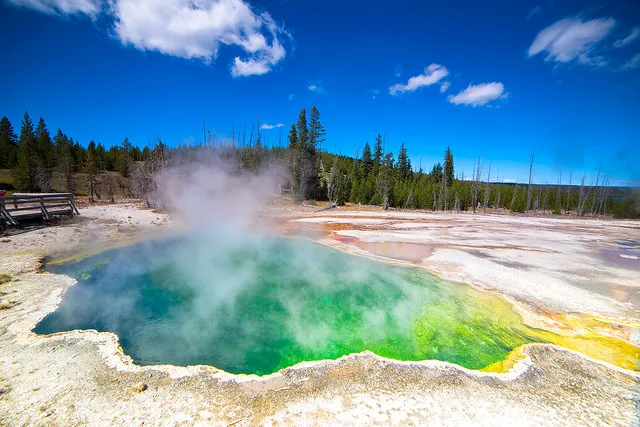
Despite recent media reports, there’s no imminent threat, says Columbia geologist Einat Lev.

A new report explores how advances in climate science can inform near-term investments in the global economy.

Through interactive exhibits, games, goo, and a few explosions, people of all ages learned about geology, earth science, and climate change.

An ongoing study finds that 92 percent of private yards in Greenpoint may have unsafe levels of lead in their soil.
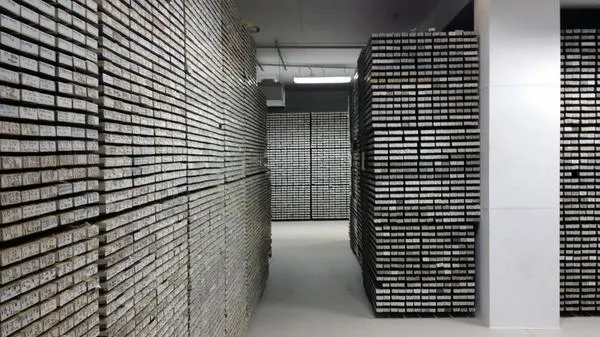
Ancient humans migrated out of Africa to escape a drying climate, says a new study—a finding that contradicts previous suggestions that ancient people were able to leave because a then-wet climate allowed them to cross the generally arid Horn of Africa and Middle East.
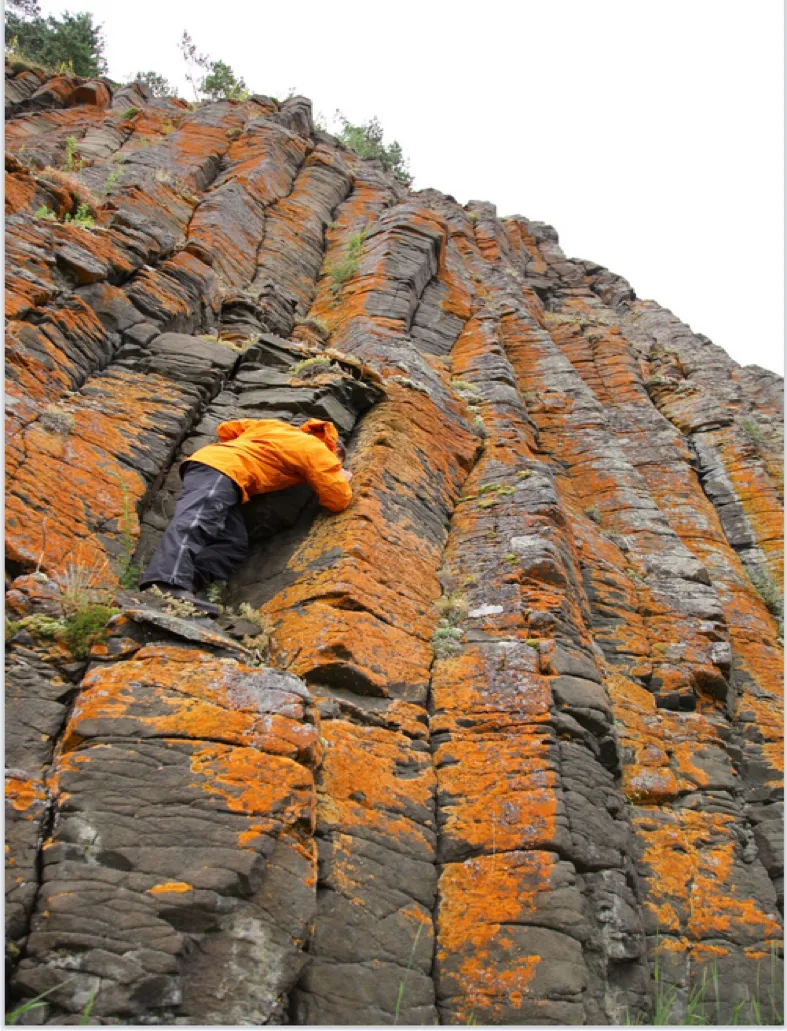
A team of scientists has found new evidence to bolster the idea that the Permian Extinction, which occurred 252 million years ago, was caused by massive volcanic eruptions in what is now Siberia.
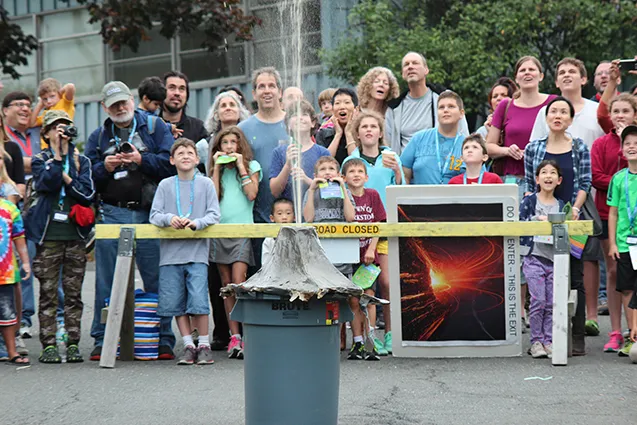
The annual Open House promises a day of science-filled fun.
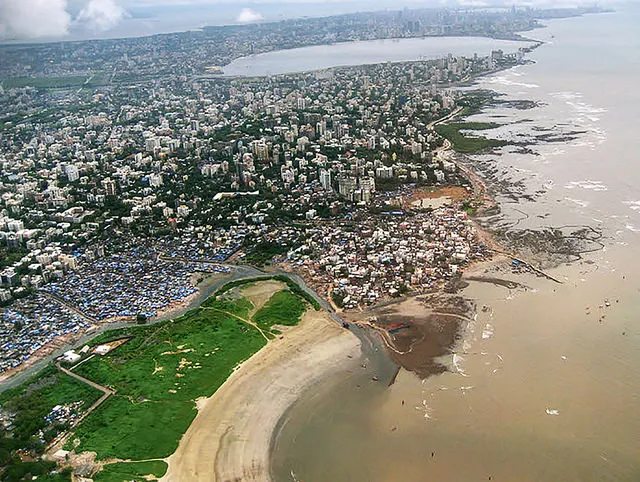
If a serious cyclone were to strike Mumbai, the results could be catastrophic, says a study underway at Columbia.
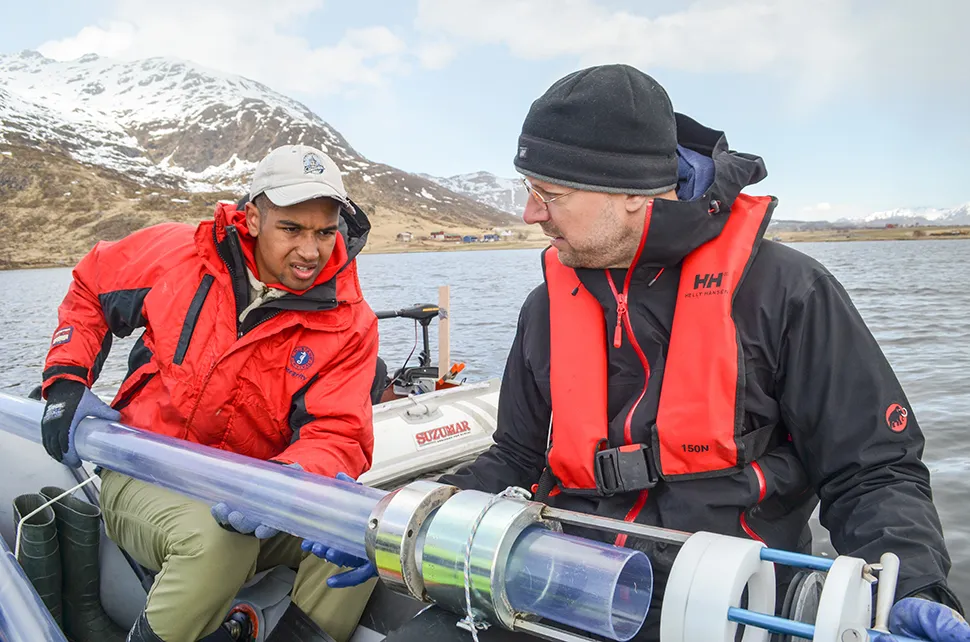
The rise of the Vikings was not a sudden event, but part of a long continuum of human development in the harsh conditions of northern Scandinavia. How did the Vikings make a living over the long term, and what might have influenced their brief florescence? Today, their experiences may provide a kind of object lesson on how changing climate can affect civilizations.