
Lamont in the Media
Earth & Climate Science News
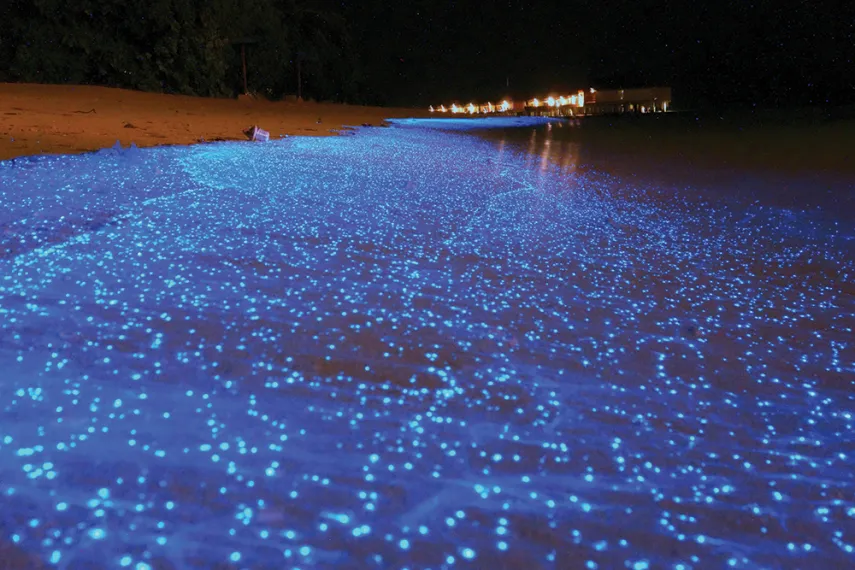
A plankton-like species is attacking the base of the food chain in the Arabian sea, disrupting water quality and killing fish. Researchers at the Lamont-Doherty Earth Observatory are learning how to fight back.
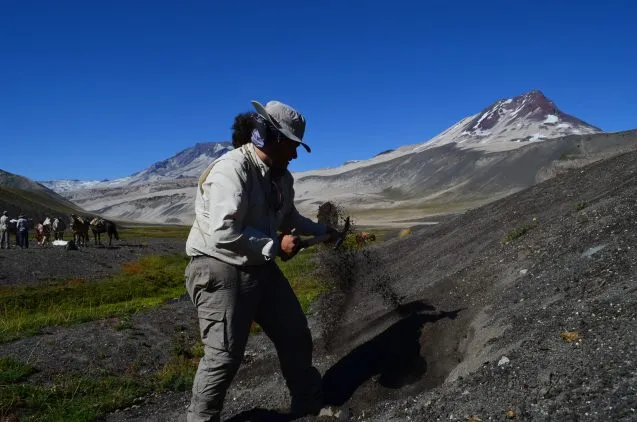
A chronological guide to key talks and other events presented by Columbia University’s Earth Institute at the American Geophysical Union 2017 meeting.
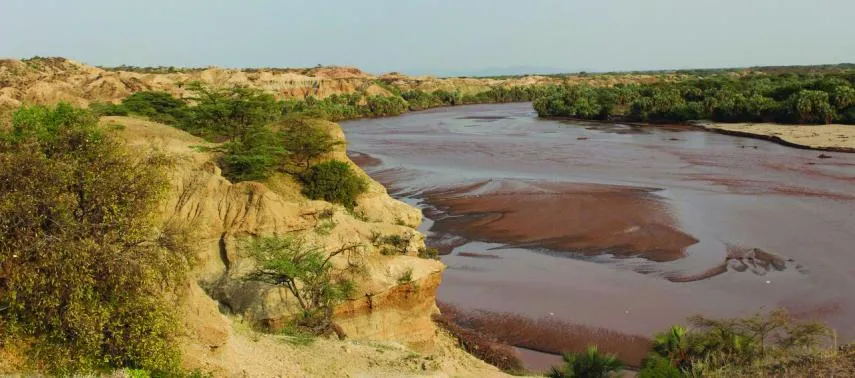
In a remote desert region around Kenya’s Lake Turkana, paleoecologist and geochemist Kevin Uno collects fossils and sediments, searching for evidence about past climate, vegetation, animals, and water. His goal: to understand how climate affected our ancestors millions of years ago.
Some towns and cities can get soaked even when the skies are dry—and these so-called sunny day floods are on the rise thanks to climate change.
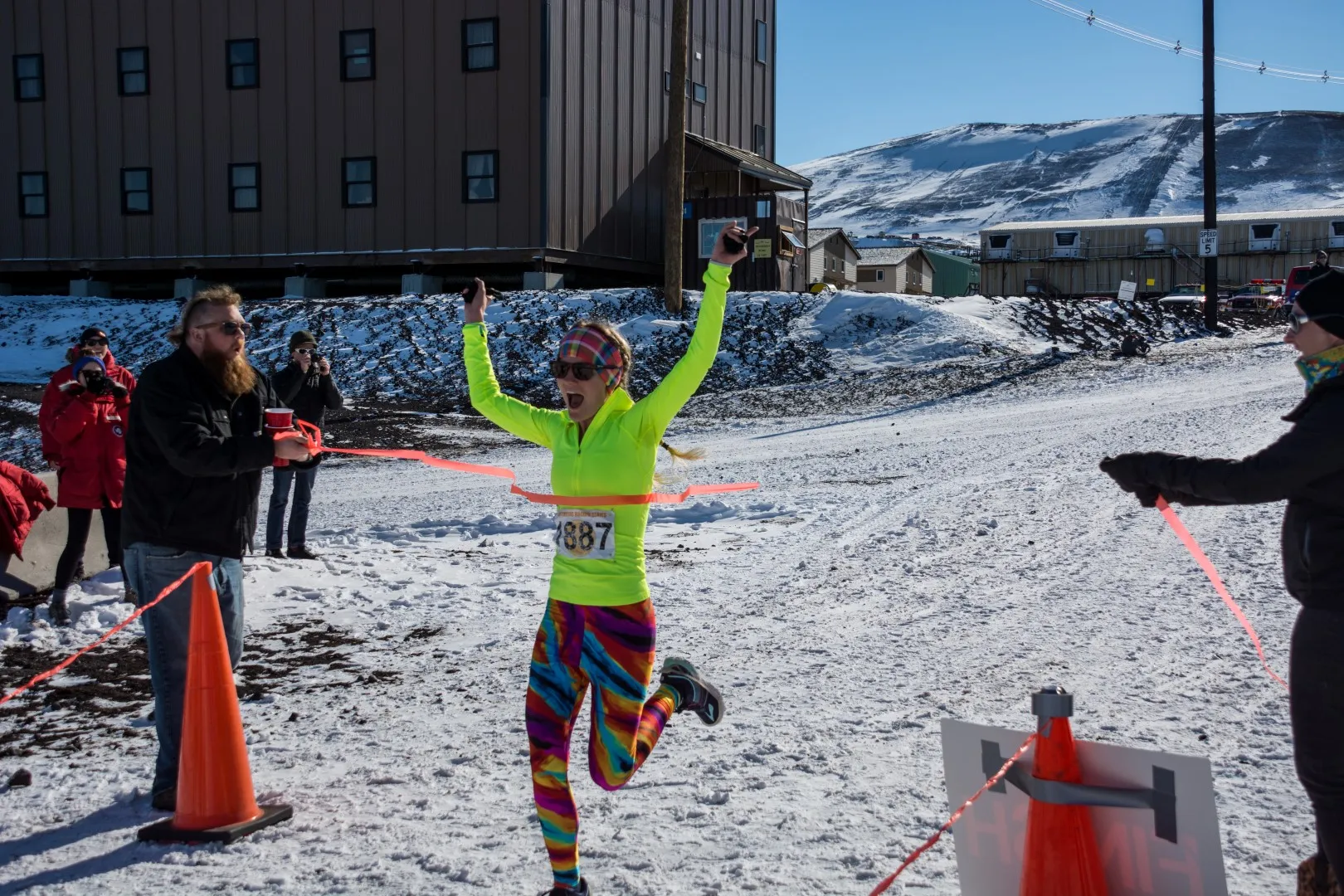
The Rosetta team made two big accomplishments this week: Our lidar returned some beautiful 3D images of the sea ice topography, which can be used to study small details of the ice. And our own Chloe Gustafson won first place in the Antarctic Turkey Trot. She now holds the honor of being the first woman to win the race!
Students from the MPA in Environmental Science and Policy program at SIPA have produced a podcast called “Greener on the Other Side,” on sustainability, climate change, and the environment.
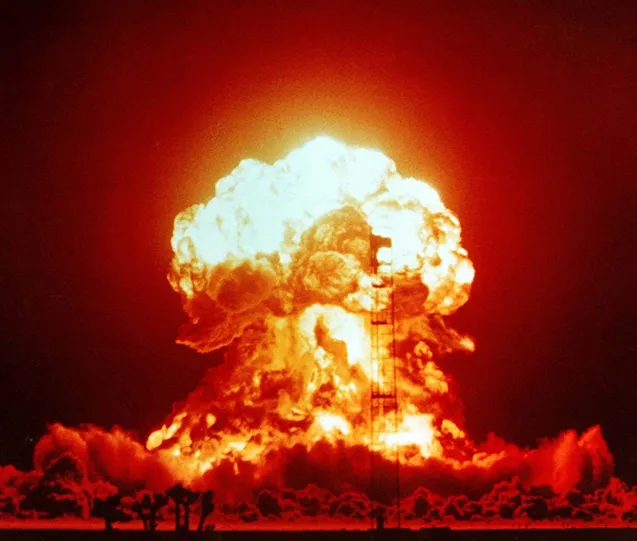
Seismologist Lynn Sykes has been working for more than 50 years to halt the testing of nuclear bombs. In his forthcoming book, Silencing the Bomb: One Scientist’s Quest to Halt Nuclear Testing, Sykes provides an insider’s look at the science behind detecting explosions, and international efforts to establish a series of treaties.
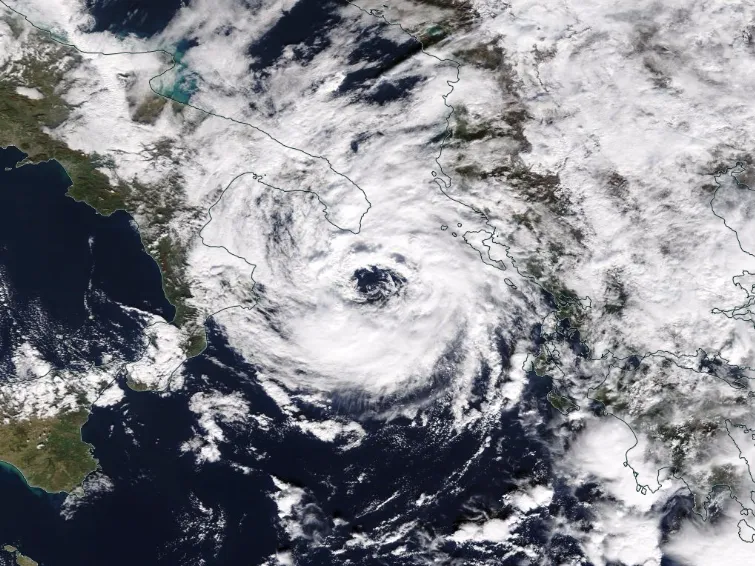
They’re rare but can be dangerous, as demonstrated by Medicane Numa’s destruction in Greece last week.
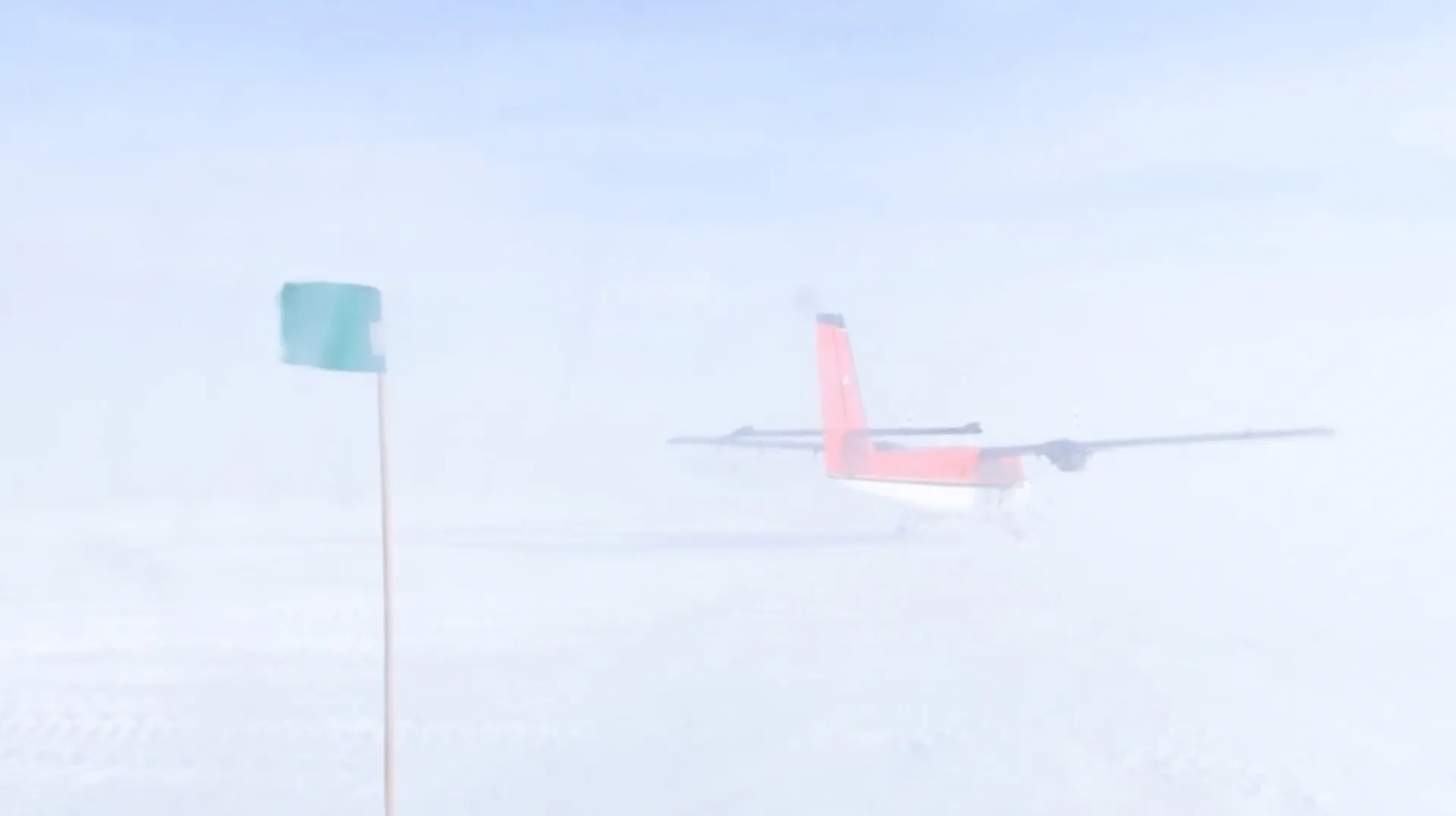
The theme of the past week has been the weather. Weather is of course always happening, but in the lingo of McMurdo Station, ‘weather’ means ‘bad weather.’
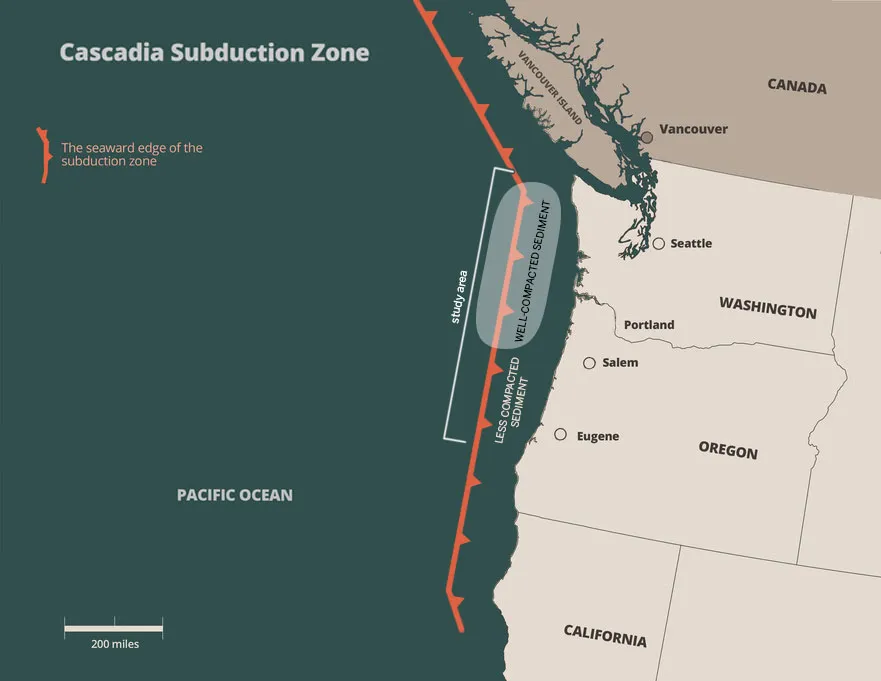
Tightly packed sediments help the Cascadia Subduction Zone generate large earthquakes, and could boost its ability to trigger a large tsunami.
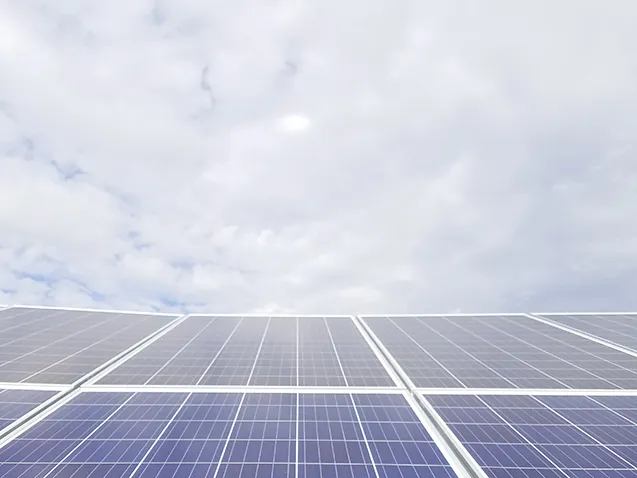
Two solar arrays in Upstate New York will be up and ready at the end of November, poised to provide power and to help to reduce the Lamont campus’ carbon footprint.
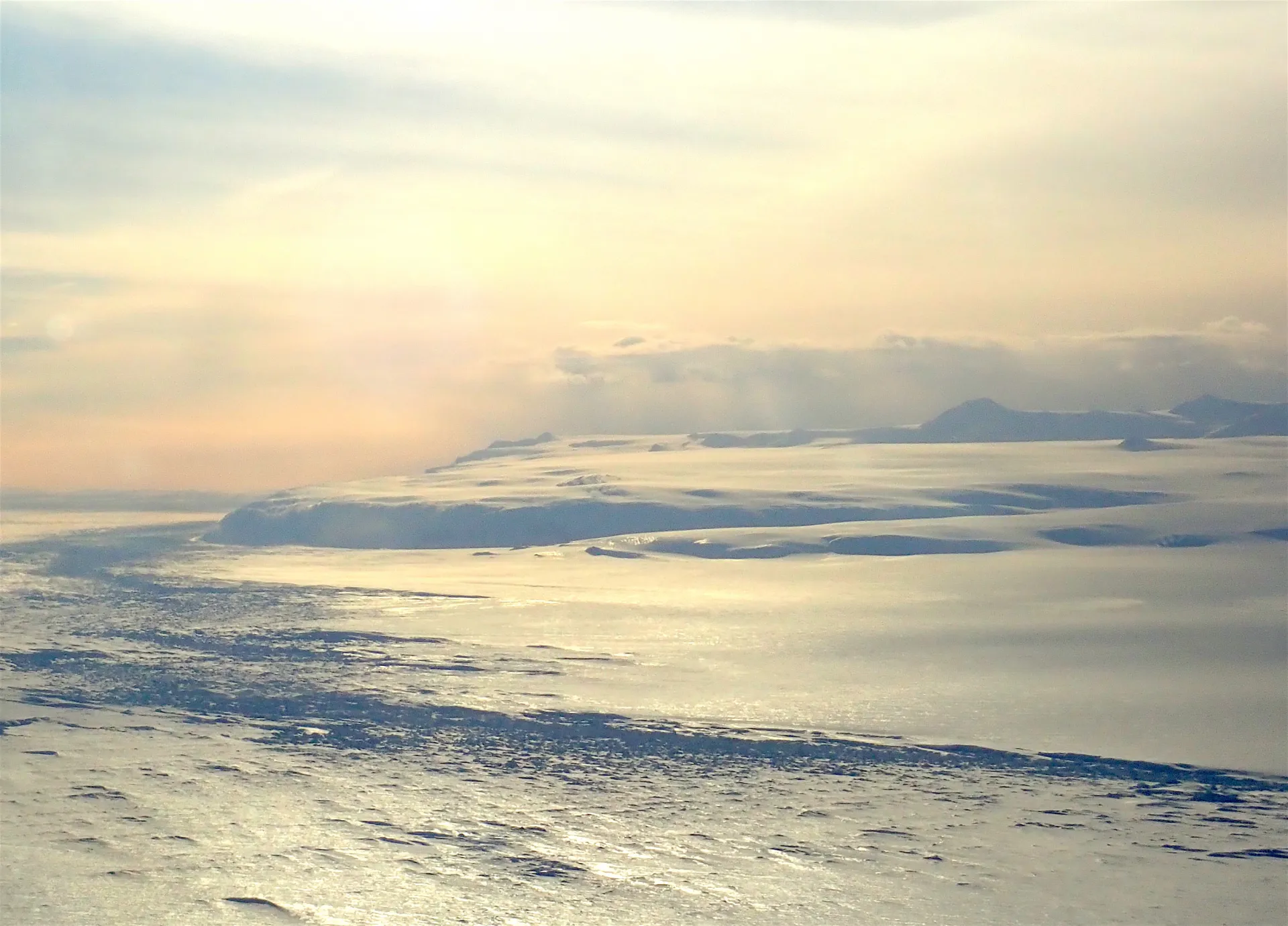
The word “crevasse” sends shivers down the spine of anyone who works on a glacier. Sometimes hundreds of feet deep and hidden beneath a thin layer of snow, these cracks have claimed the lives of many polar explorers and scientists. They also appear quite frequently in our sensors as we fly our survey flights for Rosetta-Ice.