

Lamont in the Media

Earth & Climate Science News
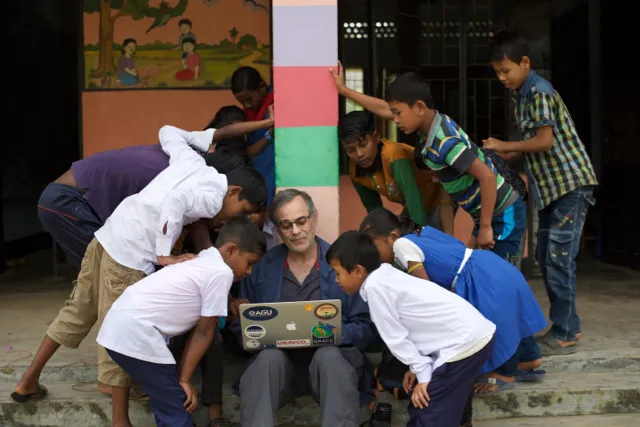
We drove through the hills of Sylhet passed rice fields and tea plantations, and through woods looking for appropriate spots to install our GPS systems.
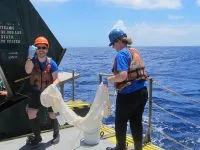
Braving the high seas and a curious shark, a team of scientists taps into the secret social life of a microbe that's crucial for marine ecosystems.
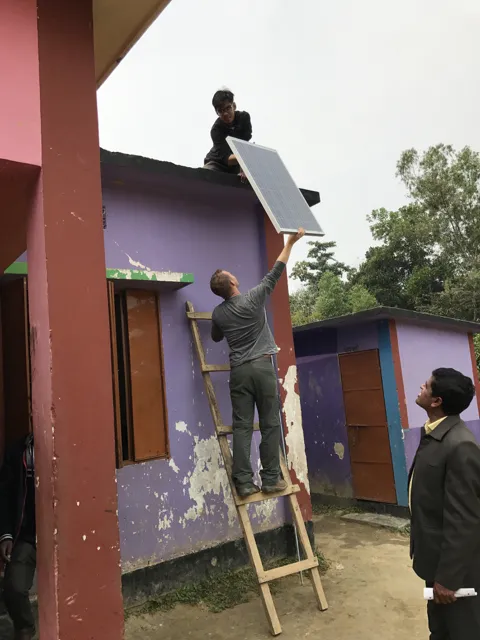
Up ahead was a school, perfect for a GPS installation. Schools proved to be the best sites in the hills, which we covered in either tea plantations or woods.
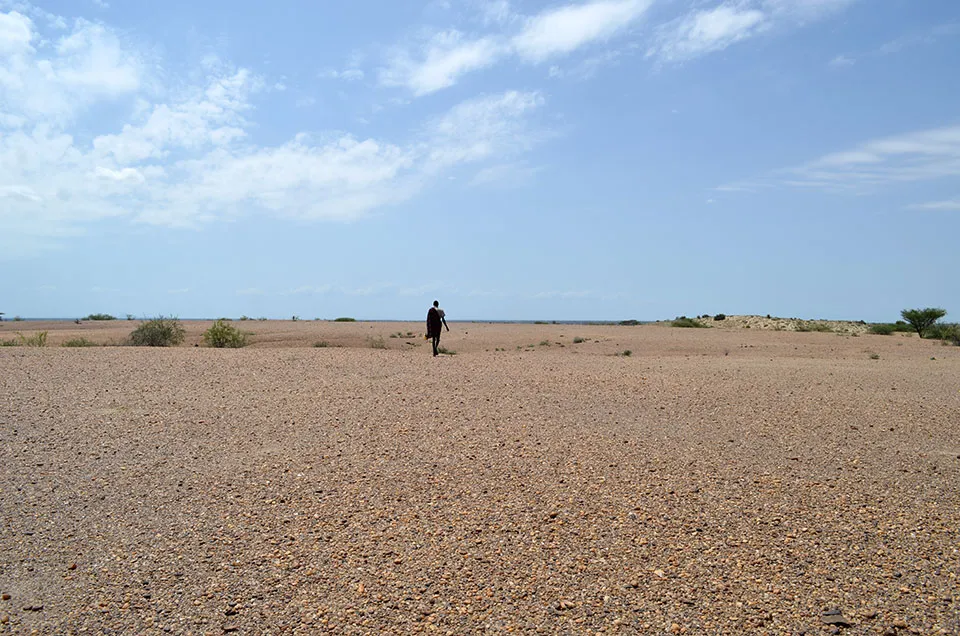
High school students in a science communication class blog about research from Lamont-Doherty Earth Observatory.
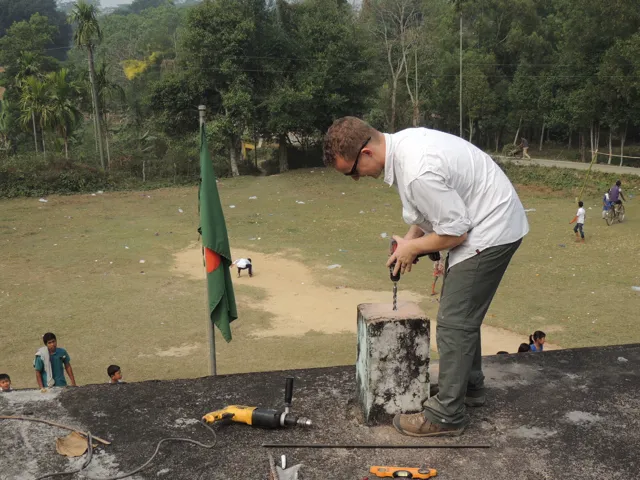
From our base in Srimongal, now came the challenging work of finding appropriate locations to install the GPS. It requires a combination of the right tectonic setting and reinforced concrete buildings.
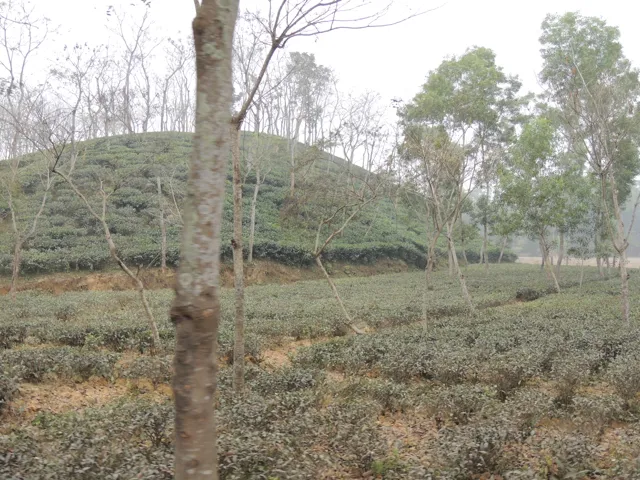
I am back in Bangladesh to start deployment of seismometers and GPS for a large new project that crosses 3 countries: Bangladesh, India and Myanmar.
High school students in a science communication class blog about research from Lamont-Doherty Earth Observatory.
High school students in a science communication class blog about research from Lamont-Doherty Earth Observatory.
High school students in a science communication class blog about research from Lamont-Doherty Earth Observatory.
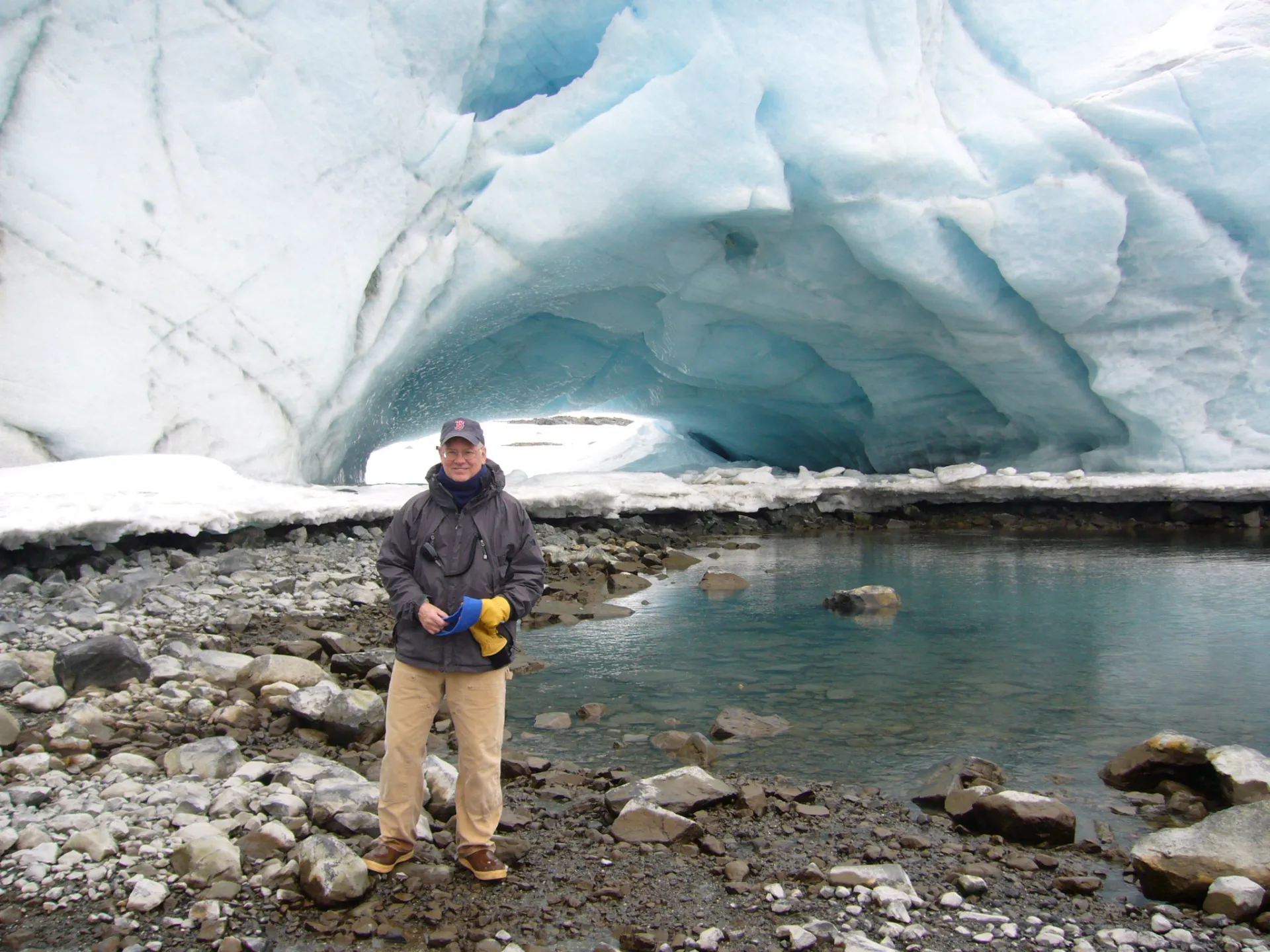
On January 31 at 1:00 p.m. EST, Lamont-Doherty’s Hugh Ducklow and his colleagues will use National Science Foundation social media to discuss their research on Antarctic ecology.

You could say goodbye to the atmosphere and GPS navigation, to start.

A new degree program at Columbia offers technical training in sustainability science for working professionals as well as recent grads.