
Lamont in the Media
Earth & Climate Science News
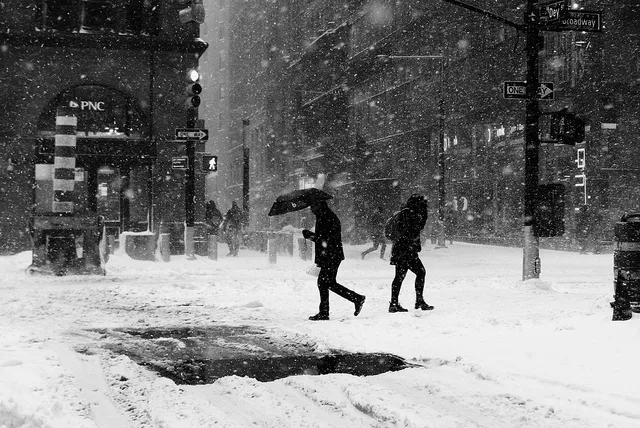
Climate scientist Deepti Singh tells the cold truth about the extreme winter weather of the past few weeks.
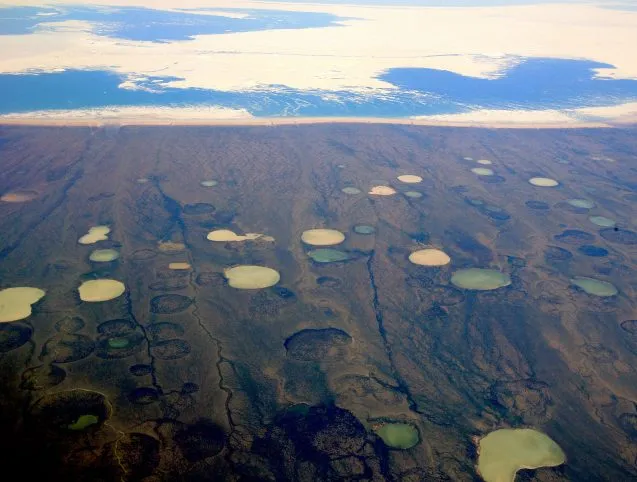
As the Arctic warms, the unfreezing of permafrost poses a threat to the planet.
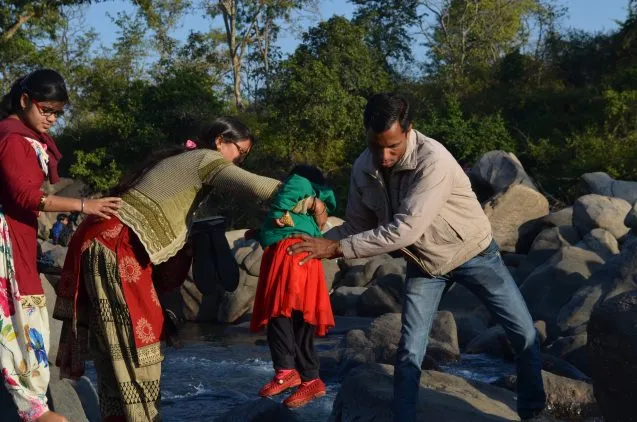
Rainfall changes caused by global warming will increase river flooding risks across the globe by the 2040s, says a new study.
New line of information could help predict the storms’ future strength under climate change.
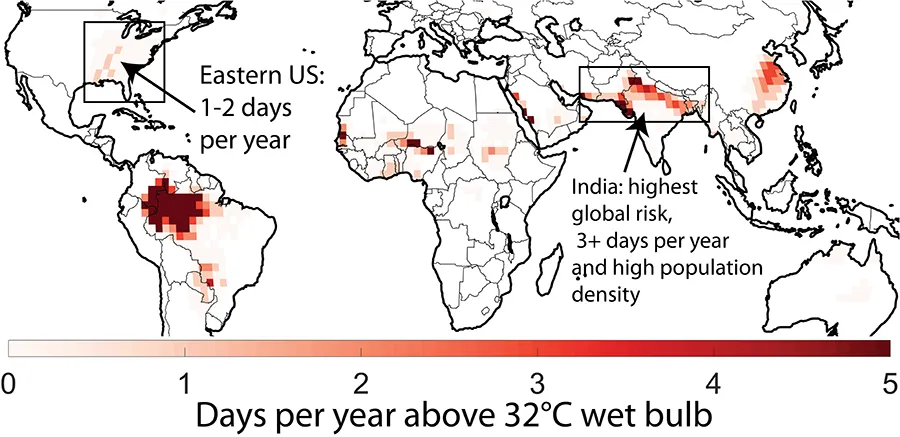
A new study projects that in coming decades the effects of high humidity in many areas may surpass humans’ ability to work or, in some cases, even survive.
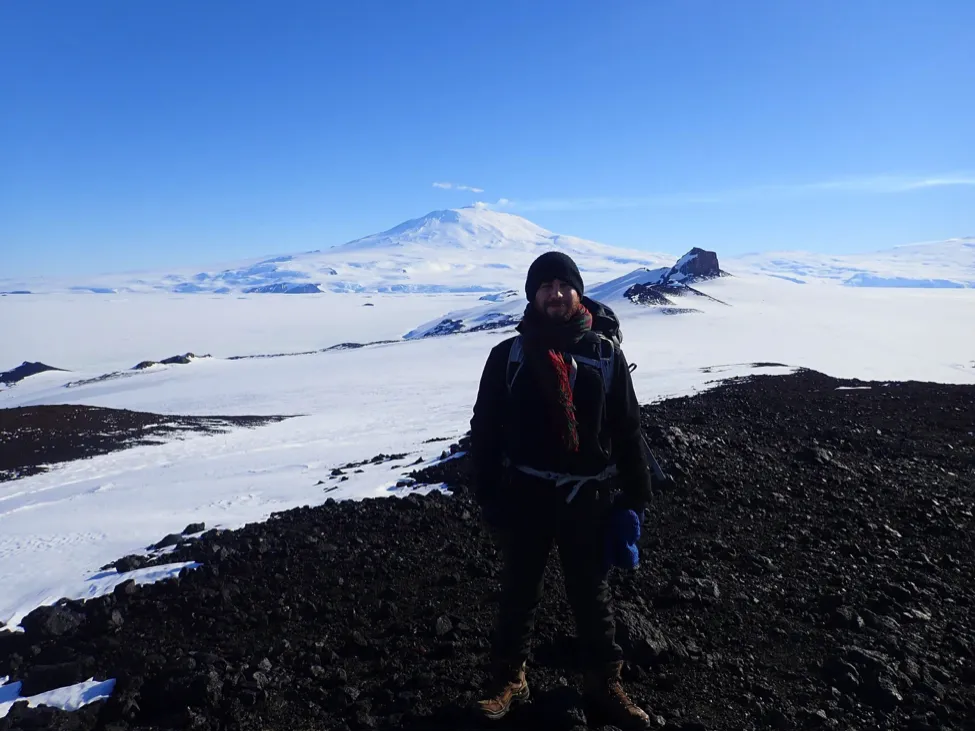
Almost out of nowhere we were given a surprise opportunity to fly one more survey line on our second-to-last day in Antarctica, and we jumped at it!
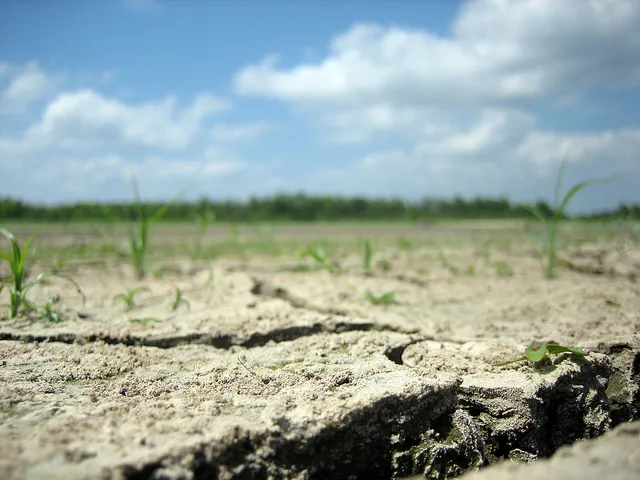
Scientists are unraveling the driving forces of one of the worst environmental disasters in human history, in hopes of predicting and preparing for the next global drought.
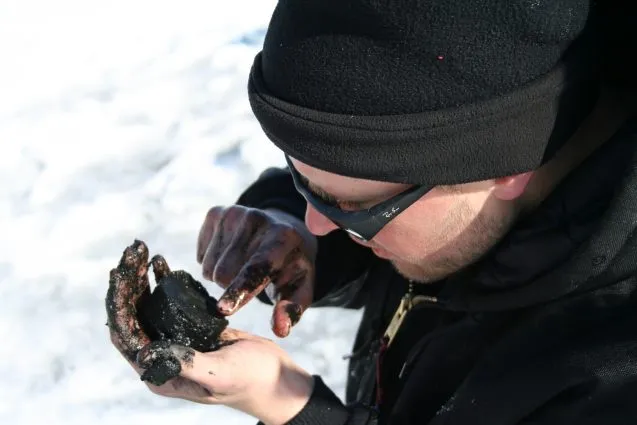
Billy D’Andrea is trying to understand Easter Island’s climate history over the last few thousand years and how communities dealt with past climate change.
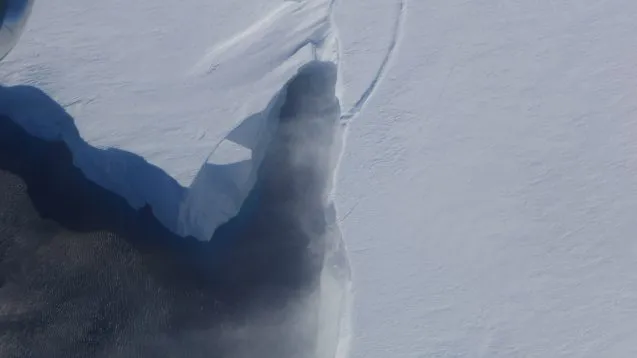
A new study shows that even minor deterioration of ice shelves can instantaneously hasten the decline of ice hundreds of miles landward.
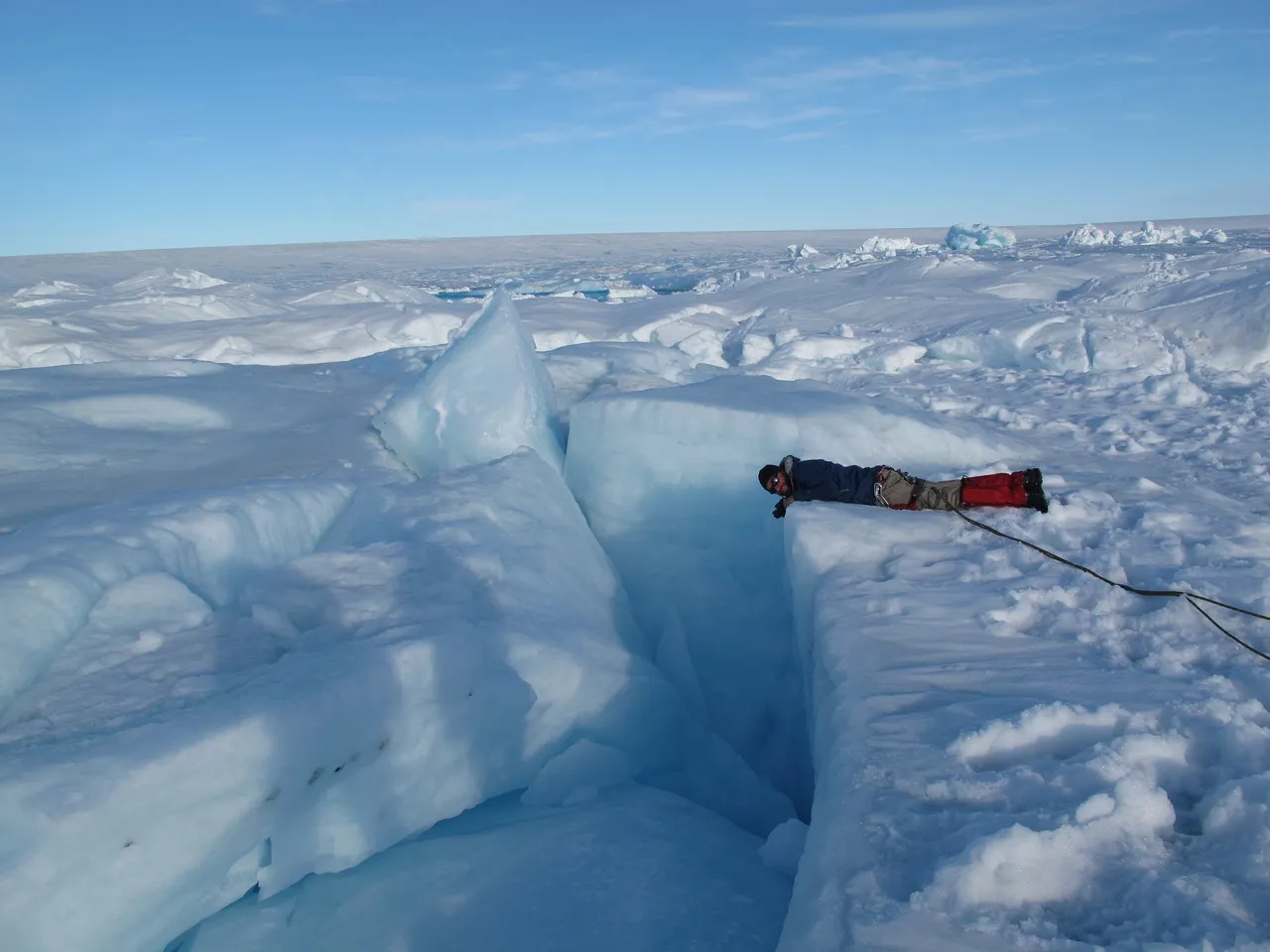
As climate warms, the surface of the Greenland ice sheet is melting, and all that meltwater ends up in seasonal rivers that flow to the sea. At least that is what scientists have assumed until now. A new study has shown that some of the meltwater is actually being soaked into porous subsurface ice and held there, at least temporarily.
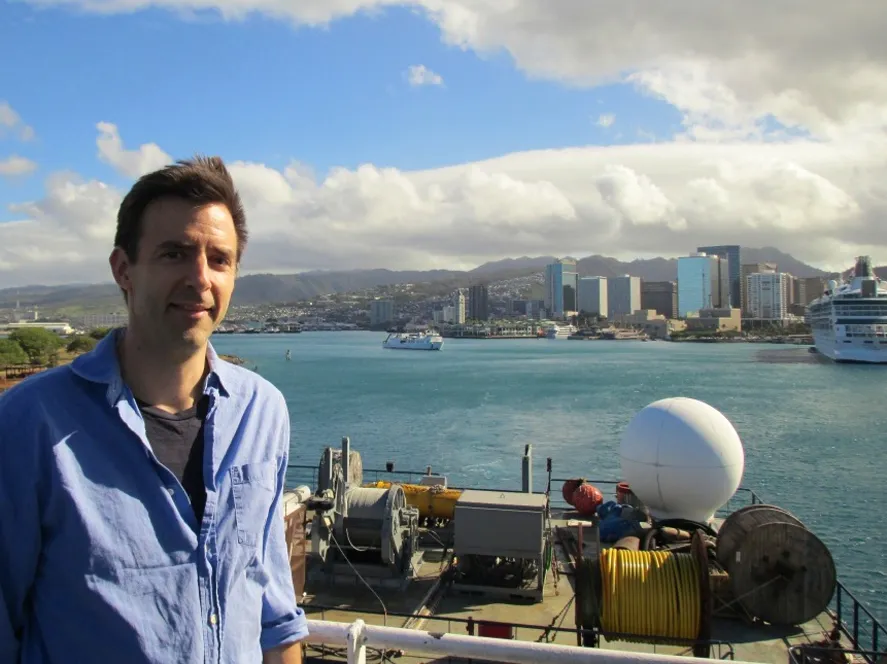
Organic geochemist Pratigya Polissar is developing new tools to look at the history of plants and ecosystems on Earth over the past 20 million years.
If we ate half as many burgers and steaks each week, a new study calculates that it could have a profound effect on carbon emissions and the environment.