
Lamont in the Media
Earth & Climate Science News
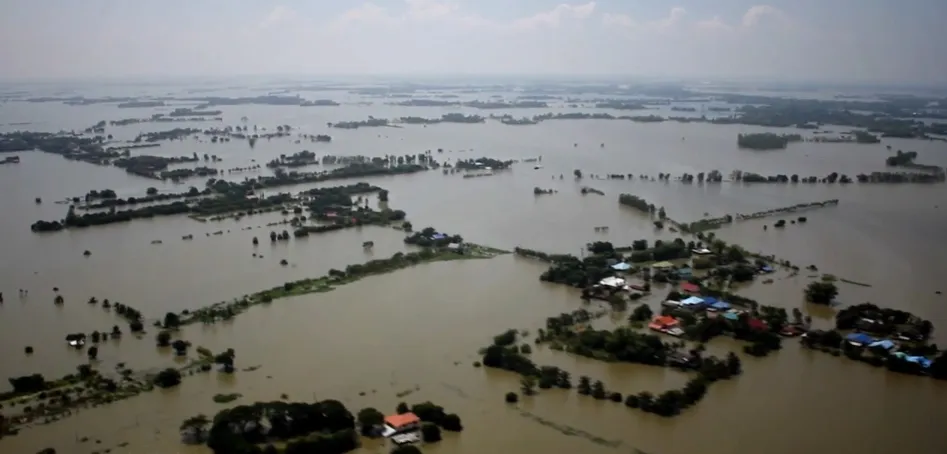
In this video, Lamont-Doherty Earth Observatory researchers Robin Bell, Radley Horton, and Adam Sobel explain their research and how it can help improve adaptation practices and make our homes, livelihoods, and the systems we rely on more resilient to extreme weather and sea level rise.
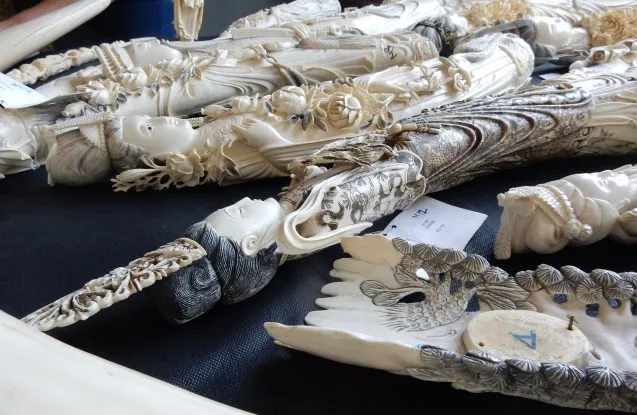
Last week, just days before Central Park’s big Ivory Crush, a Lamont-Doherty geochemist and his colleague sawed off samples of the confiscated ivory for DNA testing and radiocarbon dating. Their results could determine where and when each elephant was killed—which could help catch the poachers responsible.

The Earth Institute, Columbia University, is offering undergraduate students with research assistant opportunities during the fall 2017 semester. Undergraduates from Columbia and Barnard will be able to serve as research assistants on research projects related to sustainable development and the environment with distinguished faculty and researchers at the cutting edge of this burgeoning field.

The Earth Institute is offering undergraduate, graduate and PhD students with opportunities to intern in various departments and research centers in a variety of administration, communications and research roles. Interns work on a variety of sustainability-focused projects across The Earth Institute. These projects provide interns with hands-on workplace experience, allowing them to grow professionally while The Earth Institute centers benefit from their meaningful contributions.
Scientists probing under the seafloor off Alaska have mapped a geologic structure that they say signals potential for a major tsunami in an area that normally would be considered benign.
David Goldberg and Peter Kelemen, scientists at Lamont-Doherty Earth Observatory, are at the forefront of carbon capture and storage research. In this video, they discuss their work and how it will contribute to carbon management solutions and strengthen society’s resilience to climate change.
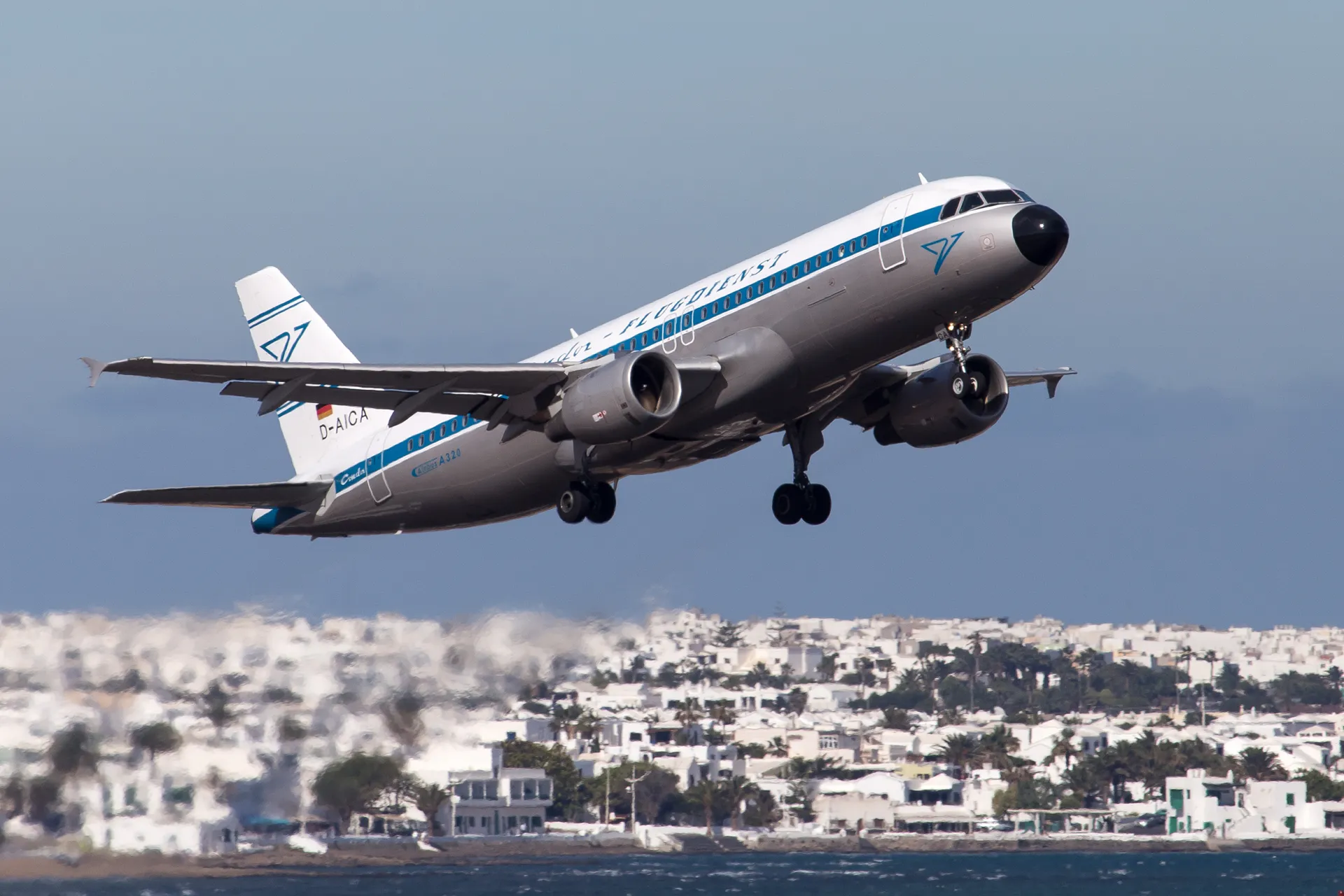
Rising temperatures due to global warming will make it harder for many aircraft around the world to take off in coming decades, says a new study. During the hottest parts of the day, 10 to 30 percent of fully loaded planes may have to remove some fuel, cargo or passengers, or else wait for cooler hours to fly.
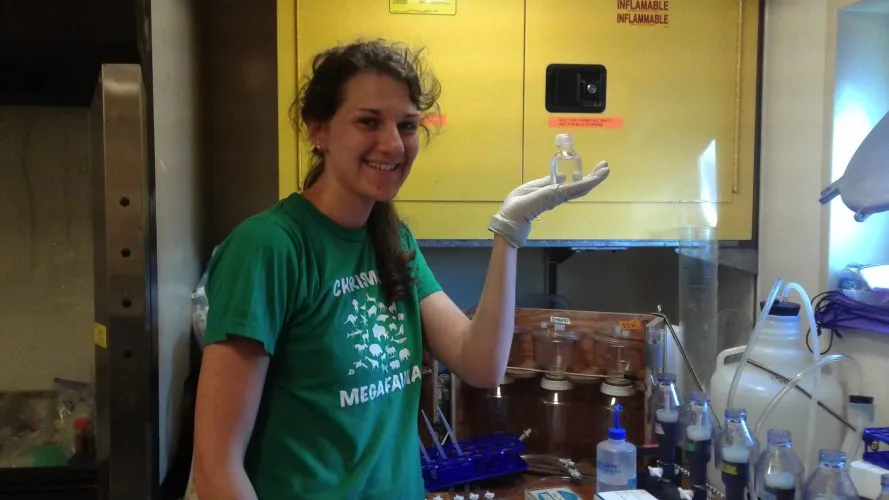
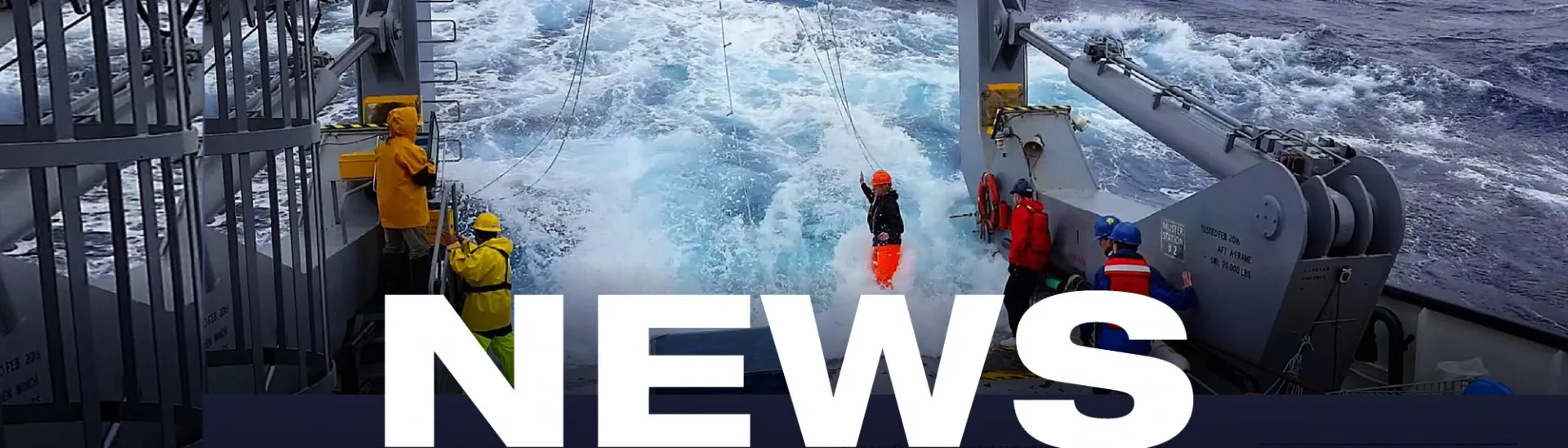
Now, nearing the end of our three-week cruise of the North Pacific off Hawaii, we are working to understand how these tiny bacteria connect and communicate with one another.
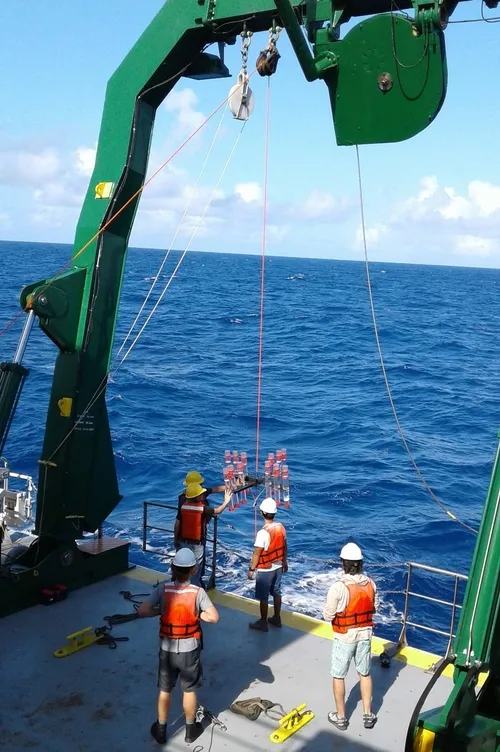
The sea is a deep blue, so clear that you might think it was devoid of life. We have seen only a few seabirds circling the ship and playing in the air currents we generate. We haven’t seen any whales or sharks, only an occasional flying fish taking to the air in front of our bow wake. In this apparent desert, microbial life is king.
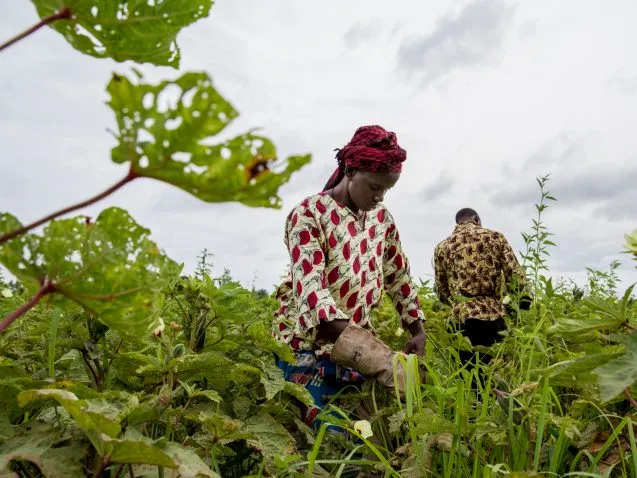
Climate change could turn one of Africa’s driest regions wet, according to a new study. Scientists have found evidence in computer simulations for a possible abrupt change in the Sahel, a region long characterized by aridity and political instability. In the study, just published in the journal Earth System Dynamics, the authors detected a self-amplifying… read more
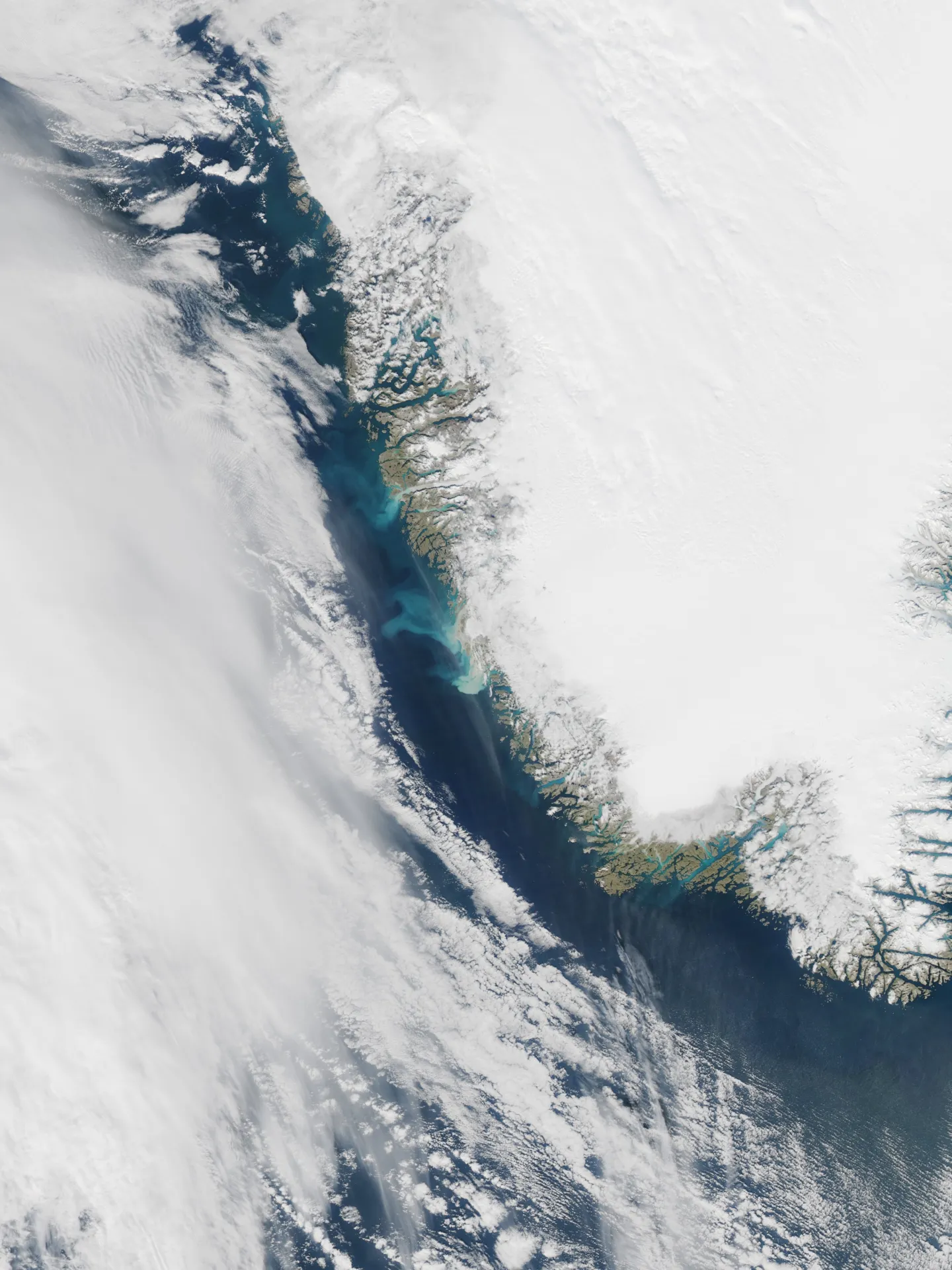
Iron particles catching a ride on glacial meltwater washed out to sea are likely fueling a recently discovered summer algal bloom off the southern coast of Greenland, according to a new study. Microalgae, also known as phytoplankton, are plant-like marine microorganisms that form the base of the food web in many parts of the ocean…. read more
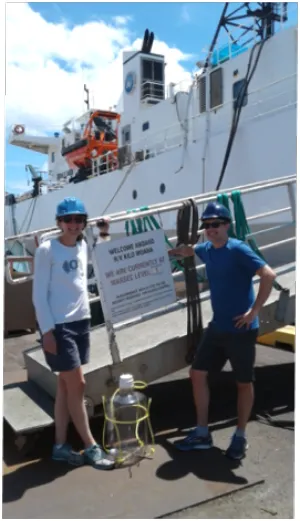
Yesterday, we set sail at 8am, rounded the Island of O’ahu, and headed north into the blue waters of the North Pacific Subtropical Gyre.