
Lamont in the Media
Earth & Climate Science News
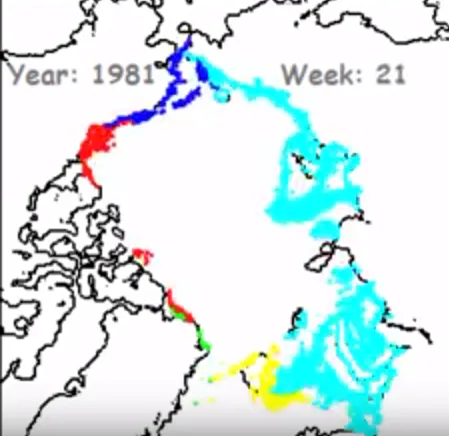
A warming climate is not just melting the Arctic’s sea ice; it is stirring the remaining ice faster, increasing the odds that ice-rafted pollution will foul a neighboring country’s waters, says a new study.
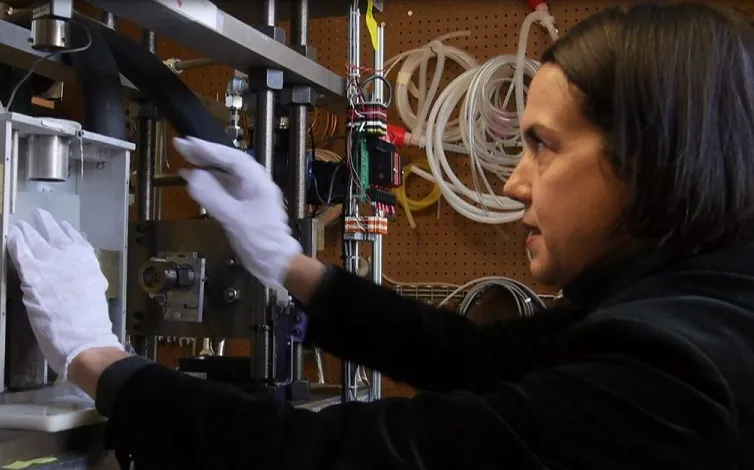
Christine McCarthy, a geophysicist at the Lamont-Doherty Earth Observatory, scrunches blocks of ice between hunks of rock to study how ice behaves under pressure. Her work provides an important piece of the puzzle of how glaciers move, what makes them speed up, and how they are contributing to sea level rise as the climate warms.
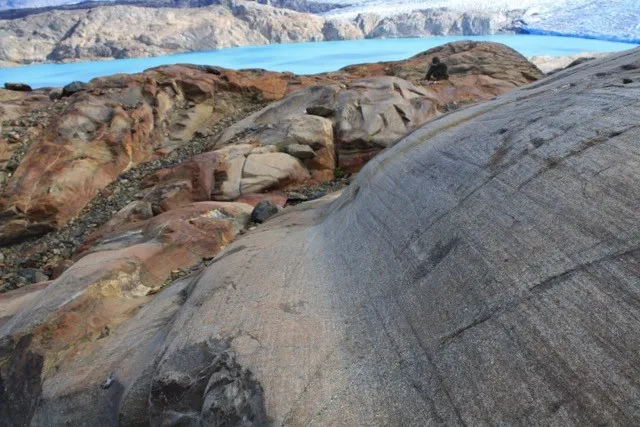
An interdisciplinary team of scientists has discovered that, contrary to general scientific belief, iron in nondissolved particle form can stimulate phytoplankton growth, and that the chemical form that particulate iron takes is critical to ocean photosynthesis.
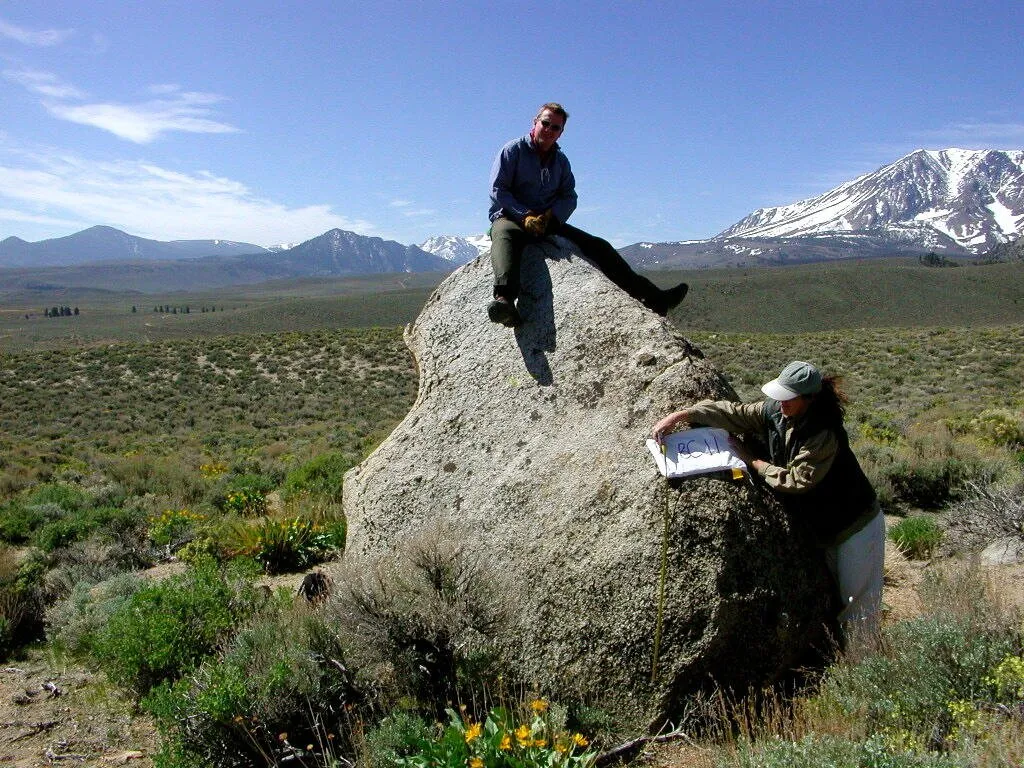
The Center has awarded nearly $1 million to four scientists whose research will improve understanding of how climate change impacts the essentials of human sustainability.
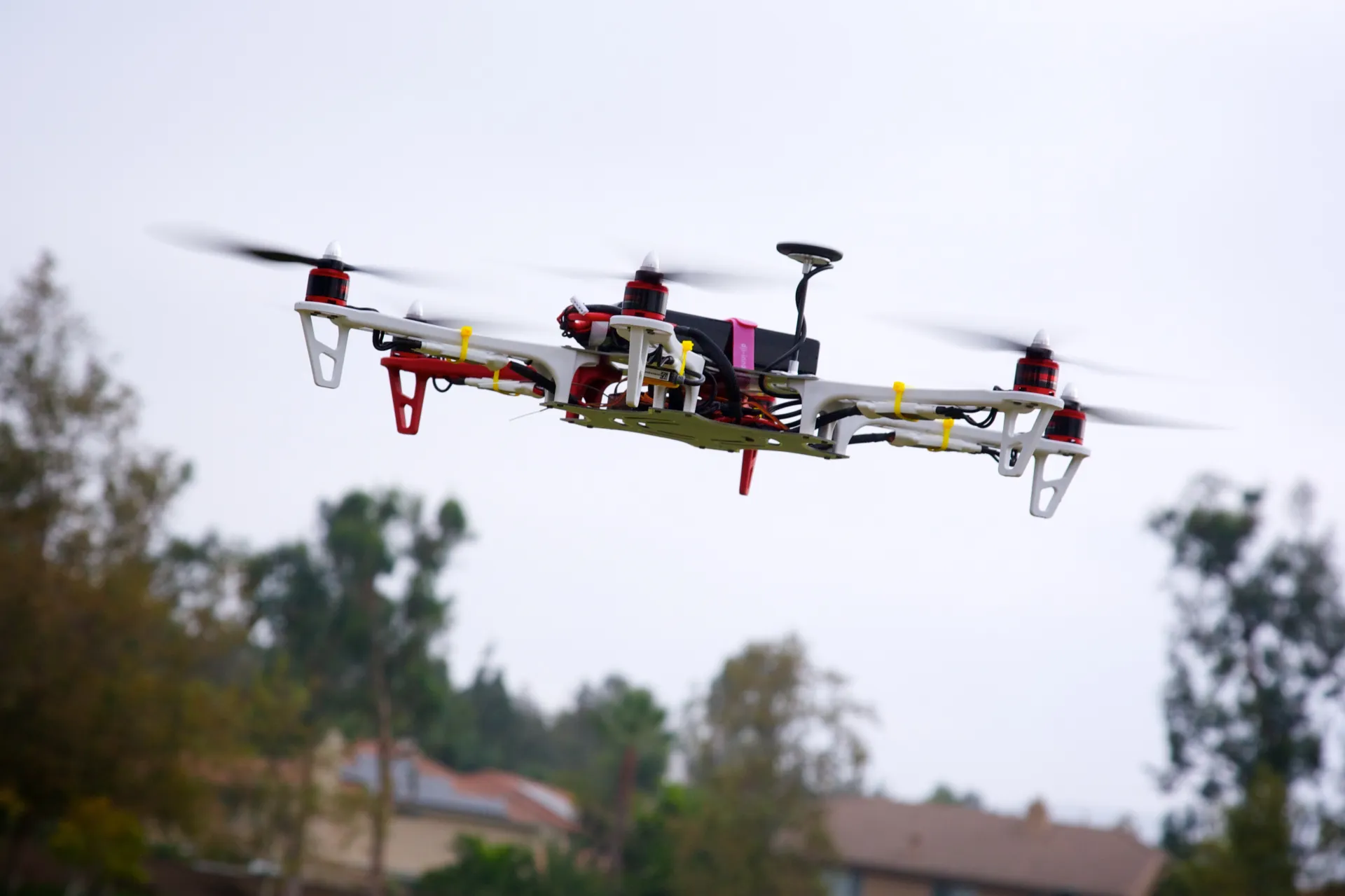
Where once scientists could only observe earth from above by using manned aircraft or satellites, today they are expanding, developing and refining their research in a variety of ways thanks to drones.
Superstorm Sandy was a wake-up call for a lot of people in New York City, including Adam Sobel, who’s spent more than two decades studying the physics of weather and climate.
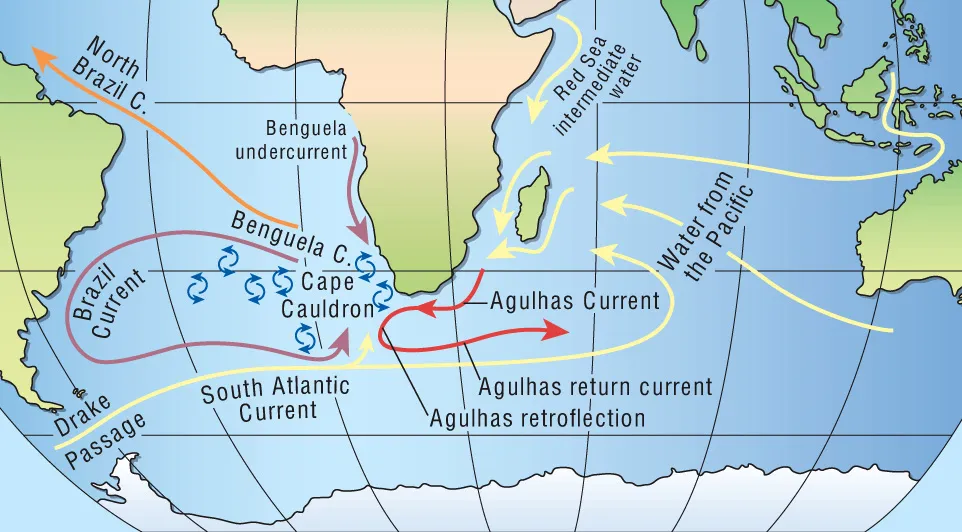
Sustainability Management graduate Melissa Meggiolaro (’17) interviews Lamont-Doherty Earth Observatory oceanographer Arnold Gordon.
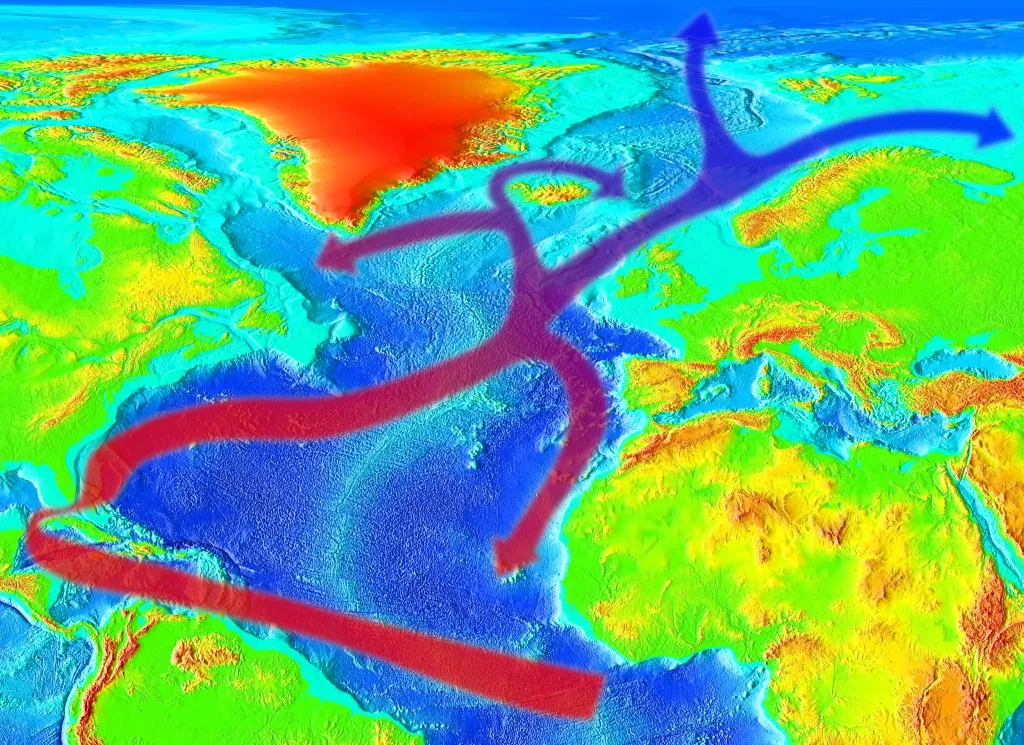
In the 2004 disaster movie “The Day After Tomorrow,”, global warming accelerated the melting of polar ice, disrupting circulation in the North Atlantic Ocean and triggering violent changes in the weather. Could climate change shut down the Gulf Stream?
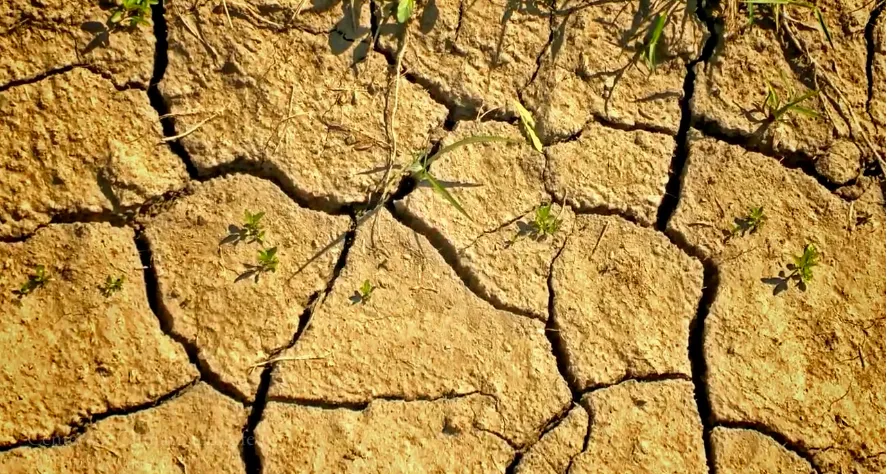
Richard Seager and Park Williams, climate scientists at Lamont-Doherty Earth Observatory, discuss how water will be affected by warmer temperatures, and how their research increases understanding of these issues.
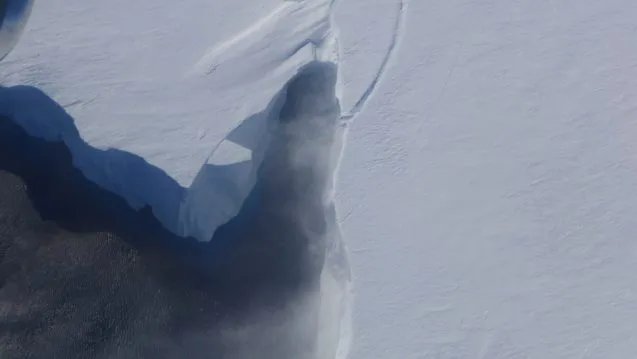
In recent years, scientists have discovered hundreds of lakes lying hidden deep beneath the Antarctic ice sheet. Now a team of researchers has found the remains of at least one sub-ice lake that existed when the ice was far more extensive, in sediments on the Antarctic continental shelf.
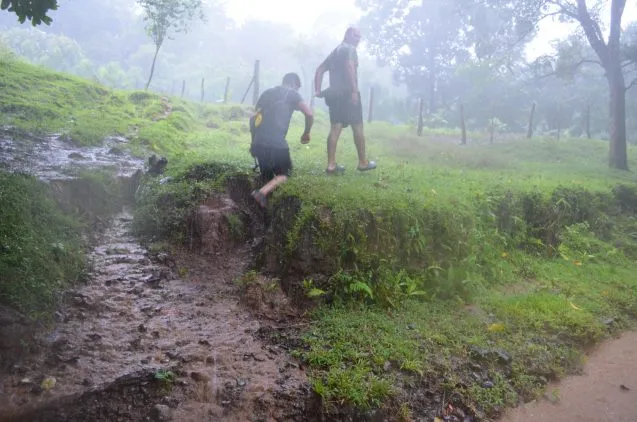
As the world warms due to human-induced climate change, many scientists have been projecting that global rainfall patterns will shift. In the latest such study, two leading researchers map out how seasonal shifts may affect water resources across the planet.
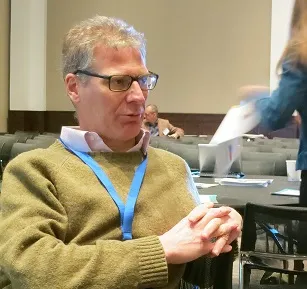
California’s wet and snowy winter brings welcome relief from a years-long drought that has challenged the state’s water supply and agricultural system. But climate scientist Richard Seager of Lamont Doherty Earth Observatory offers words of caution: Remember what happened, because it will happen again.