
Lamont in the Media
Earth & Climate Science News
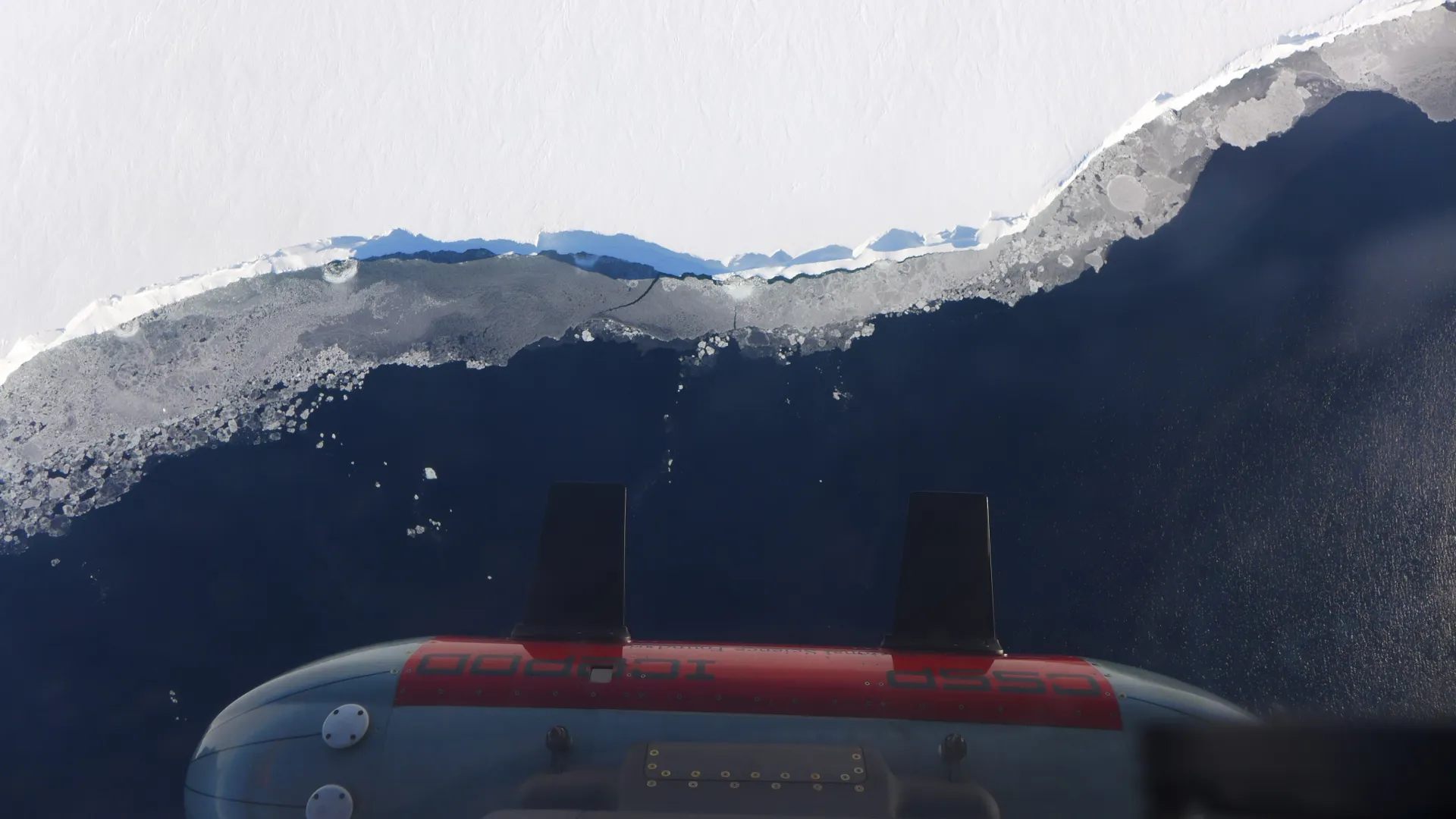
This past winter, reporters from the New York Times went along for the ride with scientists from the Lamont-Doherty Earth Observatory as they flew their mission of discovery over Antarctica.
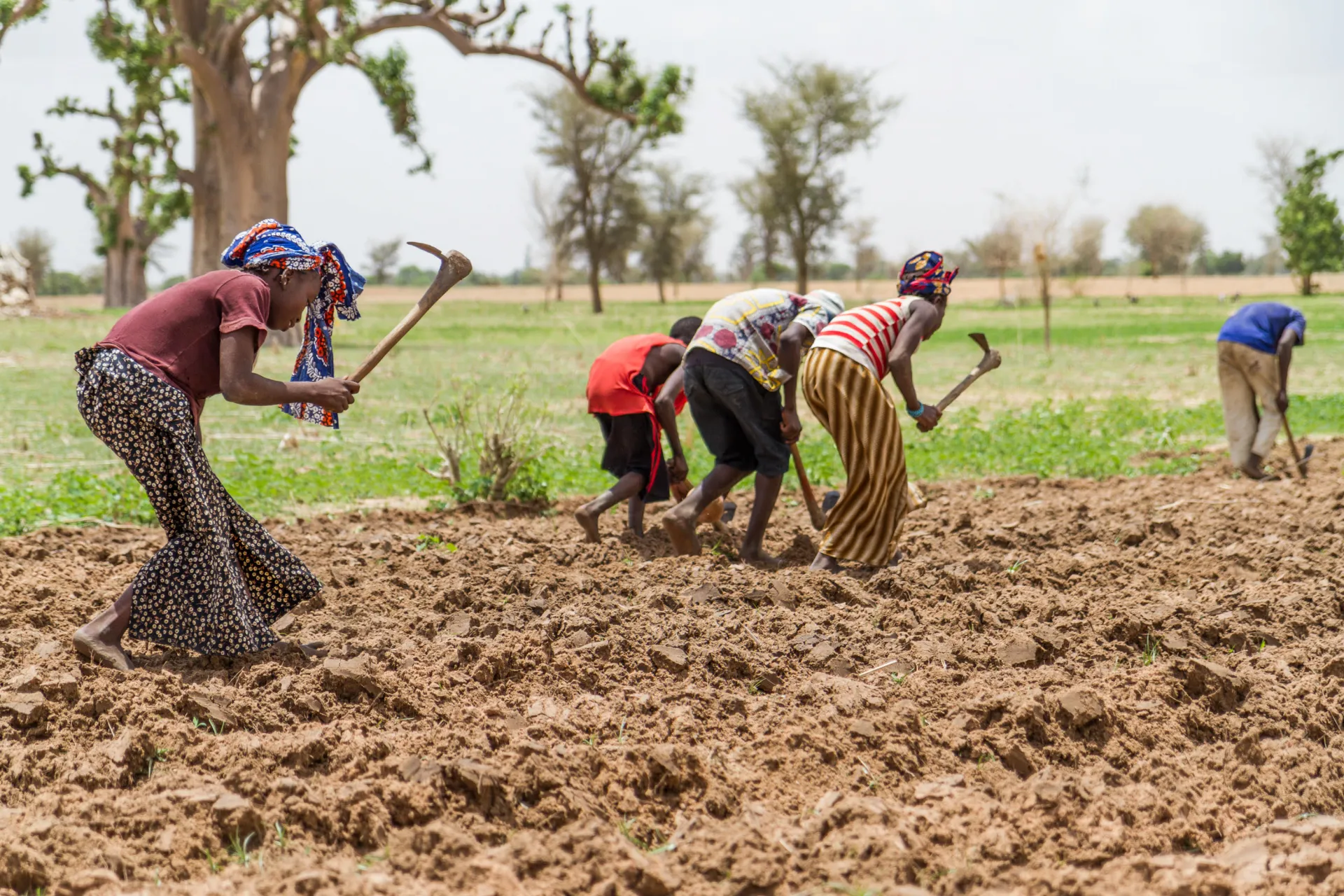
If U.S. sulfur dioxide emissions are cut to zero by 2100, as some researchers have projected they will be, rainfall over Africa’s Sahel region could increase up to 10 percent from 2000 levels, computer simulations suggest.
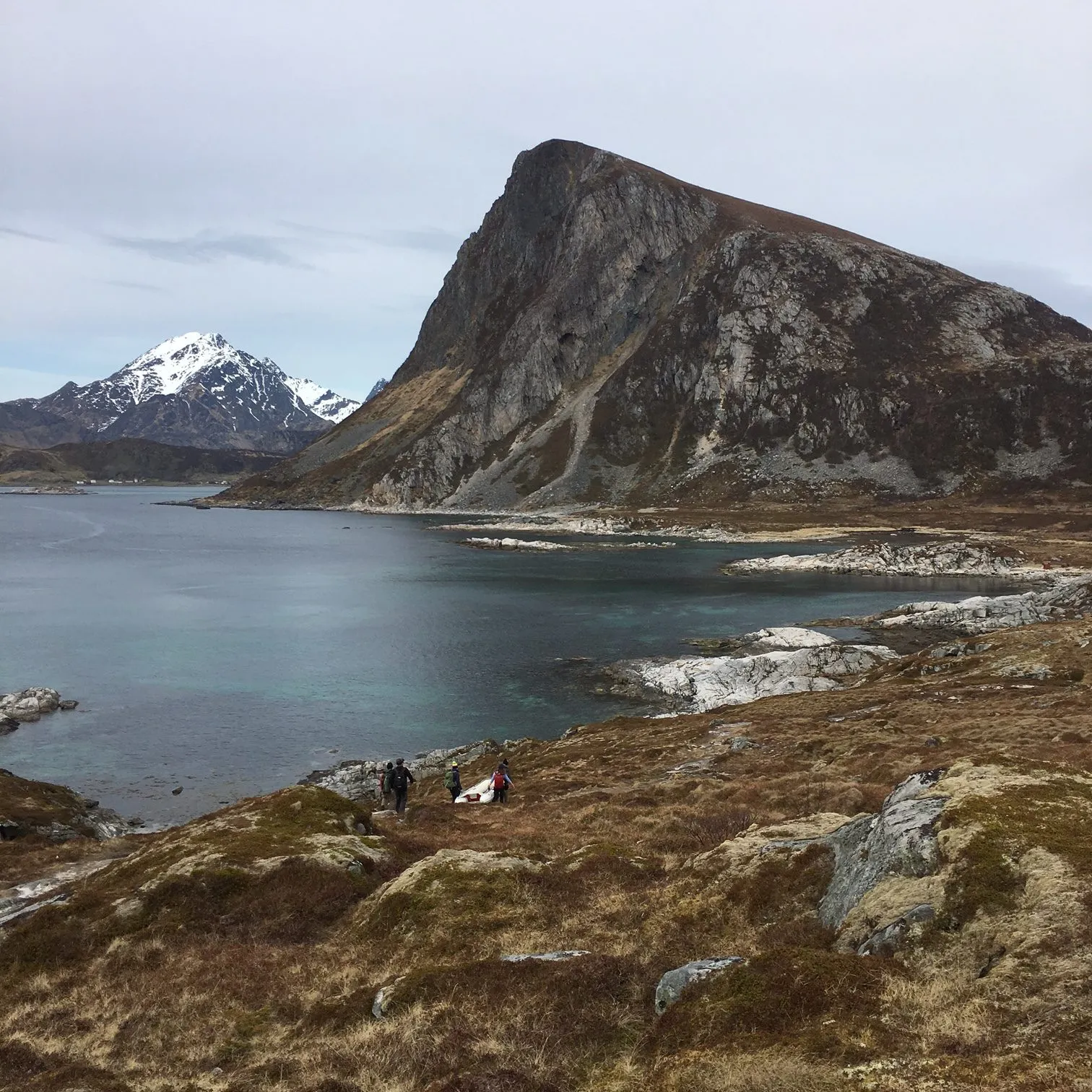
Billy D’Andrea, a Lamont-Doherty Earth Observatory paleoclimatologist and Center for Climate and Life Fellow, is investigating the relationship between environmental change and characteristics of early settlements in Norway’s Lofoten Islands.
For years, scientists have been warning of a so-called “hot spot” of accelerated sea-level rise along the northeastern U.S. coast. But accurately modeling this acceleration as well as variations in sea-level rise from one region to another has proven challenging. Now new research offers the first comprehensive model for understanding differences in sea level rise along North America’s East Coast.
A young researcher explains why she is taking to advocacy for science.
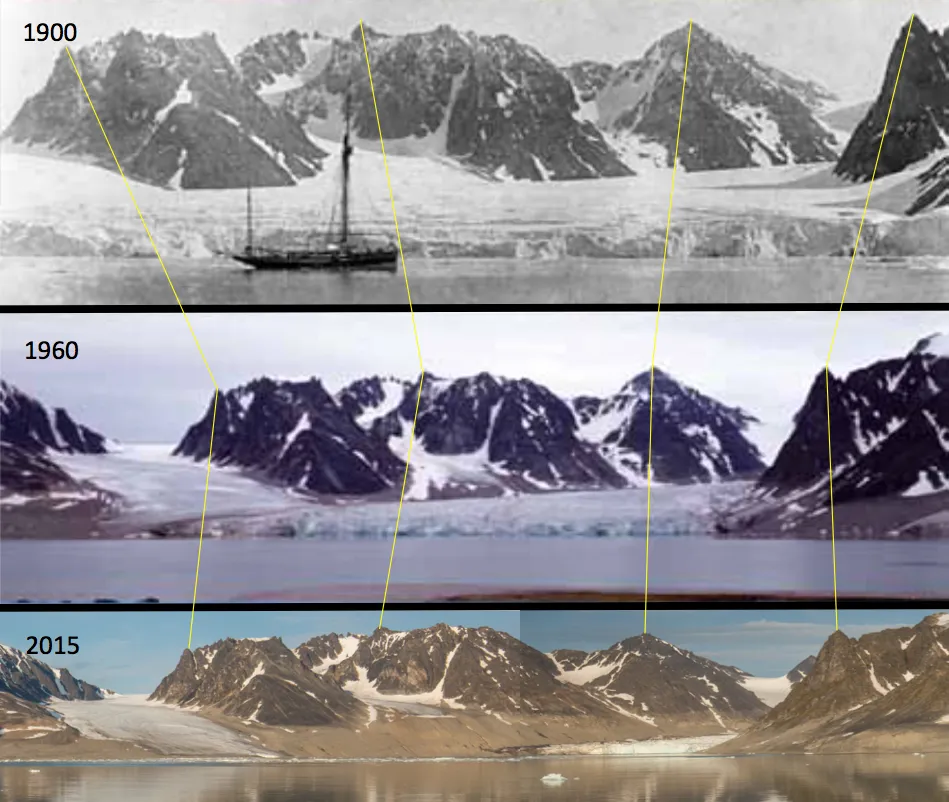
Glaciers around the world have retreated at unprecedented rates and some have disappeared altogether. The melting of glaciers will affect drinking water supplies, water needed to grow food and supply energy, as well as global sea levels.
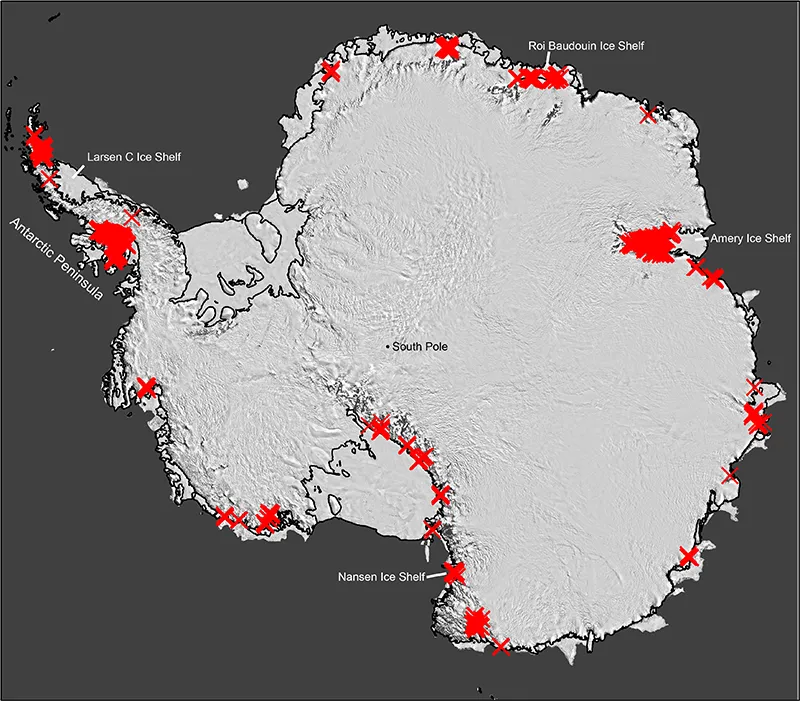
In the first such continent-wide survey, scientists have found extensive drainages of meltwater flowing over parts of Antarctica’s ice during the brief summer. Many of the newly mapped drainages are not new, but the fact they exist at all is significant; they appear to proliferate with small upswings in temperature, so warming projected for this century could quickly magnify their influence on sea level.
How does El Niño work, and how does it affect our climate, food supplies and water availability? The two men whose scientific work has been key to solving these puzzles will be honored Wednesday with the Vetlesen Prize, marking a major achievement in Earth sciences. And this afternoon, they’ll have something to say about it in a webcast lecture.
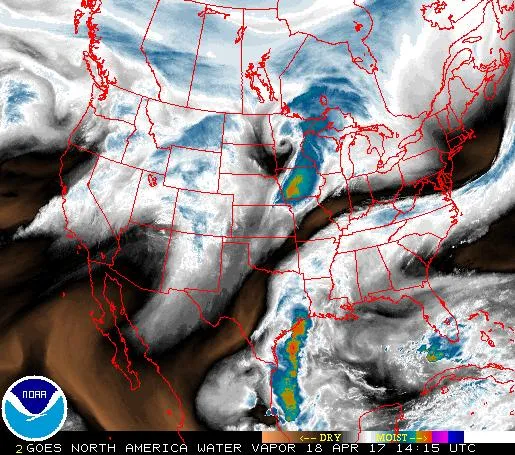
If we are to continue to grow our economy without destroying the planet’s basic systems that sustain human life, we need to learn a great deal more about our planet and the impact of human activities on natural systems.
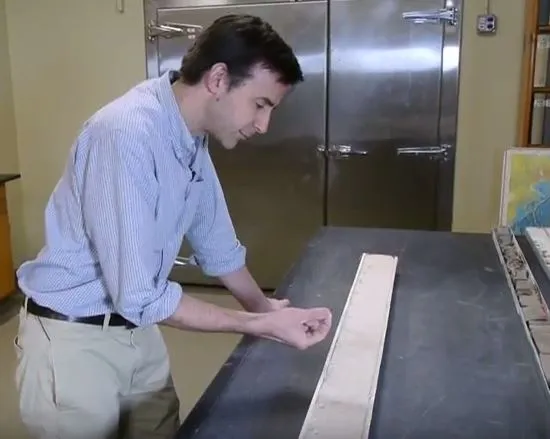
The word fossils typically conjures images of T-Rexes and trilobites. Pratigya Polissar thinks micro: A paleoclimatologist, he digs into old sediments and studies molecular fossils—the microscopic remains of plants and animals that can tell us a lot about what was living in a particular time period.
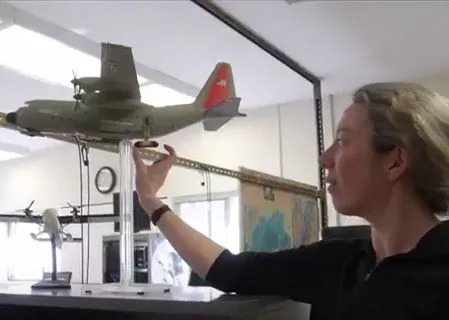
Kirsty Tinto flies aboard a specially equipped airplane in very cold places to study ice sheets and ice shelves. She’s an associate research scientist in the polar geophysics group at Lamont-Doherty Earth Observatory.
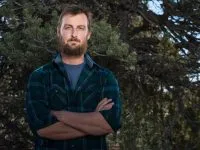
Park Williams studies trees and climate, in particular the causes of drought and the effects of climate change on forests. In this latest in a series of Earth Institute videos, we spoke to him about what he does, what’s important about it, and how his interest in history and environmental science blended into a career.