
Lamont in the Media
Earth & Climate Science News
Concurrent with the announcement that human carbon emissions reached a new peak this year, Galen McKinley, a researcher at Columbia University’s Lamont-Doherty Earth Observatory, discusses the difficulties of tracking the sources and destinations of carbon dioxide.
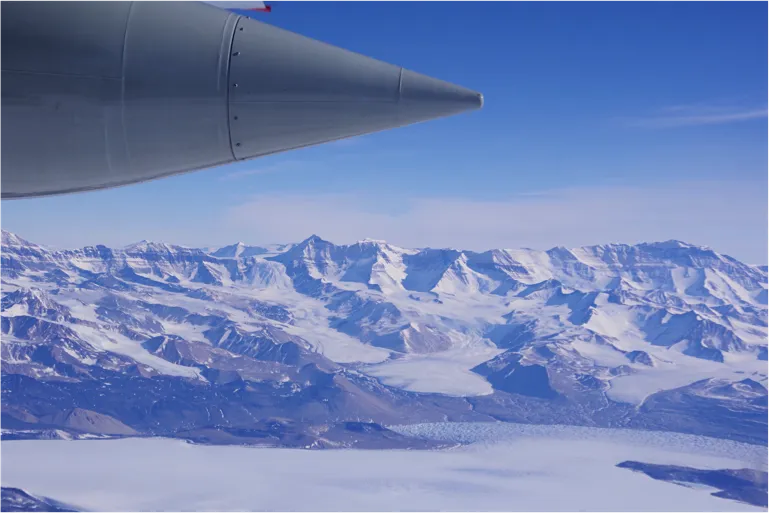
For scientists mapping Antarctica’s Ross Ice Shelf, data collection flights require a demanding schedule: The day starts at 4am and sometimes continues throughout the night.
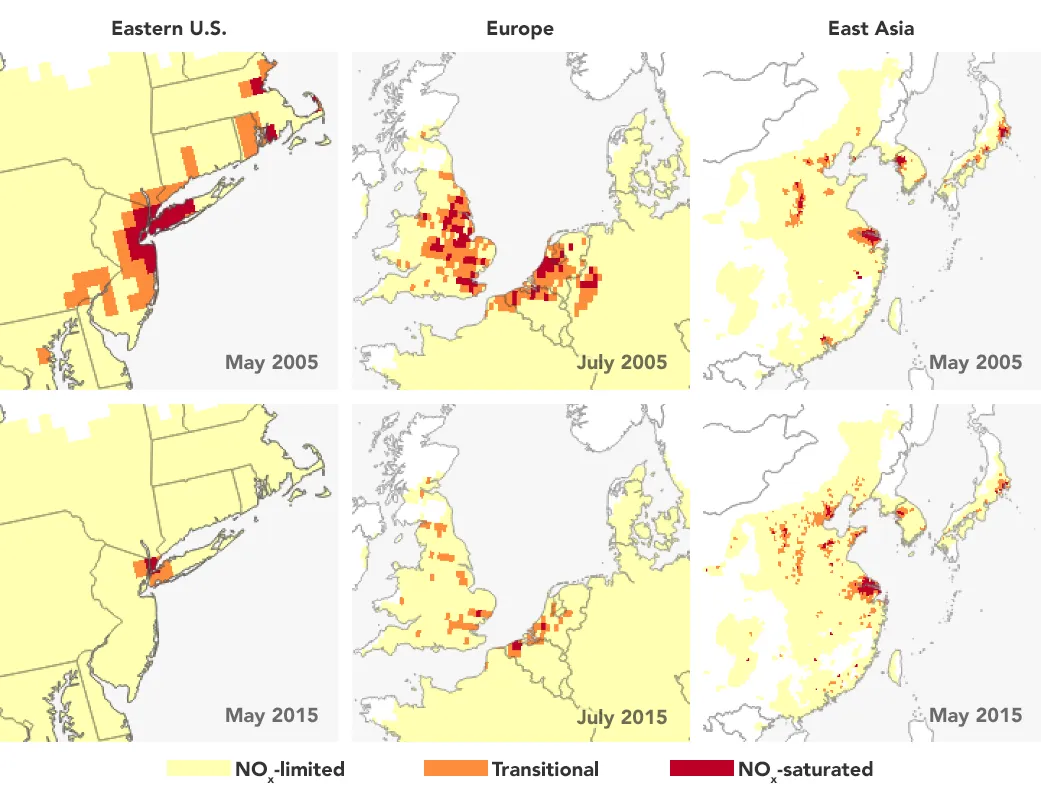
Ozone pollution near Earth’s surface is one of the main ingredients of summertime smog. But it not directly measurable from space, due to the abundance of ozone higher in the atmosphere, which masks the surface. Now, researchers have devised a way to use satellite measurements of the precursor gases that contribute to ozone formation to predict when and where ozone will form.
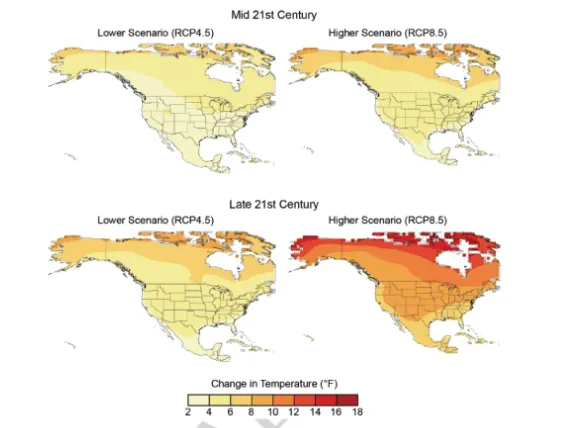
Every four years Congress is provided with a state-of-the-art report on the impacts of climate change on the United States. The next National Climate Assessment is scheduled for 2018, but its scientific findings are scheduled to be published today. Here, two of its authors explain what to expect.
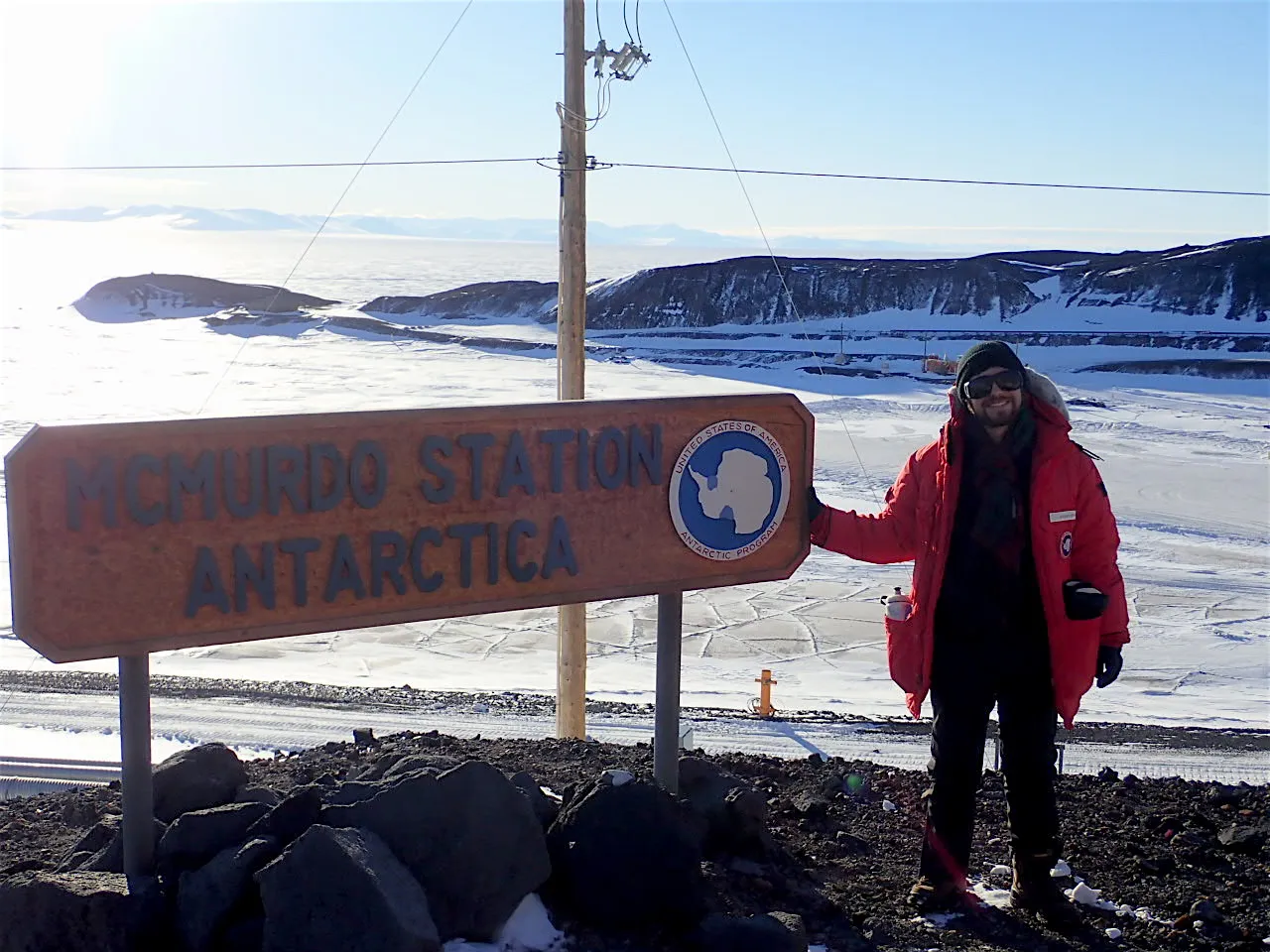
Even though our tent is within a short drive of McMurdo (a small town with most of the safety and logistical equipment on the entire continent), we still need to prepare ourselves for sudden, extreme weather. Every time we leave the relative safety of McMurdo, we carry our Extreme Cold Weather equipment and our tent has emergency food and sleeping equipment.
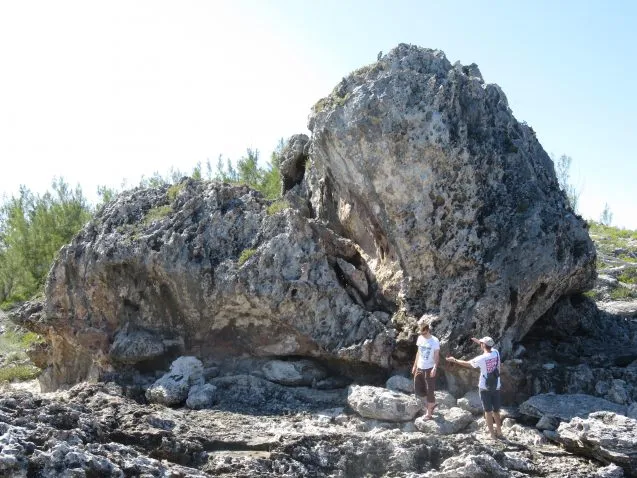
A new study says that storms of intensities seen today, combined with a few meters increase in sea level, were enough to transport coastal boulders weighing hundreds of tons more than 100,000 year ago.
Thousands of years before Biblical times, during a period when temperatures were unusually high, the lands around the Dead Sea now occupied by Israel, Jordan and surrounding nations suffered megadroughts far worse than any recorded by humans. Warming climate now threatens to return such conditions to this already hard-pressed region.
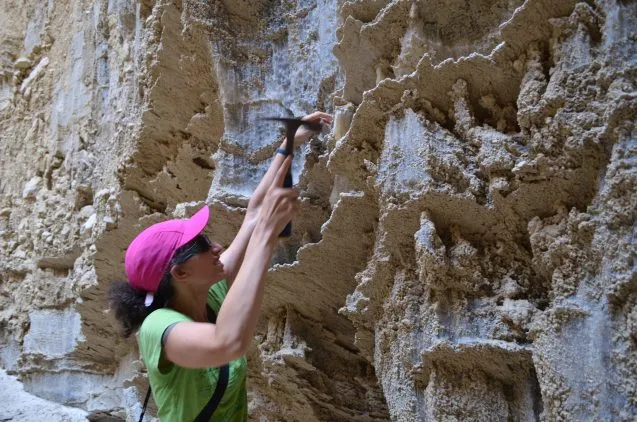
Human-influenced climate warming has already reduced rainfall and increased evaporation in the Mideast, worsening water shortages. Up to now, climate scientists had projected that rainfall could decline another 20 percent by 2100. But the Dead Sea cores suggest that things could become much worse, much faster.
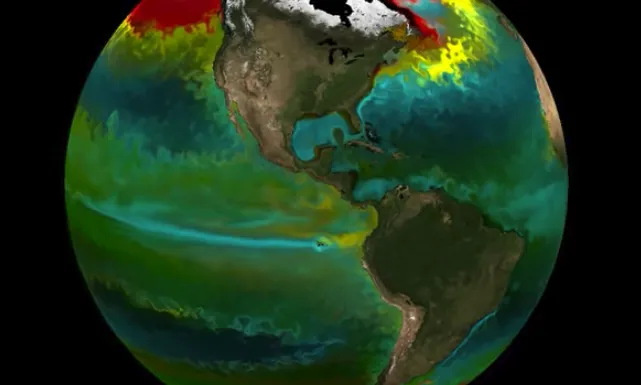
The warmer, more acidic waters caused by climate change influence the behavior of tiny marine organisms essential to ocean health.
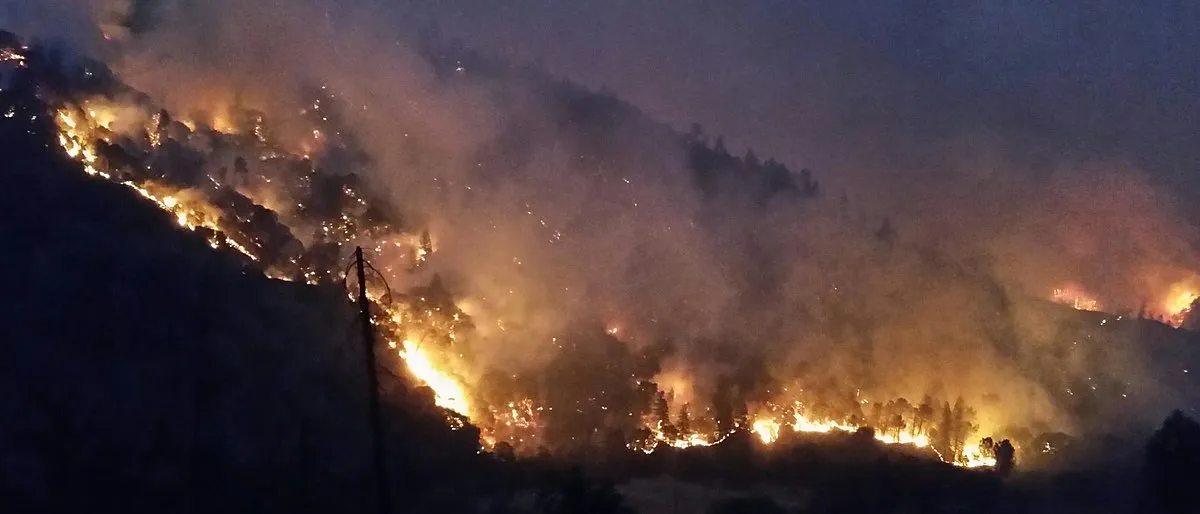
During a conference at Columbia University, scientists pinpointed areas where advances in fire prediction can be made within the next decade.
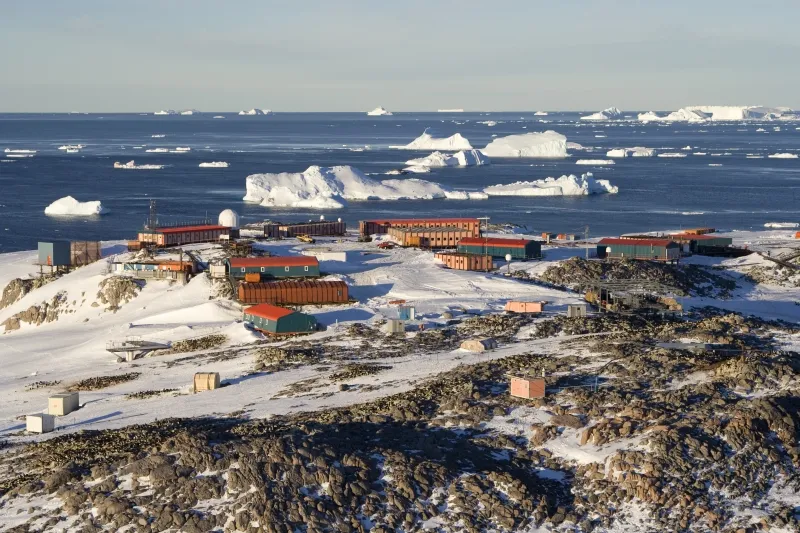
With the Rosetta-Ice team delayed in New Zealand, let’s take a minute to discuss why Antarctica’s weather is so forbidding.

In October 2012, Sandy devastated large swaths of the city with floods and fire. How well have we recovered? And will we be ready for the next big storm?