
Lamont in the Media
Earth & Climate Science News
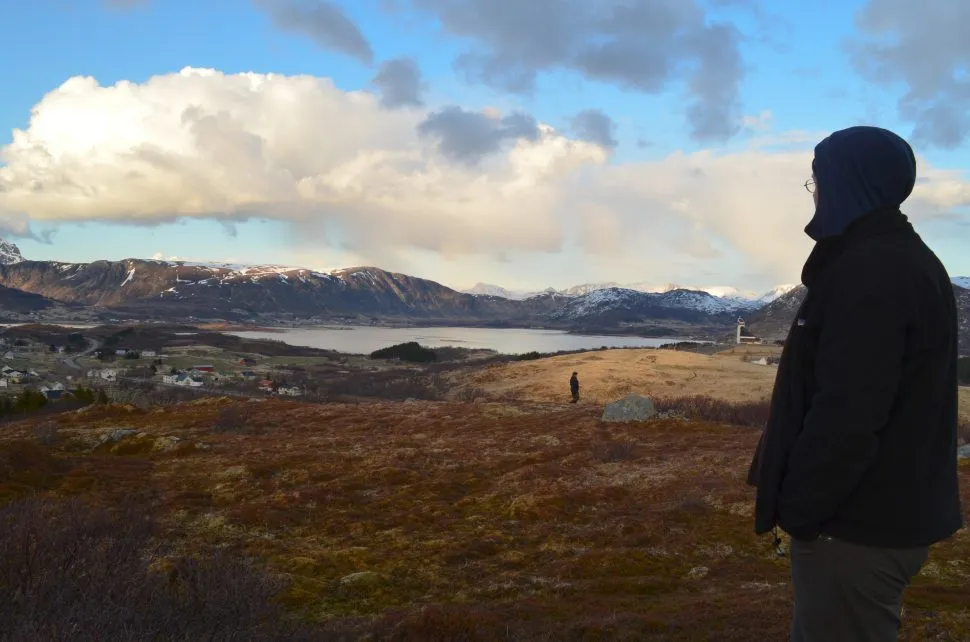
A thousand years ago, powerful Viking chieftans flourished in Norway’s Lofoten Islands, above the Arctic Circle. In an environment frequently hovering on the edge of survivability, small shifts in climate or sea level could mean life or death. People had to constantly adapt, making their living from the land and the sea as best they could.

Three scientists explain what they’re learning about the ocean’s changing conditions. These discoveries will contribute to the sustainable management and conservation of marine resources, helping to secure food for current and future generations.
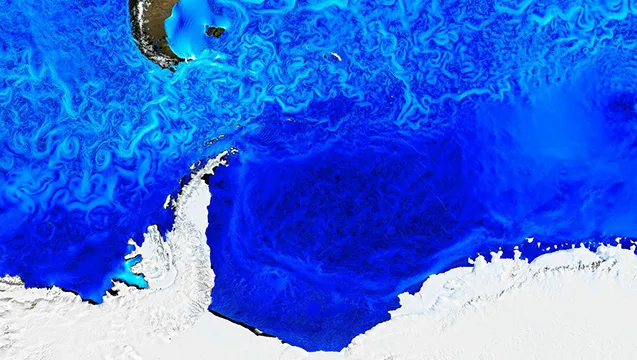
The better climate models become, the harder it is to use them. One team of researchers is working to fix that.

The Earth Institute has extended the internship application deadline for positions in a variety of administration, communications and research roles. Undergraduate, graduate and PhD students are eligible to apply for the opportunity to work on a sustainability-focused project.

The Earth Institute has extended the application deadline for applications to undergraduate research assistant positions for the fall 2017 semester. Undergraduates from Columbia and Barnard will be able to serve as research assistants on research projects related to sustainable development and the environment with distinguished faculty and researchers at the cutting edge of this burgeoning field.
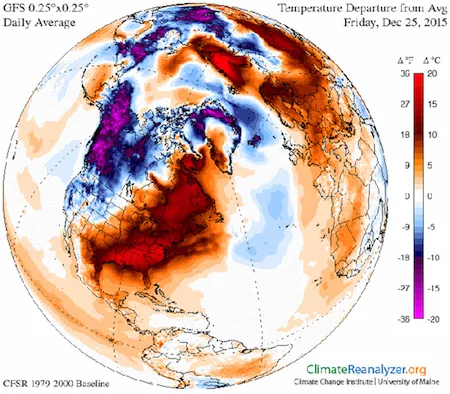
It’s too soon to say there’s a connection, but searching for the fingerprints of climate change shouldn’t take too long.
Sustainability Science graduates will have the scientific know-how to help organizations improve their environmental performance.
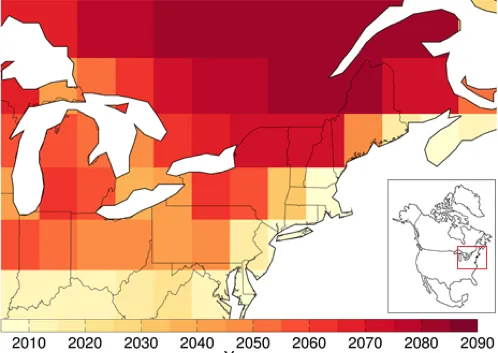
Over the next few decades, global warming-related rises in winter temperatures could significantly extend the range of the southern pine beetle, one of the world’s most aggressive tree-killing insects, through much of the northern United States and southern Canada, says a new study.
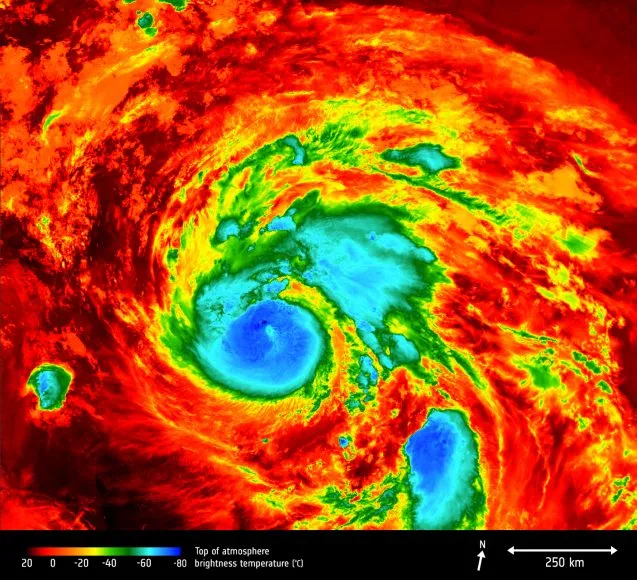
Over the past day and a half, Hurricane Harvey’s winds have quickened from about 35 to 109 miles per hour. What’s driving this massive power-up?
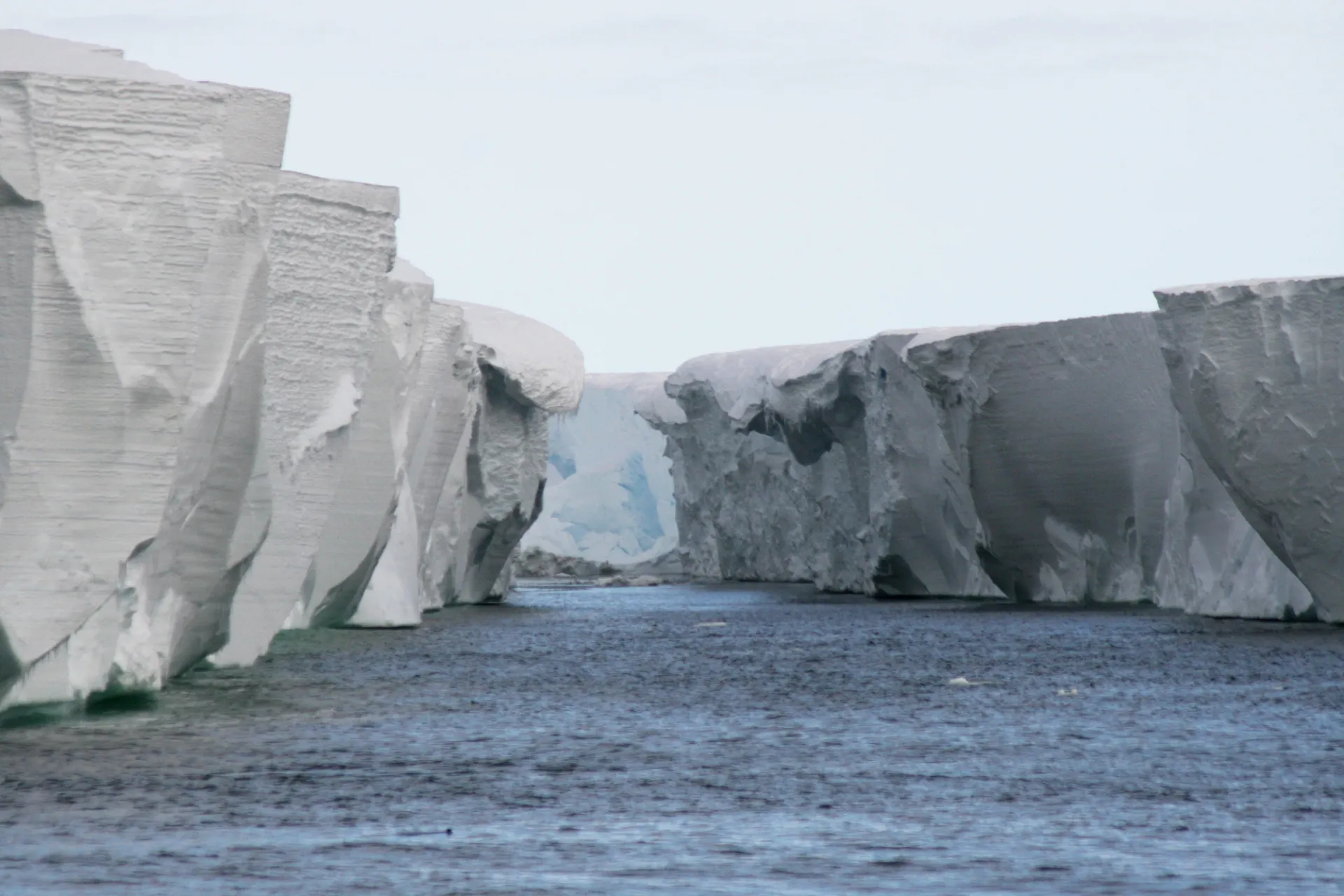
With its mission complete, the Rosetta-Ice Project will give scientists an unprecedented look at the Ross Ice Shelf and how it’s changing with the climate.
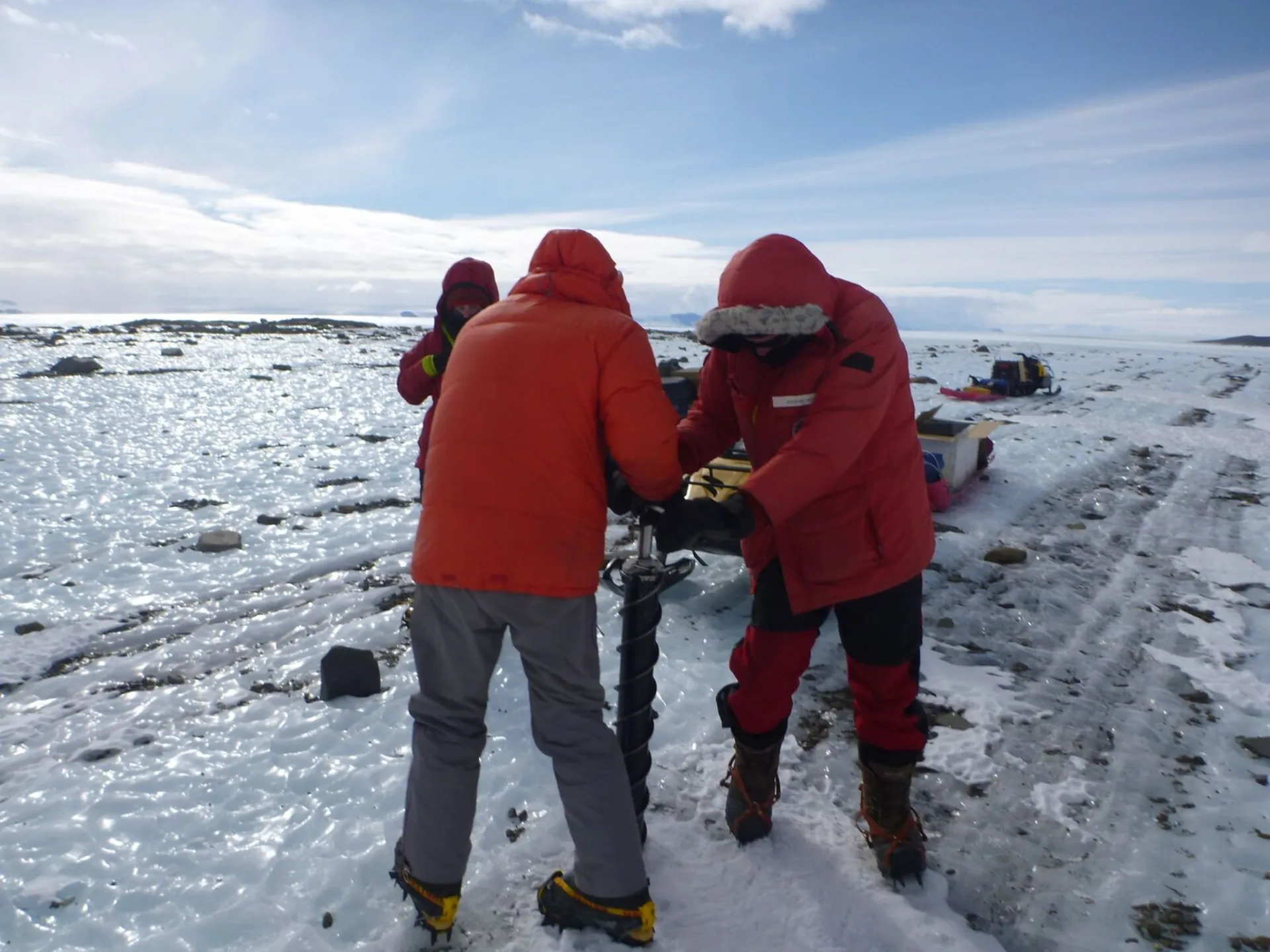
A new look inside the ice sheet validates predictions that it probably won’t melt as quickly as its neighbor—good news, since East Antarctica contains enough water to raise sea levels by 200 feet.
Plastic microbeads, common in soap, toothpaste and other consumer products, are flooding waters. A team from Lamont-Doherty Earth Observatory is doing the first large-scale assessment of their impact on New York's waterways.