
Lamont in the Media
Earth & Climate Science News
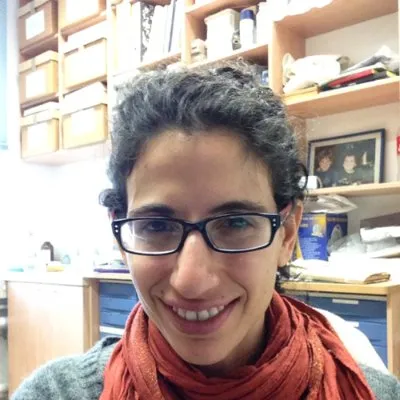
Yael Kiro, an associate research scientist at Lamont-Doherty Earth Observatory, has received the 2017 Professor Rafi Freund Award from the Israel Geological Society for work published on the ancient climate history of the Dead Sea.
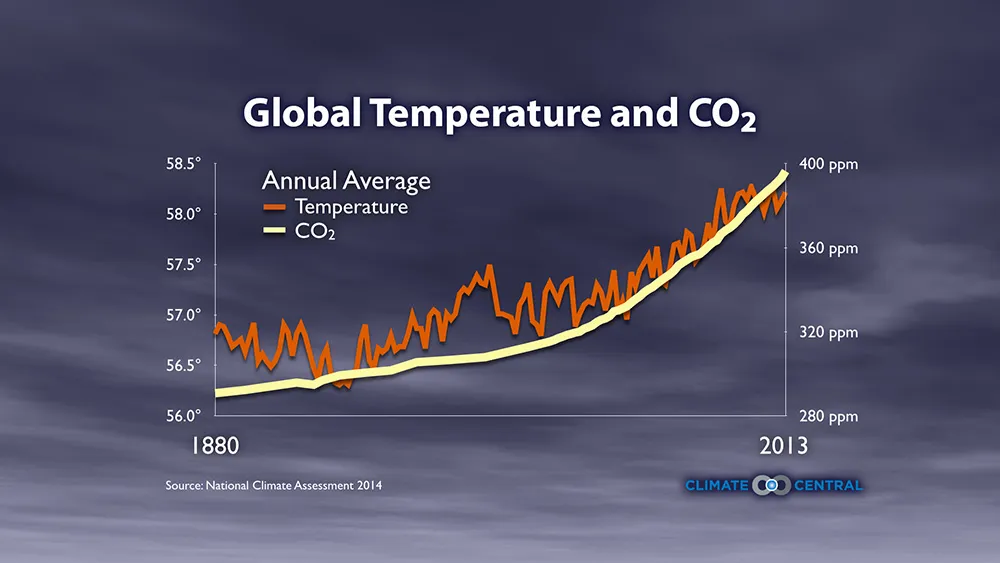
The vast majority of scientists around the world agree that our climate is changing at a faster rate than ever recorded in human history because of our use of fuels such as coal and oil, so-called fossil fuels. The conclusion rests on basic physics known since the early 1800s, when physical scientists first recognized that carbon dioxide, then a recently discovered gas, could act as a sort of greenhouse, preventing heat introduced by the sun from escaping back into space – the “greenhouse effect.”

Anne Hidalgo, the mayor of Paris, will join dozens of other leaders in government, business and the non-profit world at the Women4Climate conference at Columbia University on March 15.
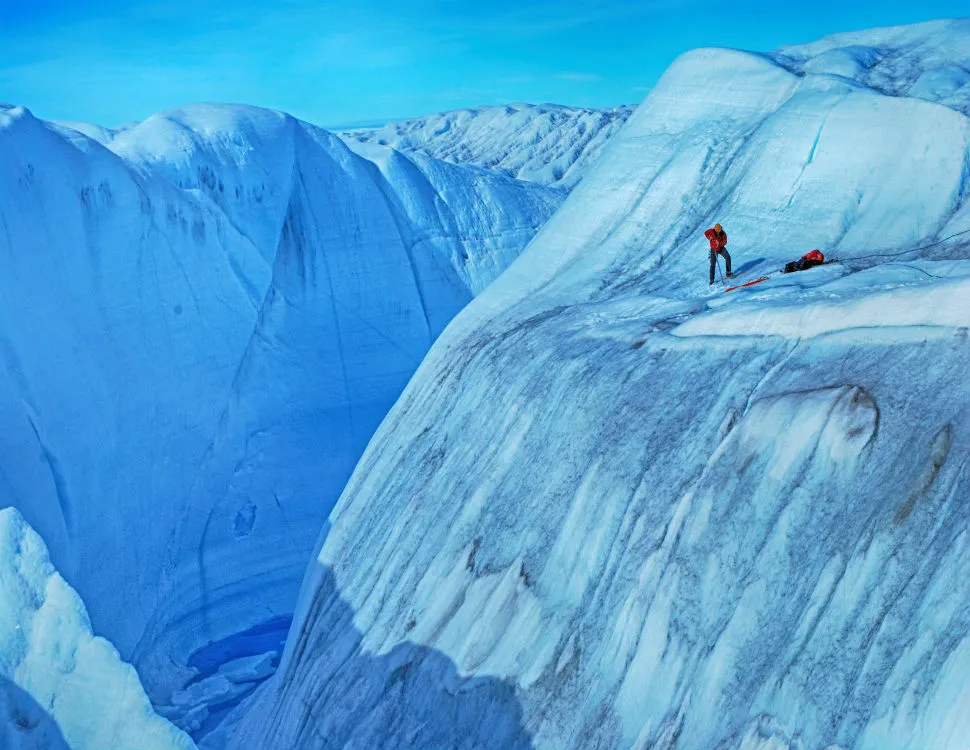
A new photography exhibit in the Rotunda at Columbia University’s Low Memorial Library highlights the variety and global reach of the Earth Institute’s mission
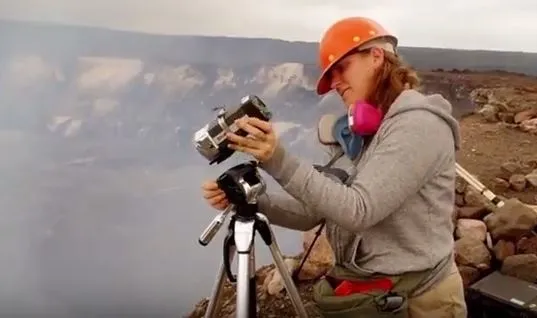
What do the scientists and researchers around the Earth Institute do? In this second in a series, Einat Lev from the Lamont-Doherty Earth Observatory talks about her work on volcanoes what she’d like people to know about it, and what inspired her to go into the field.
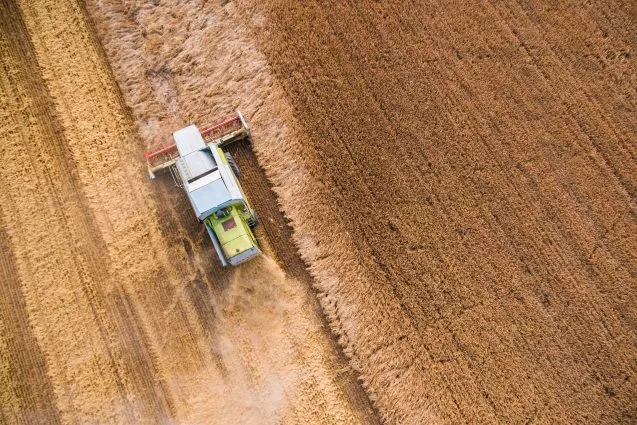
A sound strategy to secure the nation’s food supply and reduce its vulnerability within and beyond our borders will be a major step towards making America and the world more resilient in the face of increasing uncertainty.
An all-purpose guide for journalists covering disasters, natural and manmade.
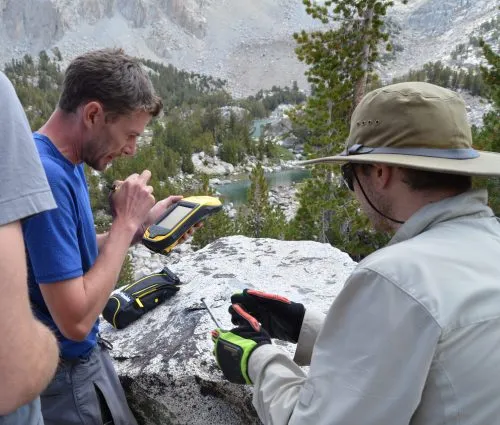
Aaron Putnam’s research in the California Sierras is part of an effort to study glaciers around the world—in Europe’s Alps, the Himalayas, Mongolia, Patagonia, New Zealand. He’s working on an important piece of the worldwide climate puzzle that can help us understand what’s ahead in a warming world.

A new coral salinity record shows that the location of the most significant hydroclimatic feature in the Southern Hemisphere, the South Pacific Convergence Zone, influences a major Pacific Ocean current.
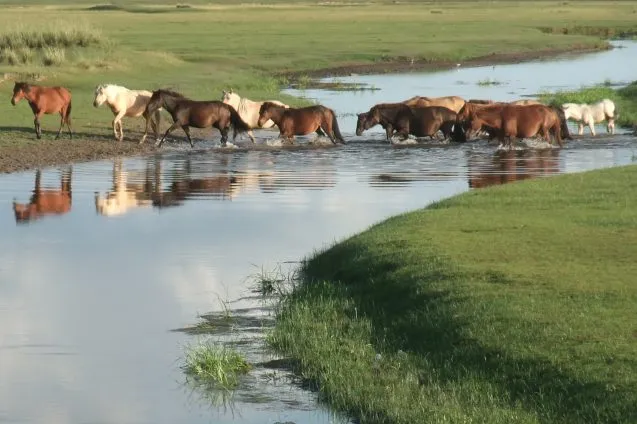
The annual summer monsoon that drops rain onto East Asia has shifted dramatically, at times moving northward by as much as 400 km and doubling rainfall in that northern reach. The monsoon’s changes over the past 10,000 years likely altered the course of early human cultures in China, say the authors of a new study.
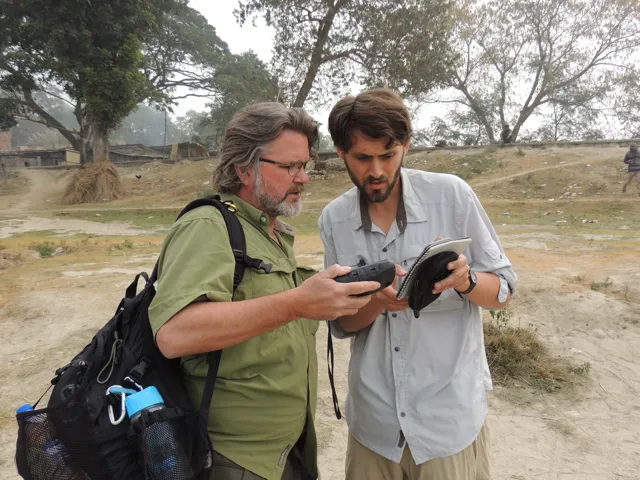
The final phase of our revolves around visiting chars, sandy river islands, on the Ganges and Brahmaputra River. Chris and Dan are making measurements of soil salinity and moisture and spectra of the soil reflectance, while Liz and I collected samples for OSL dating and understanding the OSL properties of the river sediments here. This entails a mixture of driving around the country and spending time on small country boats and walking around the chars.

More than 85 percent of the ocean floor remains unmapped, leaving us in the dark about much of the earth's topography. A global, non-profit effort will try to remedy that, and influence everything from climate research and weather prediction to mineral resource exploration and fisheries.