Lamont in the Media
Earth & Climate Science News

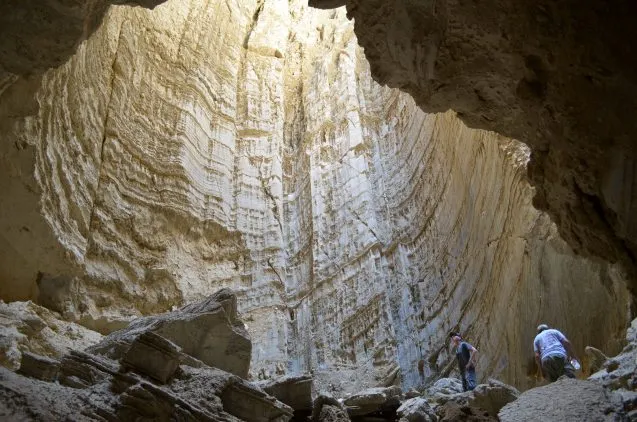
High school students teamed up with Columbia University researchers to learn about local exposure to this toxic element. Along the way, they learned about history, field work, and the scientific process.
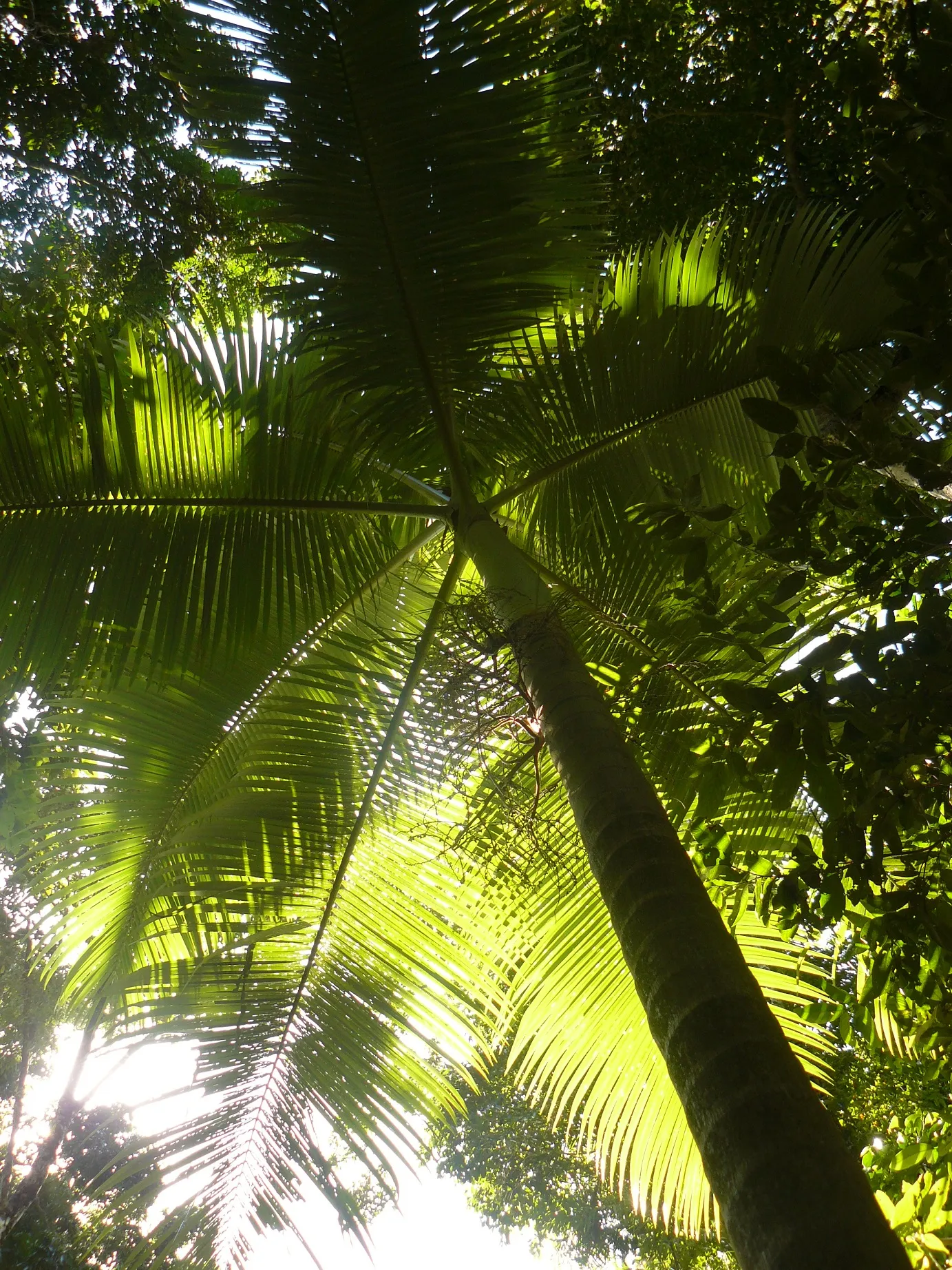
A new study explores what it will take for the iconic tropical tree to expand into areas that have long been too cold for palm trees to survive.
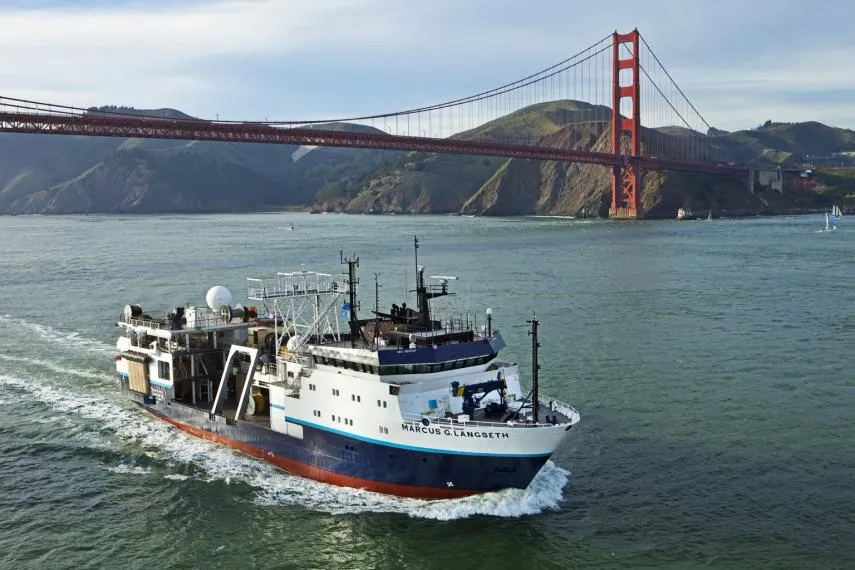
A generous donation from leading geoscience firm CGG Inc. will advance the research capacities of the Langseth research ship.
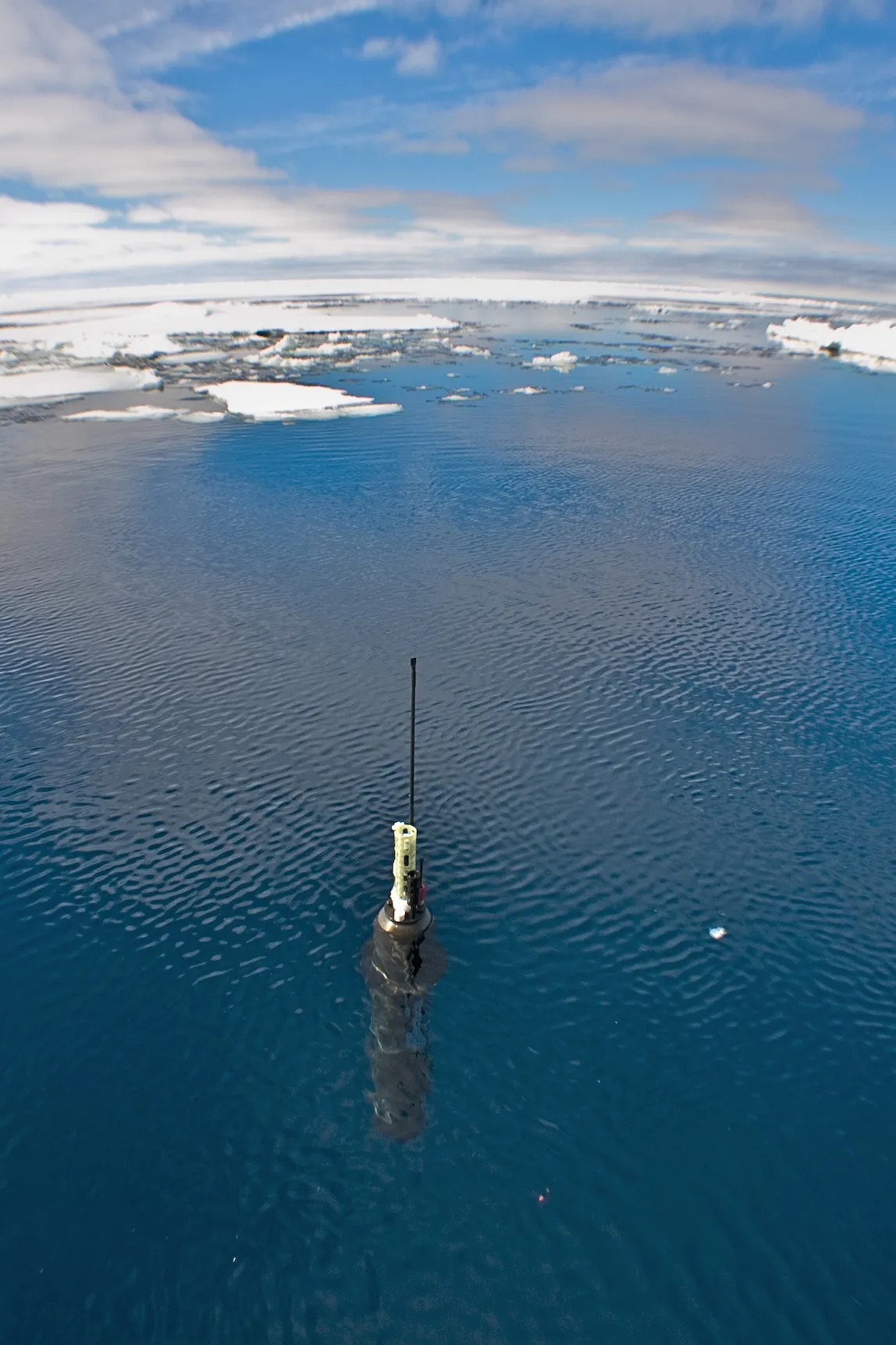
Researchers report a sharp drop in salinity in the North Atlantic Ocean over the last decade, providing the most detailed look yet at the region’s changing ocean conditions. A continued decline could impact fish stocks and the ocean’s ability to absorb CO2.
Lamont's Robin Bell is living proof of the importance of encouraging young women to study STEM disciplines. Her breakthrough research, fueled by passionate intellectual curiosity, has been critical to understanding our planet.
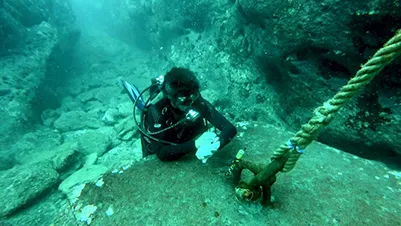
If coral reefs continue to degrade, waves on coastlines may substantially increase, leading to greater coastal erosion.
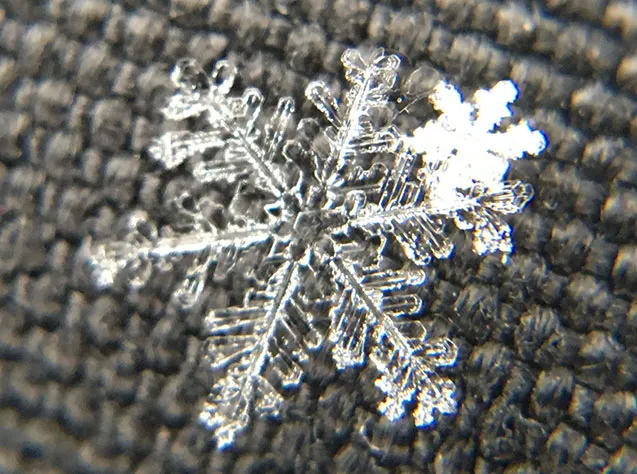
Citizen scientists can gather data to help uncover how snow is changing over time.
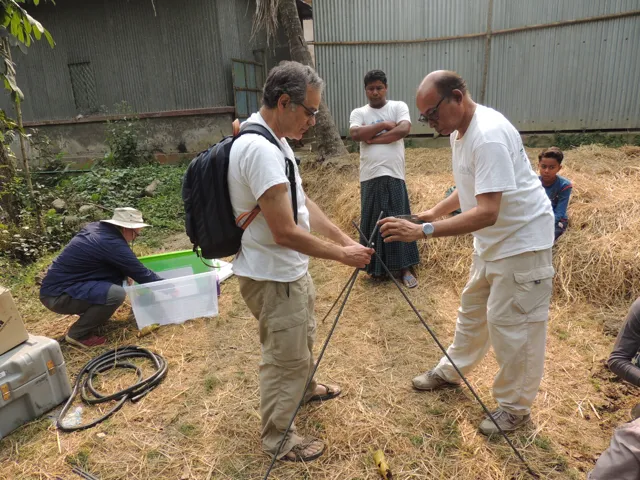
In the final push, we split into multiple teams, and caught up and completed all the seismometer installations on time.
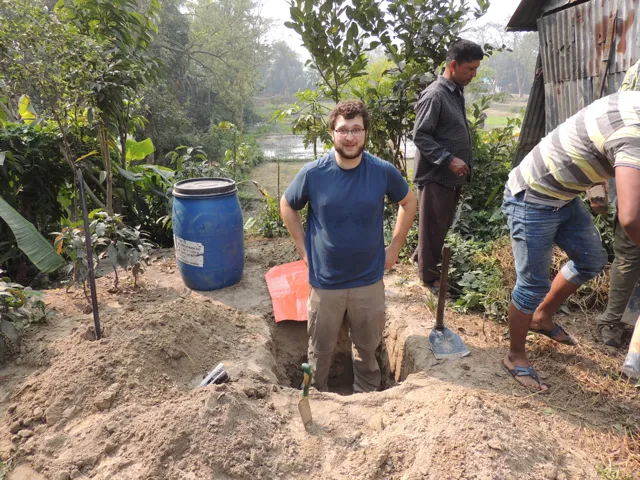
Helping Jim’s team, I assisted in installing stations and scouting locations. While some stations go quickly, others took multiple trips to find a good site. Time is growing short for getting all the seismometer installations done on time.
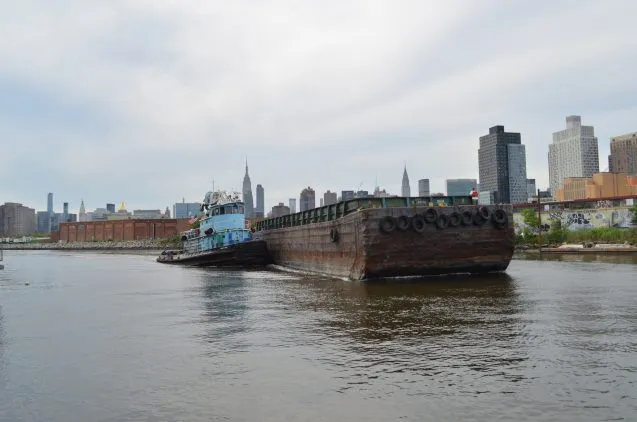
In a new study, researchers have mapped out a large variety of discarded pharmaceuticals dissolved throughout the Hudson River. They say that in some places, levels may be high enough to potentially affect aquatic life.

As we finished scouting and installing the GPS stations, we started to assist the seismology team in getting permission to install there instruments in Tea Estates.