
Lamont in the Media
Earth & Climate Science News
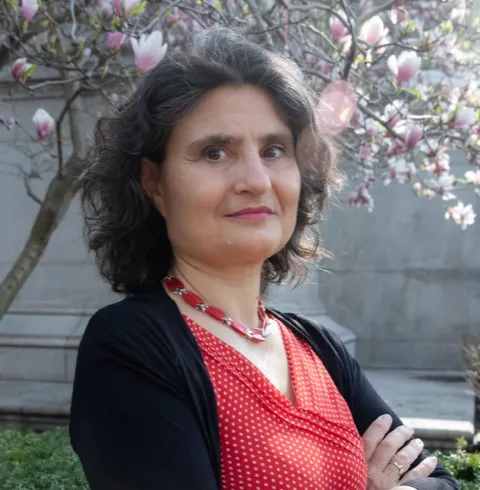
Atmospheric scientist Michela Biasutti investigates what drives rainfall on a wide variety of time scales, and how climate change may affect it. She is passing on the basics to students.
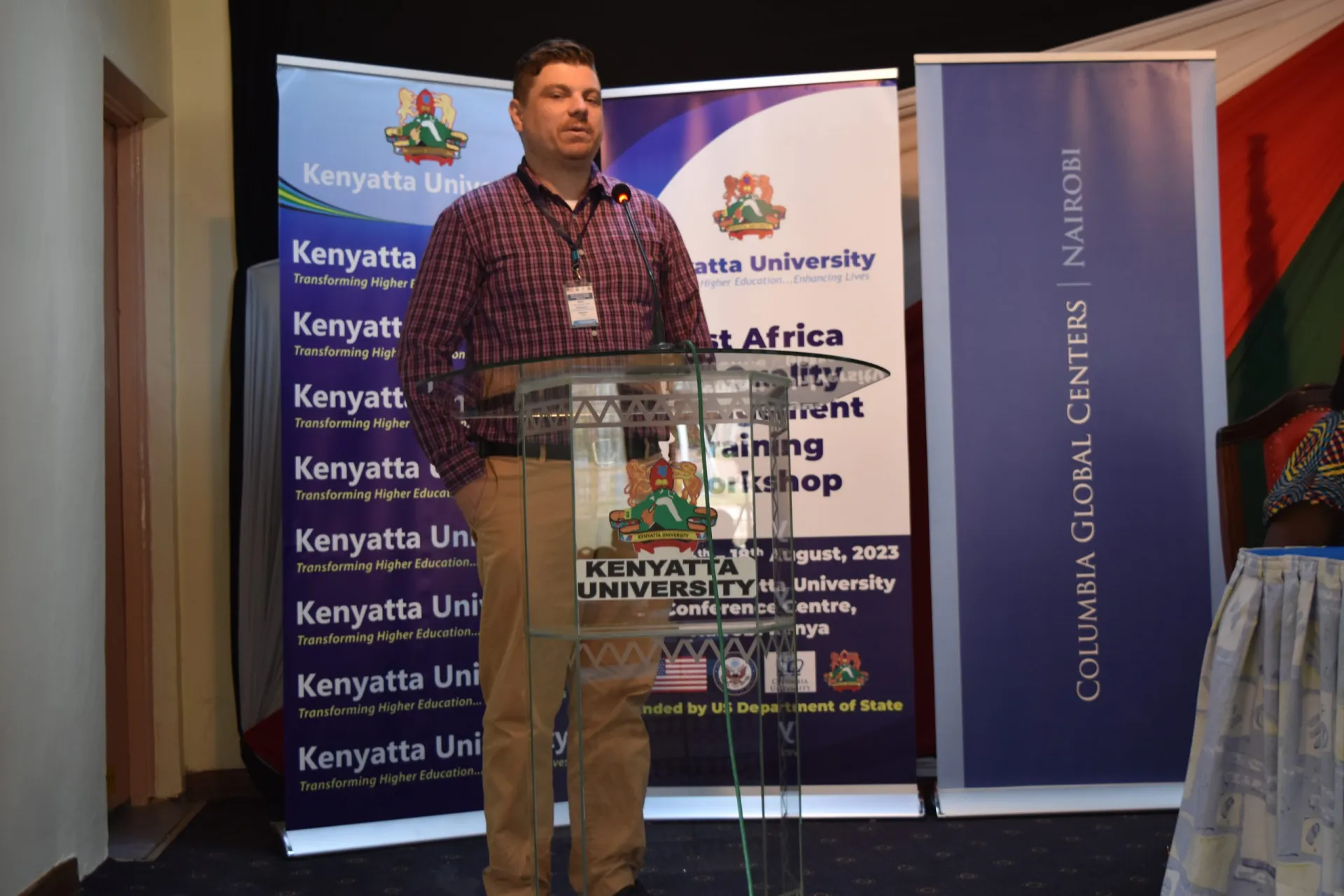
An atmospheric scientist has been working to measure and mitigate a longtime health crisis afflicting much of the continent.

Atmospheric physicist Chia-Ying Lee is working to improve our understanding of how tropical cyclones will evolve in the future.
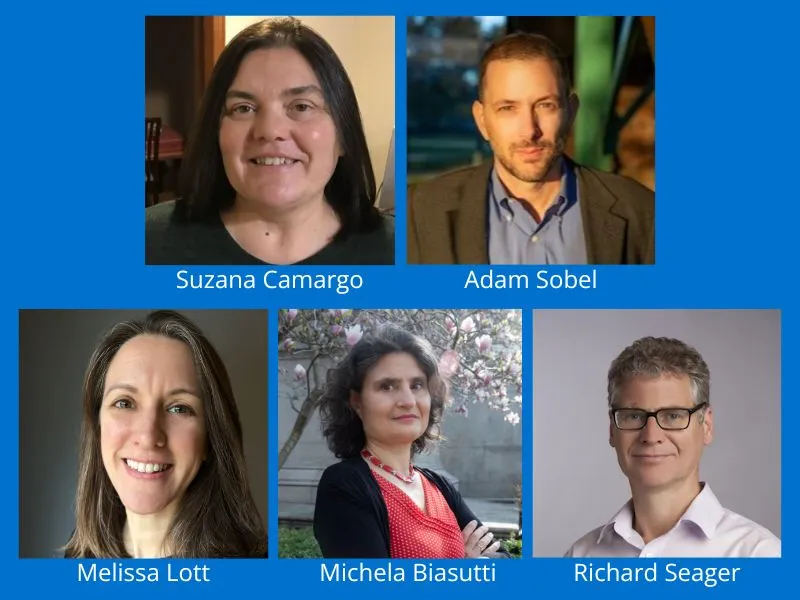
Doctoral candidates or recent Ph.D., M.D., J.D. or Sc.D. recipients interested in research on sustainable development can apply by November 1.
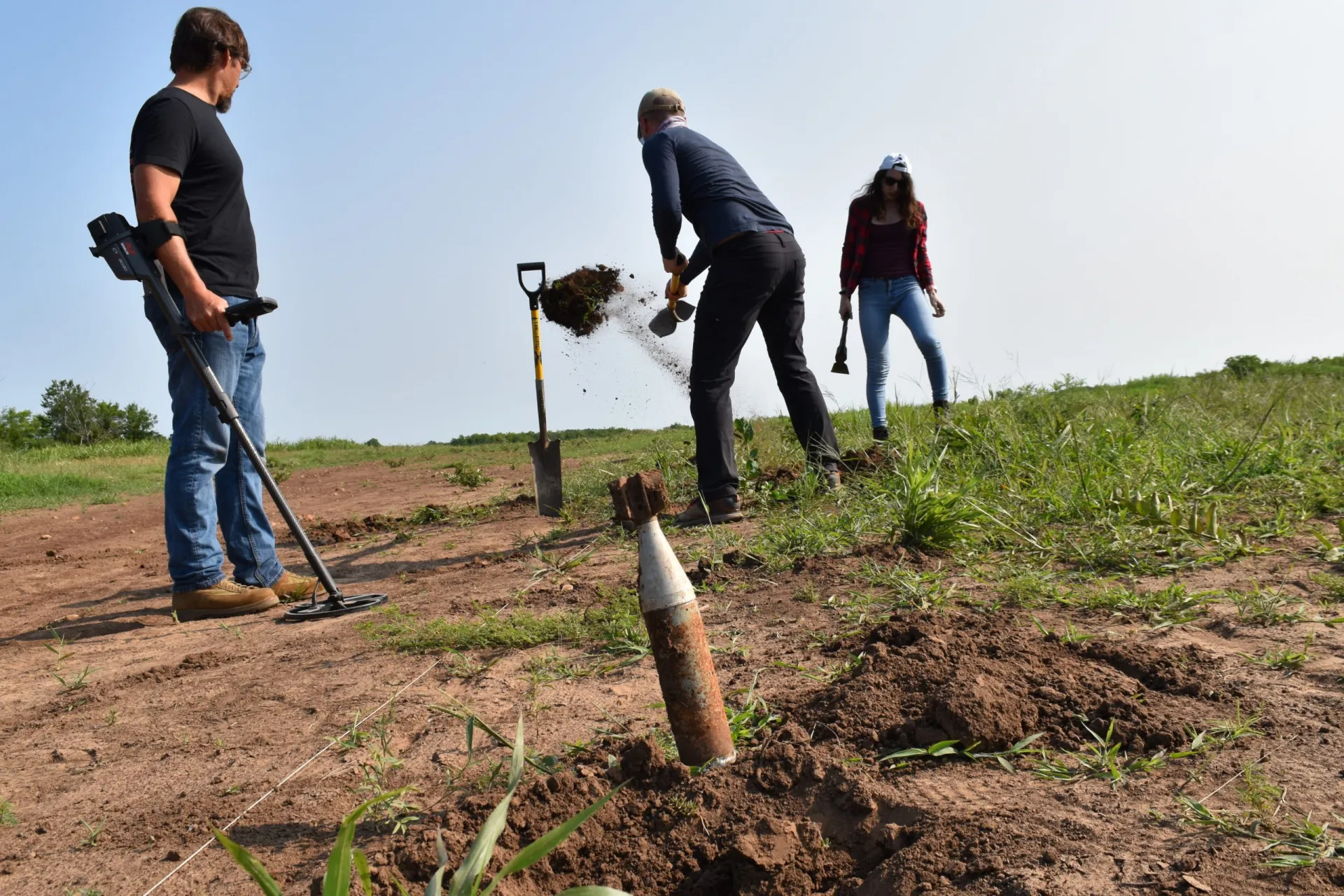
Finding land mines the old-fashioned way—on foot, with a metal detector—is agonizingly slow and dangerous. Scientists are working to make the process faster and safer.
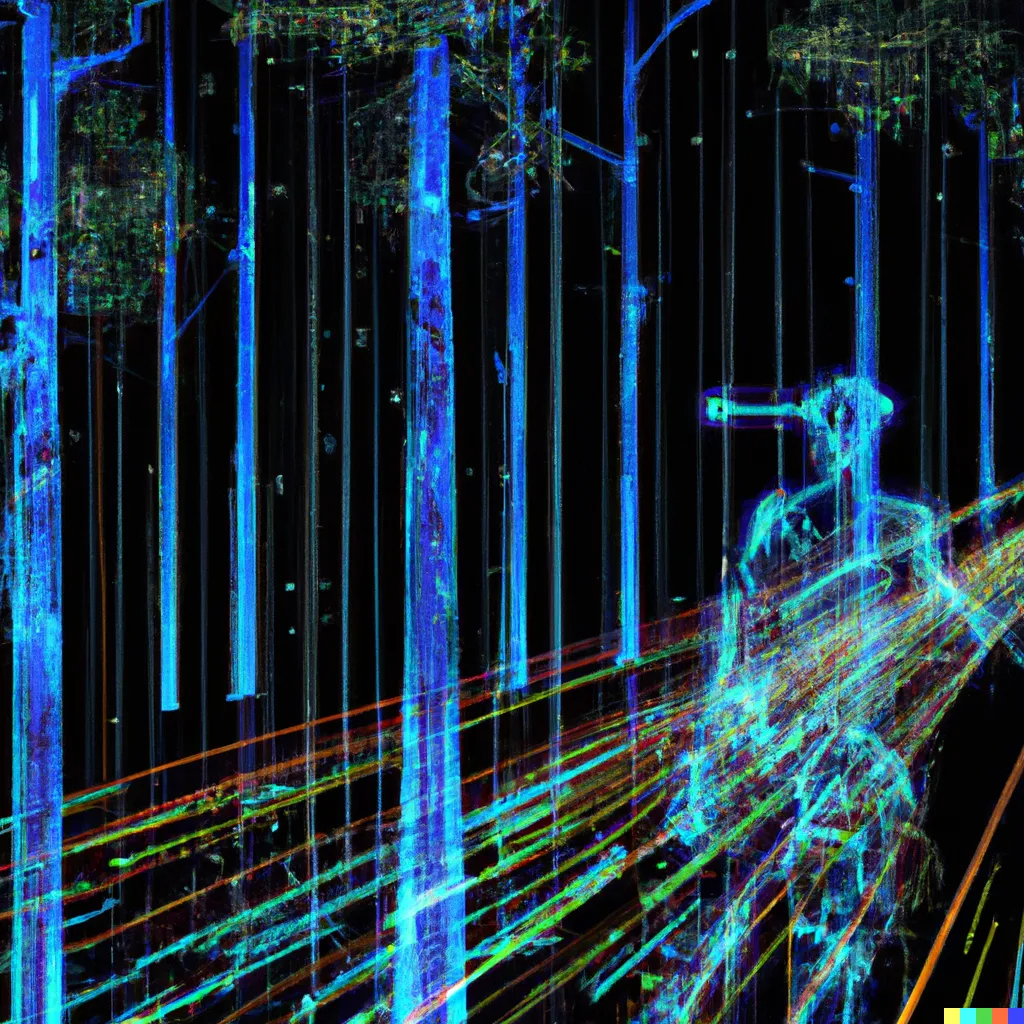
Two complex fields of human endeavor may have a lot to learn from each other.
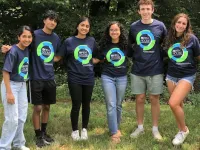
The polar regions are a critical aspect of the climate crisis, but polar science is not always accessible, especially to young students. The Polar Climate Ambassadors program seeks to help close this gap.
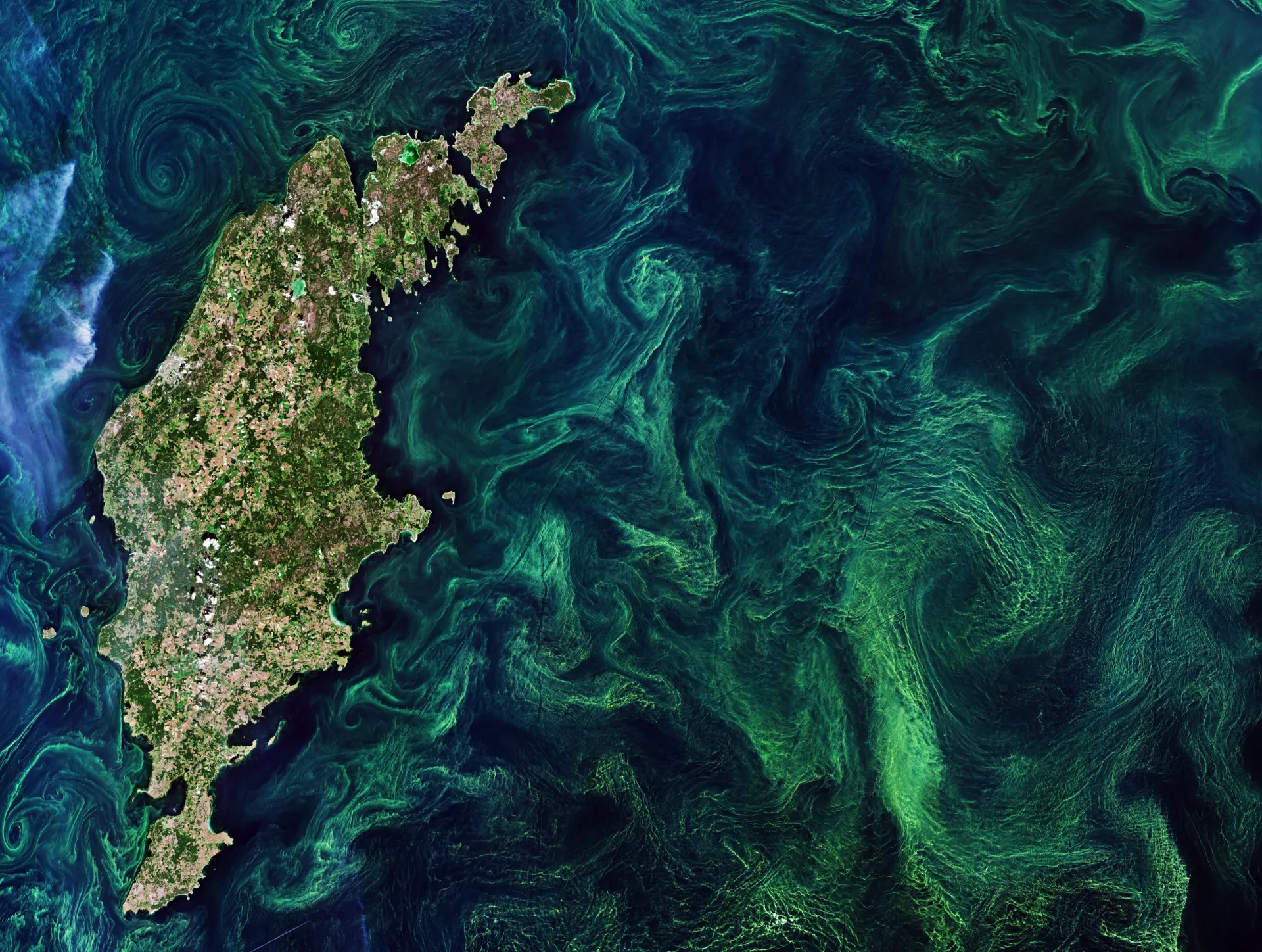
Plankton play many important roles on the planet. How will climate change affect them, and is it already happening?
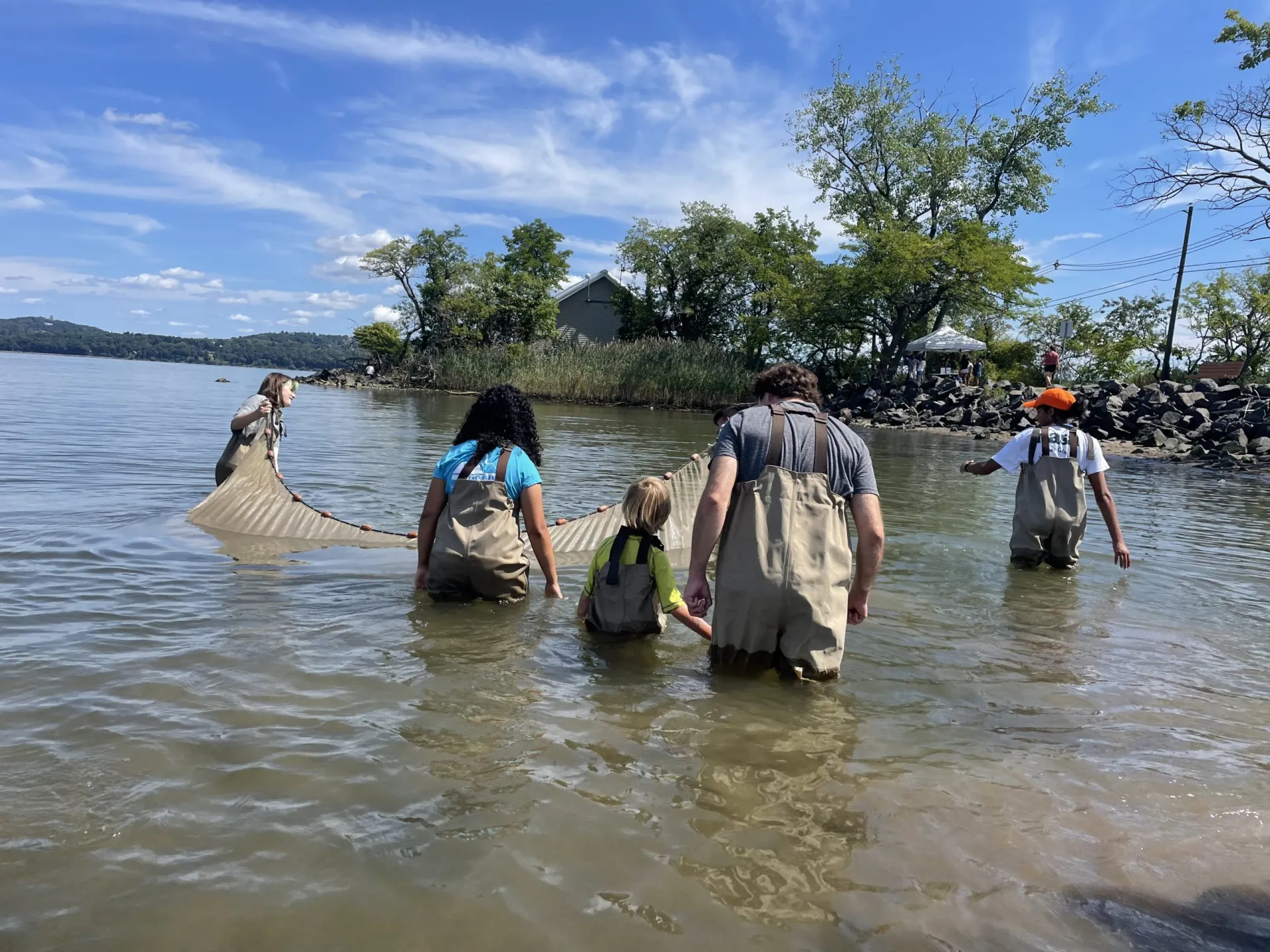
Columbia’s Lamont-Doherty Earth Observatory’s community education program draws in students of all ages to learn about the Hudson River.
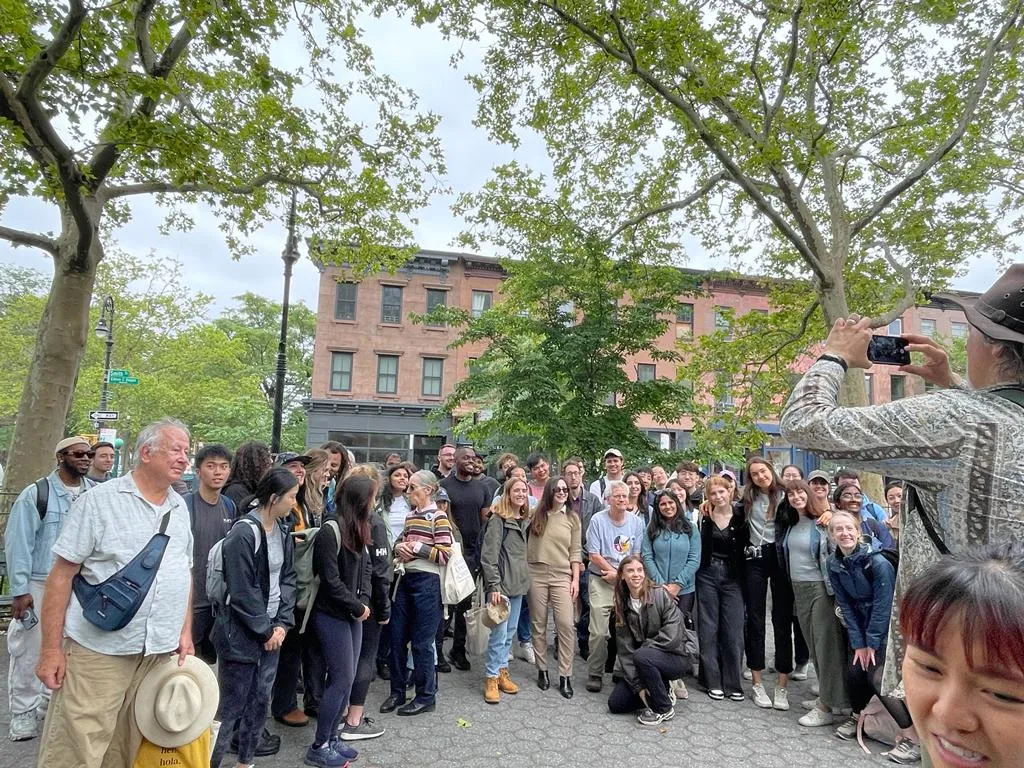
Summer term students took a field trip to learn about the complex environmental, community, and legislative issues at play in this historic Brooklyn neighborhood.
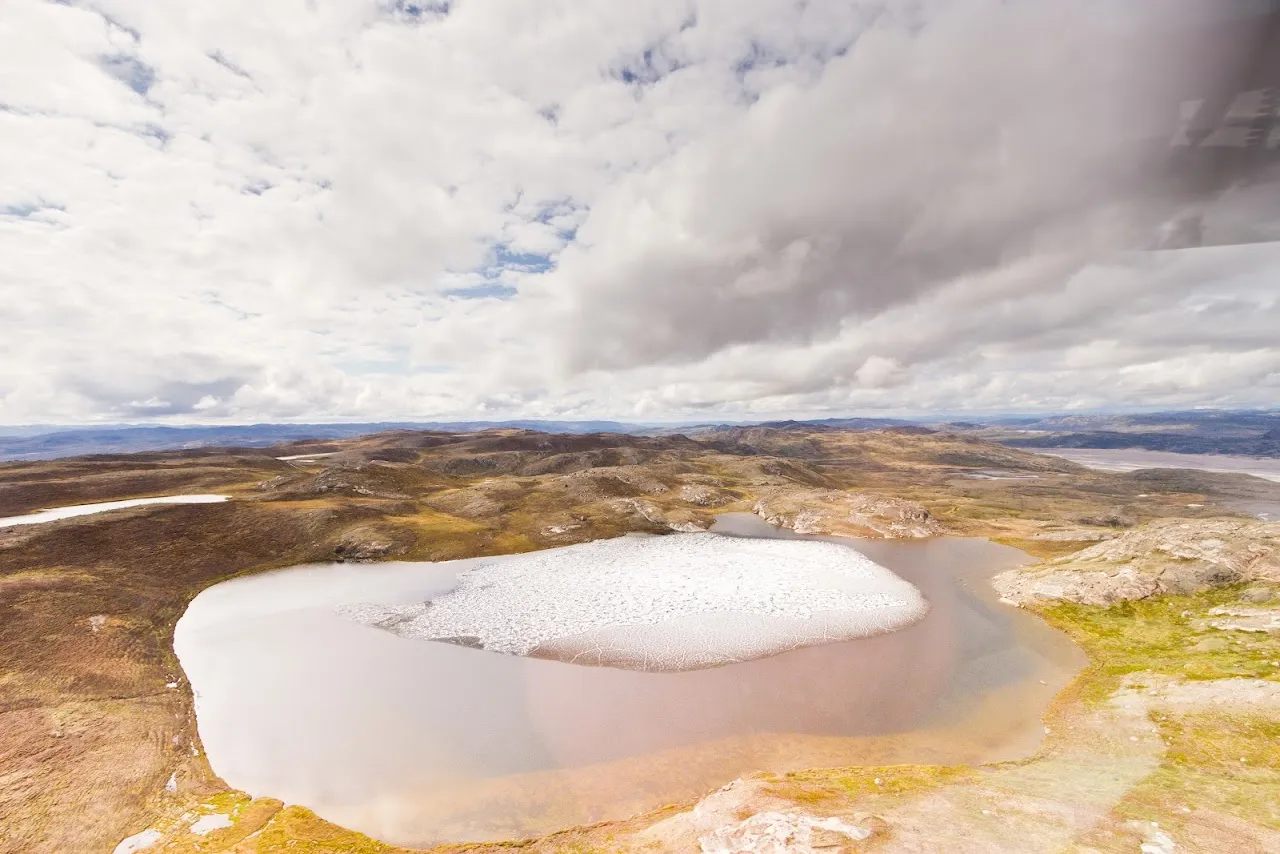
A study adds evidence that the Greenland Ice Sheet will be vulnerable to human-induced climate change in coming centuries.