
Lamont in the Media
Earth & Climate Science News
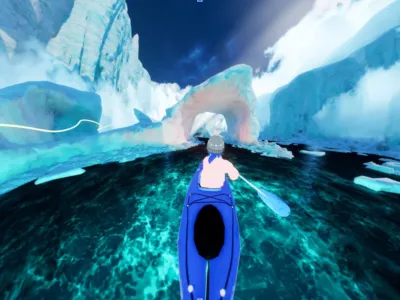
'Once a Glacier' is about a girl who tries to save a glacier—and with it, forge new empathy for our fellow humans and planet.
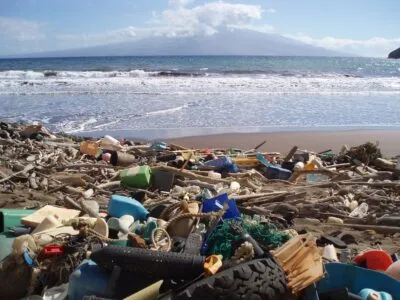
In keeping with the theme of Earth Day 2024, how do we reduce global plastic pollution and ensure a more sustainable future?
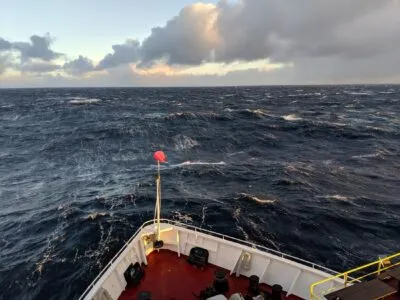
A new study shows that a giant current circling Antarctica has speeded up during past warm periods, eating away at the polar ice. It's doing it again now.
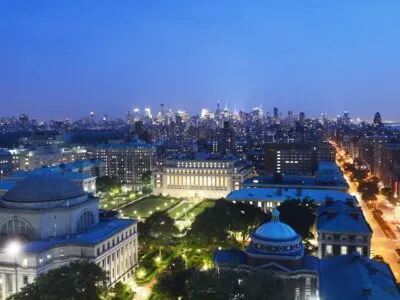
Current full-time Columbia and Barnard students (undergraduate, graduate, and PhD) are eligible to apply.
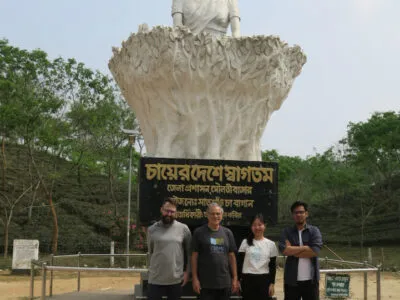
The remainder of my fieldwork focuses on the GNSS (the general term for GPS) instruments in eastern Bangladesh to study the tectonics and earthquake hazard.
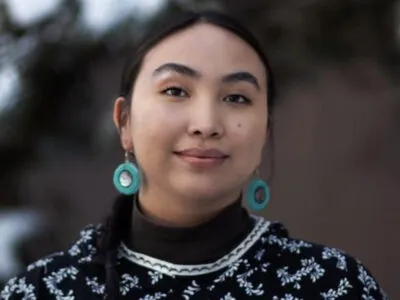
Charitie Ropati’s Indigenous heritage informs her education, research and activism.
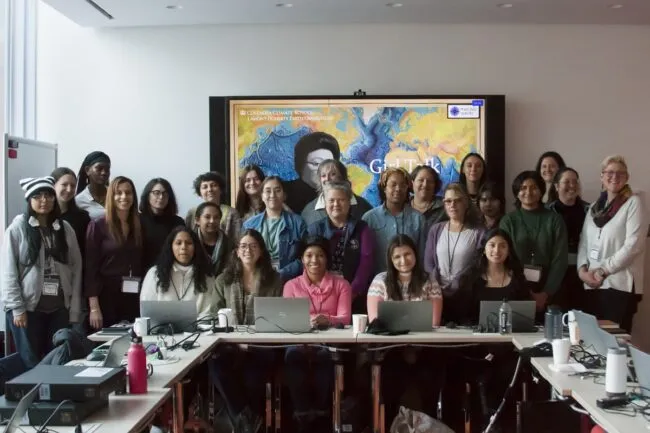
In honor of International Women’s Day, we highlight a new workshop that engages women of all backgrounds in ocean sciences.
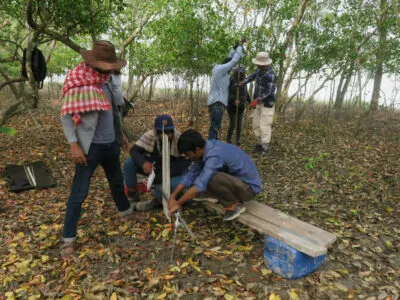
Traveling by boat, we are finishing our data collection and equipment servicing in coastal Bangladesh.
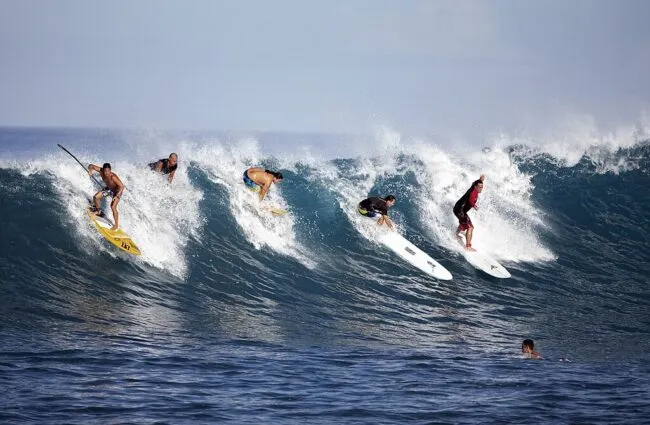
A plan to build a judging tower atop coral may cause irreversible damage to the local marine ecosystem.
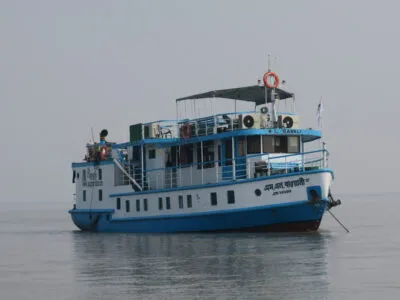
As part of our trip studying land subsidence and elevation changes, we boarded a boat to travel through the Sundarbans, the world’s largest mangrove forest.
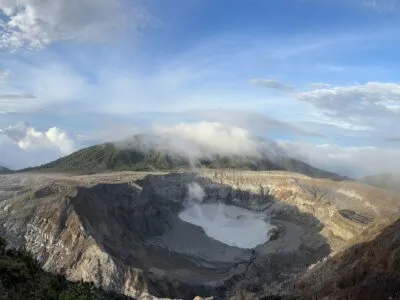
On Costa Rica's active Poás volcano, scientists install geophysical instruments that can monitor the underground in real time.
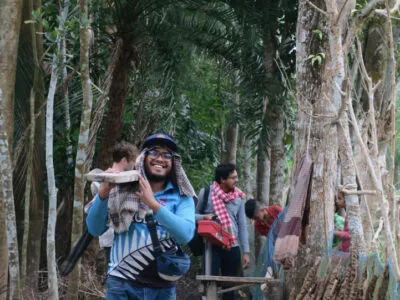
The sustainability of the Ganges-Brahmaputra Delta and Bangladesh depends on the balance of sea level rise, land subsidence and sedimentation. We are measuring the latter two across the coastal zone.