Lamont in the Media
Earth & Climate Science News
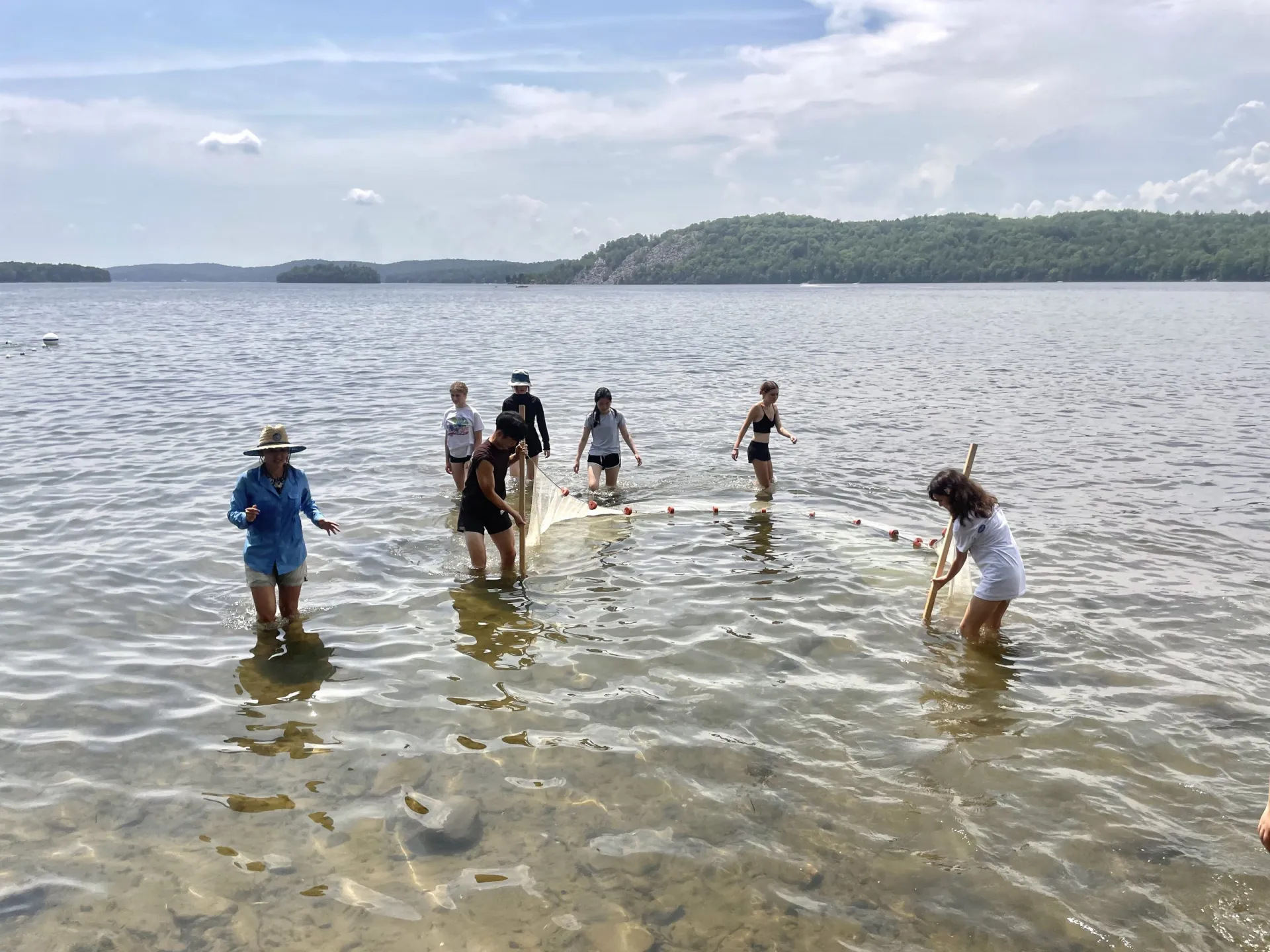
In the Climate LIVE video series, experts from across the Columbia Climate School discuss topics in climate and sustainability for grade school and university students, educators, parents and the public.

Rapidly intensifying hurricanes are hard to predict. Research suggests that climate change may be making them more frequent.
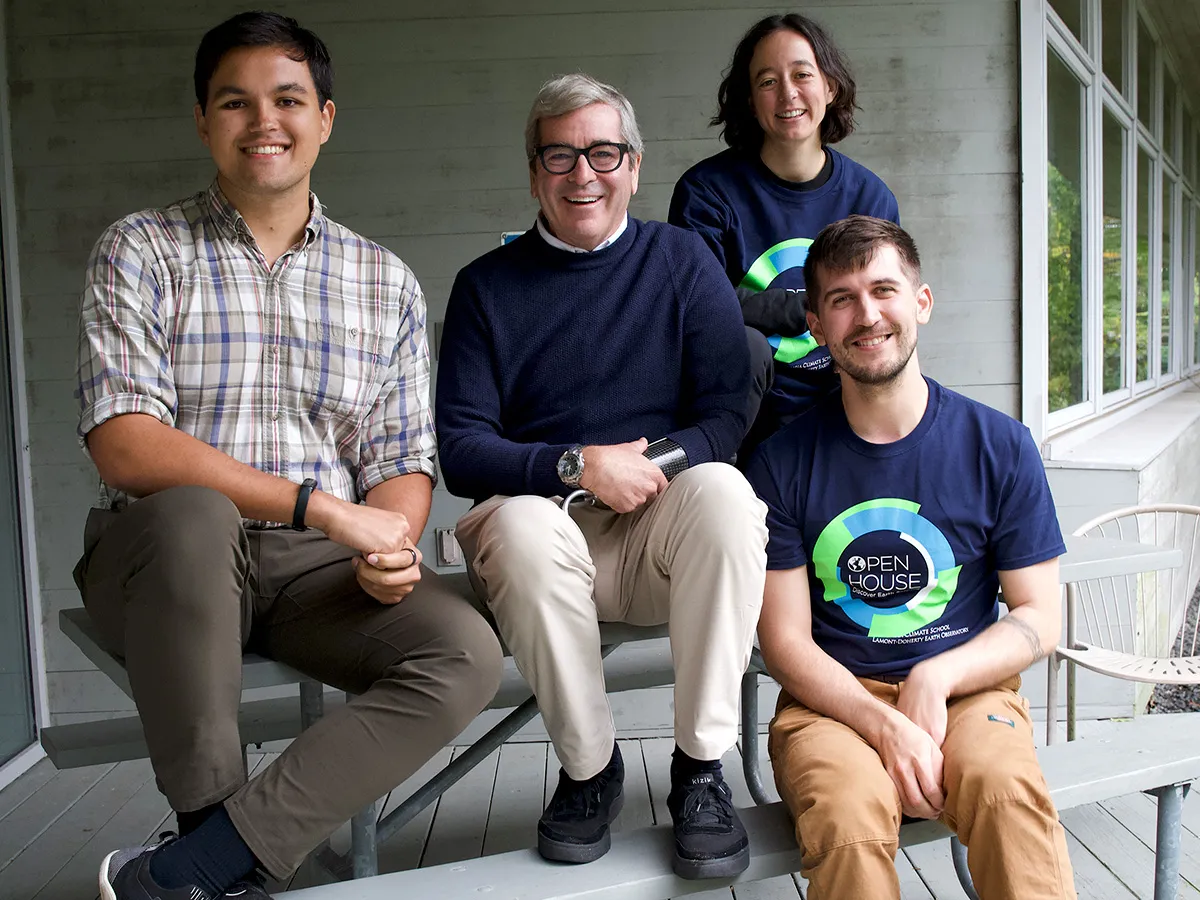
In a panel moderated by journalist Miles O’Brien, Lamont-Doherty Earth Observatory scientists discussed why creative scientific communication is important.

Through interactive exhibits, games, glacier goo, and a few volcanic eruptions, people of all ages learned about geology, earth science, and climate change.
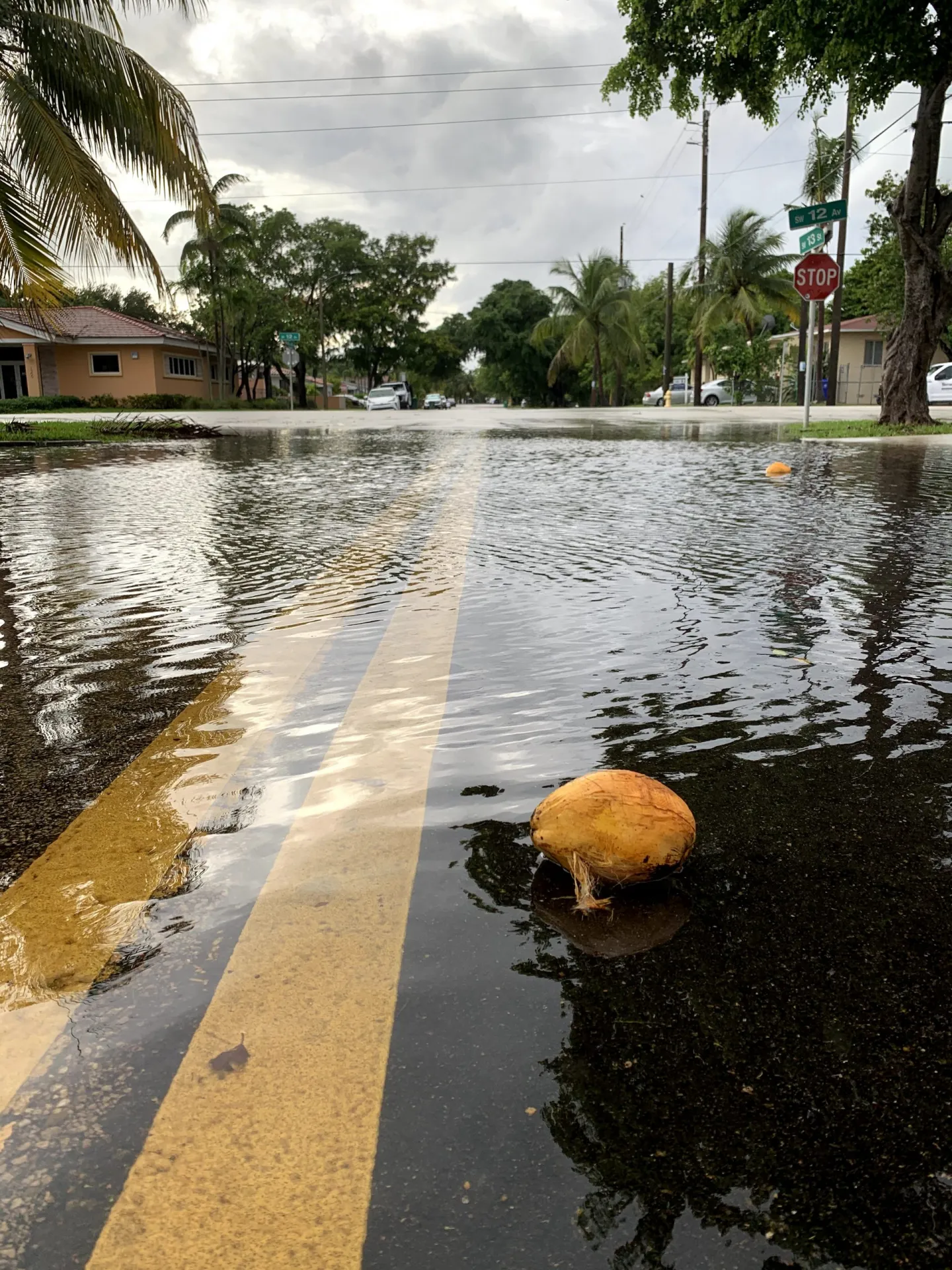
Most research on rising sea levels focuses on the direct effects of inundation. A new study adds social and economic vulnerabilities to the equation.
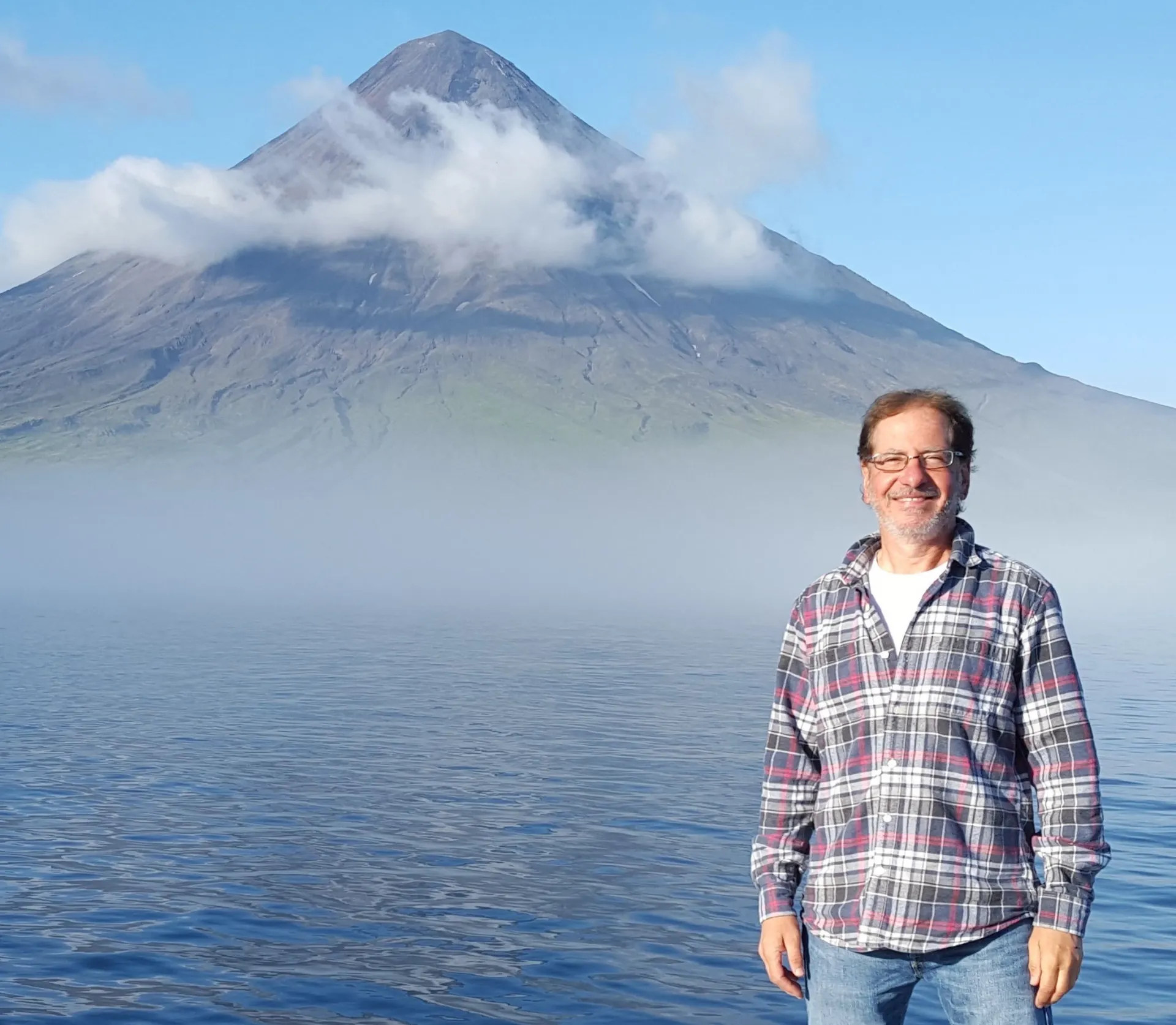
Steve Goldstein, interim director of the Lamont-Doherty Earth Observatory, talks about his long history with Columbia, and why the geosciences have such an important role to play in the climate crisis.
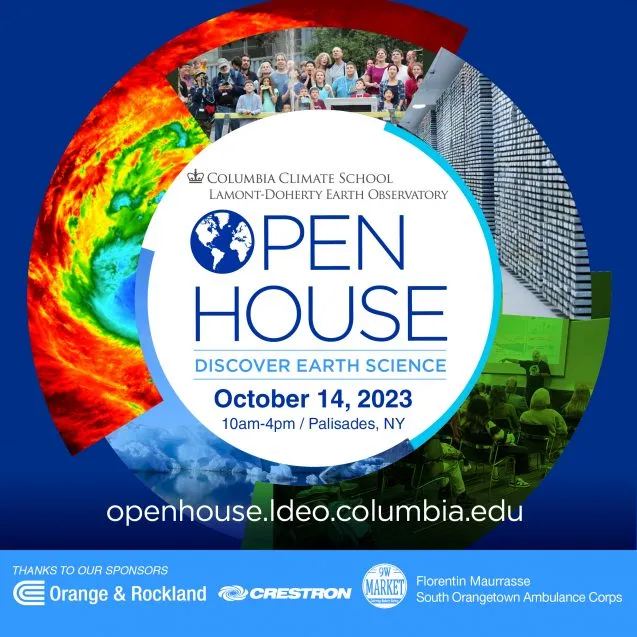
Come out to Palisades, NY, on October 14 for some fun, hands-on science education for all ages.

A Q&A with Jeffrey Shaman, who recently assumed the role of interim dean at Columbia Climate School
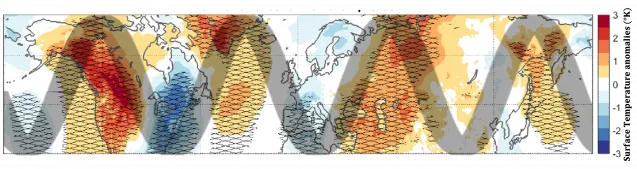
Recently, scientists connected giant waves in the global jet stream to hot, dry spells gripping widely separated parts of the planet at the same time. Now they have done the same for winter weather.
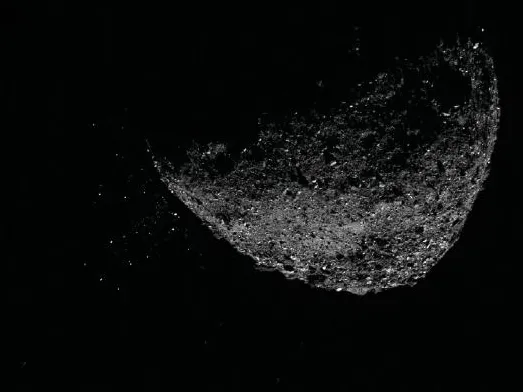
NASA has designated a group at Lamont-Doherty Earth Observatory with preserving and making easily accessible data from all the extraterrestrial material curated by the agency.