

Lamont in the Media
Earth & Climate Science News
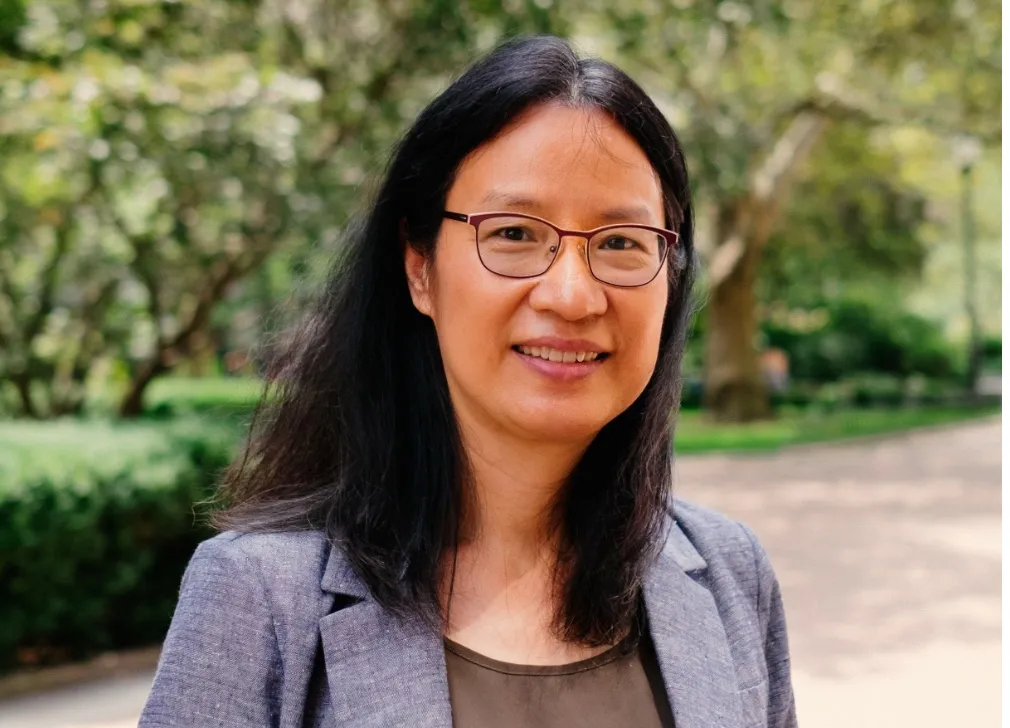
Mingfang Ting wears many hats at the Columbia Climate School as a scientist, professor and education designer.
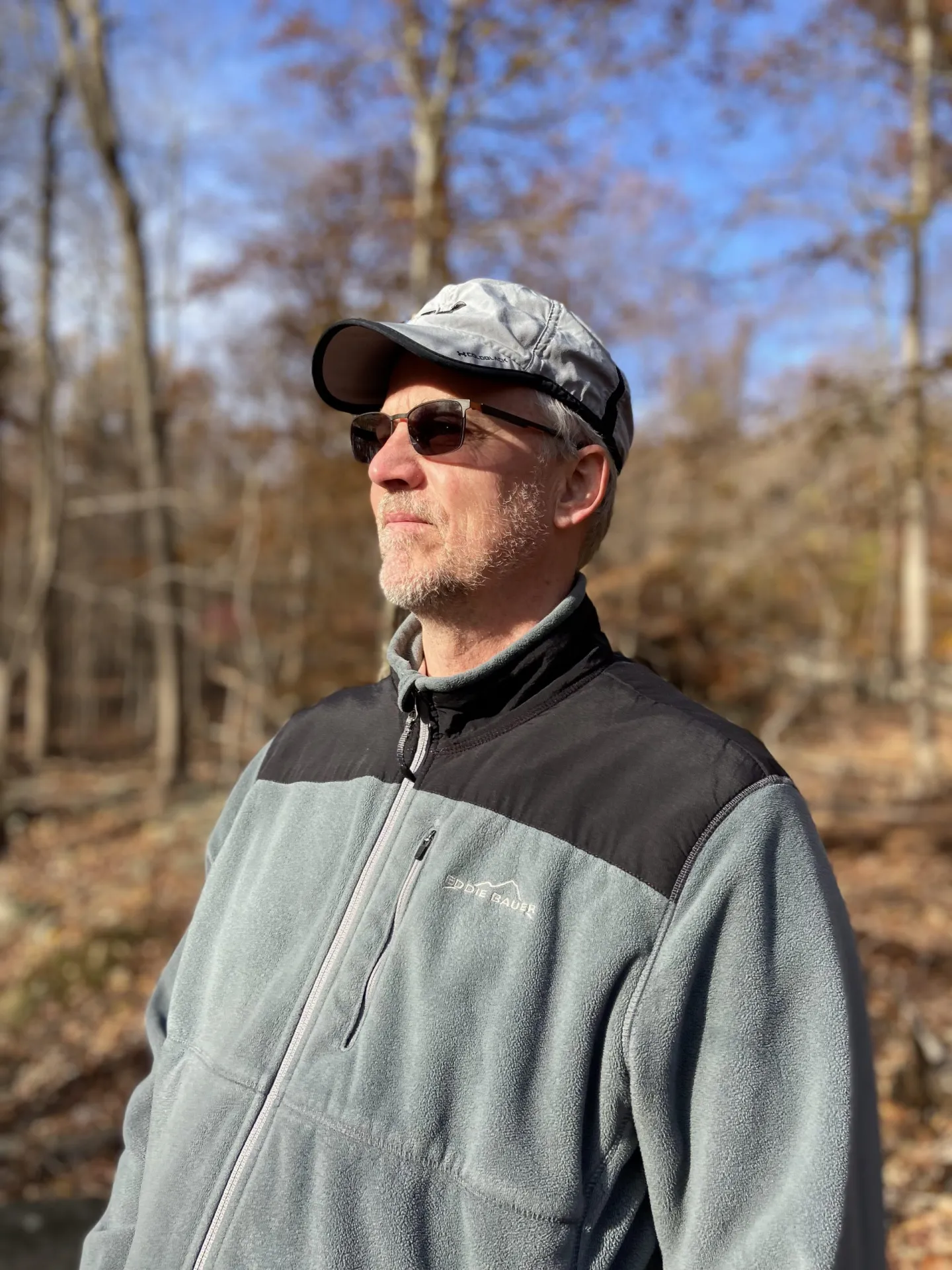
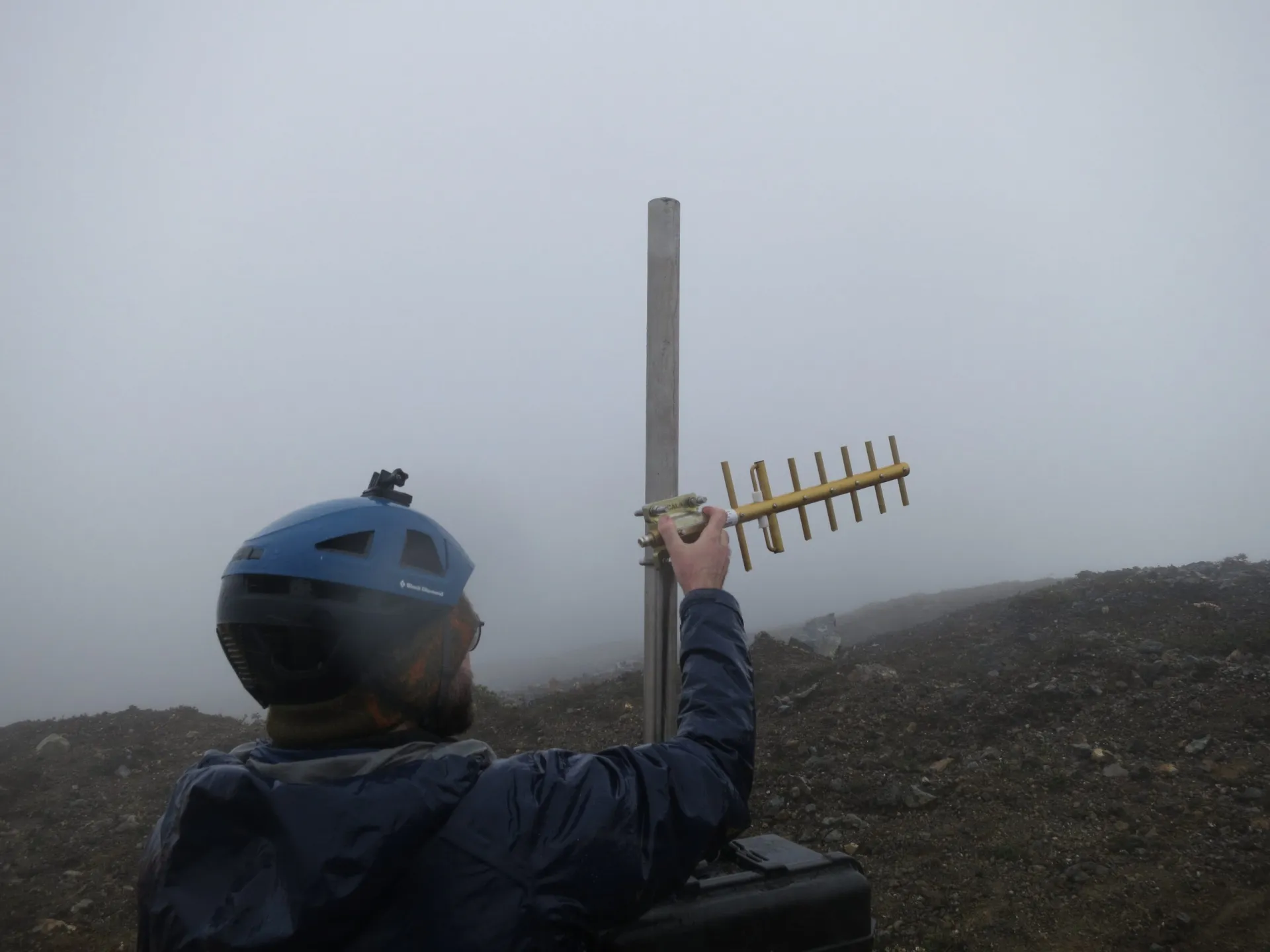
Lamont research professor Brendan Buckley helps his students learn to listen to the trees.
Scientists have produced a new curve of how atmospheric carbon dioxide affects climate. It makes clear that its effects can be long lasting.
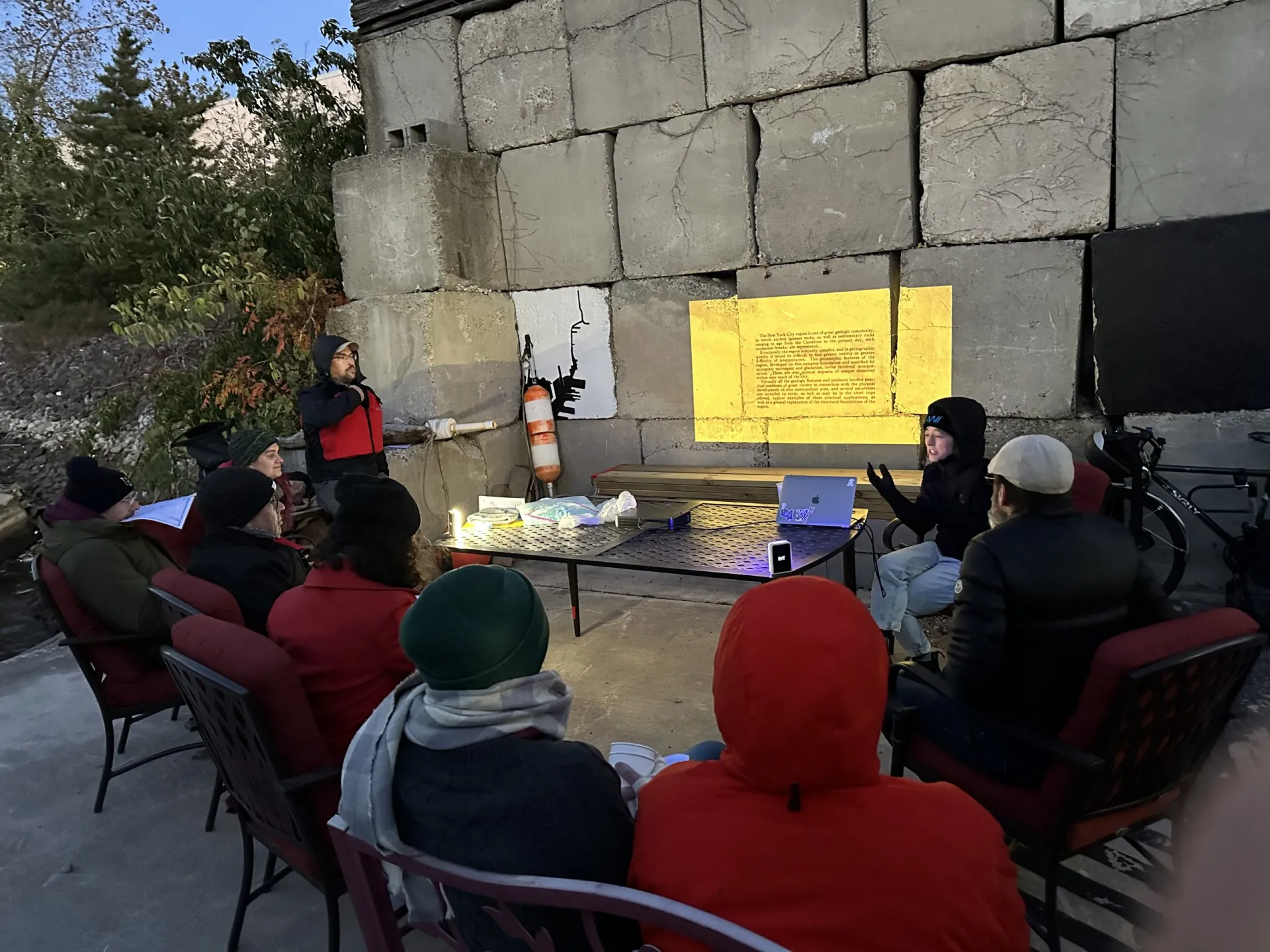
Glaciologist Elizabeth Case spoke to New Yorkers about the role glaciers have played in designing the city’s landscape.
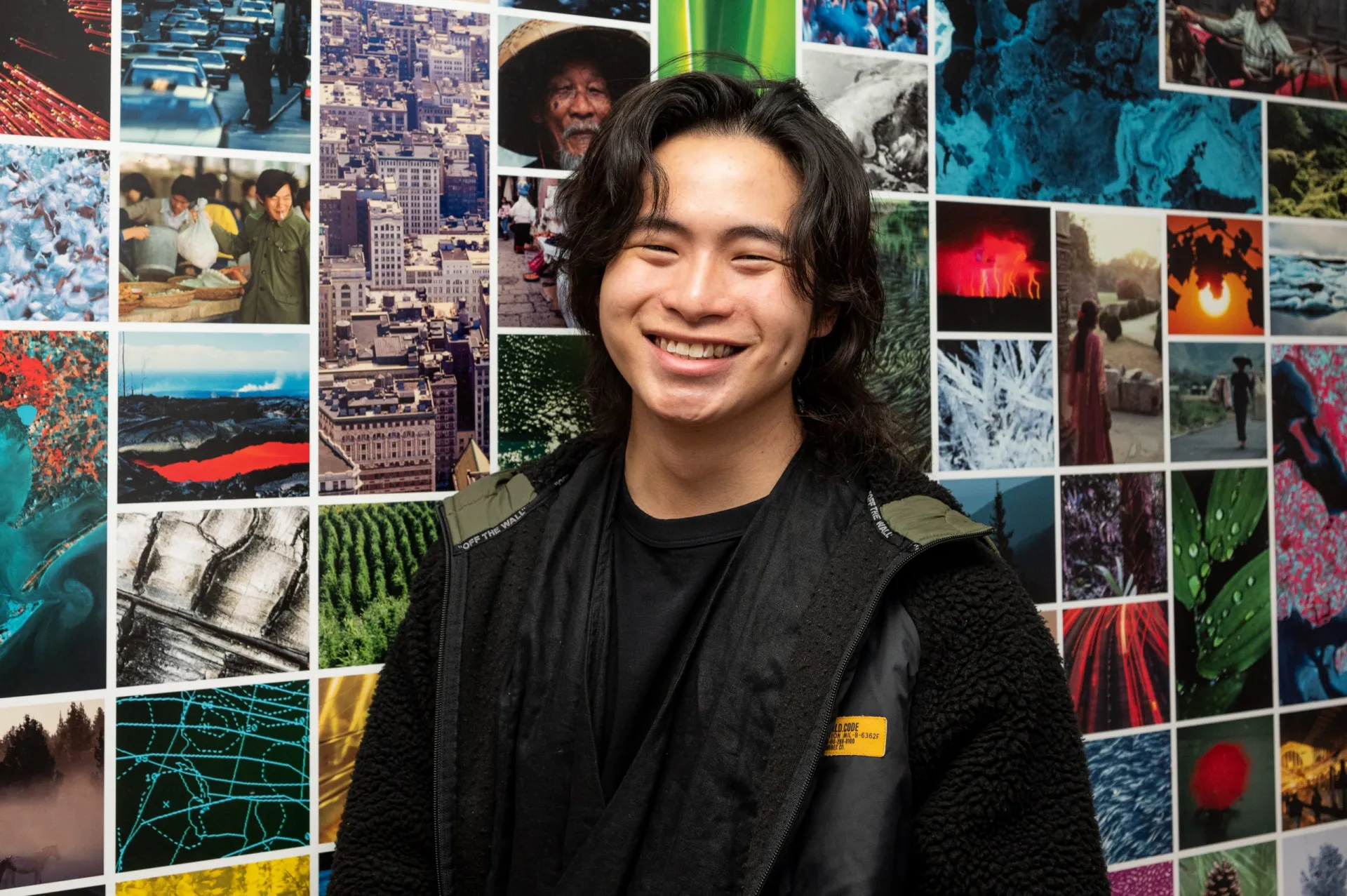
A recent graduate of the Master of Science in Sustainability Science program, Reuben Goh hopes to convey his enthusiasm for the environment to future students.
Columbia Climate School representatives will be attending the global climate summit in Dubai. Here’s what they hope to achieve.
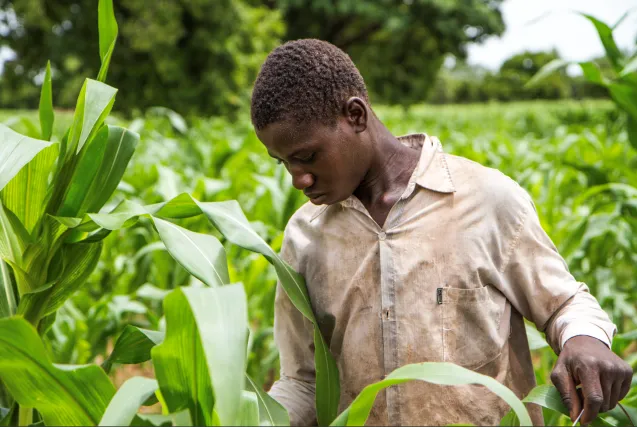
The ability of farmworkers to cultivate major crops including rice and maize may be compromised if climate trends continue.
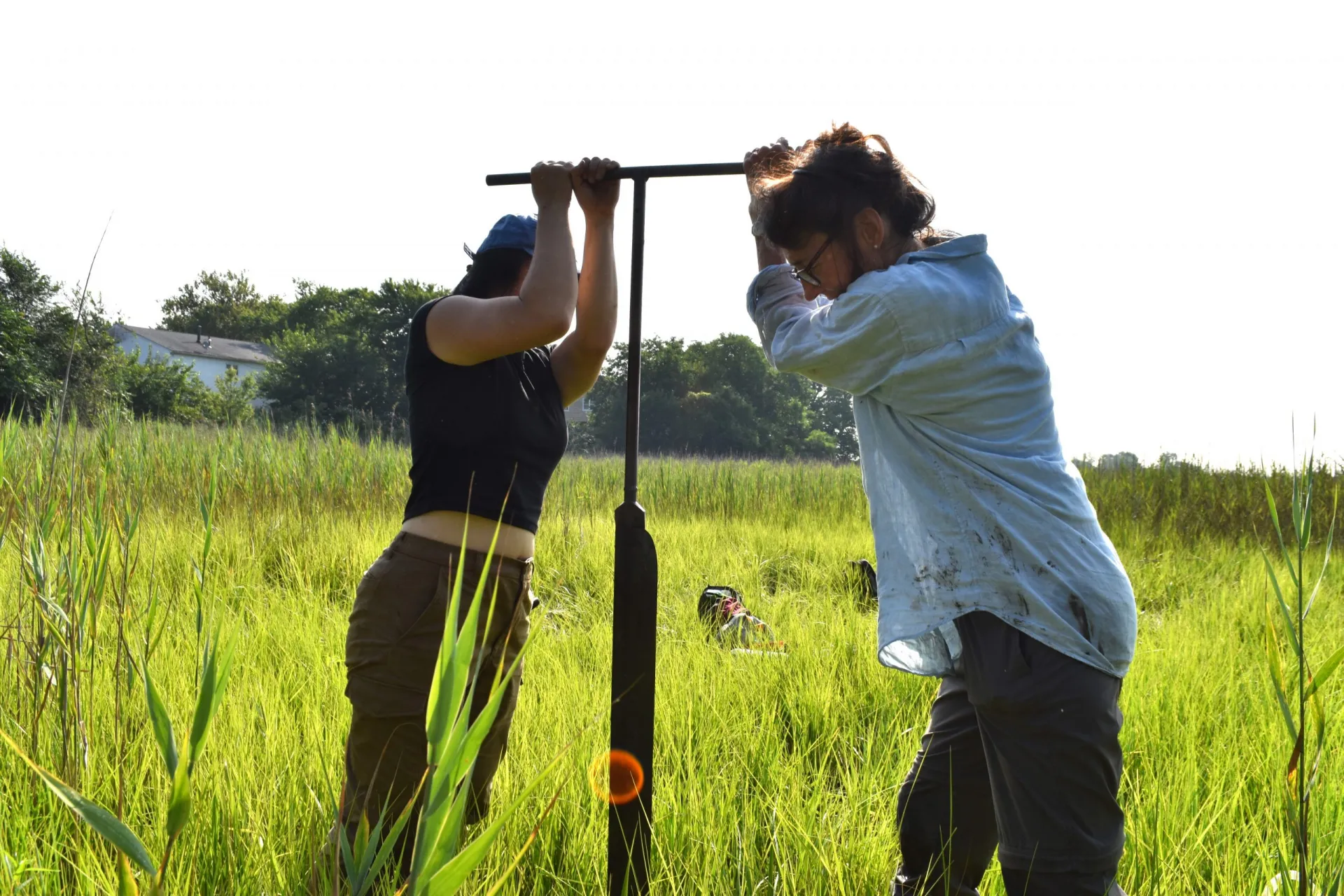
Botanist and climate scientist Dorothy Peteet has been in the business digging deep into bogs, marshes and fens for more than 40 years, revealing natural and human histories going back thousands of years, and their role in changing climate. A final frontier: the obscure remains of New York City’s once widespread coastal wetlands.
While collecting sediment cores from a New York City coastal marsh, botanist and climatologist Dorothy Peteet explains how such ecosystems store massive amounts of carbon, but are under threat from sea-level rise.
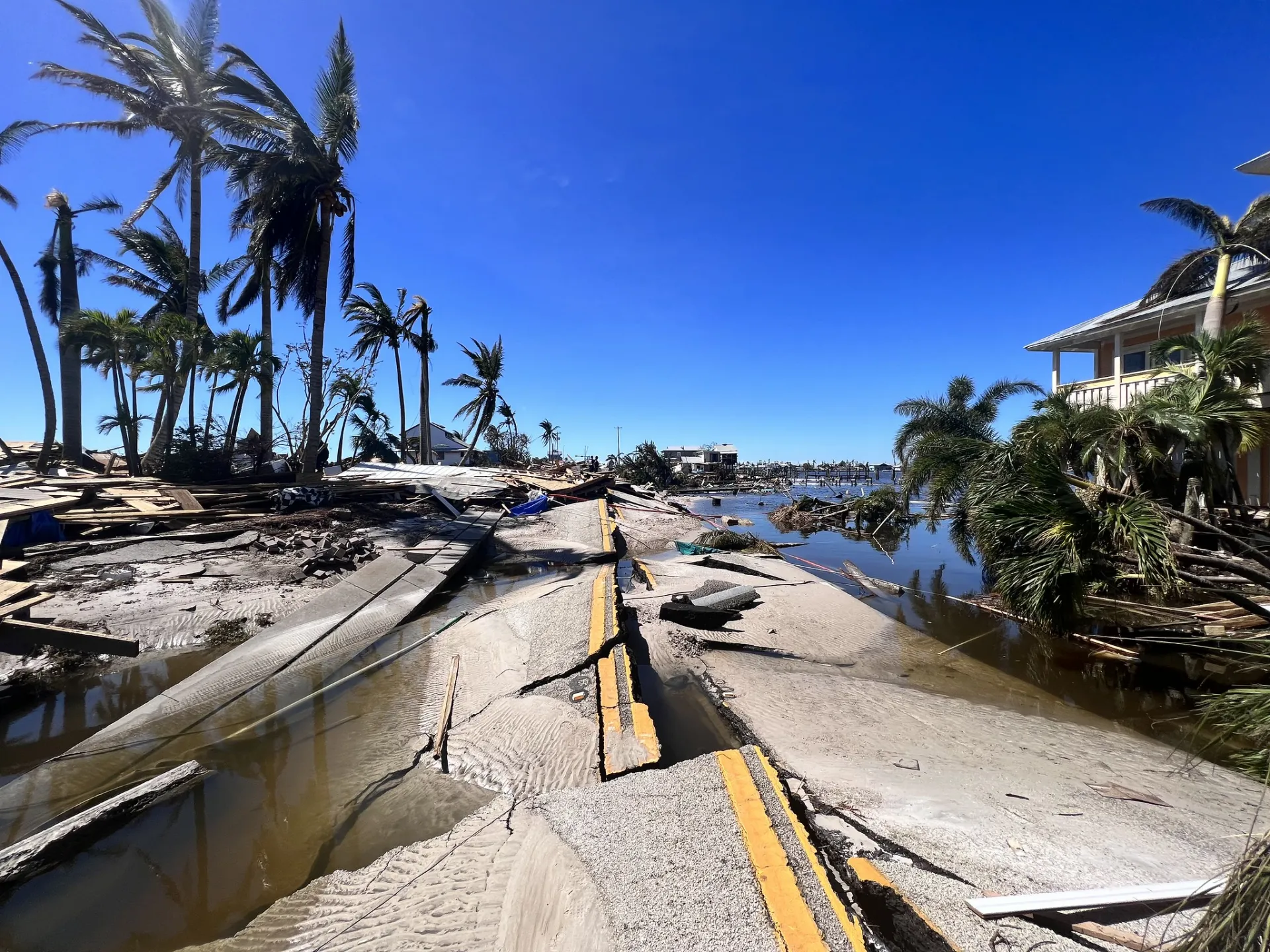
The Fifth National Climate Assessment was released today. The message: change is here, but immediate action can avert the worst impacts.
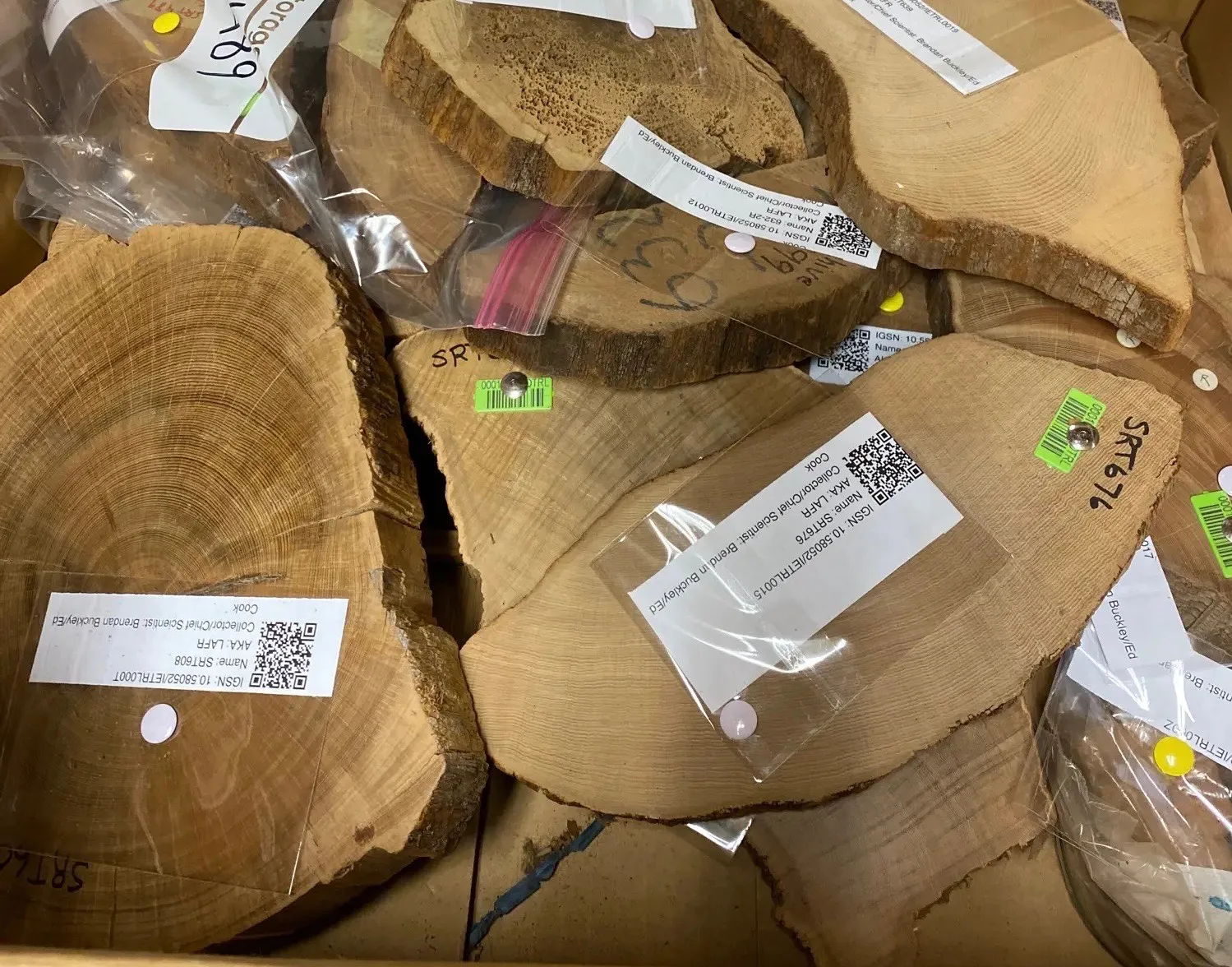
A new cataloging system will help better preserve, track and share thousands of tree ring samples from around the globe.