

Lamont in the Media
Earth & Climate Science News
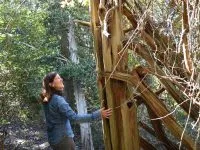
Climate School researchers are carrying out fieldwork on every continent and every ocean. A guide to upcoming projects.
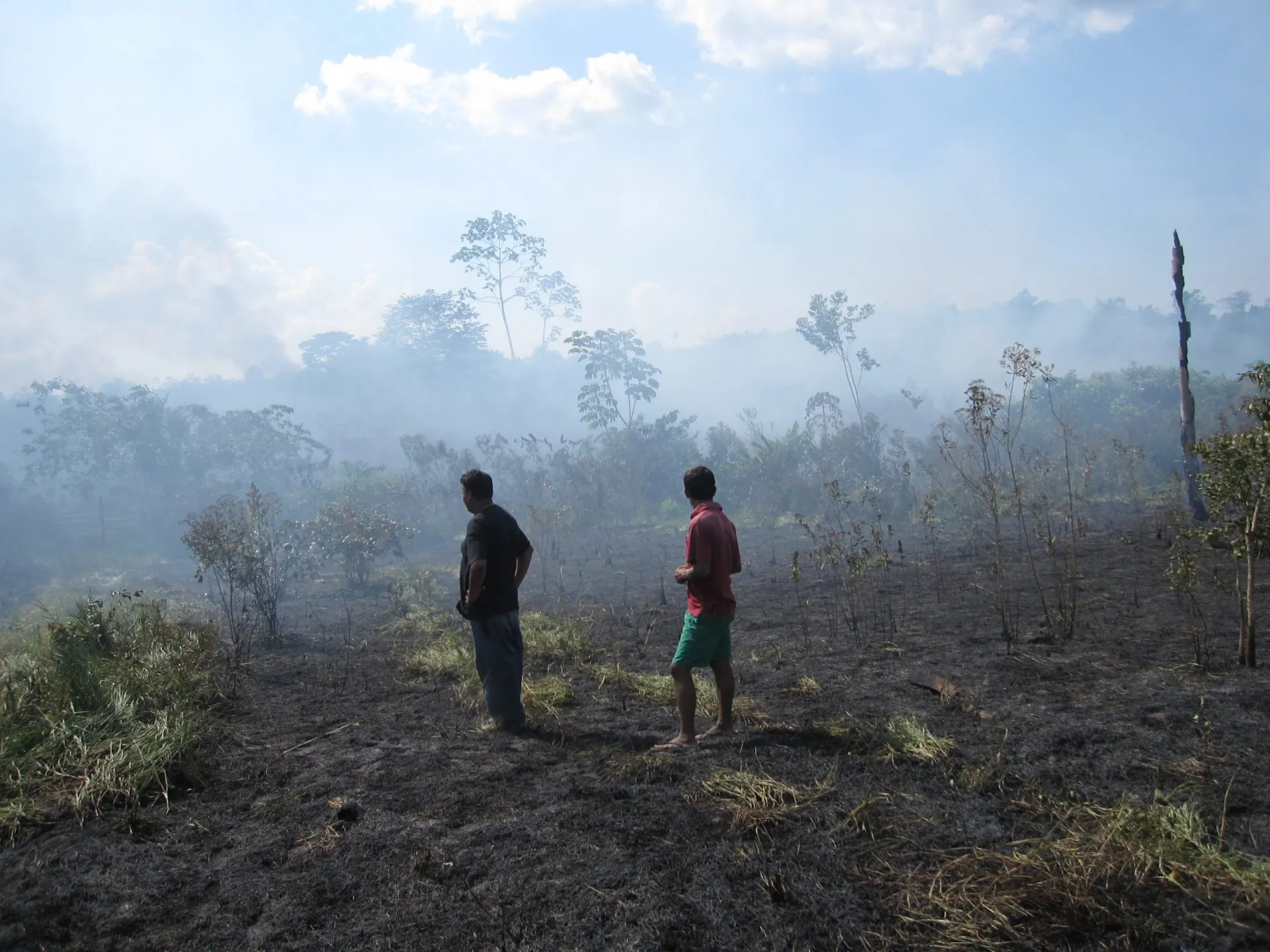
Smoke from wildfires is a health threat to everyone, but Indigenous people in South America are especially vulnerable due to a number of factors.
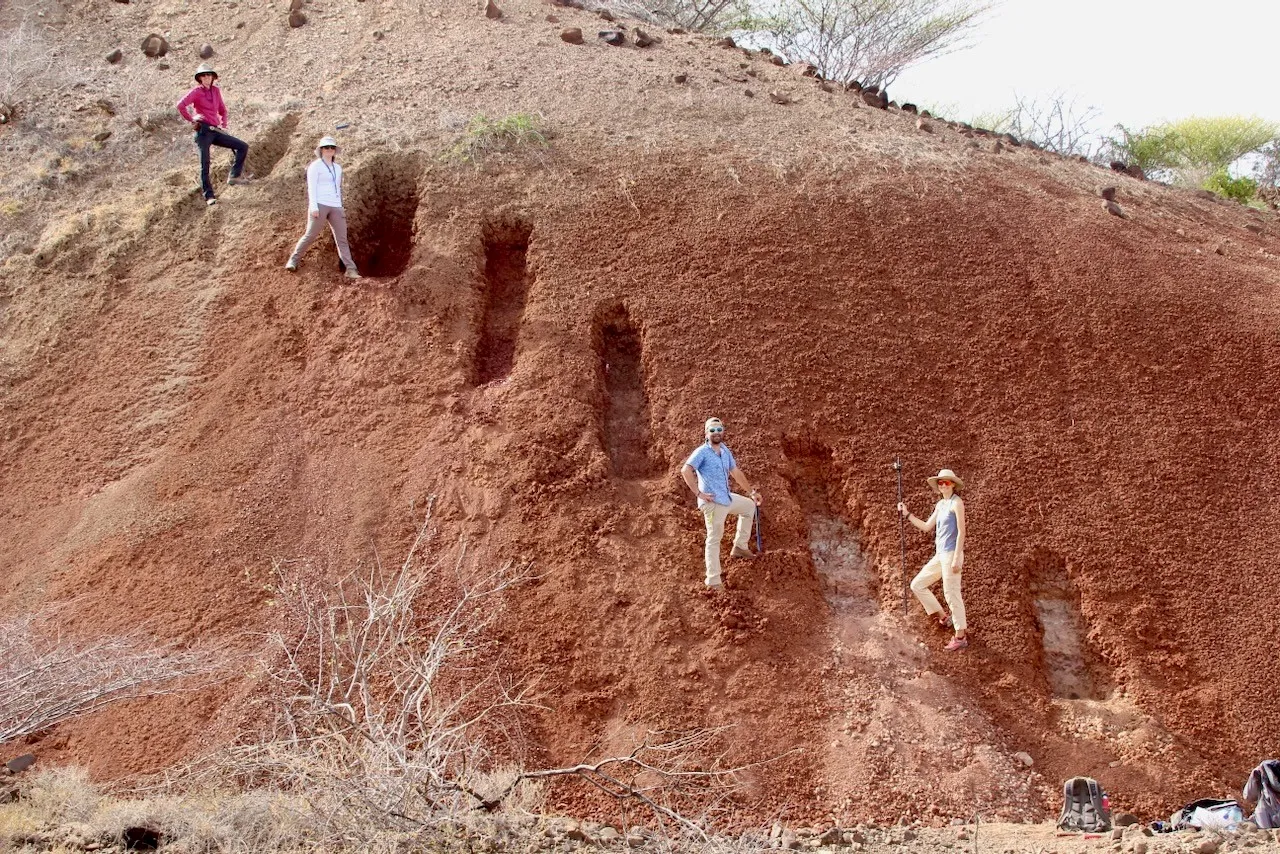
Analyses of plant remains and other evidence show that the landscapes our ape ancestors evolved in existed much earlier than previously thought.
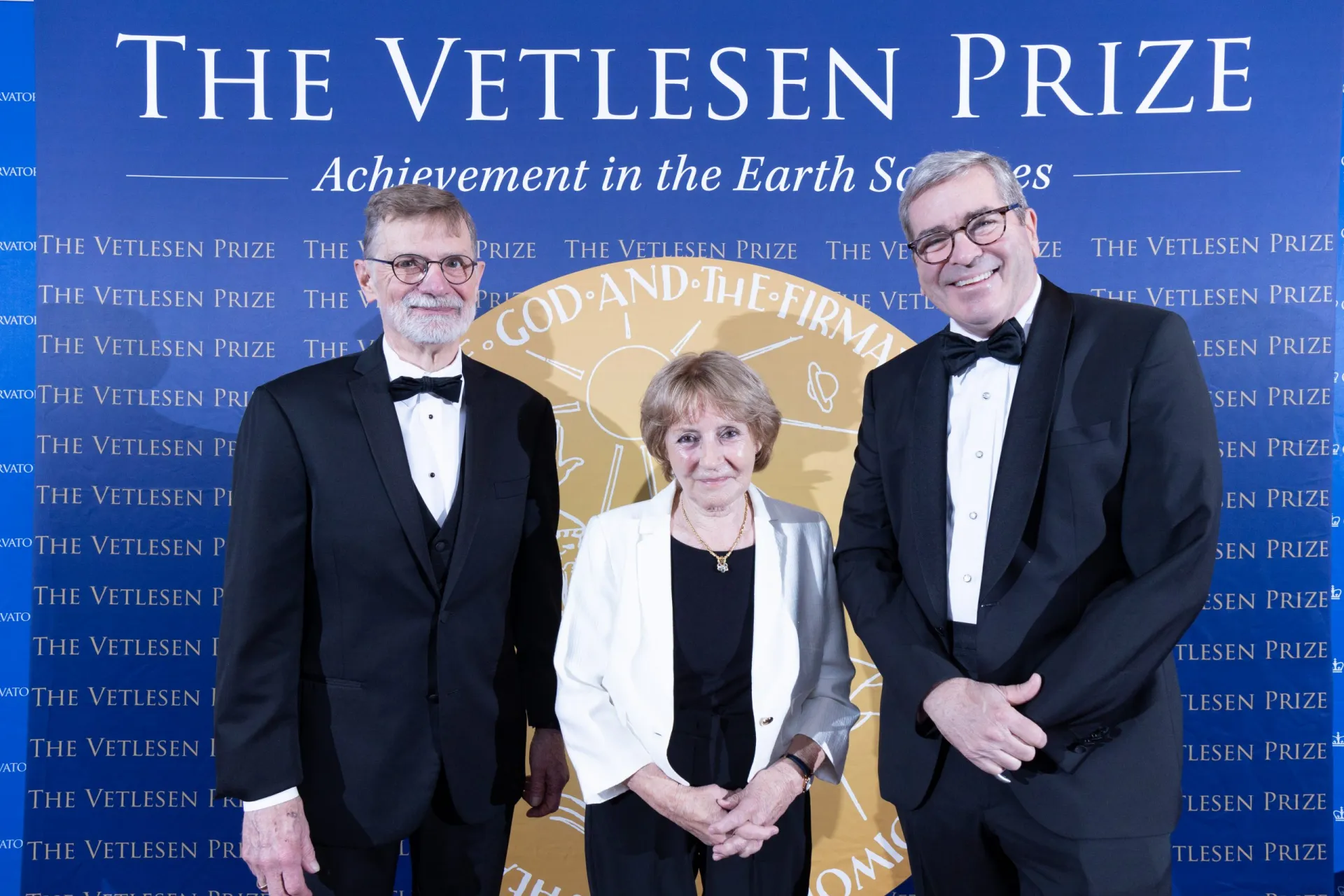
A celebration held at Columbia University recognized scientists Anny Cazenave and David Kohlstedt as the 2020 and 2023 Vetlesen Prize recipients.
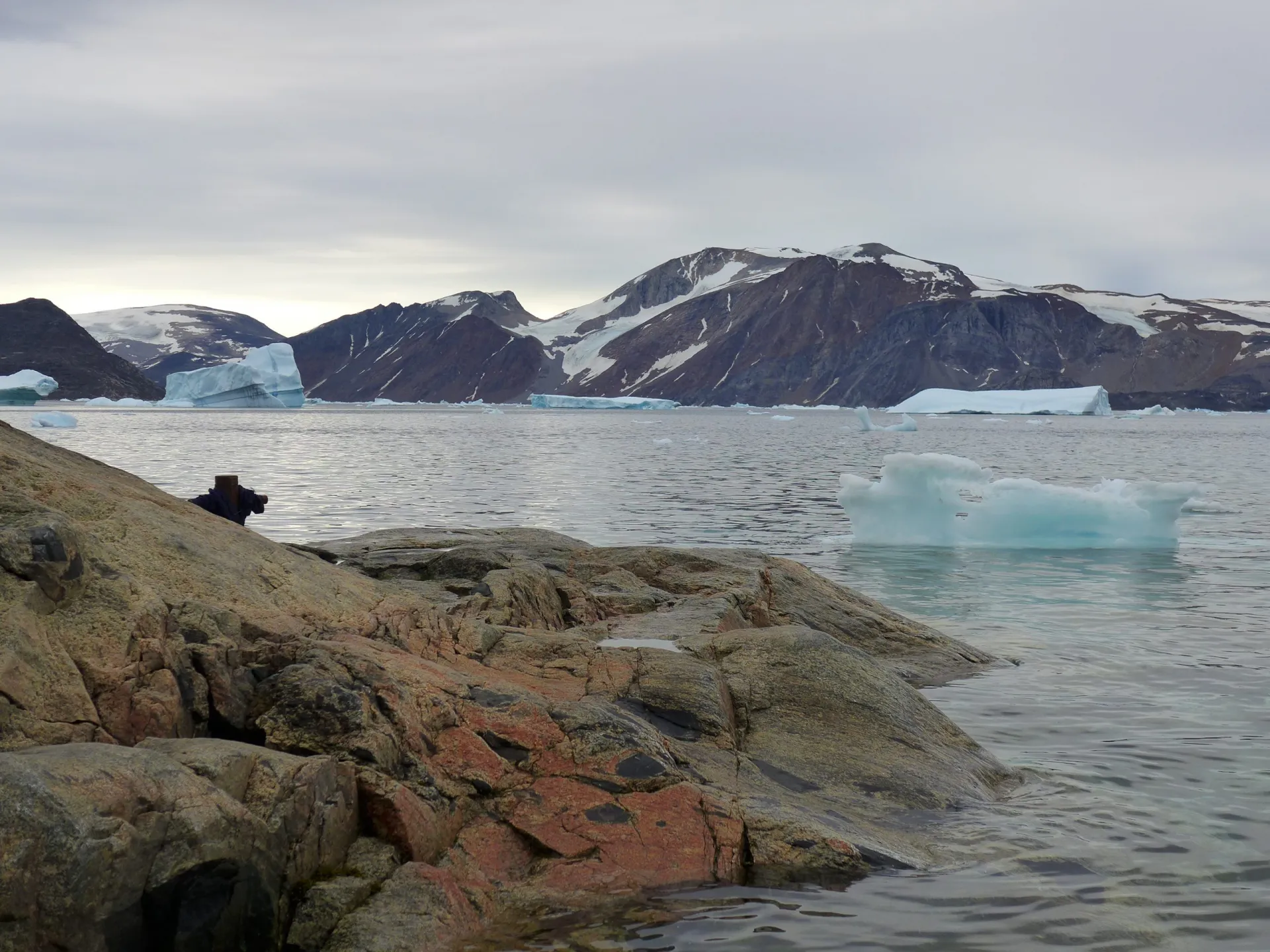
Counterintuitively, seas were rising around Greenland as it went through a cold period centuries ago. This helped drive out Viking colonists, says new research.
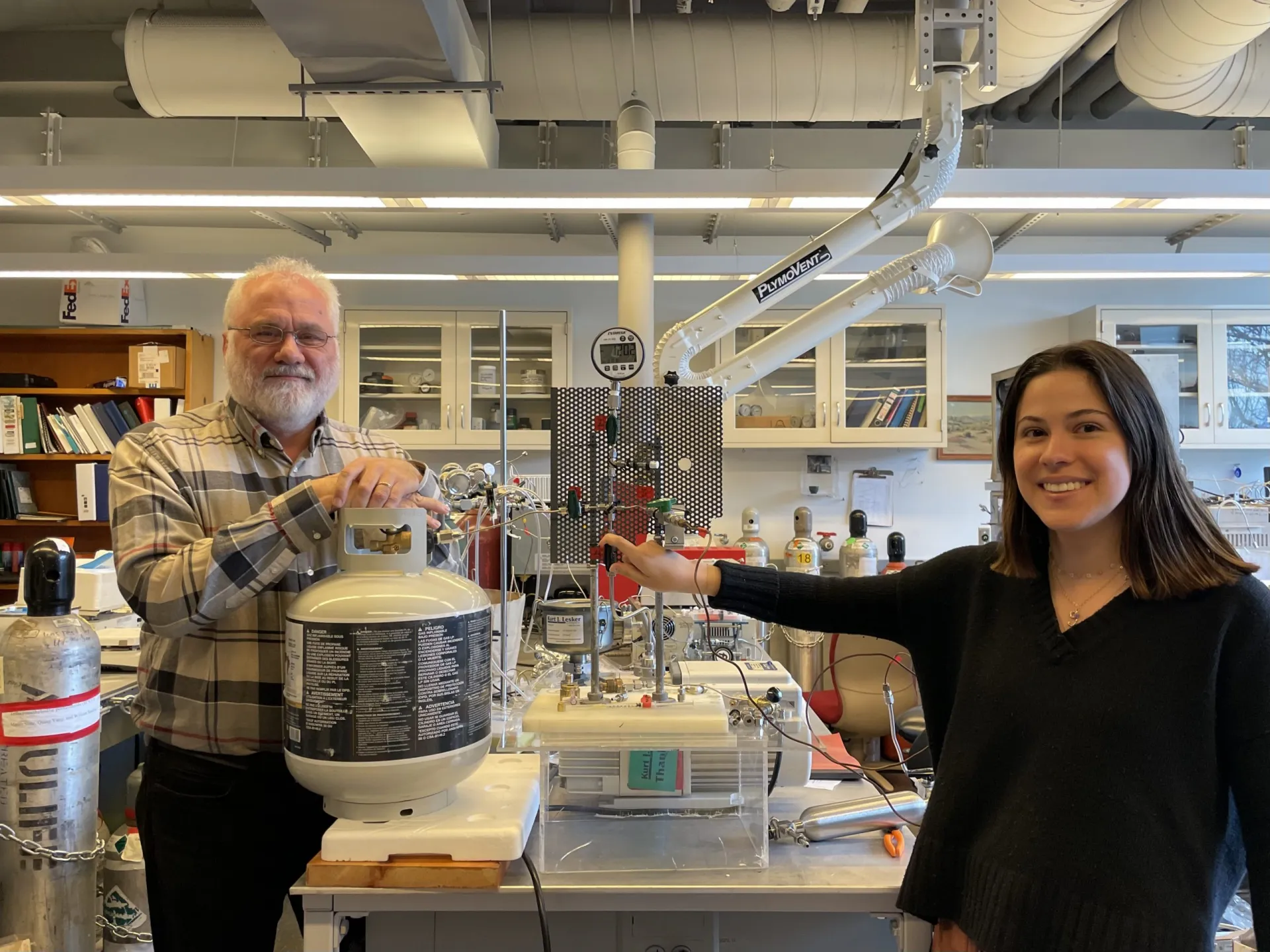
Environmental scientist Martin Stute and Barnard student Grace Brown discuss their project studying the potential for a rock formation in Oman to store carbon dioxide.
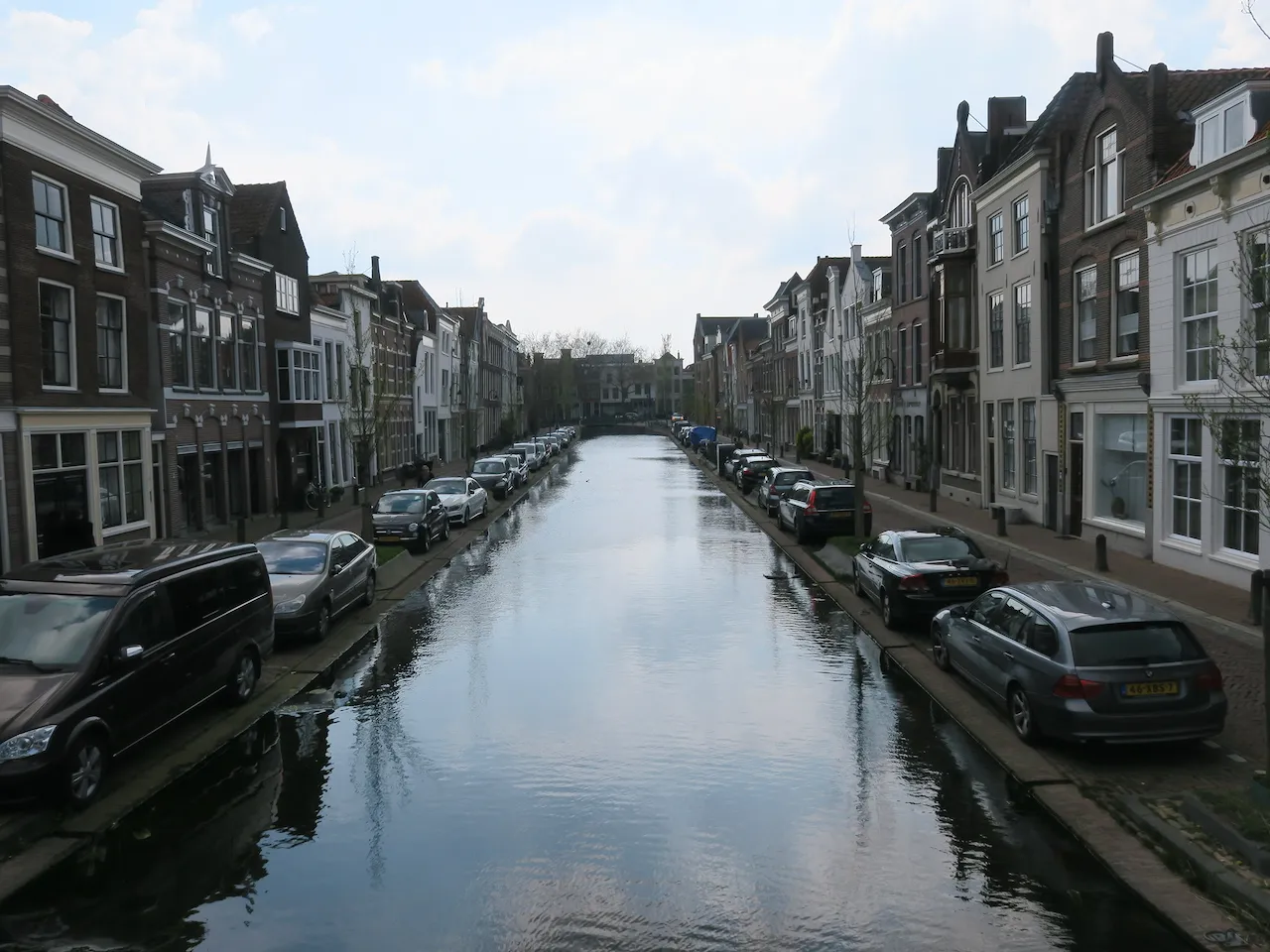
At a symposium on land subsidence, I learned about how the Dutch transformed their country so that about a quarter of it is below sea level and how they cope with it.
When she’s not visiting active volcano sites or working in her “plumber’s shop” of a lab, Lev is teaching the “Sustainability in the Face of Natural Disasters” for the Sustainability Science program.
On Earth Day and every day, Columbia Climate School is working to understand our planet and promote more sustainable ways of living and doing business.
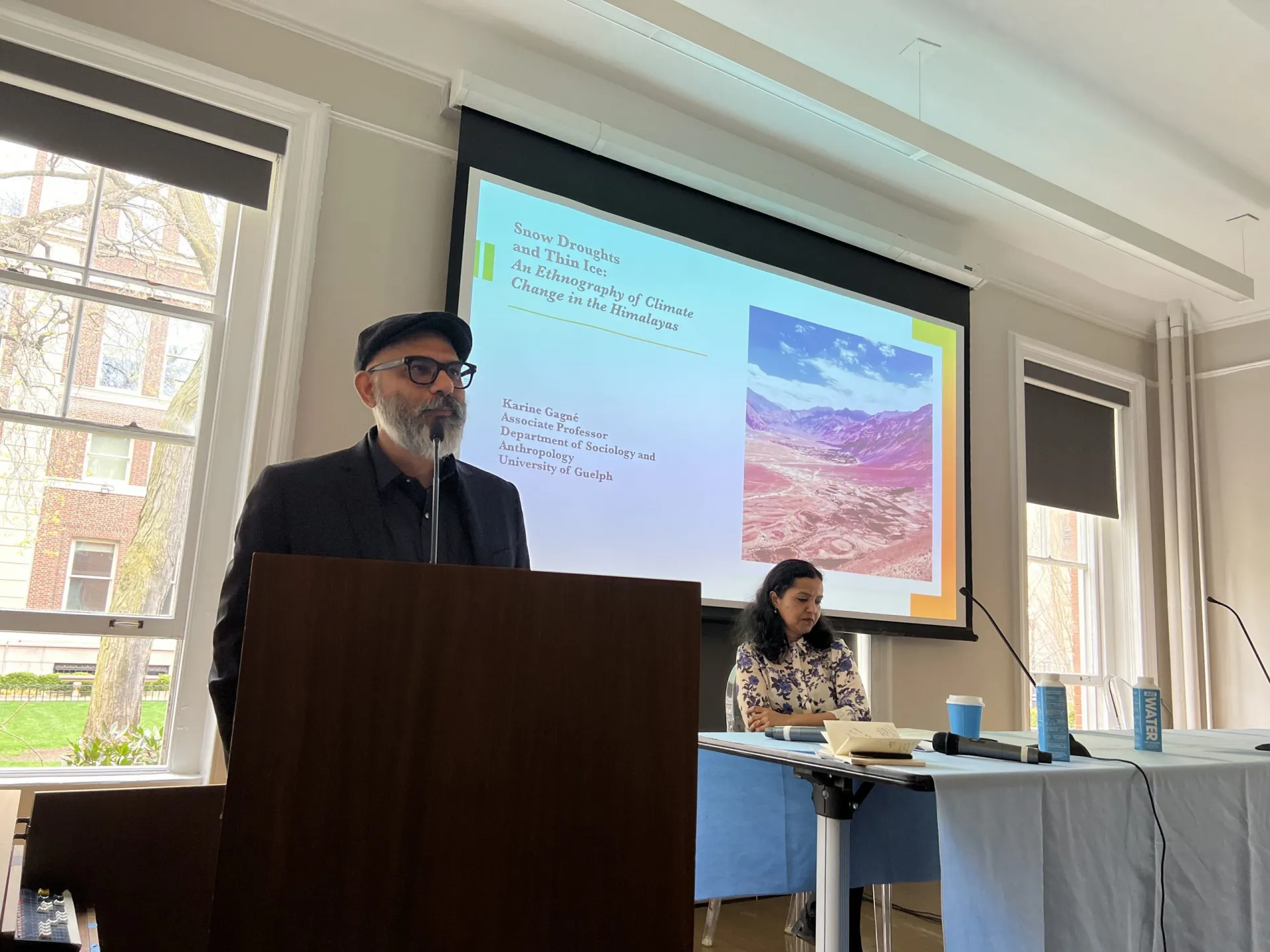
From glaciers and landslides to displacement and flooding, two Columbia University professors broke down academic silos and reflected on water issues.

Wu is using climate models to study the movement of air pollutants through the atmosphere.

A variety of positions are available. Applications will be accepted until Monday, April 24.