
Lamont in the Media
Earth & Climate Science News
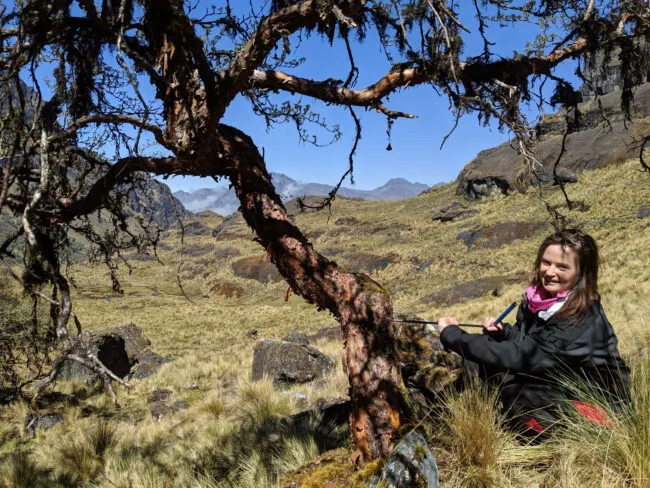
A Q&A with Rose Oelkers, a Ph.D. candidate at the Lamont-Doherty Earth Observatory who studies tropical trees and their response to changes in the environment.
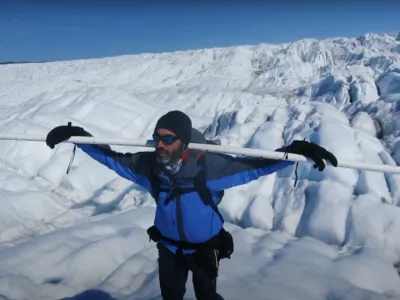
Marco Tedesco explains how remote-sensing data can reveal how Greenland's ice sheets are melting.
In honor of this year’s sustainability theme, we highlight just a few examples of the outstanding women scientists from the Columbia Climate School.
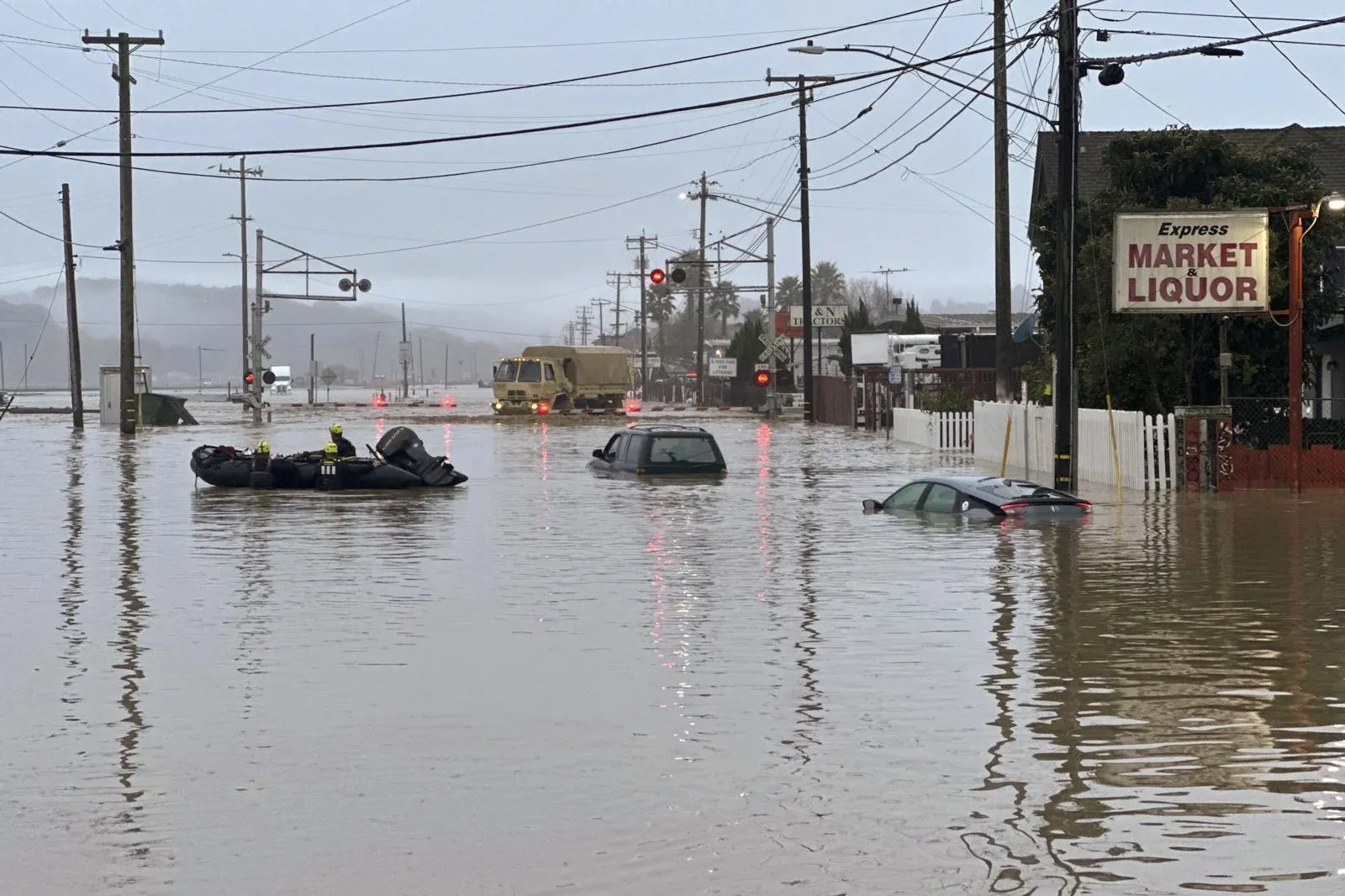
Climate professor Mingfang Ting discusses how atmospheric rivers are connected to climate change and what communities can do about them.
Tree-ring scientist Nicole Davi explains the critical role maritime forests play in protecting our coastal communities from storms. The tree-ring records she's building will help us understand how these ecosystems are responding to climate change.
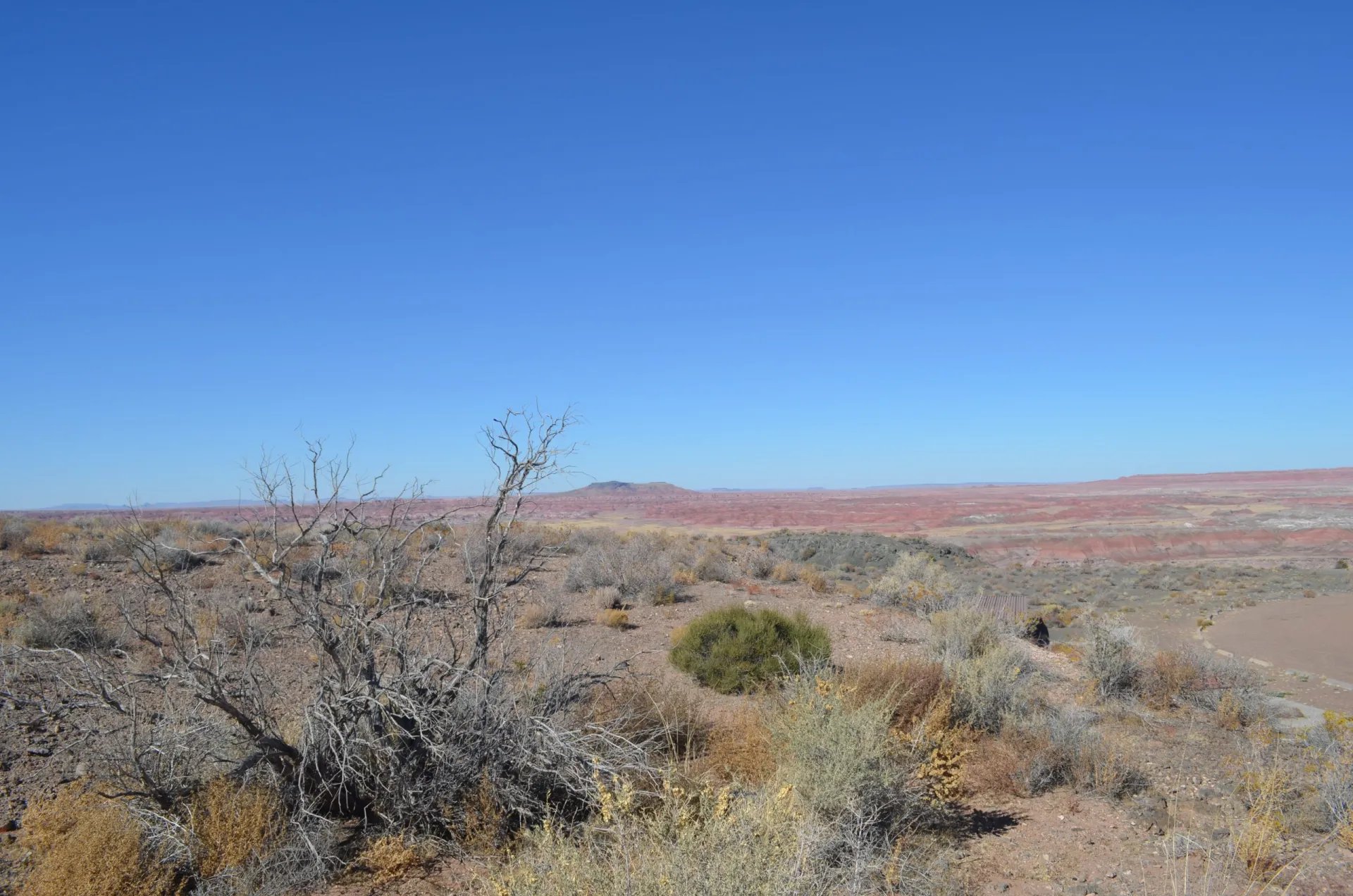

The Climate School and Lamont-Doherty Earth Observatory are partnering with the Tencent Foundation to develop sustainability education curricula.
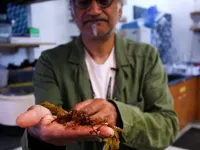
This second video for Science for the Planet series explores the idea of sinking sargassum seaweed deep in the ocean, taking carbon with it.
An undersea eruption a half million years ago was much larger than nearly anything recorded in human time.

After he graduates from the Master of Science in Sustainability Science program in the spring, Tyler Zorn hopes to work in a sustainability-driven climate technology firm.
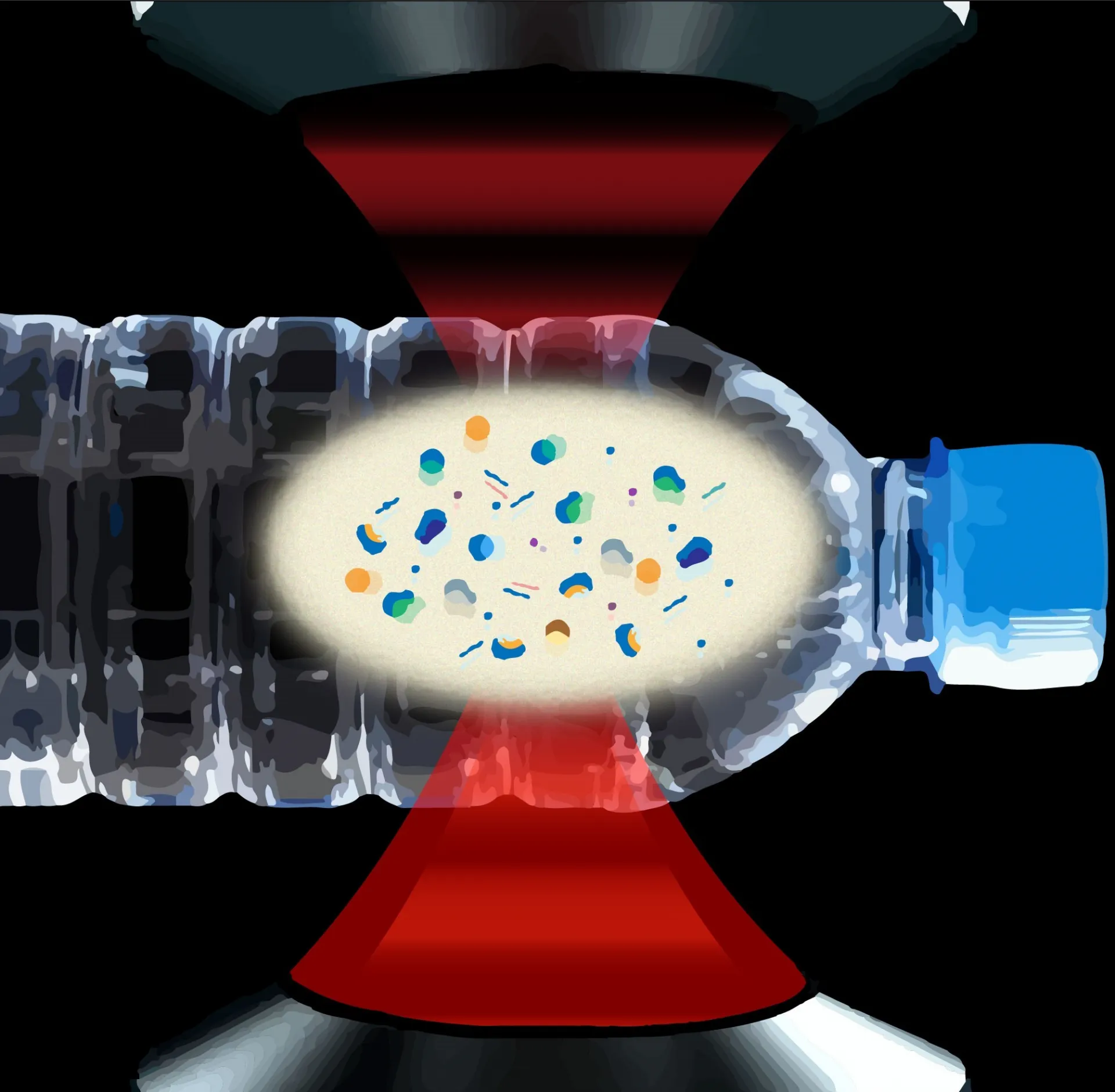
Using a new technique, scientists have been able to identify extremely minute plastic fragments in bottled water, 10 times more than previously counted.
In case you missed it: Check out this past year’s top stories, videos, research highlights and more.