
Lamont in the Media
Earth & Climate Science News
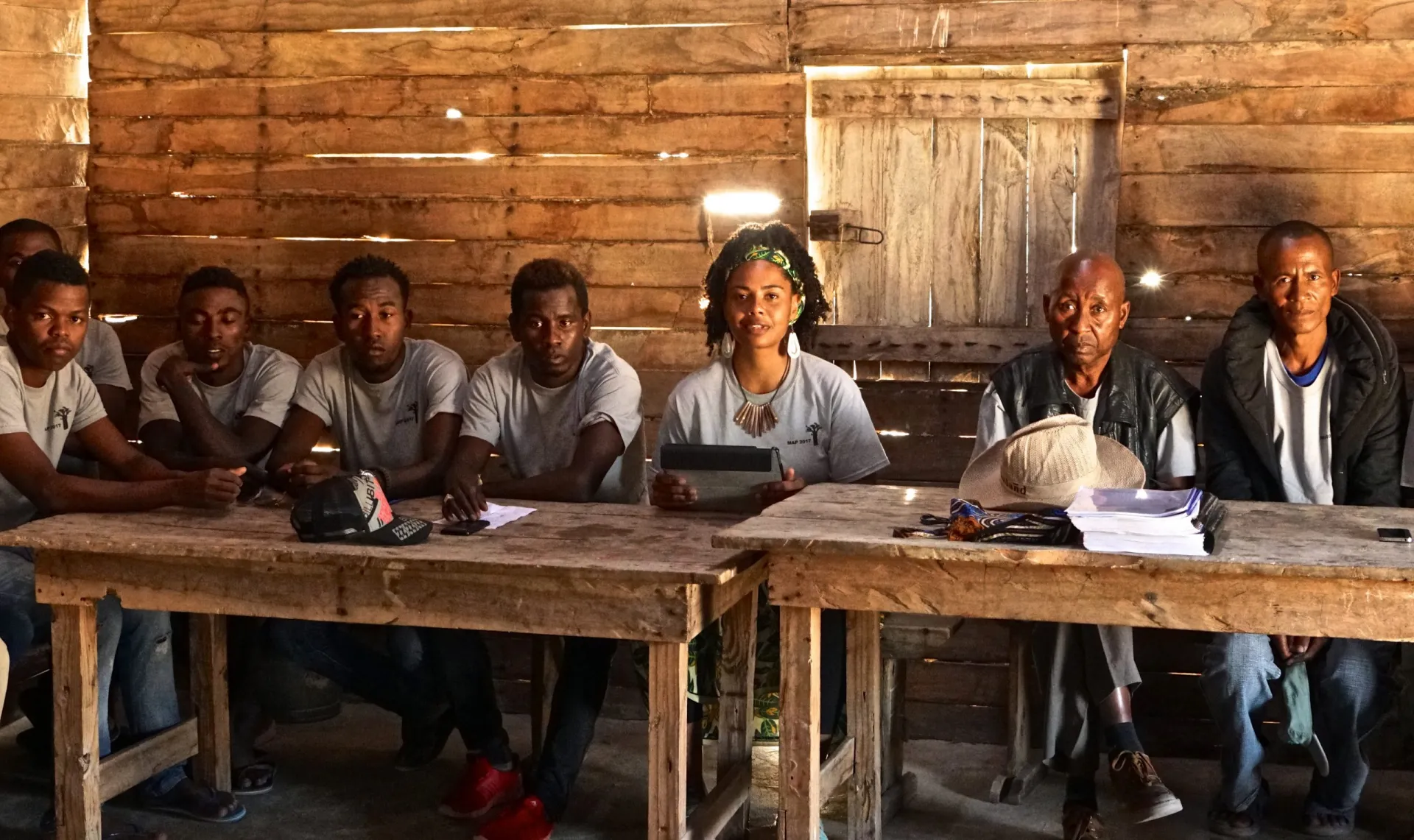
A Q&A with archaeologist and anthropologist Kristina Douglass, who studies the evolving relationships between people and the environment.
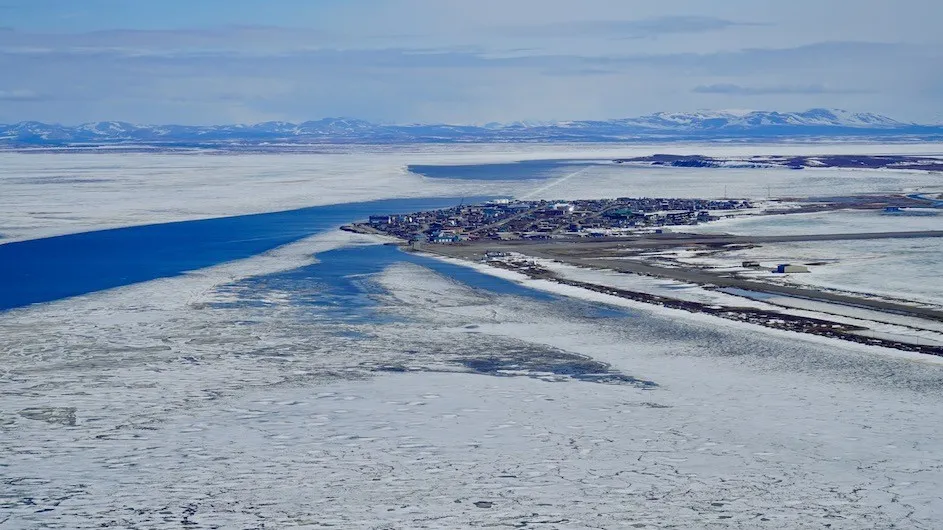
Giant trains of warm, moist air are playing havoc with Arctic sea ice during the season when it should be recovering from summer melting.
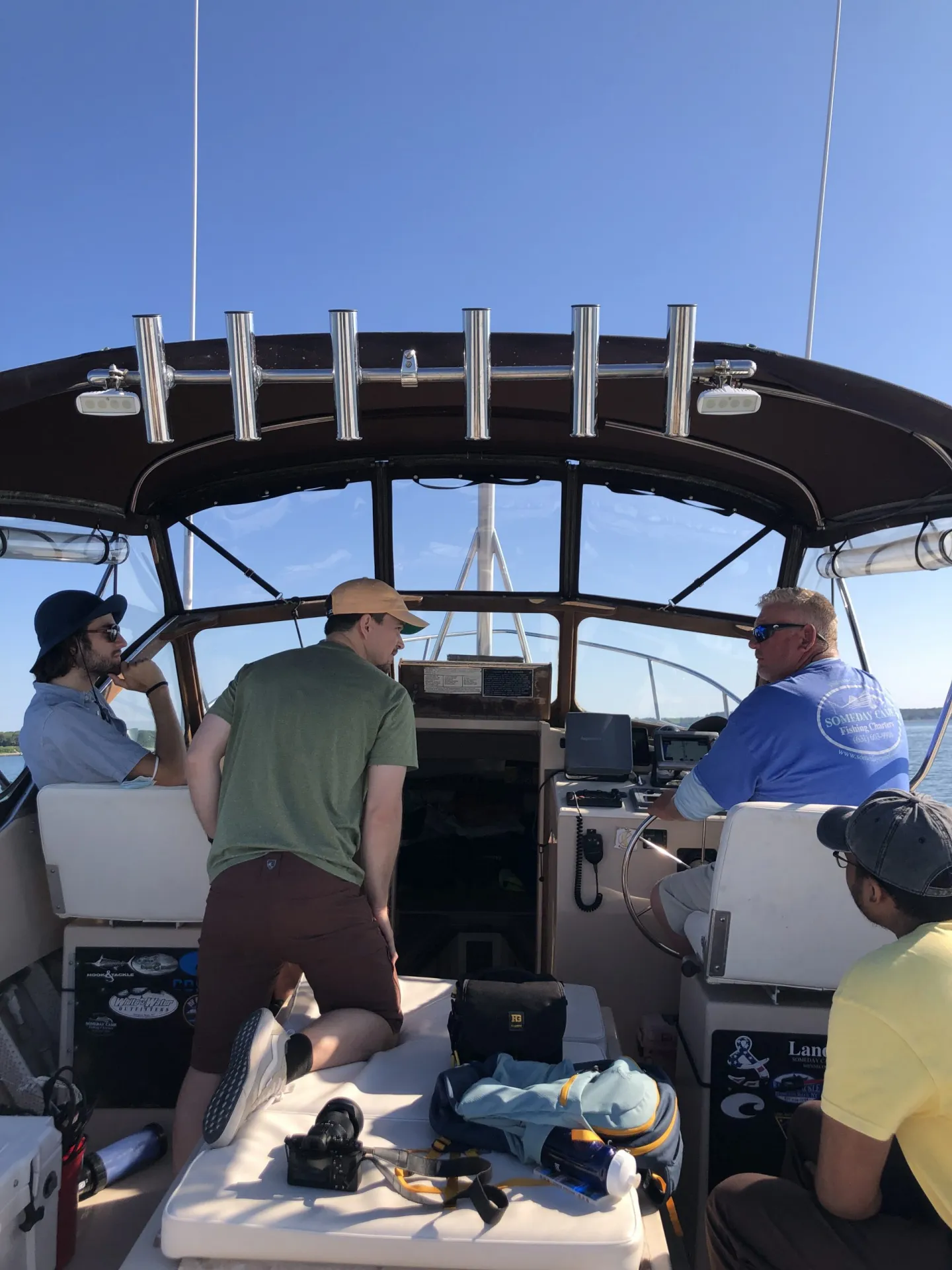
By sharing their day-to-day experiences and deep knowledge of the local environment, fishermen and residents of the Long Island Sound provide crucial information for researchers studying coastal ecosystems health.
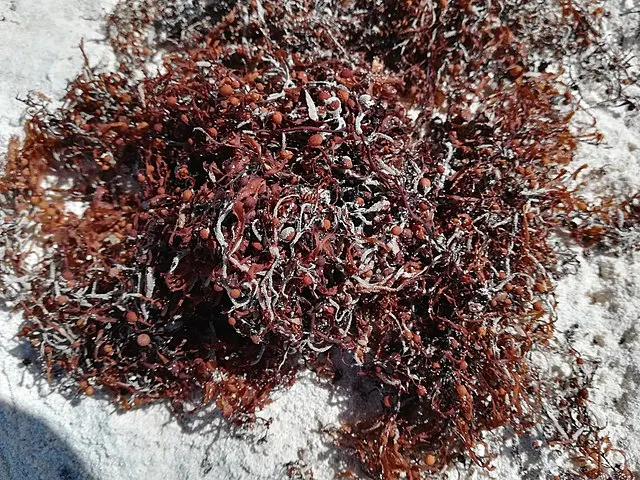
Researchers at Columbia Climate School discuss the benefits and challenges of working with carbon from ocean and coastal ecosystems.
Using sophisticated equipment, David Kohlstedt has recreated the pressure, temperature and chemical conditions in the Earth’s mantle, which humans cannot observe directly. His findings have laid the basis for understanding many of the processes that drive the planet’s dynamics.
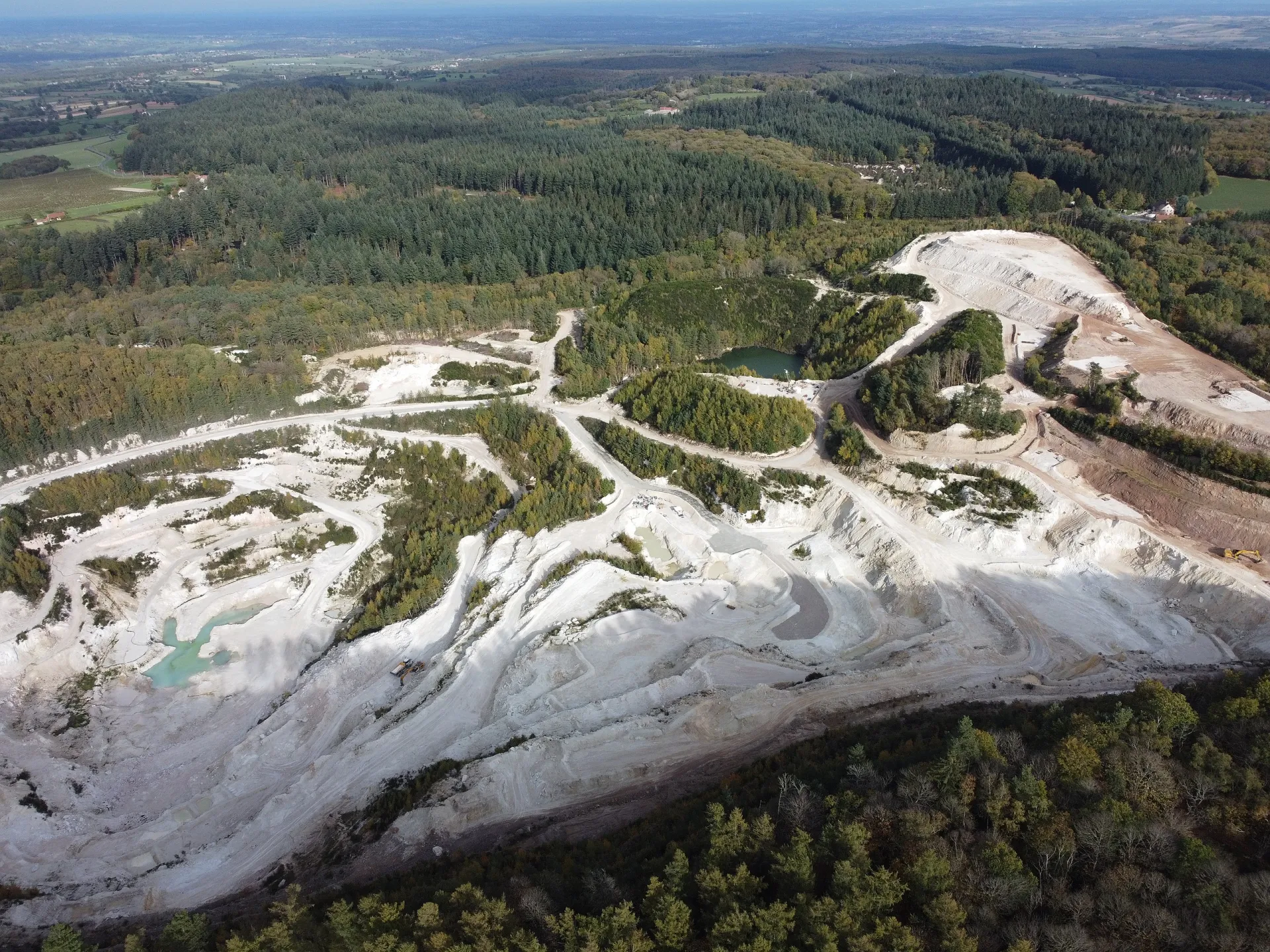
The clean energy transition depends heavily on lithium, but mining this element is not “clean.” We must not fall into the same traps from which we are trying to free ourselves.
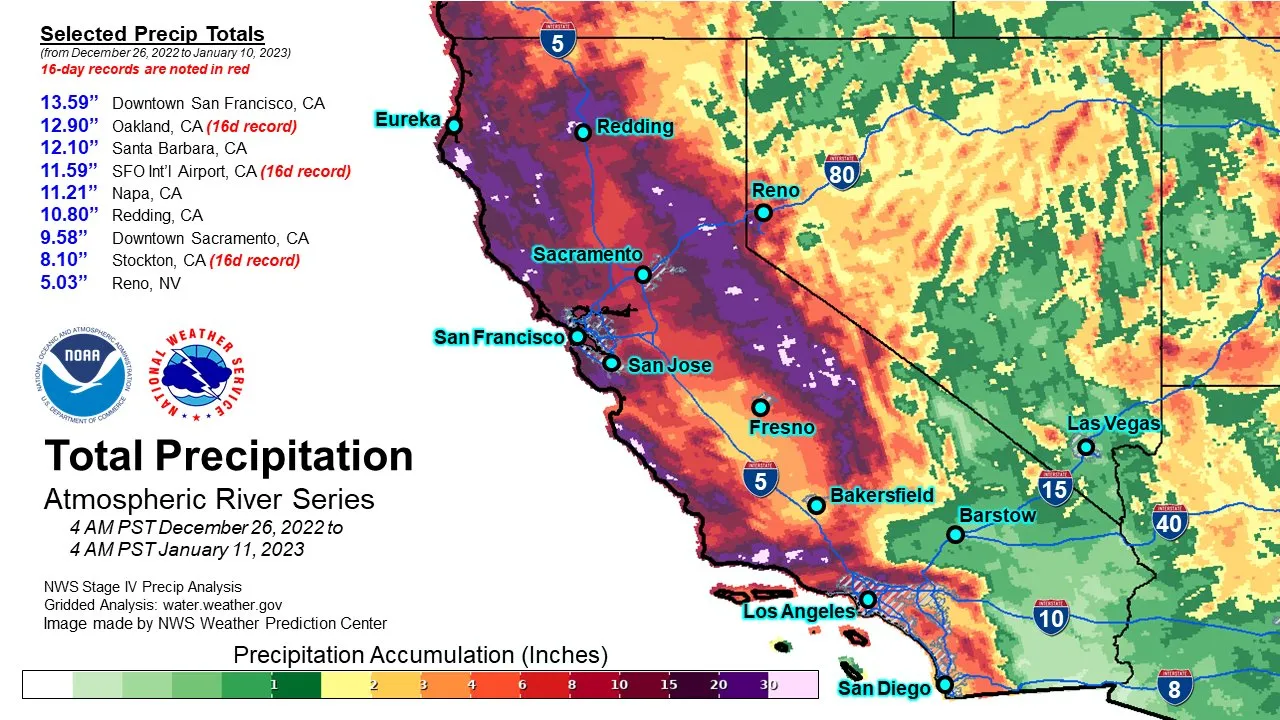
Climate School experts help to explain this devastating weather and what it means in the broader conversation of climate change and disaster response.
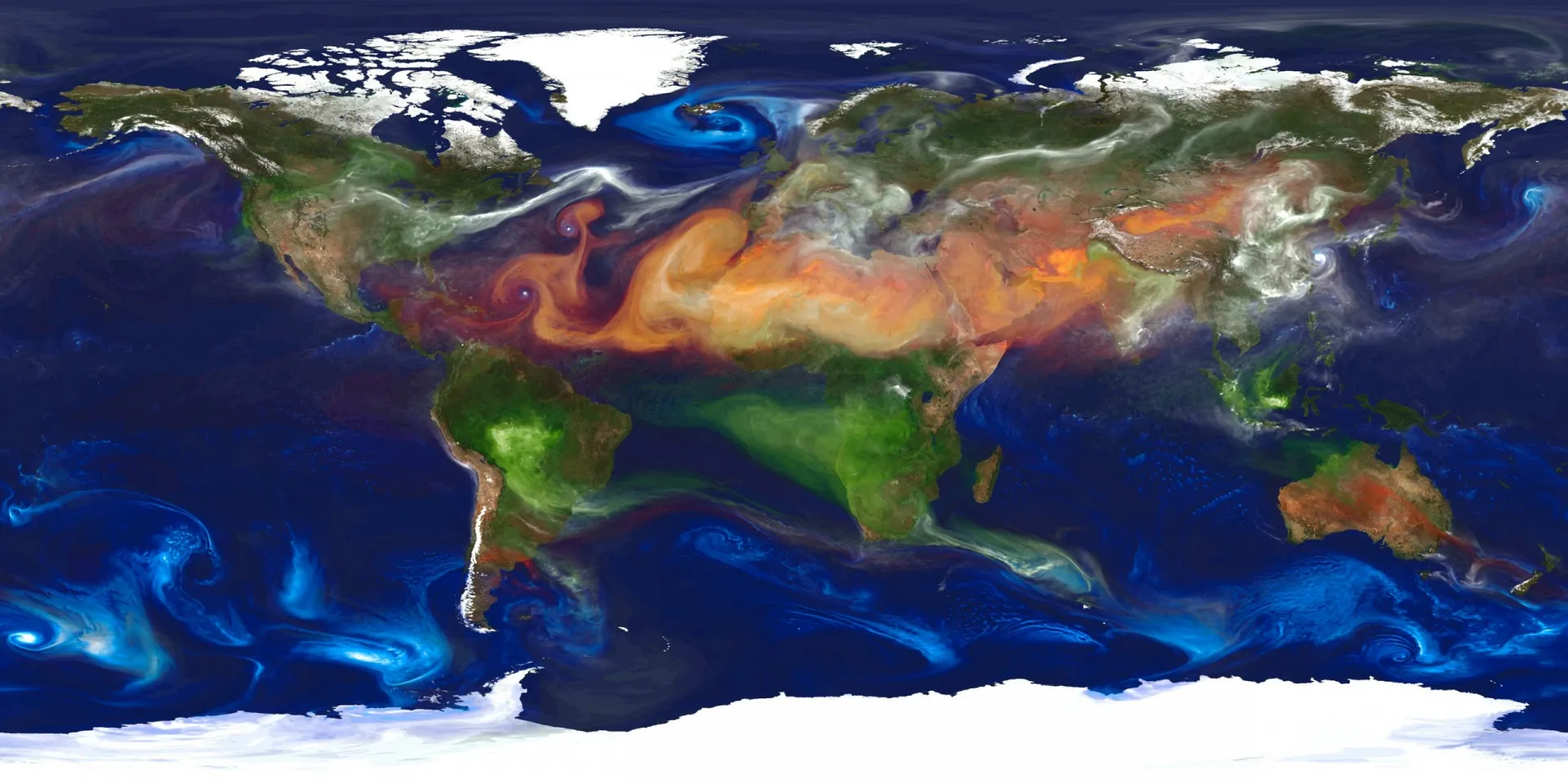
Climate scientists are still uncertain about a number of phenomena that could affect our future. What are the reasons for this uncertainty?
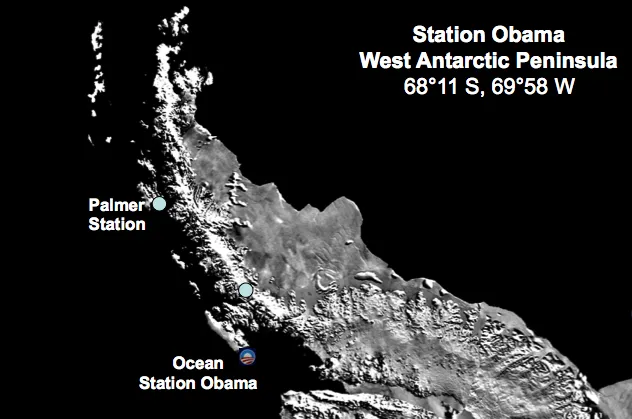
The Climate School is offering three new research assistant opportunities during the Spring 2023 semester.
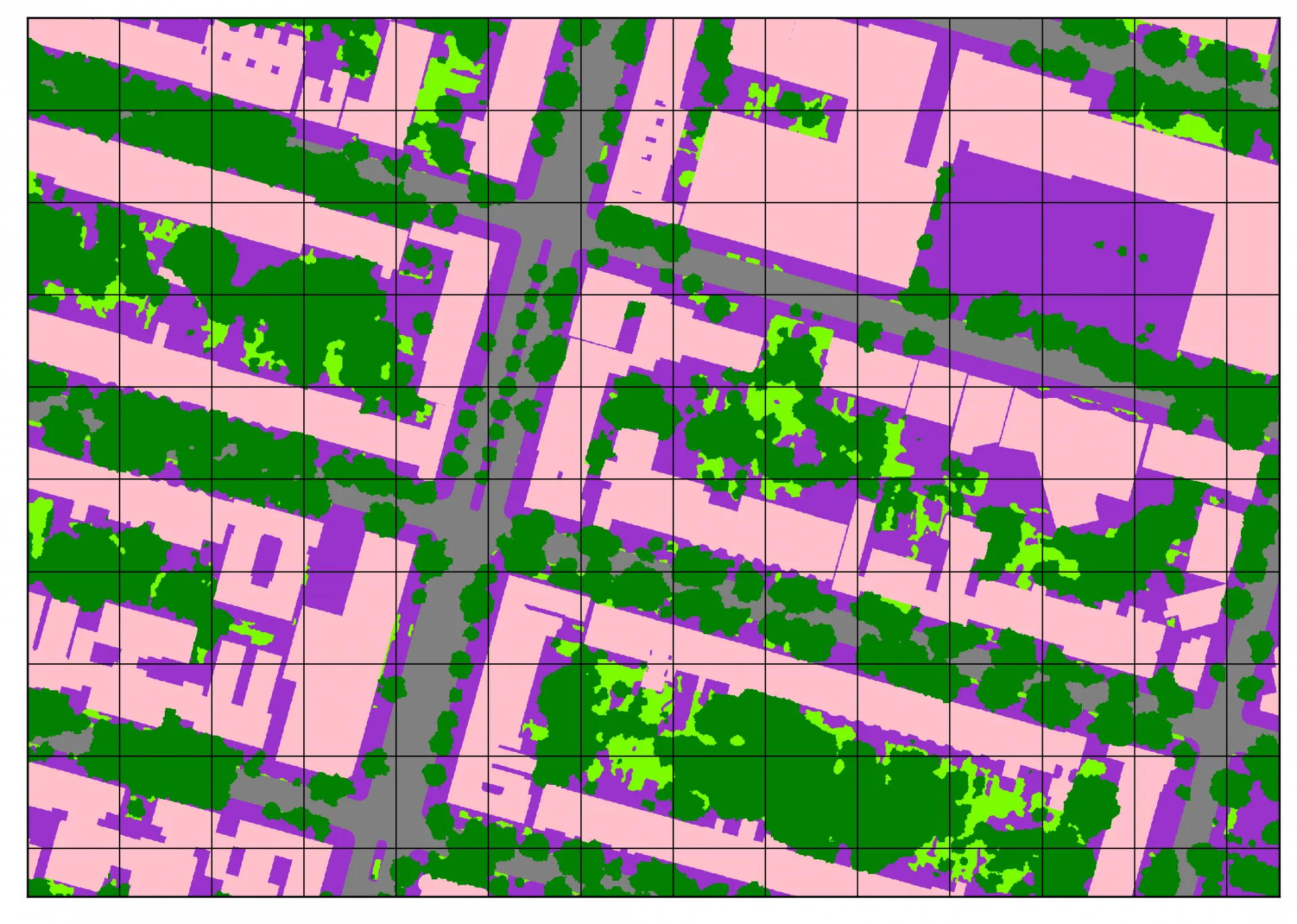
A hyper-local study of vegetation shows that the city’s trees and grass often cancel out all the CO2 released from cars, trucks and buses on summer days.
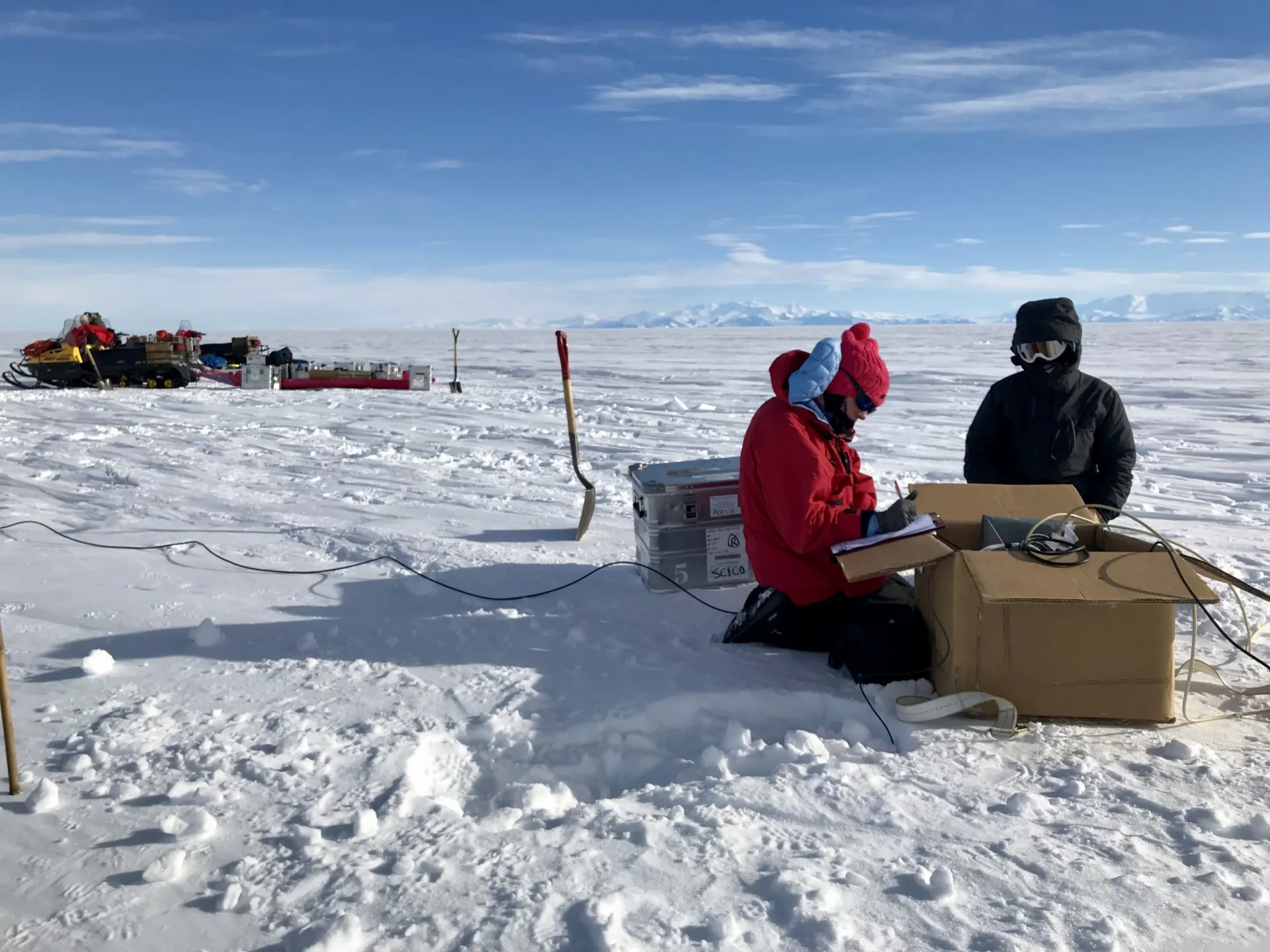
A list of some of our most popular articles and videos, plus some of our favorites that you shouldn’t miss.

Climate School experts weigh in on the past year’s most noteworthy events and developments within their fields.