

Lamont in the Media
Earth & Climate Science News
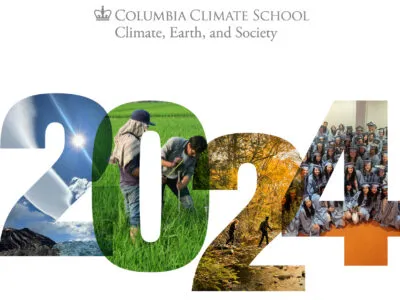
In case you missed it: Check out this past year's top stories, videos, research highlights and more.
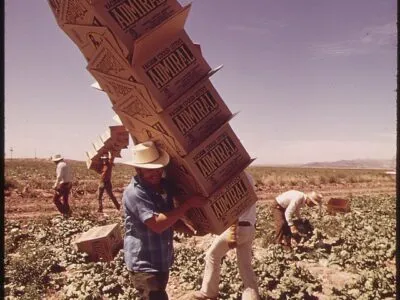
Young adults and small children are the main victims of extreme heat, according to a study done on mortality in Mexico.
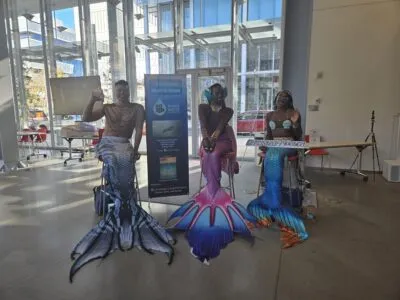
The event featured films and speakers from around the world who spotlighted humanity’s essential relationship with water and how it continues to evolve in our changing climate.
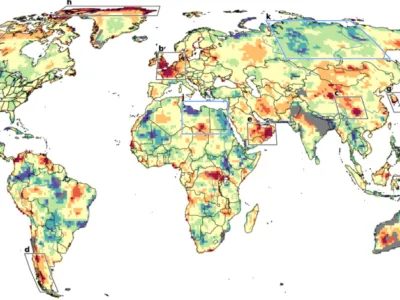
Distinct regions are seeing repeated heat waves so extreme, they cannot be explained by climate models.
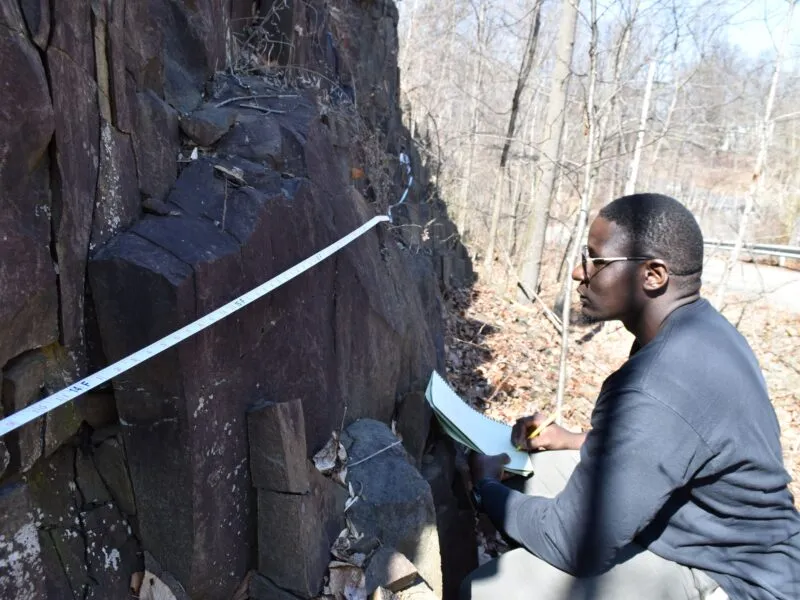

New undergrad programs and a change in leadership underscore the Climate School's multidisciplinary and collaborative approach to sustainability.
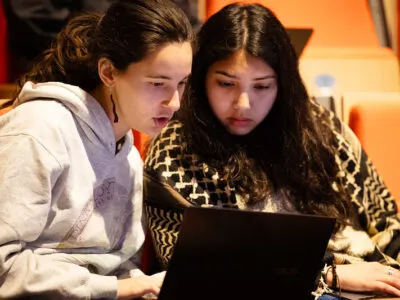
In the Climate LIVE video series, experts from across the Columbia Climate School discuss topics in climate and sustainability for grade school and university students, educators, parents and the public.
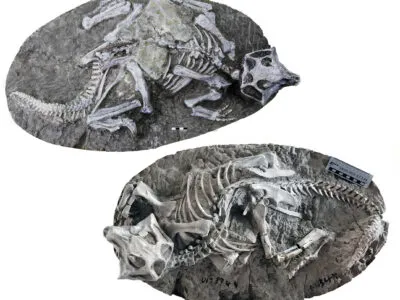
A new study throws cold water on the long-accepted dogma that exquisitely preserved fossils found in China were the result of cataclysmic volcanic eruptions.
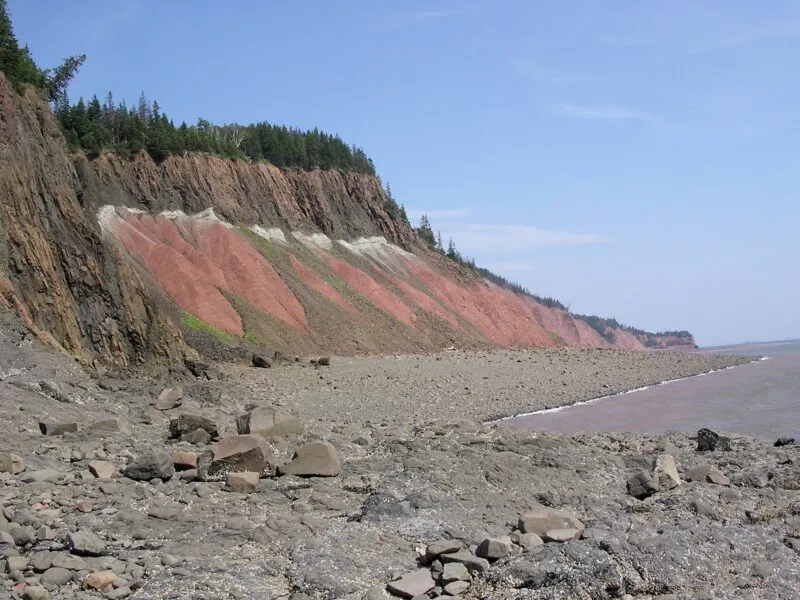
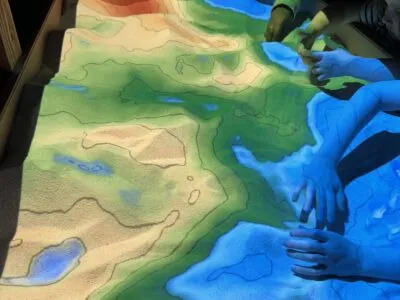
Through interactive exhibits, games and lectures, people of all ages learned about geology, earth science and climate change.
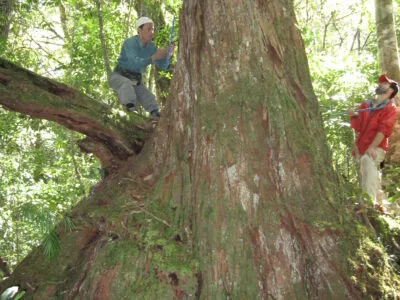
Seeking to understand the history of the southeast Asian monsoon, researchers venture into the remote highlands of Vietnam to sample the rings of behemoth cypress trees that have survived for a thousand years.
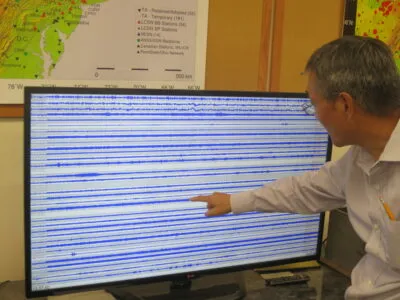
An earthquake on April 5, 2024, was felt at surprisingly long distances. What does it mean for assessing regional hazard?